

P0308 on 2019-2021 Cadillac Escalade ESV: Cylinder 8 Misfire Causes and Fixes
P0308 indicates a misfire in cylinder #8. On these Escalades, the most common causes are a bad ignition coil or spark plug. However, a failed valve lifter is a significant and known issue with these GM V8 engines and must be considered if ignition parts don't solve the problem. This issue is so prevalent that class-action lawsuits have been filed.
- P0308 is a misfire on cylinder #8, the rearmost cylinder on the passenger side.
- Always diagnose by swapping the ignition coil first, then the spark plug, to isolate the problem cheaply.
- If ignition parts don't fix the code, you must consider a failed valve lifter, a known and serious issue on this engine.
- Driving with a flashing check engine light can cause expensive damage to your catalytic converter.
- Due to the known lifter issues, a professional diagnosis is recommended if the simple coil/plug swap doesn't work.
What's Unique About the 2019-2021 Cadillac ESCALADE ESV
The 2019-2021 Escalade ESV uses GM's 6.2L V8 engine, which spans two generations in this period: the L86 (2019-2020) and the L87 (2021). While standard ignition issues are common, these engines are particularly known for valvetrain problems, specifically related to the Active or Dynamic Fuel Management (AFM/DFM) systems. These systems can cause premature failure of the valve lifters, which can present as a single-cylinder misfire like P0308. This makes diagnosis more critical, as a lifter failure is a major engine repair, unlike a simple spark plug change. The problem is widespread across GM's truck and SUV lineup.
Diagnostic Flowchart
Tap your situation to follow the diagnostic path that matches what you're seeing on this vehicle.
Generation note: The 2019-2020 models are the 4th generation (K2XL chassis) with the 6.2L L86 V8 featuring Active Fuel Management (AFM). The 2021 model is the 5th generation (T1XX chassis) with the updated 6.2L L87 V8, which uses the more complex Dynamic Fuel Management (DFM). Both engines are known to have issues with their valve lifters due to these systems, which can cause this code. GM has issued service bulletins, like one for 2021 models, related to broken valve lifter lock pin springs.
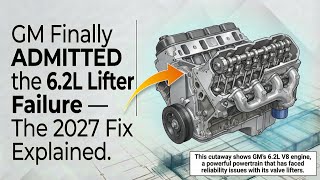
🎬 Watch: Why GM's 6.2L engines still have critical lifter flaws.Symptoms You May Notice
- Rough or shaking idle
- Hesitation or stumbling during acceleration
- Noticeable loss of engine power
- Flashing or solid Check Engine Light
- Reduced fuel economy
- A ticking or knocking noise from the engine, which could indicate a lifter issue.
- Stabilitrak/Traction Control warning lights may appear, as the system is often disabled by the ECM when a misfire is detected.
- Replacing only the spark plug when the ignition coil is the actual cause.
- Replacing fuel system components before thoroughly testing the ignition system, which is the more common point of failure.
- Ignoring the possibility of a lifter failure and repeatedly replacing plugs and coils without resolving the root cause. A user on a Silverado forum experienced this, replacing ignition parts multiple times before suspecting a deeper issue.
- Assuming a ticking noise is normal 'piston slap' when it could be a failing lifter.
Most Likely Causes
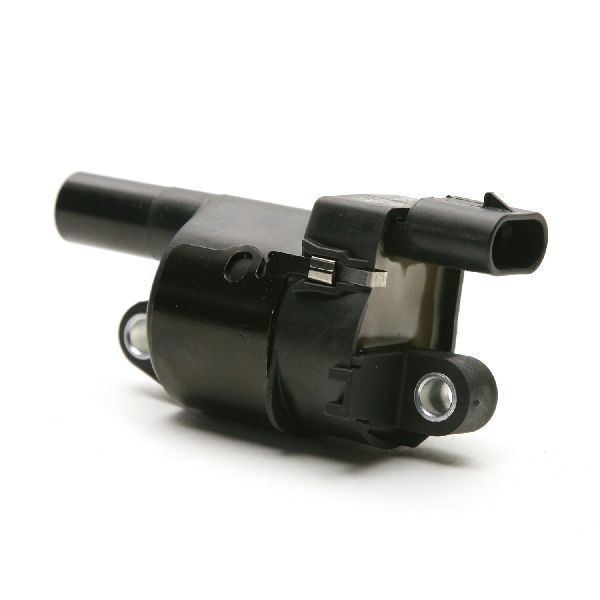
- Faulty Ignition Coil 🔴 High Probability → Shop Ignition Coil Coil-on-plug systems are a common failure point on most modern engines due to constant exposure to heat and vibration.
How to confirm: Swap the ignition coil from cylinder #8 with another cylinder (e.g., #6). Cylinder #8 is the rearmost cylinder on the passenger side. Clear the codes and drive. If the code changes to P0306, the coil is bad.
Typical fix: Replace the faulty ignition coil. It's a simple unbolt-and-unplug process. 🎬 See this walkthrough for replacing the spark plug and coil.
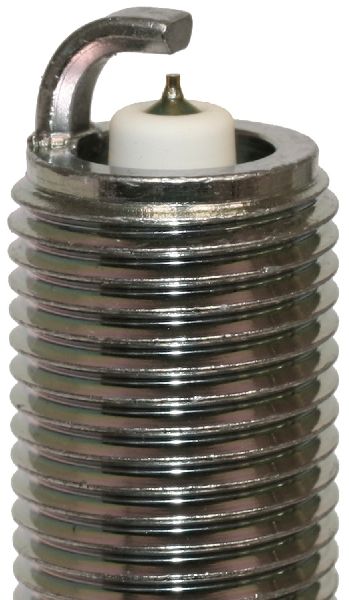
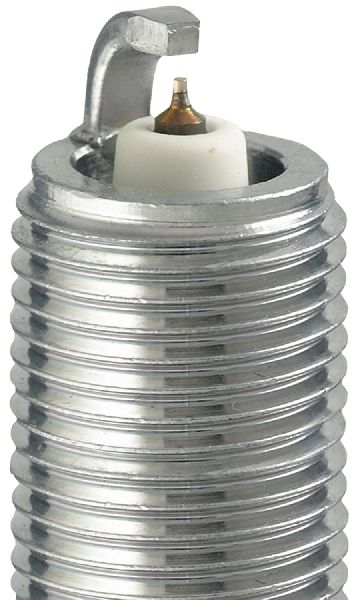
Est. part cost: $35-$95 - Worn or Fouled Spark Plug 🔴 High Probability → Shop Spark Plug Spark plugs are a regular maintenance item. The recommended interval is typically around 100,000 miles, but they can fail sooner, especially if other issues like oil consumption are present.
How to confirm: After confirming the coil is good, remove the spark plug from cylinder #8. Inspect it for wear, carbon fouling, oil, or coolant. A wet or damaged plug indicates a problem. A coolant-fouled plug could point to a leaking heater hose connection above the cylinder, a known issue on some Escalades.
Typical fix: Replace the spark plug. It is recommended to replace all 8 plugs at the same time for even performance.
Est. part cost: $8-$20 per plug - Failed Valve Lifter 🟡 Medium Probability The L86 (AFM) and L87 (DFM) engines use special lifters to deactivate cylinders for fuel economy. These components are a well-documented weak point and can collapse, get stuck, or break internally, causing a persistent misfire. This issue is the subject of TSBs and even class-action lawsuits.
How to confirm: If ignition and fuel systems are confirmed good, a compression test and cylinder leak-down test are necessary. A significant loss of compression often points to a valvetrain issue. A distinct ticking or knocking noise from the top of the engine is also a strong indicator.
Typical fix: This is a major repair requiring removal of the cylinder head to replace the faulty lifters, lifter guides, and often the camshaft and pushrods if the cam lobe is damaged. Many owners opt to replace all AFM/DFM components or install a 'delete kit' which removes the AFM/DFM system entirely, requiring a corresponding ECU tune.
Est. part cost: $500-$1500+ - Clogged or Faulty Fuel Injector ⚪ Low Probability → Shop Fuel Injector Direct injection fuel injectors operate under high pressure and can become clogged or fail electronically over time, though it's less common than ignition or lifter failures.
How to confirm: Listen to the injector with a mechanic's stethoscope to ensure it's clicking. A more advanced method is to perform a fuel injector balance test with a capable scan tool (like GM's GDS2), as outlined in TSB PIP5628G. One owner on a forum found a fuel-drenched plug was the result of a failed injector.
Typical fix: Replace the faulty fuel injector. This is more involved than on a port-injected engine due to the high-pressure fuel system and requires removing the intake manifold.
Est. part cost: $70-$150
Rare But Worth Checking
- Internal Engine Mechanical Failure: While rare, issues like a damaged piston, bent valve, or failed head gasket can cause a P0308 code. A compression or leak-down test would identify these problems.
- Intake Manifold Gasket Leak: → Shop Engine Intake Manifold A vacuum leak near the cylinder #8 intake runner could lean out the air/fuel mixture enough to cause a misfire, though this often affects adjacent cylinders as well. Tightening the intake manifold bolts has anecdotally helped some owners.
- Leaking Heater Hose/Connection: In a specific case documented on YouTube for a 2019 Escalade, a slow coolant leak from a heater hose connection located directly above the cylinder 8 ignition coil caused coolant to seep into the coil and spark plug well. This shorted the connection, causing a P0308. The fix involved replacing the leaking hoses and the water-damaged coil.
Diagnosis Steps
- Read the code with an OBD-II scanner and confirm P0308 is present. Note any other codes, like P0300 or P050D.
- Visually inspect the area around cylinder #8 (rear passenger side). Look for obvious issues like a loose spark plug wire, damaged wiring harness, or signs of fluid leaks from above, such as from heater hoses.
- Swap the ignition coil from cylinder #8 with cylinder #6 (third from front, passenger side).
- Clear the codes, start the engine, and let it run to see if the misfire code returns.
- If the code changes to P0306, the ignition coil is faulty and needs replacement.
- If the code remains P0308, swap the spark plug from cylinder #8 with cylinder #6.
- If the code now moves to P0306, the spark plug was the issue.
- If the code remains P0308, the problem is not a simple ignition component. Proceed to check the fuel injector and its wiring for cylinder #8. An injector balance test is the professional method.
- If the fuel and ignition systems are confirmed to be working, perform a compression test on cylinder #8. A healthy reading should be between 120-150 PSI, with some sources reporting over 200 PSI on a strong engine.
- Low compression indicates a mechanical problem. Given the platform's history, this is very likely a failed valve lifter, which requires more in-depth engine work.
Parts You'll Likely Need
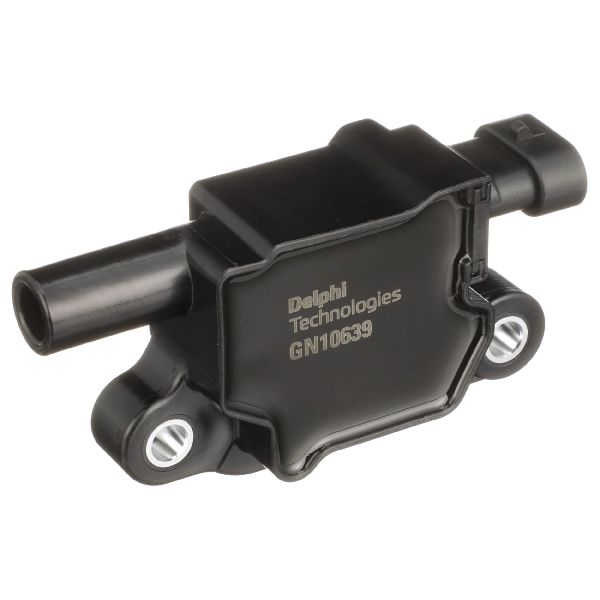
- Ignition Coil
(OEM #12713668)— This is one of the most frequent causes of a single-cylinder misfire. It's responsible for generating the high voltage for the spark plug.
Trusted brands: ACDelco, Delphi, NGK
OEM price range: $75-$95
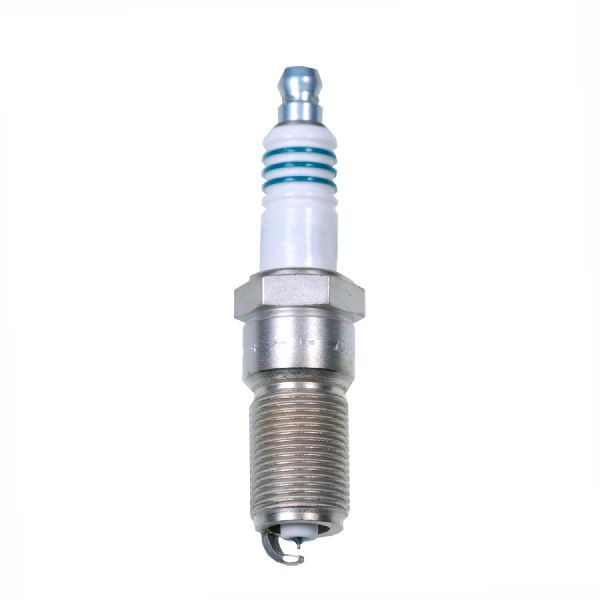
Aftermarket price range: $35-$60 - Iridium Spark Plug
(OEM #41-168)— Spark plugs are a wearable maintenance item and can foul or wear out, causing a weak or nonexistent spark.
Trusted brands: ACDelco, NGK, Denso
OEM price range: $10-$15
Aftermarket price range: $8-$12 - Fuel Injector
(OEM #19420317)— A clogged or failed fuel injector will prevent the correct amount of fuel from reaching cylinder #8, causing a misfire.
Trusted brands: ACDelco, Bosch
OEM price range: $100-$150
Aftermarket price range: $70-$110 - AFM/DFM Valve Lifter Kit — A collapsed lifter is a well-documented issue on this engine platform and a common cause for a misfire code that isn't resolved by ignition or fuel parts. Kits often include new lifters, guides, head gaskets, and bolts.
Trusted brands: ACDelco, Sealed Power, Melling
Related Codes That Often Appear With This One
- P0300 — If the cause of the misfire (like a vacuum leak or major fuel issue) is not isolated to one cylinder, a P0300 (Random/Multiple Cylinder Misfire) may be stored alongside P0308.
- P050D — This code, for 'Cold Start Rough Idle', is often seen with misfire codes on these engines and can be related to injector issues or the early stages of lifter failure.
Technical Service Bulletins (TSBs) & Recalls
- 23-NA-043
- PIP5628G
- N212353840
- 19-NA-219
Platform-Specific Known Issues
- Valve Lifter Failure: Both the L86 and L87 engines are highly susceptible to failures in the Active/Dynamic Fuel Management lifters. This can cause a misfire, ticking noises, and may eventually lead to camshaft damage. The issue is referenced in manufacturer communications like TSB #23-NA-043 and #PIP5628G, which cover engine misfires across all cylinders (P0300-P0308). TSB #23-NA-043 specifically advises replacing all lifters and guides on the affected bank if the vehicle has over 16,000 miles. A service update (N212353840) was also issued for 2021 models for broken valve lifter lock pin springs.
- Engine Recall (2021+ L87): Some 2021-2024 models with the L87 engine were part of a recall for manufacturing defects in the crankshaft and connecting rods, which could lead to catastrophic engine failure. While not directly a cause of a simple misfire code, it highlights known production issues with this engine family.
Mechanic-Grade Diagnostic Values
- High-Pressure Fuel System Pressure (Direct Injection) — expected: At engine start, should be around 30 ±5 MPa (4352 ±725 psi). Can reach up to 55 MPa (7979 psi) under certain conditions.. Failure: Significantly lower pressure could indicate a weak high-pressure fuel pump, affecting fuel atomization.
- Low-Pressure Fuel System Pressure (Lift Pump in Tank) — expected: Minimum of 0.35 ±0.05 MPa (51 ±7 psi) during engine starting.. Failure: Low pressure from the in-tank pump will starve the high-pressure pump, leading to various fuel-related codes and misfires.
- Ignition Coil Primary Resistance — expected: Approximately 0.4 - 2 ohms. One source specifies 0.45 ohms for a performance coil.. Failure: A reading outside of the specified range (open or shorted) indicates a faulty coil.
- Ignition Coil Secondary Resistance — expected: Approximately 8.22k ohms to 15.8k ohms, depending on the specific coil and test procedure.. Failure: A reading outside of this range suggests an internal failure in the coil's secondary windings.
- Engine Compression — expected: A healthy cylinder typically shows 120 to 150 PSI, though some mechanics report seeing over 200 PSI on strong engines.. Failure: A reading significantly below this range, or more than 15-20% lower than other cylinders, points to a mechanical issue like rings, valves, or a failed lifter.
Scan Tool Commands That Help
- GM GDS2 (or equivalent high-level scanner): Injector Balance Test — To test if an injector is delivering the correct amount of fuel without physically removing it. This is useful after ignition components have been ruled out.
- GM GDS2 (or equivalent high-level scanner): Cylinder Power Balance — To identify which cylinder is contributing the least power by sequentially disabling fuel to each cylinder and monitoring the drop in RPM. This helps confirm the misfire is on cylinder 8.
Wiring & Ground Locations
- G102 — Located at the left rear of the engine.. This is the ground for all 8 ignition coils. A poor connection here could cause weak spark or intermittent misfires on any cylinder, including #8.
- G103 — Located at the left rear of the engine compartment on the cowl, above the brake booster.. This grounds the Engine Control Module (ECM). A faulty ground here can cause a wide array of unpredictable engine management issues, including false misfire detection.
- Cylinder 8 Injector Control Wires (ECM Connector X3) — Pins 48 (low side) and 68 (high side) on the X3 connector at the ECM.. These are the specific pins for testing the cylinder 8 fuel injector circuit for resistance or open/short conditions directly from the ECM, ruling out wiring issues.
Real Owner Repair Stories
- Reddit user on r/ChevyTrucks (2011 Suburban (similar engine architecture and component layout)) — P0308 code.
❌ Tried (didn't work) Initially suspected standard ignition components.
✅ What actually fixed it The heater core quick-connect fittings, located above the passenger side of the engine, were dripping coolant onto the #8 ignition coil and spark plug wire. Fixing the coolant leak and cleaning the components resolved the misfire. - Yukon Forum user (GMC Yukon 5.3L (similar engine family)) — P0300 and P0308 after the vehicle sat for 7 months.
❌ Tried (didn't work) Initial diagnosis was unclear.
✅ What actually fixed it An ASE Master Certified technician suggested the fuel injector was likely gummed up from sitting. The recommended fix was to try tapping on the injector while the engine is running to free it up, or to replace the injector if that failed.
When the Usual Fixes Don't Work
- While ignition components are the most common cause, the high rate of lifter failures on the L86 and especially the L87 engines means a technician should have a higher-than-normal suspicion of mechanical failure if a simple coil or plug swap doesn't resolve the P0308 code. A Reddit user with a 2016 Silverado noted that a P0308 code was the first symptom of what turned out to be a lifter failure. Another user with an L87 engine experienced a complete engine failure at 40k miles, followed by a suspected lifter failure on the replacement engine 28k miles later, highlighting the severity and recurrence of the issue.
OEM Part Supersession History
Unknown→12664915— This is a current part number for the DFM Engine Valve Lifter Guide for the L87 engine.
Model Year Variations Within This Range
- 2019-2020: These models use the 6.2L L86 V8 with Active Fuel Management (AFM). AFM deactivates four specific cylinders (1, 7, 4, and 6) to save fuel. This means only 8 of the 16 lifters are the special deactivating type.
- 2021: The 2021 model uses the 6.2L L87 V8 with Dynamic Fuel Management (DFM). DFM is more advanced and can deactivate any number of cylinders in 17 different patterns. This requires all 16 valve lifters to be the special, and more failure-prone, deactivating type, increasing the overall risk of lifter failure on any given cylinder.
Helpful Videos
We Have This Part in Stock

The information in this article is provided for general reference and educational purposes only. Vehicle specifications, procedures, and part compatibility can vary by production date, trim level, and region. Always consult your vehicle's factory service manual and verify part numbers before purchasing or performing repairs. Safety-critical components such as airbags, seat belts, and braking systems should be installed by a qualified professional.
- Cadillac ESCALADE ESV:
- 🧭 Diagnostic Flowchart
- 🎬 Helpful Videos
- 🛍️ Shop This Part
- What's Unique About the 2019-2021 Cadillac ESCALADE ESV
- Symptoms You May Notice
- Most Likely Causes
- Rare But Worth Checking
- Diagnosis Steps
- Parts You'll Likely Need
- Related Codes That Often Appear With This One
- Technical Service Bulletins (TSBs) & Recalls
- Platform-Specific Known Issues
- Mechanic-Grade Diagnostic Values
- Scan Tool Commands That Help
- Wiring & Ground Locations
- Real Owner Repair Stories
- When the Usual Fixes Don't Work
- OEM Part Supersession History
- Model Year Variations Within This Range
- 🎟️ Get 5% Off