

P0308 on 2010-2013 Chevrolet Avalanche: Cylinder 8 Misfire Causes & Fixes
P0308 on a 2010-2013 Avalanche means cylinder 8 is misfiring. The most common causes are a bad spark plug, ignition coil, or a loose plug wire. However, these 5.3L V8 engines are known for valvetrain issues that can lead to more serious mechanical misfires, such as a worn camshaft or failed lifter, even though cylinder 8 is not an AFM-managed cylinder.
- P0308 is a misfire on cylinder 8, the rearmost cylinder on the passenger side.
- Start diagnosis by swapping the ignition coil from cylinder 8 to another cylinder to see if the misfire follows.
- Inspect the spark plug for wear or oil fouling, and ensure the plug wire is securely connected at both ends.
- A flashing check engine light is a serious warning to stop driving to prevent expensive catalytic converter damage.
- Be aware that while less common, this code can be a symptom of a more serious mechanical engine problem like a worn camshaft, as noted in GM's own service bulletins.
What's Unique About the 2010-2013 Chevrolet AVALANCHE
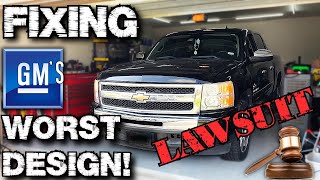
The 2010-2013 Avalanche is equipped with a 5.3L V8 Vortec engine that often includes an Active Fuel Management (AFM) system. While this system is a known source of lifter-related misfires, cylinder #8 is typically NOT one of the AFM-managed cylinders (AFM cylinders are usually 1, 4, 6, and 7). However, the entire valvetrain in this engine family is susceptible to mechanical issues. TSB #PIP4138R specifically calls out the possibility of a worn camshaft lobe or lifter causing a P0300-P0308 code, which is a more serious issue than a simple spark plug or coil failure. This can happen even on a non-AFM cylinder due to systemic issues like oil aeration or pressure problems that affect all lifters. Additionally, a class-action lawsuit alleged that defects in the piston rings and AFM system in these engines could lead to excessive oil consumption, which can foul spark plugs and cause misfires.
Diagnostic Flowchart
Tap your situation to follow the diagnostic path that matches what you're seeing on this vehicle.
Symptoms You May Notice
- Flashing or solid Check Engine Light
- Rough or shaking idle
- Engine hesitation or stumbling on acceleration
- Noticeable loss of power
- Poor fuel economy
- Engine stalling at idle
- Ticking, chirping, or squealing noise from the engine bay
- Replacing only the spark plug without checking the ignition coil or plug wire. The easiest diagnostic step is to swap the coil to another cylinder to see if the misfire moves with it.
- Assuming it must be an AFM lifter failure. While common on this engine family, cylinder 8 is not an AFM cylinder, making a standard ignition or fuel system fault more probable as the initial cause.
Most Likely Causes
- Worn or Fouled Spark Plug 🔴 High Probability → Shop Spark Plug These engines can suffer from excessive oil consumption which can foul spark plugs. Also, spark plugs are a regular maintenance item, typically recommended for replacement at 100,000 miles.
How to confirm: Remove the spark plug from cylinder 8 and inspect it for wear, oil fouling, carbon buildup, or damage. A fouled plug may appear wet with fuel or blackened. Compare it to a new plug. 🎬 Watch: How to remove and replace the cylinder 8 spark plug.
Typical fix: Replace the spark plug. It is often recommended to replace all 8 spark plugs if they are near the end of their service life to ensure even performance.
Est. part cost: $5 - $20 per plug - Failed Ignition Coil 🔴 High Probability → Shop Ignition Coil
How to confirm: Swap the ignition coil from cylinder 8 with another cylinder (e.g., cylinder 6, which is in front of it). Clear the codes and drive the vehicle. If the code changes to P0306, the coil is faulty. This is the most common and effective initial diagnostic step.
Typical fix: Replace the faulty ignition coil. This is typically a simple repair involving a single bolt.
Est. part cost: $30 - $75 - Loose or Bad Spark Plug Wire 🟡 Medium Probability → Shop Spark Plug A known issue involves coolant leaking from the heater core quick-connect hoses near the firewall, which can drip directly onto the cylinder 8 spark plug wire and coil, causing corrosion and failure. GM TSB #PIP5159C also notes that wires can become loose at the coil.
How to confirm: Visually inspect the spark plug wire for cylinder 8. Ensure it is securely connected at both the spark plug and the ignition coil. Check for any signs of damage, corrosion, or coolant contamination.
Typical fix: Securely connect or replace the spark plug wire for cylinder 8. If coolant contamination is found, the source of the leak must also be repaired.
Est. part cost: $10 - $25 for a single wire, $50-$100 for a set - Clogged or Faulty Fuel Injector 🟡 Medium Probability → Shop Fuel Injector
How to confirm: Listen for a consistent clicking sound from the injector with a mechanic's stethoscope; it should sound like the others. You can also swap the injector with another cylinder to see if the misfire follows, though this is more labor-intensive.
Typical fix: Replace the fuel injector for cylinder 8. Some owners have had success using a strong fuel system cleaner like Techron as a first step.
Est. part cost: $50 - $120 - Worn Camshaft Lobe / Failed Lifter ⚪ Low Probability → Shop Engine Camshaft TSB #PIP4138R (superseded by 19-NA-219) specifically mentions worn camshaft lobes and/or lifters as a potential cause for P0300-P0308 codes when other diagnostics don't find the issue. A failed lifter can damage the camshaft, leading to a misfire. This is a well-documented problem in the GM 5.3L engine family.
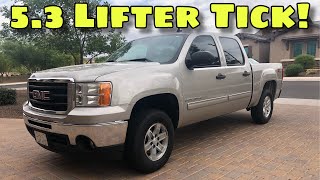
How to confirm: This requires in-depth mechanical diagnosis. A consistent ticking or chirping noise that changes with engine RPM is a strong indicator. Diagnosis starts with a compression test. 🎬 See this guide on diagnosing and fixing the infamous lifter tick. If compression is low, the valve cover must be removed to inspect the valvetrain components like lifters, pushrods, and valve springs.
Typical fix: This is a major repair that involves replacing the camshaft, all lifters (especially replacing all AFM lifters with new ones or an AFM-delete kit), and other related valvetrain components.
Est. part cost: $500 - $1500+ for parts alone. A shop repair can cost several thousand dollars.
Rare But Worth Checking
- Intake Manifold Gasket Leak: → Shop Engine Intake Manifold A vacuum leak near the intake runner for cylinder 8 can lean out the air-fuel mixture, causing a misfire. This can be diagnosed by checking fuel trims or carefully spraying carb cleaner around the intake manifold gasket with the engine running and listening for a change in idle.
- Low Engine Compression: Caused by issues like a leaking valve, broken valve spring, or worn piston rings. A compression test and cylinder leak-down test are needed to confirm the mechanical health of the cylinder.
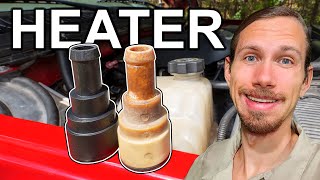
- Coolant Leak onto Ignition Components: As mentioned in the 'Spark Plug Wire' cause, a leak from the heater core quick-connects can drip onto the cylinder 8 coil and wire. A Reddit user with an '11 Suburban confirmed this exact issue 🎬 Watch: How to fix leaking heater hoses before they cause misfires. caused their P0308. This is a specific and verifiable external cause.
Diagnosis Steps
- Read the code using an OBD-II scanner to confirm P0308 and check for any other codes, like P0300.
- Inspect the spark plug wire for cylinder 8 (passenger side, rearmost). Ensure it's secure. Check for damage, corrosion, or signs of a coolant leak from the heater hoses above it.
- Swap the ignition coil from cylinder 8 with cylinder 6 (the one in front of it). Clear the codes and drive the vehicle. If the code returns as P0306, the ignition coil is bad.
- If the code remains P0308, remove and inspect the spark plug from cylinder 8. Look for signs of wear, damage, or heavy oil/carbon fouling. Replace if necessary. It's recommended to replace all 8 if they are near their 100k mile service interval.
- If the ignition system seems good, listen to the fuel injector on cylinder 8 with a mechanic's stethoscope. It should have a steady, audible clicking sound similar to the other injectors.
- If ignition and fuel seem okay, listen carefully for any abnormal engine noises like a persistent tick or chirp, which could indicate a valvetrain problem.
- Perform a compression test on cylinder 8 to check for mechanical engine problems. Low compression points towards more serious issues like a worn cam lobe, failed lifter, or valve sealing issue, as mentioned in TSB #PIP4138R.
Parts You'll Likely Need
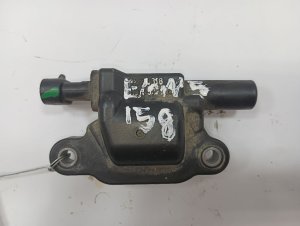
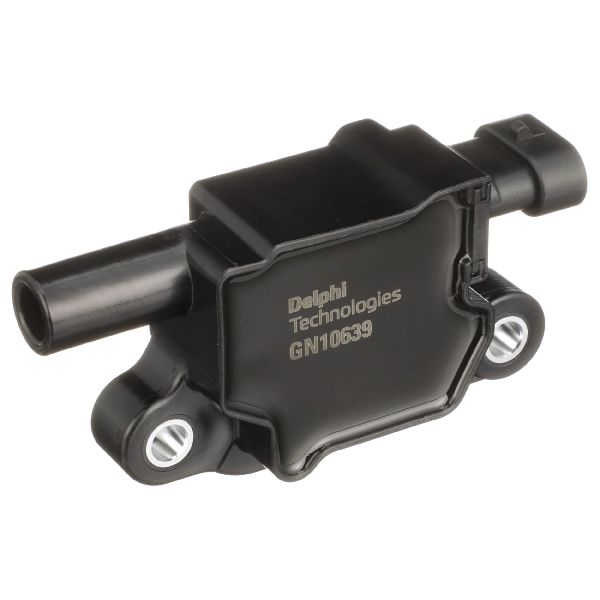
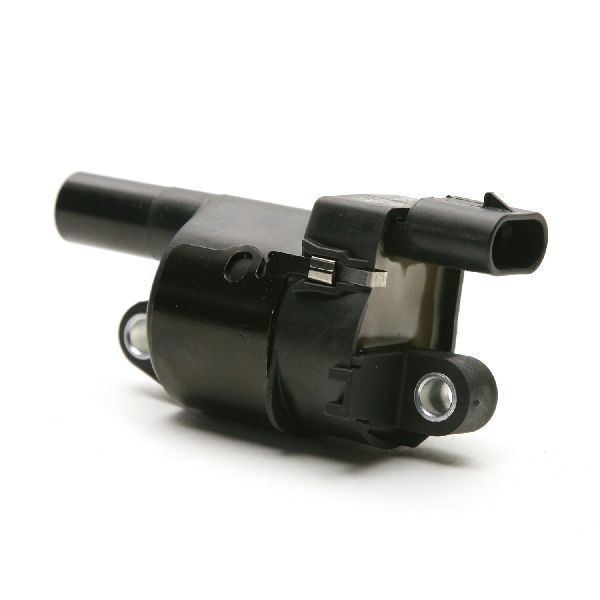
- Ignition Coil
(OEM #ACDelco D521C (or superseding part number 12735944))— Ignition coils are a very common failure point for misfires. Swapping them is the easiest way to diagnose a bad coil.
Trusted brands: ACDelco, Delphi
OEM price range: $50 - $90
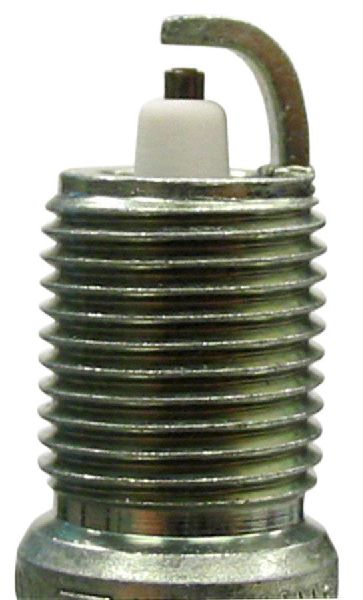
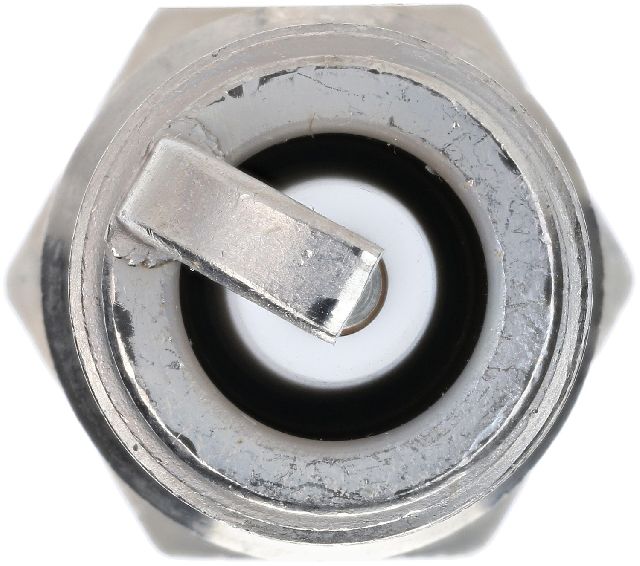
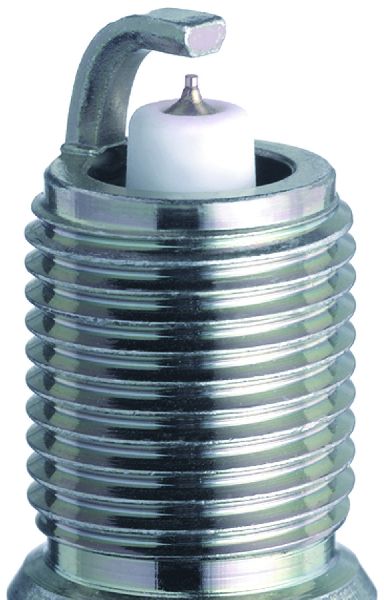
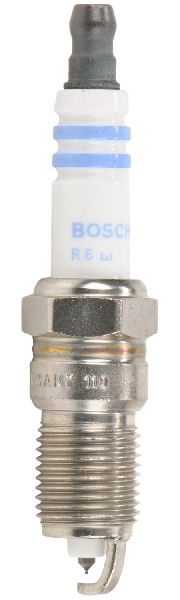
Aftermarket price range: $30 - $75 - Spark Plug
(OEM #ACDelco 41-162 (Iridium))— Spark plugs are a maintenance item and can become fouled or worn, causing a weak spark and misfire. Oil consumption issues can shorten their life. The OEM recommended plug is Iridium and comes pre-gapped.
Trusted brands: ACDelco, NGK
OEM price range: $10 - $20
Aftermarket price range: $5 - $15 - Spark Plug Wire — A loose or damaged spark plug wire can prevent spark from reaching the plug. A known issue is coolant dripping on the #8 wire, causing failure.
Related Codes That Often Appear With This One
- P0300 — If the misfire is intermittent, affects multiple cylinders randomly, or is just beginning, a P0300 (Random Misfire) code may be present alongside the P0308.
- P050D — TSB #PIP5628G links P0300-P0308 codes with P050D (Cold Start Rough Idle), indicating they can appear together and require specific diagnostic information if contacting technical assistance.
Technical Service Bulletins (TSBs) & Recalls
- PIP5628G: Communicates information needed for diagnosing misfire DTCs P0300 - P0308, especially when seen with a P050D rough idle code.
- PIP4138R: Suggests checking for a worn camshaft lobe and/or lifter if a P0300-P0308 misfire cause cannot be isolated through standard diagnostics. Also mentions broken valve springs and sticking valves as possibilities. This TSB was later superseded by 19-NA-219.
- PIP5159C: Notes that spark plug wires may not be fully seated on the ignition coil, leading to misfires.
Platform-Specific Known Issues
- Worn Camshaft/Lifters: TSB #PIP4138R highlights that a P0308 code can be caused by a worn camshaft lobe or lifter if standard diagnostics don't find the cause. This is a significant mechanical issue requiring more in-depth repair and is often accompanied by a distinct ticking or chirping noise.
- Excessive Oil Consumption: A class-action lawsuit was filed against GM for the 5.3L V8 engine in this year range, alleging defects that cause excessive oil consumption, which can lead to fouled spark plugs and misfires.
- Heater Hose Coolant Leak: A specific and documented issue is a leak from the heater core quick-connect fittings on the firewall dripping coolant directly onto the cylinder 8 ignition coil and spark plug wire, causing corrosion and an electrical misfire.
Mechanic-Grade Diagnostic Values
- Fuel Pressure (Key On, Engine Off) — expected: 55-62 psi. Failure: Pressure below 55 psi can indicate a weak fuel pump or clogged filter, potentially causing a lean misfire.
- Injector Balance Rates (at idle, with scan tool) — expected: Close to 0, within +/- 4.0 on a warm engine in Park/Neutral.. Failure: A large positive number on cylinder 8 suggests the ECM is adding fuel to compensate for a weak cylinder (e.g., clogged injector, low compression). A large negative number suggests the ECM is removing fuel due to a leaking or oversized injector.
- Mode 6 Misfire Counts — expected: Zero or very low counts for cylinder 8.. Failure: A high number of misfire counts for cylinder 8, even without a current CEL, confirms it is the problem cylinder.
Scan Tool Commands That Help
- GDS2 / Tech 2: Cylinder Power Balance Test — To determine if cylinder 8 is contributing less power than other cylinders. The tool deactivates one cylinder at a time and measures the RPM drop. A smaller RPM drop for cylinder 8 indicates it's not firing properly. This is a primary step to confirm the misfire location without disassembly.
- GDS2 / Tech 2: Fuel Injector Balance Test — To test a fuel injector's flow without removing it. The tool commands the injector to fire for a specific duration and measures the corresponding drop in fuel rail pressure. This can identify a clogged or weak injector on cylinder 8.
Wiring & Ground Locations
- G102 — On the left rear of the engine block/cylinder head.. This is a primary ground point for all 8 ignition coils. A loose or corroded connection here can cause a weak or intermittent spark on one or more cylinders, including cylinder 8.
- G104 — A ground strap from the rear of the left cylinder head to the firewall.. This is a main engine-to-chassis ground. While less likely to cause a single-cylinder misfire, a poor connection can create widespread electrical issues that could affect ECM operation and sensor readings.
- ECM Connector J2, Pin 48 — On the Engine Control Module (ECM).. This is the specific pin for the Fuel Injector B (Cylinder 8) control circuit. A technician can use this pin to test for continuity between the ECM and the injector harness to rule out a broken wire.
Real Owner Repair Stories
- Reddit user 509VolleyballDad (2011 Suburban (same platform/engine)) — P0308 code.
❌ Tried (didn't work) Initial diagnosis focused on replacing ignition components.
✅ What actually fixed it The heater core quick-connects above cylinder 8 were dripping coolant onto the plug wire. Fixing the coolant leak and cleaning the wire resolved the P0308 code. - Tahoe Yukon Forum user (2007-2014 Tahoe/Yukon) — Intermittent P0308 check engine light.
❌ Tried (didn't work) Considering replacement of ignition parts.
✅ What actually fixed it The owner ran two consecutive tanks of fuel with Techron fuel system cleaner added, which cleared the code and it did not return, indicating the cause was a dirty/clogged fuel injector. - Tahoe Yukon Forum user (2002 Tahoe (similar 5.3L engine)) — P0308 misfire code.
❌ Tried (didn't work) Replacing the ignition coil on cylinder 8.
✅ What actually fixed it The fuel injector wiring harness connector had a poor connection. Replacing the pigtail connector for the injector fixed the misfire.
"I Checked Everything" — The Actual Cause
- In cases where a smoke test finds no vacuum leaks, the P0308 misfire can be caused by an electrical fault that is invisible to the test. One owner chased a P0308 after swapping ignition parts to no avail; the final cause was a poor electrical connection at the fuel injector's wiring harness plug. This requires testing the connector for a solid fit and using a 'noid light' to verify the injector is receiving a consistent pulse from the ECM.
OEM Part Supersession History
ACDelco 41-110→ACDelco 41-162— Design change and/or supplier change for GM's Iridium spark plugs.
Heads up: Both plugs are compatible, but some forum users have noted physical differences and expressed a preference for the build quality of the older 41-110 plugs. The 41-162 is the current official GM recommendation.
Model Year Variations Within This Range
- 2010-2013: The 5.3L V8 engine (LC9) in 2010-2013 models features Variable Valve Timing (VVT), which was not present on all earlier versions. These engines also have a slightly lower compression ratio (9.6:1) compared to the 2007-2009 models (9.9:1) and use pistons with valve reliefs. This does not fundamentally change P0308 diagnosis but is a key mechanical difference.
Helpful Videos
Used OEM Parts in Stock
New Aftermarket Parts Available

The information in this article is provided for general reference and educational purposes only. Vehicle specifications, procedures, and part compatibility can vary by production date, trim level, and region. Always consult your vehicle's factory service manual and verify part numbers before purchasing or performing repairs. Safety-critical components such as airbags, seat belts, and braking systems should be installed by a qualified professional.
- Chevrolet AVALANCHE:
- 🧭 Diagnostic Flowchart
- 🎬 Helpful Videos
- 🛍️ Shop This Part
- What's Unique About the 2010-2013 Chevrolet AVALANCHE
- Symptoms You May Notice
- Most Likely Causes
- Rare But Worth Checking
- Diagnosis Steps
- Parts You'll Likely Need
- Related Codes That Often Appear With This One
- Technical Service Bulletins (TSBs) & Recalls
- Platform-Specific Known Issues
- Mechanic-Grade Diagnostic Values
- Scan Tool Commands That Help
- Wiring & Ground Locations
- Real Owner Repair Stories
- "I Checked Everything" — The Actual Cause
- OEM Part Supersession History
- Model Year Variations Within This Range
- 🎟️ Get 5% Off