

P0308 on 2005-2012 Chevrolet Corvette: Cylinder 8 Misfire Causes and Fixes
On a 2005-2012 Corvette, P0308 is most often caused by a worn spark plug, a bad spark plug wire, or a failing ignition coil on cylinder 8. Start by inspecting the plug and wire, then perform a coil swap with an adjacent cylinder to diagnose. This is a low-cost, high-probability fix.
- P0308 on a C6 Corvette means cylinder 8 is misfiring.
- The most likely cause is a bad spark plug, spark plug wire, or ignition coil.
- A simple and effective diagnostic step is to swap the ignition coil from cylinder 8 to another cylinder and see if the misfire code follows.
- Do not ignore a flashing check engine light, as it signals a severe misfire that can quickly damage your expensive catalytic converters.
- If you own a Z06 (LS7 engine), be aware of the potential for valve guide issues as a more serious, underlying cause of a misfire.
What's Unique About the 2005-2012 Chevrolet CORVETTE
For the C6 Corvette, with its high-performance LS-series V8 engines, a P0308 code is a common issue that usually points to the ignition system. Cylinder 8 is located at the rear of the passenger side of the engine bay, where access can be slightly tighter and heat soak from the exhaust manifold can degrade the spark plug wire over time. While most misfires are due to simple wear items like plugs or wires, owners of the Z06 model (with the 7.0L LS7 engine) should be aware of a known, albeit less common, issue with valve guide wear that can also present as a misfire before becoming a catastrophic failure.
Diagnostic Flowchart
Tap your situation to follow the diagnostic path that matches what you're seeing on this vehicle.
Symptoms You May Notice
- Rough or vibrating idle
- Hesitation or stumbling during acceleration
- Noticeable loss of engine power
- Flashing Check Engine Light (indicates a severe, catalyst-damaging misfire)
- Steady Check Engine Light
- Smell of raw fuel from the exhaust
- "Service Active Handling" or "Service Traction Control" messages may appear on the driver information center
- Replacing the catalytic converter. A misfire can cause a catalyst efficiency code (P0420/P0430), but the misfire is the root cause, not the converter.
- Replacing O2 sensors. Faulty O2 sensors are not a typical cause for a single-cylinder misfire code like P0308.
Most Likely Causes
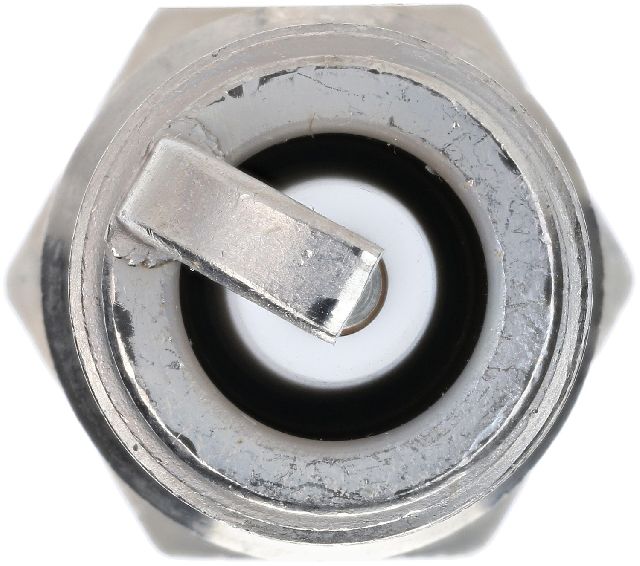
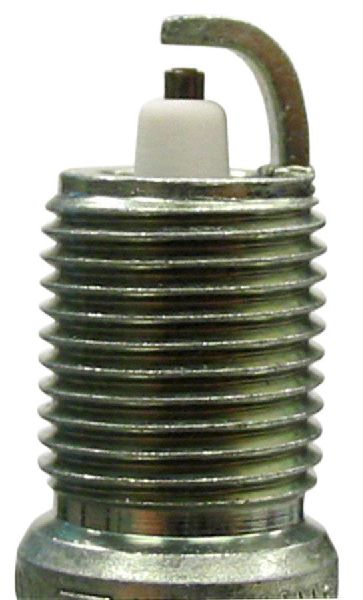
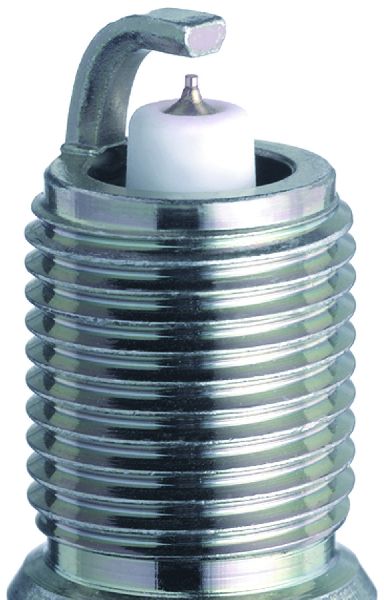
- Worn or Fouled Spark Plug 🔴 High Probability → Shop Spark Plug Spark plugs are a regular maintenance item. High-performance driving can shorten their lifespan. Cylinder 8 is at the back of the engine and sometimes gets overlooked during tune-ups. A fouled plug was the confirmed fix for a P0308 on a Camaro SS after other parts were swapped.
How to confirm: Remove the spark plug from cylinder 8 and inspect it. Look for a worn electrode, heavy carbon deposits, oil fouling, or a cracked porcelain insulator. A good diagnostic step is to swap the plug with another cylinder (e.g., cylinder 6) and see if the misfire code follows (e.g., changes to P0306).
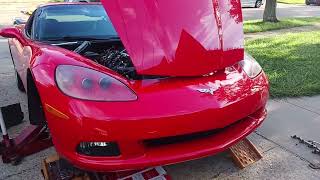
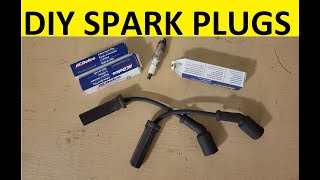
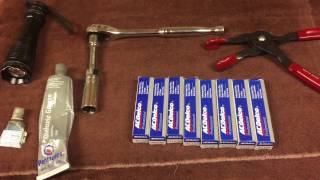
Typical fix: Replace the spark plug. It is recommended to replace all 8 plugs at the same time 🎬 See this walkthrough on how to change C6 plugs and wires. for consistent performance. Use high-quality Iridium plugs like the factory-installed ACDelco parts. Some owners report better performance with the older 41-110 plug compared to the newer 41-162 replacement.
Est. part cost: $10-$25 per plug - Bad Spark Plug Wire 🔴 High Probability → Shop Spark Plug The spark plug wires on LS engines are routed near hot exhaust manifolds, which can cause them to degrade, become brittle, and fail over time. The connection at the coil pack or spark plug can also become loose, a situation some owners have reported after high-speed driving.
How to confirm: Visually inspect the wire for any signs of cracking, melting, or arcing (white marks). With the engine running in the dark, you can sometimes see the spark arcing from the wire to a metal part of the engine. Ensure the wire is securely clicked onto both the spark plug and the ignition coil. You can also test the wire's resistance with a multimeter.
Typical fix: Replace the spark plug wire for cylinder 8. It is often best to replace the full set of wires, sometimes with heat-shielding boots for added protection.
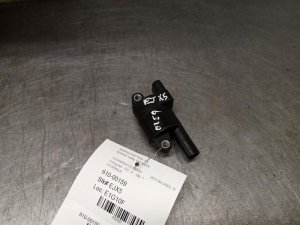
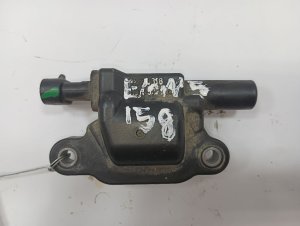
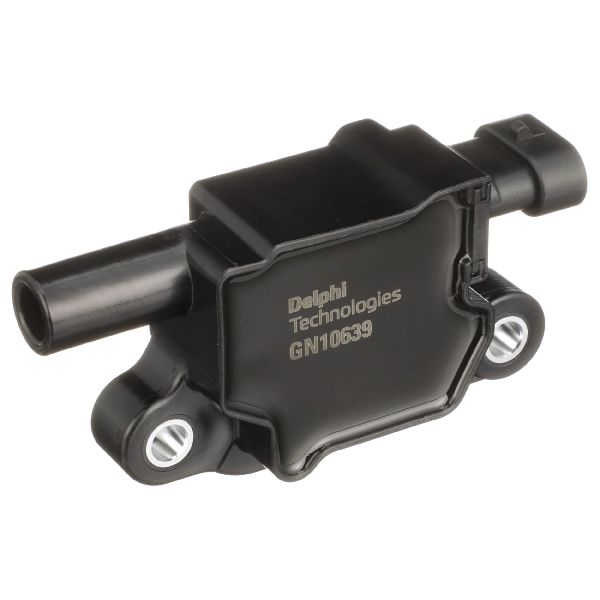
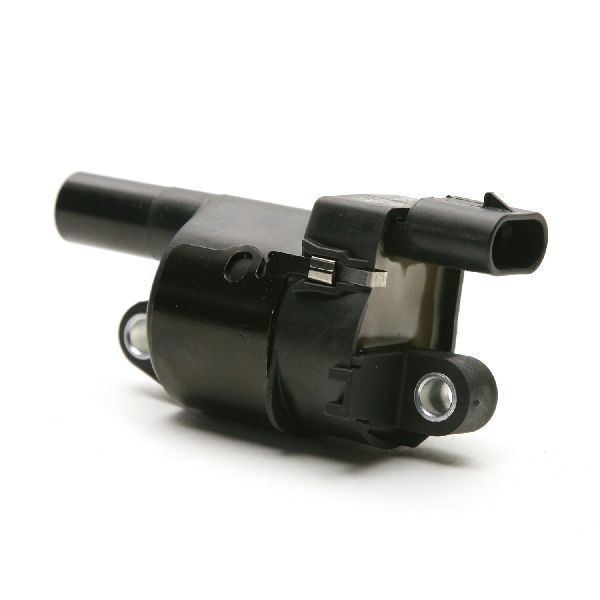
Est. part cost: $50-$120 for a full set - Failing Ignition Coil 🟡 Medium Probability → Shop Ignition Coil
How to confirm: The easiest way to diagnose a bad coil is to swap it with another cylinder. For example, swap the cylinder 8 coil with the cylinder 6 coil (on the same side). Clear the codes, run the engine, and see if the code changes to P0306. If it does, the coil is bad. This is a very common and effective diagnostic step mentioned in numerous forums.
Typical fix: Replace the faulty ignition coil. They are mounted individually and are straightforward to replace. The original part 12570616 has been superseded by 12611424.
Est. part cost: $40-$90 per coil - Clogged or Faulty Fuel Injector ⚪ Low Probability → Shop Fuel Injector
How to confirm: If ignition components are confirmed good, the fuel injector is the next suspect. A mechanic can perform a fuel injector balance test. You can also listen to the injector with a mechanic's stethoscope; it should make a consistent clicking sound. Swapping the injector with another cylinder is also a valid, though more involved, diagnostic step.
Typical fix: Replace the faulty fuel injector. It's also recommended to have the other injectors professionally cleaned and tested at the same time.
Est. part cost: $70-$150 per injector
Rare But Worth Checking
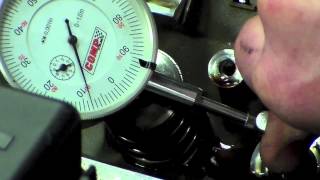
- LS7 Valve Guide Wear (2006-2012 Z06 models): The 7.0L LS7 engine is known for premature wear of the valve guides, which can cause the valve to wobble and not not seal properly, leading to a misfire. If left unaddressed, this can result in a valve dropping into the cylinder, causing catastrophic engine failure. This is a well-documented issue in the Corvette community and requires inspection by a specialist familiar with LS7 engines, often involving a 'wiggle test' to measure guide clearance. 🎬 Watch: A mechanic demonstrates the LS7 valve guide wiggle test.
- Low Engine Compression: If all ignition and fuel components for cylinder 8 are good, a mechanical problem could be the cause. This can include a worn piston ring, a bent valve, a leaking head gasket, or a broken valve spring, the latter being a known failure point on some LS engines. A compression test and a cylinder leak-down test are needed to diagnose this.
Diagnosis Steps
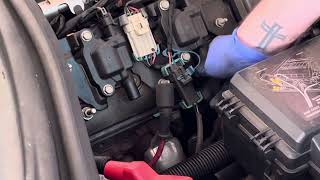
- Read the code with an OBD-II scanner to confirm P0308 and check for any other codes like P0300 or P0430. Note if the check engine light is flashing. 🎬 Watch: This guide shows you how to diagnose an LS3 misfire.
- Visually inspect the spark plug wire for cylinder 8 for damage or a loose connection at the plug and coil pack. A loose wire is a surprisingly common fix.
- At night in a dark garage, start the engine and look for any visible arcing from the spark plug wire to the engine block, which indicates a bad wire.
- Swap the ignition coil from cylinder 8 with another cylinder on the same bank (e.g., cylinder 6). Clear the codes and drive the vehicle. If the code changes to P0306, the ignition coil is faulty and needs replacement.
- If the misfire remains on cylinder 8, remove and inspect the spark plug. Look for wear, fouling, or damage. Even if it looks okay, consider replacing it as it's an inexpensive and high-probability cause.
- If the plug and coil are good, the spark plug wire is the next likely culprit. Replace it or swap it with another cylinder's wire if possible to see if the misfire moves.
- If ignition parts are ruled out, the issue may be fuel-related. Check the fuel injector on cylinder 8. Listen for its operation with a stethoscope or test its electrical connector with a noid light.
- If the misfire persists, a mechanical issue is possible. Perform a compression test on cylinder 8 to check the health of the piston rings and valves. A healthy LS engine should have around 180 PSI or more.
- For Z06 models with the LS7 engine, if other tests are inconclusive, consult a specialist to perform a 'wiggle test' to check for excessive valve guide wear.
Parts You'll Likely Need
- Spark Plug
(OEM #ACDelco 41-110 (Original) or 41-162 (Newer Replacement))— This is the most common failure point for a single-cylinder misfire. They are a standard wear-and-tear item. Note: The 41-162 is a replacement for the 41-110, but some owners have reported quality/performance differences.
Trusted brands: ACDelco, NGK
OEM price range: $15-$20
Aftermarket price range: $10-$18 - Spark Plug Wire Set
(OEM #ACDelco 9748RR (Example set))— Wires degrade from heat over time, causing weak spark or arcing. Replacing them is a common fix for persistent misfires, especially the #8 wire due to heat exposure.
Trusted brands: ACDelco, MSD, Granatelli Motor Sports
OEM price range: $80-$120
Aftermarket price range: $50-$100 - Ignition Coil
(OEM #12611424 (supersedes 12570616))— The ignition coil provides the high voltage for the spark. While durable, they can fail, leading to a dead cylinder. Heat is a common cause of failure.
Trusted brands: ACDelco, Delphi
OEM price range: $60-$90
Aftermarket price range: $40-$70
Related Codes That Often Appear With This One
- P0300 — If the misfire is intermittent or affects multiple cylinders, a P0300 (Random/Multiple Cylinder Misfire) may be stored alongside P0308.
- P0430 — If the misfire on cylinder 8 (which is on Bank 2) is severe and prolonged, it can dump unburned fuel into the exhaust, damaging the catalytic converter and triggering a P0430 (Catalyst System Efficiency Below Threshold Bank 2) code.
Technical Service Bulletins (TSBs) & Recalls
- PIP5628G: A general technical service bulletin that provides dealers with a diagnostic checklist for persistent P0300-P0308 misfire codes when initial diagnostics don't resolve the issue. It asks for data like fuel trims and spark tests before contacting the GM Technical Assistance Center (TAC).
Platform-Specific Known Issues
- On 2006-2012 Z06 models, the 7.0L LS7 engine has a well-documented history of excessive valve guide wear, which can cause this code. This is a serious mechanical issue that requires professional diagnosis.
- The factory spark plug wires can become brittle from heat cycling and may fail when being removed for a spark plug change. It's
Mechanic-Grade Diagnostic Values
- Fuel Pressure (at fuel rail schrader valve, KOEO or idle) — expected: 55-62 PSI (approx. 400 kPa). Pressure should hold steady.. Failure: Pressure below 55 PSI or pressure that bleeds off quickly after the pump primes indicates a weak pump, faulty regulator, or leaking injector.
- Ignition Coil Primary Resistance — expected: 0.4 - 0.6 Ohms. Failure: A reading significantly outside this range suggests a faulty coil winding.
- Ignition Coil Secondary Resistance — expected: 5,000 - 7,200 Ohms. Failure: A reading significantly outside this range suggests a faulty secondary coil winding.
- Fuel Injector Resistance (LS2/LS3) — expected: ~12-13 Ohms when cold. All injectors should have similar readings.. Failure: A reading below 10 Ohms is considered bad by GM. A significantly higher or lower reading compared to the other injectors indicates a likely failure.
Scan Tool Commands That Help
- Tech2 / GDS2 or equivalent professional scan tool: Crankshaft Position System Variation Learning Procedure — Required after replacing the crankshaft, crankshaft balancer, crankshaft position sensor, or ECM. Failure to perform this procedure can cause the ECM to misinterpret normal crankshaft speed variations as misfires, setting false P0300-P0308 codes.
- Tech2 / GDS2 or equivalent professional scan tool: Misfire Counters (Live Data) — To confirm in real-time which cylinder is misfiring. This is more precise than just reading the stored code, as it can show intermittent misfires on other cylinders that haven't yet triggered a specific code.
- Tech2 / GDS2 or equivalent professional scan tool: Injector Kill / Cylinder Power Balance Test — To confirm if a cylinder is contributing power. The command disables the fuel injector for a specific cylinder; a corresponding drop in engine RPM should be observed. If there is no change in RPM when cylinder 8 is disabled, it confirms that cylinder was not contributing.
Wiring & Ground Locations
- G107 — Engine ground located on the driver's side rear of the engine, often on a bell housing bolt or a dedicated stud on the block below the head.. This is a primary ground point for the engine harness. The ignition coil packs for each bank share a common ground circuit that relies on a clean, tight connection at G107. A loose or corroded connection here can cause a weak or intermittent spark on one or more cylinders, leading to misfires.
- G102 — Located on the driver's side frame rail, below the battery tray.. This is a major chassis ground point where multiple circuits terminate. While less direct than G107, poor grounding here can introduce electrical noise and issues throughout the vehicle's systems, including the ECM and its sensor readings.
- ECM Connector C2, Pin 50 (LS3 E38 ECM) — At the Engine Control Module (ECM).. This is the specific pin for the Ignition Control (IC) signal for ignition coil #8. A technician can use a lab scope to check for a proper square wave signal at this pin to verify the ECM is commanding the coil to fire. A lack of signal points to an ECM or wiring issue, while a good signal with a misfire points to the coil/plug/wire.
Real Owner Repair Stories
- CorvetteForum user (C6 Corvette) — After a high-speed run (120mph), the 'Service Active Handling' and 'Service Traction Control' warnings appeared, the engine ran rough, and code P0308 was stored.
❌ Tried (didn't work) Initially, no parts were replaced.
✅ What actually fixed it The owner erased the codes, then unplugged and securely re-plugged the spark plug wire for cylinder 8. The misfire and warning messages did not return, indicating the cause was a loose wire connection. - Reddit user r/Corvette (C6 Corvette) — Engine started vibrating 'like a lunatic,' multiple cylinder misfire code was present.
❌ Tried (didn't work) Spark plugs, Ignition coils, Fuel injectors
✅ What actually fixed it After replacing all common ignition and fuel components with no success, the owner removed the valve cover and discovered a broken valve spring. - CorvetteForum user (C6 Corvette with 46k miles, stock valvetrain) — Ticking sound from engine, rough idle, and a P0301 code (misfire on cylinder 1).
❌ Tried (didn't work) Checking for vacuum leaks, Checking the ignition coil, Inspecting the spark plug (was excessively fouled with soot), Checking the fuel injector
✅ What actually fixed it After ruling out fuel and ignition, the owner pulled the valve cover and found a broken valve spring on the affected cylinder.
"I Checked Everything" — The Actual Cause
- In cases where a persistent P0308 exists but ignition parts, fuel parts, and vacuum leak tests (like a smoke test) show no faults, the root cause is often mechanical. A broken valve spring is a common culprit in this scenario. A smoke test will not reveal a bad valve spring, leading technicians to overlook it after the initial, more common tests come back clean.
Model Year Variations Within This Range
- 2005-2007 vs 2008-2012: The base engine changed from the 6.0L LS2 (2005-2007) to the 6.2L LS3 (2008-2012). While architecturally similar, they use different fuel injectors (LS2 are ~33 lb/hr, LS3 are ~43 lb/hr) and may have different ECMs (E40 or E38 for LS2, E38 for LS3). This can affect part compatibility and some diagnostic values.
Helpful Videos
Used OEM Parts in Stock
New Aftermarket Parts Available

The information in this article is provided for general reference and educational purposes only. Vehicle specifications, procedures, and part compatibility can vary by production date, trim level, and region. Always consult your vehicle's factory service manual and verify part numbers before purchasing or performing repairs. Safety-critical components such as airbags, seat belts, and braking systems should be installed by a qualified professional.
- Chevrolet CORVETTE:
- 🧭 Diagnostic Flowchart
- 🎬 Helpful Videos
- 🛍️ Shop This Part
- What's Unique About the 2005-2012 Chevrolet CORVETTE
- Symptoms You May Notice
- Most Likely Causes
- Rare But Worth Checking
- Diagnosis Steps
- Parts You'll Likely Need
- Related Codes That Often Appear With This One
- Technical Service Bulletins (TSBs) & Recalls
- Platform-Specific Known Issues
- Mechanic-Grade Diagnostic Values
- Scan Tool Commands That Help
- Wiring & Ground Locations
- Real Owner Repair Stories
- "I Checked Everything" — The Actual Cause
- Model Year Variations Within This Range
- 🎟️ Get 5% Off