

P0308 on 2013-2020 Chevrolet Corvette: Cylinder 8 Misfire Causes and Fixes
P0308 on a 2013-2020 Corvette signals a misfire in cylinder 8. The most common culprits are a faulty spark plug, a bad spark plug wire, or a failed ignition coil. A DIY fix for these parts typically costs between $30 and $150. Due to heat, the #8 plug wire is a very frequent point of failure.
- P0308 indicates a misfire in cylinder 8, the rearmost cylinder on the passenger side.
- The most likely cause on a Corvette is a bad spark plug, a failed spark plug wire (often due to heat), or a bad ignition coil.
- A simple 'swap test' by moving the coil or plug from cylinder 8 to another cylinder is the easiest way to diagnose the problem.
- Do not ignore a flashing Check Engine Light, as it signals a severe misfire that can quickly destroy your expensive catalytic converters.
- If basic ignition parts don't solve the issue, the problem could be a fuel injector or, in rare cases, a more serious mechanical issue like an AFM lifter failure.
What's Unique About the 2013-2020 Chevrolet CORVETTE
On high-performance Corvette engines, the tight engine bay and high heat from exhaust manifolds can be particularly hard on ignition components like spark plug wires, causing them to degrade and fail. The #8 cylinder is especially susceptible due to its location at the rear of the passenger-side bank. Additionally, the LT-series engines used in the C7 and C8 generations feature Active Fuel Management (AFM), and a failure of the specialized lifter on an AFM cylinder can cause misfires. While forum users note that cylinder 8 is not an AFM cylinder, issues with the system can sometimes present in unexpected ways. AFM lifter failure is a more complex and expensive repair than typical ignition problems.
Diagnostic Flowchart
Tap your situation to follow the diagnostic path that matches what you're seeing on this vehicle.
Generation note: This year range covers three distinct Corvette generations: the end of the C6 (2013, with LS engines), the entire C7 (2014-2019, with LT1/LT4/LT5 engines), and the first year of the C8 (2020, with the LT2 engine). While the root causes of a misfire (spark, fuel, compression) are universal, specific parts like spark plugs, coils, and their locations will differ. Cylinder 8 is the rearmost cylinder on the passenger side for all three generations.
Symptoms You May Notice
- Flashing or solid Check Engine Light
- Rough or shaky idle
- Engine hesitation or stumbling during acceleration
- Noticeable loss of power
- Smell of raw fuel from the exhaust
- Engine stuttering or jerking, especially when shifting
- Replacing an oxygen (O2) sensor, which may report an issue due to the unburnt fuel from the misfire but is not the root cause.
- Assuming bad fuel is the cause without first checking ignition components. While possible, it's less likely to affect only a single cylinder consistently.
Most Likely Causes
- Worn or Fouled Spark Plug 🔴 High Probability → Shop Spark Plug High-performance engines generate more heat and stress, leading to a shorter lifespan for spark plugs. A loose plug can also cause issues.
How to confirm: Visually inspect the spark plug from cylinder 8. Look for a worn electrode, heavy carbon deposits, oil fouling, or a cracked porcelain insulator. A simple diagnostic step is to swap the cylinder 8 plug with one from another cylinder (e.g., cylinder 6) and see if the misfire code follows to P0306.
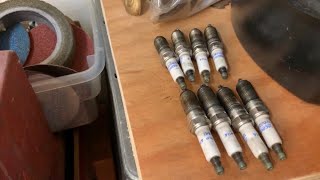
Typical fix: Replace the spark plug. It is often recommended to replace all 8 plugs at the same time 🎬 Watch: Step-by-step guide to changing your C7 spark plugs. for consistent performance.
Est. part cost: $10-$30 per plug - Faulty Spark Plug Wire 🔴 High Probability → Shop Spark Plug The tight packaging of the Corvette engine bay exposes plug wires to extreme heat from the exhaust manifolds, which can cause the insulation to break down over time, leading to arcing. This is a very common failure point discussed by owners, especially for cylinder #8.
How to confirm: Inspect the wire for any visible damage, burns, or brittleness. Check that the boot is securely connected to both the spark plug and the ignition coil. You can also perform a swap test with a wire from another cylinder or measure the wire's resistance with a multimeter and compare it to a known good wire.
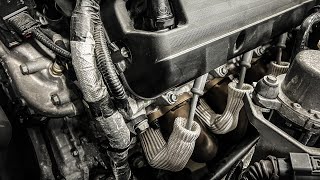
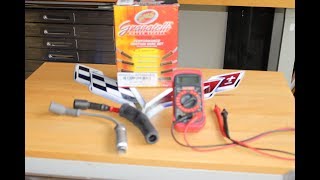
Typical fix: Replace the faulty spark plug wire. Many owners proactively install high-temperature protective sleeves 🎬 See how to replace your Corvette's spark plug wires. (heat shields) for added durability.
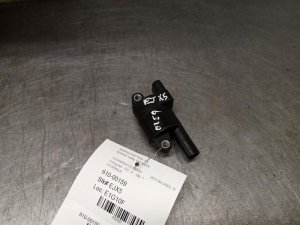
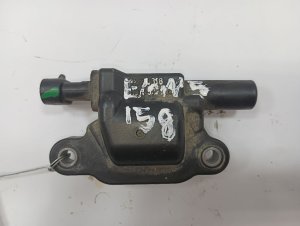
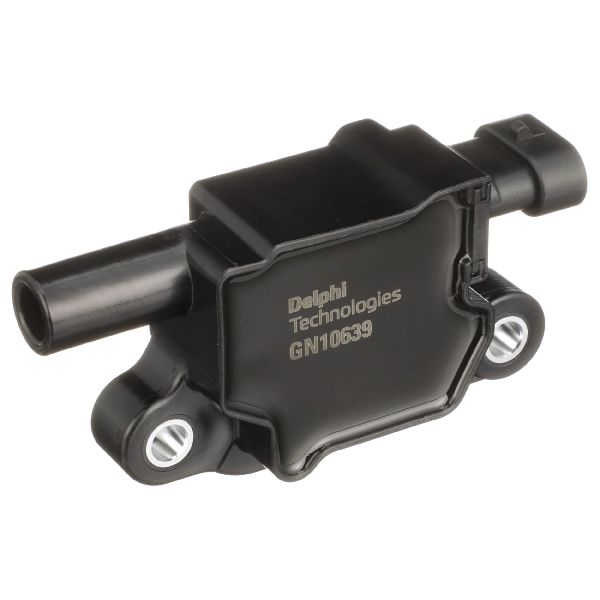
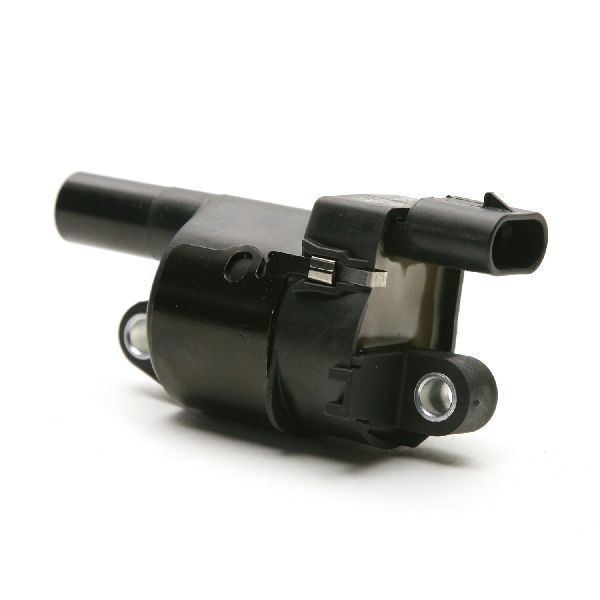
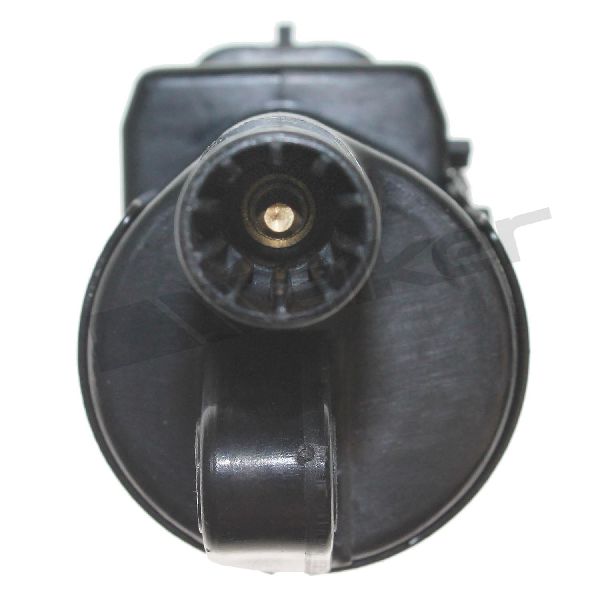
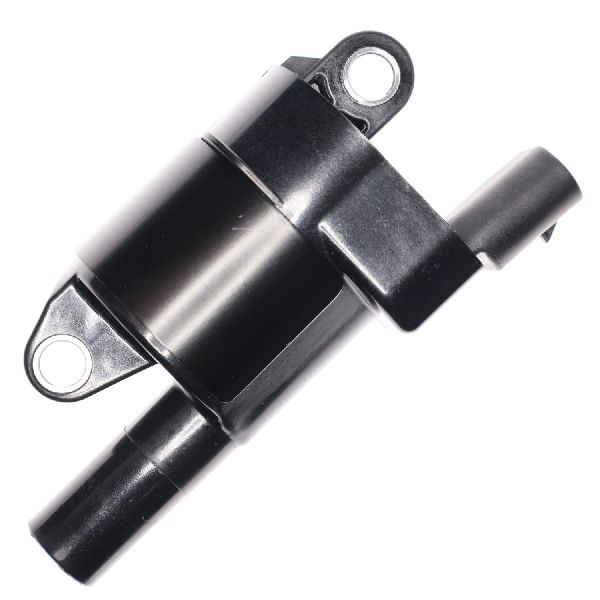
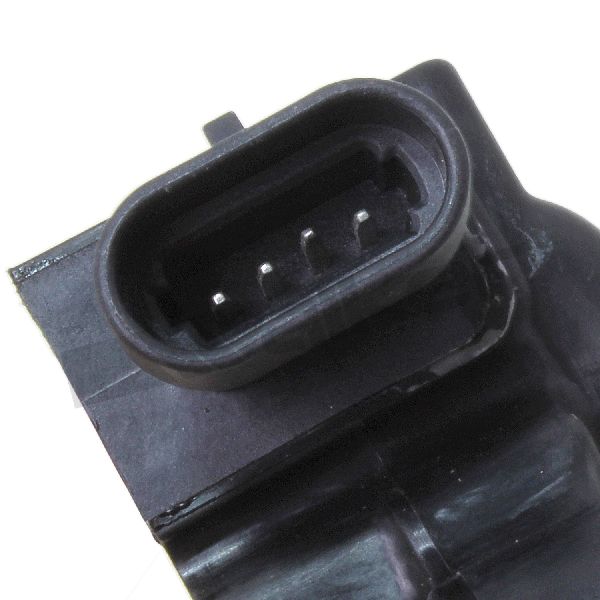
Est. part cost: $15-$50 per wire - Failed Ignition Coil 🟡 Medium Probability → Shop Ignition Coil Like other ignition components, coils are susceptible to heat-related failure over time, though they are generally robust.
How to confirm: The most effective method is to swap the ignition coil from cylinder 8 with one from another cylinder (e.g., cylinder 2). Clear the codes, run the engine, and see if the misfire code changes to P0302. If it does, the coil is the culprit.
Typical fix: Replace the failed failed ignition coil.
Est. part cost: $50-$120 - Clogged or Faulty Fuel Injector ⚪ Low Probability → Shop Fuel Injector While not as common as ignition issues, the direct-injection fuel injectors on LT engines can become clogged with carbon deposits, restricting fuel flow to cylinder 8.
How to confirm: This is more difficult to diagnose. A professional can perform a fuel injector balance test. A DIY method involves listening to the injector with a mechanic's stethoscope to ensure it's clicking consistently; compare its sound to a neighboring injector.
Typical fix: Clean or replace the fuel injector. Replacement often requires removing the fuel rail.
Est. part cost: $70-$200
Rare But Worth Checking
- Cracked Spark Plug Porcelain: → Shop Spark Plug A common failure on GM V8s is for the white ceramic porcelain insulator on the spark plug to develop a hairline crack. This allows the spark to arc to the cylinder head instead of jumping the plug gap, causing a misfire. This can be hard to see without close inspection. One CorvetteForum user with a modified 2016 Z51 experienced this on cylinder #3, which was quickly diagnosed and fixed by the dealer. Dropping a plug during installation is a common cause of these cracks.
- AFM/DFM Lifter Failure: → Shop Engine Valve Lifter The LT engines in C7 and C8 Corvettes use Active or Dynamic Fuel Management. A collapsed or stuck AFM lifter can cause a persistent misfire that won't be resolved by ignition or fuel system repairs. While more common on GM trucks, it is a known issue on Corvettes, particularly those with automatic transmissions. One CorvetteForum member reported a dealer repair cost of $6,040 to replace the lifters and VLOM (Valve Lifter Oil Manifold). Symptoms can include a ticking or chirping noise. 🎬 Watch: What a failing AFM lifter sounds like on a C7.
- Internal Mechanical Engine Problem: A loss of compression in cylinder 8 due to a bad valve, worn piston rings, or other internal damage can cause a misfire. This is diagnosed with a compression test and a cylinder leak-down test and is typically a worst-case scenario.
Diagnosis Steps
- Read the code with an OBD-II scanner to confirm P0308 and check for any other codes like P0300 or P050D.
- Note if the Check Engine Light is flashing, which indicates a severe misfire that could damage the catalytic converter.
- Locate cylinder 8 (rear cylinder on the passenger side). Visually inspect the spark plug wire for damage and ensure it's securely connected at both ends.
- Perform a 'swap test' with the ignition coil. Swap the coil from cylinder 8 with the coil from cylinder 6 (the next one forward on the same bank). Clear the codes and run the engine. If the code changes to P0306, the ignition coil is faulty.
- If the code remains P0308, perform a similar swap test with the spark plug wire and then the spark plug.
- When inspecting the spark plug, look very closely at the white porcelain for any hairline cracks. Wiping it with a slightly oily finger can make cracks more visible.
- If the misfire still persists on cylinder 8 after swapping ignition components, the problem may be with the fuel injector or a mechanical issue.
- Listen to the fuel injector on cylinder 8 with a mechanic's stethoscope; it should make a consistent clicking sound. Compare it to a known good cylinder.
- If all else fails, perform a compression test on cylinder 8 to check for mechanical engine problems. Low compression (generally below 120-150 PSI) indicates a more serious internal issue.
Parts You'll Likely Need
- Spark Plug
(OEM #ACDelco 41-162 (replaces 41-110 for many LS/LT engines), 41-121 (used in some applications))— Spark plugs are a routine maintenance item and a primary cause of single-cylinder misfires. A cracked porcelain insulator is also a known failure mode.
Trusted brands: ACDelco, NGK
OEM price range: $15-$25
Aftermarket price range: $10-$20 - Ignition Coil
(OEM #D521C (ACDelco 12658232))— Ignition coils are subjected to high heat and can fail, preventing the spark plug from firing correctly.
Trusted brands: ACDelco, Delphi
OEM price range: $70-$120
Aftermarket price range: $40-$80 - Spark Plug Wire
(OEM #ACDelco 19301299 (C7 Wire Set))— Engine bay heat is a known issue that degrades spark plug wires, causing the spark to arc to ground instead of firing the plug. The #8 wire is particularly prone to this.
Trusted brands: ACDelco, MSD, Granatelli, Magnecor
OEM price range: $20-$40 per wire, or ~$110 for a set
Aftermarket price range: $15-$30
Related Codes That Often Appear With This One
- P0300 — If the misfire is intermittent or starting to affect other cylinders, a P0300 (Random/Multiple Cylinder Misfire) code may appear alongside P0308.
- P050D — This code for 'Cold Start Rough Idle' can sometimes accompany misfire codes, as the underlying issue causing the misfire is most apparent before the engine warms up. TSB PIP5628G specifically calls out this code combination.
Technical Service Bulletins (TSBs) & Recalls
- PIP5628G: This is a diagnostic aid for technicians encountering misfire codes (P0300-P0308) and/or the cold start code P050D. It provides a template of information (e.g., fuel trims, compression test results, swapped component results) for the technician to gather before contacting GM's Technical Assistance Center (TAC) for help with a difficult diagnosis.
- 19-NA-219: A diagnostic tip for various engine noises and misfire codes P0300-P0308. It notes that a worn cam lobe or lifter roller can cause a consistent tick or chirp and a misfire. It also mentions that a collapsed AFM lifter is a possible cause for no/low valve lift on AFM cylinders.
Platform-Specific Known Issues
- Corvette owners frequently report failures of the #8 spark plug wire due to its proximity to the hot exhaust manifold. Upgrading to high-temperature wires (e.g., MSD Super Conductor) or adding protective heat sleeves is a common preventative measure.
- Cracked porcelain on ACDelco spark plugs is a recurring theme in owner forums. The crack allows spark to arc to the cylinder head, causing a misfire that can be difficult to diagnose without removing the plug for close inspection.
Mechanic-Grade Diagnostic Values
- Ignition Coil Primary Resistance — expected: 0.3 - 0.9 Ohms. Failure: A reading significantly outside this range, especially an open circuit (infinite resistance) or a dead short (zero resistance).
- Ignition Coil Secondary Resistance — expected: 5,000 - 15,000 Ohms (5kΩ - 15kΩ). Failure: An open circuit or a reading far outside the typical range indicates a failed internal winding.
- Fuel Pressure (Low-Pressure System, C6/early C7) — expected: 41-47 PSI with Key On, Engine Off (KOEO). Should drop 3-10 PSI at idle.. Failure: Pressure below 41 PSI may cause a lean condition and misfires.
- Spark Plug Internal Resistor — expected: 4,000 - 7,500 Ohms (4kΩ - 7.5kΩ) for ACDelco 41-162.. Failure: A reading far outside this range can indicate an internal failure of the plug's suppression resistor.
- Spark Plug Gap — expected: 0.040 inches for ACDelco 41-162.. Failure: An incorrect gap can lead to a weak spark and incomplete combustion.
Hidden / Shadow Codes Worth Checking
- Mode $06 Misfire Counts: While not a 'shadow code,' the generic OBD-II function 'Mode $06' stores non-continuous monitor test results. For misfires, it contains counters for each cylinder. A high count for cylinder 8, even without setting a hard P0308 code yet, can confirm it's the problem cylinder. (see via A professional scan tool or an advanced consumer OBD-II scanner with Mode $06 capability.)
Scan Tool Commands That Help
- GDS2 / Tech2: Cylinder Power Balance Test — This function allows a technician to disable individual fuel injectors one by one. When cylinder 8's injector is disabled, if there is no change in engine RPM or smoothness, it confirms that cylinder was not contributing, pointing to a problem with spark, fuel, or compression on that cylinder.
- GDS2 / Tech2: AFM Lifter Deactivation/Activation — To diagnose a potential AFM lifter issue, a technician can use the scan tool to command the AFM system on and off to see if the misfire or related noise corresponds directly to the AFM state.
- GDS2 / Tech2: Fuel Injector Balance Test — This automated test measures the pressure drop across each injector to see if one is flowing significantly less or more than the others. It is a definitive way to confirm a clogged or faulty fuel injector on cylinder 8.
Wiring & Ground Locations
- Engine Harness Chafe Points (C7/C8) — On C7 and C8 models, the engine harness is known to chafe at the ECM/TCM bracket, the driver's side upper control arm, and/or the shock tower bolt.. Vibration can cause the harness to rub through, shorting the ignition coil or fuel injector control wires for cylinder 8 to ground, causing a persistent or intermittent misfire.
- G103 / G109 — The main engine-to-chassis ground, connecting the driver's side of the engine block (G109) to the driver's side frame rail (G103).. A poor connection here can cause unstable voltage and current for all engine electronics, including the entire ignition system, leading to random misfires or issues that are hard to trace.
- G303 — The main battery ground connection point on the passenger side frame rail.. This is the primary return path for all electrical current. Corrosion or a loose connection here can create widespread electrical gremlins, including weak spark.
- Cylinder Head Grounds — The main engine wiring harness has ground wires that bolt directly to the cylinder heads, often on a stud used for another component like the ignition coil bracket.. These are the primary grounds for the ignition coils and fuel injectors. If the ground for the bank including cylinder 8 is loose or corroded, it can directly cause a misfire on that cylinder.
Real Owner Repair Stories
- CorvetteForum Member (C5 Corvette (similar LS engine architecture)) — Check engine light came on and flashed, then went off. Autotap scanner showed P0308. Owner also reported a ticking noise from the engine and a flat feeling in the high RPM range.
❌ Tried (didn't work) Initial diagnosis was uncertain.
✅ What actually fixed it A bent pushrod on cylinder #8, likely caused by a mechanical over-rev from a missed downshift. - Canadian Corvette Forums Member (2016 Corvette Stingray LT1 with 8-speed automatic transmission.) — A distinct feeling of 'driving over rumble strips' at steady speeds, which was initially mistaken for an engine misfire. The dealer suggested replacing spark plugs.
❌ Tried (didn't work) Considering spark plug replacement.
✅ What actually fixed it The issue was identified as the well-documented 'torque converter shudder' common to the 8L90 transmission. The recommended fix is a transmission fluid triple flush with the new Mobil 1 Synthetic LV ATF HP fluid, per a GM Technical Service Bulletin. - CorvetteForum Member (C7 Corvette) — Loud tapping noise from the engine, leading to a check engine light.
❌ Tried (didn't work) Initial diagnosis was required by a dealer.
✅ What actually fixed it The dealer's certified Corvette technician diagnosed a failure of the AFM lifters on one cylinder bank. This is a known, though serious, cause of misfires on LT engines.
"I Checked Everything" — The Actual Cause
- A common scenario is for a technician to chase a P0308 by checking for vacuum leaks with a smoke test, which will come back clean. The actual cause is often not a vacuum leak, but a mechanical issue like a bent pushrod or a failing AFM lifter.
- On 2015-2019 models with the 8-speed automatic, a 'rumble strip' vibration that feels like a misfire will not be caused by anything in the engine. The actual cause is torque converter shudder, a transmission issue that will not be found with any engine diagnostic procedures like a smoke test.
When the Usual Fixes Don't Work
- In several documented cases, owners have chased a P0308 code by replacing spark plugs, wires, and coils with no resolution. One common alternate cause, particularly on automatic 2015-2019 models, was found to be torque converter shudder, a transmission issue that mimics the feeling of a misfire. The fix was a transmission fluid flush, not an engine repair. In other cases involving a mechanical 'tick' noise, the root cause was a bent pushrod, often from an accidental over-rev on a downshift, which is a mechanical failure that ignition parts cannot fix.
OEM Part Supersession History
ACDelco 41-110→ACDelco 41-162 (GM #19417055)— Updated design and materials for improved performance and longevity in modern GM engines.
Model Year Variations Within This Range
- 2015-2019 (C7 with 8L90/8L45 Auto): These models can suffer from 'torque converter shudder' due to the original-fill transmission fluid absorbing moisture. GM released TSB #18-NA-355 outlining a fix that involves a triple fluid flush using a new formula, Mobil 1 Synthetic LV ATF HP. This issue can be misdiagnosed as a P0308 misfire.
- 2020 (C8): The 2020 C8 is built on GM's new 'Global B' electrical architecture. This system is more complex and heavily encrypted than the C7's system, which can make diagnostics more challenging without dealer-level tools. Known issues like harness chafing have specific TSBs (e.g., TSB 21-NA-174) that differ from C7 procedures.
Helpful Videos
Used OEM Parts in Stock
New Aftermarket Parts Available


The information in this article is provided for general reference and educational purposes only. Vehicle specifications, procedures, and part compatibility can vary by production date, trim level, and region. Always consult your vehicle's factory service manual and verify part numbers before purchasing or performing repairs. Safety-critical components such as airbags, seat belts, and braking systems should be installed by a qualified professional.
- Chevrolet CORVETTE:
- 🧭 Diagnostic Flowchart
- 🎬 Helpful Videos
- 🛍️ Shop This Part
- What's Unique About the 2013-2020 Chevrolet CORVETTE
- Symptoms You May Notice
- Most Likely Causes
- Rare But Worth Checking
- Diagnosis Steps
- Parts You'll Likely Need
- Related Codes That Often Appear With This One
- Technical Service Bulletins (TSBs) & Recalls
- Platform-Specific Known Issues
- Mechanic-Grade Diagnostic Values
- Hidden / Shadow Codes Worth Checking
- Scan Tool Commands That Help
- Wiring & Ground Locations
- Real Owner Repair Stories
- "I Checked Everything" — The Actual Cause
- When the Usual Fixes Don't Work
- OEM Part Supersession History
- Model Year Variations Within This Range
- 🎟️ Get 5% Off