

P0308 on 1999-2003 Chevrolet Express: Cylinder 8 Misfire Causes and Fixes
P0308 means a misfire in cylinder 8. On 1999-2002 models, this is often due to a bad distributor cap/rotor or a failing spider injector. On 2003 models, it's commonly a faulty ignition coil. Start with basic ignition parts before suspecting more complex issues like a worn camshaft lobe, which is a known but rarer issue on these engines.
- First, determine if your van is a 1999-2002 model (distributor) or a 2003 model (ignition coils).
- For 2003 models, the most likely cause is a bad ignition coil on cylinder 8.
- For 1999-2002 models, the most likely causes are a worn distributor cap/rotor or a bad spark plug/wire.
- If you have a 1999-2002 model and ignition parts are good, the 'spider' fuel injector assembly is the next most likely culprit.
- Do not drive if the Check Engine Light is flashing, as this can quickly lead to expensive catalytic converter damage.
What's Unique About the 1999-2003 Chevrolet EXPRESS
The 1999-2003 year range covers a major powertrain change for the Express van. 1999-2002 models use the older Vortec V8s (5.0L L30, 5.7L L31) with a distributor and a unique Central Sequential Fuel Injection (CSFI) 'spider' unit, which is a very common failure point. The 2003 model year introduced the modern, LS-based V8s (4.8L, 5.3L, 6.0L) with a more reliable coil-on-plug ignition system and individual fuel injectors. Your diagnostic approach must match the engine type in your specific van.
Diagnostic Flowchart
Tap your situation to follow the diagnostic path that matches what you're seeing on this vehicle.
Generation note: This range covers the end of the first generation GMT600 platform (1999-2002) and the beginning of the facelifted GMT610 platform (2003). The most significant difference is the engine and ignition system. 1999-2002 models have distributor-based ignition and spider fuel injection, while 2003 models have coil-on-plug ignition and individual port injectors.
Symptoms You May Notice
- Rough or shaky idle
- Hesitation or stumbling during acceleration
- Noticeable loss of engine power
- Flashing or solid Check Engine Light
- Reduced fuel economy
- Smell of unburned gasoline from the exhaust
- Replacing only the spark plug without checking the wire and distributor cap (on 1999-2002 models).
- Replacing ignition coils on a 1999-2002 model, which does not have them.
- Assuming a fuel pump issue for a single-cylinder misfire, which is unlikely unless fuel pressure is borderline low.
- Replacing the spider injector assembly (1999-2002) without also replacing the upper intake manifold gaskets, leading to a new vacuum leak problem.
Most Likely Causes
- Faulty Ignition Coil (2003 models) 🔴 High Probability → Shop Ignition Coil Coils are a common wear item that fail from heat and vibration over time. Cylinder 8 is in the back corner of the engine bay, where heat can concentrate.
How to confirm: Swap the ignition coil from cylinder 8 with another cylinder (e.g., cylinder 6). Clear the codes and drive. If the code changes to P0306, the coil is bad. This is the standard DIY diagnostic step before buying parts.
Typical fix: Replace the faulty ignition coil. The most common replacement is the ACDelco D585. Consider replacing the spark plug at the same time.
Est. part cost: $30-$70 - Worn Distributor Cap and Rotor (1999-2002 models) 🔴 High Probability The distributor cap and rotor are wear items. Carbon buildup or corrosion on the terminal for cylinder 8 can prevent spark. Access is tight inside the engine doghouse, so these parts are often neglected.
How to confirm: Remove the engine cover ('doghouse'). Inspect the inside of the distributor cap for carbon tracking, moisture, or corrosion on the metal terminals, especially the one corresponding to cylinder 8. Check the rotor for excessive play by twisting it; significant movement can indicate a worn distributor gear.
Typical fix: Replace the distributor cap and rotor as a set. Using a quality ACDelco part with brass terminals 🎬 Watch: How to replace the distributor cap and rotor is highly recommended for this system.
Est. part cost: $40-$90 - Worn Spark Plug or Spark Plug Wire 🔴 High Probability → Shop Spark Plug Spark plugs and wires are regular maintenance items. The rearmost cylinders, like #8, can be difficult to access and are sometimes skipped during tune-ups. A Reddit user noted their P0308 was caused by coolant from a leaking heater core quick-connect dripping onto the #8 plug wire.
How to confirm: Inspect the spark plug for wear, fouling, or incorrect gap. A plug from a misfiring cylinder will often be excessively dirty. Inspect the spark plug wire for cracks, burns, or loose connections. You can test the wire's resistance with a multimeter; a common specification is 1,500-2,000 ohms per foot.
Typical fix: Replace the spark plug and/or spark plug wire. It's best practice to replace all plugs and wires as a set if they are old or near the 100,000-mile service interval.
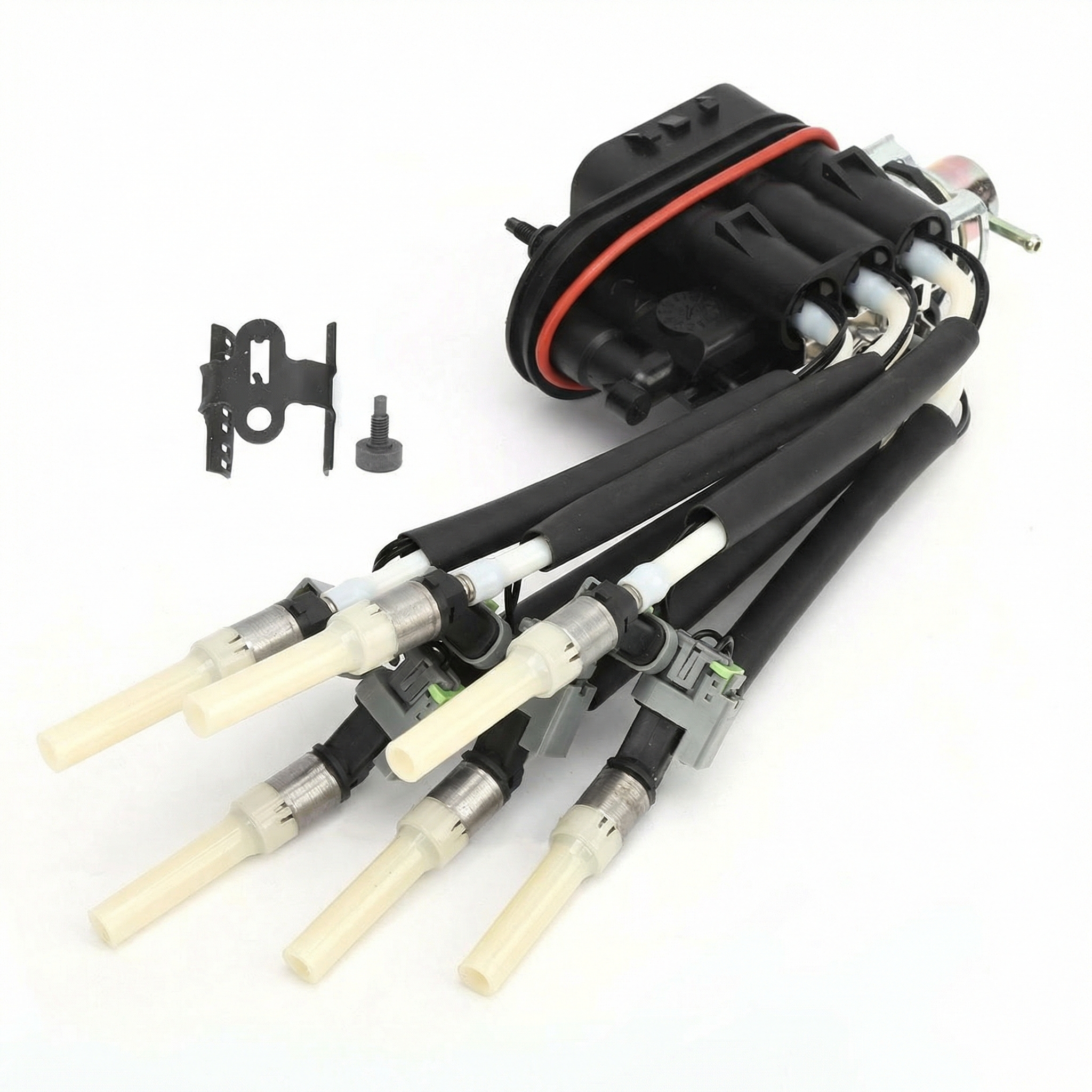
Est. part cost: $5-$15 (plug), $40-$80 (wire set) - Faulty 'Spider' Fuel Injector Assembly (1999-2002 models) 🟡 Medium Probability → Shop Fuel Injector The original Central Sequential Fuel Injection (CSFI) system uses poppet valves that are notorious for sticking, clogging with fuel deposits, or leaking, causing misfires. This is especially common if the vehicle has been sitting for an extended period.
How to confirm: This is difficult to confirm without disassembly. If ignition components are good and compression is fine, the spider injector is a strong suspect. A mechanic can perform a fuel injector balance test. A forum user on Chevy Talk had success clearing a stuck poppet valve by running two cans of Seafoam through a half tank of gas.
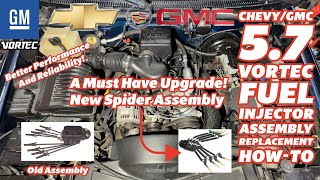
Typical fix: Replace the entire spider injector assembly with the updated Multi-Port Fuel Injection (MPFI) style unit. This is a more involved repair requiring removal of the upper intake manifold. 🎬 See this walkthrough for upgrading the spider injector assembly The upgraded part number is often cited as ACDelco 217-3029 or GM 89060440.
Est. part cost: $250-$400 - Clogged or Faulty Fuel Injector (2003 models) 🟡 Medium Probability → Shop Fuel Injector Fuel injectors can become clogged with deposits over time, restricting fuel flow to cylinder 8. One user on a Chevrolet forum noted that the #8 injector, being last on the fuel rail, can be more prone to collecting rust or debris from the fuel system.
How to confirm: After ruling out ignition issues, you can swap the fuel injector from cylinder 8 with another cylinder (e.g., cylinder 6). If the misfire code changes to P0306, the injector is faulty. A professional can also perform a fuel injector balance test.
Typical fix: Replace the faulty fuel injector. It's often recommended to replace the full set on one bank if they are original.
Est. part cost: $40-$90
Rare But Worth Checking
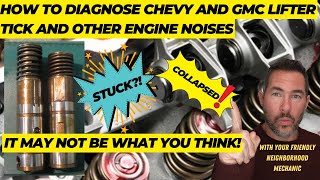
- Worn Camshaft Lobe / Failed Lifter: → Shop Engine Camshaft A known issue documented in GM Technical Service Bulletin #PIP4138R. If basic ignition and fuel system checks don't solve the misfire, and especially if you hear a consistent ticking, chirping, or squeaking noise from the engine, this is a strong possibility. The TSB suggests that the noise will not change when disabling a fuel injector but may change if pressure is applied to the rocker arm. 🎬 Watch: How to diagnose lifter tick versus other noises
- Low Cylinder Compression: Caused by a worn piston ring, leaking valve, or a blown head gasket. A compression test is needed to verify; normal pressure is typically 120-150 PSI. This is less common than ignition or fuel issues but must be checked if other tests are inconclusive.
- Intake Manifold Gasket Leak: → Shop Engine Intake Manifold These engines, particularly the 1999-2002 Vortecs, were known for intake gasket leaks. A vacuum leak near the cylinder 8 intake runner can lean out the fuel mixture and cause a misfire. A simple test involves checking for vacuum at the valve covers with all PCV hoses disconnected and plugged; any vacuum pull suggests an intake gasket leak.
- Worn Distributor Gear (1999-2002 models): The gear at the bottom of the distributor shaft that is driven by the camshaft can wear out, causing erratic ignition timing that leads to misfires. This was a known issue on some early Vortec engines due to improper hardening of the gear. It can be checked by removing the distributor cap and checking for excessive rotational play in the rotor.
Diagnosis Steps
- Identify your engine. Is it a 1999-2002 model (distributor in the back) or a 2003 model (8 individual ignition coils on the valve covers)? Your diagnostic path depends on this.
- Verify the code with an OBD-II scanner. Check for any other pending or active codes, like P0300.
- For 2003 models: Locate cylinder 8 (passenger side, rearmost). Swap the ignition coil from cylinder 8 with the coil from cylinder 6 (passenger side, second from rear). Clear the codes and drive the vehicle. If the code returns as P0306, the ignition coil is faulty and needs replacement. If the code remains P0308, proceed to the next step.
- For 1999-2002 models: Inspect the distributor cap and rotor. Remove the engine cover ('doghouse'), locate the distributor, and inspect the inside of the cap for moisture, carbon tracks, or corrosion on the terminal for the #8 wire. Inspect the rotor tip for wear. If wear is found, replace both.
- Inspect the spark plug and wire for cylinder 8. Check for cracks, fouling, or damage. A worn plug or bad wire is a common cause. Check for any fluid contamination, such as coolant from a leaking heater core hose, which can short the plug wire.
- If ignition components are confirmed good, the next step is to check the fuel system. For 1999-2002 models, the spider injector is the prime suspect. For 2003 models, consider swapping the #8 fuel injector with another cylinder to see if the misfire follows.
- If ignition and fuel systems seem okay, perform a cylinder compression test. A significant loss of compression in cylinder 8 indicates a mechanical problem (piston rings, valves, head gasket).
- If a ticking/chirping noise is present and all other tests pass, refer to TSB #PIP4138R and investigate for a worn camshaft lobe or lifter. This step may require professional assistance.
Parts You'll Likely Need
- Ignition Coil (2003+)
(OEM #ACDelco D585 (GM 10457730))— This is the most common fix for a P0308 on 2003 models with the LS-based V8 engine. The D585 is the widely recognized OE replacement. - Distributor Cap and Rotor Kit (1999-2002) — A primary wear item on the older Vortec engines. Neglect due to poor access often leads to misfires on specific cylinders.
- MPFI Spider Fuel Injector Upgrade (1999-2002)
(OEM #GM 89060440 (ACDelco 217-3029))— The original CSFI 'spider' is a known high-failure part. Upgrading to the more reliable MPFI unit is the standard, long-term repair for fuel-related misfires on these engines. - Spark Plug
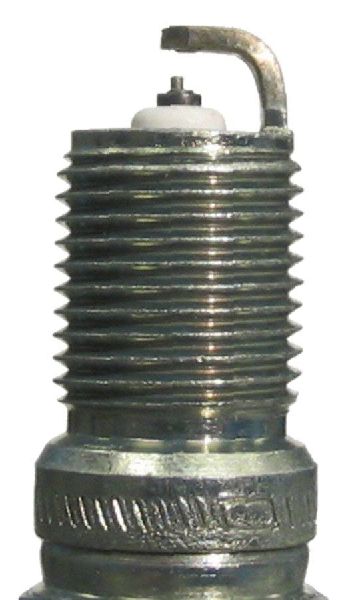
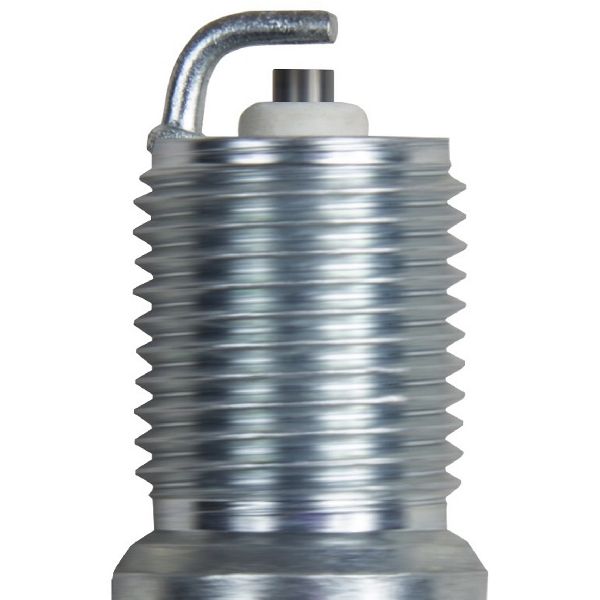
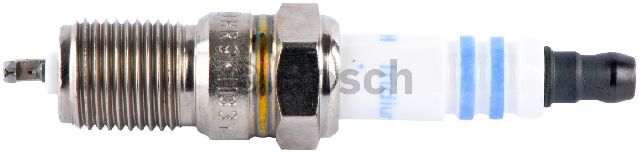
(OEM #ACDelco 41-962 (for 5.3L/6.0L))— A basic and frequent cause of single-cylinder misfires. Often replaced alongside a coil or wire.
Related Codes That Often Appear With This One
- P0300 — If the condition causing the P0308 is severe or intermittent, or if other cylinders are also beginning to misfire (e.g., due to a failing spider injector or low fuel pressure), a P0300 (Random/Multiple Cylinder Misfire) code may also be set.
- P1345 — On 1999-2002 models with a distributor, a P1345 (Crankshaft Position - Camshaft Position Correlation) code can appear alongside a misfire code if a worn distributor gear or timing chain has caused timing to become erratic.
Technical Service Bulletins (TSBs) & Recalls
- PIP4138R: Addresses engine misfire (P0300-P0308) accompanied by a chirp, squeak, or tick noise, pointing towards a worn camshaft lobe or lifter.
- PIP5628G: A diagnostic aid for technicians contacting GM's Technical Assistance Center (TAC) for persistent misfire codes, outlining the specific data needed, such as GDS2 logs and PicoScope results.
Platform-Specific Known Issues
- 1999-2002 Models - Spider Injector Failure: The original CSFI 'spider' injector is a well-documented weak point. The poppet valves at the end of the fuel lines get stuck or leak, causing misfires, rough running, and hard starts. The recommended repair is to replace the entire assembly with the updated MPFI-style unit.
- 1999-2002 Models - Distributor Wear: Due to their location at the back of the engine under the doghouse, the distributor cap and rotor are often neglected. Moisture can get trapped, causing corrosion and misfires.
- All Models - Camshaft/Lifter Wear: TSB #PIP4138R highlights that a worn camshaft lobe or a failed lifter can cause a persistent misfire on these engines when other causes are ruled out. This is a more severe mechanical issue.
Mechanic-Grade Diagnostic Values
- Fuel Pressure (1999-2002 5.0L/5.7L Vortec CSFI) — expected: 60-66 psi (key on, engine off). Failure: Pressure below 60 psi or dropping quickly indicates a weak pump, leaking regulator, or leaking poppet valve.
- Fuel Pressure (2003 4.8L/5.3L/6.0L LS-based) — expected: 55-62 psi (key on, engine off). Failure: Pressure below 55 psi suggests a weak fuel pump or faulty regulator. Pressure that drops immediately after the pump primes indicates a bad check valve or leaking injector.
- Ignition Coil Secondary Resistance (2003 models, ACDelco D585) — expected: 6.1K ohms. Failure: A reading significantly higher or lower than the specification, or an open circuit (infinite resistance), indicates a failed coil.
- Spark Plug Wire Resistance (1999-2002 models) — expected: Generally 1,500-3,000 ohms per foot of length.. Failure: Extremely high resistance or an open circuit (OL) on the multimeter means the internal conductor is broken and the wire is bad.
Hidden / Shadow Codes Worth Checking
- Mode $06, Test ID $53: This function on an advanced scan tool shows the raw misfire counts per cylinder for the current and last 10 drive cycles. A high count for Component ID $08 (representing cylinder 8) can confirm the misfire even before the count is high enough to set a P0308 code and turn on the check engine light. (see via Requires a scan tool with Mode $06 capabilities. The data is presented as raw hexadecimal values that may need conversion.)
Scan Tool Commands That Help
- GM Tech 2: Misfire Graphic — This function displays a real-time bar graph of misfire events for each cylinder, making it easy to visually confirm that cylinder 8 is the source of the problem while the engine is running. It is more intuitive than looking at raw Mode $06 data.
- GM Tech 2: Crank/Cam Relearn Procedure — If a crank or cam sensor has been replaced, or if you suspect false misfire counts due to road vibrations or engine wear, performing this relearn can improve the accuracy of the PCM's misfire detection.
- Professional Scan Tool: Fuel Injector Balance Test — This bidirectional test allows the technician to fire each injector individually while monitoring the fuel pressure drop. A smaller pressure drop for cylinder 8 compared to the others would confirm a clogged or failing injector.
Wiring & Ground Locations
- G102 — On the left rear of the engine (driver's side). On some diagrams, this is shown on the rear of the driver's side cylinder head.. For 2003 models, this is the primary ground point for all 8 ignition coils. A loose or corroded connection here can cause weak spark and misfires on multiple cylinders, including cylinder 8.
- G103 / G104 — Typically located on the rear of the cylinder heads or upper engine block, often near the firewall. One is on the left (driver) side, the other on the right (passenger) side.. These are critical grounds for the Powertrain Control Module (PCM) and various sensors. A poor ground on the passenger side (G104) could potentially affect the signal for the cylinder 8 ignition coil or injector.
- PCM Connector (2003) — Under the hood, driver's side, near the battery.. The signal wire from the PCM to the cylinder 8 ignition coil can be tested here for voltage/continuity. A damaged wire between this connector and the coil will prevent spark. The pin for the cylinder 8 coil control is typically a Dark Green wire with a White stripe.
Real Owner Repair Stories
- Reddit user in r/MechanicAdvice (2001 Chevy Express 3500, 5.7L V8) — P0308 misfire that only occurs around 30 mph or occasionally at 55 mph. AC and oil pressure would bog down when the light came on.
❌ Tried (didn't work) Replaced spark plugs (all were new), Replaced spark plug wires, Dealer performed a compression test (passed), Dealer checked fuel pressure (passed), Replaced fuel injectors, Replaced fuel pump
✅ What actually fixed it The user did not post a final resolution, but the community strongly suggested the next steps should be inspecting the distributor cap and rotor, and checking for an intake manifold gasket leak, as these are very common causes on the 5.7L Vortec that the dealer apparently overlooked.
OEM Part Supersession History
GM 12568332 (and others)→ACDelco 217-3029 (also GM 89060440)— The original Central Sequential Fuel Injection (CSFI) assembly used failure-prone poppet valves. The updated Multi-Port Fuel Injection (MPFI) assembly (217-3029) replaces the poppet valves with small, reliable electronic injectors for each cylinder.
Heads up: This is a direct-fit upgrade; no modifications are required for installation on the 1999-2002 Express vans.
Model Year Variations Within This Range
- 1999-2002: Uses a distributor with a cap and rotor for spark distribution and a CSFI 'spider' injector assembly located under the upper intake manifold. Misfire diagnosis must focus on these components first.
- 2003: Uses an LS-based engine with a distributorless, coil-on-plug ignition system (8 individual coils) and individual port fuel injectors on a fuel rail. Misfire diagnosis starts with swapping the #8 coil with another cylinder.
Helpful Videos
Used OEM Parts in Stock
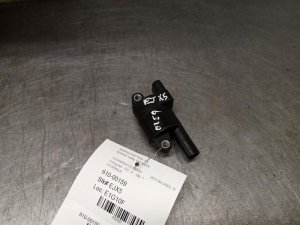
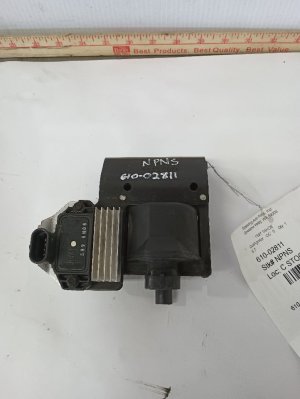
New Aftermarket Parts Available
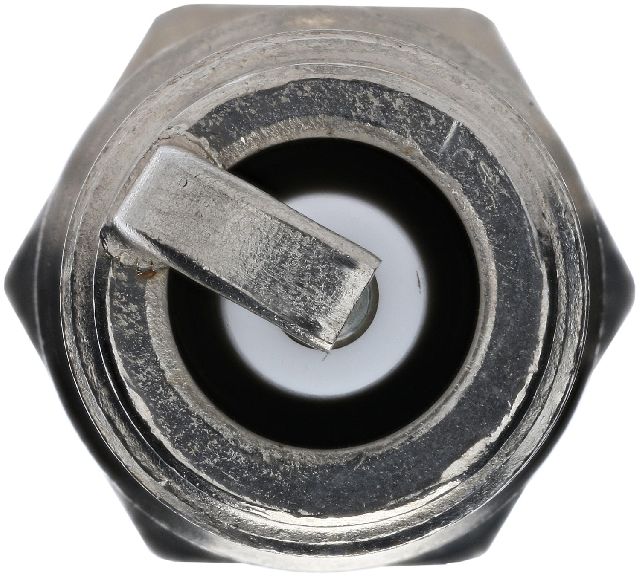


The information in this article is provided for general reference and educational purposes only. Vehicle specifications, procedures, and part compatibility can vary by production date, trim level, and region. Always consult your vehicle's factory service manual and verify part numbers before purchasing or performing repairs. Safety-critical components such as airbags, seat belts, and braking systems should be installed by a qualified professional.
- Chevrolet EXPRESS:
- 🧭 Diagnostic Flowchart
- 🎬 Helpful Videos
- 🛍️ Shop This Part
- What's Unique About the 1999-2003 Chevrolet EXPRESS
- Symptoms You May Notice
- Most Likely Causes
- Rare But Worth Checking
- Diagnosis Steps
- Parts You'll Likely Need
- Related Codes That Often Appear With This One
- Technical Service Bulletins (TSBs) & Recalls
- Platform-Specific Known Issues
- Mechanic-Grade Diagnostic Values
- Hidden / Shadow Codes Worth Checking
- Scan Tool Commands That Help
- Wiring & Ground Locations
- Real Owner Repair Stories
- OEM Part Supersession History
- Model Year Variations Within This Range
- 🎟️ Get 5% Off