

P0308 on 2004-2008 Chevrolet Express: Cylinder 8 Misfire Causes and Fixes
P0308 indicates a misfire in cylinder 8, the rearmost cylinder on the passenger side. The most common causes are a bad spark plug, ignition coil, or spark plug wire. Start by swapping the cylinder 8 ignition coil with another cylinder to see if the misfire follows. If ignition and fuel system checks don't solve it, a worn camshaft and/or a failed lifter (especially on engines with Active Fuel Management) is a significant and known issue on these V8s.
- P0308 is a misfire on cylinder 8, the rearmost cylinder on the passenger side of the engine.
- Always start diagnosis by swapping the ignition coil with another cylinder; it's fast, easy, and a very common failure point.
- Use high-quality replacement parts, especially AC Delco Iridium spark plugs, as these engines can be sensitive to incorrect parts.
- If basic ignition and fuel system checks do not resolve the misfire, be aware that a worn camshaft and/or lifters is a known issue on these GM V8 engines and will require professional diagnosis and repair.
What's Unique About the 2004-2008 Chevrolet EXPRESS
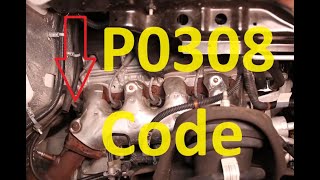
For the V8 engines in this generation of Chevrolet Express, a P0308 code that isn't solved by basic ignition or fuel part swaps can point to a more serious mechanical issue. Specifically, GM has issued Technical Service Bulletins (TSBs) regarding worn camshaft lobes and collapsed lifters causing these misfire codes. Later models (2007+) with the 5.3L or 6.0L V8 may have Active Fuel Management (AFM), where the lifters for certain cylinders are a known major failure point, often leading to a persistent misfire on a single cylinder. 🎬 Watch this simple explanation of the P0308 misfire code. If you've replaced the plug, wire, and coil and the misfire on cylinder 8 persists, this more significant mechanical fault is a strong possibility.
Diagnostic Flowchart
Tap your situation to follow the diagnostic path that matches what you're seeing on this vehicle.
Symptoms You May Notice
- Check Engine Light is on or flashing
- Rough or shaky idle
- Hesitation or stumbling during acceleration
- Noticeable loss of engine power
- Decrease in fuel economy
- Smell of raw fuel from the exhaust
- A rhythmic ticking or chirping noise from the engine, especially if related to a lifter or camshaft issue
- Replacing the fuel pump when only one cylinder is misfiring. A fuel pump issue would typically affect all cylinders.
- Replacing the mass airflow sensor, as it would typically cause random misfires (P0300) or affect an entire engine bank, not just cylinder 8.
- Continuously replacing ignition coils and spark plugs without investigating an underlying mechanical issue like a worn camshaft, especially if the misfire returns quickly on the same cylinder.
Most Likely Causes
- Faulty Ignition Coil 🔴 High Probability → Shop Ignition Coil Coil-on-plug ignition systems are common, and individual coils can fail with age and heat exposure. Cylinder 8 is at the back of the engine bay on the passenger side, an area subject to significant heat soak, which can shorten the life of electronics.
How to confirm: Swap the ignition coil from cylinder 8 with another cylinder (e.g., cylinder 6 on the same bank). Clear the codes and drive the vehicle. If the code changes to P0306, the coil is bad. This is the most common first diagnostic step recommended by mechanics.
Typical fix: Replace the faulty ignition coil. It is often recommended to replace the spark plug at the same time. The common ACDelco coil for these engines is part number D585. 🎬 See this walkthrough on how to replace the ignition coil.
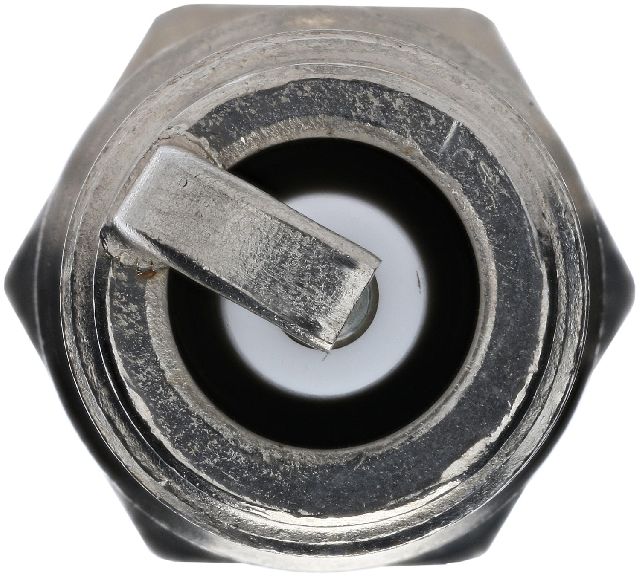
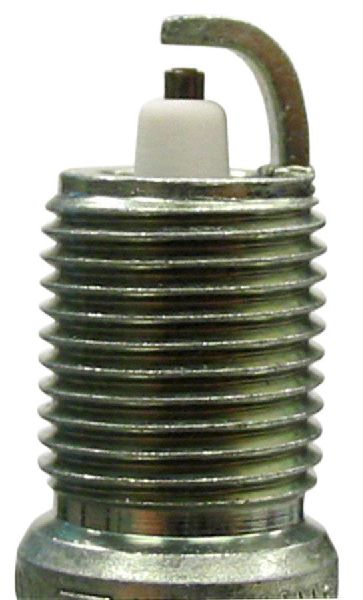
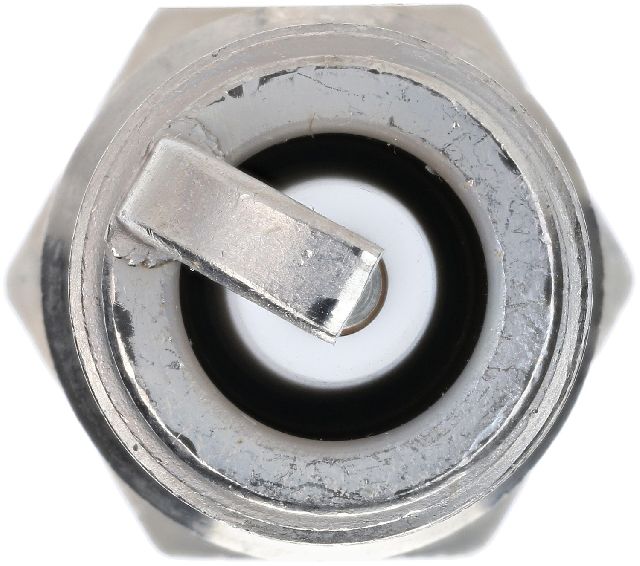
Est. part cost: $30-$75 - Worn Spark Plug or Spark Plug Wire 🔴 High Probability → Shop Spark Plug Spark plugs are maintenance items that wear out, typically every 100,000 miles. An incorrect plug gap, carbon fouling, or a cracked insulator can cause a weak or non-existent spark. Wires can degrade from heat and oil exposure.
How to confirm: Remove and inspect the spark plug from cylinder 8. Look for heavy carbon buildup, oil fouling, or a worn/damaged electrode. Inspect the wire for cracks, brittleness, or burn marks near the exhaust manifold.
Typical fix: Replace the spark plug and/or spark plug wire. It's best practice to use high-quality OEM-spec parts. The recommended ACDelco Iridium or Platinum plug is often part number 41-962.
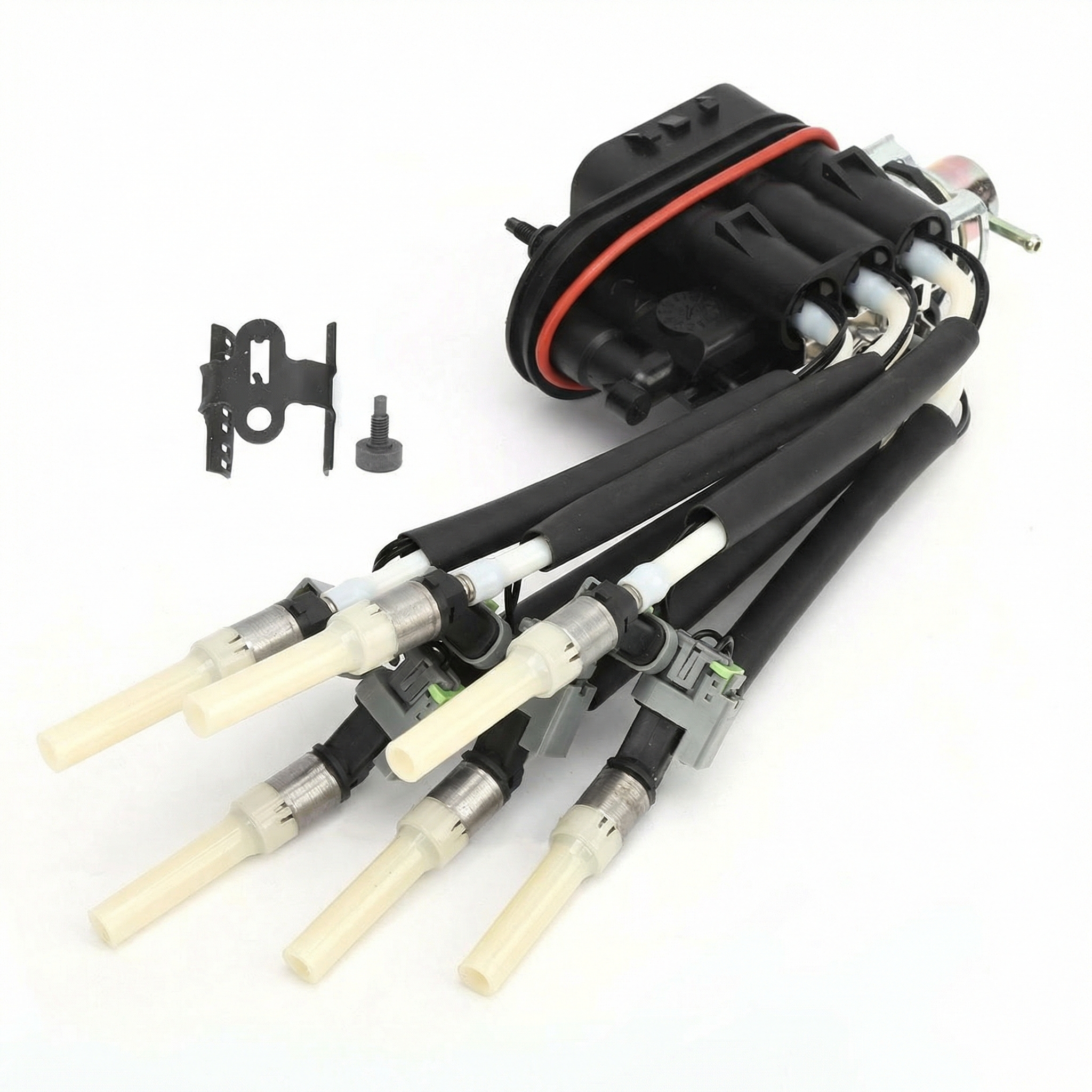
Est. part cost: $15-$50 - Clogged or Faulty Fuel Injector 🟡 Medium Probability → Shop Fuel Injector Fuel injectors can become clogged with deposits over time, or the internal coil can fail, preventing them from delivering the correct amount of fuel to cylinder 8.
How to confirm: Listen to the injector with a mechanic's stethoscope; it should make a consistent clicking sound. You can also check the resistance of the injector with a multimeter; it should be around 12 Ohms. Swapping the injector with another cylinder is a definitive test but is more labor-intensive than a coil swap.
Typical fix: Replace the faulty fuel injector. Sometimes, a professional fuel system cleaning can resolve minor clogs.
Est. part cost: $50-$150 - Worn Camshaft Lobe and/or Failed Lifter 🟡 Medium Probability → Shop Engine Camshaft As documented in GM TSB #19-NA-219 (which supersedes PIP4138R), these V8 engines can suffer from premature wear of camshaft lobes and lifters. On engines with Active Fuel Management (AFM), the specialized 'collapsible' lifters are a very common failure point. A lifter can get stuck, failing to open the valve properly, which causes a persistent misfire that ignition and fuel part swaps won't fix.
How to confirm: This is an advanced diagnosis. After ruling out ignition and fuel, listen for a distinct ticking/chirping noise. A mechanic can remove the valve cover to check for bent pushrods or use a dial indicator to measure valve lift. Significantly low lift on cylinder 8 points to this issue. 🎬 Watch these tips for diagnosing ticking noises and bad lifters.
Typical fix: This is a major repair involving the replacement of the camshaft, all lifters (often upgrading AFM lifters to standard ones via a 'DOD/AFM Delete Kit'), and associated gaskets and bolts.
Est. part cost: $400-$1200+
Rare But Worth Checking
- Low Cylinder Compression: A mechanical issue like a burnt valve, broken valve spring, damaged piston, or failed head gasket can cause a loss of compression, resulting in a misfire. A compression test and leak-down test will diagnose this.
- Intake Manifold Gasket Leak: → Shop Engine Intake Manifold A vacuum leak near the cylinder 8 intake runner can lean out the air/fuel mixture enough to cause a misfire. This can sometimes be found by carefully spraying carb cleaner near the gasket with the engine running and listening for a change in idle speed.
- Damaged Wiring Harness: The wiring to the ignition coil or fuel injector for cylinder 8 could be chafed, melted, or broken, causing an intermittent connection. Check the harness where it passes near hot exhaust components or sharp edges.
- Coolant Leak onto Ignition Components: In at least one documented case, a P0308 was caused by a leaking heater core quick-connect fitting dripping coolant directly onto the cylinder 8 spark plug wire, causing the spark to short to ground.
Diagnosis Steps
- Retrieve the code with an OBD-II scanner and confirm P0308 is present. Note any other codes, especially P0300.
- Check the freeze-frame data to see the engine conditions (RPM, load, temperature) when the misfire occurred.
- Swap the ignition coil from cylinder 8 to cylinder 6 (an easier-to-access cylinder on the same bank). Clear codes and test drive. If the code changes to P0306, the ignition coil is faulty.
- If the misfire remains on cylinder 8, inspect and replace the spark plug and spark plug wire. Check for fouling, correct gap, and damage.
- If ignition parts are good, test the fuel injector. Listen for its operation with a stethoscope or test its electrical resistance (should be ~12 Ohms). Consider swapping it if comfortable with the procedure.
- Check for external issues like a vacuum leak near cylinder 8 or a coolant leak dripping on the coil/wire.
- If the misfire is still present, perform a cylinder compression test on cylinder 8 and compare it to a known good cylinder. A low reading points to a mechanical problem.
- If compression is good but the misfire persists and a ticking noise is present, suspect a worn camshaft lobe or a failing lifter, as noted in TSB 19-NA-219. This diagnosis often requires professional help to measure valve lift.
Parts You'll Likely Need
- Ignition Coil
(OEM #ACDelco D585 (cross-references to GM 10457730))— This is one of the most common failure points for a single-cylinder misfire and is a simple swap.
Trusted brands: ACDelco, Delphi, NGK
OEM price range: $50-$90
Aftermarket price range: $30-$75 - Spark Plug
(OEM #ACDelco 41-962 (Iridium/Platinum))— Spark plugs are a routine maintenance item and a frequent cause of misfires.
Trusted brands: ACDelco, NGK
OEM price range: $10-$20
Aftermarket price range: $5-$15 - Fuel Injector
(OEM #25317628)— A clogged or failed injector will prevent proper fuel delivery to cylinder 8.
Trusted brands: ACDelco, Bosch, Standard Motor Products
OEM price range: $80-$150
Aftermarket price range: $50-$100 - Camshaft and Lifter Kit
(OEM #12689035 (Common non-AFM camshaft for delete))— In cases where basic fixes fail, a worn camshaft and/or failed lifters are a known, albeit expensive, cause for this code on these engines, as per TSB 19-NA-219.
Trusted brands: ACDelco, Melling, Michigan Motorsports
OEM price range: $500-$900
Aftermarket price range: $300-$600
Related Codes That Often Appear With This One
- P0300 — If the misfire is severe or intermittent, or if other cylinders are also beginning to misfire (a common symptom as a camshaft/lifter issue worsens), a P0300 (Random/Multiple Cylinder Misfire) code may be stored alongside P0308.
Technical Service Bulletins (TSBs) & Recalls
- 19-NA-219: The current bulletin that directs technicians to investigate camshaft and lifter issues for persistent P030X misfire codes after basic diagnostics are exhausted.
- PIP4138R: Superseded by 19-NA-219, this was the original TSB highlighting the potential for worn camshaft lobes or lifters causing P0300-P0308 misfire codes.
- PIP5628G: A bulletin communicating what information needs to be provided to GM's Technical Assistance Center (TAC) when diagnosing persistent misfires (P0300-P0308).
Platform-Specific Known Issues
- TSB #19-NA-219 (supersedes PIP4138R) is the primary document for this issue. It advises that if standard diagnostics for P0300-P0308 codes fail, technicians should inspect for a worn camshaft lobe, sticking valve, or a collapsed AFM lifter.
- Active Fuel Management (AFM) / Displacement on Demand (DOD) systems, present on many 2007 and newer 5.3L/6.0L engines, are a notorious source of lifter failure. The special lifters can collapse or get stuck, causing a persistent misfire on an AFM cylinder (1, 4, 6, or 7), but failure can cascade and affect other cylinders as well.
Mechanic-Grade Diagnostic Values
- Fuel Injector Resistance — expected: 12.0 - 12.5 Ohms. Failure: A reading significantly higher (open circuit) or lower (shorted) than the expected range indicates a faulty injector coil.
- Ignition Coil Primary Resistance — expected: 0.4 - 2.0 Ohms. Failure: A reading of zero indicates a short, while a very high or infinite reading indicates an open circuit. Both mean the coil is bad.
- Ignition Coil Secondary Resistance — expected: 6,000 - 15,000 Ohms (6k-15k Ω). Failure: A reading outside this range suggests the secondary windings are faulty, leading to a weak or no spark.
Hidden / Shadow Codes Worth Checking
- Mode $06, Test ID $53: This function on a generic OBD-II scanner tracks misfire counts per cylinder for the last 10 driving cycles. Even if a misfire isn't bad enough to set a P0308 code and turn on the light, high counts for cylinder 8 in Mode $06 can be an early warning or help diagnose an intermittent issue. (see via A professional scan tool or an advanced consumer OBD-II scanner with Mode $06 capabilities.)
Scan Tool Commands That Help
- Tech2 / GDS2: Misfire Graphic / Misfire Data — This live data display shows misfire counts for each cylinder in real-time. It is invaluable for confirming the misfire is isolated to cylinder 8 and seeing if other cylinders are misfiring intermittently, which might not be enough to set their own codes but could point to a wider issue.
- Tech2 / GDS2: Special Functions > Crankshaft Variation Relearn — This procedure should be performed after replacing a crankshaft sensor, PCM, or on high-mileage engines to improve the accuracy of misfire detection. An inaccurate crank sensor reading can cause the PCM to falsely report misfires. Performing a relearn can rule this out as a cause.
- Tech2 / GDS2: Injector Balance Test — This function allows a technician to individually fire each injector while monitoring fuel pressure drop with a mechanical gauge. If cylinder 8's injector causes a smaller pressure drop than the others, it confirms a flow issue with that injector.
Wiring & Ground Locations
- C2 (Green) Connector, Pin 34 — At the Powertrain Control Module (PCM), which is typically located in the engine bay.. This is the control circuit for the #8 fuel injector. The wire is typically Dark Green with a White stripe. A break or short in this wire between the PCM and the injector will cause a P0308.
- C1 (Blue) Connector, Pin 11 — At the Powertrain Control Module (PCM).. This is the Ignition Control (IC) signal wire for the #8 ignition coil. The wire is typically Purple with a White stripe. A fault in this circuit will prevent the coil from firing.
- G107 — On the rear of the passenger side cylinder head.. This is a primary engine ground location. The ignition coils are often grounded through their mounting bolts to the cylinder head. A loose or corroded G107 ground can cause intermittent and hard-to-diagnose misfires on the passenger-side bank of cylinders, including cylinder 8.
Real Owner Repair Stories
- Chevrolet Forum user 'justjeff1862' (2008 Chevy Express 2500 4.8L) — Persistent P0308 code, rough idle.
❌ Tried (didn't work) Replaced the #8 ignition coil 3 times, Replaced the Mass Airflow (MAF) sensor, Replaced the throttle sensor
✅ What actually fixed it The user did not post a final resolution, which is a common outcome for difficult P0308 cases that are not solved by simple ignition part swaps. This highlights the probability of a deeper mechanical issue (like camshaft/lifters) or a complex wiring problem that the owner gave up on or took to a professional without updating the thread.
OEM Part Supersession History
GM 10457730→ACDelco D585— Part number consolidation and branding updates.
Heads up: The ACDelco D585 is the standard OE replacement. Both original GM and ACDelco parts may be stamped with '19005218' on the bracket. Be aware of counterfeit parts, as this is a very common coil.
Model Year Variations Within This Range
- 2007-2008: Some 5.3L (LM7) and 6.0L (LQ4) V8 engines in 2007 and later models were equipped with Active Fuel Management (AFM), also known as Displacement on Demand (DOD). These engines use special collapsible lifters on some cylinders that are a known high-failure item, often leading to a stuck lifter and a persistent misfire code like P0308. Earlier 2004-2006 models did not have this system and are less prone to this specific type of lifter failure.
Helpful Videos
Used OEM Parts in Stock
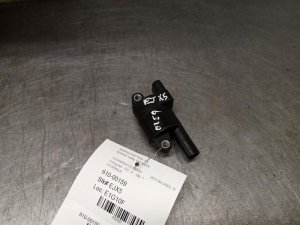
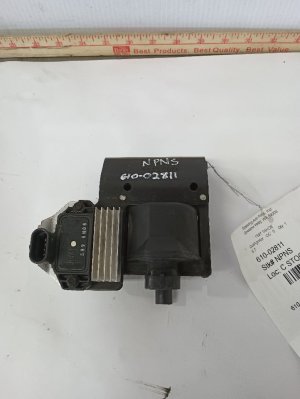
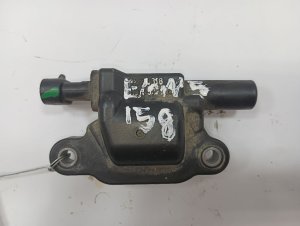
New Aftermarket Parts Available


The information in this article is provided for general reference and educational purposes only. Vehicle specifications, procedures, and part compatibility can vary by production date, trim level, and region. Always consult your vehicle's factory service manual and verify part numbers before purchasing or performing repairs. Safety-critical components such as airbags, seat belts, and braking systems should be installed by a qualified professional.
- Chevrolet EXPRESS:
- 🧭 Diagnostic Flowchart
- 🎬 Helpful Videos
- 🛍️ Shop This Part
- What's Unique About the 2004-2008 Chevrolet EXPRESS
- Symptoms You May Notice
- Most Likely Causes
- Rare But Worth Checking
- Diagnosis Steps
- Parts You'll Likely Need
- Related Codes That Often Appear With This One
- Technical Service Bulletins (TSBs) & Recalls
- Platform-Specific Known Issues
- Mechanic-Grade Diagnostic Values
- Hidden / Shadow Codes Worth Checking
- Scan Tool Commands That Help
- Wiring & Ground Locations
- Real Owner Repair Stories
- OEM Part Supersession History
- Model Year Variations Within This Range
- 🎟️ Get 5% Off