

P0308 on 2014-2018 Chevrolet Express: Cylinder 8 Misfire Causes and Fixes
P0308 on a Chevy Express V8 most often means a bad ignition coil, spark plug, or plug wire on cylinder 8. A simple fix is swapping the coil with another cylinder to see if the code follows. However, be aware of known issues with worn camshafts and collapsed lifters on these specific non-AFM engines, which is a more serious and costly repair documented in GM service bulletins.
- P0308 specifically points to a misfire in cylinder 8.
- The easiest and most common fix is a faulty ignition coil, which can be diagnosed by swapping it with another cylinder.
- Do not ignore a flashing check engine light, as it signals a severe misfire that can quickly damage your catalytic converter.
- Be aware that these GM V8 engines have a known issue with worn camshafts and lifters, which is a much more serious and expensive repair than a simple ignition component.
- Always start with the simplest fixes (coils, plugs) before assuming a major mechanical failure.
What's Unique About the 2014-2018 Chevrolet EXPRESS
The V8 engines in the 2014-2018 Express, the 4.8L L20 and 6.0L L96/LC8, are known workhorses. Crucially, these van engines were not equipped with Active Fuel Management (AFM) or Displacement on Demand (DOD). Despite not having the failure-prone AFM lifters found in many contemporary GM trucks and SUVs, these engines have their own documented history of mechanical valvetrain issues. Worn camshaft lobes and collapsed standard hydraulic lifters can lead to persistent misfire codes like P0308. This problem is acknowledged in official manufacturer bulletins like TSB #19-NA-219 (which supersedes PIP4138R), making it a critical point of diagnosis after common ignition faults are ruled out.
Diagnostic Flowchart
Tap your situation to follow the diagnostic path that matches what you're seeing on this vehicle.
Symptoms You May Notice
- Rough or shaking idle
- Hesitation or stumbling during acceleration
- Noticeable loss of engine power
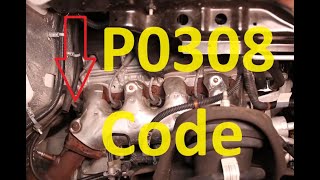
- Flashing Check Engine Light (indicates a severe misfire) 🎬 Watch: A quick overview of P0308 causes and fixes.
- Fuel smell from the exhaust
- A consistent ticking, chirping, or squeaking noise from the engine, which may point to a lifter/camshaft issue
- Replacing the mass airflow (MAF) sensor when only a single cylinder is misfiring. A bad MAF sensor typically affects all cylinders randomly and would likely cause a P0300 or other codes.
- Replacing the catalytic converter. A misfire can destroy a catalytic converter with unburnt fuel, but the converter itself is not the cause of the misfire code.
Most Likely Causes
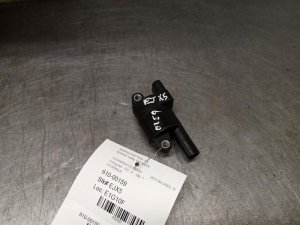
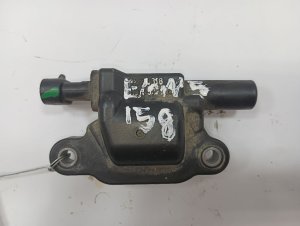
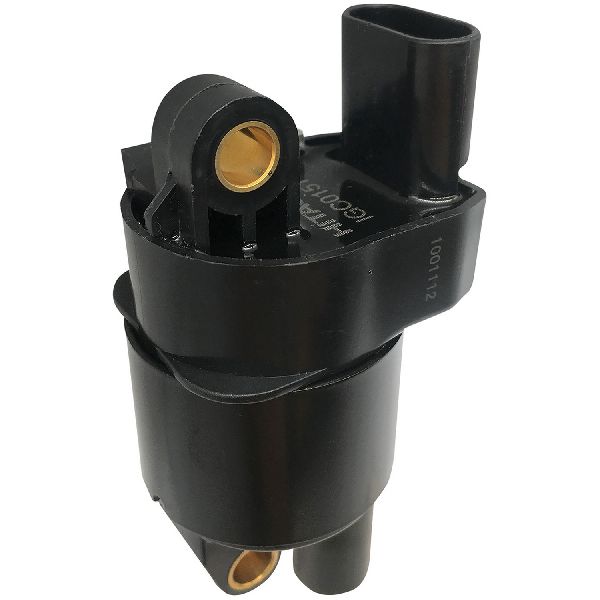
- Faulty Ignition Coil 🔴 High Probability → Shop Ignition Coil Coil-on-plug ignition systems are common failure points due to constant exposure to high engine temperatures and vibration. It's the most frequent and easiest-to-diagnose cause for a single-cylinder misfire.
How to confirm: Swap the ignition coil from cylinder 8 with another cylinder (e.g., cylinder 6, which is forward of #8 on the passenger side). Clear the codes and drive. If the code changes to P0306, the coil is bad.
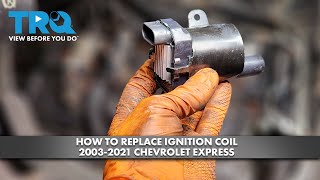
Typical fix: Replace the faulty ignition coil. Many owners on forums recommend using an OEM ACDelco part to prevent premature failure. 🎬 See this step-by-step guide to replacing your ignition coil.
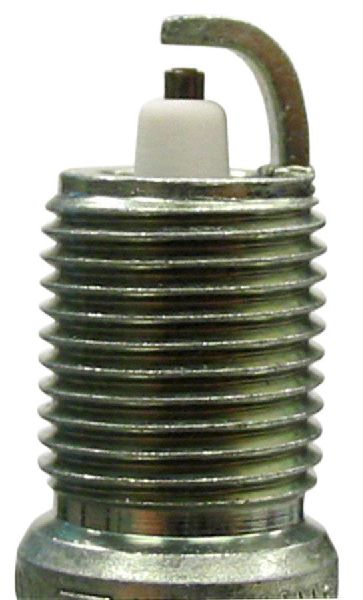
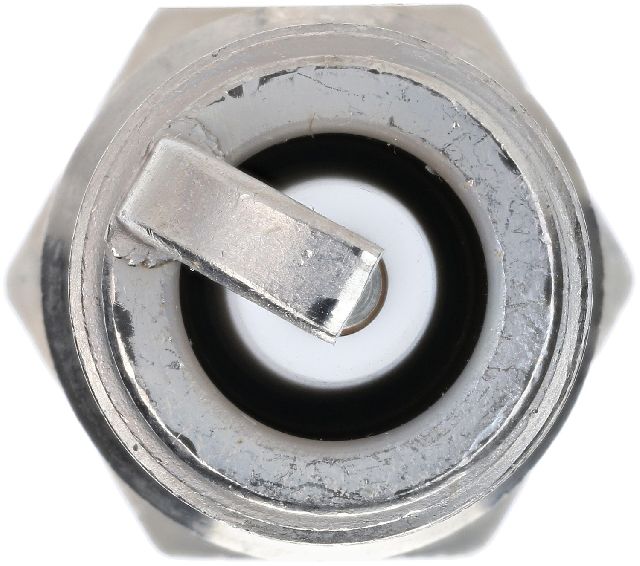
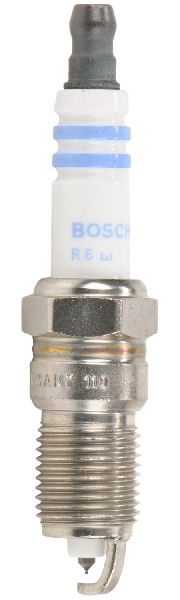
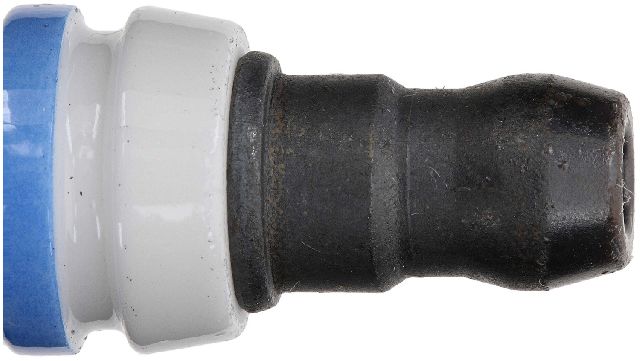
Est. part cost: $30-$70 - Worn or Fouled Spark Plug / Bad Plug Wire 🟡 Medium Probability → Shop Spark Plug Spark plugs are a regular maintenance item, with a recommended replacement interval around 100,000 miles. The plug wires on these V8s can also degrade from engine heat or be damaged by external factors.
How to confirm: After ruling out the coil, remove and inspect the spark plug from cylinder 8. Look for wear, heavy carbon deposits, oil fouling, or an incorrect gap. Inspect the plug wire for cracks, brittleness, or signs of arcing.
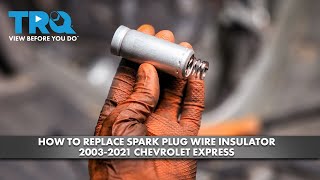
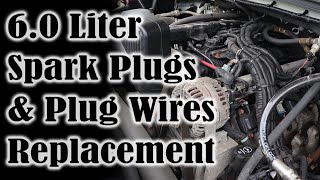
Typical fix: Replace the spark plug and/or plug wire for cylinder 8. It is often recommended to replace all plugs and wires at the same time if they are near their service life.
Est. part cost: $10-$25 for a plug, $50-$100 for a set of wires. - Worn Camshaft Lobe or Collapsed Lifter 🟡 Medium Probability → Shop Engine Camshaft GM has issued Technical Service Bulletins (TSBs) for this engine family regarding worn camshafts and lifters causing misfires. TSB #19-NA-219 (superseding #PIP4138R) specifically calls this out as a cause for P0300-P0308 codes, often accompanied by a distinct ticking or chirping noise. Forum users have confirmed this failure on Express vans, even without the problematic AFM system.
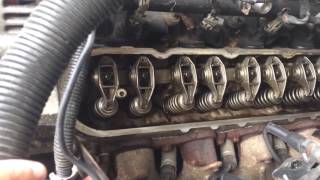
How to confirm: This requires in-depth diagnosis. A consistent ticking or chirping noise from the engine that doesn't go away is a strong indicator. A mechanic will perform a compression test and may need to remove the valve cover to measure valve lift or visually inspect the valvetrain components. A significant loss of lift on cylinder 8 points to a wiped cam lobe. 🎬 Listen to examples of common Chevy V8 lifter noises here.
Typical fix: Requires replacing the camshaft and all valve lifters, which is a significant and costly engine-in-vehicle repair.
Est. part cost: $500-$1200+ - Faulty Fuel Injector ⚪ Low Probability → Shop Fuel Injector Injectors can become clogged with deposits over time or fail electrically, preventing the correct amount of fuel from reaching cylinder 8. Some owners have resolved a persistent P0308 by running a high-quality fuel system cleaner through a few tanks of gas.
How to confirm: Listen to the injector with a mechanic's stethoscope; it should have a steady, audible clicking sound. You can also swap the injector with another cylinder to see if the misfire follows, though this is more labor-intensive than swapping a coil.
Typical fix: Replace the faulty fuel injector. Sometimes a professional fuel system cleaning can restore a clogged injector.
Est. part cost: $45-$125
Rare But Worth Checking
- Low Cylinder Compression: Can be caused by a broken valve spring, leaking valve, bent pushrod, or a piston ring issue. A compression test is needed to confirm. TSB #19-NA-219 also lists broken valve springs as a potential cause.
- Intake Manifold Gasket Leak: → Shop Engine Intake Manifold A vacuum leak near the intake runner for cylinder 8 can lean out the air/fuel mixture and cause a misfire. This would typically be accompanied by a lean condition code.
- Coolant Leak onto Ignition Components: In at least one documented case on a similar GM truck, a coolant leak from the heater core quick-connect fittings located on the firewall dripped directly onto the cylinder 8 ignition coil and plug wire, causing a persistent P0308 until the leak was fixed.
Diagnosis Steps
- Read the codes with an OBD-II scanner to confirm P0308 and check for any other codes. Note if the check engine light is flashing.
- If the light is flashing, avoid driving to prevent catalytic converter damage.
- Locate cylinder 8. On Chevy V8s, it is the rearmost cylinder on the passenger side (Bank 2).
- Visually inspect the area around cylinder 8. Look for obvious issues like a disconnected plug wire, damaged wiring harness, or fluid leaks from above (such as coolant).
- Perform an ignition coil swap. Switch the coil from cylinder 8 with the one from cylinder 6 (the next cylinder forward on the same bank). Clear the codes, run the engine, and rescan. If the code is now P0306, the ignition coil is bad and needs replacement.
- If the misfire stays on cylinder 8, inspect the spark plug and wire. Remove the plug and check for damage, wear, or fouling. Replace the plug and wire if they are in poor condition or due for service.
- If the ignition system is good, check the fuel injector. Listen for a steady clicking with a stethoscope. If you have the skill, you can swap the injector with another cylinder to see if the code follows.
- If the problem persists and you hear a consistent ticking/chirping noise, the issue is likely mechanical and related to the valvetrain.
- Perform a cylinder compression test. A significantly lower reading on cylinder 8 compared to others indicates an internal problem.
- If compression is low, consult TSB #19-NA-219 and have a professional inspect the camshaft and lifters for wear, as this is a known issue requiring major repair.
Parts You'll Likely Need
- Ignition Coil
(OEM #ACDelco D521C)— This is the most common failure point for a single-cylinder misfire on modern engines. The original part number may have been superseded.
Trusted brands: ACDelco, Delphi, Standard Motor Products
OEM price range: $50-$80
Aftermarket price range: $30-$60 - Spark Plug
(OEM #ACDelco 41-110 (Iridium))— A worn or fouled spark plug cannot create a strong enough spark for proper combustion. This is a standard maintenance item.
Trusted brands: ACDelco, NGK
OEM price range: $10-$20
Aftermarket price range: $5-$15 - Fuel Injector
(OEM #12613412 (ACDelco 217-3411))— A clogged or failed injector will prevent fuel from reaching the cylinder, causing a misfire.
Trusted brands: ACDelco, Bosch, Standard Motor Products
OEM price range: $80-$125
Aftermarket price range: $40-$70 - Camshaft and Lifter Kit — A known mechanical failure point on these GM V8 engines that directly causes misfires, as noted in TSBs. The kit should include a new camshaft and a full set of 16 lifters.
Trusted brands: ACDelco
Related Codes That Often Appear With This One
- P0300 — If the misfire is intermittent, affects other cylinders, or is caused by a systemic issue like a vacuum leak or low fuel pressure, a P0300 (Random/Multiple Cylinder Misfire) code may appear alongside P0308.
Technical Service Bulletins (TSBs) & Recalls
- 19-NA-219: This is the most current TSB, replacing PIP4138R. It provides diagnostic guidance for engine noises and misfires (P0300-P0308), identifying potential causes as worn cam/lifters, sticking valves, or broken valve springs.
- PIP4138R: The older version of the bulletin, which first documented the link between P030X misfire codes, engine noises, and worn camshaft lobes or lifters on this engine family.
- PIP5628G: A bulletin requesting technicians to gather specific information when contacting GM's technical assistance for misfire codes P0300-P0308, indicating this is a common and sometimes complex issue for dealers to diagnose.
Platform-Specific Known Issues
- Technical Service Bulletin #19-NA-219 (replaces PIP4138R) is a critical document for this issue. It states that after ruling out basic causes, a misfire code (P0300-P0308) accompanied by a chirp, squeak, or tick noise points directly to a worn camshaft lobe and/or lifter roller.
- Unlike many other GM trucks of the era, the 6.0L L96 and 4.8L L20 engines in these vans do NOT have Active Fuel Management (AFM). The lifter failure is a mechanical issue with the standard hydraulic roller lifters, not the more complex AFM lifters.
- The location of cylinder #8 at the rear of the engine bay on the passenger side can make access more difficult than for cylinders at the front of the engine.
Mechanic-Grade Diagnostic Values
- Ignition Coil Primary Resistance — expected: 0.4 to 2.0 Ohms. Failure: A reading of 0 ohms indicates a short, while a significantly higher or infinite reading indicates an open circuit.
- Ignition Coil Secondary Resistance — expected: 6,000 to 15,000 Ohms (6 to 15 kOhms). Failure: Readings outside this range suggest a faulty coil winding.
- Mode $06 Misfire Data — expected: The value for Test ID $0B under Monitor ID $A9 (for Cylinder 8) should be at or near zero.. Failure: A high or rapidly increasing count for cylinder 8 confirms the PCM is detecting misfire events on that specific cylinder, even before the Check Engine Light is set.
Hidden / Shadow Codes Worth Checking
- Mode $06 Misfire Counters: This is not a typical DTC, but rather a raw data counter accessible via the OBD-II system's Mode $06. It shows the number of misfire events the ECM has detected per cylinder for the current and previous driving cycles. Technicians use this to confirm which cylinder is misfiring before the count reaches the threshold to set a P030x code. (see via A professional scan tool or an advanced OBD-II app that can display Mode $06 data. The misfire monitor for cylinder 8 is typically found under Monitor ID (OBDMID) $A9.)
Scan Tool Commands That Help
- GDS2, Tech2, or equivalent professional scanner: Cylinder Power Balance / Fuel Injector Balance — This is a primary diagnostic function used to confirm a misfire on a specific cylinder. The command allows the technician to sequentially disable the fuel injector for each cylinder while the engine is idling. A good cylinder will cause a noticeable drop in engine RPM when disabled. If disabling cylinder 8 results in little or no change in RPM, it confirms that cylinder was not contributing power.
Wiring & Ground Locations
- Cylinder 8 Injector Control at ECM — On the E38 ECM, this is Pin 17 in the J2 (X2) connector. The wire is typically Dark Blue with a White stripe.. For advanced electrical diagnosis, a technician can test this pin for a control signal (ground pulse) from the ECM. A lack of signal could indicate a wiring issue between the ECM and injector or a faulty ECM driver, rather than a bad injector itself.
- G102 — Located at the left rear of the engine.. This ground point is specifically for the bank of 8 ignition coils. A poor connection here could cause weak or intermittent spark on one or more cylinders, including cylinder 8.
- G103 / G104 — Located on the rear of the cylinder heads (G103 on LH head, G104 on RH head).. These are primary engine-to-chassis grounds. While less likely to cause a single-cylinder misfire, a poor connection can introduce electrical noise and intermittent issues for sensors and actuators, including the crankshaft position sensor, which is critical for misfire detection.
Real Owner Repair Stories
- Reddit user on r/ChevyTrucks (2011 Suburban (similar 5.3L engine and component layout)) — Persistent P0308 code.
❌ Tried (didn't work) Initial diagnosis focused on standard ignition parts.
✅ What actually fixed it The heater core quick-connect fittings on the firewall were leaking coolant, which dripped directly onto the cylinder 8 spark plug wire and coil. Fixing the coolant leak and cleaning the components resolved the misfire. - GM Technical Service Bulletin #19-NA-219 (GM Trucks/Vans with Gen IV/V V8 engines, including 2014-2018 Express) — P0300-P0308 misfire codes, often accompanied by a consistent chirp, squeak, or tick noise from the engine.
❌ Tried (didn't work) Standard diagnosis for ignition and fuel systems (plugs, coils, injectors) does not resolve the issue. Compression and leak-down tests may appear normal.
✅ What actually fixed it Diagnosis revealed a worn camshaft lobe and/or a collapsed hydraulic lifter for the misfiring cylinder. The repair required replacing the camshaft and all 16 valve lifters.
"I Checked Everything" — The Actual Cause
- A persistent P0308 where ignition and fuel components check out, and a smoke test reveals no vacuum leaks, can be caused by an external fluid leak. In one documented case, a coolant leak from the heater core fittings on the firewall dripped onto the cylinder 8 coil and plug wire, causing an electrical short and misfire that would not be found by conventional misfire diagnostics.
OEM Part Supersession History
12570616 (ACDelco D510C)→12611424, which was then superseded by 12739916— Standard part evolution for improved reliability and manufacturing efficiency.
Heads up: These are the correct 'square' style coils for the L96/LC8 V8s. Do not use the 'round' style coils (like UF262) from older Vortec engines or the D521C coil from smaller GM engines, as they are electrically and physically incompatible.
Model Year Variations Within This Range
- 2014-2018: While the 4.8L (L20) and 6.0L (L96/LC8) engines in the Express vans did not use the problematic Active Fuel Management (AFM) system common in Silverado/Sierra trucks, they are still part of the same engine family. Therefore, they can still suffer from the valvetrain issues (worn camshafts, collapsed lifters) described in TSB #19-NA-219, even though the specific failure-prone AFM lifters are not present. The diagnosis for a mechanical tick and misfire remains valid.
Helpful Videos
Used OEM Parts in Stock
New Aftermarket Parts Available


The information in this article is provided for general reference and educational purposes only. Vehicle specifications, procedures, and part compatibility can vary by production date, trim level, and region. Always consult your vehicle's factory service manual and verify part numbers before purchasing or performing repairs. Safety-critical components such as airbags, seat belts, and braking systems should be installed by a qualified professional.
- Chevrolet EXPRESS:
- 🧭 Diagnostic Flowchart
- 🎬 Helpful Videos
- 🛍️ Shop This Part
- What's Unique About the 2014-2018 Chevrolet EXPRESS
- Symptoms You May Notice
- Most Likely Causes
- Rare But Worth Checking
- Diagnosis Steps
- Parts You'll Likely Need
- Related Codes That Often Appear With This One
- Technical Service Bulletins (TSBs) & Recalls
- Platform-Specific Known Issues
- Mechanic-Grade Diagnostic Values
- Hidden / Shadow Codes Worth Checking
- Scan Tool Commands That Help
- Wiring & Ground Locations
- Real Owner Repair Stories
- "I Checked Everything" — The Actual Cause
- OEM Part Supersession History
- Model Year Variations Within This Range
- 🎟️ Get 5% Off