

P0308 on 2006-2010 Chevrolet HHR: An Impossible Misfire Code Explained
A P0308 code on a Chevrolet HHR is impossible under normal conditions, as it indicates a misfire on cylinder 8, and the HHR only has a 4-cylinder engine. Seeing this code strongly suggests a critical failure of the Engine Control Module (ECM/PCM) or a significant error with the diagnostic scan tool being used.
- P0308 is an impossible code for a stock Chevrolet HHR, which only has 4 cylinders.
- Do not waste time or money looking for a misfire on cylinder 8.
- The most likely causes are a failed Engine Control Module (ECM), a faulty scan tool, or a significant wiring/grounding issue.
- Before replacing the ECM, thoroughly inspect all major ground connections and the engine wiring harness for chafing, as these are known weak points on the HHR platform.
- Symptoms will be related to computer/electrical failure (stalling, no-start, erratic gauges) not a simple engine misfire.
- This issue requires careful diagnosis to avoid replacing an expensive ECM unnecessarily.
What's Unique About the 2006-2010 Chevrolet HHR
The Chevrolet HHR platform never included an engine with more than four cylinders. The existence of a P0308 code is a fundamental contradiction. Unlike a typical misfire diagnosis on a V8 engine, troubleshooting this code on an HHR involves investigating the health of the Engine Control Module (ECM) itself or verifying the accuracy of the scan tool, rather than looking at spark plugs or fuel injectors on a non-existent cylinder.
Diagnostic Flowchart
Tap your situation to follow the diagnostic path that matches what you're seeing on this vehicle.
Symptoms You May Notice
- Check Engine Light is on, possibly with multiple other illogical error codes.
- Engine may not start or may stall unexpectedly.
- Erratic engine performance, unrelated to a specific cylinder misfire.
- Cooling fans running constantly, even with a cold engine.
- Other electrical issues or strange dash behavior, such as the speedometer, fuel, and temp gauges flatlining or reading incorrectly.
- Loss of communication with the ECM or TCM reported by a scan tool.
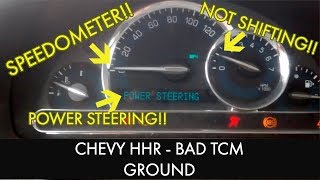
- "Power Steering" message appearing on the Driver Information Center (DIC).
- Attempting to locate and replace ignition or fuel components for a 'cylinder 8' that does not exist.
- Replacing spark plugs, coils, or injectors for cylinders 1-4 in an attempt to fix the P0308 code.
- Replacing the ECM without first thoroughly checking for bad grounds or wiring harness chafing, which can produce identical symptoms.
Most Likely Causes
- Faulty Engine Control Module (ECM/PCM) 🔴 High Probability → Shop Engine Control Module (ECM) While ECMs can fail on any car, the HHR platform can exhibit bizarre symptoms like phantom codes when the module fails internally due to heat cycles and vibration. Forum users on Chevy HHR Network frequently suspect the ECM when a flood of unrelated codes appear, such as P0601 or P0606.
How to confirm: Confirm the code with a second, known-good scan tool. If the impossible code persists and is accompanied by other erratic behavior (like constant cooling fans or no-start), the ECM is the primary suspect. Internal ECM faults like P0601 (Memory Checksum Error) or P0606 (Processor Fault) are definitive indicators. 🎬 Watch: How to diagnose an ECM processor error code
Typical fix: Replacement and reprogramming of the Engine Control Module. This requires VIN programming and a subsequent crankshaft position variation relearn procedure. 🎬 Watch: Four quick methods for a crankshaft position relearn
Est. part cost: $200-$600 - Scan Tool Error or Incorrect Configuration 🔴 High Probability
How to confirm: Use a different, high-quality OBD-II scanner to read the codes again. Ensure the correct vehicle profile (Chevrolet HHR with a 4-cylinder engine) is selected in the tool. If the code disappears with a different tool, the original tool was at fault.
Typical fix: Use a reliable and correctly configured scan tool.
Est. part cost: $0-$200 - Major Wiring Harness Issue or Poor Grounds 🟡 Medium Probability The HHR is noted in forums for having issues with engine wiring harnesses chafing against brackets, causing shorts. Poor or corroded ground connections, especially the main chassis ground in the trunk or grounds in the engine bay, are a common source of widespread, intermittent electrical problems.
How to confirm: Visually inspect the main engine wiring harness, particularly where it's secured to the engine, for signs of rubbing or damage. Check and clean the main battery ground in the trunk and the engine-to-chassis grounds 🎬 See how to fix common HHR ground and steering issues (G105, G107, G108). A bad ground can cause a no-start or a host of phantom electrical issues.
Typical fix: Repairing the damaged section of the wiring harness and protecting it from further chafing. For grounds, this involves removing the connection, cleaning the contact surfaces to bare metal, and re-securing it tightly.
Est. part cost: $10-$1000+
Rare But Worth Checking
- Underhood Fuse Box Internal Failure:
Diagnosis Steps
- First, verify the code. Clear the codes and see if P0308 returns. If it does, use a different, trusted OBD-II scanner to confirm the reading.
- Ensure the scan tool is configured for a 4-cylinder Chevrolet HHR.
- If the code is confirmed, immediately suspect a major electronic fault, not a mechanical one.
- Scan for all other DTCs. A failing ECM or bad ground will often throw multiple, unrelated, or impossible codes, especially U-series communication codes or P06xx internal fault codes.
- Check Battery and Grounds. Ensure the battery is fully charged and load tests correctly. A weak battery can cause chaos in HHR electronics. Inspect, clean, and tighten the main battery ground in the trunk and the key engine/transmission grounds under the hood (G103, G105, G107, G108).
- Inspect the Underhood Fuse Box. Check that the bolts holding the fuse box halves together are tight.
- Inspect the ECM connectors and nearby wiring for any visible damage, corrosion, or loose pins. Pay close attention to areas where the harness may rub against engine brackets.
- If all signs point to the ECM (especially if P0601 or P0606 are present), professional diagnosis is recommended to confirm the failure before ordering an expensive replacement. Replacement requires VIN programming and a Crankshaft Position Variation Relearn procedure.
Parts You'll Likely Need
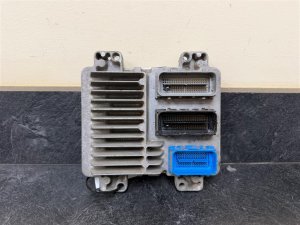
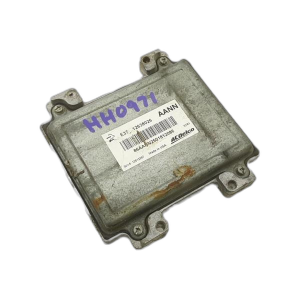
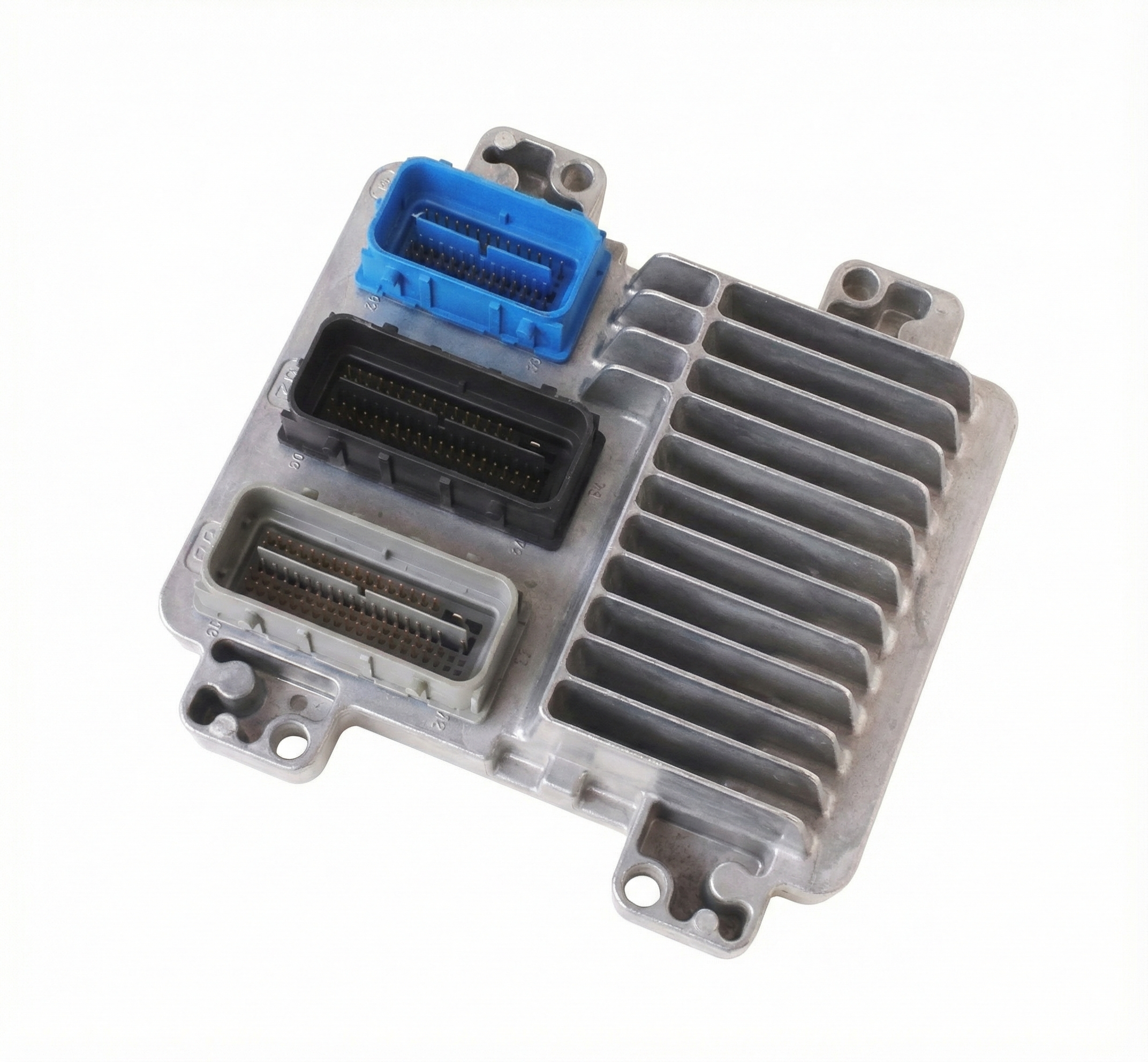
- Engine Control Module (ECM)
(OEM #12599714, 12600884, 19210737, 12612397 (Varies by year/engine, confirm with VIN))— This is the most likely failed component if the vehicle is genuinely reporting an impossible trouble code and grounds/wiring are confirmed good.
Trusted brands: ACDelco (OEM), BSE, Flashmasters
OEM price range: $300-$700
Aftermarket price range: $200-$500
Related Codes That Often Appear With This One
- P0300 — A failing ECM may also report a random misfire code in addition to the impossible P0308.
- U-codes (e.g., U0100, U2105, U2107) — Network and communication codes often appear when the ECM is failing and cannot communicate properly with other modules in the vehicle, such as the TCM or BCM.
- P2135 — This throttle position sensor code can be caused by a chafed engine wiring harness, which is also a potential cause of phantom codes like P0308.
- P0601, P0606 — These are internal control module fault codes. Seeing these alongside P0308 is a very strong indication that the ECM itself has failed and needs replacement.
Technical Service Bulletins (TSBs) & Recalls
- PIP5628G: This is a general GM technical service bulletin for diagnosing misfires (P0300-P0308) across various models and engine sizes. Its mention of P0308 is for V8-equipped vehicles and does not imply the HHR has eight cylinders.
- 08-06-04-022: An intermittent check engine light with DTC P2135 can be caused by the engine wiring harness chafing. While for a different code, it highlights a known vulnerability in the HHR's wiring that could cause other electrical faults.
- 070845003: Addresses intermittent no-start, stalling, and other electrical system issues which can be caused by problems in the underhood fuse box (UBEC), a known weak point that can cause symptoms similar to ECM failure.
Platform-Specific Known Issues
- Engine Wiring Harness Chafing: Owners on chevyhhr.net have reported that the engine wiring harness can rub against mounting brackets, wearing through the insulation and causing wires to short. This can lead to a variety of erratic electrical problems, including symptoms that mimic a failed ECM.
- Poor Ground Connections: A recurring theme in owner forums is the HHR's sensitivity to poor ground connections. The main battery ground in the trunk is sometimes found to be painted over from the factory, providing a poor connection. Other engine and transmission grounds can also corrode or loosen, leading to no-start conditions, flickering lights, and phantom codes.
- Loose Underhood Fuse Box: The main fuse box under the hood is a two-piece assembly. The bolts holding it together can loosen over time, causing intermittent connections for multiple circuits. This can result in a wide range of bizarre electrical issues that are often misdiagnosed as a bad ECM or BCM.
Hidden / Shadow Codes Worth Checking
- P0601: Internal Control Module Memory Checksum Error. This indicates a fatal error in the ECM's internal memory. (see via Standard OBD-II scanner. It often appears with other phantom codes when the ECM is failing.)
- P0606: ECM/PCM Processor Fault. This indicates a failure of the central processor within the engine control module. (see via Standard OBD-II scanner. It can cause a no-start, stalling, or 'Engine Power Reduced' messages.)
- P0315: Crankshaft Position System Variation Not Learned. This code will set after an ECM is replaced and will persist until a Crankshaft Variation Relearn procedure is successfully completed. (see via Standard OBD-II scanner. The Check Engine Light will remain on, but the vehicle may run normally.)
Scan Tool Commands That Help
- Tech 2, GDS2, or capable aftermarket (e.g., Foxwell 510 Elite, Autel): Crankshaft Position Variation Learn (CASE Relearn) — This procedure is mandatory after replacing the Engine Control Module (ECM) or the crankshaft position sensor. Failure to perform it will leave a persistent P0315 trouble code and Check Engine Light.
Wiring & Ground Locations
- G103 — Left front corner of the engine compartment.. Provides a ground path for the Body Control Module (BCM) and the Data Link Connector (DLC). A poor connection here can cause communication errors that might be misread by a scan tool.
- G105 — Left front of the engine block.. This is a primary ground point. While wiring diagrams show it grounding other components, a poor engine block ground can create voltage potential differences that affect sensor readings and ECM stability.
- G107 — On the front left corner of the transmission.. This is a critical ground for the automatic transmission control module (TCM) and the ECM itself. A fault at this location can directly cause erratic ECM/TCM behavior and phantom codes.
- G108 — Right rear of the engine block.. Another main engine ground. Intermittent or poor connection here can lead to a wide range of electrical issues that mimic component failure.
- ECM Connectors (C1/C2) — Located under the black plastic cover in front of the underhood fuse box.. All power, ground, and sensor signals for the ECM pass through these two large connectors. Water intrusion, corrosion, or pushed-back pins in these connectors can cause symptoms identical to a failed ECM.
Real Owner Repair Stories
- Chevy HHR Network forum user (2006 Chevrolet HHR) — Car would randomly quit while driving, displaying 'Engine Power Reduced' and 'Engine Disabled' on the DIC. Would not crank for 5-10 minutes, then would restart and run. Check Engine Light was on with code P0601.
❌ Tried (didn't work) Waiting several minutes before attempting to restart., Temporarily pulling the ECM fuse to 'reset' it, which worked for a short time but the problem returned.
✅ What actually fixed it The problem was resolved by replacing the Engine Control Module (ECM). After installation, a crankshaft variation relearn procedure was required to clear a resulting Check Engine Light. - Chevy HHR Network forum user (2006 HHR with 83k miles) — Intermittent no-start with 'Engine Power Reduced' and 'Engine Disabled' messages. Check Engine Light came on with code P0606 (PCM Processor Fault).
❌ Tried (didn't work) Clearing the code (it returned).
✅ What actually fixed it The consensus among forum members and the ultimate diagnosis was that the PCM (ECM) itself was faulty and required replacement, as P0606 indicates a non-recoverable internal failure.
OEM Part Supersession History
12599714, 19210737→Not explicitly superseded, but often replaced by refurbished units programmed to the VIN.— End of life for original production parts.
Heads up: These part numbers are generally for 2006 models. Using an ECM from a different year or engine size will not work.12600884→12612397— Part consolidation and software/hardware updates by the manufacturer.
Heads up: 12612397 is a common service replacement for many 2007-2010 HHRs, but VIN programming is always required to ensure compatibility with the vehicle's specific options.
Model Year Variations Within This Range
- 2006: Primarily used ECM service numbers like 12599714 and 19210737.
- 2007-2010: Commonly used ECM service number 12612397, which covers multiple years and GM models but requires specific HHR programming.
- 2009-2010: The 2.0L LNF Turbo engine uses a specific ECM (e.g., 12614967) that is not interchangeable with the 2.2L or 2.4L naturally aspirated engines.
Helpful Videos
We Have This Part in Stock

The information in this article is provided for general reference and educational purposes only. Vehicle specifications, procedures, and part compatibility can vary by production date, trim level, and region. Always consult your vehicle's factory service manual and verify part numbers before purchasing or performing repairs. Safety-critical components such as airbags, seat belts, and braking systems should be installed by a qualified professional.
- Chevrolet HHR:
- 🧭 Diagnostic Flowchart
- 🎬 Helpful Videos
- 🛍️ Shop This Part
- What's Unique About the 2006-2010 Chevrolet HHR
- Symptoms You May Notice
- Most Likely Causes
- Rare But Worth Checking
- Diagnosis Steps
- Parts You'll Likely Need
- Related Codes That Often Appear With This One
- Technical Service Bulletins (TSBs) & Recalls
- Platform-Specific Known Issues
- Hidden / Shadow Codes Worth Checking
- Scan Tool Commands That Help
- Wiring & Ground Locations
- Real Owner Repair Stories
- OEM Part Supersession History
- Model Year Variations Within This Range
- 🎟️ Get 5% Off