

P0308 on 2006-2007 Chevrolet Impala SS: Cylinder 8 Misfire Causes and Fixes
P0308 on a 2006-2007 Impala SS signals a misfire in cylinder 8. This is most often caused by a bad spark plug or a failing ignition coil, which are simple DIY fixes. However, it can also point to a faulty fuel injector or, less commonly, an internal mechanical issue like a lifter problem. Start diagnosis by swapping ignition components before suspecting more complex issues.
- P0308 on a 2000-2007 Impala is only possible on the 2006-2007 SS model with the 5.3L V8.
- The most likely causes are a bad spark plug or ignition coil, which are inexpensive and relatively easy to diagnose by swapping parts between cylinders.
- Do not drive extensively with a flashing Check Engine Light, as this can quickly lead to expensive catalytic converter damage.
- If basic ignition parts don't solve the problem, the issue could be a fuel injector or a more serious mechanical problem requiring professional diagnosis.
What's Unique About the 2000-2007 Chevrolet IMPALA
This code is exclusive to the 2006-2007 Impala SS models equipped with the 5.3L LS4 V8 engine, as other Impalas in this year range were V6 models without a cylinder 8. The LS4 engine features Active Fuel Management (AFM), which deactivates cylinders 1, 4, 6, and 7 to save fuel. Cylinder 8 is a non-AFM cylinder. While this means it is not susceptible to the common AFM lifter failures, issues with the AFM system, such as oil consumption, can sometimes lead to spark plug fouling on any cylinder. The primary causes for a single-cylinder misfire like P0308 on this engine are typically standard ignition or fuel system components.
Diagnostic Flowchart
Tap your situation to follow the diagnostic path that matches what you're seeing on this vehicle.
Generation note: The 2000-2007 Impala range covers the 8th (2000-2005) and 9th (2006-2013) generations. The P0308 code is only possible on the 9th generation Impala SS (2006-2007) equipped with the 5.3L LS4 V8 engine, as the 8th generation models did not offer a V8.
Symptoms You May Notice
- Rough or shaking idle.
- Hesitation or stumbling during acceleration.
- Noticeable loss of engine power.
- Flashing or solid Check Engine Light.
- Reduced fuel economy.
- A smell of gasoline from the exhaust.
- Replacing the catalytic converter. A flashing check engine light indicates a severe misfire that is actively damaging the converter. The converter damage is a symptom of the misfire, not the cause.
Most Likely Causes
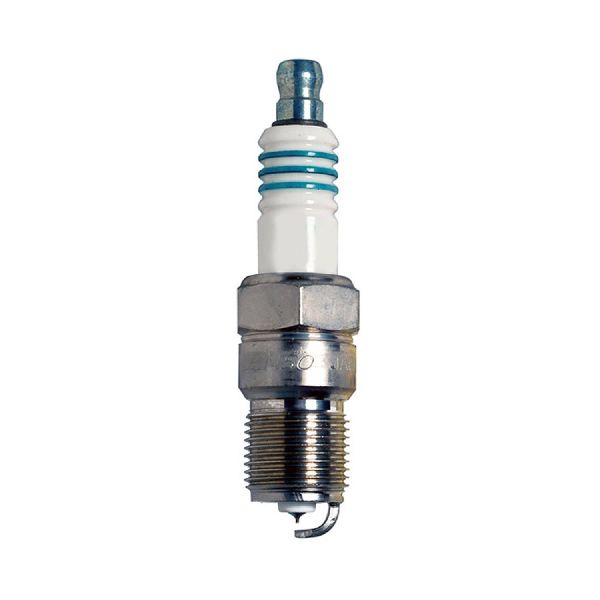
- Worn or Fouled Spark Plug 🔴 High Probability → Shop Spark Plug The LS4 engine can be prone to oil consumption, which can foul spark plugs over time, leading to a misfire. Spark plugs are also a routine wear item, and a single plug can fail or crack, causing a persistent misfire.
How to confirm: Remove the spark plug from cylinder 8 and inspect it. Look for heavy carbon buildup, oil residue, a cracked porcelain insulator, or a worn electrode. Compare it to a plug from a different cylinder. A user on a Chevrolet forum with a P0308 code confirmed the issue was resolved after finding and replacing a bad spark plug.
Typical fix: Replace the spark plug for cylinder 8. It is highly recommended to replace all 8 spark plugs at the same time for consistent performance and to prevent future misfires. 🎬 Watch: How to replace spark plugs on this generation Impala.
Est. part cost: $5-$20 per plug - Failing Ignition Coil 🔴 High Probability → Shop Ignition Coil Ignition coils are a common wear item on most modern vehicles. The heat and vibration of the engine bay, especially for the rear cylinders on the LS4, can cause them to fail over time, resulting in a weak or no-spark condition.
How to confirm: Swap the ignition coil from cylinder 8 with a coil from another cylinder (e.g., cylinder 6, which is easier to access). Clear the codes and drive the vehicle. If the code changes to P0306, the ignition coil is faulty.
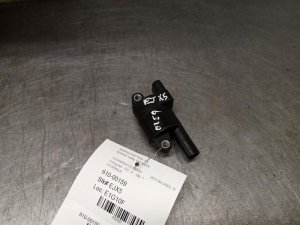
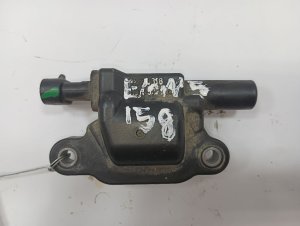
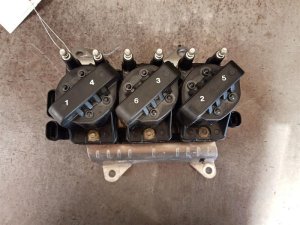
Typical fix: Replace the faulty ignition coil. These are individual coil-on-plug units, so only the failed one needs replacement. The OEM part is ACDelco D510C.
Est. part cost: $40-$90 - Clogged or Faulty Fuel Injector 🟡 Medium Probability → Shop Fuel Injector Some mechanics theorize that the last injector on the fuel rail is more susceptible to collecting debris or rust particles from the fuel system, which can lead to clogging. On the LS4, cylinder 8 is at the end of the fuel rail on the front bank.
How to confirm: After ruling out ignition issues, you can swap the fuel injector from cylinder 8 with another cylinder. This is more labor-intensive, requiring removal of the fuel rail. If the misfire code follows the injector, the injector is the problem. A professional can also perform a fuel injector balance test using a GM-specific scan tool.
Typical fix: Replace the faulty fuel injector. It's also good practice to clean the fuel rail during this service. A video guide for changing an LS4 injector shows it can be done without removing the alternator, but access is tight. 🎬 See this walkthrough for changing an LS4 fuel injector.
Est. part cost: $60-$150 - Mechanical Engine Failure (Lifter, Valve Spring, etc.) ⚪ Low Probability While AFM-related lifter failures are a known issue on LS4 engines, they typically affect cylinders 1, 4, 6, and 7. However, non-AFM lifters can still fail due to wear or manufacturing defects, independent of the AFM system. A collapsed lifter or broken valve spring will cause a complete loss of compression and a persistent misfire.
How to confirm: A compression test on cylinder 8 is required. Low or zero compression indicates a mechanical problem. A subsequent cylinder leak-down test can pinpoint whether the issue is with rings, valves, or the head gasket. A professional diagnosis might involve using an oscilloscope per TSB PIP5628G.
Typical fix: This is a major repair. Depending on the cause, it could involve replacing lifters, camshaft, valve springs, or require cylinder head removal.
Est. part cost: $200-$2000+
Rare But Worth Checking
- Damaged Ignition Coil Wiring: → Shop Ignition Coil The wiring harness leading to the ignition coil can become brittle from heat and age or damaged, causing an intermittent connection and a misfire on that specific cylinder.
- Intake Manifold Gasket Leak: → Shop Engine Intake Manifold While typically causing a random misfire (P0300) or lean codes, a vacuum leak isolated near the intake runner for cylinder 8 could cause a lean condition and a specific misfire.
Diagnosis Steps
- Read the trouble codes with an OBD-II scanner and check the freeze-frame data to see the engine conditions when the code was set.
- Inspect the spark plug and ignition wire for cylinder 8 for any visible damage, corrosion, or loose connections.
- Swap the ignition coil from cylinder 8 with an adjacent, easily accessible cylinder (like cylinder 6). Clear the codes and run the engine to see if the misfire code moves to the new cylinder (e.g., P0306). If it does, the coil is bad.
- If the misfire remains on cylinder 8, perform the same swap test with the spark plug. Inspect the old plug for fouling, wear, or damage.
- If ignition components are confirmed good, the next step is to test the fuel injector. This can be done by swapping it with another cylinder, but this is an involved job that requires depressurizing the fuel system and removing the fuel rail.
- If the misfire still persists on cylinder 8, perform a compression test to check for mechanical engine problems. Low compression points to an internal issue.
- If compression is low, a cylinder leak-down test should be performed to identify the source of the compression loss (piston rings, valves, or head gasket).
- For advanced diagnosis, follow the procedure in TSB PIP5628G, which includes using a scan tool to check fuel trims, performing a fuel injector balance test, and potentially using an oscilloscope to analyze sensor data.
Parts You'll Likely Need
- Ignition Coil
(OEM #ACDelco D510C (supercedes 12570616, 12611424))— This is a very common failure point for a single-cylinder misfire. Heat and vibration cause the coil's internal windings to fail over time, leading to a weak or absent spark.
Trusted brands: ACDelco, Delphi, NGK
OEM price range: $60-$100
Aftermarket price range: $40-$75 - Spark Plug
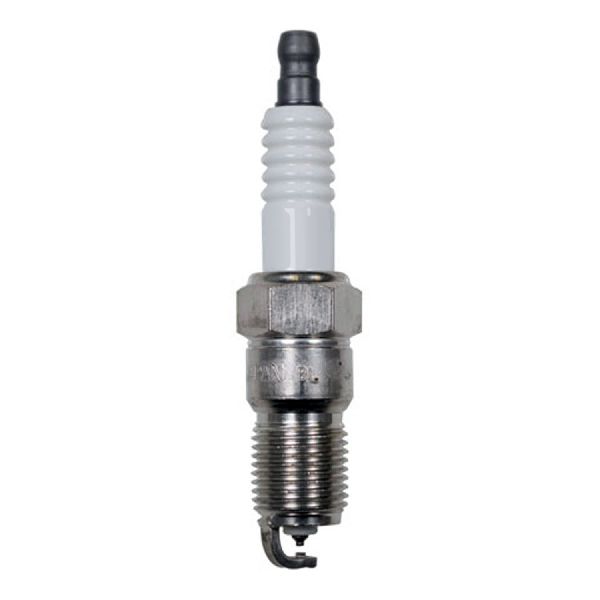
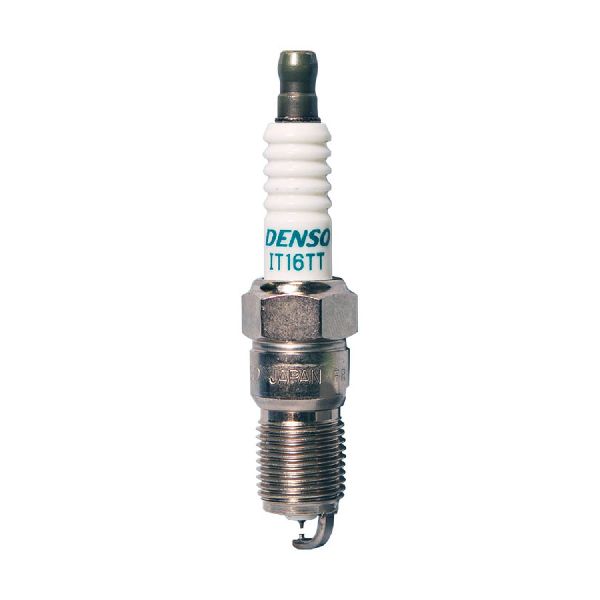
(OEM #ACDelco 41-110 (Iridium))— Spark plugs are a routine maintenance item. They can become worn or fouled by oil or carbon deposits, especially on LS4 engines with potential oil consumption, leading to a weak or non-existent spark.
Trusted brands: ACDelco, NGK
OEM price range: $10-$20
Aftermarket price range: $5-$15 - Fuel Injector
(OEM #ACDelco 217-1621)— A fuel injector can become clogged with deposits or fail electronically, preventing the correct amount of fuel from being delivered to cylinder 8. Its position at the end of the fuel rail may make it more susceptible to debris.
Trusted brands: ACDelco, Bosch
OEM price range: $100-$180
Aftermarket price range: $60-$120
Related Codes That Often Appear With This One
- P0300 — If the underlying issue (like low fuel pressure or a large vacuum leak) begins to affect other cylinders, a P0300 (Random/Multiple Misfire) code may appear alongside P0308.
Technical Service Bulletins (TSBs) & Recalls
- PIP5628G: Communicates the specific data that must be collected (freeze frame data, GDS2 session logs, relative compression test results, fuel injector balance test results) to aid GM's Technical Assistance Center (TAC) in diagnosing persistent misfires (P0300-P0308).
Platform-Specific Known Issues
- The provided TSB #PIP5628G indicates that GM has specific diagnostic information for technicians when dealing with misfire codes P0300-P0308. It requires collecting extensive data with a scan tool (GDS2) and oscilloscope before contacting the Technical Assistance Center, suggesting that diagnosis can sometimes be complex and go beyond simple part swaps.
- Cylinder 8 is located on the front bank of the transverse-mounted engine (closest to the radiator), on the passenger side. Access to its ignition coil and spark plug is generally reasonable
Mechanic-Grade Diagnostic Values
- Ignition Coil Primary Resistance — expected: 0.450 - 0.57 ohms. Failure: A reading significantly outside this range, or an open/short circuit, indicates a bad coil.
- Ignition Coil Secondary Resistance — expected: 8.2k - 11.1k ohms. Failure: A reading outside this range suggests a failure in the secondary windings.
- Fuel Injector Resistance — expected: 9 - 12 ohms (High Impedance). Failure: A reading significantly lower or higher, or an open circuit, points to a failed injector coil.
- Fuel Pressure (Key On, Engine Off) — expected: Rated at 58 PSI (400 kPa). Failure: Pressure significantly below this indicates a weak fuel pump, clogged filter, or faulty regulator.
- Fuel Pressure at Idle — expected: 38 - 52 PSI. Failure: Pressure should be stable and within this range. Low pressure can cause lean misfires, while excessively high pressure can indicate a regulator problem.
Hidden / Shadow Codes Worth Checking
- Mode $06 Misfire Counts: This is not a hidden code, but a function within any advanced OBD-II scanner. It shows raw misfire counts for each cylinder before they are high enough to trigger a P0308 trouble code. This can help confirm the misfire is isolated to cylinder 8, especially if it's intermittent. (see via Access Mode $06 data using a professional scan tool or a high-quality consumer OBD-II scanner with this capability.)
Scan Tool Commands That Help
- GDS2 / Tech2: Cylinder Power Balance Test — This bidirectional command allows a technician to disable fuel injectors one by one. When cylinder 8's injector is disabled, there should be little to no change in engine RPM, confirming it was not contributing power. A significant RPM drop on other cylinders confirms they are firing correctly.
- GDS2 / Tech2: AFM Compression Test — Although cylinder 8 is not an AFM cylinder, if a mechanical issue is suspected after ruling out fuel and spark, running this test can help evaluate overall engine health. A TSB for related engines notes that low compression on a cylinder during this test points to a lifter or other valvetrain issue.
Wiring & Ground Locations
- G102 — Located at the left rear of the engine; grounds all 8 ignition coils.. A loose or corroded G102 ground can cause a weak or intermittent spark on one or more cylinders, including cylinder 8, leading to a misfire code.
- G111 / G113 — Located on the transmission-to-engine bolts, near the starter.. These are primary grounds for the Engine Control Module (ECM). A poor connection here can cause a wide range of erratic engine behavior and codes, including misfires.
- Cylinder 8 Ignition Coil Connector — The electrical connector on the ignition coil for cylinder 8, which is on the front bank (near radiator), passenger side.. The pins and wiring at the connector itself can become damaged from heat and vibration, causing a poor connection specific to that coil. A broken pin inside the coil's connector socket has been reported as a root cause of misfire after the coil and ICM were replaced.
Real Owner Repair Stories
- CorvetteForum user report (2008 Impala SS (LS4 V8)) — General reliability issues over a long ownership period.
❌ Tried (didn't work) N/A
✅ What actually fixed it The user reported the transmission failed and was replaced at 110,000 miles, a known weak point of the platform. The engine itself lasted 197,000 miles before failing, at which point it was sold to a mechanic who had a spare LS4 engine block. This highlights that while a P0308 is often a simple fix, high-mileage LS4s can have major component failures.
OEM Part Supersession History
ACDelco D510C→ACDelco 12699382— Part has been updated or replaced by the manufacturer.GM 12580681→ACDelco 217-1621— 217-1621 is the common service replacement part number for the original injector.
Heads up: The ACDelco 217-1621 may require programming or special setup procedures upon installation, as noted by some vendors.
Model Year Variations Within This Range
- 2006-2007: There are no significant known mechanical or electrical variations within the 2006-2007 model years for the Impala SS 5.3L V8 that would alter the diagnosis or common causes of a P0308 code. The platform was consistent during its short production run.
Helpful Videos
![How to Fix P0308 Engine Code in 3 Minutes [2 DIY Methods / Only $4.53]](https://img.youtube.com/vi/v9SbNjbCIW0/mqdefault.jpg)
Used OEM Parts in Stock
New Aftermarket Parts Available


The information in this article is provided for general reference and educational purposes only. Vehicle specifications, procedures, and part compatibility can vary by production date, trim level, and region. Always consult your vehicle's factory service manual and verify part numbers before purchasing or performing repairs. Safety-critical components such as airbags, seat belts, and braking systems should be installed by a qualified professional.
- Chevrolet IMPALA:
- 🧭 Diagnostic Flowchart
- 🎬 Helpful Videos
- 🛍️ Shop This Part
- What's Unique About the 2000-2007 Chevrolet IMPALA
- Symptoms You May Notice
- Most Likely Causes
- Rare But Worth Checking
- Diagnosis Steps
- Parts You'll Likely Need
- Related Codes That Often Appear With This One
- Technical Service Bulletins (TSBs) & Recalls
- Platform-Specific Known Issues
- Mechanic-Grade Diagnostic Values
- Hidden / Shadow Codes Worth Checking
- Scan Tool Commands That Help
- Wiring & Ground Locations
- Real Owner Repair Stories
- OEM Part Supersession History
- Model Year Variations Within This Range
- 🎟️ Get 5% Off