

P0308 on 2001-2008 Chevrolet Silverado 3500: Cylinder 8 Misfire Causes and Fixes
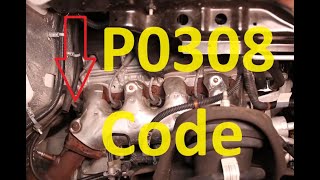
P0308 means cylinder 8 is misfiring. On a Silverado 3500, this is most often a bad spark plug, plug wire, or ignition coil. A simple coil swap is the first diagnostic step. If basic fixes fail, be aware that a worn camshaft or lifter is a known, more serious issue on these engines, often accompanied by a distinct ticking or chirping sound.
- P0308 signifies a misfire on cylinder 8, the rearmost cylinder on the passenger side.
- Start your diagnosis with the simple and most likely causes: swap the ignition coil, then inspect the spark plug and wire.
- Do NOT drive if the Check Engine Light is flashing, as you risk destroying your catalytic converter.
- If simple ignition and fuel system checks don't solve the problem, be aware that a more serious mechanical issue like a worn camshaft or lifter is a documented possibility for these trucks.
What's Unique About the 2001-2008 Chevrolet SILVERADO 3500
For the V8 engines in this Silverado generation (like the 6.0L LQ4 and 8.1L L18 Vortec), the core cause of a P0308 is usually a simple ignition component failure. However, what sets this platform apart is a documented history of more severe mechanical failures causing the same code. GM Technical Service Bulletin #PIP4138P (and its revisions) specifically calls out worn camshaft lobes and lifters as a potential cause if standard diagnostics don't find the problem. This issue can present as a persistent tick, chirp, or squeal. This turns a potentially simple repair into a much more involved and expensive one requiring significant engine work.
Diagnostic Flowchart
Tap your situation to follow the diagnostic path that matches what you're seeing on this vehicle.
Generation note: The 2001-2008 year range covers two distinct Silverado generations: the GMT800 (2001-2006 and 2007 'Classic') and the GMT900 (2007-2008). While the fundamental causes of P0308 are similar, some later GMT900 models introduced Active Fuel Management (AFM), which brought its own set of lifter-related issues that can cause misfires. A failed AFM lifter is a well-documented cause for misfire codes on these later models.
Symptoms You May Notice
- Rough or shaking idle
- Hesitation or stumbling during acceleration
- Noticeable loss of engine power
- Solid or flashing Check Engine Light
- Smell of unburnt gasoline from the exhaust
- Decreased fuel economy
- Engine ticking, chirping, or squealing noise, which strongly points to a camshaft or lifter issue as described in TSBs.
- Replacing the oxygen sensor. While an O2 sensor can report on the effects of a misfire (like a rich or lean condition), it is almost never the cause of a single-cylinder misfire code like P0308.
- Replacing the catalytic converter. A misfire can damage the converter, but the converter itself does not cause the misfire. A flashing check engine light is a warning that the converter is at risk of being damaged by unburnt fuel.
Most Likely Causes
- Faulty Ignition Coil 🔴 High Probability → Shop Ignition Coil The coil-on-plug design is generally reliable, but age and heat cycles cause eventual failure. Cylinder 8 is at the rear of the engine bay, where heat can accumulate and degrade the coil over time.
How to confirm: Swap the cylinder 8 ignition coil with another cylinder (e.g., cylinder 6 on the same bank). Clear the codes and drive. If the misfire code changes to P0306, the coil is the culprit. This is the most common first diagnostic step recommended in forums.
Typical fix: Replace the faulty ignition coil. It is not necessary to replace all coils if only one has failed.
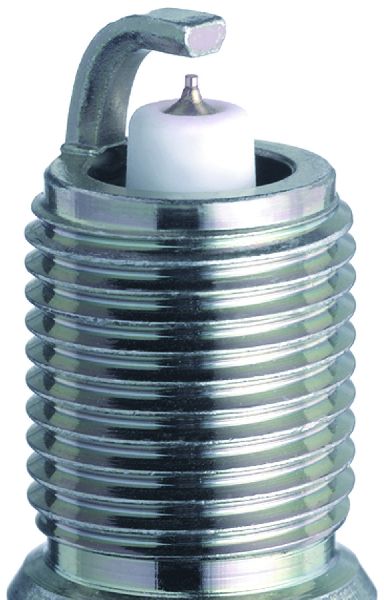
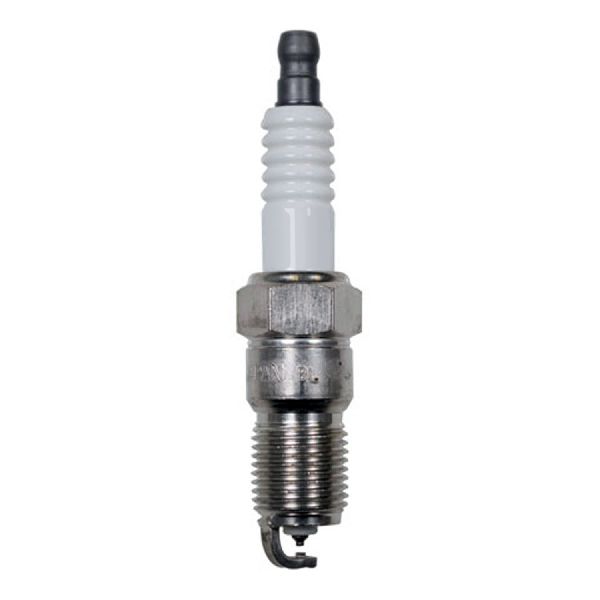
Est. part cost: $30-$90 - Worn or Fouled Spark Plug 🔴 High Probability → Shop Spark Plug
How to confirm: Remove the spark plug from cylinder 8. Inspect it for excessive wear on the electrode, carbon buildup, or oil/coolant fouling. A plug from a misfiring cylinder will often look different than the others. In one forum, a user found a simple bad plug was the cause after extensive diagnostics.
Typical fix: Replace the spark plug. It is best practice to replace all 8 spark plugs at the same time if they are near their service interval (typically 100,000 miles).
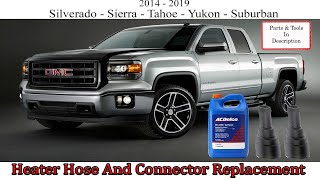
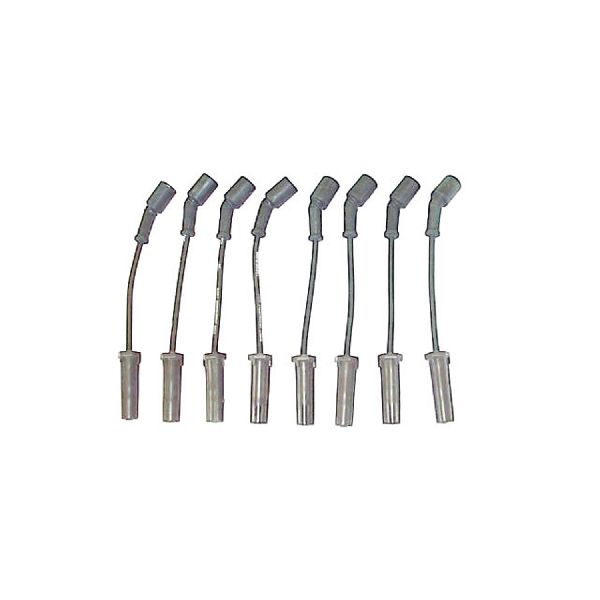
Est. part cost: $5-$20 per plug - Bad Spark Plug Wire 🟡 Medium Probability → Shop Spark Plug Wires degrade from heat and can crack or break. A known issue mentioned in forums is a coolant leak from the heater core quick-connect hoses dripping directly onto the #8 spark plug wire 🎬 See how to fix this common heater core connector leak., causing it to short out.
How to confirm: Visually inspect the wire for cracks, burns, or damage. Check for a secure connection at both the coil and plug. Test its resistance with a multimeter; it should be within the manufacturer's specification (e.g., under 1,000 ohms per foot).
Typical fix: Replace the faulty spark plug wire. It is recommended to replace the full set if they are old or show signs of wear.
Est. part cost: $40-$100 for a set - Faulty or Clogged Fuel Injector 🟡 Medium Probability → Shop Fuel Injector As the last injector on the fuel rail, the #8 injector can be more susceptible to accumulating debris over time, leading to a clog. Bad fuel sitting for long periods can also cause clogging.
How to confirm: Use a mechanic's stethoscope to listen for a steady clicking sound from the injector. If it's silent or has an irregular tick, it may be faulty. You can also test the injector's resistance with a multimeter or swap it with another cylinder's injector to see if the code moves.
Typical fix: Replace the faulty fuel injector. Sometimes, running a quality fuel system cleaner can resolve minor clogs.
Est. part cost: $50-$150
Rare But Worth Checking
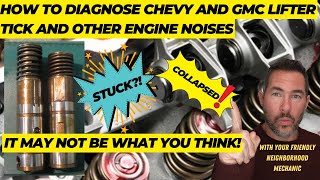
- Worn Camshaft Lobe and/or Lifter: → Shop Engine Camshaft This is a known issue documented in TSB #PIP4138P and its successors like PIP4138Q. If basic ignition and fuel system checks do not resolve the misfire, and especially if you hear a persistent ticking or chirping noise, this is a strong possibility. Diagnosis requires checking valve train components and is a significant mechanical repair. 🎬 Watch: How to diagnose lifter tick versus other engine noises. One user on a forum noted their P0308 was the first sign of lifter failure.
- Low Cylinder Compression: This can be caused by worn piston rings, a leaking head gasket, or a problem with the valvetrain, such as a broken valve spring or bent pushrod. A compression test is required to diagnose this. A healthy cylinder should typically show 120-150 PSI.
- Intake Manifold Gasket Leak: → Shop Engine Intake Manifold A vacuum leak near the cylinder 8 intake runner can cause a lean condition and misfire. This often causes a rough idle when cold that improves as the engine warms up and the gasket expands. A smoke test is the best way to confirm a leak. The original orange gaskets were prone to failure; the updated OEM replacement gaskets are a teal green color.
Diagnosis Steps
- Read the code with an OBD-II scanner to confirm P0308 is present and note any other codes.
- Check for a flashing Check Engine Light. If flashing, avoid driving the vehicle to prevent catalytic converter damage.
- Visually inspect the area around cylinder 8 (rear passenger side). Look for obvious issues like a disconnected plug wire, damaged wiring, or fluid leaks, paying close attention to the heater core hoses above the #8 plug wire.
- Swap the ignition coil from cylinder 8 with cylinder 6 (front passenger side). Clear the codes and run the engine. If the code changes to P0306, the coil is bad.
- If the code remains P0308, inspect the spark plug wire for cylinder 8. Check for damage and test its resistance with a multimeter.
- If the wire is good, swap the spark plug from cylinder 8 with another cylinder. If the code follows the plug, the plug is bad.
- Listen to the fuel injector on cylinder 8 with a stethoscope for a consistent clicking noise. Compare the sound to a known good injector.
- If ignition and fuel parts check out, perform a cylinder compression test to check for mechanical engine problems like bad rings or valve issues.
- If compression is good but the misfire persists, listen carefully for a rhythmic ticking or chirping noise from the engine. This could indicate a worn camshaft or lifter, as noted in TSB #PIP4138P. This requires a more in-depth mechanical inspection.
Parts You'll Likely Need
- Ignition Coil
(OEM #ACDelco D585 (for 'round' coils, common on many 6.0L/8.1L) or D581 (for 'square' coils, check visual match). Stamped numbers like 12558693 are often found on the coil itself.)— This is one of the most common failure points for a single-cylinder misfire due to age and heat exposure.
Trusted brands: ACDelco, Delphi
OEM price range: $60-$90
Aftermarket price range: $30-$60 - Spark Plug
(OEM #ACDelco 41-983 (for 6.0L LQ4) or ACDelco 41-962 (for 8.1L L18).)— Spark plugs are a routine maintenance item and can wear out or become fouled, causing a misfire.
Trusted brands: ACDelco, NGK
OEM price range: $10-$20
Aftermarket price range: $5-$15 - Spark Plug Wire Set
(OEM #ACDelco 9748RR (6.0L) or ACDelco 748J (8.1L). Part numbers can vary by exact year and model.)— The insulation on plug wires can degrade over time, causing the spark to arc to the engine block instead of reaching the plug. Coolant leaks can also damage the #8 wire specifically.
Trusted brands: ACDelco, NGK/NTK
OEM price range: $60-$100
Aftermarket price range: $40-$80
Related Codes That Often Appear With This One
- P0300 — If the misfire is severe or intermittent, the ECM may have trouble isolating it to a single cylinder, logging a P0300 (Random/Multiple Cylinder Misfire) code alongside P0308.
- P0171 or P0174 — These 'System Too Lean' codes can appear if the misfire is caused by a vacuum leak, such as a bad intake manifold gasket, that affects multiple cylinders on one or both banks.
Technical Service Bulletins (TSBs) & Recalls
- PIP5628F: Communicates information needed by Technical Assistance Centers to diagnose misfire codes P0300-P0308.
- PIP4138P (and successors like PIP4138Q): Advises technicians to check for a worn camshaft lobe and/or lifter if published diagnostics do not isolate the cause of a P0300-P0308 misfire, especially if a chirp, squeak, or tick noise is present.
Platform-Specific Known Issues
- Worn Camshaft Lobe/Lifter: As cited in TSB #PIP4138P and its updates, if standard diagnostics for ignition or fuel issues do not resolve the misfire, the cause may be a worn camshaft lobe and/or lifter. This is a more serious mechanical failure often preceded by a 'chirp, squeak, squeal or tick noise'.
- Active Fuel Management (AFM) Lifter Failure: On 2007-2008 GMT900 models equipped with AFM (typically 5.3L or 6.0L engines), the specialized lifters are a known failure point that can cause misfires. While cylinder 8 is not an AFM cylinder, problems in the valvetrain oiling system (VLOM) can still lead to failures.
- Coolant Leak onto #8 Plug Wire: A Reddit thread highlights a common real-world failure where leaking heater core quick-connect fittings, located on the firewall above the passenger side of the engine, drip coolant directly onto the cylinder 8 spark plug and wire, causing a short and a P0308 code.
Mechanic-Grade Diagnostic Values
- Ignition Coil Primary Resistance (ACDelco D585 'round' style) — expected: 0.8 to 0.96 ohms. Failure: A reading significantly outside this range, or 'OL' (open loop), indicates a failed coil.
- Ignition Coil Secondary Resistance (ACDelco D585 'round' style) — expected: 7.0 to 15.0 kOhms. Failure: A reading outside this range indicates an internal winding failure.
- Fuel Injector Resistance (Vortec 6.0L/8.1L) — expected: 11.0 to 14.0 ohms (when cold). Failure: A reading significantly higher or lower, or one injector that is more than 0.5-1.0 ohm different from the others, points to a faulty injector. A Reddit user with a 6.0L reported healthy injectors at ~13.5 ohms.
- Fuel Pressure (Key On, Engine Off) — expected: 55-62 psi. Failure: Pressure that is significantly lower than spec can cause lean misfires. Pressure that drops quickly after the pump primes indicates a leak in the system.
Hidden / Shadow Codes Worth Checking
- Mode $06, TID $A2-$A9: Mode $06 data can reveal misfire counts for each cylinder even if they haven't reached the threshold to set a P030x code. This is useful for detecting intermittent or developing misfires. The Test ID (TID) for misfire data on GM vehicles of this era is typically $A2 for cylinder 1, $A3 for cylinder 2, and so on, up to $A9 for cylinder 8. (see via A professional scan tool or an advanced OBD-II app that can access Mode $06 test results. The tool will display a count for each cylinder's misfires during the current and previous 10 driving cycles.)
Scan Tool Commands That Help
- GM Tech2 or equivalent professional scan tool: Cylinder Power Balance Test — This bidirectional test allows the user to disable one fuel injector at a time and observe the corresponding drop in engine RPM. If disabling cylinder 8 causes little or no RPM drop compared to other cylinders, it confirms that cylinder 8 was not contributing its share of power. This is a definitive way to verify the misfire is currently happening.
- GM Tech2 or equivalent professional scan tool: Fuel Injector Balance Test — This test pressurizes the fuel rail and then fires a single injector for a specific duration to measure the resulting pressure drop. By comparing the pressure drop for cylinder 8 against the other cylinders, you can identify a clogged or weak injector. A smaller pressure drop indicates a restricted injector.
Wiring & Ground Locations
- G102 & G103 — On GMT800/GMT900 V8 engines, G103 is a critical ground located on the front of the passenger-side cylinder head. G102 is typically on the driver-side cylinder head. These grounds are attachment points for various engine sensors and the PCM.. A loose or corroded G103 ground can cause erratic behavior in the ignition system, including weak or inconsistent spark, which can lead to misfires. Since cylinder 8 is on the passenger side, checking the G103 ground stud for cleanliness and tightness is a crucial step if ignition problems are suspected.
- Engine Block to Firewall/Chassis Ground Strap — There is a primary ground strap connecting the rear of the engine block (often on the passenger side) to the firewall/chassis.. This main ground path is essential for the entire electrical system. If it becomes frayed, corroded, or broken, the ignition system may seek an alternative, weaker ground path, resulting in insufficient spark energy and potential misfires.
- PCM Connector (Cylinder 8 Coil Control) — The Powertrain Control Module (PCM) sends the signal to fire the ignition coil. The specific pin for the cylinder 8 ignition coil control circuit can be found on a model-year specific wiring diagram. Testing for a square wave signal at this pin with an oscilloscope during engine cranking can confirm if the PCM is commanding the coil to fire.. In the rare event that the coil, plug, and wire are good, and there is power to the coil, a lack of signal from the PCM could indicate a wiring break between the PCM and the coil, or a failed driver within the PCM itself.
Real Owner Repair Stories
- Forum user on ChevyTrucks.org, reported in a Go-Parts article (GMT800/900 Truck (specific year not mentioned)) — Persistent P0308 code.
❌ Tried (didn't work) Standard diagnostics (plugs, coils, wires).
✅ What actually fixed it The owner discovered a coolant leak from a heater core quick-connect fitting on the firewall. The coolant was dripping directly onto the cylinder 8 spark plug wire, causing it to short out and create the misfire. Replacing the leaking fitting and the damaged wire resolved the code. - Reddit user u/OwnInteraction1918 (2013 Chevrolet Silverado 1500) — P0308 code, blinking check engine light, and what sounded like a backfire under load (e.g., highway acceleration, going uphill). No rough idle.
❌ Tried (didn't work) The user had already replaced all plugs, wires, and coils.
✅ What actually fixed it The final resolution was not posted by the original user, but another user in the thread pointed to a classic GM issue: hydraulic lifter failure, which is a common cause for these exact symptoms on this engine platform, especially when basic ignition components have been ruled out.
OEM Part Supersession History
Varies (e.g., 19005218, 10457730)→ACDelco D585 (for 'round' style) or D581 (for 'square' style)— Part consolidation and minor design improvements over the years.
Heads up: The 'round' (Delphi style, D585) and 'square' (Mitsubishi/Melco style, D581) ignition coils are NOT interchangeable without also changing the wiring harness and/or mounting bracket. It is critical to visually confirm which style is on the engine before purchasing a replacement.
Model Year Variations Within This Range
- 2007-2008 (GMT900 models): Some 2007 and later models, particularly 1500-series trucks with 5.3L or 6.0L engines, were equipped with Active Fuel Management (AFM). While less common on the 3500 HD series in this year range, if equipped, a collapsed AFM lifter on cylinder 1, 4, 6, or 7 (not 8) is a very common cause of misfires. TSB 19-NA-219 notes that a collapsed AFM lifter can cause P0300-P0308 codes.
- 2001-2008: Throughout this period, GM used two physically different ignition coil designs: a 'round' coil with a visible metal heat sink (like ACDelco D585) and a 'square' epoxy-filled coil (like ACDelco D581). There is no strict cutoff year; both were used concurrently on different engine lines. Visual verification is the only way to ensure the correct part is ordered.
Helpful Videos
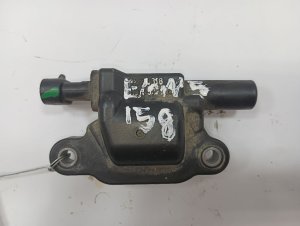
Used OEM Parts in Stock
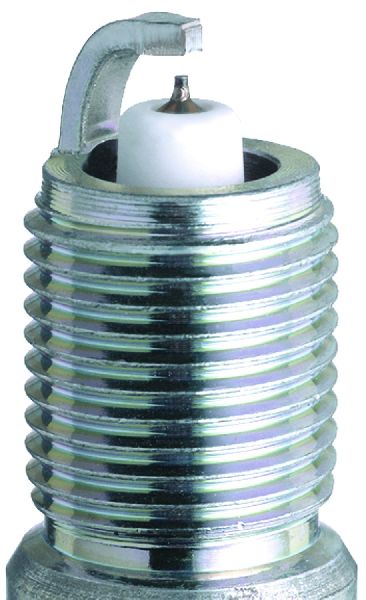
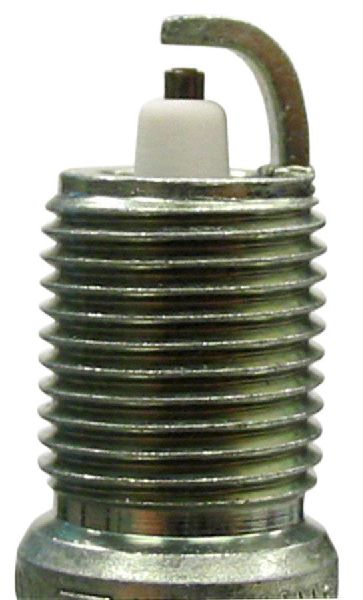
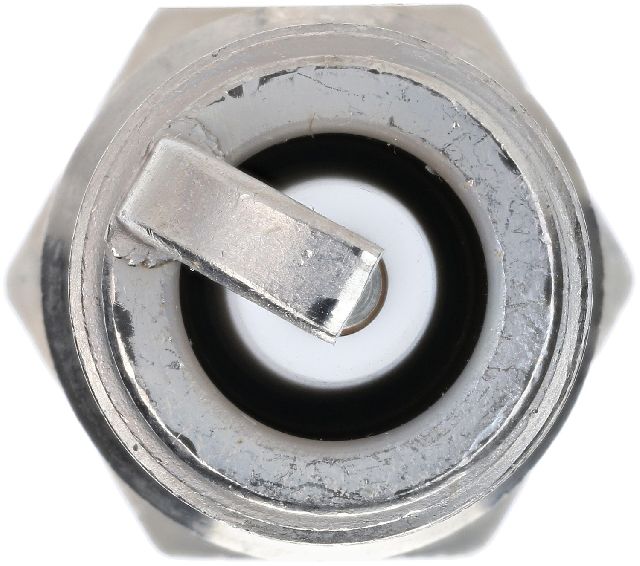
New Aftermarket Parts Available

The information in this article is provided for general reference and educational purposes only. Vehicle specifications, procedures, and part compatibility can vary by production date, trim level, and region. Always consult your vehicle's factory service manual and verify part numbers before purchasing or performing repairs. Safety-critical components such as airbags, seat belts, and braking systems should be installed by a qualified professional.
- Chevrolet SILVERADO 3500:
- 🧭 Diagnostic Flowchart
- 🎬 Helpful Videos
- 🛍️ Shop This Part
- What's Unique About the 2001-2008 Chevrolet SILVERADO 3500
- Symptoms You May Notice
- Most Likely Causes
- Rare But Worth Checking
- Diagnosis Steps
- Parts You'll Likely Need
- Related Codes That Often Appear With This One
- Technical Service Bulletins (TSBs) & Recalls
- Platform-Specific Known Issues
- Mechanic-Grade Diagnostic Values
- Hidden / Shadow Codes Worth Checking
- Scan Tool Commands That Help
- Wiring & Ground Locations
- Real Owner Repair Stories
- OEM Part Supersession History
- Model Year Variations Within This Range
- 🎟️ Get 5% Off