

P0308 on 1999-2019 Ford E-350 6.8L V10: Cylinder 8 Misfire Causes and Fixes
On the 6.8L Triton V10 in an E-350, code P0308 is almost always a failed ignition coil (Coil-On-Plug) on cylinder #8. It's a 15-minute DIY fix with a ~$30-$50 part. Unlike the F-Series trucks, the E-Series vans used the 2-valve V10 for their entire run, so you need to be cautious about spark plugs blowing out of the cylinder head (pre-~2003) or stripping threads, not breaking them off during removal.
- P0308 on your E-350 V10 is a misfire on cylinder #8, the third cylinder back on the driver's side.
- The most likely cause is a bad ignition coil, which can be diagnosed in minutes by swapping it with a neighboring coil.
- Do not ignore a flashing check engine light, as this can cause expensive catalytic converter damage.
- Be extremely cautious when changing spark plugs. Research the specific procedure for your engine's year (blowout-prone vs. breakage-prone) to avoid a much bigger repair job.
- Check for signs of water leaks around the windshield cowl, as this is a known cause of ignition coil failure on these vans.
What's Unique About the 1999-2019 Ford E-350
The Ford 6.8L Triton V10 is well-known for specific ignition-related issues that directly cause misfire codes like P0308. The Coil-On-Plug (COP) ignition coils are a very common failure item due to heat and age. Critically, the E-Series vans used the 2-valve version of the 6.8L V10 for its entire production run (1997-2019). This means E-350 owners face the issue of spark plugs being ejected ('blown out') from the cylinder head due to limited thread engagement in early models (pre-~2003), but generally do NOT face the 'breaking spark plug' issue common to the 3-valve V10 found in 2005+ F-Series trucks. Additionally, E-Series vans are known for water leaks from the cowl area, which can pool in the spark plug wells (especially cylinders 7, 8, 9, 10) and short out the coils and boots.
Generation note: The 1999-2019 year range covers several key changes for the 6.8L V10, but one fact remains constant for the E-Series: it always used a 2-valve SOHC version. The F-Series trucks and F53 motorhome chassis received a 3-valve version in 2005, but the E-Series van's engine bay was too small for the physically larger 3-valve engine. The most critical distinction is the cylinder head design. Engines built before mid-2002 had heads with fewer spark plug threads ('short threads'), making them prone to blowing plugs out. Post-2002 engines have revised heads with more threads ('long threads'), significantly reducing this risk. All E-350 V10s use a one-piece spark plug, avoiding the breakage issues of the 3-valve engine's two-piece plug design.
Symptoms You May Notice
- Rough or shaking idle
- Engine stumbling, hesitating, or jerking during acceleration, especially under load like going up hills
- Flashing Check Engine Light, especially under load
- Noticeable loss of engine power
- Decreased fuel economy
- Potential fuel smell from the exhaust
- Replacing the oxygen sensor; an O2 sensor will not cause a single-cylinder misfire.
- Replacing the catalytic converter; a bad converter is usually the result of a misfire, not the cause.
- Assuming the entire engine is bad without performing basic coil and plug diagnostics.
- Assuming the E-350 has the 3-valve engine and being unnecessarily afraid of breaking spark plugs, while ignoring the real risk of thread stripping or blowout on 2-valve engines.
Most Likely Causes
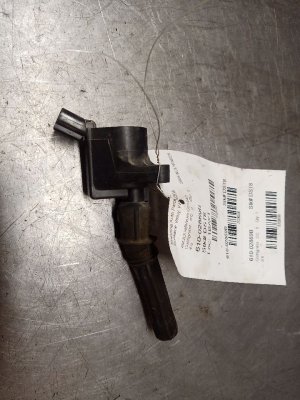
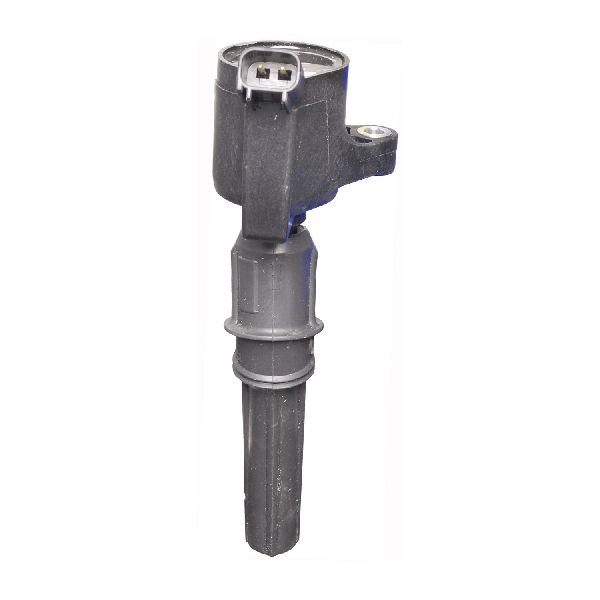
- Failed Ignition Coil (Coil-On-Plug) 🔴 High Probability → Shop Ignition Coil The COP coils are subjected to intense heat cycles in the V10's engine bay, leading to internal failure over time. Water intrusion from cowl leaks on E-Series vans also commonly shorts out the coils, particularly the rear cylinders like #8.
How to confirm: Swap the ignition coil from cylinder #8 with an adjacent cylinder (like #7 or #9). Clear the codes and drive. If the code changes to P0307 or P0309, the coil is the culprit. Before swapping, check the spark plug well for standing water.
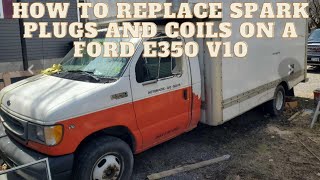
Typical fix: Replace the faulty ignition coil. Many owners choose to replace all 10 coils at once 🎬 Watch: Step-by-step guide to replacing E-350 plugs and coils. for preventative maintenance if they are original and high-mileage. Use a small amount of dielectric grease in the boot.
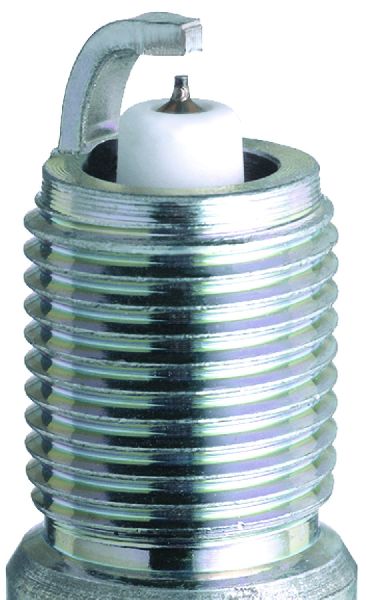
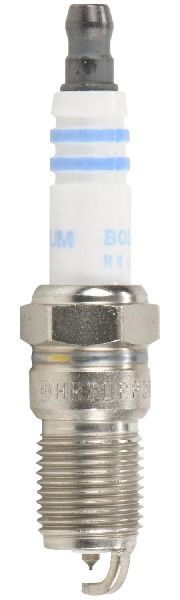
Est. part cost: $25-$60 - Worn or Fouled Spark Plug 🔴 High Probability → Shop Spark Plug Spark plugs are a regular wear item. The infamous issues with Triton V10 spark plugs (blowing out) mean they are often neglected, leading to misfires as they wear out and the gap widens.
How to confirm: After ruling out the coil, remove the spark plug from cylinder #8. Inspect for wear, carbon tracking, oil fouling, or a cracked insulator. Compare it to a new plug. A fuel-fouled plug may indicate a deeper issue.
Typical fix: Replace the spark plug. It is highly recommended to replace all 10 plugs if they are due. Use caution and proper procedure: only work on a cold engine, blow out debris from wells before removal, and use a torque wrench for installation (typically 12-14 ft-lbs for later models, but verify).
Est. part cost: $8-$20 per plug - Damaged Coil Boot or Spring 🟡 Medium Probability The rubber boot can become brittle and crack from heat, allowing spark to arc to the cylinder head instead of the plug. The internal spring can also corrode, especially if water has been in the well.
How to confirm: Inspect the boot for cracks, tears, or a white, chalky residue indicating spark arc. Check the spring for corrosion. The boot may feel stiff or oily.
Typical fix: Replace the coil boot and spring. This is a much cheaper fix than replacing the entire coil and is often sold as a kit.
Est. part cost: $5-$15 - Clogged or Failed Fuel Injector ⚪ Low Probability → Shop Fuel Injector
How to confirm: Listen to the injector with a mechanic's stethoscope; it should have a consistent clicking sound. You can also swap the injector with another cylinder (e.g., #7), but this is more labor-intensive. Resistance can also be checked with a multimeter.
Typical fix: Replace the faulty fuel injector.
Est. part cost: $40-$90
Rare But Worth Checking
- Low Cylinder Compression: This indicates a more serious mechanical engine problem, such as a burnt valve, worn piston rings, or a leaking head gasket. If ignition and fuel components are confirmed good, a compression test is the next step.
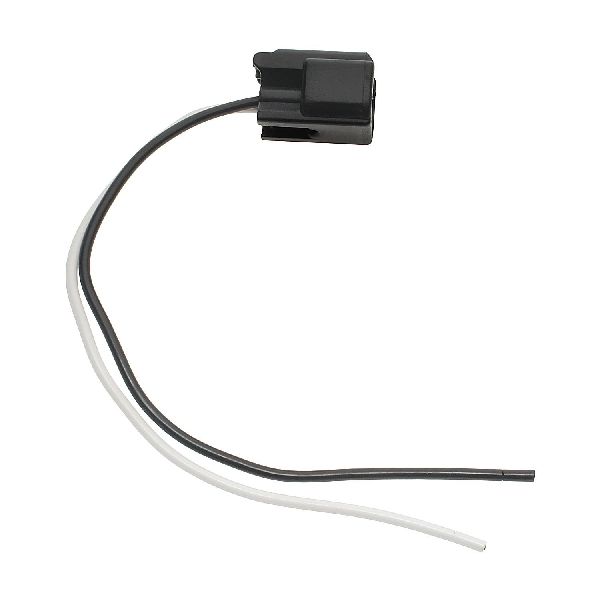
- Damaged Coil Connector or Wiring: The plastic locking tab on the coil's electrical connector can become brittle and break, leading to a poor connection that vibrates loose. Check that the connector is secure and the wiring is not damaged. Pigtail connectors are available for repair.
- Vacuum Leak: A cracked or disconnected vacuum hose, particularly the PCV elbow under the throttle body, can cause a lean condition and misfires. While this often triggers a P0171/P0174 or P0300, it can sometimes manifest as a single cylinder misfire if the leak is near that cylinder's intake runner.
Diagnosis Steps
- Confirm the code P0308 with an OBD-II scanner. 🎬 Watch: How to troubleshoot common V10 misfire codes.
- Identify cylinder #8. On the 6.8L V10, it is the third cylinder from the front on the driver's side (Bank 2). The firing order is 1-6-5-10-2-7-3-8-4-9.
- Carefully remove the ignition coil from cylinder #8. Inspect the spark plug well for any signs of water or oil. If water is present, the cowl leak is a likely root cause and the coil/boot may be damaged.
- If the well is dry, swap the ignition coil from cylinder #8 with the coil from cylinder #7 (second from front, driver's side).
- Clear the diagnostic codes using the scanner.
- Start the engine and let it idle, then drive it for a few minutes to see which code returns.
- If code P0307 appears, the ignition coil is faulty and must be replaced.
- If code P0308 returns, the problem is not the coil. Turn off the engine and allow it to cool completely.
- Remove the ignition coil from cylinder #8 again and carefully remove the spark plug. Inspect for damage, excessive wear, or fouling. If the plugs are old, it's best to replace all 10.
- If the coil and plug are good, check the wiring and connector to the coil for damage or a loose fit.
- If all ignition components seem fine, the issue may be a clogged fuel injector or a mechanical engine problem requiring professional diagnosis, such as a compression test.
Parts You'll Likely Need
- Ignition Coil (Coil-On-Plug)
(OEM #DG508)— This is the most common failure point for a P0308 code on this engine. The E-Series V10 uses the 'curved boot' style coil. The DG511 is for 3-valve engines and will not fit correctly.
Trusted brands: Motorcraft, Denso, Visteon
OEM price range: $40-$60
Aftermarket price range: $25-$45 - Spark Plug
(OEM #Motorcraft SP-479 (or SP-493 for earlier models))— A worn or fouled spark plug is the second most likely cause. It's a routine maintenance item that is critical on this engine. The SP-515 is for 3-valve engines and is incorrect for the E-350.
Trusted brands: Motorcraft, Autolite
OEM price range: $8-$15
Aftermarket price range: $5-$10
Related Codes That Often Appear With This One
- P0300 — If the misfire is severe or intermittent, or if other cylinders are also beginning to fail (e.g., due to old plugs/coils or a vacuum leak), a P0300 (Random Misfire) code may be stored alongside P0308.
- P0358 — This code indicates a fault in the ignition coil primary/secondary circuit for cylinder 8. It points more directly to an electrical problem with the coil or its wiring, rather than a mechanical or fuel issue.
- P0174 — If a vacuum leak near cylinder #8 (like a leaking intake manifold gasket) is the cause of the misfire, the engine may also run lean, triggering a System Too Lean code for Bank 2 (the driver's side).
Technical Service Bulletins (TSBs) & Recalls
- TSB 05-22-8: A Ford Technical Service Bulletin related to diagnosing misfires, which acknowledges the commonality of these issues and provides diagnostic guidance.
Platform-Specific Known Issues
- Spark Plug Blowout: On engines made before ~2003 with fewer head threads, improper torque or wear can lead to the spark plug being ejected from the cylinder. This requires a thread insert repair kit like a Time-Sert 5553.
- Spark Plug Breakage: This is NOT an issue for the E-350 V10. This problem, requiring special tools like the Lisle 65600, applies to the 3-valve Triton engines (2005+ F-Series, etc.) which use a two-piece spark plug design.
- Cowl Water Leak: The seal at the base of the windshield can fail, allowing rainwater to drip directly onto the rear cylinders of the engine (Bank 2: 6, 7, 8, 9, 10), shorting coils and causing misfires.
- Exhaust Manifold Stud Failure: The factory exhaust manifold studs are prone to corrosion and breaking, causing an exhaust leak. This typically creates a ticking noise when cold and can sometimes affect O2 sensor readings, but is unlikely to cause a single-cylinder misfire.
Diagnostic Flowchart
Other Known Issues on This Vehicle
Issues unrelated to this code that are worth knowing about as an owner of this generation:
- Spark Plug Ejection (Blowout) 🔴 High → Shop Spark Plug — Most common on pre-2003 model year engines with fewer cylinder head threads. Can happen at any mileage if plugs are improperly torqued.
- Broken Exhaust Manifold Studs 🟠 Medium — Very common across all years due to heat cycles and corrosion. Usually presents as a ticking noise that disappears as the engine warms up.
- Cowl/Windshield Water Leak 🟠 Medium — Common on high-mileage or weathered vans. The butyl sealant for the windshield and cowl panels dries out, allowing water to drip onto the engine, causing misfires in the rear cylinders.
- Cracked PCV Vacuum Hose/Elbow 🟡 Low — Common on engines over 100k miles. The rubber elbow under the throttle body becomes brittle from heat and oil vapor, cracks, and causes unmetered air (vacuum leak), leading to lean codes (P0171/P0174) and a rough idle.
- Failing Ball Joints 🟠 Medium — A common wear item on the front suspension of these heavy vehicles, especially the sealed factory units.
Real Owner Stories
Aggregated from forums and TSBs cited above. Mileages and costs reflect what owners reported in those sources.
2004 Ford E-350 6.8L V10 Motorhome
Symptoms: Experienced a P0308 code specifically when the engine was under load. Replacing the ignition coil for cylinder #8 did not resolve the issue, and a new P0309 code eventually appeared.
What fixed it: The owner was advised to check the coil connector, wiring harness, and spark plug condition as the coil swap alone failed.
Source hint: Ford Truck Enthusiasts Forums thread titled 'Replacing COP#8 didn't fix P0308'
2000 Ford Expedition 5.4L/6.8L Triton
Symptoms: P0308 code persisted even after replacing the ignition coil. The spark plug was found to be fuel-fouled.
What fixed it: The owner had to investigate vacuum leaks (specifically the PCV elbow) and check for broken locking tabs on the coil connectors.
Source hint: Ford Truck Enthusiasts Forums thread titled 'code p0308'
1999-2003 Ford E-350 6.8L V10
Symptoms: Spark plug was ejected from the cylinder head due to having fewer head threads.
What fixed it: Installation of a thread insert repair kit, specifically the Time-Sert 5553.
Source hint: vehicle_specific_issues section regarding Spark Plug Blowout
2011 Ford E-350 6.8L V10 — ~50000 miles
Symptoms: Low-mileage vehicle with a persistent P0308 misfire after both the coil and spark plug were replaced.
What fixed it: The consensus for resolution was to replace a faulty fuel injector.
Source hint: Ford Truck Enthusiasts Forums thread titled 'p0308 cylinder #8 misfire'
Related OBD-II Codes
Frequently Asked Questions
Where is cylinder #8 located on my 6.8L Triton V10?
Does TSB 05-22-8 apply to my E-350 misfire diagnosis?
I heard Triton engines have spark plug breakage issues; does this affect my E-350 V10?
Why does my E-350 misfire more often when it rains?
What is the correct torque for the spark plugs to prevent them from blowing out?
Can I use any ignition coil to fix P0308?
Helpful Videos
Used OEM Parts in Stock
New Aftermarket Parts Available


The information in this article is provided for general reference and educational purposes only. Vehicle specifications, procedures, and part compatibility can vary by production date, trim level, and region. Always consult your vehicle's factory service manual and verify part numbers before purchasing or performing repairs. Safety-critical components such as airbags, seat belts, and braking systems should be installed by a qualified professional.
- Ford E-350:
- 🧭 Diagnostic Flowchart
- 🎬 Helpful Videos
- 🛍️ Shop This Part
- What's Unique About the 1999-2019 Ford E-350
- Symptoms You May Notice
- Most Likely Causes
- Rare But Worth Checking
- Diagnosis Steps
- Parts You'll Likely Need
- Related Codes That Often Appear With This One
- Technical Service Bulletins (TSBs) & Recalls
- Platform-Specific Known Issues
- Other Known Issues on This Vehicle
- Real Owner Stories
- 2004 Ford E-350 6.8L V10 Motorhome
- 2000 Ford Expedition 5.4L/6.8L Triton
- 1999-2003 Ford E-350 6.8L V10
- 2011 Ford E-350 6.8L V10 — ~50000 miles
- Related OBD-II Codes
- Frequently Asked Questions
- 🎟️ Get 5% Off