

P0308 on 2000-2005 Ford Excursion 6.8L V10: Cylinder 8 Misfire Causes and Fixes
The P0308 code on a Ford Excursion V10 indicates a misfire in cylinder 8. The most common cause is a failed ignition coil-on-plug (COP) or a worn-out spark plug. Cylinder 8 is the third cylinder from the front on the driver's side. A DIY replacement of the coil and plug for that cylinder costs around $50-$100 and is the most likely fix.
- P0308 on your Excursion V10 is a misfire on cylinder 8, which is the third one back on the driver's side.
- The most likely cause is a bad ignition coil, followed by a bad spark plug. These are relatively easy and inexpensive to replace for a DIYer.
- Start diagnosis by swapping the coil from cylinder 8 with a neighboring cylinder to see if the misfire code follows the coil.
- If the check engine light is flashing, stop driving immediately to prevent expensive damage to your catalytic converter.
- When changing spark plugs, use quality Motorcraft parts and torque them correctly (20-22 ft-lbs) to prevent the well-known issue of spark plugs blowing out of the cylinder head.
What's Unique About the 2000-2005 Ford Excursion
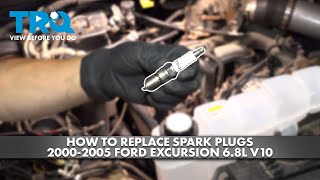
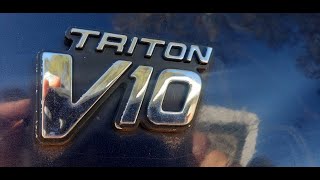
The 6.8L Triton V10 in the 2000-2005 Excursion is well-known for specific ignition-related issues. Early 2-valve versions, like those in this year range, had cylinder heads with only four or five threads for the spark plugs, making them prone to blowing spark plugs out of the head if not torqued correctly. This is a widely documented issue. 🎬 Watch: How to fix the common spark plug thread issue. Additionally, the coil-on-plug (COP) ignition system is a very common failure point, leading to frequent single-cylinder misfire codes like P0308. Owners often find that a bad coil or plug is the culprit.
Symptoms You May Notice
- Rough or shaking idle
- Engine stumbling or hesitating during acceleration
- Noticeable loss of power
- Flashing or solid Check Engine Light
- Decreased fuel economy
- Engine may be harder to start
- Sound similar to a loud exhaust leak if the spark plug has been ejected
- Replacing all 10 coils and plugs without first diagnosing the specific cylinder. While this is good maintenance, it may not be necessary if the fault lies elsewhere, like a fuel injector.
- Replacing the oxygen sensor. A misfire can cause an O2 sensor code, but the O2 sensor is rarely the cause of a single-cylinder misfire.
- Assuming a ticking noise is a lifter when it could be a loose spark plug arcing, a precursor to being ejected from the head.
Most Likely Causes
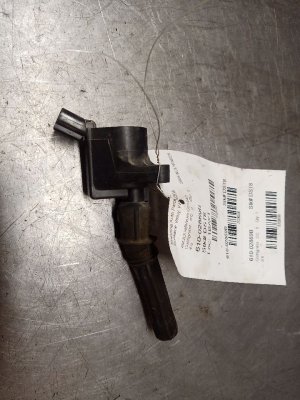
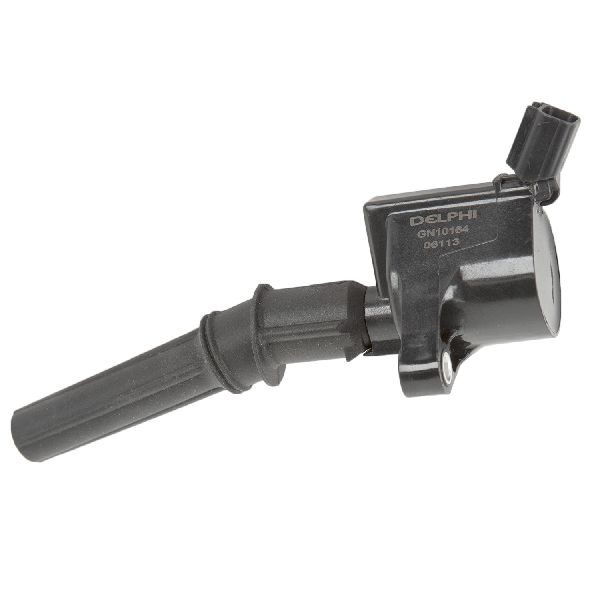
- Faulty Ignition Coil (Coil-On-Plug) 🔴 High Probability → Shop Ignition Coil The coil-on-plug (COP) units on Triton engines are a very common failure item due to heat and vibration, often failing one at a time. The boots can also deteriorate, allowing moisture or oil to cause a misfire.
How to confirm: Swap the ignition coil from cylinder 8 with another cylinder (e.g., cylinder 7). Clear the codes and drive. If the code changes to P0307, the coil is bad. Cylinder 8 is the third cylinder back on the driver's side.
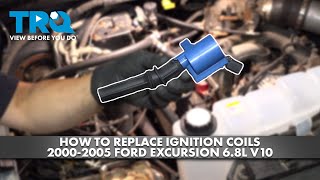
Typical fix: Replace the faulty ignition coil. It is held in by a single 7mm bolt. 🎬 See this walkthrough on how to replace your ignition coils. Many owners recommend replacing the boot at the same time.
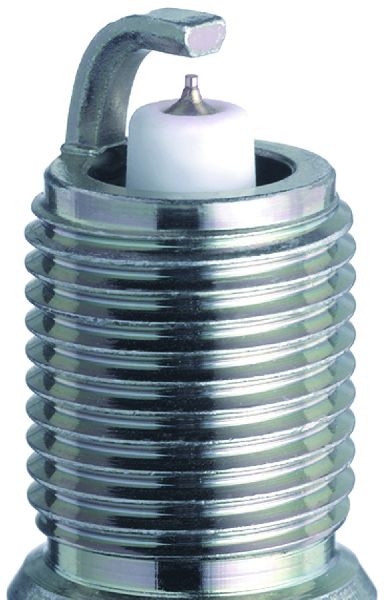
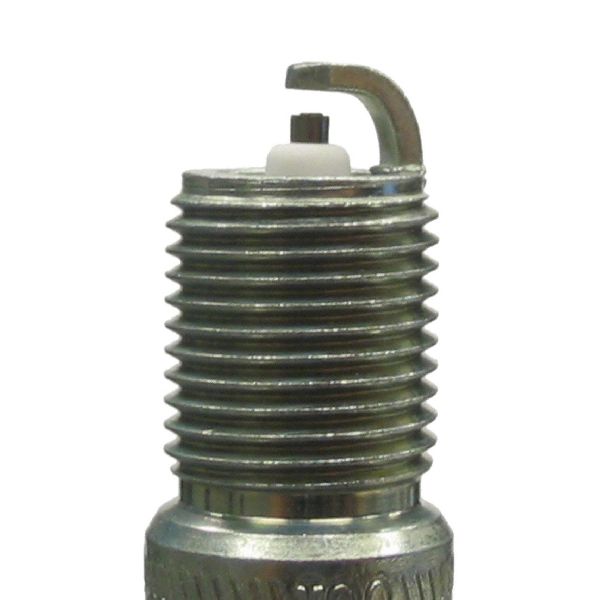
Est. part cost: $40-$100 - Worn or Fouled Spark Plug 🔴 High Probability → Shop Spark Plug Triton engines are sensitive to spark plug type and condition. Due to the known issue of spark plugs loosening and being ejected, a loose plug can also be the cause of the misfire before a full blowout occurs.
How to confirm: After ruling out the coil, remove the spark plug from cylinder 8. Inspect it for heavy carbon buildup, oil fouling, a cracked insulator, or signs of being loose (soot on the threads). Compare it to a plug from a working cylinder.
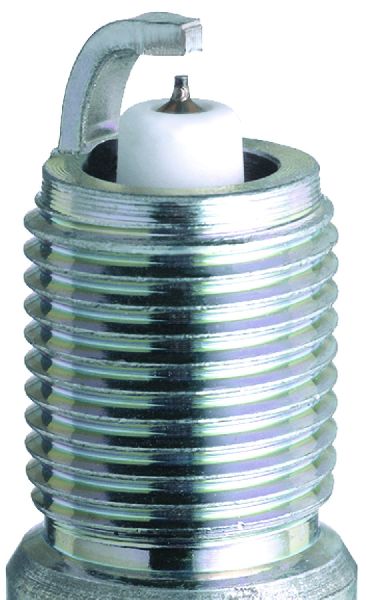
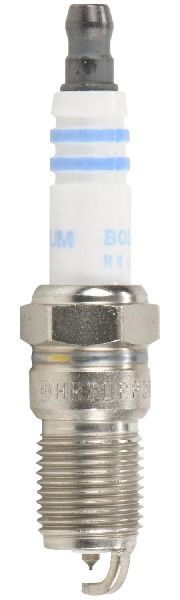
Typical fix: Replace the spark plug. It's recommended to replace all 10 if they are old. Use only Motorcraft plugs (SP-479) and torque them to the updated specification (20-22 ft-lbs) with a small amount of nickel anti-seize on the threads (not the electrode) to prevent blowouts and seizing.
Est. part cost: $5-$15 per plug - Faulty Fuel Injector 🟡 Medium Probability → Shop Fuel Injector Injectors can become clogged with debris or fail electrically over time, leading to a lean condition and misfire in one cylinder.
How to confirm: Use a mechanic's stethoscope or a long screwdriver to listen to the injector on cylinder 8. It should have a consistent, audible clicking sound. Compare its sound to an adjacent injector. You can also swap injectors between cylinders to see if the misfire follows, though this is more labor-intensive.
Typical fix: Replace the faulty fuel injector for cylinder 8. It is often recommended to replace the O-rings on surrounding injectors if the fuel rail is removed.
Est. part cost: $50-$150 - Vacuum Leak ⚪ Low Probability Older vehicles can develop cracks in vacuum hoses, particularly the PCV hose and elbow at the back of the intake manifold, or have leaking intake manifold gaskets. This allows unmetered air into the engine and can cause a lean misfire, though it often affects multiple cylinders.
How to confirm: With the engine running, spray brake cleaner or a propane torch (unlit) around the intake manifold gaskets and vacuum lines near cylinder 8. If the engine RPM changes, a leak has been found. A visual inspection of the PCV hose is critical.
Typical fix: Replace the leaking hose or gasket.
Est. part cost: $10-$200
Rare But Worth Checking
- Low Cylinder Compression: This indicates a mechanical engine problem, such as a bad valve, worn piston rings, or a leaking head gasket. A compression test is needed to confirm. This is a serious issue requiring professional repair. In some Ford engine configurations, an owner reported in NHTSA ODI #11318028 that a low compression issue in one cylinder could drag down the performance of cylinder 8, resulting in a continuous P0308 code.
- Damaged Wiring or Connector: The plastic connectors for the ignition coils and fuel injectors can become brittle and break, causing a poor or intermittent connection. The locking tabs are especially prone to failure. Inspect the wiring harness leading to the coil and injector for cylinder 8 for any visible damage, and ensure the connector clicks securely into place.
- Faulty Powertrain Control Module (PCM): → Shop Engine Control Module (ECM) In very rare cases, the driver circuit within the PCM that controls the ignition coil or fuel injector for cylinder 8 can fail. Manufacturer bulletin TSB 26-2011 notes that an illuminated MIL with codes P0301 through P0308 may be due to the software in the powertrain control module. This should be the last item to consider after all other possibilities have been exhausted.
- Internal Engine Wear: A manufacturer service bulletin, TSB 25-2572, indicates that rough engine performance and misfire codes P0301-P0308 may be caused by excess wear on the camshaft or valve tappets within the engine assembly.
Diagnosis Steps
- Check for any other stored trouble codes with an OBD-II scanner.
- Locate cylinder 8. On the 6.8L V10, it is the third cylinder back on the driver's side (Bank 2). The passenger side bank holds cylinders 1-5, front to back. 🎬 Watch: A quick guide to the V10 firing order and cylinder locations. The driver's side bank holds cylinders 6-10, front to back.
- Swap the ignition coil from cylinder 8 with the coil from cylinder 7. Clear the codes and run the engine. If the code changes to P0307, the ignition coil is faulty.
- If the misfire remains on cylinder 8, swap the spark plug from cylinder 8 with cylinder 7. If the code changes to P0307, the spark plug is the issue.
- If the misfire still remains on cylinder 8, inspect the wiring and connector for the ignition coil and fuel injector. Look for broken clips, corrosion, or damaged wires. Wiggle the connector with the engine running to see if it affects the idle.
- Check the fuel injector on cylinder 8. Listen for a steady clicking sound. If possible, swap the injector with another cylinder to see if the misfire moves.
- Perform a compression test on cylinder 8 to check for mechanical engine problems. Compare the reading to the other cylinders. A healthy reading should be around 150-155 PSI.
- Check for vacuum leaks around the intake manifold near cylinder 8, paying close attention to the PCV hose and its connections.
Parts You'll Likely Need
- Ignition Coil (Coil-On-Plug)
(OEM #DG-508 (Motorcraft))— This is the most frequent cause of a single-cylinder misfire on the Triton V10 engine. Aftermarket coils have a mixed reputation on forums, with many owners recommending sticking with Motorcraft.
Trusted brands: Motorcraft, Denso
OEM price range: $50-$75
Aftermarket price range: $30-$60 - Spark Plug
(OEM #SP-479 (Motorcraft))— A worn or fouled spark plug is the second most common cause. It is a standard maintenance item that is critical for proper ignition. Using the OEM-recommended plug is highly advised for this engine to avoid compatibility issues.
Trusted brands: Motorcraft, Autolite
OEM price range: $8-$12
Aftermarket price range: $5-$10 - Ignition Coil Connector Pigtail — The original plastic connectors become brittle from heat and age, and the locking tab often breaks during service, leading to a loose connection and intermittent misfires.
Trusted brands: Dorman, Standard Motor Products
OEM price range: $15-$30
Aftermarket price range: $10-$20
Related Codes That Often Appear With This One
- P0300 — If the misfire is intermittent or begins to affect other cylinders, a P0300 (Random/Multiple Misfire Detected) code may appear alongside P0308.
- P0358 — This code means 'Ignition Coil H (Cylinder 8) Primary/Secondary Circuit Malfunction'. It points more directly to an electrical problem with the coil or its circuit, rather than a fuel or mechanical issue.
- P0171 / P0174 — If the misfire is caused by a vacuum leak, lean codes for Bank 1 (P0171) or Bank 2 (P0174) may also be present. Since cylinder 8 is on Bank 2, a P0174 is more likely if the leak is localized.
Technical Service Bulletins (TSBs) & Recalls
- TSB 07-21-2014: Addresses the procedure for repairing stripped or missing spark plug threads in the aluminum cylinder heads on 4.6L, 5.4L, and 6.8L 2V engines. It authorizes the use of a specific thread insert repair kit (Rotunda 302-00001) for non-warranty repairs.
- TSB 25-2572: Notes that rough engine performance or a P0308 code may be due to excess wear on the camshaft and/or valve tappets within the engine assembly.
- TSB 26-2011: Indicates that an illuminated MIL with DTCs P0300 or P0301 through P0308 may be caused by the software in the powertrain control module (PCM).
Platform-Specific Known Issues
- Spark Plug Ejection: The 2-valve Triton engines in this year range are known for having only 4-5 threads in the aluminum cylinder heads, which can lead to spark plugs being ejected if they are under-torqued or loosen over time. Ford issued TSB 07-21-2014 regarding a thread repair procedure. The updated torque spec is 20-22 ft-lbs. Repair often involves using a thread insert kit like a Time-Sert p/n 5553.
Mechanic-Grade Diagnostic Values
- Ignition Coil Primary Resistance — expected: 0.660 ohms. Failure: Significant deviation from this value, or an open/short circuit.
- Ignition Coil Secondary Resistance — expected: 6.1K ohms. Failure: Significant deviation from this value, or an open/short circuit.
- Fuel Injector Resistance — expected: 11-18 ohms (High Impedance). Failure: A reading of 'OL' (open circuit), 0.0 ohms (short), or a value that is more than 0.5 ohms different from the other injectors.
- Fuel Pressure (Key On, Engine Off) — expected: 35-45 psi. Failure: Pressure below 35 psi may indicate a weak fuel pump or leak. Pressure should not drop more than 5 psi in 60 seconds after the pump primes.
- Fuel Pressure (Engine Running) — expected: 28-45 psi. Failure: Pressure below 28 psi under load can cause a lean condition and misfires.
- Ground Circuit Resistance (PCM to Chassis) — expected: Less than 0.5 ohms. Failure: Resistance greater than 0.5 ohms indicates a poor ground, which can cause various drivability issues, including misfires.
Hidden / Shadow Codes Worth Checking
- Mode 6, Test ID $A9: Provides raw misfire counts for Cylinder 8 over the current and last 10 driving cycles. This can reveal intermittent misfires that aren't yet severe enough to set a hard P0308 code. (see via An advanced scan tool or software like FORScan that can display OBD-II Mode $06 data.)
- P0284: Cylinder 8 Contribution/Balance Fault. This code often appears with P0308 and points more specifically to a mechanical or fuel delivery issue rather than a simple ignition misfire. It is identified by monitoring crankshaft speed variations. (see via Advanced scan tools like Ford's IDS or FORScan.)
Scan Tool Commands That Help
- Ford IDS / FORScan / High-End Scanners: Power Balance Test — This is a critical active test to visually confirm which cylinder is not contributing power. The tool graphically displays the performance of each cylinder in real-time, making it easy to spot the drop from cylinder 8.
- Ford IDS / FORScan: KOEO Injector Electrical Self Test (Buzz Test) — This Key On, Engine Off test cycles each injector's solenoid. It's used to quickly verify the electrical integrity of the injector. If cylinder 8's injector is silent or sounds different from the others, it points to an electrical or injector solenoid fault.
Wiring & Ground Locations
- G102 — Located on the left side of the firewall in the engine compartment.. This is a primary engine management ground. A poor connection here can cause erratic sensor readings and affect PCM operation, potentially leading to misfire codes.
- G104 — Located on the vehicle underbody chassis side member.. Serves as a ground point for various chassis and engine components, including the fuel system. Corrosion or a loose connection can impact fuel pump and injector performance.
- Cylinder 8 Coil Connector — Third connector on the driver's side fuel rail/intake manifold area.. The Red/Light Green wire should have 12V+ with the key on. The other wire is the ground signal from the PCM. Checking for voltage here is a primary step in diagnosing a no-spark condition after confirming the coil is good.
Real Owner Repair Stories
- Ford Truck Enthusiasts Forum (2000 Ford Excursion 6.8L V10, 195k miles) — Started with single cylinder misfire codes (P0310, P0308) that would clear on their own. Progressed to multiple misfires (P0302, P0308, then P0303, P0306, P0308) with rough running, shaking at idle, and no power.
❌ Tried (didn't work) Replaced all 10 spark plugs and ignition coils., Swapped coils, plugs, and injectors to different cylinders (misfire did not follow)., Cleaned MAF sensor., Ohm-tested TPS., Cleaned IAC valve., Replaced fuel filter., Checked fuel pressure., Checked for vacuum leaks., Inspected steering column wiring.
✅ What actually fixed it The throttle body and the spacer behind it were heavily coated with a 1/8" thick layer of black tar-like substance. A thorough cleaning of the throttle body, spacer, and an intake cleaning procedure (Seafoam spray) completely resolved the misfires.
OEM Part Supersession History
F7TU-12A366-AB→DG-508, 3W7Z-12029-AA— Standard part evolution and supplier changes over time. The DG-508 is the widely recognized service part number for the 2-valve Triton engines.
Heads up: The DG-508 coil is for 2-valve engines ONLY. It will not work on the later 3-valve 6.8L V10 engines, which use a different boot design and coil specification.
Model Year Variations Within This Range
- 2000-2002 (approx.): These earlier models are more likely to have the original cylinder heads with only 4-5 spark plug threads. They are highly susceptible to spark plug ejection if plugs are not torqued correctly.
- 2003-2005 (approx.): Ford began phasing in redesigned cylinder heads with more threads (often called 'long thread' heads) starting around November 2002 for the Windsor plant and later for the Romeo plant. An Excursion from these later years is more likely to have the improved heads, reducing (but not eliminating) the risk of spark plug blowout.
- Varies, but common on 1999-2003: The PCV hose assembly, particularly the elbow connecting to the intake manifold behind the throttle body, is a very common failure point for vacuum leaks. Later designs may have used slightly different materials or routing, but all are susceptible to heat and age.
Diagnostic Flowchart
Other Known Issues on This Vehicle
Issues unrelated to this code that are worth knowing about as an owner of this generation:
- Spark Plug Ejection from Cylinder Head 🔴 High → Shop Engine Cylinder Head — Very common on 2-valve Triton engines (1997-2004). Can occur at any mileage, often preceded by a ticking noise. (Ref: TSB 07-21-2014)
- Broken Exhaust Manifold Studs 🟠 Medium — Extremely common. The rear-most studs often break first due to heat cycles. Usually presents as a ticking noise when the engine is cold that disappears as the manifold heats up and expands.
- Cracked/Collapsed PCV Hose Elbow 🟡 Low → Shop PCV Valve Hose — Common on higher-mileage vehicles. The rubber elbow at the back of the intake manifold deteriorates, causing a large vacuum leak, rough idle, and lean codes (P0171, P0174).
- Leaking Head Gaskets 🟠 Medium — Known to occur, sometimes presenting as an external oil leak on the side of the engine block below the cylinder head, particularly on the passenger side.
- Failing Door Lock Actuators 🟡 Low — A very common nuisance issue where one or more door locks stop responding to the power lock switch or remote.
Used vs. New Parts: Buying Guide for This Vehicle
When a used part is the smart pick: Used parts are generally not recommended for the primary causes of a P0308 code (coils, plugs, injectors). However, a used engine wiring harness or a specific connector pigtail from a junkyard can be a cost-effective fix if the original is physically damaged and a new replacement is unavailable or prohibitively expensive.
Donor-vehicle mileage cap: roughly under 120000 miles for the part to have meaningful remaining life.
What to inspect on the donor part:
- For wiring, check for flexibility; avoid harnesses that are stiff or have cracked insulation.
- Inspect connectors for intact locking tabs and an absence of corrosion (no green or white powder).
- Look for vehicles from dry climates to minimize corrosion and heat degradation.
- Avoid parts from vehicles that show signs of an engine fire or major fluid leaks.
OEM-only on this vehicle (don't cheap out):
- Ignition Coils: Forum consensus overwhelmingly recommends using only Motorcraft (DG-508) coils. Many owners report premature failure and compatibility issues with cheap aftermarket coil sets.
- Spark Plugs: Use only the recommended Motorcraft (SP-479) plugs. These engines are notoriously sensitive to spark plug design, and using the correct plug is critical to preventing thread issues and ensuring proper performance.
- Powertrain Control Module (PCM): If the PCM is diagnosed as faulty, a new or professionally remanufactured unit from Ford is the only reliable option due to programming requirements.
Aftermarket brands forum-validated for this vehicle:
- Denso: Often the original equipment manufacturer for many Japanese brands, Denso is generally considered a high-quality alternative for ignition coils if Motorcraft is unavailable.
Brands owners have reported issues with on this vehicle:
- Unbranded/No-Name Coil Packs: Cheap coil sets sold on online marketplaces are frequently reported to fail within a few thousand miles, causing a repeat of the original misfire problem.
Real Owner Stories
Aggregated from forums and TSBs cited above. Mileages and costs reflect what owners reported in those sources.
2004 Ford E350 6.8L V10
Symptoms: Owner replaced the #8 coil to fix a P0308, but the misfire worsened and triggered an additional P0309 code.
What fixed it: Forum members suggested checking for a broken locking tab on the coil connector, checking the spark plug, or investigating a clogged fuel filter.
Source hint: Ford Truck Enthusiasts Forums: Replacing COP#8 didn't fix P0308
2001 Ford Excursion 6.8L V10
Symptoms: Repeated spark plug blowouts on cylinders #5 and #6; even after thread repairs, misfires continued.
What fixed it: The owner found that the ignition coil itself was often damaged or melted during the blowout event and required replacement alongside the thread repair.
Source hint: Ford Truck Enthusiasts Forums: '01 Excursion V10 6.8L Head Problem
Documented NHTSA Reports
Ford F-150 Owner Complaint
Symptoms: An owner reported a continuous P0308 cylinder 8 misfire after purchase. Upon inspection, it was discovered that cylinder 4 had low or no compression, which was dragging down the performance of cylinder 8 as well.
Source: NHTSA ODI #11318028
Related OBD-II Codes
Frequently Asked Questions
Where is cylinder 8 located on my 6.8L V10 engine?
Does TSB 07-21-2014 apply to my 2000-2005 Excursion?
What spark plugs should I use for my Triton V10 to avoid misfires?
Can a loud exhaust leak sound actually be a P0308 misfire?
Is there a specific tool recommended by Ford for repairing the spark plug threads?
Why does my Excursion idle roughly but the coil seems fine?
Helpful Videos
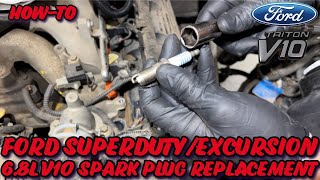
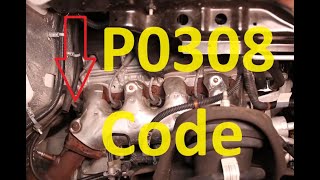
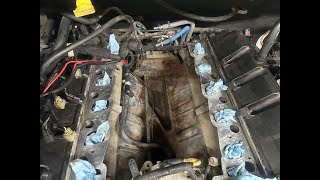
Used OEM Parts in Stock
New Aftermarket Parts Available


The information in this article is provided for general reference and educational purposes only. Vehicle specifications, procedures, and part compatibility can vary by production date, trim level, and region. Always consult your vehicle's factory service manual and verify part numbers before purchasing or performing repairs. Safety-critical components such as airbags, seat belts, and braking systems should be installed by a qualified professional.
- Ford Excursion:
- 🧭 Diagnostic Flowchart
- 🎬 Helpful Videos
- 🛍️ Shop This Part
- What's Unique About the 2000-2005 Ford Excursion
- Symptoms You May Notice
- Most Likely Causes
- Rare But Worth Checking
- Diagnosis Steps
- Parts You'll Likely Need
- Related Codes That Often Appear With This One
- Technical Service Bulletins (TSBs) & Recalls
- Platform-Specific Known Issues
- Mechanic-Grade Diagnostic Values
- Hidden / Shadow Codes Worth Checking
- Scan Tool Commands That Help
- Wiring & Ground Locations
- Real Owner Repair Stories
- OEM Part Supersession History
- Model Year Variations Within This Range
- Other Known Issues on This Vehicle
- Used vs. New Parts: Buying Guide for This Vehicle
- Real Owner Stories
- 2004 Ford E350 6.8L V10
- 2001 Ford Excursion 6.8L V10
- Documented NHTSA Reports
- Ford F-150 Owner Complaint
- Related OBD-II Codes
- Frequently Asked Questions
- 🎟️ Get 5% Off