

P0308 on 1996-2001 Ford Explorer 5.0L V8: Cylinder 8 Misfire Causes and Fixes
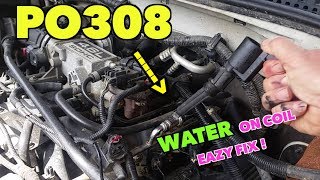
Code P0308 on a 1996-2001 Ford Explorer with the 5.0L V8 is a misfire on cylinder 8. The most common causes are a bad spark plug, wire, or a failing ignition coil pack. However, a leaking intake manifold gasket near cylinder 8 is a very frequent issue on this specific engine, causing a vacuum leak and misfire.
- P0308 is a misfire on cylinder 8, the rearmost cylinder on the driver's side.
- Before replacing expensive parts, perform a smoke test to check for a leaking intake manifold gasket, a very common failure on the 5.0L Explorer.
- If the check engine light is flashing, stop driving immediately to prevent costly catalytic converter damage.
- Always start diagnosis with the simplest and cheapest parts: inspect the spark plug and wire for cylinder 8 first.
- Due to its location, cylinder 8 components can be difficult to access, so plan for extra time for the repair.
What's Unique About the 1996-2001 Ford Explorer
While ignition components are always a suspect for misfires, the 5.0L V8 engine in this generation of Explorer is well-known for failures of its intake manifold gaskets. These gaskets can degrade and leak, particularly at the rear of the engine near cylinder 8, creating a vacuum leak that leads directly to a P0308 code. Owners often chase ignition or fuel parts when the root cause is an air leak from this specific, common failure point.
Symptoms You May Notice
- Engine stumbling, hesitation, or jerking, especially under acceleration.
- Rough or shaky idle.
- Noticeable loss of power.
- Solid or flashing Check Engine Light.
- Fuel smell from the exhaust if the misfire is severe.
- Replacing only ignition components without checking for the very common intake manifold gasket leak. Many owners will replace plugs, wires, and coils multiple times, only to find the issue was a vacuum leak all along.
Most Likely Causes
- Failing Intake Manifold Gasket 🔴 High Probability → Shop Engine Intake Manifold The original plastic intake manifold and its gaskets are a known weak point on the 5.0L V8, prone to cracking and leaking with age and heat cycles, especially at the corners near the rear cylinders (7 and 8). This is widely documented by owners as a primary cause of misfires that appear to be ignition-related.
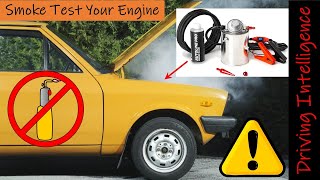
How to confirm: Perform a smoke test on the intake system; smoke will be seen billowing from the rear of the intake manifold on the driver's side. You can also spray brake cleaner or an unlit propane torch in that area and listen for a change in engine idle. The leak is often worse on a cold engine and may seem to improve as the engine warms up and the gaskets expand.
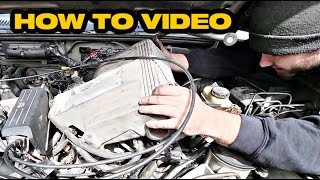
Typical fix: Replace the upper and lower intake manifold gaskets. 🎬 Watch: Step-by-step guide to removing the 5.0L intake manifold. It is often recommended to replace the plastic intake manifold itself if it shows signs of warping or cracking. The Fel-Pro Gasket Set (MS 95952) is a commonly used, reliable aftermarket replacement.
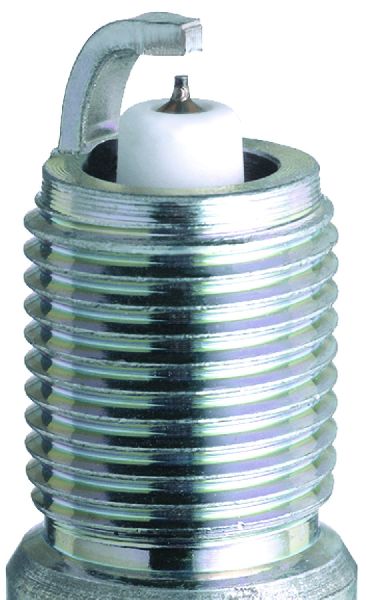
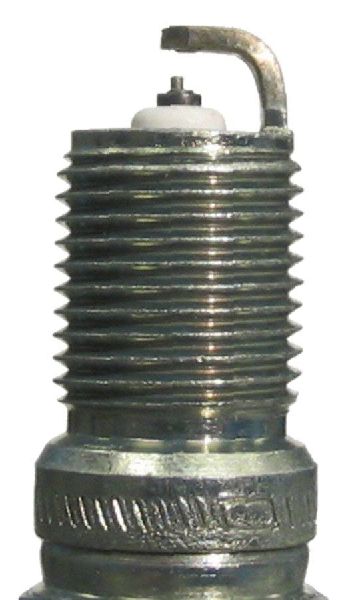
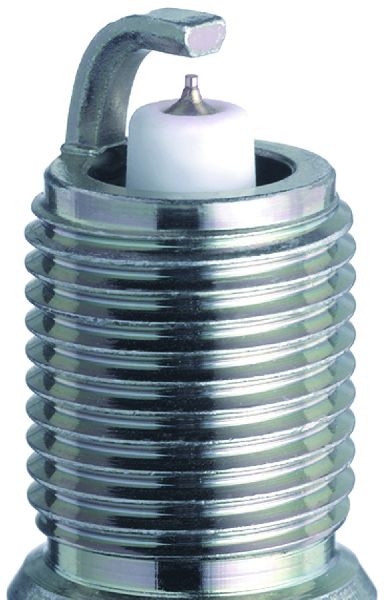
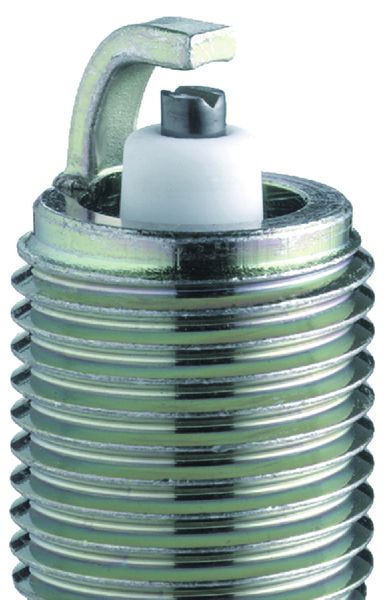
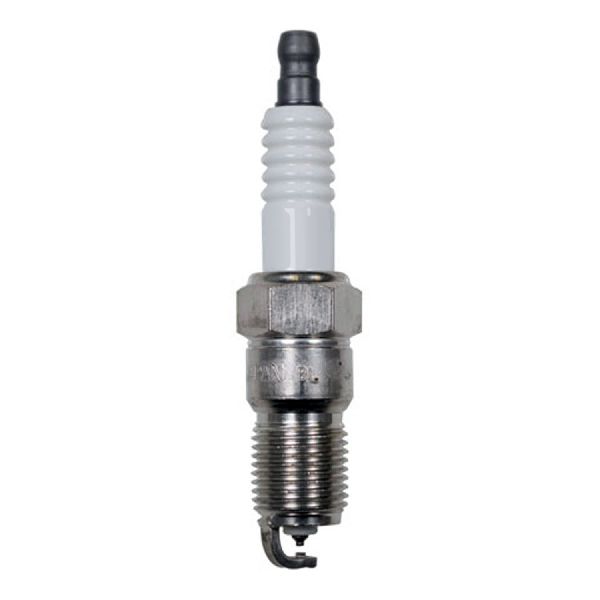
Est. part cost: $40-$100 for gaskets, $200-$400 for a new manifold. - Worn or Faulty Spark Plug 🔴 High Probability → Shop Spark Plug Cylinder 8 is in a hard-to-reach location at the back of the engine bay, meaning it can be neglected during routine maintenance. Access often requires removing the passenger-side wheel well liner. 🎬 See how to access and change these tricky spark plugs.
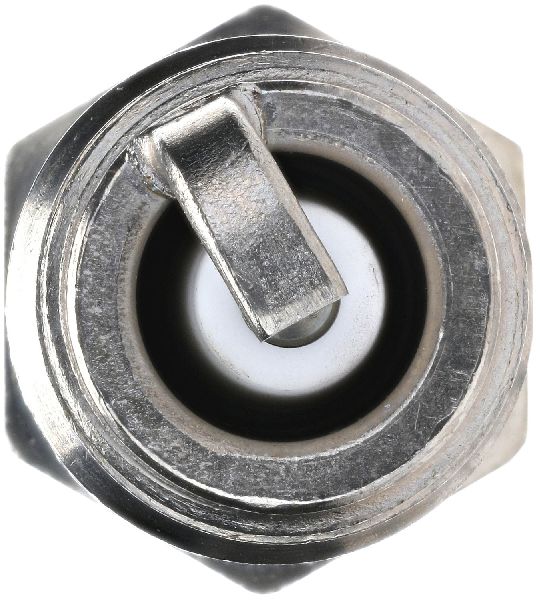
How to confirm: Remove the spark plug from cylinder 8 and inspect it for wear, fouling (black, oily, or white deposits), or an incorrect gap. Compare it to a new plug. Even a new plug can be faulty; one owner chased a P0308 for some time before discovering the new Motorcraft plug for cylinder 8 was bad out of the box.
Typical fix: Replace the spark plug. It is best practice to replace all 8 spark plugs at the same time. Use dielectric grease on the inside of the plug boot.
Est. part cost: $5-$15 per plug. - Bad Spark Plug Wire 🟡 Medium Probability → Shop Spark Plug
How to confirm: With the engine running, use a spark plug wire puller to slightly lift the wire off the plug or coil pack terminal and listen for arcing. Visually inspect the wire for cracks, burns, or brittleness. Measure the wire's resistance with a multimeter; it should be within factory specifications (typically under 15k ohms for these wires).
Typical fix: Replace the spark plug wire. It is best practice to replace the entire set of wires. A common aftermarket set is NGK (part #52036).
Est. part cost: $40-$80 for a set. - Failing Ignition Coil Pack 🟡 Medium Probability → Shop Ignition Coil The 5.0L Explorer uses two 4-tower coil packs, each firing four cylinders in a wasted-spark system. Age and heat can cause one of the towers responsible for cylinder 8 to fail or develop cracks, leading to spark arcing to ground.
How to confirm: Use an inline spark tester on the wire for cylinder 8 to verify spark. If there is weak or no spark, the coil pack is a likely culprit. You can also swap the two coil packs and see if the misfire moves to a different cylinder. The coil pack responsible for cylinder 8 can be tested by measuring the resistance of its primary and secondary windings.
Typical fix: Replace the faulty ignition coil pack. The OEM part number is commonly F5LY-12029-A or FOTZ-12029-A.
Est. part cost: $50-$120. - Clogged or Faulty Fuel Injector ⚪ Low Probability → Shop Fuel Injector
How to confirm: Use a mechanic's stethoscope or a long screwdriver to listen to the injector for cylinder 8; it should have a consistent clicking sound. You can also test for a pulse signal using a 'noid light' or check the injector's resistance with a multimeter. Swapping the injector with an adjacent cylinder's injector is another effective diagnostic step.
Typical fix: Replace the fuel injector for cylinder 8.
Est. part cost: $50-$90.
Rare But Worth Checking
- Low Engine Compression: If all ignition and fuel system checks pass, a compression test on cylinder 8 is necessary. This could indicate a more serious mechanical problem like a burnt valve, worn piston rings, or a head gasket failure, though less common for a single cylinder misfire.
Diagnosis Steps
- Verify the code with an OBD-II scanner. Note if the Check Engine Light is flashing and check for any other codes (e.g., P0300, P0171, P0174).
- Perform a thorough visual inspection. Look for obvious signs of damage to the spark plug wire for cylinder 8, cracks in the ignition coil, or evidence of a vacuum leak.
- Check for Spark. Use an inline spark tester on the wire for cylinder 8 to confirm a strong, consistent spark. If spark is weak or absent, suspect the wire or coil pack.
- Inspect Ignition Components. If spark is good, remove and inspect the spark plug from cylinder 8. Look for excessive wear, fouling, or damage. Even if it looks good, consider swapping it with a plug from another cylinder to see if the misfire moves.
- Test for Vacuum Leaks. Perform a smoke test, concentrating on the rear driver's side of the intake manifold. Alternatively, carefully spray carb cleaner in that area with the engine running and listen for any change in idle speed, which would indicate a leak.
- Check the Fuel System. Listen to the fuel injector on cylinder 8 with a stethoscope for a steady clicking. Use a 'noid light' to confirm the injector is receiving a pulse from the PCM. Consider swapping the injector with another cylinder's.
- Rule out Mechanical Issues. If all other tests are inconclusive, perform a compression test on cylinder 8 to check for internal mechanical engine problems like a bad valve or worn rings.
Parts You'll Likely Need
- Intake Manifold Gasket Set — This is the most common vehicle-specific failure leading to a P0308 on this engine. The original gaskets are prone to leaking, causing a vacuum leak.
Trusted brands: Fel-Pro (MS 95952), Motorcraft
OEM price range: $60-$100
Aftermarket price range: $30-$60 - Spark Plug — Spark plugs are a common wear item and a primary cause of misfires. Can also be faulty out of the box.
Trusted brands: Motorcraft, NGK, Autolite (e.g., 104, APP104)
OEM price range: $8-$15
Aftermarket price range: $5-$10 - Spark Plug Wire Set — Wires degrade over time, increasing resistance and causing weak spark.
Trusted brands: Motorcraft, NGK (52036)
OEM price range: $60-$90
Aftermarket price range: $40-$70 - Ignition Coil Pack
(OEM #F5LY-12029-A or FOTZ-12029-A)— The coil pack provides voltage to the spark plugs. A failure in the tower for cylinder 8 will cause a persistent misfire.
Trusted brands: Motorcraft, Delphi, MSD
OEM price range: $70-$120
Aftermarket price range: $50-$90
Related Codes That Often Appear With This One
- P0300 — If the intake manifold leak is significant or other cylinders are beginning to misfire, a P0300 (Random Misfire) code may appear alongside the specific P0308.
- P0171 or P0174 — These codes indicate a lean condition on Bank 1 or Bank 2. A vacuum leak from a bad intake gasket is a common cause for both lean codes and misfire codes to appear together.
Platform-Specific Known Issues
- The plastic intake manifold is known to develop cracks and the gaskets are a very common failure point, frequently causing vacuum leaks that manifest as misfires on the rear cylinders (7 and 8). Owners on forums frequently report chasing ignition parts before discovering the intake gasket was the true culprit.
Mechanic-Grade Diagnostic Values
- Fuel Injector Resistance — expected: 11 - 18 Ohms, typically ~14.5 Ohms for OEM injectors.. Failure: A reading significantly outside this range, or an open loop (OL) reading, indicates a failed injector coil.
- Ignition Coil Pack Resistance — expected: Primary: 0.4 - 2.0 Ohms. Secondary: 6,000 - 10,000 Ohms.. Failure: Readings outside of the specified range suggest the coil's internal windings are failing.
- Fuel Pressure — expected: Key On, Engine Off (KOEO): 35-45 PSI. Key On, Engine Running (KOER): 30-40 PSI.. Failure: Low pressure can indicate a weak fuel pump or clogged filter. Pressure that doesn't drop at idle (KOER) can indicate a faulty fuel pressure regulator.
- Spark Plug Wire Resistance — expected: Varies by brand, but generally should be under 15,000 Ohms per wire. Performance wires can be much lower (e.g., 40-50 Ohms per foot).. Failure: Excessively high resistance (e.g., >20k Ohms) or an open circuit (OL) means the wire is bad and will cause a weak or no spark condition.
Hidden / Shadow Codes Worth Checking
- Mode $06, Test ID $A2-$AF: Provides raw, non-continuous monitor data, including misfire counts for each individual cylinder over the last 10 drive cycles. This can reveal intermittent misfires on cylinder 8 before they are frequent enough to set a P0308 code and illuminate the CEL. (see via A scan tool capable of reading Mode $06 data, such as FORScan or other professional-grade scanners.)
Scan Tool Commands That Help
- Ford IDS / FORScan: Power Balance Test — This is the definitive test to confirm a misfire. It displays a real-time graph of the power contribution from each cylinder. A cylinder with a consistent downward dip is the one misfiring, confirming the fault is active on cylinder 8.
- Ford IDS / FORScan: KOEO Injector Electrical Self Test (Buzz Test) — This test should be run with the engine off. The PCM commands each injector to 'buzz' in sequence. Hearing a clear buzz from each injector, including #8, confirms the wiring from the PCM to the injector and the injector's solenoid are electrically functional.
Wiring & Ground Locations
- PCM (Powertrain Control Module) — Mounted in the engine bay, on the passenger side of the firewall/cowl.. The PCM contains the driver circuits that fire the ignition coil and fuel injector for cylinder 8. All diagnostic wiring tests for these components will originate at the PCM connector.
- G108 — On the left (driver's side) radiator core support on 1998 models.. A poor engine or chassis ground can cause erratic behavior in the ignition and fuel systems, leading to misfires. While many grounds exist, ensuring major grounds like this one are clean and tight is a crucial diagnostic step.
- Engine Harness — Runs across the top of the engine and along the firewall.. The section of the harness near the rear of the engine (near cylinder 8) is susceptible to heat and vibration, which can cause wires for the coil or injector to chafe and short to ground, causing a persistent misfire.
Real Owner Repair Stories
- Ford Truck Enthusiasts Forums (1997 Ford Explorer 5.0L V8, 68k miles) — Engine skipping and surging at all speeds, most pronounced between 45-60 mph. Initially P0300, then P0308 appeared.
❌ Tried (didn't work) Replacing all 8 spark plugs with new Motorcraft plugs., Replacing the fuel filter., Replacing the spark plug wire set.
✅ What actually fixed it The owner discovered that the *new* Motorcraft spark plug for cylinder #8 was defective from the factory. The porcelain insulator was loose from the metal base, causing an intermittent misfire. Replacing the faulty new plug with another new one resolved the issue completely.
OEM Part Supersession History
F1ZE-AA (GT40 Head)→F77E-AA (GT40P Head)— Cylinder head design revision.
Heads up: The GT40P head has a different spark plug angle than the earlier GT40 head. This requires the use of GT40P-specific exhaust manifolds or headers. Standard 5.0L headers will not fit without modification.Unknown (pre-1999 injector)→0280155861 / XS2E-A5B— Change to a returnless fuel system.
Heads up: Injectors for 1999-2001 models are designed for the higher pressure (around 65 psi) returnless fuel system and may not be directly compatible with the 1996-1998 return-style system.
Model Year Variations Within This Range
- 1996 - Mid-1997: These models were equipped with GT40 cylinder heads, identifiable by three parallel bars cast into the end of the head.
- Mid-1997 - 2001: These later models used GT40P cylinder heads, identifiable by four parallel bars cast into the end of the head. This change requires different exhaust manifolds due to a revised spark plug angle.
- 1999 - 2001: The fuel system was changed to a returnless design, which may affect fuel injector and fuel pump compatibility with earlier years in the range.
Diagnostic Flowchart
Other Known Issues on This Vehicle
Issues unrelated to this code that are worth knowing about as an owner of this generation:
- 4R70W Automatic Transmission Failure 🔴 High — Common at higher mileage (100k+ miles). Issues range from shudder and slipping to complete failure.
- AWD Transfer Case Viscous Coupling Failure 🟠 Medium — Common on AWD models, especially over 100k miles. Often presents as noise or binding.
- HVAC Blend Door Failure 🟡 Low — Very common across this generation. Can happen at any mileage.
Used vs. New Parts: Buying Guide for This Vehicle
When a used part is the smart pick: Major components like the intake manifold, cylinder heads, and ignition coil packs can be sourced from a junkyard to save money. These parts have a long life and are often viable if the donor vehicle is in good condition.
Donor-vehicle mileage cap: roughly under 150000 miles for the part to have meaningful remaining life.
What to inspect on the donor part:
- For intake manifolds, check for cracks, especially at the corners and around coolant passages. Ensure all mounting surfaces are flat and not warped.
- For cylinder heads, verify the casting marks ('3-bar' for GT40, '4-bar' for GT40P) to ensure you get the correct type for your year.
- Check the donor vehicle's oil condition if possible. Milky oil could indicate a head gasket failure, and you should avoid those heads.
- When pulling exhaust manifolds with GT40P heads, grab the matching manifolds as they are specific to that head.
OEM-only on this vehicle (don't cheap out):
- Intake Manifold Gaskets: Always install new gaskets to ensure a proper seal; this is not a job you want to do twice. Fel-Pro is a well-regarded aftermarket choice.
- Spark Plugs and Wires: These are inexpensive wear items. Using new parts eliminates them as a variable and ensures optimal ignition performance.
Aftermarket brands forum-validated for this vehicle:
- Gaskets: Fel-Pro (specifically set MS 95952 for the intake).
- Ignition: Motorcraft (OEM), NGK, MSD.
Brands owners have reported issues with on this vehicle:
- Unbranded or 'white box' ignition coils and spark plug wires. While cheap, they are a frequent cause of persistent, hard-to-diagnose misfires and can fail prematurely.
Real Owner Stories
Aggregated from forums and TSBs cited above. Mileages and costs reflect what owners reported in those sources.
1997 Ford Explorer 5.0L V8
Symptoms: Misfire codes P0300 and P0308. The owner replaced the spark plugs and wires, but the problem persisted.
What fixed it: The owner diagnosed the issue further after the initial ignition parts did not resolve the code.
Source hint: Ford Truck Enthusiasts Forums thread titled '1997 Explorer Misfire (codes P0300 and P0308)'
Related OBD-II Codes
Frequently Asked Questions
Why is cylinder 8 specifically prone to misfires on the 5.0L Explorer?
I replaced my spark plugs but still have a P0308. Could the new plug be the problem?
Is there a specific gasket set recommended for fixing the intake manifold leak on this V8?
How can I tell if my P0308 is caused by the intake manifold or an ignition component?
What spark plug wires should I use for my 1996-2001 Explorer 5.0L?
Can I test the ignition system without buying new parts?
Helpful Videos
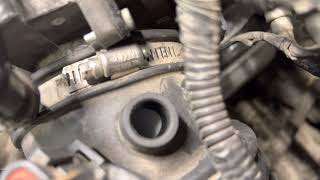
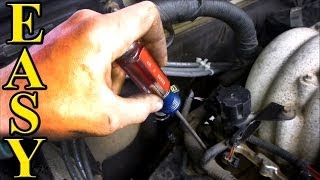
Used OEM Parts in Stock
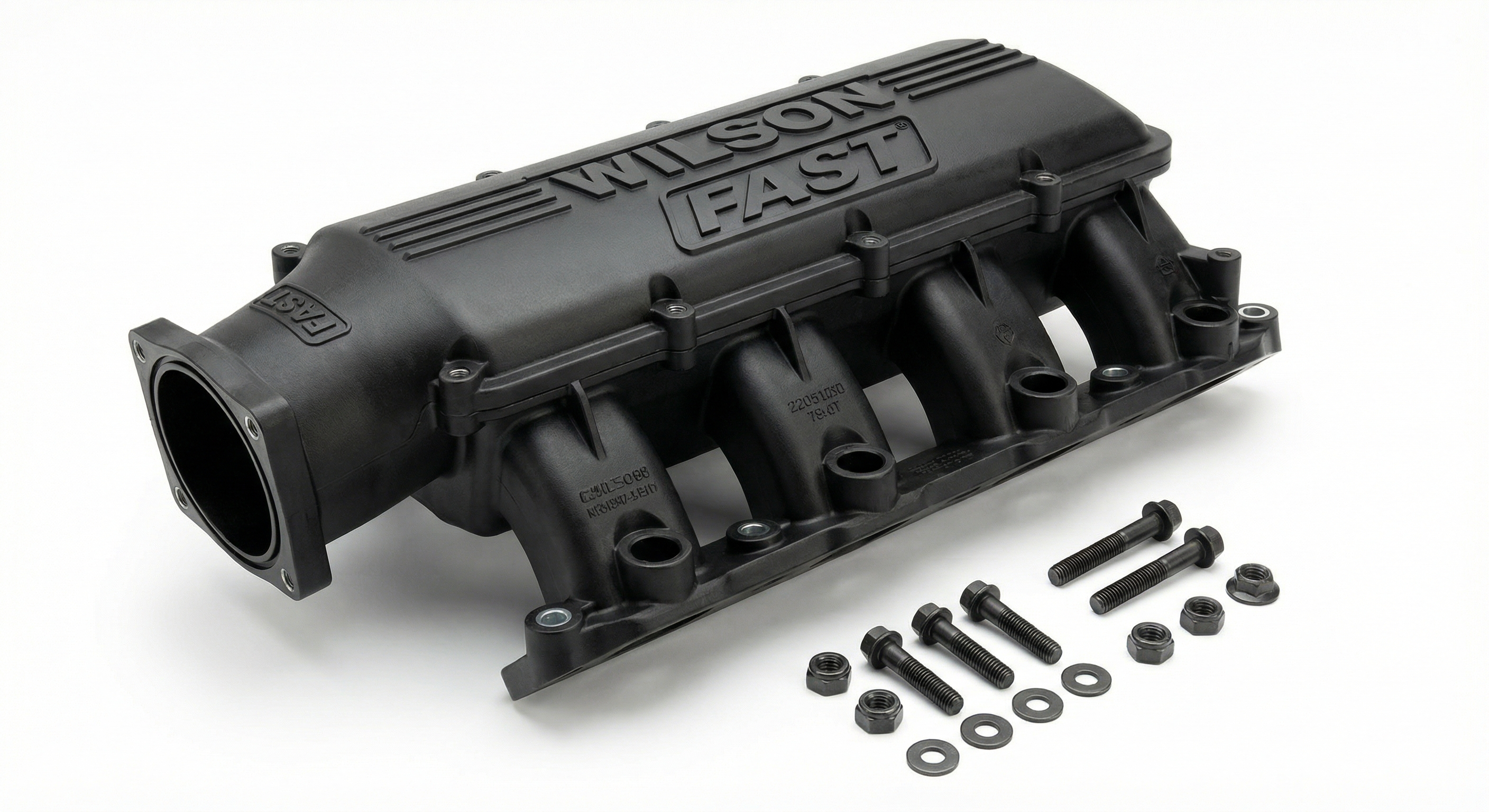
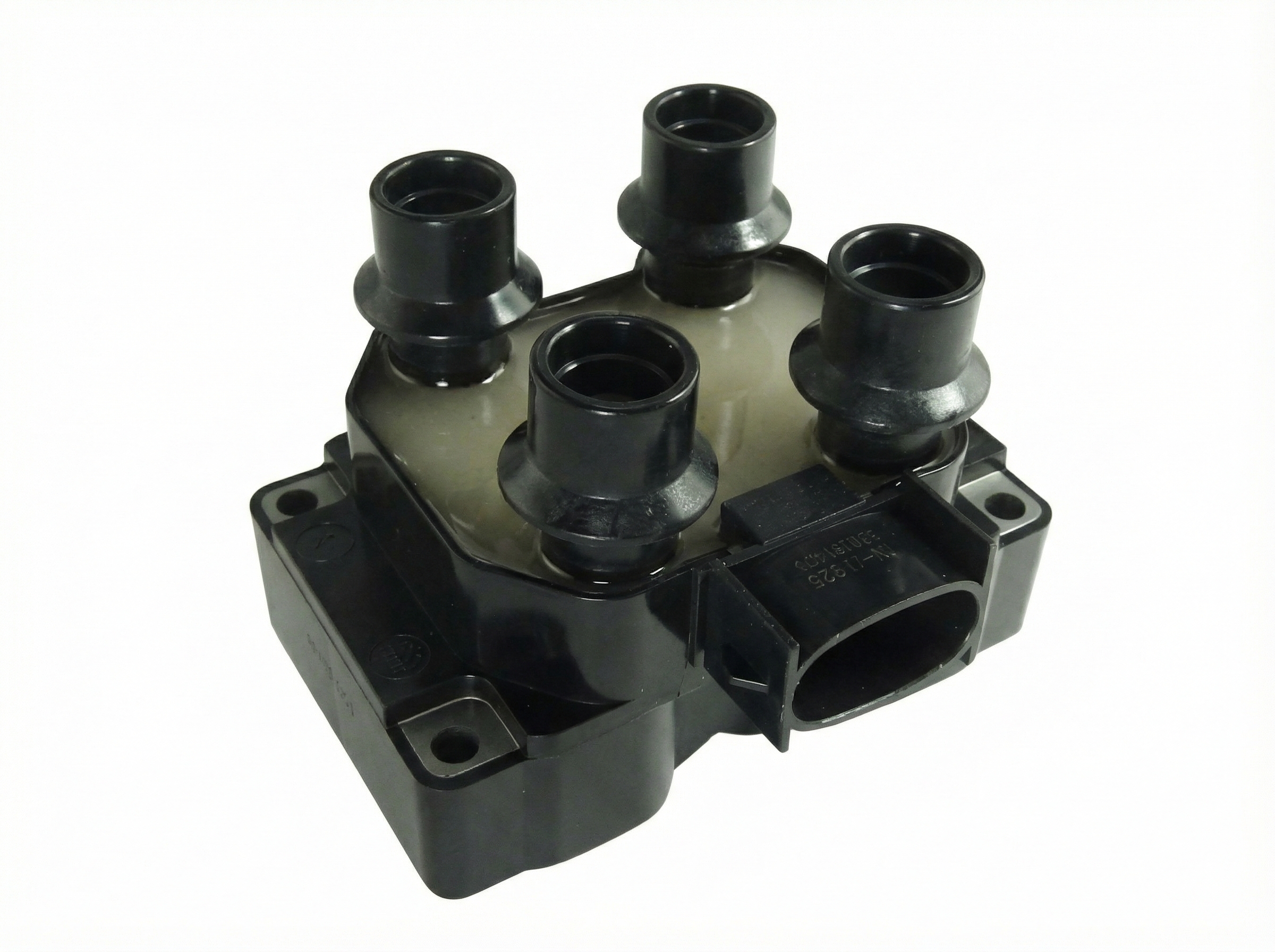
New Aftermarket Parts Available

The information in this article is provided for general reference and educational purposes only. Vehicle specifications, procedures, and part compatibility can vary by production date, trim level, and region. Always consult your vehicle's factory service manual and verify part numbers before purchasing or performing repairs. Safety-critical components such as airbags, seat belts, and braking systems should be installed by a qualified professional.
- Ford Explorer:
- 🧭 Diagnostic Flowchart
- 🎬 Helpful Videos
- 🛍️ Shop This Part
- What's Unique About the 1996-2001 Ford Explorer
- Symptoms You May Notice
- Most Likely Causes
- Rare But Worth Checking
- Diagnosis Steps
- Parts You'll Likely Need
- Related Codes That Often Appear With This One
- Platform-Specific Known Issues
- Mechanic-Grade Diagnostic Values
- Hidden / Shadow Codes Worth Checking
- Scan Tool Commands That Help
- Wiring & Ground Locations
- Real Owner Repair Stories
- OEM Part Supersession History
- Model Year Variations Within This Range
- Other Known Issues on This Vehicle
- Used vs. New Parts: Buying Guide for This Vehicle
- Real Owner Stories
- 1997 Ford Explorer 5.0L V8
- Related OBD-II Codes
- Frequently Asked Questions
- 🎟️ Get 5% Off