

P0308 on 2002-2005 Ford Explorer 4.6L V8: Cylinder 8 Misfire Causes and Fixes
P0308 on a 2002-2005 Explorer 4.6L V8 is most often a failed ignition coil on cylinder 8, sometimes caused by water leaking from the cowl. A new Motorcraft coil costs around $50-$75, and the fix is a 1/5 difficulty DIY job if the water leak is also addressed.
- If you have a P0308 code on your 2002-2005 Explorer, especially after it has rained, the first thing to check is for water in the #8 spark plug well (driver's side rear).
- The most common fix is to dry out the spark plug well, replace the ignition coil and boot for cylinder 8, and seal the cowl fasteners above it with RTV sealant.
- A simple way to test the ignition coil is to swap it with an adjacent cylinder and see if the misfire code follows the coil.
- Do not ignore a flashing check engine light, as it indicates a severe misfire that can quickly damage your catalytic converter.
- When replacing spark plugs on this engine, it is critical to use a torque wrench to prevent spark plug ejection, a known issue with these cylinder heads.
What's Unique About the 2002-2005 Ford Explorer
On this generation of Explorer with the 4.6L V8, cylinder #8 is notoriously susceptible to misfires caused by water intrusion. A poor cowl design allows rainwater to drip from the plastic cowl fasteners directly onto the #8 ignition coil, filling the spark plug well with water and causing the spark to short against the cylinder head. Additionally, these 4.6L 2-valve engines are known for having few threads in their aluminum cylinder heads, making them prone to spark plug ejection if plugs are not torqued correctly. The issue was reportedly improved for the 2003 or 2004 model year.
Symptoms You May Notice
- Rough or shaking idle
- Engine stumbling, hesitation, or jerking during acceleration
- Flashing Check Engine Light (indicating a severe misfire that can damage the catalytic converter)
- Noticeable loss of engine power
- Reduced fuel economy
- Engine may be harder to start
- Replacing the fuel filter. While important for maintenance, a clogged fuel filter would typically cause random misfires (P0300) or lean codes affecting an entire engine bank, not a single cylinder misfire like P0308.
Most Likely Causes
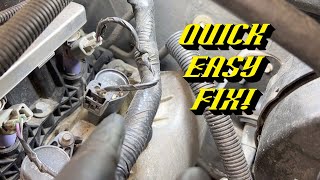
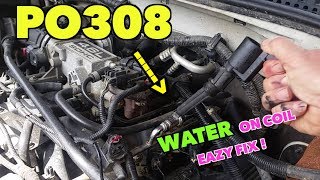
- Water Intrusion into Cylinder #8 Spark Plug Well 🔴 High Probability → Shop Spark Plug A design flaw in the cowl allows rainwater to drip from the plastic retaining clips directly onto the #8 ignition coil, filling the spark plug well. 🎬 Watch: How to quickly fix this common cylinder 8 misfire. This is a very common issue, especially after a rainstorm or car wash.
How to confirm: Visually inspect the #8 spark plug well (driver's side, rearmost cylinder) with a flashlight. The presence of water, rust stains, or corrosion on the coil bolt or in the well is a clear indicator.
Typical fix: Dry out the spark plug well with compressed air, then remove and clean the ignition coil and boot. Apply dielectric grease inside the boot. To permanently fix the leak, clean the cowl area above cylinder 8 and apply a high-quality sealant like Permatex Ultra Black RTV Silicone around the cowl fasteners.
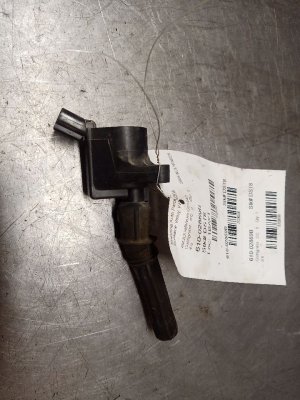
Est. part cost: $5-$20 for sealant and dielectric grease - Failed Ignition Coil (Coil-On-Plug) 🔴 High Probability → Shop Ignition Coil Ford's Coil-On-Plug (COP) systems are a common failure point due to age and heat cycles. The issue is often accelerated by the water leak on cylinder #8, which shorts out the coil and rusts the internal spring.
How to confirm: Swap the ignition coil from cylinder 8 with another cylinder (e.g., cylinder 7). Clear the codes with a scanner. If the misfire code changes to P0307, the coil is faulty.
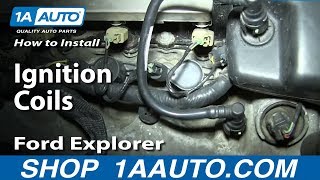
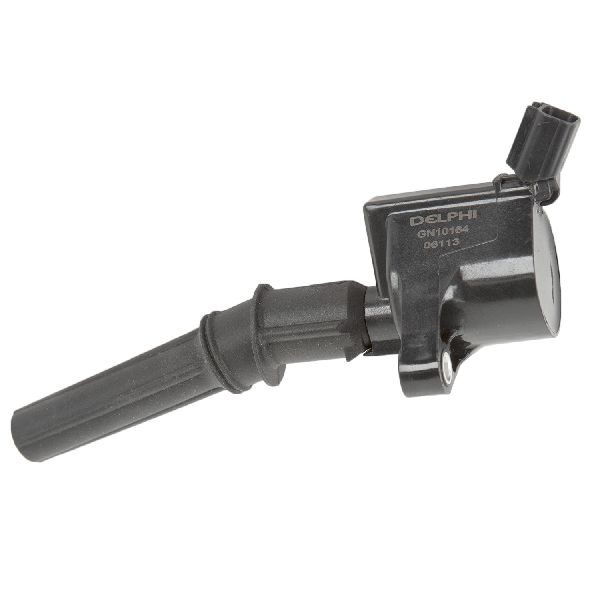
Typical fix: Replace the faulty ignition coil and boot. It's highly recommended to use a quality OEM brand like Motorcraft (Part #DG-508). 🎬 See this step-by-step guide for replacing the ignition coil. While replacing, also replace the spark plug in that cylinder.
Est. part cost: $50-$95 for a single Motorcraft coil. - Worn or Fouled Spark Plug 🟡 Medium Probability → Shop Spark Plug
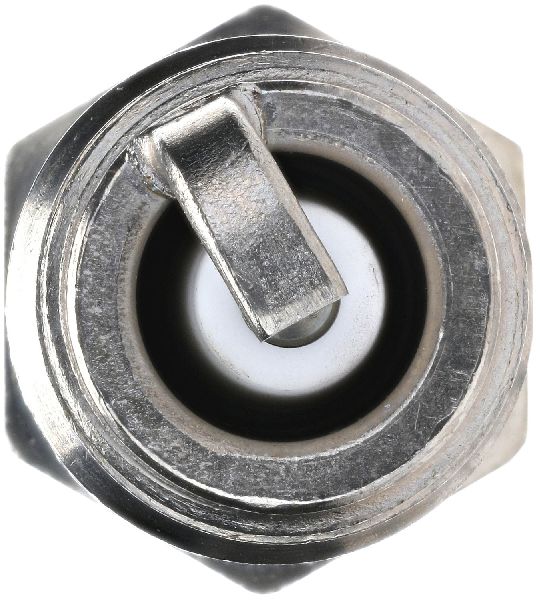
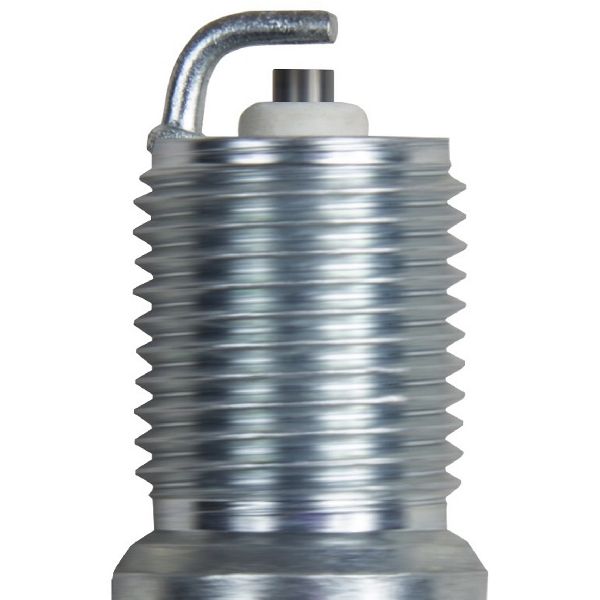
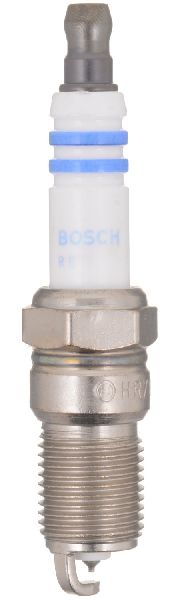
How to confirm: After confirming the coil is good, remove the spark plug from cylinder 8. Inspect for wear (eroded electrode), heavy carbon deposits, oil fouling, or a cracked porcelain insulator. The correct gap for the OEM plug is typically 0.054 inches.
Typical fix: Replace the spark plug. The OEM recommended plug is often Motorcraft SP-493. It is best practice to replace all 8 spark plugs if they are near the end of their 60,000-100,000 mile service life.
Est. part cost: $8-$15 per plug - Failed Fuel Injector ⚪ Low Probability → Shop Fuel Injector
How to confirm: Listen to the injector with a mechanic's stethoscope; it should make a consistent clicking sound. A 'noid light' can verify the electrical pulse from the PCM. Swapping the injector with another cylinder is a definitive but labor-intensive test. A user on a forum confirmed an injector was the cause of their misfire after replacing ignition components did not solve the issue.
Typical fix: Replace the faulty fuel injector.
Est. part cost: $50-$100
Rare But Worth Checking
- Leaking Intake Manifold Gasket: → Shop Engine Intake Manifold The plastic intake manifolds on 4.6L engines can crack or their gaskets can fail, causing a vacuum leak near a specific cylinder's intake port, which can lead to a lean misfire. A smoke test is the best way to diagnose this.
- Low Engine Compression: A mechanical issue like a burnt exhaust valve, worn piston rings, or a failed head gasket can cause a loss of compression in the cylinder. This results in a persistent misfire that ignition and fuel system repairs won't fix. A compression test is needed to diagnose this. Ford TSB 05-22-8 addresses diagnostics for misfires that may be caused by leaking valves.
Diagnosis Steps
- Verify the P0308 code with an OBD-II scanner. Note any other codes present, especially P0358.
- Visually inspect the area around cylinder #8 (driver's side, closest to the firewall) for signs of water, rust, or corrosion from the cowl area. If water is present, this is the most likely cause.
- If no water is found, perform an ignition coil swap. Switch the coil from cylinder #8 with the coil from cylinder #7. Clear the codes and drive the vehicle.
- If the code returns as P0307, the ignition coil is bad and needs replacement.
- If the code remains P0308, the coil is likely good. Proceed to inspect the spark plug.
- Remove the spark plug from cylinder #8. Check for damage, wear, or fouling. Replace if necessary, ensuring correct gap (0.054").
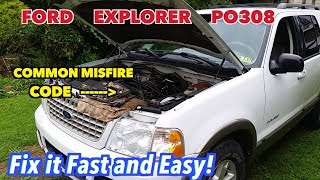
- If the ignition system components are good, check the fuel injector for cylinder #8. Listen for a clicking sound and check for a pulse with a noid light. 🎬 Watch: A simple way to find and fix P0308 codes.
- If all else fails, perform a compression test on cylinder #8 to rule out mechanical engine problems like a bad valve or piston rings.
- If a water leak was found, seal the cowl fasteners above cylinder 8 with RTV sealant (e.g., Permatex Ultra Black) after the repair is complete to prevent a recurrence.
Parts You'll Likely Need
- Ignition Coil
(OEM #DG-508 (supercedes 3W7Z-12029-AA))— This is the most common part to fail, either from age or from being shorted out by the common water leak issue on cylinder 8.
Trusted brands: Motorcraft, Denso, NGK
OEM price range: $50-$95
Aftermarket price range: $30-$60 - Spark Plug
(OEM #SP-493 or SP-493-X)— A worn or fouled spark plug can cause a misfire. It's often replaced along with the ignition coil as good practice. The 'X' suffix denotes a different manufacturer to the same spec.
Trusted brands: Motorcraft, Autolite, NGK
OEM price range: $8-$12
Aftermarket price range: $4-$10 - Ignition Coil Boot — The rubber boot insulates the spark plug. It can crack from heat and age or be damaged by water, allowing the spark to arc to ground. It's inexpensive and should be replaced with the coil. Many new coils include a new boot.
Trusted brands: Motorcraft, Delphi
OEM price range: $10-$20
Aftermarket price range: $5-$15
Related Codes That Often Appear With This One
- P0358 — This code indicates a fault in the ignition coil primary/secondary circuit for cylinder 8. It often appears with P0308 and points directly to a problem with the ignition coil, its wiring connector, or the PCM driver.
- P0171 / P0174 — These codes indicate a 'System Too Lean' condition on Bank 1 and Bank 2, respectively. If a vacuum leak (like from a cracked intake manifold) is the root cause of the misfire, these codes may also be present.
Technical Service Bulletins (TSBs) & Recalls
- TSB 05-22-8: While not for this specific code, this TSB outlines diagnostic procedures for engine misfires on 4.6L 4V engines that could be caused by mechanical issues like leaking exhaust valves, which is a rare but possible cause after ignition and fuel problems are ruled out.
Platform-Specific Known Issues
- Water from the cowl area is known to leak directly onto the cylinder 8 ignition coil, causing it to short out and trigger a P0308 code, especially after rain. A user on Ford-Trucks.com traced the leak to the plastic windshield cowl fasteners.
- The 4.6L 2V V8 engines in this year range have aluminum cylinder heads with few threads, which can lead to spark plugs being ejected if not torqued to the correct specification (approx. 28 ft-lbs for these heads, but always verify). This is a separate issue from the misfire itself but is critical knowledge for anyone changing the plugs.
- A YouTube video by FordTechMakuloco provides an excellent visual guide to identifying the leak, drying out the plug well, and sealing the cowl fasteners with engine sealant for a permanent fix.
Mechanic-Grade Diagnostic Values
- Ignition Coil Primary Resistance — expected: ~0.55 Ohms for OEM Motorcraft coils.. Failure: A reading that is significantly higher, lower, or shows an open circuit (infinite resistance).
- Ignition Coil Secondary Resistance — expected: ~5,500 Ohms (5.5 kOhms) for OEM Motorcraft coils.. Failure: A reading that is significantly higher (e.g., over 6.1 kOhms) or shows an open circuit.
- Fuel Injector Resistance — expected: ~12 Ohms.. Failure: A reading significantly outside of this range, or an open/shorted circuit.
- Fuel Pressure (Key On, Engine Running) — expected: 55-65 PSI for the returnless fuel system.. Failure: Pressure significantly below this range indicates a weak fuel pump or clogged filter. Pressure that bleeds off quickly after shutdown can indicate a leaking injector.
- Ignition Coil Connector Voltage (Power Pin) — expected: Battery voltage (~12V) with key in ON position.. Failure: Low or no voltage indicates a problem with the power supply from the PCM relay.
- Ignition Coil Connector Voltage (Control Pin) — expected: A pulsing ground signal when the engine is cranking or running. Best checked with a noid light, which should flash.. Failure: No flashing indicates a lack of trigger signal from the PCM, pointing to a wiring or PCM driver issue.
Hidden / Shadow Codes Worth Checking
- Mode $06, TID $53: This is not a trouble code, but a diagnostic monitor that tracks the number of misfire events per cylinder during specific drive cycles. It can reveal which cylinder is misfiring intermittently even when the misfire rate is not high enough to trigger a P0308 code and illuminate the Check Engine Light. (see via Requires a scan tool capable of displaying Mode $06 data, such as FORScan software or higher-end professional scanners.)
Scan Tool Commands That Help
- Ford IDS / FORScan: Power Balance Test — This is the most effective way to confirm a live misfire. The test graphically displays the power contribution of each cylinder in real-time. A cylinder with a significant, consistent drop in performance confirms the location of the misfire, such as P0308 on cylinder 8.
- Ford IDS / FORScan: KOEO Injector Electrical Self Test (Buzz Test) — Use this test to verify the electrical integrity of all fuel injectors from the PCM. The PCM commands each injector to 'buzz' in sequence. A missing or weak buzz from cylinder 8 would point towards a wiring or injector solenoid issue.
Wiring & Ground Locations
- PCM Pin 79 — At the main Powertrain Control Module connector.. This pin provides the pulsed ground signal that fires the ignition coil for cylinder 8. A lack of signal here, when tested with a noid light or oscilloscope, points to a faulty PCM driver if the wire's continuity to the coil is good.
- PCM Pin 98 — At the main Powertrain Control Module connector.. This pin provides the pulsed ground signal to operate the fuel injector for cylinder 8. A noid light connected to the injector harness can verify this signal is present.
- G104 — Engine compartment, on the right-hand (passenger) side, towards the rear.. This is a primary engine ground point. A loose or corroded connection here can cause a variety of difficult-to-diagnose electrical issues, including weak spark or erratic sensor readings that could contribute to a misfire.
- G107 — On the lower left (driver's) side of the 4.6L engine block.. Another critical engine-to-chassis ground. Poor contact at this location can lead to intermittent and strange electrical faults affecting the ignition and fuel systems.
Real Owner Repair Stories
- iATN Technician Forum (2006 Ford E-450 (Similar 4.6L/5.4L family)) — P0308, misfire at idle only, most noticeable when cold and nearly disappears when warm.
❌ Tried (didn't work) Replaced all spark plugs with Motorcraft parts., Swapped ignition coil from cylinder #8 to cylinder #5.
✅ What actually fixed it The technician suspected a mechanical issue (e.g., valve sealing problem) and the next step was a compression test, but the customer took the vehicle before the final diagnosis was confirmed. This highlights the need to consider mechanical causes when ignition parts don't fix an idle-specific misfire. - iATN Technician Forum (2002 BMW 325i (Illustrates a common diagnostic path)) — Multiple misfire codes including P0308 after a timing job.
❌ Tried (didn't work) Initial diagnosis pointed to timing components.
✅ What actually fixed it The final fix was replacing the pigtail connector to the ignition coil. The connector was damaged or had a poor internal connection, causing an intermittent misfire that wasn't resolved by replacing the coil itself. - ScannerDanner Forum (1998 Ford F-150 4.6L 2V) — P0306 (Cylinder 6 misfire) under load, slightly elevated idle.
❌ Tried (didn't work) Replaced spark plug on cylinder 6., Replaced spark plug wire on cylinder 6., Swapped coil packs between engine banks.
✅ What actually fixed it The fuel injector for cylinder 6 was replaced. This resolved the misfire completely, confirming the injector was the mechanical or electrical point of failure.
"I Checked Everything" — The Actual Cause
- In a complex case on a similar 4.6L engine, a persistent misfire on one bank (P0302/P0303) remained after a smoke test showed no vacuum leaks. The owner replaced the intake manifold, intake manifold gaskets, and even the PCM, but the misfire at idle persisted. This type of stubborn misfire, after vacuum leaks and common ignition parts are ruled out, often points to either a hard-to-find wiring issue (like a chafed wire to an injector or coil that shorts intermittently) or a subtle mechanical engine problem (like a weak valve spring or sticky valve) that may not show up on a standard cold compression test.
OEM Part Supersession History
3W7Z-12029-AA→DG-508— Standard part number update and revision by Motorcraft.
Heads up: The DG-508 has a characteristic 'dog leg' bend in the boot, which is correct for this application. Do not confuse it with the straight-booted DG-511, which is for different Ford engines and will not fit correctly.
Model Year Variations Within This Range
- 2002 (and some early 2003): The cylinder heads on the earliest 4.6L 2V engines in this generation had fewer spark plug threads (a '3-thread' design). This made them more susceptible to spark plug ejection if not torqued perfectly. Later models (around 2003-2004) received updated heads with more threads, reducing this specific risk.
Diagnostic Flowchart
Other Known Issues on This Vehicle
Issues unrelated to this code that are worth knowing about as an owner of this generation:
- Timing Chain Cassette Failure 🔴 High → Shop Engine Timing Chain — Common over 100,000 miles. A rattling noise on startup is the primary symptom. The plastic tensioners and guides wear out, causing chain slack. (Ref: Ford issued TSBs for the related 4.0L SOHC engine, but the issue is well-documented on the 4.6L V8 as well.)
- 5R55W/S Automatic Transmission Failure 🔴 High — Very common. Symptoms include harsh shifting, delayed engagement, slipping between gears (especially 2-3), or a flashing O/D light. Often caused by worn servo bores or solenoid pack failure.
- Cracked Plastic Intake Manifold 🟠 Medium → Shop Engine Intake Manifold — Widespread issue on 1996-2001 4.6L engines, but later models are still susceptible to coolant leaks from the front crossover channel gasket. Can cause coolant loss and overheating. (Ref: Subject of a class-action lawsuit for earlier models. The design was updated but not perfected.)
- Cracked Rear Liftgate Panel 🟡 Low — Extremely common cosmetic issue where a crack forms in the plastic panel below the rear window, typically near the Ford emblem.
- Wheel Bearing Failure 🟠 Medium — Rear wheel bearings are a common wear item, often failing before 150,000 miles, causing a humming or grinding noise from the rear of the vehicle.
Used vs. New Parts: Buying Guide for This Vehicle
When a used part is the smart pick: For this repair, used parts are generally not recommended for the common failure items (coil, plug, boot). However, if a rarer cause is diagnosed, such as a cracked intake manifold or a faulty fuel rail, a used component from a low-mileage, accident-damaged donor vehicle can be a cost-effective option.
Donor-vehicle mileage cap: roughly under 80000 miles for the part to have meaningful remaining life.
What to inspect on the donor part:
- For an intake manifold, ensure there are no visible cracks, especially near mounting points or the thermostat housing.
- Check that all threaded inserts are intact and not stripped.
- Verify the donor vehicle has low mileage and no signs of overheating (e.g., melted plastic, discolored engine components).
- For any electrical component, check for clean, corrosion-free connector pins.
OEM-only on this vehicle (don't cheap out):
- Ignition Coils: Forum consensus is overwhelmingly in favor of using OEM Motorcraft coils. Many cheap aftermarket coil sets are known to fail prematurely, causing repeat misfires.
- Spark Plugs: Motorcraft plugs are specifically designed for the ignition system and are highly recommended to ensure proper performance and avoid issues.
Aftermarket brands forum-validated for this vehicle:
- Visteon (for ignition coils, as they were an OEM supplier)
- Denso, NGK (Generally trusted for ignition components and sensors)
- MSD (Considered a performance upgrade, may be unnecessary for a stock vehicle)
Brands owners have reported issues with on this vehicle:
- Unbranded, low-cost ignition coil sets often sold in packs of 8 on sites like eBay or Amazon. While tempting, they have a high failure rate according to owner forums.
Real Owner Stories
Aggregated from forums and TSBs cited above. Mileages and costs reflect what owners reported in those sources.
2008 Ford Explorer Limited 4.6L V8
Symptoms: Water found on spark plugs 7 & 8.
What fixed it: Traced the leak to the plastic windshield cowl fasteners located directly above the rear cylinders.
Source hint: Ford Truck Enthusiasts Forums (ford-trucks.com) thread titled '08 Ltd 4.6L Water on spark plugs 7 & 8'
2002-2005 Ford Explorer 4.6L V8
Symptoms: Misfire on cylinder 8 that persisted after replacing ignition components.
What fixed it: Replacement of the fuel injector for cylinder 8.
Source hint: Article context reference regarding forum user confirmation
2002-2005 Ford Explorer 4.6L V8
Symptoms: P0308 code triggered after rain; water found in the rearmost driver's side cylinder well.
What fixed it: Drying out the plug well with compressed air, cleaning the coil and boot, and sealing cowl fasteners with engine sealant.
Source hint: YouTube video by FordTechMakuloco
Related OBD-II Codes
Frequently Asked Questions
Why does my 2002-2005 Ford Explorer 4.6L misfire specifically after it rains or I go through a car wash?
Does TSB 05-22-8 apply to my P0308 misfire code on the 4.6L Explorer?
What is the recommended replacement ignition coil for the 4.6L Modular V8?
What is the correct spark plug gap for the 2002-2005 Explorer 4.6L?
How can I permanently stop water from getting into the cylinder #8 spark plug well?
Is there a specific torque specification I should use when replacing spark plugs in these aluminum heads?
Helpful Videos
Used OEM Parts in Stock
New Aftermarket Parts Available


The information in this article is provided for general reference and educational purposes only. Vehicle specifications, procedures, and part compatibility can vary by production date, trim level, and region. Always consult your vehicle's factory service manual and verify part numbers before purchasing or performing repairs. Safety-critical components such as airbags, seat belts, and braking systems should be installed by a qualified professional.
- Ford Explorer:
- 🧭 Diagnostic Flowchart
- 🎬 Helpful Videos
- 🛍️ Shop This Part
- What's Unique About the 2002-2005 Ford Explorer
- Symptoms You May Notice
- Most Likely Causes
- Rare But Worth Checking
- Diagnosis Steps
- Parts You'll Likely Need
- Related Codes That Often Appear With This One
- Technical Service Bulletins (TSBs) & Recalls
- Platform-Specific Known Issues
- Mechanic-Grade Diagnostic Values
- Hidden / Shadow Codes Worth Checking
- Scan Tool Commands That Help
- Wiring & Ground Locations
- Real Owner Repair Stories
- "I Checked Everything" — The Actual Cause
- OEM Part Supersession History
- Model Year Variations Within This Range
- Other Known Issues on This Vehicle
- Used vs. New Parts: Buying Guide for This Vehicle
- Real Owner Stories
- 2008 Ford Explorer Limited 4.6L V8
- 2002-2005 Ford Explorer 4.6L V8
- 2002-2005 Ford Explorer 4.6L V8
- Related OBD-II Codes
- Frequently Asked Questions
- 🎟️ Get 5% Off