

P0308 on 1999-2004 Ford Mustang 4.6L: Cylinder 8 Misfire Causes and Fixes
P0308 on a 1999-2004 Mustang GT most often means a bad coil-on-plug (COP) or a worn spark plug for cylinder 8. A new Motorcraft coil costs about $50-$90, and a spark plug is under $10. This is a common and straightforward DIY fix, often requiring only basic hand tools.
- P0308 means cylinder 8 (driver's side, rear) is misfiring.
- The most likely cause is a bad ignition coil or spark plug, which are easy to diagnose by swapping parts with an adjacent cylinder.
- Do not drive if the Check Engine Light is flashing, as this can quickly damage your catalytic converters, leading to a much more expensive repair.
- If your Mustang is a 1999-2001 model, inspect the plastic intake manifold for cracks or coolant leaks, as this is a known weak point that can cause misfires.
- This is a very DIY-friendly repair. A basic socket set and a code scanner are all that's needed for the most common fixes.
What's Unique About the 1999-2004 Ford Mustang
The 4.6L 2V Modular V8 in the 'New Edge' Mustang (1999-2004) uses a coil-on-plug (COP) ignition system, where each cylinder has its own ignition coil. While reliable, individual coil failure is a very common cause of single-cylinder misfires like P0308. This generation also received the 'Performance Improved' (PI) heads and intake, which increased power but introduced a new failure point: the 1999-2001 models used an all-plastic intake manifold with a coolant crossover that was prone to cracking, which can cause vacuum or coolant leaks leading to misfires.
Symptoms You May Notice
- Rough or shaking idle, sometimes feeling like the car is about to stall
- Engine stumbling or hesitating during acceleration
- Noticeable loss of power, especially under load
- Flashing Check Engine Light (if the misfire is severe)
- Increased fuel consumption
- Smell of unburned gasoline from the exhaust
- Engine may sound different, with a rhythmic 'putt' from the exhaust
- Replacing the oxygen sensor. An O2 sensor will report a lean or rich condition caused by the misfire, but it is almost never the cause of a single-cylinder misfire code.
- Replacing the fuel pump. A weak fuel pump would typically cause random misfires on multiple cylinders (P0300) or lean codes (P0171/P0174), not a consistent misfire on a single cylinder.
Most Likely Causes
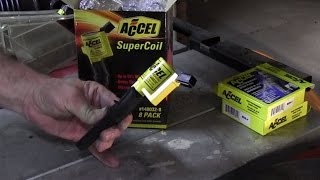
- Faulty Ignition Coil (Coil-on-Plug) 🔴 High Probability → Shop Ignition Coil The coil-on-plug design places the coil directly on the spark plug, exposing it to significant heat and vibration. Over time, the internal windings can fail, causing a weak or no-spark condition. This is the most frequent cause for a single-cylinder misfire on the 4.6L V8. 🎬 Watch: A quick guide to diagnosing this common V8 misfire. Owners strongly recommend using OEM Motorcraft coils over cheaper aftermarket alternatives, which are known for premature failure.
How to confirm: The easiest way to confirm a bad coil is to swap the cylinder 8 coil with an adjacent, easy-to-access coil (like cylinder 7). Clear the codes, drive the car, and see if the misfire code moves to the new cylinder (e.g., P0307). If it does, the coil is faulty.
Typical fix: Replace the faulty ignition coil. Many owners choose to replace all eight coils and spark plugs at the same time for preventative maintenance, especially on vehicles over 100,000 miles.
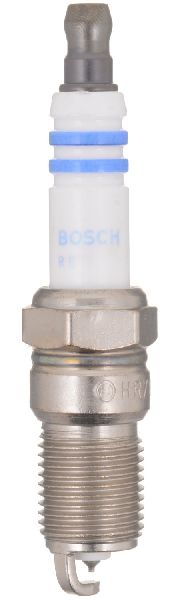
Est. part cost: $25 - $90 - Worn or Fouled Spark Plug 🔴 High Probability → Shop Spark Plug Spark plugs are a normal wear item. A worn electrode, cracked porcelain, or heavy carbon/oil fouling can prevent a strong spark from forming, causing a misfire. Coolant fouling is also possible on 1999-2001 models if the intake manifold is leaking into the cylinder ports.
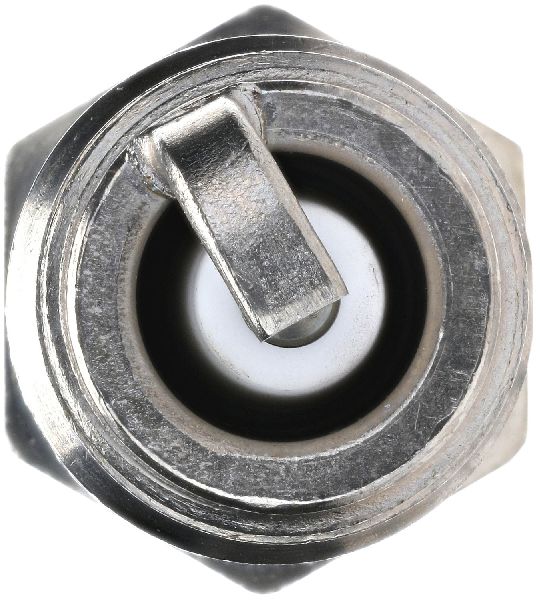
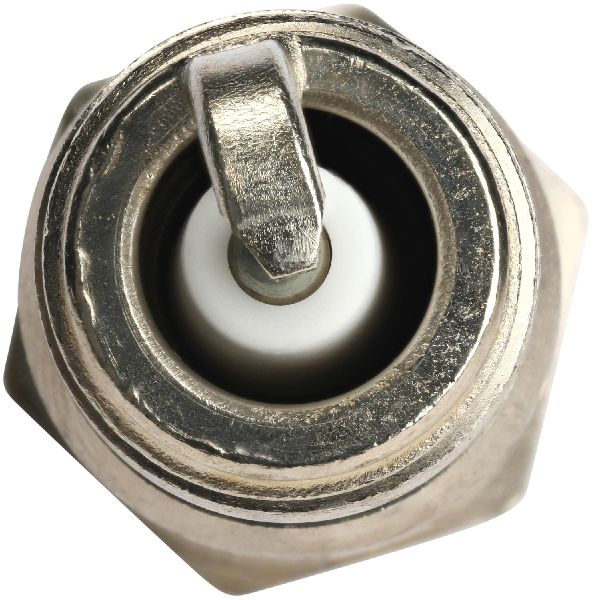
How to confirm: After confirming the coil is good, remove the spark plug from cylinder 8. Inspect it for wear, damage, or fouling (black and sooty, wet with fuel, or white from coolant). Compare it to a new plug or a plug from a known good cylinder.
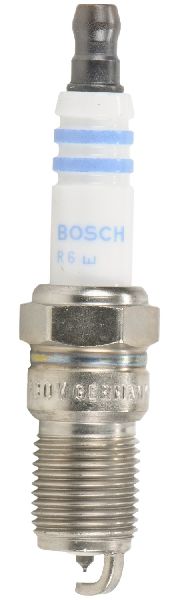
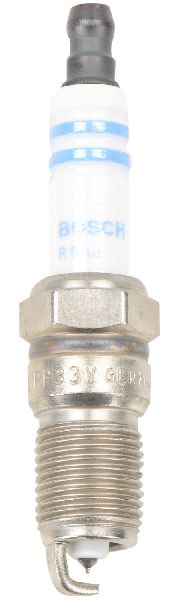
Typical fix: Replace the spark plug. It's best practice to replace all eight spark plugs at the same time to maintain consistent performance. Use a small amount of nickel anti-seize on the plug threads to prevent issues with the aluminum heads. 🎬 See this walkthrough for installing new spark plugs and coils.
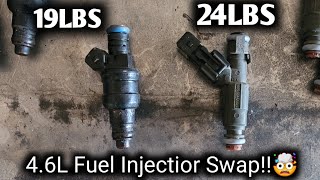
Est. part cost: $5 - $15 - Failed or Clogged Fuel Injector 🟡 Medium Probability → Shop Fuel Injector Fuel injectors can become clogged with deposits over time or fail electrically, preventing the correct amount of fuel from being delivered to cylinder 8. This can become more apparent in cold weather.
How to confirm: Listen to the injector with a mechanic's stethoscope or a long screwdriver; you should hear a consistent clicking sound. You can also test the electrical resistance with a multimeter (should be around 11-18 ohms). To be certain, you can swap the cylinder 8 injector with another cylinder's injector and see if the misfire code follows.
Typical fix: Replace the faulty fuel injector. It's recommended to replace the O-rings on adjacent injectors that are removed during the process.
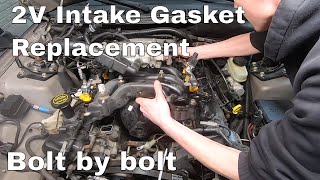
Est. part cost: $40 - $100 - Vacuum Leak (Intake Manifold Gasket/Cracked Manifold) ⚪ Low Probability The 1999-2001 models used an all-plastic intake manifold. The front coolant crossover is known to crack, causing coolant leaks and potential overheating. Cracks can also develop near the cylinder runners, creating a vacuum leak that leans out the air/fuel mixture for a specific cylinder, causing a misfire.
How to confirm: With the engine running, carefully spray short bursts of brake cleaner or a flammable starting fluid around the intake manifold runner for cylinder 8. If the engine RPM changes, you've found a leak. A smoke test is a more definitive and safer method. A visual inspection may also reveal cracks or coolant stains.
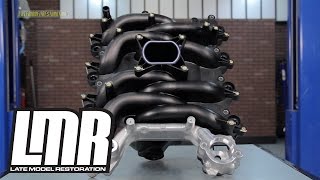
Typical fix: If the manifold is cracked, it must be replaced. Ford later issued an updated design (Ford Performance M-9424-P46) with an aluminum coolant crossover. The Dorman 615-175 is a popular aftermarket alternative. 🎬 Watch: How to install the upgraded Ford Performance intake manifold. If it's just the gasket, replace the intake manifold gaskets.
Est. part cost: $150 - $350
Rare But Worth Checking
- Low Engine Compression: This indicates a serious mechanical problem, such as a burnt valve, worn piston rings, or a bad head gasket. A compression test on cylinder 8 will confirm this. If compression is low compared to other cylinders, further engine diagnostics are required.
- Damaged Wiring or Connector: The wiring harness or connector for the ignition coil or fuel injector on cylinder 8 could be damaged, loose, or corroded, causing an intermittent connection. The plastic locking tabs on these connectors become brittle with age and often break. Visually inspect the harness leading to cylinder 8.
Diagnosis Steps
- Verify P0308 is the primary code present using an OBD-II scanner. Note any other codes like P0174 or P0316 for additional clues.
- Locate cylinder 8, which is the rear-most cylinder on the driver's side, near the firewall.
- Swap the ignition coil from cylinder 8 with the coil from cylinder 7 (the one in front of it). This is the most common diagnostic step recommended on forums.
- Clear the codes and drive the vehicle. If the code changes to P0307, the ignition coil is bad and must be replaced.
- If the code remains P0308, move the spark plug from cylinder 8 to cylinder 7.
- Clear the codes and drive again. If the code changes to P0307, the spark plug is faulty.
- If the misfire is still on cylinder 8, inspect the fuel injector. Listen for a steady clicking sound. Check the wiring and connector for damage. Consider swapping the injector with cylinder 7 if you are comfortable working with the fuel system.
- Perform a vacuum leak test by spraying starting fluid near the intake manifold runner for cylinder 8 or by using a smoke machine, especially on 1999-2001 models.
- If all ignition and fuel components test good, perform a compression test on cylinder 8 to check for mechanical engine problems like a burnt valve or bad rings.
Parts You'll Likely Need
- Ignition Coil (Coil-on-Plug)
(OEM #3W7Z-12029-AA (Motorcraft DG508))— This is the most common failure point for a single-cylinder misfire on the 4.6L Modular V8. Owners strongly prefer OEM Motorcraft coils.
Trusted brands: Motorcraft, Denso (OEM supplier), MSD
OEM price range: $50 - $90
Aftermarket price range: $25 - $60 - Spark Plug
(OEM #SP-479 (Motorcraft AGSF22WM))— A worn or fouled spark plug is a common cause and a standard maintenance item that is easy to replace during diagnosis.
Trusted brands: Motorcraft, NGK, Autolite
OEM price range: $8 - $12
Aftermarket price range: $4 - $8 - Intake Manifold Assembly
(OEM #M-9424-P46 (Ford Performance))— For 1999-2001 models, the original all-plastic manifold is a known failure point. The replacement part features an aluminum coolant crossover to prevent cracking.
Trusted brands: Ford Performance, Dorman (615-175)
OEM price range: $250 - $350
Aftermarket price range: $150 - $250
Related Codes That Often Appear With This One
- P0300 — If the misfire is intermittent or if other cylinders are also beginning to misfire, a P0300 (Random/Multiple Misfire) code may accompany P0308.
- P0171 / P0174 — If the misfire is caused by a vacuum leak or a clogged fuel injector, the engine may run lean, triggering 'System Too Lean' codes for Bank 1 (P0171) or Bank 2 (P0174). Cylinder 8 is on Bank 2.
- P0358 — This code specifically indicates a fault in the ignition coil primary or secondary circuit for cylinder 8. If you see this code, the problem is almost certainly electrical and related to the coil or its wiring.
- P0316 — Indicates a misfire was detected within the first 1000 engine revolutions after startup. This often appears with a specific cylinder misfire code and points to a hard fault that is present immediately.
Technical Service Bulletins (TSBs) & Recalls
- TSB 02-4-1 (Issued Feb 4, 2002): While not directly for P0308, this TSB addresses the cracked plastic intake manifold coolant crossover on various 4.6L engines and specifies the fix, which is a revised manifold with an aluminum crossover.
Platform-Specific Known Issues
- Cracked Plastic Intake Manifold: On 1999-2001 models, the all-plastic intake manifold was prone to cracking at the front coolant crossover, leading to coolant loss, overheating, and potential misfires if coolant enters the intake ports.
- Brittle Coil/Injector Connectors: After years of heat cycles, the plastic connectors for the ignition coils and fuel injectors become extremely brittle and can break when you attempt to disconnect them.
- Spark Plug Thread Ejection: The aluminum cylinder heads on 2V modular engines have a reputation for having few threads for the spark plugs. Improper torque can lead to the spark plug being ejected from the head during operation, which is a catastrophic but repairable failure.
Mechanic-Grade Diagnostic Values
- Fuel Injector Resistance — expected: 11 - 16 Ohms. Failure: A reading significantly higher or lower than this range indicates a faulty injector coil.
- Ignition Coil Primary Resistance (Motorcraft DG508 equivalent) — expected: ~0.52 - 0.57 Ohms. Failure: A reading far outside this range suggests an internal fault in the coil's primary winding.
- Ignition Coil Secondary Resistance (Motorcraft DG508 equivalent) — expected: ~5.4k - 5.8k Ohms. Failure: An open circuit (infinite resistance) or a reading significantly outside this range points to a failed secondary winding.
- Fuel Injector Power Supply Wire Voltage — expected: 12V +/- 0.5V (Key On, Engine Off). Failure: Low or no voltage on the red wire at the injector connector points to a wiring harness issue, not a faulty injector.
- Fuel Pressure (Key On, Engine Off) — expected: 35-45 PSI. Failure: Pressure below this range could indicate a weak fuel pump, but would typically cause multiple/random misfires, not just P0308.
Hidden / Shadow Codes Worth Checking
- Mode 6, Test ID $53: This is the onboard test monitor for misfire counts. Within this test, Component IDs $01 through $08 correspond to cylinders 1-8. A technician can view the raw misfire count for cylinder 8 (Component ID $08) even if the misfire isn't severe enough to keep the check engine light on continuously. This is invaluable for diagnosing intermittent misfires. (see via An advanced OBD-II scanner or professional scan tool with Mode 6 data viewing capability.)
Scan Tool Commands That Help
- Ford IDS (or equivalent professional scanner like Snap-on, Launch): Power Balance Test — This is a critical diagnostic step for a persistent misfire. The test graphically displays the power contribution of each cylinder in real-time. A cylinder with a misfire will show a significant drop on the graph. A technician can also use this function to selectively disable the fuel injector to cylinder 8; if there is little to no change in engine RPM, it confirms cylinder 8 was not contributing power, isolating the fault.
- Ford IDS: Misfire Monitor Neutral Profile Correction — This procedure should be performed after any major engine work or if false misfires are suspected. It allows the PCM to relearn the natural rotational variations of the crankshaft, which helps it more accurately detect true misfire events. An incorrect profile can sometimes lead to false codes.
Wiring & Ground Locations
- Powertrain Control Module (PCM) — Located in the passenger side of the engine bay, typically near the firewall and underhood fuse box.. The PCM contains the driver circuits that send the signal to fire the ignition coil and fuel injector for cylinder 8. A persistent P0308 or P0358 after replacing the coil, plug, and injector could indicate a rare failure of the PCM's internal driver for that specific cylinder. Diagnosis involves checking for a signal at the PCM connector pin for the cylinder 8 coil/injector.
- Cylinder 8 Ignition Coil Connector — On top of the valve cover, connected to the rearmost ignition coil on the driver's side.. The plastic connector and its locking tab can become brittle from heat and age, leading to a poor or intermittent connection. The wiring leading to this connector can also chafe against the fuel rail or other components, causing a short or open circuit that would trigger a P0308 or P0358.
- Main Engine Ground — Typically a heavy gauge wire from the engine block to the chassis, often near the front of the engine or on the passenger side frame rail.. While a bad main ground usually causes multiple, widespread electrical issues, a loose or corroded ground can sometimes cause erratic behavior, including intermittent misfires. It's a basic check that should not be overlooked.
Real Owner Repair Stories
- Mustang6G.com forum user (2015+ Mustang (later model, but demonstrates a rare failure mode applicable to all computer-controlled cars)) — Persistent P0308 misfire on cylinder 8.
❌ Tried (didn't work) Replaced fuel injectors, Replaced fuel rails, Replaced spark plugs, Flashed the computer
✅ What actually fixed it The injector driver inside the Powertrain Control Module (PCM) was failing. A second dealership diagnosed the faulty PCM, replaced it under warranty, and the issue was resolved. - StangNet forum user (2001 Mustang GT) — P0308, rough idle, hesitation.
❌ Tried (didn't work) Swapped coil from cylinder 8 to 7 (misfire stayed on 8), Replaced all 8 spark plugs
✅ What actually fixed it The fuel injector on cylinder 8 was bad. The owner swapped the injector from cylinder 8 to cylinder 7, and the misfire code moved to P0307, confirming the injector was the faulty component.
OEM Part Supersession History
DG508 (Motorcraft)→DG508 remains the correct part number for this application.— N/A
Heads up: Do not confuse with the DG511 coil. The DG511 is for later model 3-valve engines and has a different hold-down bolt location and connector, making it physically incompatible with the 2-valve engine's valve covers and harness.
Model Year Variations Within This Range
- 1999-2000 (and some early 2001): These models used a 'Windsor' 4.6L 2V engine, which had slightly different heads and a lower compression ratio compared to the later 'Romeo' engine. They also came equipped with a T-45 manual transmission.
- 2001-2004: These models used a 'Romeo' 4.6L 2V engine with a slightly higher compression ratio. The manual transmission was changed to the Tremec TR-3650 starting in mid-2001. The all-plastic intake manifold known for cracking was replaced with an improved design with an aluminum crossover during the 2001 model year.
- 2002-2004: Ford switched to a 5-wire Mass Airflow (MAF) sensor that integrated the Intake Air Temperature (IAT) sensor into the MAF housing.
Diagnostic Flowchart
Other Known Issues on This Vehicle
Issues unrelated to this code that are worth knowing about as an owner of this generation:
- Cracked Plastic Intake Manifold 🔴 High → Shop Engine Intake Manifold — Very common on 1999-2001 models with the all-plastic manifold. Can occur anytime, but more frequent on higher-mileage vehicles.
- Spark Plug Ejection (Blowout) 🔴 High → Shop Spark Plug — A known issue with 2-valve Modular engines where insufficient thread engagement in the aluminum heads can lead to a spark plug being forcibly ejected, damaging the threads and coil.
- Timing Chain Guide/Tensioner Wear 🟠 Medium → Shop Engine Timing Chain — The plastic timing chain guides and hydraulic tensioners can wear out, typically after 100,000 miles, leading to chain rattle (especially on startup) and potential timing failure if ignored.
- Manual Transmission (TR-3650) Shift Issues 🟡 Low — Some owners of 2001-2004 models report grinding or difficulty shifting, particularly into 2nd gear, though not universally experienced.
- Leaking Heater Core or Blend Door Actuator Failure 🟠 Medium — Heater core leaks and failure of the HVAC blend door actuator are common interior issues that require significant dashboard disassembly to repair.
Used vs. New Parts: Buying Guide for This Vehicle
When a used part is the smart pick: For major mechanical components like a complete engine assembly or cylinder head, a used part from a reputable salvage yard can be a cost-effective solution. Cosmetic items and basic brackets are also good candidates for used parts.
Donor-vehicle mileage cap: roughly under 120000 miles for the part to have meaningful remaining life.
What to inspect on the donor part:
- For engines, check for signs of overheating (discolored metal), sludge under the oil cap, and any visible damage to the block or heads.
- Verify the donor vehicle's year to ensure compatibility (e.g., Windsor vs. Romeo engine, intake manifold type).
- Ask for a vehicle history report if possible to check for reported accidents or maintenance issues.
OEM-only on this vehicle (don't cheap out):
- Ignition Coils: Forum consensus is overwhelming that aftermarket coils, especially cheap online sets, fail prematurely. Stick with Motorcraft (DG508) or the OEM supplier, Denso.
- Intake Manifold: While the Dorman replacement is popular, the Ford Performance (M-9424-P46) version with the aluminum crossover is considered the most reliable, long-term fix for the failure-prone 1999-2001 plastic manifold.
Aftermarket brands forum-validated for this vehicle:
- Denso (Ignition Coils - OEM supplier, often identical to Motorcraft but cheaper)
- MSD (Ignition Coils - a popular performance upgrade)
- Dorman (Intake Manifold - a widely available and accepted aftermarket replacement for the stock manifold)
Brands owners have reported issues with on this vehicle:
- Unnamed or generic 'no-brand' ignition coil sets sold on Amazon or eBay. Owners consistently report high failure rates within a short period.
Real Owner Stories
Aggregated from forums and TSBs cited above. Mileages and costs reflect what owners reported in those sources.
1998 Ford Mustang GT 4.6L
Symptoms: Experiencing a P0308 code specifically for cylinder 8.
What fixed it: The community advised swapping the coil pack to another cylinder to see if the misfire followed; if not, checking the fuel injector or performing a compression test.
Source hint: StangNet: P0308 code discussion
1999-2004 Ford Mustang 4.6L 2V — ~100000 miles
Symptoms: Single-cylinder misfire caused by internal windings of the coil failing due to heat and vibration.
What fixed it: Replacing the faulty ignition coil with a Motorcraft OEM unit; many owners replace all eight coils and plugs as preventative maintenance at this mileage.
Source hint: common_causes: Faulty Ignition Coil (Coil-on-Plug)
1999-2004 Ford Mustang 4.6L 2V
Symptoms: High idle and a P0308 misfire code immediately following an intake manifold replacement at a shop.
What fixed it: The issue was attributed to a vacuum leak caused by an improperly installed intake manifold gasket or a vacuum line damaged during the repair.
Source hint: StangNet: P1506 and P0308 codes after intake manifold replacement
Ford F-150 4.6L V8
Symptoms: Intermittent P0308 misfire that only occurs during cold weather conditions.
What fixed it: After swapping plugs and coils with no change, the failure was identified as a fuel injector prone to issues in cold temperatures.
Source hint: F150online Forums: Intermittent P0308 in cold weather
Related OBD-II Codes
Frequently Asked Questions
Does TSB 02-4-1 apply to my 1999-2001 Mustang GT with a P0308 code?
I need to replace my cylinder 8 coil; should I use aftermarket parts or stick with Motorcraft?
Where is cylinder 8 located on my Mustang 4.6L V8?
Can I use anti-seize when replacing the spark plugs to fix this misfire?
My Mustang only throws the P0308 code during cold weather; what could be the cause?
Is there a specific intake manifold I should use if mine is cracked and causing a misfire?
Helpful Videos
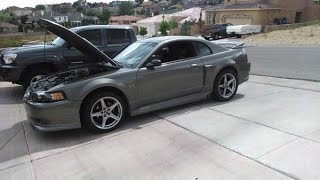
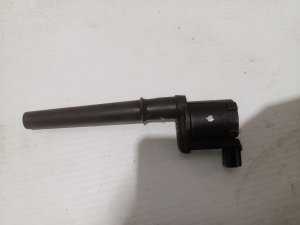
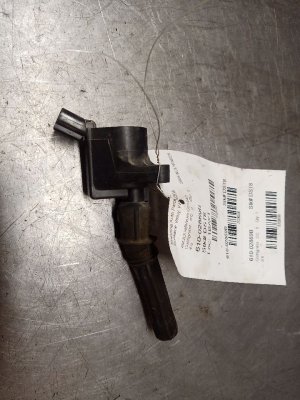
Used OEM Parts in Stock
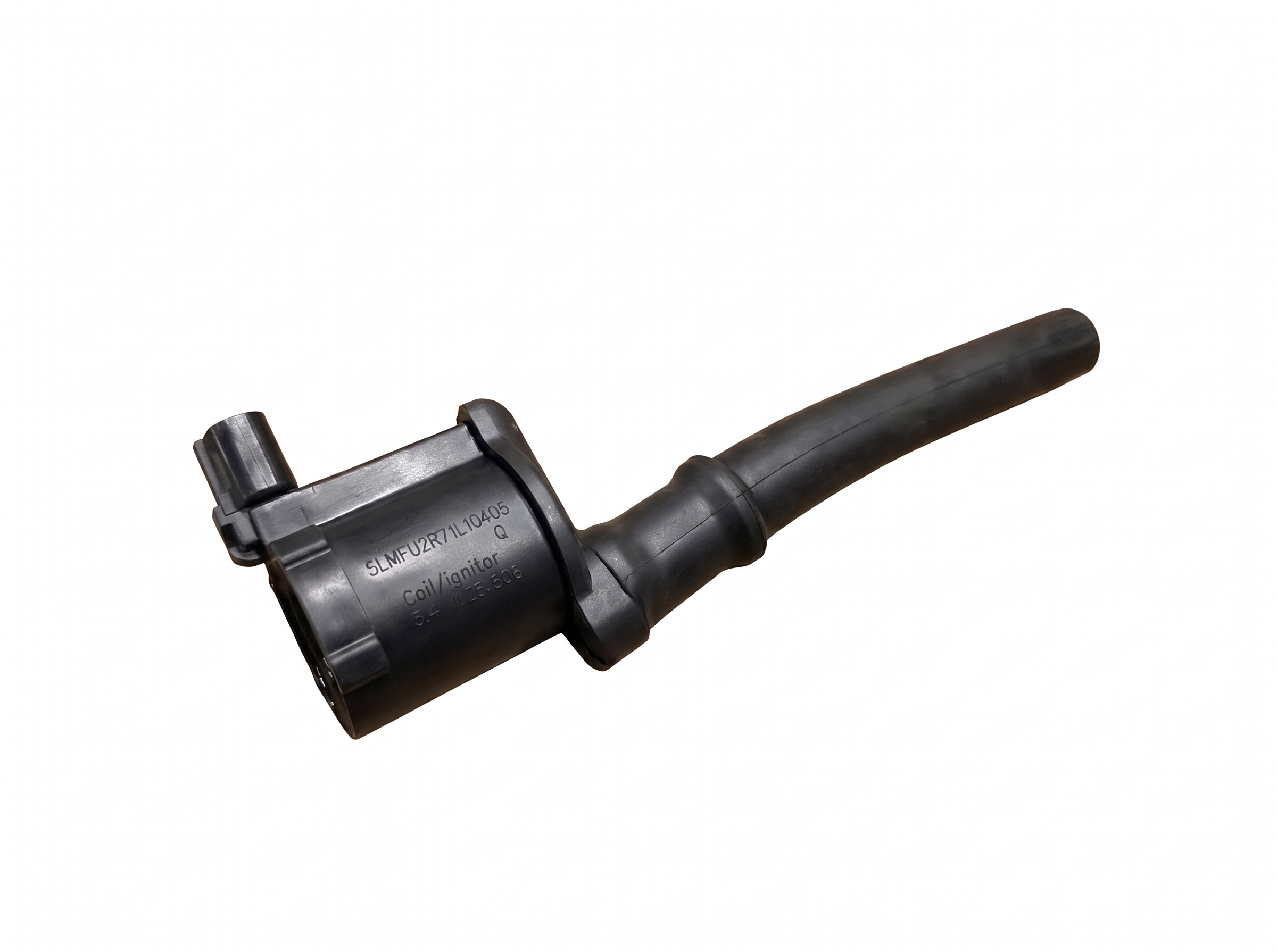
New Aftermarket Parts Available


The information in this article is provided for general reference and educational purposes only. Vehicle specifications, procedures, and part compatibility can vary by production date, trim level, and region. Always consult your vehicle's factory service manual and verify part numbers before purchasing or performing repairs. Safety-critical components such as airbags, seat belts, and braking systems should be installed by a qualified professional.
- Ford Mustang:
- 🧭 Diagnostic Flowchart
- 🎬 Helpful Videos
- 🛍️ Shop This Part
- What's Unique About the 1999-2004 Ford Mustang
- Symptoms You May Notice
- Most Likely Causes
- Rare But Worth Checking
- Diagnosis Steps
- Parts You'll Likely Need
- Related Codes That Often Appear With This One
- Technical Service Bulletins (TSBs) & Recalls
- Platform-Specific Known Issues
- Mechanic-Grade Diagnostic Values
- Hidden / Shadow Codes Worth Checking
- Scan Tool Commands That Help
- Wiring & Ground Locations
- Real Owner Repair Stories
- OEM Part Supersession History
- Model Year Variations Within This Range
- Other Known Issues on This Vehicle
- Used vs. New Parts: Buying Guide for This Vehicle
- Real Owner Stories
- 1998 Ford Mustang GT 4.6L
- 1999-2004 Ford Mustang 4.6L 2V — ~100000 miles
- 1999-2004 Ford Mustang 4.6L 2V
- Ford F-150 4.6L V8
- Related OBD-II Codes
- Frequently Asked Questions
- 🎟️ Get 5% Off