

P0308 on 2015-2022 Ford Mustang 5.0L: Cylinder 8 Misfire Causes and Fixes
P0308 indicates a misfire in cylinder 8 on your Mustang's 5.0L V8 engine. The most common causes are a faulty ignition coil or a worn spark plug. A simple DIY diagnostic is to swap the ignition coil from cylinder 8 with another cylinder to see if the code follows. A new Motorcraft ignition coil typically costs between $80 and $110.
- P0308 is a misfire on cylinder 8, which is the rearmost cylinder on the driver's side of your Mustang's 5.0L V8.
- The most likely cause is a bad ignition coil or spark plug, which are relatively inexpensive and easy to replace.
- The easiest way to diagnose a bad coil is to swap it with one from a neighboring cylinder and see if the misfire code moves to that cylinder.
- If ignition parts don't solve the problem, check for TSBs related to PCM software or investigate the intake manifold for a broken IMRC valve, a known but less common issue.
- Do not drive for extended periods with a flashing check engine light, as this can quickly destroy your catalytic converter, leading to a much more expensive repair.
What's Unique About the 2015-2022 Ford MUSTANG

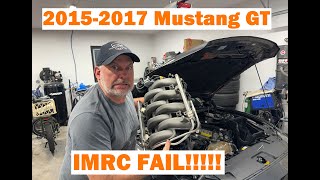
On the S550 Mustang's 5.0L "Coyote" V8, a P0308 code is most often a straightforward ignition issue. However, Ford has issued Technical Service Bulletins that point to less common but significant causes. For 2021-2022 models, TSB 22-2464 indicates that PCM software issues can falsely trigger P0308 and other misfire codes, requiring a dealer-performed software update. On earlier 2015-2017 models, TSB SSM 47433 points to a known issue with the Intake Manifold Runner Control (IMRC), where the linkage or flaps can break and cause difficult-to-diagnose misfires, often on cylinder 8. 🎬 Watch: A real-world fix for P0308 on a 2017 Mustang. This IMRC failure is a widely discussed topic in owner forums.
Diagnostic Flowchart

Tap your situation to follow the diagnostic path that matches what you're seeing on this vehicle.
Generation note: This range covers the S550 generation Mustang. The 5.0L V8 engine was updated for the 2018 model year (Gen 3 Coyote), notably adding a dual fuel injection system (port and direct injection). While the most common causes like coils and plugs are the same, diagnosing fuel-related issues on 2018+ models is more complex. Part numbers for ignition coils and spark plugs also differ between the Gen 2 (2015-2017) and Gen 3 (2018-2022) Coyote engines.
Symptoms You May Notice
- Flashing or solid Check Engine Light.
- Rough or shaky idle
- Engine hesitation or stumbling during acceleration.
- Noticeable loss of power.
- Smell of raw fuel from the exhaust.
- In some cases with intake manifold issues, a bucking or surging feeling at low RPM (approx. 1500-2500 RPM).
- Puff of blue smoke on startup, indicating a possible valve stem seal issue.
- Replacing the oxygen (O2) sensors. O2 sensors report on combustion efficiency; they do not cause a misfire on a single cylinder. A bad misfire can, however, cause erratic O2 sensor readings.
- Replacing the catalytic converter. A misfire can damage a catalytic converter, but a bad converter will not cause a P0308 code.
Most Likely Causes

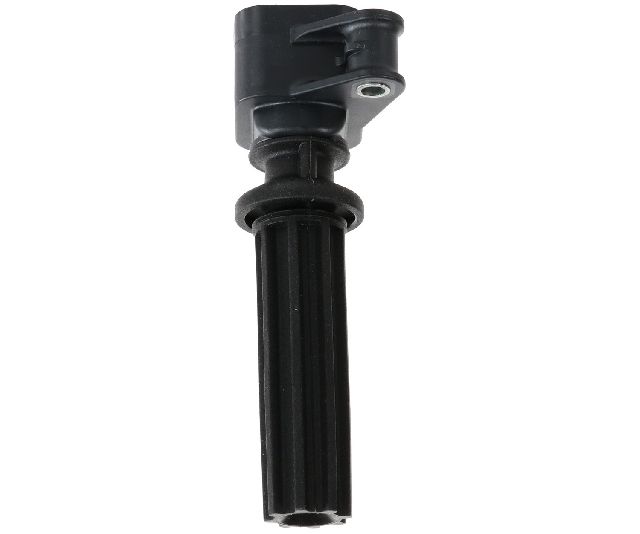
- Faulty Ignition Coil 🔴 High Probability → Shop Ignition Coil Coil-on-plug systems are common failure points due to constant exposure to high heat and vibration in the engine bay.
How to confirm: Swap the ignition coil from cylinder 8 with another cylinder (e.g., cylinder 7). Clear the codes and drive the car. If the code changes to P0307, the ignition coil is faulty. 🎬 Watch: Two simple DIY methods to diagnose a cylinder 8 misfire.
Typical fix: Replace the faulty ignition coil. It is often recommended to replace the corresponding spark plug at the same time.
Est. part cost: $80-$110 for a single OEM Motorcraft coil. - Worn or Fouled Spark Plug 🔴 High Probability → Shop Spark Plug
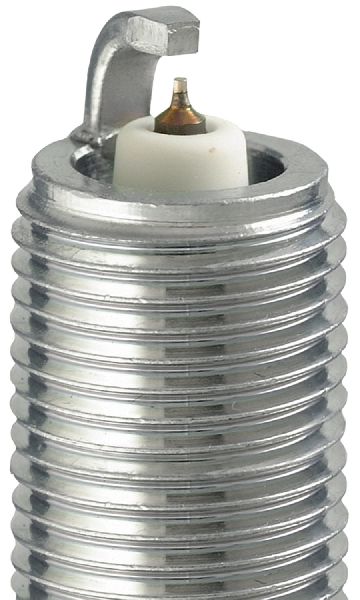
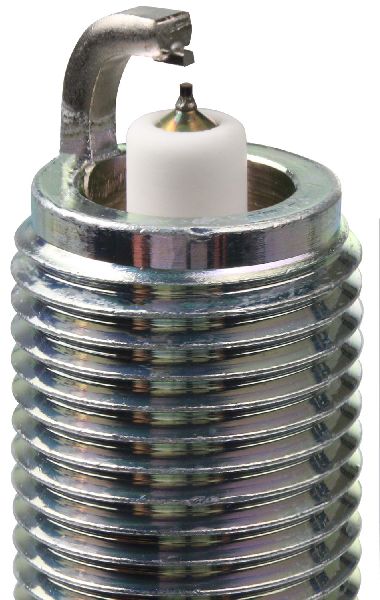
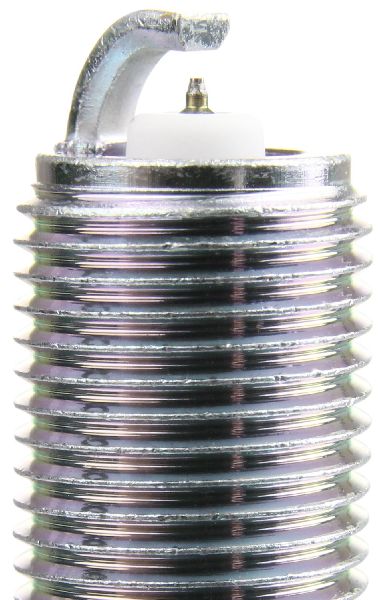
How to confirm: After confirming the ignition coil is good, remove the spark plug from cylinder 8. Inspect it for wear, carbon buildup, oil fouling, or damage. A heavily fouled plug can indicate other issues. You can also swap it with another cylinder's spark plug to see if the misfire code follows.
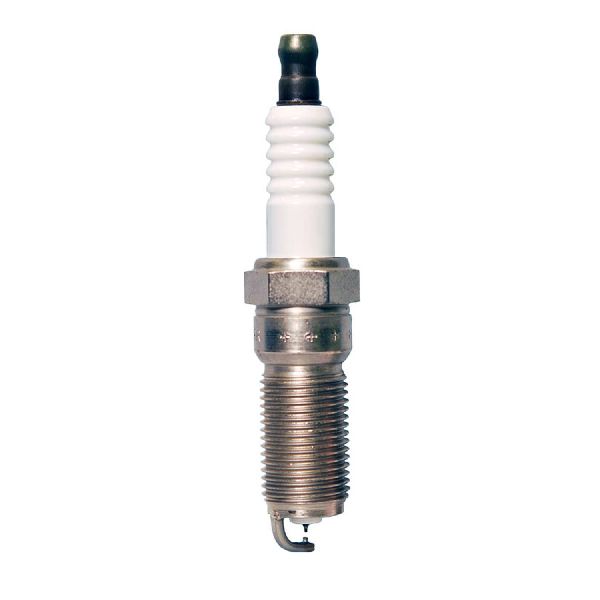
Typical fix: Replace the spark plug. It's best practice to replace all 8 spark plugs if they are near the end of their service life (typically 60k-100k miles).
Est. part cost: $5-$20 per OEM-spec spark plug. - PCM Software Issue 🟡 Medium Probability Ford TSB 22-2464 explicitly states that various PCM strategies can cause misfire codes, including P0308, on 2021-2022 models with the 5.0L engine.
How to confirm: This must be confirmed by a Ford dealership, which can check the vehicle's software version against available updates. The process involves reprogramming the PCM.
Typical fix: The dealership will reprogram the Powertrain Control Module (PCM) with updated software. The labor time is estimated at 0.4 hours.
Est. part cost: $0 if under warranty, otherwise dealer labor charges apply for reprogramming. - Faulty Fuel Injector ⚪ Low Probability → Shop Fuel Injector
How to confirm: If ignition parts are good, the fuel injector is the next suspect. A mechanic can perform a fuel injector balance test or use a 'noid' light to check if the injector is receiving a pulse from the PCM. A FORScan or Ford IDS scan tool can also run a power balance test to identify an underperforming cylinder.
Typical fix: Replace the faulty fuel injector in cylinder 8.
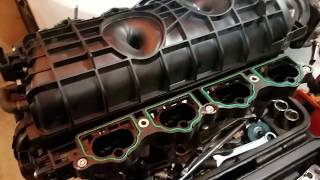
Est. part cost: $50-$100 for a single injector. - Intake Manifold / IMRC Issue ⚪ Low Probability → Shop Engine Intake Manifold As noted in TSB SSM 47433 for 2015-2017 models and confirmed by numerous owner experiences on forums like Mustang6G, the plastic Intake Manifold Runner Control (IMRC) linkage can break, causing the runner flaps to stick open or closed. 🎬 See what a broken IMRC shaft looks like inside the manifold. This disrupts airflow to the cylinders on that bank, frequently causing misfires on cylinder 8.
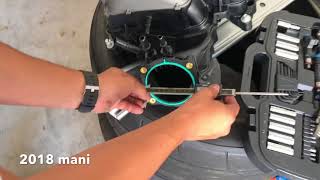
How to confirm: If all ignition and fuel system checks pass, the intake manifold must be inspected. The TSB advises removing the manifold to manually check if the IMRC plates move with the actuators. Some users report being able to see the broken linkage with an inspection camera after removing the throttle body.
Typical fix: Replace the entire intake manifold assembly.
Est. part cost: $400-$800+
Rare But Worth Checking
- Internal Mechanical Failure: This includes issues like loss of compression from a bad valve, worn valve guide, or piston ring failure. A compression test is required to diagnose this. Some early Coyote engines were known to have issues with valve guides on cylinder 8 due to heat. This is the least likely but most severe possible cause.
- Damaged Wiring Harness: The wiring or connector to the ignition coil or fuel injector can become damaged from heat or chafing, causing an intermittent connection. A visual inspection and continuity test can confirm this.
- Faulty PCM: In very rare cases, the injector driver circuit within the PCM itself can fail, causing a persistent misfire on one cylinder even after all other parts have been replaced. One owner on Mustang6G forums reported a PCM replacement solved their P0308 after injectors and plugs were changed without success.
Diagnosis Steps
- Read the code with an OBD-II scanner to confirm P0308 is present and note any other codes.
- Identify Cylinder 8: On the 5.0L V8, this is the rearmost cylinder on the driver's side.
- Test the Ignition Coil: Swap the ignition coil from cylinder 8 with the coil from cylinder 7 (the one in front of it). Clear the codes, start the engine, and let it run for a few minutes. Re-scan for codes. If the code is now P0307, the ignition coil is bad and needs to be replaced.
- Test the Spark Plug: If the code remains P0308 after the coil swap, move the spark plug from cylinder 8 to cylinder 7. If the code changes to P0307, the spark plug is the culprit. Inspect the old plug for signs of oil or fuel fouling.
- Inspect Wiring: If the misfire is still on cylinder 8, carefully inspect the wiring harness and connector for the ignition coil and fuel injector on cylinder 8. Look for any signs of melting, chafing, or loose pins.
- Check the Fuel Injector: If the ignition system and wiring are good, the problem may be the fuel injector. This can be tested with a 'noid' light to confirm it's receiving a signal or by swapping the injector with another cylinder, though this is more labor-intensive. A scan tool like FORScan can run a power balance test.
- Check for TSBs: Consult a dealer or search online for TSBs like #TSB 22-2464 (PCM software for 2021-22 models) or #SSM 47433 (intake manifold for 2015-17 models) that apply to your vehicle's year and engine.
- Inspect Intake Manifold (IMRC): Especially on 2015-2017 models, if other tests are inconclusive, suspect a broken IMRC. This requires visual inspection, often by removing the intake manifold.
- Perform a Compression Test: If all else fails, a mechanical issue is possible. A compression test will measure the sealing ability of the cylinder's piston rings and valves. Low compression on cylinder 8 indicates a serious internal engine problem.
Parts You'll Likely Need
- Ignition Coil
(OEM #DG-565 (Motorcraft, for 2018+ models), M-12029-M50C (Ford Performance, for pre-2/24/16 models))— This is the most common failure part for a single-cylinder misfire. Heat and vibration cause the internal windings to fail over time. Note the connector change on 2/24/2016.
Trusted brands: Motorcraft, NGK, Denso, Mishimoto
OEM price range: $80-$110
Aftermarket price range: $40-$75 - Spark Plug
(OEM #SP-589 (Motorcraft, for 2018-2022 models), SP-548 (Motorcraft, for 2015-2017 models))— Spark plugs are a regular maintenance item and can become worn or fouled, leading to a weak or inconsistent spark.
Trusted brands: Motorcraft, NGK, Denso
OEM price range: $8-$20
Aftermarket price range: $5-$15 - Intake Manifold
(OEM #FR3Z-9424-N (For 2015-2017 models))— On 2015-2017 models, the internal IMRC linkage is a known failure point that can cause misfires, often on the driver's side bank (cylinders 5-8).
Trusted brands: Ford OEM
OEM price range: $400-$800
Aftermarket price range: $350-$600
Related Codes That Often Appear With This One
- P0300 — This is a 'Random Misfire' code. It often appears with a specific cylinder code like P0308 if the misfire is severe or if other cylinders are also misfiring intermittently. It is commonly seen when the cause is a vacuum leak or a failing IMRC system.
- P0301-P0307 — If multiple cylinder misfire codes are present, it may point to a systemic issue like a vacuum leak, a PCM software problem as described in TSB 22-2464, or an intake manifold issue affecting an entire cylinder bank.
Technical Service Bulletins (TSBs) & Recalls

- Addresses MIL illumination with various misfire DTCs (including P0308) on 2021-2022 5.0L Mustangs due to PCM software strategies. Fix is a PCM reprogram.
- For 2015-2017 5.0L Mustangs with misfire DTCs (P0300-P0308) where normal diagnostics fail. Instructs technicians to inspect for a broken Intake Manifold Runner Control (IMRC) linkage.
Platform-Specific Known Issues
- Intake Manifold Runner Control (IMRC) Failure (2015-2017): → Shop Engine Intake Manifold The plastic linkage for the IMRC system is a known weak point on the intake manifold for 2015-2017 models. When it breaks, it can cause an entire bank of cylinders to receive improper airflow, but often manifests as a P0308 code, sometimes with P0300. The fix is a complete intake manifold replacement.
- PCM Software Misfire Detection (2021-2022): TSB 22-2464 was issued because the PCM software on these model years was overly sensitive or had flawed logic, leading to false or intermittent misfire codes, including P0308. A simple software update by a dealer resolves the issue.
Mechanic-Grade Diagnostic Values
- Fuel Pressure (Low-Pressure, Port Injection System) — expected: Approximately 55-58 PSI with the engine running.. Failure: Significantly lower pressure can cause lean misfires across multiple cylinders, but a failing pump could manifest intermittently on one.
- Fuel Injector Resistance (2015-2017 Port Injection) — expected: Approximately 12.0 Ohms.. Failure: A reading far outside this range (either open-circuit/infinite or shorted/near-zero) indicates a failed injector coil.
- High-Pressure Fuel System (2018+ Direct Injection) — expected: Can be commanded up to 2900-3000 PSI.. Failure: While a DI system failure is less likely to cause a single-cylinder misfire, monitoring requested vs. actual pressure on a scan tool can rule out systemic fuel issues.
- PCM Ground Circuit Resistance — expected: Should be no greater than 0.2 ohms from PCM ground pins (e.g., Pin 40, 60) to the negative battery terminal.. Failure: Higher resistance indicates a poor ground, which can cause erratic PCM behavior and phantom misfire codes.
Hidden / Shadow Codes Worth Checking
- Mode $06, Test ID $53, Component ID $08: This is not a standard DTC, but a specific monitor within the OBD-II system that tracks the raw misfire count for cylinder 8. It can show misfires that are occurring but are not yet frequent enough to trigger the P0308 Check Engine Light. (see via An advanced OBD-II scan tool that can display Mode $06 data.)
Scan Tool Commands That Help
- Ford IDS / FORScan: Power Balance Test (or Cylinder Contribution Test) — This is a crucial diagnostic function that graphically displays the power contribution of each cylinder in real-time. A technician can see if cylinder 8 is contributing less power than the others, confirming the misfire location without disassembly.
- Ford IDS / FORScan: KOEO Injector Electrical Self Test (Buzz Test) — This key-on, engine-off test commands the PCM to cycle each injector solenoid. A technician can listen for an audible 'buzz' from each injector. A silent cylinder 8 injector points to a wiring issue or a failed injector solenoid.
- Ford IDS / FORScan: IMRC Actuator Command — For 2015-2017 models, this allows a technician to command the IMRC flaps open and closed while monitoring their position sensors. If the commanded state doesn't match the actual position reading for Bank 2 (driver's side), it strongly suggests a broken IMRC linkage.
Wiring & Ground Locations
- G104 — On the driver's side front fender apron, often located near or behind the battery area.. This is a primary ground point for the Powertrain Control Module (PCM). A loose or corroded connection at G104 can cause a host of difficult-to-diagnose electrical issues, including phantom misfire codes, due to unstable PCM operation.
- Cylinder 8 Ignition Coil Connector — The rearmost ignition coil on the driver's side of the engine.. The connector itself or its pigtail wiring can become brittle from engine heat and break, causing a poor connection and a persistent P0308. The connector style changed on vehicles built after 2/24/2016.
Real Owner Repair Stories
- Mustang6G.com forum user (2015 Mustang GT (Gen 2 Coyote)) — P0300 and P0308 codes, hesitation between 1,800-2,000 RPM.
❌ Tried (didn't work) Replacing spark plugs, Swapping ignition coil from cylinder 8 to another cylinder, Performing a compression test (which came back great)
✅ What actually fixed it The intake manifold was removed and the IMRC shaft on the driver's side (Bank 2) was found to be broken. Replacing the intake manifold with a GT350 unit resolved the codes. - Mustang6G.com forum user (2017 Mustang GT) — P0300 and P0308 codes, surging and misfiring.
❌ Tried (didn't work) Initial diagnosis suspected bad fuel or a contaminated MAF sensor.
✅ What actually fixed it A dealer performed a full diagnostic and found the Bank 2 (driver's side) IMRC runners were sticking and a gasket was bad. Replacing the entire intake manifold under warranty fixed the issue. - Reddit user r/Mustang (2016 Mustang GT with 43k miles) — P0300 and P0308 Check Engine Light.
❌ Tried (didn't work) Owner was concerned it was an out-of-warranty ignition part and specifically requested the dealer check the intake manifold first.
✅ What actually fixed it The dealer confirmed the IMRC (Intake Manifold Runner Control) had failed. The intake manifold was replaced under the powertrain warranty, which resolved the codes. - Mustang6G.com forum user (Mustang GT (year not specified, pre-2018)) — Persistent P0307 and P0308 codes.
❌ Tried (didn't work) Replacing fuel injectors, Replacing fuel rails, Replacing spark plugs
✅ What actually fixed it The injector driver circuit within the Powertrain Control Module (PCM) was determined to be failing. The dealer replaced the PCM under warranty, which permanently fixed the misfire.
"I Checked Everything" — The Actual Cause
- In many documented cases for 2015-2017 models, a smoke test for vacuum leaks will come back clean, and ignition components will test good, yet a P0308 (often with P0300) persists. The actual cause is frequently a broken internal Intake Manifold Runner Control (IMRC) shaft, which does not typically create an external vacuum leak. The failure is mechanical inside the manifold, disrupting airflow to the cylinders on one bank, but is not detectable with a smoke test.
When the Usual Fixes Don't Work
- While the most common advice for a P0308 code is to swap the ignition coil and spark plug, numerous owner reports on the 2015-2017 Mustang GT show this often fails to resolve the issue. In these cases, the problem was frequently traced back to a broken Intake Manifold Runner Control (IMRC) linkage, which required a full intake manifold replacement to fix. In at least one documented instance, after all common ignition and fuel parts were replaced without success, the ultimate culprit was a failed injector driver circuit inside the PCM itself, requiring a new computer.
OEM Part Supersession History
Fits 2011 - early 2016 Mustang GT→Fits late 2016+ Mustang GT— The electrical connector for the ignition coil was changed.
Heads up: Ignition coils for cars built before 2/24/2016 (e.g., Ford Performance M-12029-M50C) have a different, larger electrical connector and will not physically plug into the engine harness of a car built after this date. The pigtail connector is available as a service part (e.g., WPT931 for the early style).
Model Year Variations Within This Range

- 2015-2017: These models use the Gen 2 Coyote engine with a port-injection-only fuel system and an intake manifold with IMRC runners that are a known failure point, often causing P0308.
- 2018-2022: These models use the Gen 3 Coyote engine, which features a dual-fuel system (port and direct injection), a higher compression ratio (12.0:1 vs 11.0:1), and a revised intake manifold less prone to the earlier IMRC failures. This makes fuel-related diagnosis more complex due to the presence of two injectors per cylinder.
- Mid-2016 Change: Ford changed the ignition coil electrical connector for cars built after February 24, 2016. When ordering ignition coils, it is critical to verify the vehicle's build date to ensure the correct part is purchased.
- 2021-2022: Ford issued TSB 22-2464 for these model years, indicating that PCM software could be the cause of P0308 and other misfire codes, requiring a dealer-performed update.
Helpful Videos
![How to Fix P0308 Engine Code in 3 Minutes [2 DIY Methods / Only $4.53]](https://img.youtube.com/vi/v9SbNjbCIW0/mqdefault.jpg)
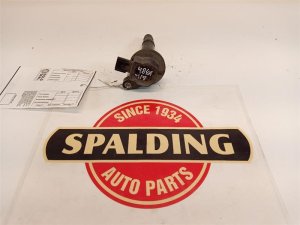
Used OEM Parts in Stock
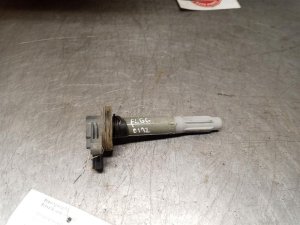
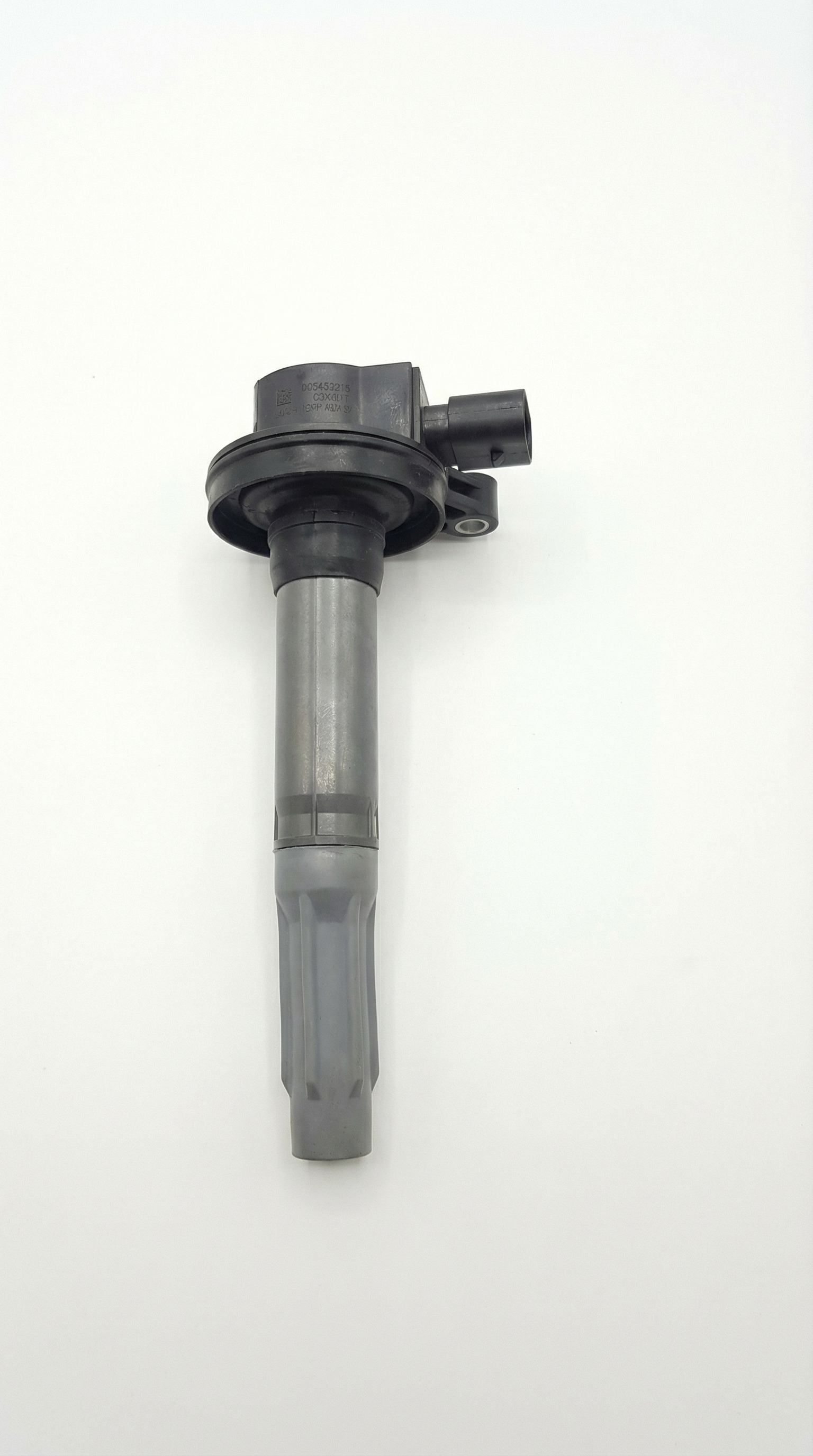
New Aftermarket Parts Available


The information in this article is provided for general reference and educational purposes only. Vehicle specifications, procedures, and part compatibility can vary by production date, trim level, and region. Always consult your vehicle's factory service manual and verify part numbers before purchasing or performing repairs. Safety-critical components such as airbags, seat belts, and braking systems should be installed by a qualified professional.
- Ford MUSTANG:
- 🧭 Diagnostic Flowchart
- 🎬 Helpful Videos
- 🛍️ Shop This Part
- What's Unique About the 2015-2022 Ford MUSTANG
- Symptoms You May Notice
- Most Likely Causes
- Rare But Worth Checking
- Diagnosis Steps
- Parts You'll Likely Need
- Related Codes That Often Appear With This One
- Technical Service Bulletins (TSBs) & Recalls
- Platform-Specific Known Issues
- Mechanic-Grade Diagnostic Values
- Hidden / Shadow Codes Worth Checking
- Scan Tool Commands That Help
- Wiring & Ground Locations
- Real Owner Repair Stories
- "I Checked Everything" — The Actual Cause
- When the Usual Fixes Don't Work
- OEM Part Supersession History
- Model Year Variations Within This Range
- 🎟️ Get 5% Off