

P0308 on 2004-2011 GMC Canyon: Cylinder 8 Misfire Causes and Fixes (V8 Only)
This code indicates a misfire in cylinder 8 and is only possible on the rare 2009-2011 Canyon models with the 5.3L V8 engine. The most common causes are a bad ignition coil, a worn spark plug, or a faulty spark plug wire. Expect to pay $15-$50 for basic ignition parts for a DIY fix.
- P0308 is a misfire on cylinder 8, which is only possible on 2009-2011 GMC Canyons with the 5.3L V8 engine.
- Start your diagnosis with the simple and cheap parts: swap the ignition coil, then inspect the spark plug and wire for cylinder 8.
- A flashing check engine light indicates a severe misfire that can quickly damage your catalytic converter. Avoid driving if the light is flashing.
- If basic ignition parts don't solve the problem, the next steps are to check the fuel injector and then perform a compression test to look for mechanical engine issues.
What's Unique About the 2004-2011 Gmc CANYON
The key detail for the GMC Canyon is that a P0308 code is impossible on most of them. The vast majority of 2004-2011 Canyons were sold with 4-cylinder or 5-cylinder engines. Only the 2009-2011 models offered a 5.3L V8, a variant of the well-known GM LS engine family (specifically the LH8 and LH9 versions). Therefore, if you see this code, you have one of the rare V8 models. While the engine itself is common in other GM trucks, its placement in the smaller Canyon chassis can make accessing components around cylinder 8 (at the rear of the engine bay on the passenger side) more challenging than in a full-size truck.
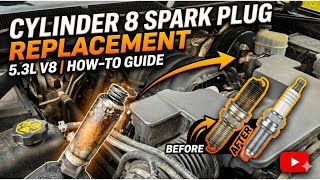
🎬 Watch: How to access and replace that difficult cylinder 8 spark plug.Diagnostic Flowchart
Tap your situation to follow the diagnostic path that matches what you're seeing on this vehicle.
Symptoms You May Notice
- Rough or shaking idle.
- Flashing Check Engine Light.
- Hesitation or stumbling during acceleration.
- Noticeable loss of engine power.
- Reduced fuel economy.
- Smell of raw fuel from the exhaust.
- Engine may be harder to start.
- Replacing all fuel injectors when only one is bad.
- Replacing the catalytic converter when it has been damaged by an unresolved misfire, without fixing the root cause of the misfire first.
- Assuming the cause is an AFM lifter failure, which does not apply to the specific LH8/LH9 engines used in these trucks.
Most Likely Causes
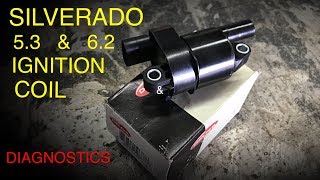
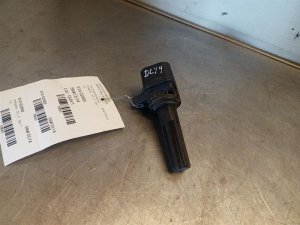
- Failed Ignition Coil 🔴 High Probability → Shop Ignition Coil Ignition coils are a common failure point on many modern engines, including the GM 5.3L V8, due to constant exposure to high heat and vibration. The rear cylinders, like #8, can experience higher temperatures, contributing to premature failure.
How to confirm: Swap the ignition coil from cylinder 8 with another cylinder (e.g., cylinder 6 on the same passenger-side bank). Clear the codes and drive the vehicle. If the code changes to P0306, the coil is faulty.
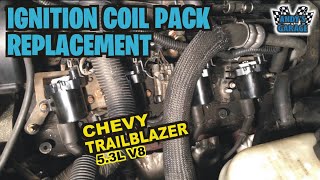
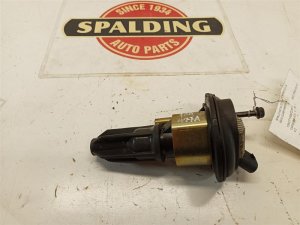
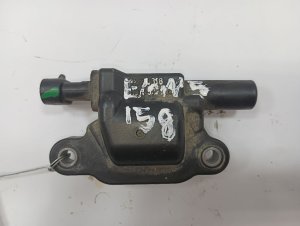
Typical fix: Replace the faulty ignition coil. It is held on by a single bolt and is located on top of the valve cover. The OEM part is often an ACDelco D585 or equivalent.
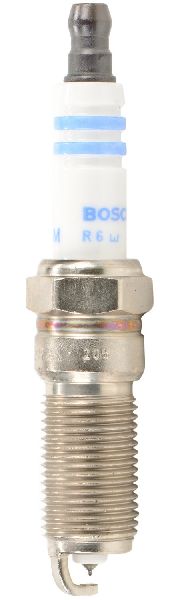
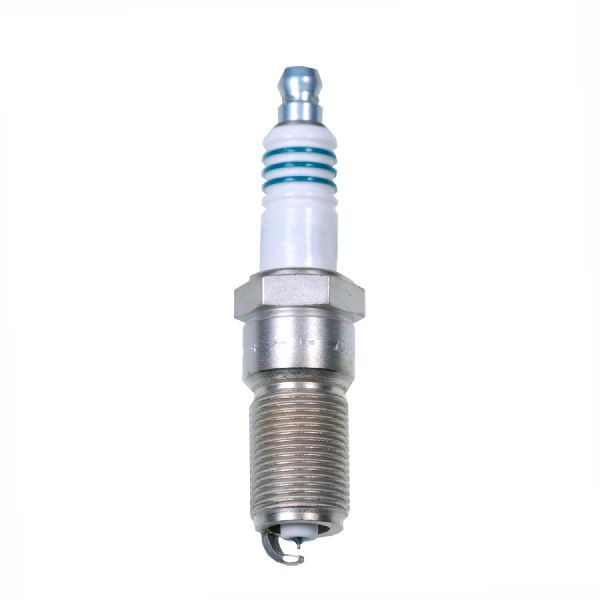
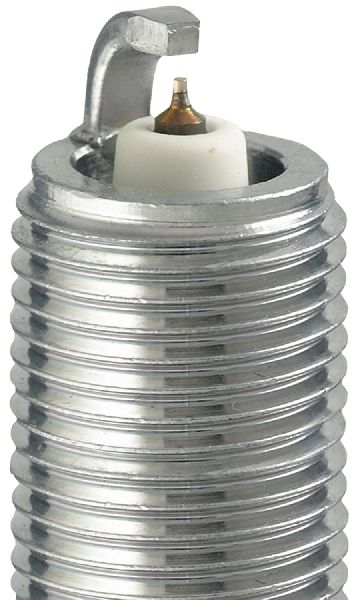
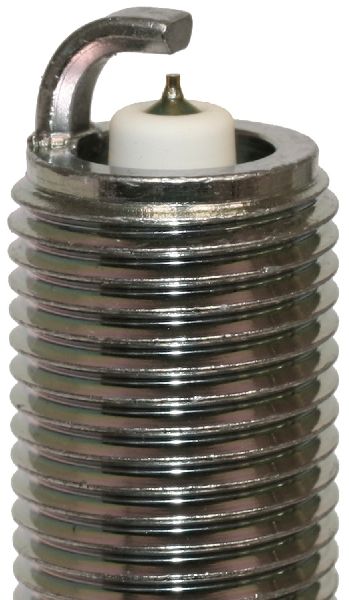
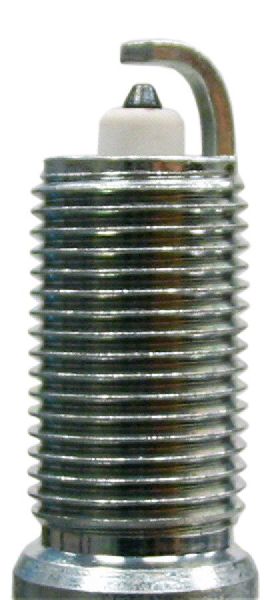
Est. part cost: $25-$60 - Worn or Fouled Spark Plug 🔴 High Probability → Shop Spark Plug Spark plugs are a regular maintenance item. The manufacturer recommends replacement around 100,000 miles. An old, oil-fouled, or damaged plug can't produce a strong enough spark to ignite the fuel mixture.
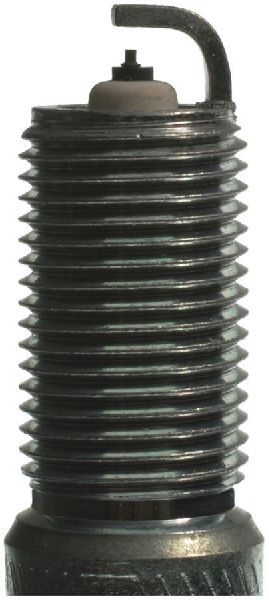
How to confirm: Remove the spark plug from cylinder 8 and inspect it. Look for a worn electrode, heavy carbon deposits, oil fouling, or cracks in the porcelain insulator.
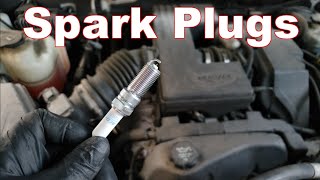
Typical fix: Replace the spark plug. It is best practice to replace all 8 spark plugs at the same time to ensure consistent performance. The OEM-recommended plug is typically an ACDelco Iridium plug, part number 41-110.
Est. part cost: $8-$15 per plug - Bad Spark Plug Wire 🟡 Medium Probability → Shop Spark Plug The 5.3L V8 in the Canyon uses spark plug wires, unlike the 4 and 5-cylinder versions which use a coil-on-plug design. Wires can degrade over time from heat, causing the spark to become weak or arc to ground. A loose connection at the coil or plug is also a common cause.
How to confirm: Visually inspect the wire for cracks, burns, or corrosion on the terminals. Check for a secure 'click' at both the coil and the spark plug. You can also test its resistance with a multimeter; a reading over the manufacturer's spec indicates a bad wire.
Typical fix: Replace the spark plug wire. It is recommended to replace all wires as a set with a quality brand like ACDelco or NGK.
Est. part cost: $40-$80 for a set - Clogged or Failed Fuel Injector 🟡 Medium Probability → Shop Fuel Injector A fuel injector can become clogged with deposits or fail electronically, preventing it from delivering the correct amount of fuel to cylinder 8. Some owners have reported success using a quality fuel system cleaner like Techron to resolve intermittent misfires.
How to confirm: Listen to the injector with a mechanic's stethoscope; it should make a consistent clicking sound. You can also swap the injector with another cylinder to see if the misfire code follows. This is more involved than swapping a coil.
Typical fix: Replace the faulty fuel injector. This requires depressurizing the fuel system and removing the fuel rail. Part numbers vary by year, with 12580681 used in 2009 models and 12613411 in 2010-2012 models.
Est. part cost: $70-$160
Rare But Worth Checking
- Low Compression / Mechanical Engine Issue: While less common for a single misfire, issues like a stuck valve, worn piston rings, a broken valve spring, or a failed lifter can cause a persistent P0308. A compression test is the definitive way to diagnose this. It's important to note that the LH8 and LH9 engines in the Canyon/Colorado did NOT have Active Fuel Management (AFM), so the common AFM lifter failure seen in other GM 5.3L engines is not the cause here. However, non-AFM lifter failure is still possible, though rare.
- Intake Manifold Gasket Leak: → Shop Engine Intake Manifold A vacuum leak from a deteriorated intake manifold gasket near the runner for cylinder 8 can lean out the air/fuel mixture and cause a misfire. This can sometimes be diagnosed by carefully spraying brake cleaner or a propane torch (unlit) near the gasket with the engine running and listening for a change in idle speed.
Diagnosis Steps
- Confirm the code with an OBD-II scanner and check for any other stored codes like P0300 or P0174.
- Verify the vehicle is a 2009-2011 model with the 5.3L V8 engine.
- Locate cylinder 8 at the rear of the engine on the passenger side.
- Swap the ignition coil from cylinder 8 with cylinder 6 (the next one forward on the passenger side). Clear the codes and see if the misfire moves to the new cylinder (P0306). If it does, the coil is bad.
- If the misfire remains on cylinder 8, inspect the spark plug wire for any visible damage, burns, or loose connections at both ends.
- If the wire looks good, remove and inspect the spark plug from cylinder 8. Look for wear, damage, or fouling. Replace if in doubt, preferably with an ACDelco 41-110.
- Listen to the fuel injector for cylinder 8 with a mechanic's stethoscope to ensure it's clicking consistently. Compare the sound to the injector on cylinder 6.
- If ignition and basic fuel checks are inconclusive, run a bottle of high-quality fuel injector cleaner (like Techron) through the system, as this has been reported to solve intermittent issues.
- If the problem persists, perform an engine compression test on cylinder 8 to check for mechanical problems like a bad valve or worn rings.
- Carefully check for vacuum leaks around the intake manifold near the runner for cylinder 8.
Parts You'll Likely Need
- Ignition Coil
(OEM #12570616 (ACDelco D585 is a common replacement))— This is a very common failure point for a single-cylinder misfire on GM V8 engines, accounting for a high percentage of P0308 fixes.
Trusted brands: ACDelco, Delphi, Standard Motor Products
OEM price range: $40-$60
Aftermarket price range: $25-$45 - Spark Plug
(OEM #41-110)— Spark plugs are a routine maintenance item and the most fundamental part of the ignition system. A worn plug is a highly probable cause.
Trusted brands: ACDelco, NGK, Denso
OEM price range: $8-$15
Aftermarket price range: $5-$10 - Spark Plug Wire Set
(OEM #9748RR (ACDelco example))— The wire carries the voltage to the plug. On the 5.3L V8, these wires can fail from heat and age, causing a weak or lost spark, especially on the harder-to-reach rear cylinders.
Trusted brands: ACDelco, NGK
OEM price range: $60-$90
Aftermarket price range: $40-$70 - Fuel Injector
(OEM #12580681 (2009), 12613411 (2010-2012))— Can become clogged or fail electronically, leading to a fuel-related misfire.
Trusted brands: ACDelco, Delphi, GB Remanufacturing
OEM price range: $90-$160
Aftermarket price range: $40-$80
Related Codes That Often Appear With This One
- P0300 — If the misfire is intermittent or starting to affect other cylinders, a P0300 (Random/Multiple Cylinder Misfire) code may be stored alongside P0308.
- P050D — This code for 'Cold Start Rough Idle' can sometimes appear with misfire codes, as noted in GM Technical Service Bulletin #PIP5628G, indicating a potentially complex diagnostic situation that may require advanced tools like a PicoScope to analyze.
- P0171 / P0174 — If a vacuum leak is the root cause of the misfire, the engine may run lean, triggering a 'System Too Lean' code for Bank 2 (P0174), which is the passenger side where cylinder 8 is located.
Technical Service Bulletins (TSBs) & Recalls
- PIP5628G: This is a diagnostic aid for technicians. It advises that for persistent misfire codes (P0300-P0308) or a P050D, standard diagnostics should be completed first. If the issue remains, the bulletin provides a template of information (like freeze-frame data and PicoScope test results) that must be collected before contacting the GM Technical Assistance Center (TAC) for further help.
Platform-Specific Known Issues
- The primary vehicle-specific issue is that this code only applies to the rare 5.3L V8 models made from 2009-2011. Owners of 4-cylinder or 5-cylinder Canyons will never encounter this code as their engines have fewer than eight cylinders.
Mechanic-Grade Diagnostic Values
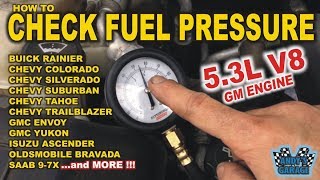
- Fuel Pressure (Key ON, Engine OFF) — expected: 345-414 kPa (50-60 psi). Failure: Pressure below 50 psi or pressure that drops more than 5 psi in one minute may indicate a weak fuel pump or a leak.
- Ignition Coil Primary Resistance — expected: 0.4 - 2.0 ohms. Failure: A reading outside of this range indicates a faulty coil.
- Ignition Coil Secondary Resistance — expected: 6,000 - 10,000 ohms. Failure: A reading outside of this range points to a failure in the secondary windings.
- Fuel Injector Resistance (for part 12580681) — expected: ~12.5 Ohms. Failure: Significantly higher or lower resistance, or an open circuit, indicates a failed injector coil.
- Long Term Fuel Trim (LTFT) + Short Term Fuel Trim (STFT) — expected: Between -10% and +10%. Failure: A total fuel trim consistently exceeding +/-10% indicates a problem the PCM is trying to compensate for, such as a vacuum leak (positive trim) or a leaking injector (negative trim).
Scan Tool Commands That Help
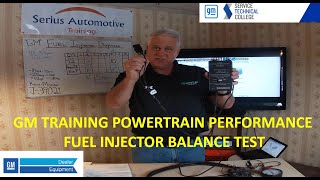
- Tech 2 / GDS2: Fuel Injector Balance Test — This test should be used after verifying spark and compression are good. The scan tool individually pulses each fuel injector while monitoring fuel rail pressure drop. It can precisely identify a clogged or weak injector without requiring physical removal. A pressure drop for cylinder 8 that is significantly different (typically more than 1.5 psi or 10 kPa) from the others confirms a faulty injector.
- Tech 2 / GDS2: Misfire Counters — While driving, a technician can monitor the live misfire counter for each specific cylinder. This is invaluable for diagnosing intermittent misfires that don't always set a hard code. If the counter for cylinder 8 increments under specific conditions (e.g., high load, cold start), it helps pinpoint the cause.
Wiring & Ground Locations
- G103 — Lower left side of the engine block.. This is a primary engine ground point. A loose or corroded connection here can cause a variety of sensor and actuator problems, including erratic behavior from the ignition coils or fuel injectors, potentially leading to a misfire code.
- ECM Ground — The Engine Control Module (ECM) ground needs to go directly to the engine block.. An improper or poor ECM ground can create voltage differentials, causing the module to misinterpret sensor data or send incorrect commands. This can manifest as a persistent, hard-to-diagnose misfire. Ensuring a clean, tight ground connection from the ECM to the block is a critical step in advanced diagnostics.
- Battery to Engine Ground — A heavy ground strap running from the negative battery terminal to the passenger side cylinder head.. This is the main ground for the entire engine electrical system. Degradation of this strap can cause insufficient ground for the ignition system, leading to a weak spark and misfires, especially under high load.
Real Owner Repair Stories
- Reddit user '509VolleyballDad' (2011 GM 5.3L V8 (in a Suburban, but engine/issue is analogous)) — P0308 misfire code.
❌ Tried (didn't work) Initial thought was to replace ignition components.
✅ What actually fixed it The heater core quick-connect fittings were dripping coolant directly onto the #8 spark plug wire. This caused the spark to arc or be compromised. Fixing the coolant leak and cleaning up the plug wire resolved the P0308 code without replacing any ignition parts.
OEM Part Supersession History
12580681→19421333— Standard part lifecycle replacement by GM.
Heads up: The 2009 Canyon V8 (LH8) uses injector P/N 12580681. The 2010-2012 models (LH9) use P/N 12613411. While they may be physically similar, the LH9 is a flex-fuel engine and its injectors are designed for E85 compatibility and may have different flow characteristics. It is critical to use the correct part number for the specific model year.
Model Year Variations Within This Range
- 2009 (LH8) vs. 2010-2011 (LH9): The 2009 model used the LH8 5.3L V8, which was a basic V8 without Variable Valve Timing (VVT) or Flex Fuel capability. For 2010, this was replaced by the LH9 5.3L V8, which added both VVT and Flex Fuel (E85) capability. This means fuel system components, particularly the fuel injectors (12580681 for LH8 vs 12613411 for LH9), are different and not interchangeable.
Helpful Videos
Used OEM Parts in Stock
New Aftermarket Parts Available

The information in this article is provided for general reference and educational purposes only. Vehicle specifications, procedures, and part compatibility can vary by production date, trim level, and region. Always consult your vehicle's factory service manual and verify part numbers before purchasing or performing repairs. Safety-critical components such as airbags, seat belts, and braking systems should be installed by a qualified professional.
- Gmc CANYON:
- 🧭 Diagnostic Flowchart
- 🎬 Helpful Videos
- 🛍️ Shop This Part
- What's Unique About the 2004-2011 Gmc CANYON
- Symptoms You May Notice
- Most Likely Causes
- Rare But Worth Checking
- Diagnosis Steps
- Parts You'll Likely Need
- Related Codes That Often Appear With This One
- Technical Service Bulletins (TSBs) & Recalls
- Platform-Specific Known Issues
- Mechanic-Grade Diagnostic Values
- Scan Tool Commands That Help
- Wiring & Ground Locations
- Real Owner Repair Stories
- OEM Part Supersession History
- Model Year Variations Within This Range
- 🎟️ Get 5% Off