

P0308 on 2004-2005 GMC Envoy XUV 5.3L: Cylinder 8 Misfire Causes and Fixes
P0308 on your Envoy XUV's 5.3L V8 means cylinder 8 is misfiring. The most common causes are a bad ignition coil (ACDelco D585), spark plug (ACDelco 41-110), or spark plug wire. However, be aware of a known issue with worn camshafts and lifters (per TSB 19-NA-219) which is a more serious, but documented, potential cause often indicated by a rhythmic engine tick or chirp.
- P0308 is a misfire on cylinder 8, the rearmost cylinder on the passenger side.
- Start your diagnosis with the easiest and most common fixes: swap the ignition coil, then inspect the spark plug and wire.
- A flashing check engine light is a serious warning to stop driving to prevent expensive catalytic converter damage.
- Be aware that a persistent P0308 on this engine, especially if accompanied by a ticking noise, can be a symptom of a worn camshaft and lifters, a known issue documented by GM.
What's Unique About the 2004-2005 Gmc ENVOY XUV
The GMC Envoy XUV could be equipped with a 5.3L V8 engine, which is the only engine that can have a P0308 code (as the inline-6 only has six cylinders). While standard ignition failures are common, this platform is subject to a more severe mechanical issue. Manufacturer Technical Service Bulletin #19-NA-219 (which supersedes #PIP4138P) specifically links P0300-P0308 codes on this engine family to worn camshaft lobes and/or lifters, a much more involved repair. Some 2005 models introduced Active Fuel Management (AFM), which deactivates cylinders 1, 4, 6, and 7. While cylinder 8 is not an AFM cylinder, the entire valvetrain, including the oiling system that supports AFM, is prone to issues that can manifest as a misfire on any cylinder.
Diagnostic Flowchart
Tap your situation to follow the diagnostic path that matches what you're seeing on this vehicle.
Symptoms You May Notice
- Rough or shaking idle
- Hesitation or stumbling during acceleration
- Noticeable loss of engine power
- Flashing or solid Check Engine Light
- Engine running rough
- A distinct rhythmic ticking, chirping, or squeaking noise from the engine that increases with RPM, which strongly indicates a camshaft/lifter issue as described in TSB #19-NA-219.
- Possible fuel smell from the exhaust due to unburned fuel.
- Replacing only the spark plug when the ignition coil is the actual point of failure.
- Repeatedly replacing ignition components when the issue is a more complex mechanical problem like a worn camshaft, as documented in TSBs.
- Replacing the catalytic converter due to a P0420/P0430 code without first fixing the underlying P0308 misfire that caused the converter to fail.
Most Likely Causes
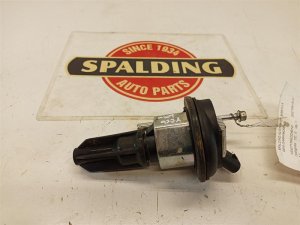
- Faulty Ignition Coil 🔴 High Probability → Shop Ignition Coil Cylinder 8 is at the rear of the engine bay where heat is concentrated, which can shorten the life of the coil. The ACDelco D585 and D510C coils used on these engines are a very common failure point.
How to confirm: Swap the ignition coil from cylinder 8 with another cylinder (e.g., cylinder 6, which is next to it and easier to access). Clear the codes and drive the vehicle. If the code changes to P0306, the coil is bad.
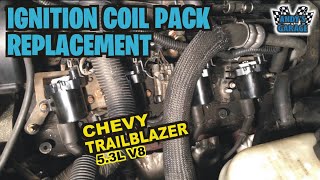
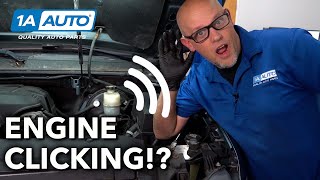
Typical fix: Replace the faulty ignition coil. 🎬 Watch: Step-by-step guide to replacing your 5.3L ignition coils. It is often recommended to replace the spark plug at the same time. Using a quality OEM or equivalent part like ACDelco is highly recommended.
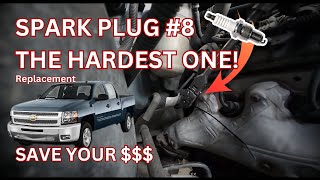
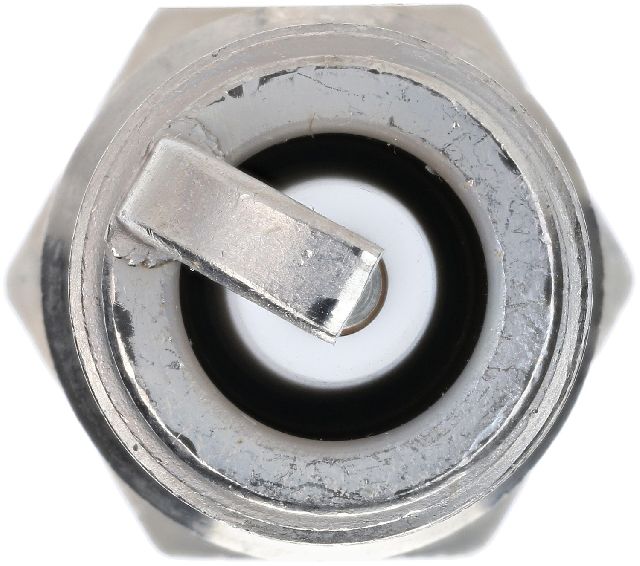
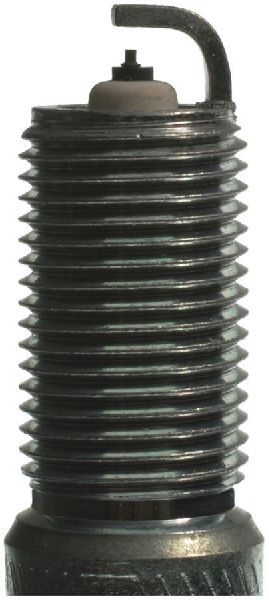
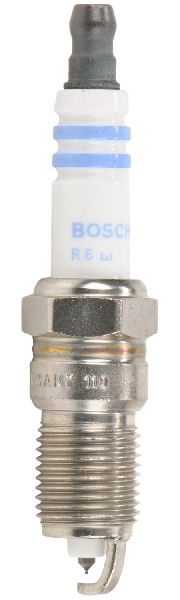
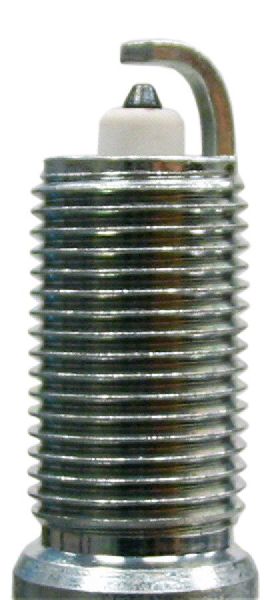
Est. part cost: $30-$70 - Worn or Fouled Spark Plug / Spark Plug Wire 🔴 High Probability → Shop Spark Plug Spark plugs and wires are regular maintenance items that wear out. The 5.3L V8 can be prone to oil consumption which can foul spark plugs. Heat and vibration can cause the wire insulation to break down, leading to a weak or intermittent spark on the hard-to-reach rear cylinders. 🎬 See this trick for making cylinder #8 spark plug replacement easy.
How to confirm: After ruling out the coil, remove the spark plug from cylinder 8. Inspect it for wear (worn electrode), fouling (black, oily, or white deposits), or damage. Check the spark plug wire for cracks, burns, or corrosion at the contact points.
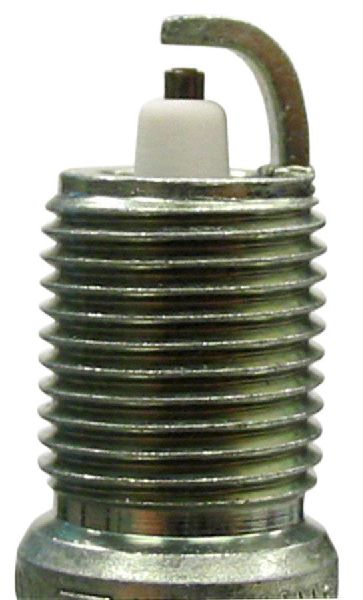
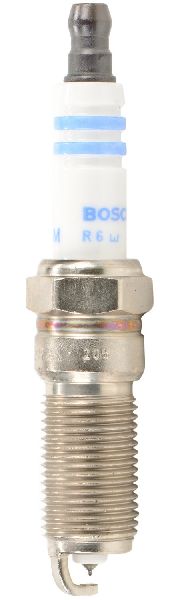
Typical fix: Replace the spark plug and/or spark plug wire. The OEM recommended spark plug is an ACDelco Iridium type (41-110 or 41-962). It's best practice to replace all plugs and wires at the same time for even performance.
Est. part cost: $10-$25 (plug), $50-$90 (wire set) - Worn Camshaft Lobe and/or Lifter 🟡 Medium Probability → Shop Engine Camshaft TSB #19-NA-219 (supercedes PIP4138P) specifically identifies worn camshaft lobes and lifters as a cause for P0300-P0308 codes on this engine family. This can be due to oiling issues, lifter roller failure, or a collapsed lifter, even on non-AFM cylinders.
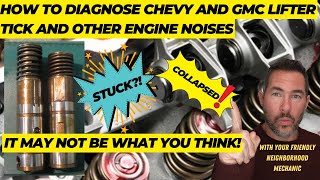
How to confirm: This is an advanced diagnosis. Listen for a characteristic engine tick, chirp, or squeak that is consistent and changes with engine speed. 🎬 Watch: How to tell if your engine tick is a lifter. If ignition and fuel issues are ruled out, a mechanic will perform a compression test on cylinder 8, which will likely show low or zero compression. The definitive test involves removing the valve cover to inspect valve train movement and may require further engine disassembly to physically inspect the camshaft and lifters.
Typical fix: Requires replacing the camshaft, all lifters (it is highly recommended to replace all 16, or at least all 8 on the affected bank), and associated gaskets. If the engine has Active Fuel Management (AFM), the VLOM (Valve Lifter Oil Manifold) may also need replacement.
Est. part cost: $500-$1500+ - Clogged or Failed Fuel Injector ⚪ Low Probability → Shop Fuel Injector
How to confirm: Use a 'noid light' to confirm the injector is receiving an electrical pulse. To confirm a clog, you can swap the cylinder 8 injector with another cylinder, similar to the coil swap test. This is more labor-intensive. A professional can perform a fuel injector balance test.
Typical fix: Replace the faulty fuel injector. It is often recommended to replace them as a full set to ensure balanced flow.
Est. part cost: $40-$90
Rare But Worth Checking
- Intake Manifold Gasket Leak: → Shop Engine Intake Manifold The intake manifold gaskets on these engines can fail, creating a vacuum leak. If the leak is isolated near the cylinder 8 runner, it can lean out the mixture enough to cause a misfire. This often throws a P0171 or P0174 code as well.
- Broken Valve Spring: Mentioned as a possible cause in TSB #19-NA-219, a broken valve spring will cause a loss of compression and a persistent misfire. It can cause a ticking noise and may be intermittent or only occur at higher RPMs. Visual inspection after removing the valve cover is required.
- Low Compression / Other Mechanical Engine Damage: Besides the camshaft/lifter issue, a bent valve, damaged piston, or worn piston rings can cause a complete loss of compression and a persistent P0308. A compression and cylinder leak-down test on cylinder 8 will confirm this.
- Faulty Powertrain Control Module (PCM): → Shop Engine Control Module (ECM) In very rare cases, the driver circuit within the PCM that controls the coil or injector for cylinder 8 can fail. This should only be considered after all other possibilities have been exhausted.
Diagnosis Steps
- Read the code with an OBD-II scanner to confirm P0308 is present and note any other codes.
- Check for a flashing check engine light. If flashing, limit driving to prevent catalytic converter damage.
- Listen for any unusual engine noises, such as a persistent, rhythmic ticking or chirping that increases with engine speed, which points to a valve train issue.
- Swap the ignition coil from cylinder 8 with another cylinder (e.g., cylinder 6). Clear the codes and see if the misfire code moves to P0306. If it does, the coil is faulty.
- If the misfire remains on cylinder 8, inspect the spark plug wire for damage and the spark plug for wear or fouling. Replace as needed with OEM-spec parts.
- If ignition components are good, test the fuel injector. Use a noid light to check for an electrical signal. Consider swapping the injector if a clog is suspected, though this is labor-intensive.
- Perform a compression test on cylinder 8. A reading that is significantly lower (e.g., >20%) than other cylinders indicates a mechanical problem.
- If a mechanical issue is suspected, diagnosis should proceed to inspecting the valvetrain (valve springs, pushrods, rocker arms, lifters, camshaft) as described in TSB #19-NA-219. This is best left to a professional.
Parts You'll Likely Need
- Ignition Coil
(OEM #12570616)— This is one of the most common failure points for a single-cylinder misfire due to heat and age. The ACDelco D585 or D510C are common, reliable replacements.
Trusted brands: ACDelco, Delphi, NGK
OEM price range: $50-$90
Aftermarket price range: $30-$70 - Spark Plug
(OEM #ACDelco 41-110 (Iridium) or 41-962 (Platinum))— Spark plugs are a routine wear item and a frequent cause of misfires. Using the correct OEM-spec Iridium plug is recommended for longevity.
Trusted brands: ACDelco, NGK
OEM price range: $10-$20
Aftermarket price range: $5-$15 - Spark Plug Wire Set
(OEM #ACDelco 9748RR (example set))— The wire connecting the coil to the plug can degrade over time, causing a weak or lost spark, especially on rear cylinders exposed to high heat.
Trusted brands: ACDelco, Delphi, NGK
Related Codes That Often Appear With This One
- P0300 — If the misfire is intermittent or other cylinders are also beginning to misfire, a P0300 (Random Misfire) code may appear alongside P0308. This is common when the cause is mechanical, like a failing camshaft.
- P0171 / P0174 — These 'system too lean' codes can appear if the misfire is caused by a vacuum leak, such as a faulty intake manifold gasket, that is introducing unmetered air into the engine.
Technical Service Bulletins (TSBs) & Recalls
- 19-NA-219: Successor to PIP4138P. Provides diagnostic advice for misfire codes (P0300-P0308) and/or engine noises. Instructs technicians to investigate worn camshaft lobes, lifters, broken valve springs, or sticking valves if common diagnostics fail.
- PIP4138P: The original bulletin noting that misfire codes P0300-P0308 can be caused by a worn camshaft lobe and/or lifter. Now superseded by 19-NA-219.
- PIP5628C: Communicates that diagnostic information may need to be gathered for GM's Technical Assistance Center (TAC) to aid in diagnosing persistent misfire codes like P0308, indicating the potential complexity of the issue.
Platform-Specific Known Issues
- Worn Camshaft Lobe / Lifter Failure: TSB #19-NA-219 (superceding PIP4138P) was issued because of a known problem where a worn camshaft lobe or lifter can cause a misfire (P0300-P0308) and/or a distinct engine 'chirp' or 'tick' noise. If basic ignition and fuel system checks do not resolve the P0308 code, this is a strong possibility and requires significant mechanical repair, even though cylinder 8 is not an AFM cylinder.
Mechanic-Grade Diagnostic Values
- Fuel Pressure (Key On, Engine Off) — expected: 50 - 55 PSI. Failure: Pressure below 50 PSI indicates a weak fuel pump or a leak in the system. Pressure that bleeds off quickly after the pump primes points to a bad check valve in the pump or a leaking injector/regulator.
- Ignition Coil Primary Resistance — expected: 0.4 - 2.0 Ohms. Failure: A reading of 0 ohms indicates a short, while an infinite (OL) reading indicates an open circuit. Any reading outside the specified range suggests a faulty coil.
- Ignition Coil Secondary Resistance — expected: 6,000 - 13,000 Ohms. Failure: A reading outside this range indicates a failure in the secondary windings of the coil.
- Fuel Injector Resistance — expected: ~12.5 Ohms. Failure: A significantly higher or lower reading, or an open/shorted reading, indicates a failed injector coil.
- Mode $06 Misfire Counter (Cylinder 8) — expected: A count at or near zero.. Failure: A significantly higher misfire count for cylinder 8 (Test ID $A9) compared to other cylinders confirms that cylinder is the source of the misfire, even if the misfire rate isn't high enough to set a code continuously.
Hidden / Shadow Codes Worth Checking
- Mode $06, Test ID $A9: This is not a traditional DTC but a specific monitor ID within the PCM's self-diagnostic data. It represents the raw misfire count for cylinder 8. A high count here, even without a persistent P0308, is a definitive sign of a problem with that cylinder. (see via Requires a professional scan tool (like a GM Tech2) or a quality consumer OBD-II scanner that can display Mode $06 data. On a Tech2, this can be viewed in the 'Misfire Graphic' or 'Misfire Data' list.)
Scan Tool Commands That Help
- GM Tech2 / Professional Scan Tool: Cylinder Power Balance Test — This bidirectional test allows the technician to manually disable the fuel injector for each cylinder one by one. If disabling cylinder 8 results in little or no change to the engine's RPM, it confirms that cylinder was not contributing power, pinpointing the fault.
- GM Tech2 / Professional Scan Tool: Crankshaft Position Variation Learn (CASE Relearn) — This procedure should be performed after replacing a crankshaft position sensor, PCM, or making major engine repairs. Failure to do so can cause the PCM to have inaccurate data on crankshaft speed variations, leading to false misfire codes like P0308.
Wiring & Ground Locations
- G103 — On the front of the passenger side (right) cylinder head.. This is a primary ground for components on the passenger side of the engine. A loose or corroded connection here can cause erratic voltage to the cylinder 8 ignition coil and fuel injector, leading to a misfire.
- G104 — On the rear of the driver's side (left) cylinder head.. This is a main engine-to-chassis ground. While less likely to affect a single cylinder, a poor connection can cause widespread electrical issues that could manifest intermittently.
- PCM Connector C1, Pin 72 — At the Powertrain Control Module (PCM), which is located near the lower left front of the engine on the 5.3L model.. This pin, with a Dark Green/White wire, is the specific Ignition Control (IC) signal from the PCM to the cylinder 8 ignition coil. Testing for a signal here can rule out a wiring or PCM driver issue.
- PCM Connector C1, Pin 36 — At the Powertrain Control Module (PCM).. This pin, with a Black/White wire, is the control signal from the PCM to the cylinder 8 fuel injector. Using a noid light here can confirm if the injector is being commanded to fire by the PCM.
Real Owner Repair Stories
- Reddit user '509VolleyballDad' (2011 Chevy Suburban 5.3L (similar engine platform)) — Persistent P0308 code.
❌ Tried (didn't work) Initial diagnosis focused on common ignition parts.
✅ What actually fixed it The root cause was a coolant leak from the heater core quick-connect fittings on the firewall. Coolant was dripping directly onto the cylinder 8 ignition coil and spark plug wire, causing an electrical short. Repairing the leak and cleaning the components resolved the P0308 code. - Tahoe Yukon Forum user (GM SUV with 5.3L V8) — P0308 code.
❌ Tried (didn't work) Contemplating ignition part replacement.
✅ What actually fixed it The owner ran two tanks of gasoline treated with Techron fuel injector cleaner. The code went away and did not return, indicating the misfire was caused by a partially clogged or dirty fuel injector on cylinder 8.
"I Checked Everything" — The Actual Cause
- A common diagnostic dead-end occurs when standard tests like an EVAP smoke test show no vacuum leaks. A documented root cause for P0308 that these tests will miss is an external fluid leak. Specifically, coolant leaking from the heater core connections on the firewall can drip onto the cylinder 8 ignition coil, causing the spark to short to ground. The ignition system appears fine on a dry inspection, but fails when contaminated with coolant.
OEM Part Supersession History
17113517, 17113536, 17113555, and others→89060420, 12574986— Updates to design and materials for the fuel pressure regulator.
Heads up: While multiple part numbers exist, it is crucial to use a regulator specified for the 2004 5.3L engine, as pressure requirements can vary.
Model Year Variations Within This Range
- 2005 only: The 2005 Envoy XUV with the 5.3L V8 (engine code LH6) was the first year to feature Active Fuel Management (AFM), also called Displacement on Demand (DOD). The 2004 model (engine code LM4) does NOT have AFM. This is a critical difference, as AFM lifter failure is a common cause of misfires on 2005+ models but is not a possible cause for the 2004 model.
- 2004 vs. 2005: The engine computer (PCM) and some sensors differ. The 2004 model uses a PCM programmed for a non-AFM engine. The 2005 model uses a unique PCM that controls both the 24x crankshaft reluctor system and the new AFM system. They are not interchangeable.
- 2004 vs. 2005: The knock sensors on the 2004 model are located under the intake manifold in the engine valley. For the 2005 model, to accommodate the AFM oil manifold (VLOM) in the valley, the knock sensors were moved to the exterior sides of the engine block.
Helpful Videos
Used OEM Parts in Stock
New Aftermarket Parts Available

The information in this article is provided for general reference and educational purposes only. Vehicle specifications, procedures, and part compatibility can vary by production date, trim level, and region. Always consult your vehicle's factory service manual and verify part numbers before purchasing or performing repairs. Safety-critical components such as airbags, seat belts, and braking systems should be installed by a qualified professional.
- Gmc ENVOY XUV:
- 🧭 Diagnostic Flowchart
- 🎬 Helpful Videos
- 🛍️ Shop This Part
- What's Unique About the 2004-2005 Gmc ENVOY XUV
- Symptoms You May Notice
- Most Likely Causes
- Rare But Worth Checking
- Diagnosis Steps
- Parts You'll Likely Need
- Related Codes That Often Appear With This One
- Technical Service Bulletins (TSBs) & Recalls
- Platform-Specific Known Issues
- Mechanic-Grade Diagnostic Values
- Hidden / Shadow Codes Worth Checking
- Scan Tool Commands That Help
- Wiring & Ground Locations
- Real Owner Repair Stories
- "I Checked Everything" — The Actual Cause
- OEM Part Supersession History
- Model Year Variations Within This Range
- 🎟️ Get 5% Off