

P0308 on 2001-2004 GMC Jimmy: The Misfire Code for a Cylinder That Doesn't Exist
The 2001-2004 GMC Jimmy has a 4.3L V6 engine, which only has six cylinders. A P0308 code, for a non-existent cylinder 8, indicates a scan tool error or a confused Powertrain Control Module (PCM). The vehicle likely has a real misfire on one of the six cylinders, and the root cause is often a bad distributor cap, rotor, spark plug wires, or spark plugs.
- P0308 is a 'phantom code' for a 2001-2004 GMC Jimmy; the V6 engine does not have a cylinder 8.
- Do not waste time or money trying to find or fix cylinder 8. The problem is elsewhere.
- The appearance of this code almost always means there is a real misfire that the computer is failing to identify correctly.
- The most likely solution is a basic but thorough ignition system tune-up: replace the distributor cap, rotor, spark plugs, and wires.
- If a tune-up doesn't solve the problem, the next most likely cause is the 'spider' fuel injection assembly under the intake manifold.
What's Unique About the 2001-2004 Gmc JIMMY
The core issue with a P0308 on this specific platform is the engine itself. The 4.3L V6 simply does not have a cylinder 8. This makes the code's appearance a diagnostic challenge. It suggests the Powertrain Control Module (PCM) is detecting a real misfire but is unable to correctly assign it to the proper cylinder (1 through 6), defaulting to an impossible value. This can be caused by a generic or poorly configured scan tool, a software glitch, or severe ignition system component failure that creates erratic signals the PCM cannot interpret, such as a worn distributor gear. The actual problem is almost certainly a random misfire (P0300) or a misfire on one of the six real cylinders (P0301-P0306).
Diagnostic Flowchart
Tap your situation to follow the diagnostic path that matches what you're seeing on this vehicle.
Symptoms You May Notice
- Flashing or solid Check Engine Light
- Rough idle or engine shaking
- Hesitation or stumbling during acceleration.
- Noticeable loss of power.
- Difficulty starting the engine
- Smell of raw fuel from the exhaust.
- Searching for a non-existent cylinder 8.
- Replacing the PCM before ruling out scan tool errors and performing a full ignition system tune-up.
- Replacing only spark plugs without also replacing the distributor cap and rotor, which are the more common failure points.
Most Likely Causes
- Faulty Scan Tool or Incorrect Configuration 🔴 High Probability Generic OBD-II scanners may misinterpret the proprietary data from the GM PCM, especially when severe misfires occur, leading to the display of a phantom code like P0308.
How to confirm: Use a different, higher-quality scan tool to read the codes. Ensure the vehicle profile selected in the scan tool is correct for a 2001-2004 GMC Jimmy with a 4.3L V6. Clear the codes, drive the vehicle until the light returns, and re-scan.
Typical fix: Use a reliable scan tool. If the code changes to a P0301-P0306, that indicates the actual misfiring cylinder. If a P0300 (Random Misfire) appears, it confirms the PCM is detecting a misfire but cannot isolate it.
Est. part cost: $0 - Worn Distributor Cap and Rotor 🔴 High Probability The distributor on the 4.3L V6 is a very common wear item. Moisture can get under the cap, causing corrosion on the terminals, and the rotor tip wears down, creating a weak or erratic spark that can confuse the PCM. Crossfire inside the cap due to wear can also cause unidentifiable misfires.
How to confirm: Remove the distributor cap and inspect the inside for white or greenish corrosion, carbon tracking (black lines between terminals), or moisture. Check the metal tip of the rotor for wear and burning.
Typical fix: Replace the distributor cap and rotor as a set. Owners and specialists strongly recommend using high-quality ACDelco parts, as this engine is sensitive to aftermarket component quality.
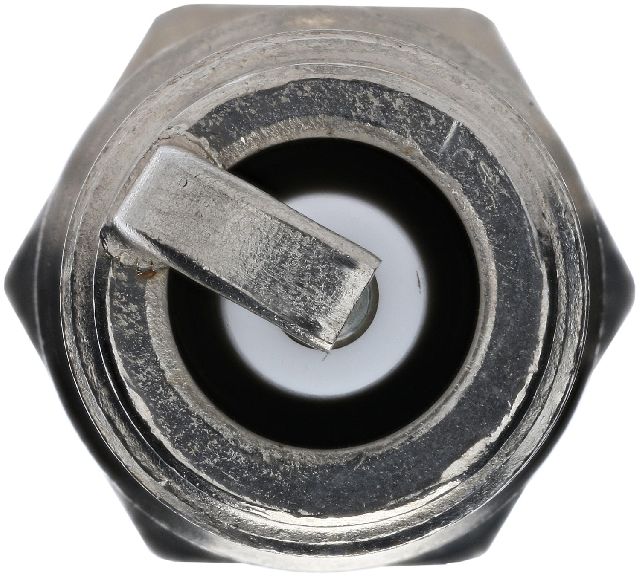
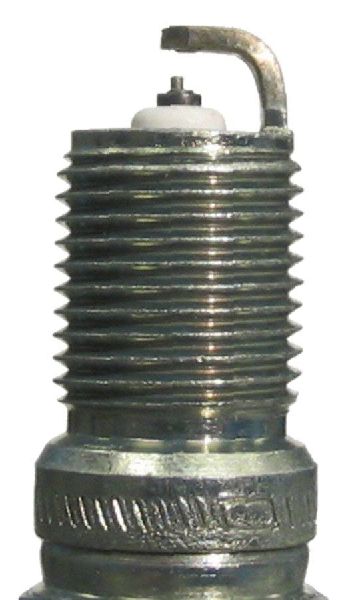
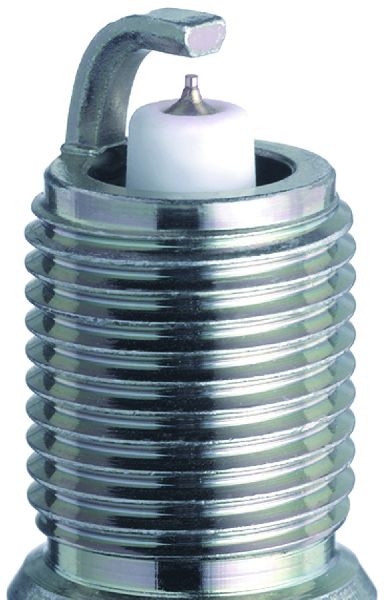
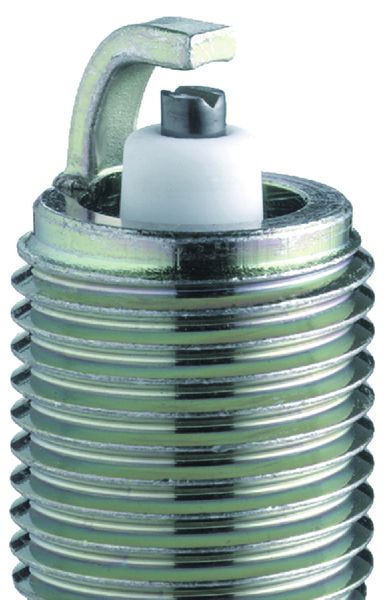
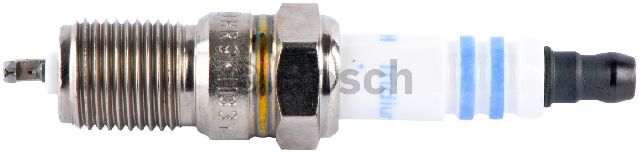
Est. part cost: $30-$80 - Failed Spark Plugs or Wires 🟡 Medium Probability → Shop Spark Plug These are standard maintenance items that wear over time. The 4.3L V6 is known to be sensitive to spark plug type; using plugs other than the recommended ACDelco platinums can sometimes cause persistent misfire issues.
How to confirm: Inspect spark plugs for wear, fouling, or incorrect gap. Check spark plug wires for visible damage, cracks, or arcing (visible as white marks or audible as a snapping sound).
Typical fix: Replace all spark plugs and spark plug wires as a set. Use ACDelco Platinum plugs for best results.
Est. part cost: $50-$120 - Failing Powertrain Control Module (PCM) ⚪ Low Probability → Shop Engine Control Module (ECM)
How to confirm: This is a last resort after all other possibilities (scan tool, ignition system, fuel system) have been exhaustively ruled out. A professional diagnosis with advanced tools is needed to confirm a faulty PCM.
Typical fix: Replace and reprogram the PCM.
Est. part cost: $300-$700
Rare But Worth Checking
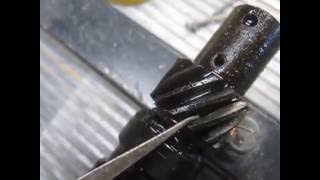
- Worn Distributor Assembly: → Shop Distributor If the distributor shaft has excessive side-to-side play, it can cause erratic timing signals from the camshaft position sensor located within the distributor. This 'timing scatter' can cause misfires that the PCM struggles to identify, sometimes resulting in a P0300 or a phantom code. In some forum cases, a worn distributor gear was the ultimate culprit for a persistent misfire. 🎬 Watch: How to identify a worn distributor gear.
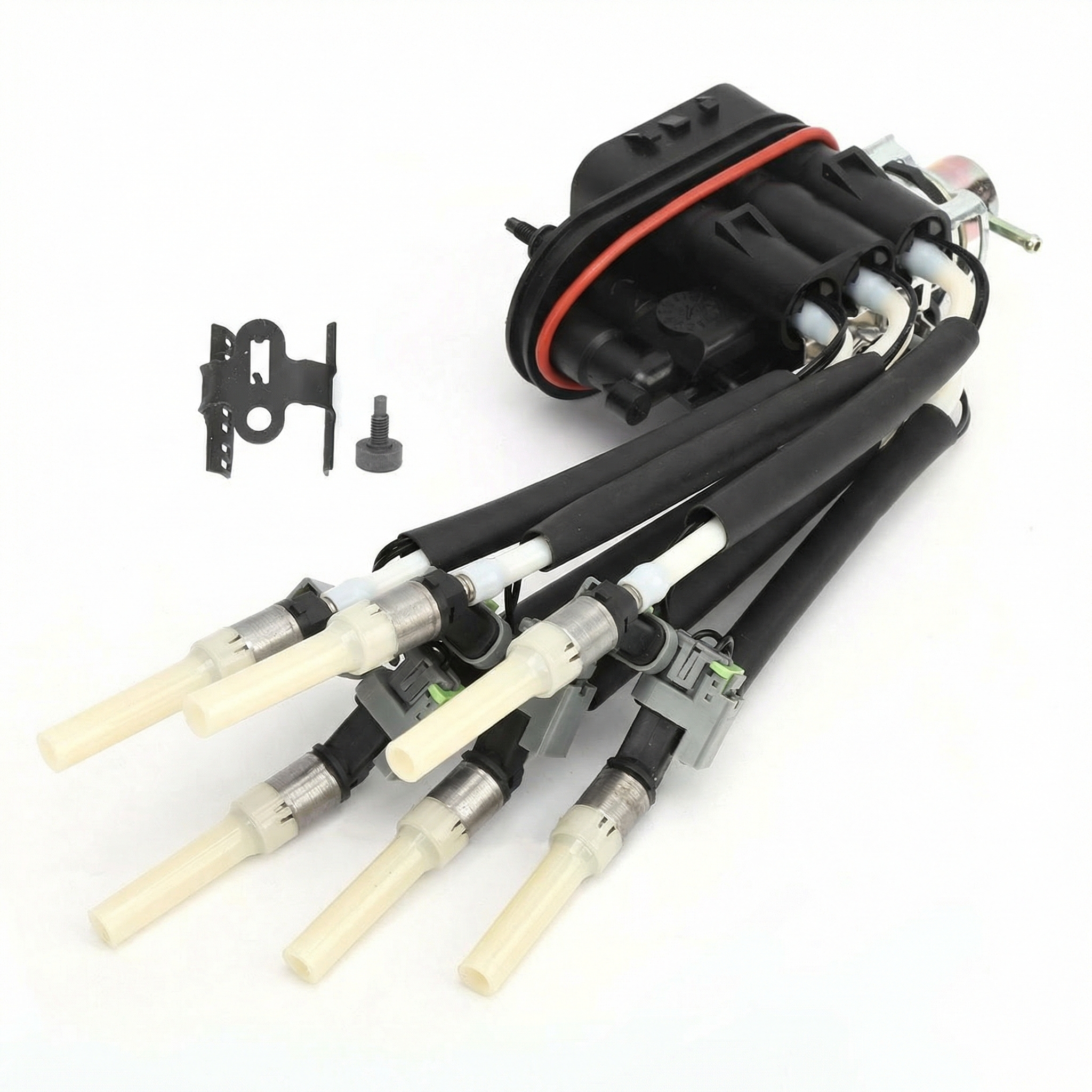
- Faulty Central 'Spider' Fuel Injection System: The 4.3L V6 uses a Central Sequential Fuel Injection (CSFI) system, often called a 'spider injector'. The original design with poppet valves is prone to sticking or leaking. A leaking fuel pressure regulator, which is integrated into the assembly, is also a common failure point. This is a more involved repair located under the upper intake manifold. 🎬 See how to replace the spider injector assembly.
- Leaking Intake Manifold Gaskets: → Shop Engine Intake Manifold A known issue on the 4.3L V6 is the failure of the lower intake manifold gaskets. This can allow coolant to leak into the cylinders, causing misfires. One owner on Blazer Forum traced a persistent misfire to this issue, which had caused exhaust valves to rust.
Diagnosis Steps
- Confirm the engine is the 4.3L V6.
- Verify the code with a second, known-good scan tool. Clear codes, drive the vehicle, and see what codes return. Note if the code changes to P0300 or a specific cylinder (P0301-P0306).
- If any misfire code returns, treat it as a real misfire and begin with a basic tune-up inspection.
- Remove and inspect the distributor cap and rotor for wear, corrosion, or carbon tracking. This is the most frequent cause of misfires on this engine.
- Inspect all spark plug wires for damage or signs of arcing.
- Remove and inspect the spark plugs for wear, fouling, and proper gap. The 4.3L V6 performs best with AC Delco platinum plugs.
- If the cap, rotor, wires, and plugs are old or worn, replace them as a set. Use quality parts (ACDelco is frequently recommended).
- If the misfire persists, check for excessive side-to-side play in the distributor shaft, which indicates a worn distributor assembly.
- If the ignition system is confirmed to be in good condition, investigate the fuel system. Check fuel pressure to test the pump and the integrated fuel pressure regulator in the spider assembly.
- As a final step, if all ignition and fuel components are confirmed good, the spider injector assembly itself or the PCM could be at fault, which may require professional diagnosis.
Parts You'll Likely Need
- Distributor Cap and Rotor Kit
(OEM #ACDelco D328A (Cap), ACDelco D465 (Rotor))— This is the most frequent failure point causing misfires on the 4.3L V6 engine due to wear and moisture intrusion. Using the OEM brand is highly recommended for reliability.
Trusted brands: ACDelco, MSD, Standard Motor Products, Duralast
OEM price range: $50-$90
Aftermarket price range: $30-$60 - Spark Plug Wires — Insulation breaks down over time, causing the spark to arc to ground instead of reaching the spark plug, leading to a misfire.
Trusted brands: ACDelco, NGK
OEM price range: $60-$100
Aftermarket price range: $40-$70 - Spark Plugs
(OEM #ACDelco 41-993 (Professional Platinum))— Electrodes wear down over time, increasing the gap and requiring more voltage than the ignition system can provide. This platform is sensitive to plug type, with many owners reporting best performance from ACDelco plugs.
Trusted brands: ACDelco, NGK
OEM price range: $5-$10 per plug
Aftermarket price range: $3-$8 per plug - Multi-Port Fuel Injector (Spider) Assembly Upgrade
(OEM #ACDelco 217-3028 (GM 19210688))— This is an upgraded design that replaces the original failure-prone poppet-valve style injectors with a more reliable Multi-Port Fuel Injection (MPFI) setup. It's a common fix for persistent, isolated misfires that aren't solved by a tune-up.
Trusted brands: ACDelco, Delphi, Standard Motor Products
OEM price range: $300-$400
Aftermarket price range: $150-$250
Related Codes That Often Appear With This One
- P0300 — This code for 'Random/Multiple Cylinder Misfire' is often logged alongside a phantom P0308. It means the PCM knows there's a misfire but is confused about the location, which is consistent with the P0308 anomaly on a V6.
Technical Service Bulletins (TSBs) & Recalls
- PIP5628G: A general GM bulletin regarding diagnostic information needed for misfire codes P0300 - P0308.
- PIP3081: Addresses P0300 misfires under load on 4.3L engines and can be caused by sticking valves.
Platform-Specific Known Issues
- The provided TSB #PIP5628G is a general GM bulletin for technicians to gather information when diagnosing misfire codes (P0300-P0308), indicating that misfire diagnosis can be complex across GM's lineup.
- Another TSB, #PIP3081, addresses P0300 misfires that occur under load (towing, uphill) on 4.3L engines and can be caused by sticking valves.
Mechanic-Grade Diagnostic Values
- Fuel Pressure (Key On, Engine Off) — expected: 54-60 PSI. Failure: Pressure below 54 PSI or pressure that bleeds off quickly after the pump shuts off indicates a weak pump or leaking regulator/injector.
- Fuel Pressure (At Idle) — expected: ~55 PSI. Failure: Pressure should remain steady. Fluctuations can indicate a failing fuel pressure regulator.
- Engine Compression — expected: 150-180 PSI per cylinder. Failure: Significantly lower readings in one or more cylinders, or large variations between cylinders, indicate internal engine problems like bad valves, rings, or head gaskets.
- Camshaft Retard (CMP Retard) PID — expected: 0° +/- 5°. Failure: A reading significantly outside this range (e.g., -19°) points to incorrect distributor installation (off by a tooth) or a severely worn distributor gear.
Hidden / Shadow Codes Worth Checking
- Misfire History Counters: Professional scan tools like the GM Tech 2 can access historical misfire data for each cylinder, which is more detailed than standard OBD-II. This can show which cylinder was misfiring intermittently even if the code is not currently active. (see via GM Tech 2, GDS2, or equivalent high-end professional scan tool.)
Scan Tool Commands That Help
- GM Tech 2 / Professional Scan Tool: Crankshaft Position System Variation Learn (CASE Relearn) — This procedure is required after replacing the crankshaft position sensor, PCM, or distributor. Failure to perform the relearn can cause the PCM to incorrectly report misfires, potentially leading to a P0300 or other phantom codes.
- GM Tech 2 / Professional Scan Tool: Cylinder Power Balance Test — This test allows the user to disable one cylinder at a time to see the corresponding drop in RPM. A cylinder that causes little or no RPM drop when disabled is the one that is misfiring. This is useful for isolating a P0300 random misfire.
- GM Tech 2 / Professional Scan Tool: View Cam Retard PID — Used to verify correct distributor installation. After stabbing the distributor, this PID should be checked and the distributor physically adjusted until the value is as close to 0° as possible.
Wiring & Ground Locations
- G104 & G110 — On a stud at the rear of the passenger side cylinder head.. These are major engine-related grounds. Corrosion or a loose connection here can cause a host of erratic sensor readings and unpredictable behavior from the PCM, potentially leading to phantom codes and misfire detection issues.
- PCM Grounds — On the back of the engine block, often on the cylinder heads.. The PCM requires a clean, solid ground reference. A poor ground can cause the PCM to misinterpret sensor data, including the crank and cam position signals essential for misfire detection, leading to codes like P0300 or the phantom P0308.
- PCM Connector C1 (Blue) & C2 (Red) — At the Powertrain Control Module (PCM), typically located in the engine bay.. When diagnosing, technicians may need to test for voltage or continuity at specific pins for the Crankshaft Position Sensor, Camshaft Position Sensor, or individual fuel injectors. For example, on a 1999-2002 truck harness, Injector 1 control is Pin 36 on the Blue C1 connector.
Real Owner Repair Stories
- Alex's Bikes and Motors on YouTube (1996 Chevrolet Blazer 4.3L V6) — P0300 Random Misfire, running very poorly.
❌ Tried (didn't work) Replaced spider injector with upgraded MPFI unit, Cleaned Mass Airflow (MAF) sensor, Cleaned EGR valve, Checked for vacuum leaks with brake cleaner, Inspected distributor gear (looked fine), Inspected rotor (looked fine, only 30k miles on it)
✅ What actually fixed it Replacing the distributor cap, even though the old one looked visually perfect with no obvious cracks or corrosion. The theory was that electricity was arcing internally inside the cap, causing crossfire that the PCM could not identify. - Reddit user in r/s10 (Chevy S-10 4.3L with 200k miles) — Persistent misfires.
❌ Tried (didn't work) Standard tune-up parts (plugs, wires, cap, rotor).
✅ What actually fixed it Replacing the entire distributor assembly because the drive gear teeth were worn as thin as razor blades. This wear introduces excessive play, causing erratic ignition timing and confusing the PCM. A quick check is to remove the cap and see if the rotor has excessive back-and-forth play. - Chevrolet Forum user (Vehicle with 4.3L V6) — Severe misfire, running very rough on startup.
❌ Tried (didn't work) Initial diagnosis pointed to an O2 sensor issue.
✅ What actually fixed it The distributor gear was worn down to the point it was causing cross-firing. This was the second time the user had experienced a misfire fixed by addressing the distributor gear.
"I Checked Everything" — The Actual Cause
- A smoke test for vacuum leaks may appear clean (no visible smoke from gaskets), but smoke may appear from the oil dipstick tube. This can be normal if an intake valve is open, allowing smoke to pass the piston rings into the crankcase. It does not automatically mean there is a major internal engine problem or a bad intake gasket leaking into the lifter valley.
OEM Part Supersession History
GM 12568332 (and others)→ACDelco 217-3028 (also GM 89060439)— The original Central Sequential Fuel Injection (CSFI) 'spider' assembly used poppet valves that were prone to sticking and leaking. The updated part is a true Multi-Port Fuel Injection (MPFI) design with small electronic injectors at the end of the tubes, offering significantly better reliability and performance.
Model Year Variations Within This Range
- 2001: Vehicles from 1996-2001 were originally equipped with the less reliable poppet-valve 'spider' injector (CSFI). While a 2001 model is at the end of this range, it's crucial to identify if it has the old system. If persistent misfires aren't solved by ignition components, upgrading to the MPFI spider (ACDelco 217-3028) is a very common and effective repair.
- 2002-2004: These model years came from the factory with the improved MPFI 'spider' injector design. While still a potential failure point, it is much less common than on earlier models. Diagnosis for misfires on these later years should more heavily scrutinize the distributor assembly (cap, rotor, and gear wear) before suspecting the injector unit.
Helpful Videos

Used OEM Parts in Stock
New Aftermarket Parts Available


The information in this article is provided for general reference and educational purposes only. Vehicle specifications, procedures, and part compatibility can vary by production date, trim level, and region. Always consult your vehicle's factory service manual and verify part numbers before purchasing or performing repairs. Safety-critical components such as airbags, seat belts, and braking systems should be installed by a qualified professional.
- Gmc JIMMY:
- 🧭 Diagnostic Flowchart
- 🎬 Helpful Videos
- 🛍️ Shop This Part
- What's Unique About the 2001-2004 Gmc JIMMY
- Symptoms You May Notice
- Most Likely Causes
- Rare But Worth Checking
- Diagnosis Steps
- Parts You'll Likely Need
- Related Codes That Often Appear With This One
- Technical Service Bulletins (TSBs) & Recalls
- Platform-Specific Known Issues
- Mechanic-Grade Diagnostic Values
- Hidden / Shadow Codes Worth Checking
- Scan Tool Commands That Help
- Wiring & Ground Locations
- Real Owner Repair Stories
- "I Checked Everything" — The Actual Cause
- OEM Part Supersession History
- Model Year Variations Within This Range
- 🎟️ Get 5% Off