

P0308 on 1999-2003 GMC Savana: Cylinder 8 Misfire Causes & Fixes
A P0308 code on a GMC Savana indicates a misfire in cylinder 8. The most common causes are a bad spark plug, spark plug wire, or ignition coil. On 2003 models with LS-based engines, a faulty coil is a frequent culprit, while older models may have distributor cap issues. Accessing cylinder 8 is difficult and may require working through the passenger wheel well. Expect to pay $10-$50 for plugs and wires, or $30-$80 for a new coil.
- P0308 specifically points to a misfire in cylinder 8, which is the last cylinder on the passenger side of the engine.
- Start your diagnosis with the cheapest and most common parts: the spark plug and spark plug wire for cylinder 8.
- For 2003 models, swapping the ignition coil is a key diagnostic step. For 1999-2002 models, inspect the distributor cap.
- Do not ignore a flashing check engine light, as this signals a severe misfire that can quickly destroy your catalytic converter.
- Be aware of the TSB regarding potential camshaft/lifter wear if simple fixes don't resolve the code.
What's Unique About the 1999-2003 Gmc SAVANA
The 1999-2003 GMC Savana spans a major powertrain transition. Models from 1999-2002 typically use the older Vortec V8s (5.0L, 5.7L) with a distributor, while 2003 models introduced the newer, distributor-less LS-based engines (4.8L, 5.3L, 6.0L). This changes the ignition system diagnosis significantly. Additionally, GM has issued a Technical Service Bulletin (TSB #PIP4138R) for these vans, noting that persistent misfire codes can be caused by a worn camshaft lobe or lifter, a more serious mechanical issue that may present with a ticking or chirping noise.
Diagnostic Flowchart
Tap your situation to follow the diagnostic path that matches what you're seeing on this vehicle.
Generation note: While the van body is part of the same generation (GMT600), the V8 engines changed significantly. 1999-2002 models use the first-generation Vortec engines with a distributor and a single coil. 2003 models use the Gen III LS-based engines, which feature a coil-on-plug ignition system (one coil for each cylinder). Diagnostic steps for ignition issues will differ based on the engine type.
Symptoms You May Notice
- Rough or shaking idle.
- Hesitation or stumbling during acceleration.
- Noticeable loss of engine power.
- Flashing Check Engine Light (indicates an active, severe misfire that can damage the catalytic converter).
- Solid Check Engine Light.
- Smell of unburned fuel from the exhaust.
- Engine may be hard to start.
- Replacing the oxygen sensor. While a misfire can affect O2 sensor readings, the sensor itself is rarely the cause of a single-cylinder misfire code.
- Replacing the fuel pump. A weak fuel pump would typically cause random misfires on multiple cylinders (P0300) or affect an entire engine bank, not just cylinder 8.
Most Likely Causes
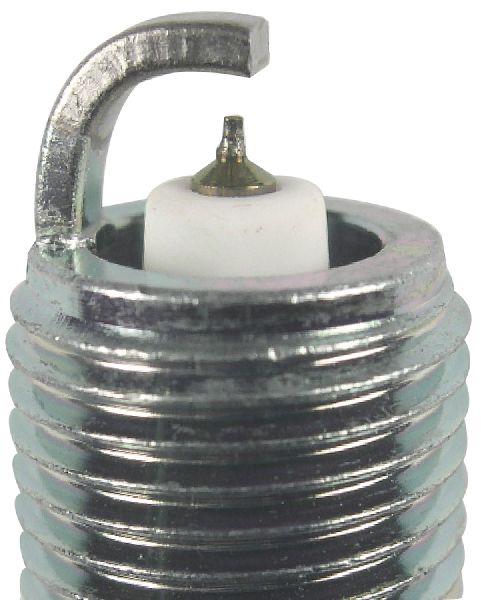
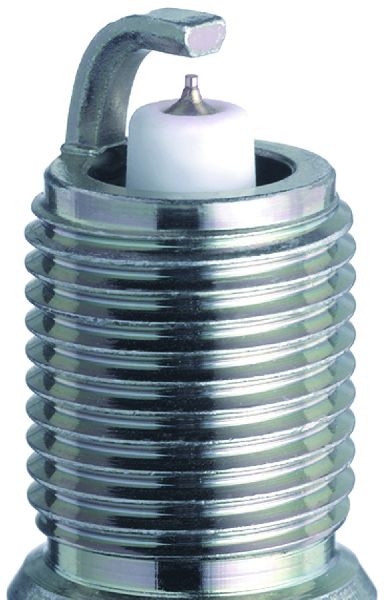
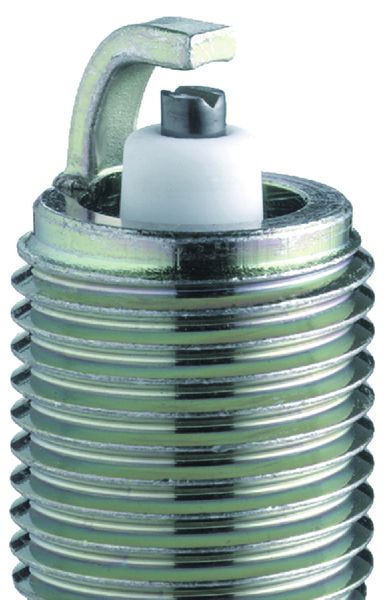
- Worn Spark Plug 🔴 High Probability → Shop Spark Plug Spark plugs are a regular maintenance item. Cylinder 8 is very difficult to access, leading to it being skipped during tune-ups. The plug can become worn or fouled with oil or carbon, preventing a strong spark.
How to confirm: Remove the spark plug from cylinder 8 and inspect it for wear (eroded electrode), fouling (black, wet, or white deposits), or physical damage. Compare it to a new plug.
Typical fix: Replace the spark plug. It is highly recommended to replace all 8 plugs at the same time for even performance and to avoid future misfires.
Est. part cost: $5-$15 per plug - Faulty Spark Plug Wire 🔴 High Probability → Shop Spark Plug Heat and age cause the insulation on spark plug wires to break down, leading to a weak or arcing spark. The wire for cylinder 8 is long and routed in a hot, tight area of the engine bay, making it susceptible to damage.
How to confirm: Inspect the wire for cracks, burns, or corrosion on the terminals. You can test its resistance with a multimeter (should be within spec, typically a few thousand ohms per foot). A simple diagnostic test is to swap the wire with an adjacent cylinder's wire (if length permits) and see if the misfire code follows.
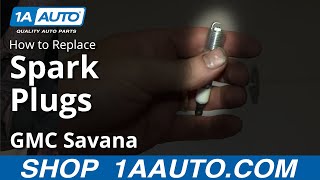
Typical fix: Replace the spark plug wire. It's best practice to replace the full set with a quality brand 🎬 Watch: Step-by-step spark plug and wire replacement for 1999-2002 models. like ACDelco or Delphi.
Est. part cost: $40-$100 for a set - Bad Ignition Coil or Distributor Component 🟡 Medium Probability → Shop Ignition Coil On 2003 models with LS engines, individual ignition coils can fail due to heat and vibration. On 1999-2002 models, the distributor cap and rotor are common wear items. Moisture can get inside the cap, causing corrosion on the terminals (especially aluminum ones), leading to misfires.
How to confirm: For 2003 models, swap the cylinder 8 ignition coil with another cylinder (e.g., cylinder 6). Clear the codes and see if the misfire moves to the new cylinder (P0306). For 1999-2002 models, remove the distributor cap and inspect the inside terminal for cylinder 8. Look for white or green corrosion, carbon tracking (black lines), or physical damage. Owners recommend using caps with brass terminals for better longevity.
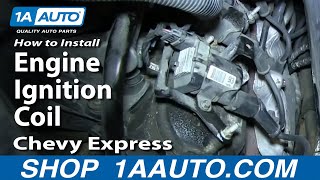
Typical fix: Replace the faulty ignition coil (2003) 🎬 See how to replace an ignition coil on 2003 Savana vans. or the distributor cap and rotor (1999-2002). Always replace the cap and rotor as a set.
Est. part cost: $30-$80 for a coil; $30-$60 for cap and rotor - Clogged or Defective Fuel Injector 🟡 Medium Probability → Shop Fuel Injector On Vortec engines, the poppet-style injectors can stick or clog. On all engines, cylinder 8 is often the last injector on the fuel rail, making it susceptible to accumulating debris from the fuel system over time.
How to confirm: Listen to the injector with a mechanic's stethoscope; you should hear a consistent clicking. You can also perform a resistance test with a multimeter. The most definitive test is to swap the cylinder 8 injector with another cylinder's injector and see if the misfire code moves.
Typical fix: First, try running a high-quality fuel system cleaner (like Seafoam, as mentioned in forums) through the gas tank. If that fails, replace the fuel injector for cylinder 8.
Est. part cost: $50-$150
Rare But Worth Checking
- Intake Manifold Gasket Leak: → Shop Engine Intake Manifold The intake manifold gaskets on these V8 engines are known to fail, causing coolant or oil leaks. A vacuum leak can also occur, and if the leak is isolated near the intake runner for cylinder 8, it can lean out the air/fuel mixture for that cylinder only, causing a P0308.
- Worn Camshaft Lobe / Lifter: → Shop Engine Camshaft As cited in TSB #PIP4138R, if standard diagnostics don't resolve the misfire, a worn camshaft lobe or a collapsed lifter could be the cause. This prevents the valves for cylinder 8 from opening and closing properly. This is a significant mechanical repair often accompanied by a persistent ticking or chirping sound from the engine.
- Low Engine Compression: A mechanical issue like a worn piston ring, a bad valve, or a leaking head gasket can cause low compression in cylinder 8, leading to a misfire. A compression test is needed to diagnose this. A reading significantly lower than the other cylinders (e.g., below 100-120 PSI or more than 15-20% variance) points to a mechanical problem.
Diagnosis Steps
- Confirm the code P0308 is present using an OBD-II scanner. Check for any other codes like P0300 or P1345.
- Identify cylinder 8. On GM V8s, it is the rear-most cylinder on the passenger side.
- Perform a visual inspection. Look for obvious damage to the spark plug wire, vacuum hoses, or wiring harnesses near cylinder 8.
- Test the easiest components first. On 2003 models, swap the cylinder 8 ignition coil with cylinder 6. Clear the codes and run the engine. If the code changes to P0306, the coil is bad.
- On 1999-2002 models, inspect the distributor cap and rotor. Remove the cap and look for corrosion (especially white/green powder on the terminals), moisture, or carbon tracks. It is recommended to replace cap and rotor together.
- Remove and inspect the spark plug from cylinder 8. Look for excessive wear, oil fouling, or damage. Even if it looks okay, consider replacing it due to the difficulty of access.
- Inspect the spark plug wire for cylinder 8 for any visible damage, burns, or loose connections at the plug and distributor/coil.
- Check the fuel injector. Listen for a steady clicking sound with a stethoscope. If possible, swap the injector with another cylinder to see if the misfire moves.
- If ignition and fuel checks pass, investigate vacuum leaks. Spray short bursts of brake cleaner around the intake manifold gasket near cylinder 8. If the engine RPM changes, you have found a leak.
- Perform a compression test on cylinder 8 to rule out mechanical engine problems. Compare the reading to an adjacent cylinder. A significant difference points to an internal engine issue.
- If all else fails and especially if a ticking noise is present, refer to TSB #PIP4138R and investigate for potential camshaft or lifter issues, which may require a professional mechanic.
Parts You'll Likely Need
- Spark Plug
(OEM #ACDelco 41-962 (for 5.7L Vortec), ACDelco 41-110 (for 5.3L LS))🎬 Watch this walkthrough for replacing spark plugs on 5.3L and 6.0L engines. — This is the most common failure point and a routine maintenance item. Access is difficult, so it's often neglected.
Trusted brands: ACDelco, NGK
OEM price range: $8-$15
Aftermarket price range: $5-$10 - Ignition Coil (2003 models)
(OEM #ACDelco D585 (Round style) or D581 (Square style) - check visual match)— The individual coil for cylinder 8 can fail from heat and vibration.
Trusted brands: ACDelco, Delphi
OEM price range: $40-$80
Aftermarket price range: $25-$50
Related Codes That Often Appear With This One
- P0300 — If the condition causing the P0308 is intermittent or beginning to affect other cylinders (e.g., a failing distributor cap, clogged fuel system, or major vacuum leak), a P0300 (Random/Multiple Cylinder Misfire) code may also be stored.
- P1345 — On 1999-2002 Vortec engines, if you see a P1345 (Crankshaft/Camshaft Position Correlation) along with a misfire code, it almost always indicates the entire distributor needs to be replaced or re-timed, as the camshaft position sensor is inside it. Simply replacing the cap and rotor will not fix a P1345.
Technical Service Bulletins (TSBs) & Recalls
- Addresses engine misfire codes (P0300-P0308) that are not resolved by typical ignition or fuel system diagnostics. It points to a worn camshaft lobe or a collapsed/stuck lifter as a potential cause. Symptoms can include a consistent chirp, squeak, or tick noise. The TSB advises careful inspection of the cam lobes through the lifter bores, but notes the camshaft may need to be physically removed to confirm damage.
- A procedural bulletin for technicians, indicating what specific data to collect and provide to the GM Technical Assistance Center (TAC) when diagnosing persistent misfires (P0300-P0308), suggesting these codes can sometimes be difficult to resolve through standard procedures.
Platform-Specific Known Issues
- Difficult Access to Cylinder 8: Cylinder 8, located at the rear of the engine on the passenger side, is notoriously difficult to access in the confined engine bay of the Savana/Express vans. The engine 'doghouse' cover must be removed from inside the van. Even then, reaching the spark plug, wire, and coil (on LS engines) is challenging. Many owners and mechanics access the cylinder from underneath the vehicle or by removing the passenger side front wheel and peeling back the fender liner for a more direct path. Special tools like long needle-nose pliers for the plug wire boot, and a combination of swivels and short extensions for the spark plug, are often required.
Mechanic-Grade Diagnostic Values
- Fuel Pressure (1999-2002 5.0L/5.7L Vortec) — expected: 60-66 PSI with Key On, Engine Off (KOEO).. Failure: Pressure below 60 PSI indicates a weak pump or leak. Pressure that drops quickly after the pump primes indicates a leaking fuel pressure regulator or injector.
- Fuel Pressure (2003 4.8L/5.3L/6.0L LS-based) — expected: 55-62 PSI.. Failure: Pressure below this range suggests a failing fuel pump or clogged filter.
- Ignition Coil Resistance (2003 LS-based 'D585' Round Coil) — expected: Primary: ~0.4 to 2.0 ohms. Secondary: ~6,000 to 10,000 ohms (6k-10k Ω).. Failure: A reading of infinity (OL) on either winding indicates an open circuit and a bad coil. A reading significantly outside the expected range also indicates a faulty coil.
- Scan Tool Live Data: Fuel Trims — expected: Short-term (STFT) and long-term (LTFT) fuel trims should be close to 0%, typically within +/- 10%.. Failure: High positive fuel trims on one bank can indicate a vacuum leak affecting that side of the engine, including the intake runner for cylinder 8.
Hidden / Shadow Codes Worth Checking
- Misfire Current/History Counters: This is not a separate DTC, but a live data parameter available on professional scan tools like the GM Tech 2. It shows the exact number of misfire events detected by the PCM for each individual cylinder in the current drive cycle and in history. It can confirm a misfire on cylinder 8 is occurring even if it's not frequent enough to keep the Check Engine Light on. (see via GM Tech 2 or equivalent professional-grade scan tool under the 'Misfire Data' or 'Engine Data' menu.)
Scan Tool Commands That Help
- GM Tech 2 / GDS2: Fuel Injector Balance Test — This is a definitive test for a suspected faulty fuel injector. The tool commands the PCM to fire each injector for a precise duration while a fuel pressure gauge is attached. The technician measures the pressure drop for each cylinder. If the pressure drop for cylinder 8 is more than 3 PSI different from the average of the other cylinders, the injector is likely clogged or failing.
- GM Tech 2 / GDS2: Cylinder Power Balance — Used to identify a weak cylinder while the engine is running. The tool disables one fuel injector at a time and monitors the change in engine RPM. If disabling cylinder 8 causes little or no change in RPM compared to other cylinders, it confirms that cylinder 8 was not contributing power, pointing to a problem with fuel, spark, or compression in that cylinder.
Wiring & Ground Locations
- G102 (2003 LS Engines) — Located at the left rear of the engine.. This is the primary ground point for all eight ignition coils. A loose or corroded connection here can cause a weak spark on multiple cylinders, including cylinder 8, leading to intermittent misfires.
- G103 — Located on the rear of the left-hand (driver's side) engine cylinder head.. This is a critical engine control ground. A poor connection at G103 can cause various erratic sensor readings and drivability issues, including false misfire detection. TSBs for other issues on these vans specifically call out checking the integrity of this ground.
- PCM Connector C1, Pin 10 (2003 LS Engines) — The Blue connector on the Powertrain Control Module (PCM).. This pin sends the trigger signal to the cylinder 8 ignition coil. The wire is typically Dark Green/White. A technician can test this pin for a signal to determine if the PCM is commanding the coil to fire, helping to isolate a wiring or PCM driver issue.
- PCM Connector C1, Pin 33 (2003 LS Engines) — The Blue connector on the Powertrain Control Module (PCM).. This pin controls the cylinder 8 fuel injector. The wire is typically Light Blue/Black. Testing for a pulse signal at this pin can confirm if the PCM is commanding the injector to open.
- PCM Connector Red, Pin 13 (1999-2002 Vortec) — The Red connector on the Powertrain Control Module (PCM).. This pin sends the control signal for the cylinder 8 fuel injector via the central injection spider. The wire is typically Black/White. A fault in this circuit could disable the injector for cylinder 8.
Real Owner Repair Stories
- Reddit user in r/s10 (GM truck with high mileage Vortec engine (similar to 1999-2002 Savana)) — Persistent, difficult-to-diagnose misfires, sometimes at idle.
❌ Tried (didn't work) Replacing spark plugs, Replacing ignition coil, Replacing distributor cap and rotor
✅ What actually fixed it The distributor drive gear, which is driven by the camshaft, was severely worn. The teeth had become sharp like razor blades, introducing excessive play in the distributor shaft. This caused erratic ignition timing that led to the misfire. Replacing the entire distributor assembly resolved the issue.
OEM Part Supersession History
ACDelco D585 / GM 10457730→GM 19005218, 12573190, Delphi GN10119— Standard part evolution and manufacturer changes.
Heads up: These part numbers refer to the 'round' or 'Delphi' style coil used on many 2003+ LS engines. It is visually distinct from the earlier 'square' or 'Mitsu' style coils. Ensure a visual match when replacing.
Model Year Variations Within This Range
- 1999-2002: These models use a Vortec engine with a distributor for ignition and a Central Sequential Fuel Injection (CSFI) 'spider' injector assembly. The fuel pressure regulator is located inside the intake manifold, making it a labor-intensive repair (4-6 hours).
- 2003: This model year uses the newer LS-based engine with a distributor-less, coil-on-plug ignition system and individual port fuel injectors. The fuel pressure regulator is located on the fuel rail and is much easier to access and replace (under 1 hour).
Helpful Videos
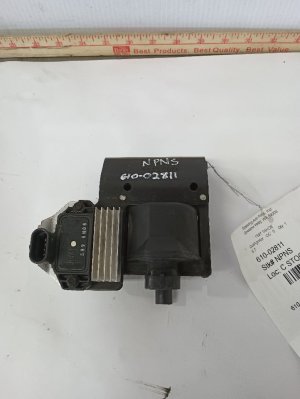
Used OEM Parts in Stock
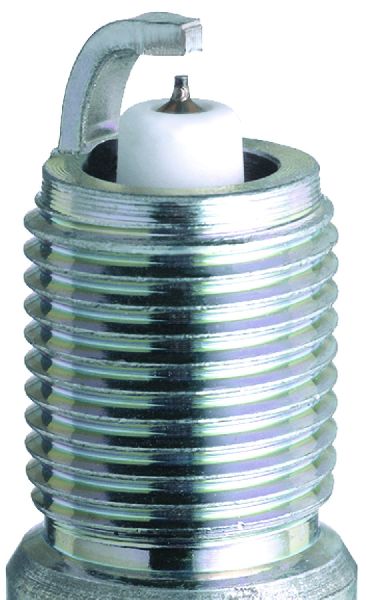
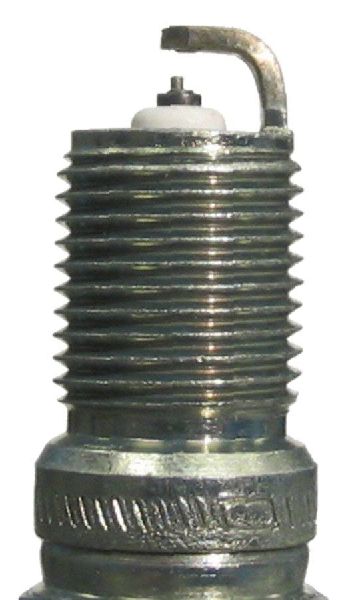
New Aftermarket Parts Available

The information in this article is provided for general reference and educational purposes only. Vehicle specifications, procedures, and part compatibility can vary by production date, trim level, and region. Always consult your vehicle's factory service manual and verify part numbers before purchasing or performing repairs. Safety-critical components such as airbags, seat belts, and braking systems should be installed by a qualified professional.
- Gmc SAVANA:
- 🧭 Diagnostic Flowchart
- 🎬 Helpful Videos
- 🛍️ Shop This Part
- What's Unique About the 1999-2003 Gmc SAVANA
- Symptoms You May Notice
- Most Likely Causes
- Rare But Worth Checking
- Diagnosis Steps
- Parts You'll Likely Need
- Related Codes That Often Appear With This One
- Technical Service Bulletins (TSBs) & Recalls
- Platform-Specific Known Issues
- Mechanic-Grade Diagnostic Values
- Hidden / Shadow Codes Worth Checking
- Scan Tool Commands That Help
- Wiring & Ground Locations
- Real Owner Repair Stories
- OEM Part Supersession History
- Model Year Variations Within This Range
- 🎟️ Get 5% Off