

P0308 on 2009-2013 GMC Sierra: Cylinder 8 Misfire Causes and Fixes
P0308 indicates a misfire on cylinder 8. While the cause can be a simple spark plug or ignition coil, these trucks are known for Active Fuel Management (AFM) lifter failures, which is a major mechanical repair. Always check ignition parts first, but be aware of the potential for a more serious internal engine issue, often accompanied by a distinct ticking noise.
- P0308 is a misfire on cylinder 8 (rear passenger side).
- Always diagnose the simple causes first: swap the ignition coil and inspect the spark plug for cylinder 8.
- Be aware that a persistent P0308 code, especially with an engine ticking noise, strongly points to a failed AFM lifter and potential camshaft damage, a known issue on these trucks.
- Do not drive if the Check Engine Light is flashing, as you risk destroying your catalytic converter, a very expensive repair.
- Due to the high likelihood of a major mechanical failure, professional diagnosis is recommended if basic ignition and fuel system checks do not resolve the issue.
What's Unique About the 2009-2013 Gmc SIERRA
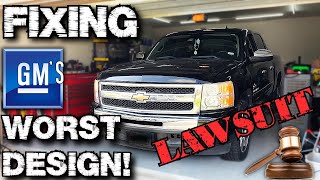
The V8 engines in this generation of GMC Sierra (part of the GMT900 platform) are known for issues with the Active Fuel Management (AFM) system. This system deactivates cylinders (1, 7, 4, and 6) to improve fuel economy, but the specialized lifters it uses are a common failure point. A collapsed or stuck AFM lifter is a frequent and serious cause for misfire codes, often leading to camshaft damage. This turns a simple misfire diagnosis into a potential major engine repair, a fact supported by multiple GM Technical Service Bulletins, including the frequently cited #PIP4138L and its successor, #19-NA-219.
Diagnostic Flowchart
Tap your situation to follow the diagnostic path that matches what you're seeing on this vehicle.
Symptoms You May Notice
- Rough or shaking idle
- Engine hesitation or stumbling during acceleration
- Noticeable loss of power
- Solid or flashing Check Engine Light
- Ticking, chirping, or squeaking noise from the engine, especially when warm
- "Service Stabilitrak" or "Service Traction Control" messages appearing on the dash simultaneously with the misfire
- Replacing only the spark plug when a failed AFM lifter is the true cause. This wastes time and money as the misfire will persist and engine damage can worsen.
- Assuming a ticking noise is normal 'Vortec tick' when it is actually the sound of a failing lifter destroying the camshaft.
Most Likely Causes
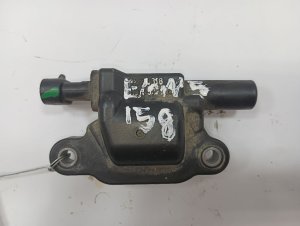
- Faulty Ignition Coil 🔴 High Probability → Shop Ignition Coil Heat in the engine bay, especially near the rearmost cylinder (Cylinder 8), can contribute to premature failure of ignition components. Coolant leaks from nearby heater hoses can also drip onto the coil, causing failure.
How to confirm: Swap the ignition coil from cylinder 8 with another cylinder (e.g., cylinder 6). Clear the codes and drive. If the code changes to P0306, the coil is faulty.
Typical fix: Replace the failed ignition coil. 🎬 Watch: How to swap and change your ignition coils. Many owners choose to replace all 8 coils and spark plugs at the same time for preventative maintenance.
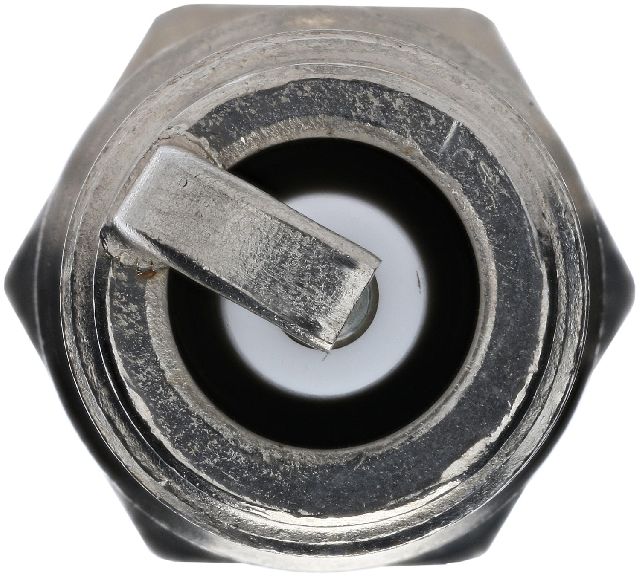
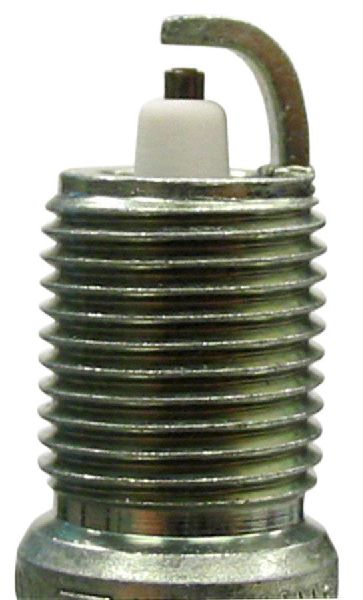
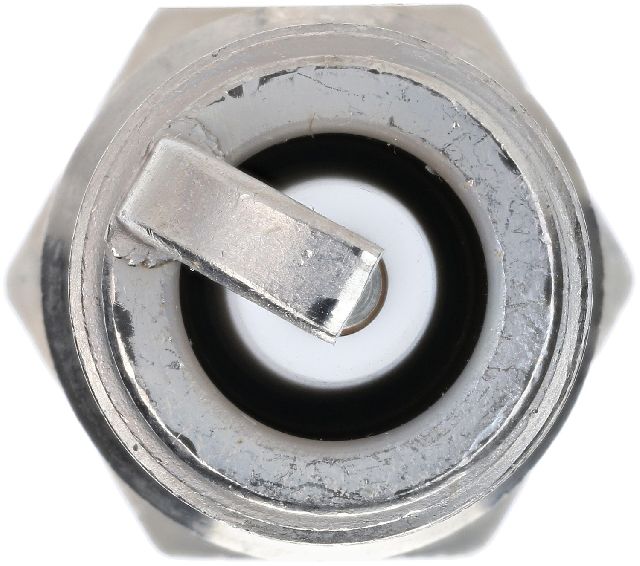
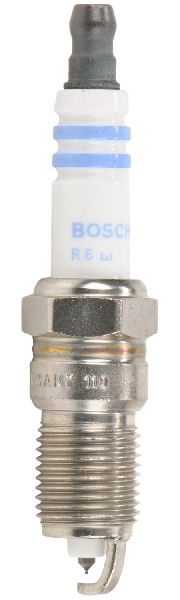
Est. part cost: $30-$70 - Worn or Fouled Spark Plug / Bad Spark Plug Wire 🔴 High Probability → Shop Spark Plug TSB #PIP5159C specifically notes that loose spark plug wires can cause misfires on these trucks. Cylinder 8's rear location makes it susceptible to heat and potential coolant drips that can damage the wire.
How to confirm: Remove the spark plug from cylinder 8 and inspect it for wear, carbon fouling, oil, or damage. Check the spark plug wire for cracks, corrosion, or a loose connection at both the coil and the plug.
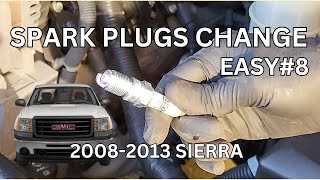
Typical fix: Replace the spark plug and/or wire. It is best practice to replace all spark plugs at the same time. 🎬 See this easy DIY guide for replacing all 8 spark plugs.
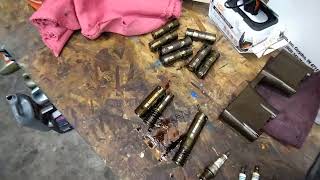
Est. part cost: $10-$25 - Failed AFM Lifter and/or Worn Camshaft 🟡 Medium Probability → Shop Engine Valve Lifter This is a well-documented weak point in GM's V8 engines with Active Fuel Management (AFM). The lifters can collapse, get stuck, or have their internal locking pins fail, leading to a misfire and subsequent damage to the camshaft lobe.
How to confirm: After ruling out ignition and fuel issues, a distinct ticking noise is a strong indicator. A compression test may show low compression on cylinder 8. A definitive diagnosis often requires removing the valve cover to check for lack of movement in the rocker arms or using a borescope to inspect the camshaft lobe through the lifter bore before committing to a full teardown.
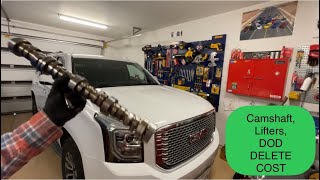
Typical fix: Requires replacing all AFM lifters (and often the standard lifters as well), the camshaft, and related gaskets. Many owners also install an AFM-delete kit to prevent future failures. This is a labor-intensive repair. 🎬 Watch: Breakdown of repair costs for camshaft and lifter replacement.
Est. part cost: $500-$1500 - Clogged or Faulty Fuel Injector ⚪ Low Probability → Shop Fuel Injector
How to confirm: Listen to the injector with a mechanic's stethoscope for a consistent clicking sound. You can also swap the injector with another cylinder to see if the misfire code follows it, though this is more labor-intensive than swapping a coil.
Typical fix: Replace the faulty fuel injector.
Est. part cost: $50-$120
Rare But Worth Checking
- Intake Manifold Gasket Leak: → Shop Engine Intake Manifold A vacuum leak near the cylinder 8 intake runner can lean out the air/fuel mixture enough to cause a misfire.
- Low Engine Compression: Caused by issues like worn piston rings or a problem with the cylinder head valves, separate from a lifter failure. A compression test is required for diagnosis.
- Broken Valve Spring: A broken valve spring can prevent the valve from closing properly, causing a loss of compression and a misfire. This is mentioned as a possible cause in GM service bulletin #19-NA-219 and can sometimes be found alongside a bent pushrod.
- Coolant Leak onto Cylinder 8 Components: A known issue on some GMT900 trucks is a leak from the heater core quick-connect hoses at the firewall. Dripping coolant can land directly on the cylinder 8 ignition coil and spark plug wire, causing them to short out and fail.
Diagnosis Steps
- Read the trouble codes with an OBD-II scanner to confirm P0308 and check for any other codes like P0300.
- Note if the Check Engine Light is flashing, which indicates a severe misfire requiring you to stop driving to prevent catalytic converter damage.
- Swap the ignition coil from cylinder 8 with another cylinder (e.g., cylinder 6). Clear the codes, run the engine, and see if the misfire moves to the new cylinder (P0306). If it does, the ignition coil is bad.
- If the misfire stays on cylinder 8, inspect the spark plug wire for looseness, corrosion, or damage. Then, remove and inspect the spark plug for wear or fouling. Replace if necessary.
- If ignition components are good, listen to the fuel injector on cylinder 8 for a steady clicking sound. Compare the sound to a known good cylinder.
- Listen carefully for any ticking, tapping, or chirping noises from the engine. A consistent noise at half engine speed is a strong indicator of a valvetrain problem (lifter/cam).
- If the misfire persists and a noise is present, suspect an internal engine issue. Perform a compression test on cylinder 8 and compare it to an adjacent cylinder.
- If compression is low, a professional should investigate further. This may involve removing the valve cover to visually inspect for a bent pushrod or a rocker arm that isn't moving, which points to a collapsed lifter.
- For definitive diagnosis of a worn camshaft without full teardown, a technician may use a borescope through the lifter bore to inspect the cam lobe surface for scoring or wear, as recommended in TSBs like #PIP4138L.
Parts You'll Likely Need
- Ignition Coil
(OEM #12699383)— A common failure item that directly causes a single-cylinder misfire. It's one of the first and easiest parts to check.
Trusted brands: ACDelco, Delphi, NGK
OEM price range: $50-$80
Aftermarket price range: $30-$60 - Spark Plug
(OEM #41-110 or 41-162 (Iridium))— Spark plugs are a routine maintenance item and a worn or fouled plug is a primary cause of misfires.
Trusted brands: ACDelco, NGK
OEM price range: $10-$20
Aftermarket price range: $5-$15 - AFM Lifter Kit
(OEM #12648846 (Set of 4 AFM lifters), 12698946 (Individual AFM Lifter))— This is the most common major mechanical failure causing a P0308 on this platform. A failed lifter must be replaced, and it's highly recommended to replace the camshaft at the same time.
Trusted brands: ACDelco, Melling
OEM price range: $400-$800
Aftermarket price range: $250-$500 - Camshaft
(OEM #12689035 (Example for 5.3L))— A failed lifter often damages the corresponding lobe on the camshaft, requiring replacement of both components for a complete repair.
Trusted brands: ACDelco, Melling, Texas Speed & Performance
OEM price range: $300-$500
Aftermarket price range: $200-$400
Related Codes That Often Appear With This One
- P0300 — If the underlying cause, like a failing AFM system or fuel pressure issue, begins to affect other cylinders, a P0300 (Random/Multiple Cylinder Misfire) code may appear alongside P0308.
- P050D — Cold Start Rough Idle. This code is sometimes seen with misfire codes and can be related to fuel injectors or other cold-start air/fuel mixture problems.
Technical Service Bulletins (TSBs) & Recalls
- Bulletin #PIP4138L: The original, widely-known bulletin that instructs technicians to check for a worn camshaft lobe and/or lifter for P0300-P0308 codes if standard diagnostics do not isolate the cause.
- Bulletin #19-NA-219: A successor to PIP4138L, this TSB provides a detailed diagnostic tree for engine noises (tick, chirp, squeak) and misfires, listing worn cam/lifters, sticking valves, and broken valve springs as potential causes.
- Bulletin #15-06-01-002 (series F, M, etc.): This TSB specifically addresses engine misfires (P0300) and tick noises caused by mechanically collapsed or stuck AFM lifters, providing correction procedures.
- Bulletin #PIP5159C: Addresses misfire codes that can be caused by something as simple as a loose spark plug wire, reminding technicians to check the basics first.
Platform-Specific Known Issues
- Active Fuel Management (AFM) Lifter Failure: The most significant issue for these trucks. The specialized lifters used to deactivate cylinders can collapse or become stuck, causing a misfire. This is directly referenced in GM Technical Service Bulletin #PIP4138L and its successors (#19-NA-219, #15-06-01-002 series) as a cause for P030x codes when other diagnostics fail.
Mechanic-Grade Diagnostic Values
- Ignition Coil Primary Resistance — expected: 0.4 to 2.0 ohms. Failure: A reading outside this range indicates a faulty primary winding.
- Ignition Coil Secondary Resistance — expected: 6,000 to 10,000 ohms. Failure: A reading outside this range indicates a faulty secondary winding.
- Fuel Injector Resistance (5.3L) — expected: 11 to 14 ohms at room temperature. Failure: A significantly lower or higher reading indicates a failed injector. One real-world test showed a bad injector reading 4.61 Ohms compared to a good one at 14.35 Ohms.
- Cylinder Compression — expected: 120 to 150 PSI (healthy cylinder). Failure: Readings significantly below this range suggest internal engine wear, such as on piston rings or valves.
Hidden / Shadow Codes Worth Checking
- Mode $06 Misfire Counter: This is not a DTC but a data parameter accessible via advanced scan tools. It shows raw misfire counts for each cylinder, even if they haven't reached the threshold to trigger a P030x code. It's invaluable for confirming an intermittent misfire on cylinder 8. (see via Advanced OBD-II Scan Tool or GM GDS2/Tech2 software. Look for 'Misfire History' or 'Misfire Graphic' data PIDs.)
Scan Tool Commands That Help
- GM GDS2/Tech2: Misfire History / Misfire Graphic — Use this to view current and historical misfire counts for each cylinder. It helps determine if the misfire on cylinder 8 is consistent or intermittent and if other cylinders are starting to misfire under specific conditions.
- GM GDS2: Cylinder Power Balance Test — This active test helps identify which cylinder is contributing less power, confirming the misfire is on cylinder 8.
- GM GDS2/Tech2: Fuel Injector Balance Test — This command can be used to test if the fuel injector on cylinder 8 is flowing correctly compared to the others, helping to diagnose a clogged or faulty injector without removing it.
Wiring & Ground Locations
- G102 — Located at the left rear of the engine.. This is the specific ground point for all 8 ignition coils. A loose or corroded connection here can cause a weak or intermittent spark on any cylinder, including cylinder 8.
- G103 — Located at the right rear of the engine block on gas engines.. This is a primary engine block ground. A poor connection here can cause a variety of sensor and module issues, including problems with the Engine Control Module (ECM) which is responsible for detecting the misfire.
- Cylinder 8 Ignition Coil Connector — Rearmost ignition coil on the passenger side of the engine.. This connector provides power and signal to the coil. The common pin should show 12V with the key on, engine off. Testing voltage and signal here is a key step in diagnosing a no-spark condition.
Real Owner Repair Stories
- YouTube user comment on a Ram 1500 P0308 video, but the failure is identical to GM AFM issues. (2006 Ram 1500 with 245,000 miles (symptoms and failure mode are directly analogous to the GM 5.3L AFM issue)) — P0308 misfire code and a loud ticking noise.
❌ Tried (didn't work) Changing the spark plug on cylinder 8., Swapping ignition coils between cylinders.
✅ What actually fixed it The owner removed the valve cover and found the rocker arm for cylinder 8 had completely fallen off because the underlying lifter had failed and collapsed. The final repair was to replace the failed lifter and re-install the rocker arm.
OEM Part Supersession History
12648846 (Individual AFM Lifter)→12698945— Part number update by GM. Functionality remains the same.12611424, 12570616 (Ignition Coil)→12699382— Part consolidation and design updates by GM/ACDelco.
Model Year Variations Within This Range
- 2010-onward (approx.): GM introduced a redesigned Valve Lifter Oil Manifold (VLOM) which included a small screen/filter. Later, a deflector shield was added under the pressure sensor to prevent oil aeration. While intended to improve AFM reliability, failures can still occur. Early 2009 models may not have these revisions.
Helpful Videos

Used OEM Parts in Stock
New Aftermarket Parts Available

The information in this article is provided for general reference and educational purposes only. Vehicle specifications, procedures, and part compatibility can vary by production date, trim level, and region. Always consult your vehicle's factory service manual and verify part numbers before purchasing or performing repairs. Safety-critical components such as airbags, seat belts, and braking systems should be installed by a qualified professional.
- Gmc SIERRA:
- 🧭 Diagnostic Flowchart
- 🎬 Helpful Videos
- 🛍️ Shop This Part
- What's Unique About the 2009-2013 Gmc SIERRA
- Symptoms You May Notice
- Most Likely Causes
- Rare But Worth Checking
- Diagnosis Steps
- Parts You'll Likely Need
- Related Codes That Often Appear With This One
- Technical Service Bulletins (TSBs) & Recalls
- Platform-Specific Known Issues
- Mechanic-Grade Diagnostic Values
- Hidden / Shadow Codes Worth Checking
- Scan Tool Commands That Help
- Wiring & Ground Locations
- Real Owner Repair Stories
- OEM Part Supersession History
- Model Year Variations Within This Range
- 🎟️ Get 5% Off