

P0308 on 2014-2017 GMC Sierra: Cylinder 8 Misfire Causes and Fixes
P0308 on your 2014-2017 Sierra V8 means a misfire in cylinder 8. It's often a bad spark plug, wire, or ignition coil. However, on these trucks, it can also be the first sign of a failing Active Fuel Management (AFM) lifter, which is a known issue and a more serious, expensive repair.
- P0308 on a 2014-2017 GMC Sierra is a misfire in cylinder 8 (passenger side, rear).
- Always start diagnosis with the simple, inexpensive parts: check the spark plug wire connection, then swap the ignition coil and spark plug with another cylinder to see if the misfire moves.
- Be aware that a persistent P0308 code, especially with a ticking noise, strongly points to a failed AFM lifter, a common and expensive problem on these V8 engines.
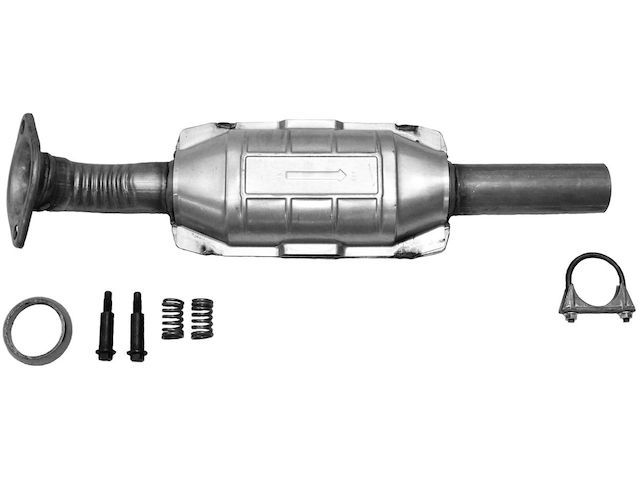
- A flashing check engine light is a critical warning to stop driving immediately to prevent expensive damage to the catalytic converter.
What's Unique About the 2014-2017 Gmc SIERRA
The V8 engines (5.3L L83 and 6.2L L86) in this generation of GMC Sierra are equipped with Active Fuel Management (AFM), which deactivates cylinders to save fuel. This system is a well-documented weak point, and the specialized valve lifters associated with it are prone to failure. A P0308 code on these trucks is frequently a symptom of a collapsed or stuck AFM lifter, turning what would be a simple ignition problem on other vehicles into a potential major mechanical repair. This is confirmed in multiple GM Technical Service Bulletins, including TSB #19-NA-219, which superseded earlier versions and directly addresses misfires caused by collapsed lifters and worn camshafts.
Diagnostic Flowchart
Tap your situation to follow the diagnostic path that matches what you're seeing on this vehicle.
Symptoms You May Notice
- Rough or shaking idle
- Engine hesitation or stumbling during acceleration
- Noticeable loss of power
- Solid or flashing Check Engine Light
- Engine ticking, chirping, or squeaking noise, especially on cold start (indicative of lifter failure).
- Smell of unburned fuel from the exhaust.
- Replacing only the spark plug when a faulty AFM lifter is the true cause, leading to the code returning shortly after.
- Replacing the catalytic converter for related codes (like P0430) without first fixing the P0308 misfire, which will destroy the new converter.
Most Likely Causes
- Loose or Faulty Spark Plug Wire 🔴 High Probability → Shop Spark Plug Manufacturer TSB #PIP5159C specifically calls out loose spark plug wires as a cause for misfires (P0300-P0308). The bulletin notes this is sometimes due to a missing 'C' clip inside the wire boot that connects to the ignition coil, preventing a secure connection.
How to confirm: Visually inspect the spark plug wire for cylinder 8. Ensure it is securely clicked onto both the spark plug and the ignition coil. Firmly pull and push on the boot at the coil to feel for the 'click' of the clip engaging.
Typical fix: Reseat or replace the spark plug wire. It is often recommended to replace the full set.
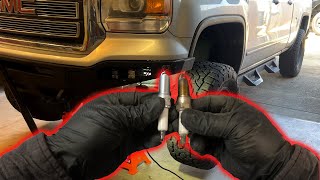
Est. part cost: $50-$100 - Worn or Fouled Spark Plug 🔴 High Probability → Shop Spark Plug Oil consumption related to the AFM system can cause spark plugs to foul prematurely. Cylinder 8 is also in a difficult-to-access location at the rear passenger side, meaning it can be overlooked 🎬 Watch: How to reach and replace the difficult cylinder 8 spark plug. during routine maintenance.
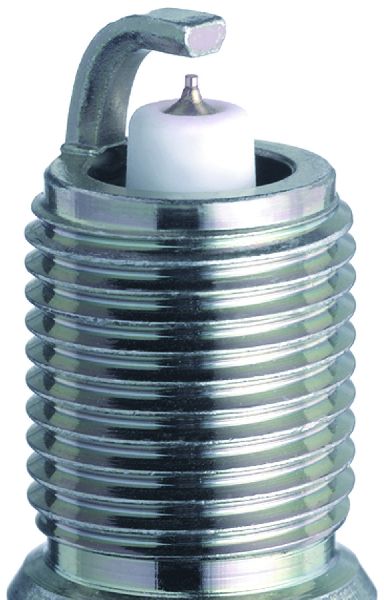
How to confirm: Remove the spark plug from cylinder 8 and inspect it for wear (eroded electrode), carbon buildup, or oil fouling. To confirm, you can swap it with a plug from another cylinder (e.g., cylinder 6) and see if the misfire code changes to P0306.
Typical fix: Replace the spark plug. It is best practice to replace all 8 spark plugs at the same time with the recommended ACDelco Iridium plugs.
Est. part cost: $8-$25 per plug - Failed Ignition Coil 🟡 Medium Probability → Shop Ignition Coil Cylinder 8 is in a rear, high-heat area of the engine bay, which can contribute to premature failure of electronic components like ignition coils. There are two coil designs for this generation (square vs. round), so physical confirmation is needed before ordering a replacement.
How to confirm: Swap the ignition coil from cylinder 8 with another cylinder (e.g., cylinder 6). Clear the codes and drive the vehicle. If the code changes to P0306, the coil is faulty.
Typical fix: Replace the failed ignition coil.
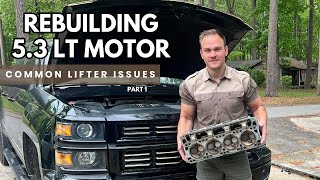
Est. part cost: $40-$90 - Failed AFM/DFM Lifter 🟡 Medium Probability → Shop Engine Valve Lifter This is a widely documented failure point on GM's 5.3L and 6.2L engines with Active Fuel Management. TSB #19-NA-219 directly links P0300-P0308 codes to collapsed AFM lifters. The failure prevents the valve from opening correctly, causing a persistent misfire.
How to confirm: This is a complex diagnosis. It often presents with a persistent ticking or chirping noise from the valve cover area. A professional diagnosis is needed, which involves removing the valve cover to inspect for bent pushrods or lack of valve movement and may require a compression test.
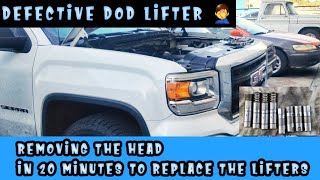
Typical fix: Requires replacement of all lifters and guides on the affected bank of cylinders. The camshaft must also be inspected for damage from the failed lifter roller and replaced if any scoring is found. Many owners opt for an 'AFM delete kit' which replaces the problematic components with standard lifters. 🎬 See this walkthrough on removing heads to access and replace failed lifters.
Est. part cost: $400-$1500 - Faulty Fuel Injector ⚪ Low Probability → Shop Fuel Injector
How to confirm: Listen for a consistent clicking sound from the injector using a mechanic's stethoscope. You can also test the injector's resistance with a multimeter or swap it with another cylinder's injector to see if the misfire follows. A scan tool can perform an injector balance test.
Typical fix: Replace the faulty fuel injector. Some owners report success using a high-quality fuel system cleaner like Techron for intermittent issues. GM also has a special coverage program (N182202781) for injectors on some 2016-2017 models.
Est. part cost: $50-$120
Rare But Worth Checking
- Worn Camshaft Lobe: → Shop Engine Camshaft This is almost always a direct result of a failed lifter roller. TSB #19-NA-219 confirms this as a cause for P0300-P0308 codes. If a lifter has failed, the camshaft must be inspected for damage.
- Low Cylinder Compression: Caused by internal engine issues like a broken valve spring, worn piston rings, or a bad head gasket. TSB #19-NA-219 also lists broken valve springs as a potential cause to investigate. A compression test is required to diagnose this.
- Coolant Leak onto Ignition Components: Some owners report coolant from plastic heater core quick-connect fittings on the firewall dripping directly onto the cylinder 8 coil and wire, causing corrosion and failure. A Reddit user with a 2014 Sierra experienced a P0308 and a related injector circuit code (P124F) due to corrosion from this exact type of leak.
Diagnosis Steps
- Use an OBD-II scanner to confirm P0308 and check for any other codes. Note if the Check Engine Light is flashing.
- Visually inspect the spark plug wire for cylinder 8 (passenger side, rearmost). Ensure it's securely connected at the coil and plug. Per TSB #PIP5159C, check for damage or a missing 'C' clip on the wire's coil end.
- Swap the ignition coil from cylinder 8 with another cylinder (e.g., cylinder 6). Clear the codes, run the engine, and see if the misfire code moves to P0306. If it does, the coil is bad.
- If the misfire remains on cylinder 8, swap the spark plug from cylinder 8 with another cylinder. If the misfire moves, the spark plug is bad. Inspect the old plug for signs of oil or carbon fouling.
- If ignition components are good, check the fuel injector. Listen for a steady clicking with a stethoscope. Check the wiring harness for damage, paying close attention to the area below the heater core fittings on the firewall for signs of coolant contamination.
- Listen for a distinct ticking, chirping, or squeaking noise from the engine. If this noise is present, especially with a persistent misfire, suspect a mechanical issue like a failed AFM lifter or worn camshaft, as indicated by TSB #19-NA-219.
- At this point, a professional diagnosis is recommended. This will likely involve a cylinder compression test and a leak-down test to rule out valve sealing or piston ring issues. If compression is good, the final step is removing the valve cover for physical inspection of the lifters, pushrods, and valve springs.
Parts You'll Likely Need
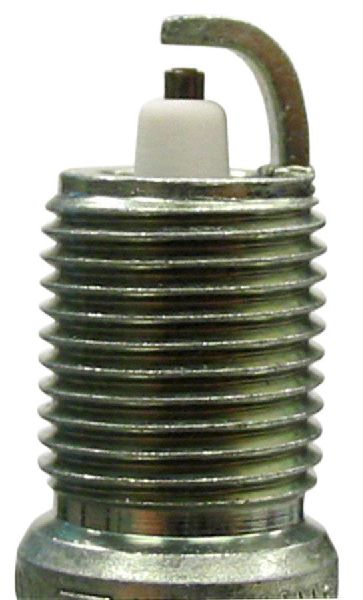
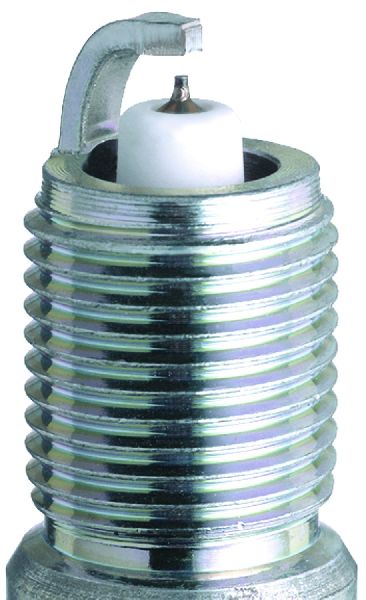
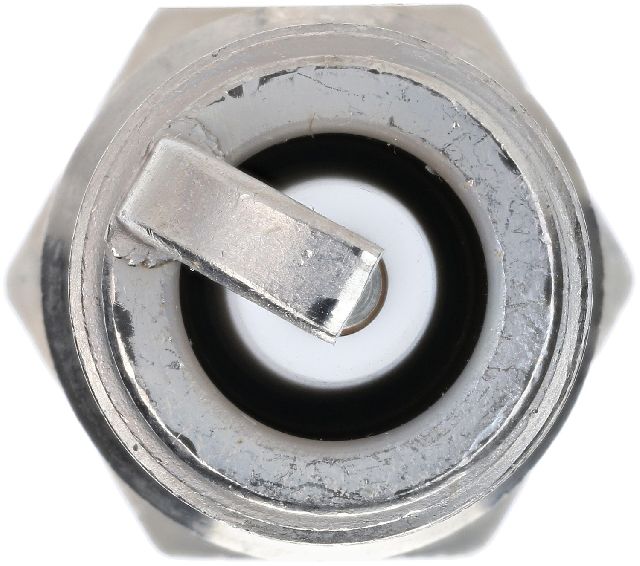
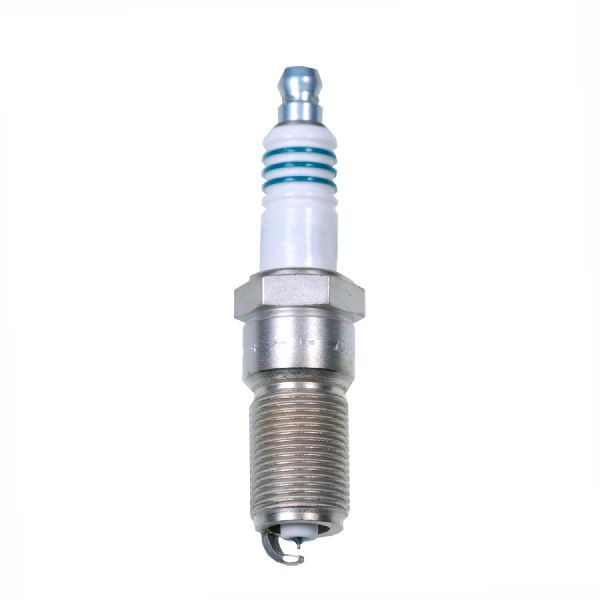
- Spark Plug
(OEM #12622441)
Related Codes That Often Appear With This One
- P0300 — A P0300 (Random/Multiple Cylinder Misfire) may appear with P0308 if the misfire is severe enough to affect the crankshaft's rotation in a way that the PCM cannot isolate it to a single cylinder, or if other cylinders are beginning to misfire as well.
- P050D — TSB #PIP5628 mentions that P050D (Cold Start Rough Idle) can occur along with misfire codes P0300-P0308, suggesting a related underlying issue that may require advanced diagnostics, often related to fuel injectors or mechanical problems.
- P124F — This code for 'Injector 8 Positive Voltage Control Circuit Shorted to Control Circuit' can appear with P0308 if there is an electrical issue with the injector or its wiring. This can be caused by corrosion from an external source, such as a coolant leak from the heater core fittings dripping onto the harness.
Technical Service Bulletins (TSBs) & Recalls
- PIP5628: Communicates a complex diagnostic path when misfire codes P0300-P0308 appear with a P050D (Cold Start Rough Idle).
- PIP5159C: Points to loose spark plug wires, possibly from a missing 'C' clip, as a cause for P0300-P0308 misfire codes.
- PIP4138R (superseded by 19-NA-219): Advises technicians to check for a worn camshaft lobe and/or lifter if a P0300-P0308 misfire cannot be solved with standard diagnostics.
Platform-Specific Known Issues
- AFM Lifter Failure: The most significant issue for this platform. The Active Fuel Management system lifters can become stuck or collapse, causing a persistent misfire and ticking noise. This is a major repair that often requires camshaft replacement as well.
- Loose Spark Plug Wires: TSB #PIP5159C highlights that misfires can be caused by spark plug wires becoming loose, sometimes due to a missing 'C' clip on the coil connection.
Mechanic-Grade Diagnostic Values
- Ignition Coil Primary Resistance — expected: 0.4 - 2.0 ohms. Failure: A reading outside this range, though a coil swap is a more reliable test due to the low resistance value.
- Ignition Coil Secondary Resistance — expected: 6,000 - 10,000 ohms (6-10 kΩ). Failure: A reading significantly higher or lower than the expected range indicates a faulty coil.
- Fuel Injector Resistance (High Impedance) — expected: 12 - 15 ohms. Failure: A reading outside this range, or a significant deviation between injectors, points to a faulty injector.
- Low-Side Fuel Pressure (at idle) — expected: 50 - 75 PSI. Failure: Pressure dropping below 40 PSI, especially under load, indicates a weak in-tank fuel pump (lift pump).
- High-Side Fuel Pressure (Direct Injection) — expected: 500 - 2900 PSI (Varies with engine load). Failure: Inability to reach target pressure commanded by the ECM, often logged as a separate fuel pressure code.
Hidden / Shadow Codes Worth Checking
- Mode $06 Misfire Counters: This is not a DTC but a function within a professional scan tool. It displays raw misfire counts for each cylinder, even for misfires not yet severe enough to set a P0308 code. It's invaluable for diagnosing intermittent misfires. (see via Advanced OBD-II Scan Tool or GM GDS2 software. Look for 'Misfire Current Counters' or 'Misfire History Counters'.)
Scan Tool Commands That Help
- GDS2 (GM Dealer Software): Cylinder Power Balance — Used to identify a weak cylinder. The tool deactivates each cylinder one by one and measures the RPM drop. A cylinder with a smaller RPM drop is not contributing as much power, helping to confirm the misfire location without swapping parts.
- GDS2 (GM Dealer Software): Fuel Injector Balance Test — This function commands each injector to fire for a specific duration while monitoring fuel rail pressure drop. An injector that causes a smaller or larger pressure drop than the others is faulty. This is a definitive test for a bad injector.
- GDS2 (GM Dealer Software): AFM Cylinder Deactivation Command — A technician can command the engine into V4 mode while observing misfire data. If the P0308 misfire only appears or worsens when AFM is active, it strongly points to a failure in the AFM lifter or its control solenoid for that cylinder.
Wiring & Ground Locations
- G104 / G114 — Rear of the passenger-side cylinder head.. This is a primary engine-to-chassis ground point located very close to cylinder 8. A loose, corroded, or oil-soaked connection here can cause erratic voltage for the cylinder 8 ignition coil and fuel injector, leading to a misfire that is difficult to diagnose.
- G103 — Front of the passenger-side cylinder head.. Another critical engine ground. While less likely to be the sole cause for a single cylinder misfire, ensuring all engine grounds are clean and tight is a crucial step in diagnosing any electrical fault, including a persistent P0308.
- Heater Core Hose Connectors — On the firewall, passenger side, above the rear of the engine.. The plastic quick-connect fittings for the heater hoses are known to develop slow leaks. Due to their location, coolant can drip directly onto the cylinder 8 ignition coil and its wiring harness, causing corrosion, short circuits, and codes P0308 and P124F.
Real Owner Repair Stories
- silveradosierra.com forum user (2014 GMC Sierra) — Persistent P0308 misfire.
❌ Tried (didn't work) Replacing spark plug, Replacing ignition coil, Replacing fuel injector
✅ What actually fixed it The owner discovered a slow coolant leak from the plastic heater hose connector on the firewall. The coolant was dripping onto the cylinder 8 ignition coil connector, causing corrosion. Replacing the faulty heater hose assembly and cleaning the electrical connector resolved the misfire. - gm-trucks.com forum user (2016 Sierra 5.3L) — P0308 code accompanied by a distinct engine ticking noise.
❌ Tried (didn't work) Spark plug replacement, Ignition coil swap
✅ What actually fixed it A diagnostic shop confirmed a collapsed AFM lifter on cylinder 8. The final repair involved installing an AFM delete kit, which included a new non-AFM camshaft, standard lifters, and a new valley cover, along with an ECU tune to disable the AFM system. The user reported the issue was completely resolved after the major repair.
OEM Part Supersession History
Various, including HL-7011 (Elgin aftermarket)→HL-7025 (Elgin aftermarket), newer GM revisions— Improved design to increase durability and prevent internal collapse, which is a primary cause of AFM-related misfires.
Heads up: Newer DFM (Dynamic Fuel Management) lifters are generally backward-compatible with older AFM systems, but original AFM lifters cannot be used in newer DFM engines.
Model Year Variations Within This Range
- 2016-2017: GM issued Special Coverage Program N182202781 for high-pressure fuel injectors on some 2016-2017 models. If a P0308 is diagnosed as a faulty injector on an eligible vehicle, the repair may be covered by the manufacturer even outside the standard warranty.
- 2014: The 2014 model year was the first for the K2XX platform and the Gen V EcoTec3 engines. As the introductory year, it may have unique calibrations or early production parts that were revised in later years.
Helpful Videos
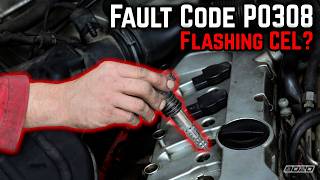
We Have This Part in Stock

The information in this article is provided for general reference and educational purposes only. Vehicle specifications, procedures, and part compatibility can vary by production date, trim level, and region. Always consult your vehicle's factory service manual and verify part numbers before purchasing or performing repairs. Safety-critical components such as airbags, seat belts, and braking systems should be installed by a qualified professional.
- Gmc SIERRA:
- 🧭 Diagnostic Flowchart
- 🎬 Helpful Videos
- 🛍️ Shop This Part
- What's Unique About the 2014-2017 Gmc SIERRA
- Symptoms You May Notice
- Most Likely Causes
- Rare But Worth Checking
- Diagnosis Steps
- Parts You'll Likely Need
- Related Codes That Often Appear With This One
- Technical Service Bulletins (TSBs) & Recalls
- Platform-Specific Known Issues
- Mechanic-Grade Diagnostic Values
- Hidden / Shadow Codes Worth Checking
- Scan Tool Commands That Help
- Wiring & Ground Locations
- Real Owner Repair Stories
- OEM Part Supersession History
- Model Year Variations Within This Range
- 🎟️ Get 5% Off