

P0308 on 2008-2010 GMC Sierra 2500 6.0L: Cylinder 8 Misfire Causes and Fixes
P0308 means cylinder 8 is misfiring. On the 6.0L V8 Sierra 2500, this is often a bad spark plug, wire, or ignition coil. However, be aware of GM Technical Service Bulletins that point to more serious issues like worn camshafts or lifters if the simple fixes don't work. A coolant leak from the heater hoses onto the #8 coil is also a known, specific cause.
- P0308 is a misfire on cylinder 8, the rearmost cylinder on the passenger side.
- Always start diagnosis with the cheapest and easiest parts: check for loose spark plug wires, then swap the ignition coil with another cylinder to see if the code follows.
- Do NOT drive if the Check Engine Light is flashing, as you can quickly cause expensive damage to your catalytic converter.
- Be aware that GM has issued service bulletins for this engine that link this code to serious mechanical issues like a worn camshaft or failed lifter, especially if you hear a ticking noise.
What's Unique About the 2008-2010 Gmc SIERRA 2500
The 2008-2010 GMC Sierra 2500 with the 6.0L V8 (RPO code LY6) is a workhorse, but it's not immune to specific issues causing a P0308 code. While simple ignition faults are common, this platform is covered by GM Technical Service Bulletins (TSBs) that warn of more severe mechanical problems. Specifically, TSBs #PIP4138P and its successor #19-NA-219 point to worn camshaft lobes and lifter failures as a potential root cause for persistent misfires that don't resolve with new plugs or coils. This is a known issue in this GM engine family and can present with a ticking, chirping, or squeaking noise. Additionally, the location of cylinder 8 makes its components susceptible to coolant damage from leaking heater hose quick-connect fittings on the firewall.
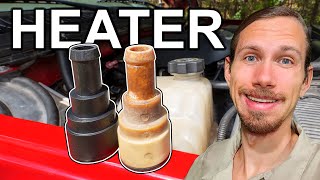
🎬 Watch: How to fix those leaking heater hose fittings.Diagnostic Flowchart
Tap your situation to follow the diagnostic path that matches what you're seeing on this vehicle.
Symptoms You May Notice
- Rough or uneven idle
- Shaking or vibrating, especially when stopped
- Hesitation or stumbling during acceleration
- Noticeable loss of engine power
- Check Engine Light is on and may be flashing
- Reduced fuel economy
- A ticking, chirping, or squeaking noise from the engine
- Smell of raw fuel from the exhaust
- Replacing all ignition coils and plugs without performing a swap test first. A simple coil swap can isolate the bad component and save hundreds of dollars in unnecessary parts.
- Replacing the fuel pump. A single-cylinder misfire is rarely caused by a fuel pump, which would typically affect multiple cylinders or cause a random misfire code (P0300).
- Ignoring a ticking noise. While some valvetrain noise is normal, a persistent tick or chirp on these engines is a strong indicator of the known lifter/camshaft issue and should not be ignored.
Most Likely Causes
- Loose or Damaged Spark Plug Wire 🔴 High Probability → Shop Spark Plug GM issued TSB #PIP4819A specifically for loose spark plug wires causing misfires on this platform. The connection at the coil or plug can become loose over time. More commonly, a coolant leak from the plastic heater hose quick-connect fittings on the firewall is known to drip directly onto the #8 plug wire and coil, causing corrosion and failure.
How to confirm: Visually inspect the spark plug wire for cylinder 8 for a secure fit at both the ignition coil and the spark plug. Check for any signs of arcing (white marks) or physical damage. Look for signs of coolant residue (chalky white or pink/orange) on the wire, coil, and surrounding area.
Typical fix: Reseat or replace the spark plug wire. It's best practice to replace the entire set of wires if they are old. If coolant contamination is the cause, the leaking heater hose fittings must also be replaced to prevent a repeat failure.
Est. part cost: $40-$80 for a wire set - Worn or Fouled Spark Plug 🔴 High Probability → Shop Spark Plug
How to confirm: Remove the spark plug from cylinder 8. Inspect the electrode for wear (should be sharp, not rounded), cracks in the porcelain, or heavy fouling from carbon (sooty black), oil (wet and black), or coolant (white and crusty).
Typical fix: Replace the spark plug. It is highly recommended to replace all 8 spark plugs at the same time to ensure consistent performance, especially if they are near their 100,000-mile service interval.
Est. part cost: $5-$15 per plug - Faulty Ignition Coil 🟡 Medium Probability → Shop Ignition Coil
How to confirm: Swap the ignition coil from cylinder 8 with an adjacent cylinder (e.g., cylinder 6). Clear the codes and run the engine. If the misfire code changes to P0306, the ignition coil is bad. This is the most common and effective first diagnostic step.
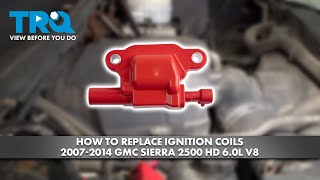
Typical fix: Replace the faulty ignition coil. This is a simple, single-bolt replacement. 🎬 See this walkthrough for replacing your ignition coils.
Est. part cost: $25-$75 - Clogged or Faulty Fuel Injector ⚪ Low Probability → Shop Fuel Injector
How to confirm: Listen to the injector with a mechanic's stethoscope or a long screwdriver; you should hear a consistent clicking sound. You can also use a 'noid light' to confirm the electrical pulse is being sent from the PCM. Swapping the injector with another cylinder is a definitive test but is more labor-intensive. A fuel-soaked spark plug can indicate a stuck-open injector.
Typical fix: Clean or replace the fuel injector for cylinder 8. It's often recommended to replace all 8 injectors if they are original and high-mileage to ensure balanced fuel delivery.
Est. part cost: $50-$150
Rare But Worth Checking
- Worn Camshaft Lobe and/or Failed Lifter: → Shop Engine Camshaft This is a serious mechanical issue documented by GM in TSB #PIP4138P and its successor, #19-NA-219. If you've ruled out ignition and fuel issues, and especially if you hear a persistent engine tick or chirp, this is a strong possibility. The 6.0L LY6 engine in these trucks does not have Active Fuel Management (AFM), but its standard lifters are still known to fail. Diagnosis requires removing the valve cover to inspect valve train movement and can lead to a very expensive repair involving camshaft replacement.
- Low Cylinder Compression: Caused by internal engine problems like a worn piston ring, a bad valve, a broken valve spring, or a leaking head gasket. A failed lifter, as mentioned above, can also result in low or zero compression on the cylinder. A compression test followed by a cylinder leak-down test is required 🎬 Watch: A pro's guide to diagnosing 6.0L engine misfires. to diagnose this.
- Cracked Cylinder Head: → Shop Engine Cylinder Head While rare, some owners have traced a persistent P0308 to a cracked cylinder head near the #8 cylinder. This was only discovered after all other ignition and fuel system repairs failed. A key symptom is a spark plug that is repeatedly fouled with coolant.
Diagnosis Steps
- Read the trouble codes with an OBD-II scanner to confirm P0308 and check for any other codes like P0300 or P0174.
- Note if the Check Engine Light is steady or flashing. If flashing, stop the engine to prevent catalytic converter damage.
- Visually inspect the area around cylinder 8 (rear passenger side). Look for loose connectors, damaged wires, or signs of a coolant leak (pink/orange crust) from the heater hose fittings on the firewall.
- Swap the ignition coil from cylinder 8 with cylinder 6 (the one in front of it). Clear the codes, run the engine, and see if the code changes to P0306. If it does, the coil is faulty.
- If the coil is good, inspect the spark plug wire for cylinder 8. Ensure it's securely clicked onto the coil and plug. Check for damage or coolant contamination.
- If the wire is good, remove and inspect the spark plug from cylinder 8. Look for excessive wear, fouling, or damage. Replace if in doubt.
- If ignition components are confirmed to be good, listen to the fuel injector for cylinder 8 with a stethoscope or long screwdriver to ensure it is clicking.
- If all the above steps do not reveal the cause, a mechanical issue is more likely. Listen for a persistent ticking or chirping noise, which points towards a lifter/camshaft issue as described in TSB #19-NA-219.
- Perform a compression test on cylinder 8 to check for internal engine problems like bad rings, valves, or a failed lifter.
Parts You'll Likely Need
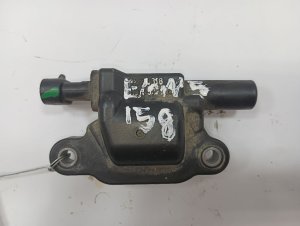
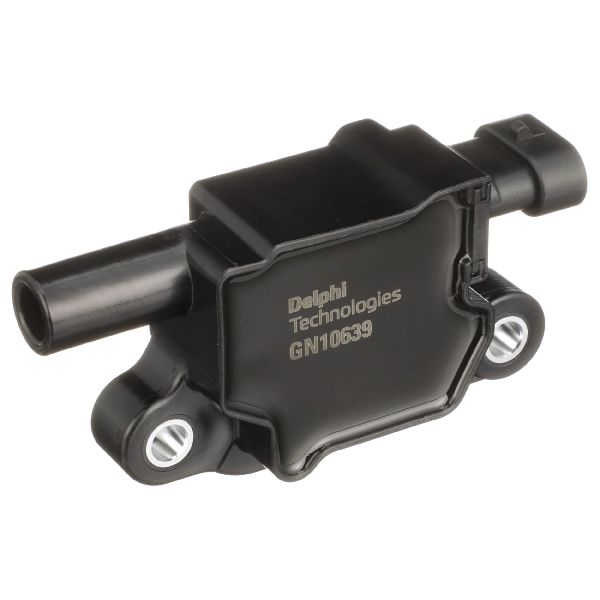
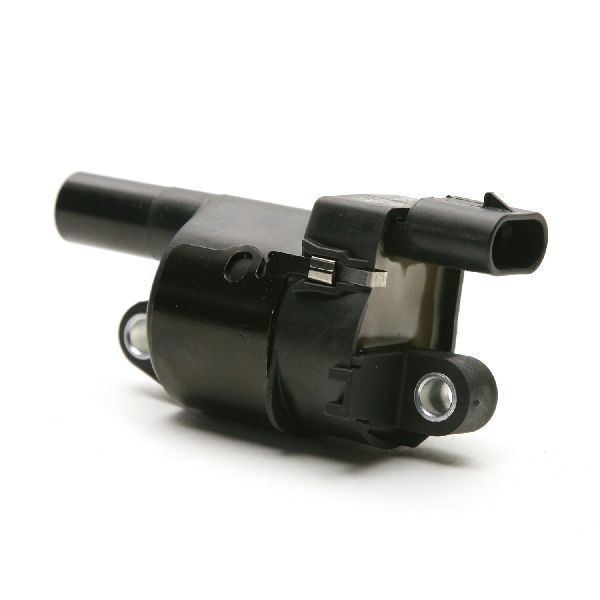
- Ignition Coil
(OEM #12699382)— A common failure point due to heat and vibration. Cylinder 8's location at the rear of the engine bay makes it susceptible to heat soak. Easily diagnosed with a swap test.
Trusted brands: ACDelco, Delphi, NGK
OEM price range: $40-$65
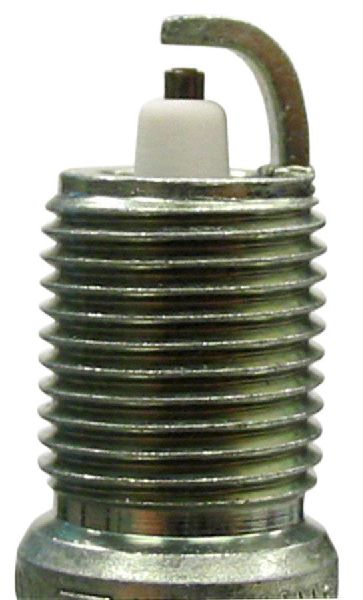
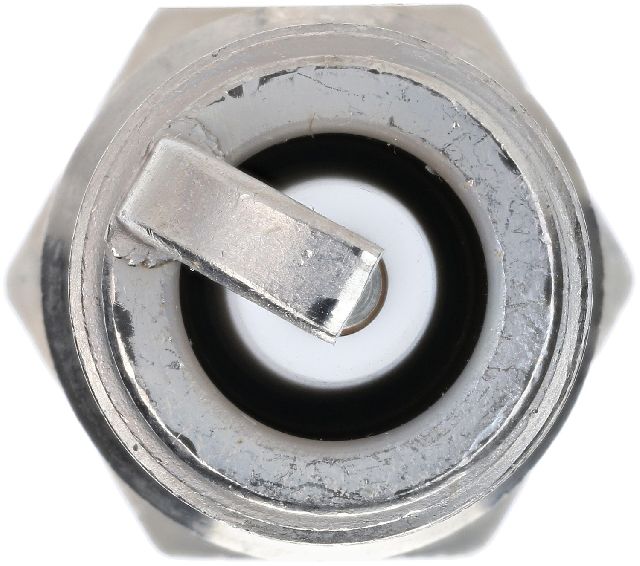
Aftermarket price range: $25-$50 - Spark Plug
(OEM #41-983)— Spark plugs are a routine maintenance item and can cause a misfire when worn or fouled. The OEM ACDelco Iridium plug is recommended.
Trusted brands: ACDelco, NGK
OEM price range: $8-$12
Aftermarket price range: $5-$10 - Spark Plug Wire Set
(OEM #9748HH)— Wires can degrade over time or become loose, as noted in a GM TSB. Cylinder 8's location makes it susceptible to damage from heat and potential coolant leaks.
Trusted brands: ACDelco, NGK, Standard Motor Products
OEM price range: $60-$90
Aftermarket price range: $40-$80
Related Codes That Often Appear With This One
- P0300 — If the misfire is intermittent or begins to affect other cylinders, a P0300 (Random/Multiple Cylinder Misfire) code may appear alongside P0308.
- P0171 / P0174 — These 'System Too Lean' codes can appear with P0308 if the root cause is a vacuum leak near cylinder 8, such as from a faulty intake manifold gasket, which introduces unmetered air.
Technical Service Bulletins (TSBs) & Recalls
- 19-NA-219: Successor to PIP4138P. A diagnostic tip bulletin that provides information for diagnosing engine noises and misfires (P0300-P0308) caused by worn cam lobes, lifters, sticking valves, or broken valve springs.
- PIP4138P: Links engine misfire codes P0300-P0308 to a worn camshaft lobe and/or lifter.
- PIP4819A: Cites loose spark plug wires as a cause for misfires across all cylinders.
- PIP5628F: Mentions that diagnosing misfire codes P0300-P0308 may require assistance from GM's Technical Assistance Center (TAC), indicating potential diagnostic complexity.
Platform-Specific Known Issues
- Worn Camshaft/Lifters: TSB #19-NA-219 (superseding PIP4138P) explicitly calls out worn camshaft lobes and/or lifters as a cause for P0300-P0308 codes on these engines. This is a significant mechanical failure that requires extensive labor to repair and is often preceded by a distinct ticking or chirping noise.
Mechanic-Grade Diagnostic Values
- Fuel Pressure (Key On, Engine Off) — expected: 55-62 psi. Failure: Pressure below 55 psi can indicate a weak fuel pump or clogged filter, potentially contributing to a lean misfire.
- Spark Plug Wire Resistance — expected: Generally under 1,000 ohms per foot of wire.. Failure: Significantly higher resistance or an open circuit (infinite resistance) indicates a bad wire that needs replacement.
Hidden / Shadow Codes Worth Checking
- Mode $06 Misfire Counters: A professional scan tool can access Mode $06 data, which shows raw misfire counts for each individual cylinder. This can confirm an intermittent misfire on cylinder 8 even if it hasn't happened enough to set a permanent P0308 code. (see via Use a GM GDS2/Tech2 or an advanced aftermarket scan tool and look for 'Misfire History' or 'Misfire Graphic' data PIDs.)
Scan Tool Commands That Help
- GM Tech2 / GDS2: Cylinder Power Balance Test — Use this to confirm cylinder 8 is not contributing power. The tool deactivates each cylinder one by one; if there is little or no RPM drop when cylinder 8 is deactivated, it confirms a dead misfire on that cylinder.
- GM Tech2 / GDS2: Fuel Injector Balance Test — After confirming a misfire, this test can help isolate a fuel injector issue. It measures the fuel pressure drop as each injector is fired. If cylinder 8 shows a significantly different pressure drop, the injector is likely clogged or faulty.
Wiring & Ground Locations
- G104 — On the front of the left (driver's side) cylinder head.. This is a primary engine ground point. Poor grounding here can cause erratic behavior in the ignition system and other sensors, potentially leading to misfires.
- J108 — In the ignition coil jumper harness, between ignition coils #5 and #7.. This is a factory splice in the wiring harness that provides power or signal to the ignition coils. Corrosion or a break in this splice could affect cylinder #8, which is downstream from it.
- Main PCM Ground — Bolted to the rear of the engine block, originating from the main engine wiring harness.. A loose or corroded main ground for the Powertrain Control Module (PCM) can cause a host of issues, including incorrect signals to the ignition coils and fuel injectors, leading to misfires.
Real Owner Repair Stories
- Go-Parts.com repair documentation (2012-2016 GMC Sierra Denali (similar platform/issue)) — Persistent P0308 misfire code.
❌ Tried (didn't work) Swapping the ignition coil from cylinder 8 to other cylinders (2 and 6) did not move the misfire.
✅ What actually fixed it The wiring harness connector for the cylinder 8 ignition coil was found to have corrosion, caused by a previous coolant leak. Replacing or repairing the connector resolved the P0308 code.
When the Usual Fixes Don't Work
- While the provided TSBs (#PIP4138P, #19-NA-219) correctly point to lifter and camshaft failure as a potential cause for a P0308, a common misdiagnosis is to assume this is an Active Fuel Management (AFM) lifter failure. The 6.0L LY6 engine in the 2008-2010 Sierra 2500 is not equipped with AFM. The failure is with a standard hydraulic roller lifter. This distinction is critical because the diagnostic process and parts involved are different, and a technician incorrectly searching for AFM-related components or solenoids (like the VLOM) on this specific engine will be misled.
OEM Part Supersession History
12570616, 12573190, 12611424→12699382— Component revision and consolidation of part numbers by GM.
Heads up: The 12699382 coil and its predecessors are typically 'round' style coils with 72mm vertical mounts. Always visually confirm the coil style and mounting on the engine before purchasing, as different brackets were used.
Model Year Variations Within This Range
- 2008-2010: The 6.0L V8 in the Sierra 2500 for these years is the LY6. This engine features Variable Valve Timing (VVT) but crucially does NOT have Active Fuel Management (AFM) or cylinder deactivation. This is a key difference from many other GM V8s of the era (like the 5.3L or later 6.2L engines) where AFM lifter failure is a primary cause of misfires.
Helpful Videos
Used OEM Parts in Stock
New Aftermarket Parts Available


The information in this article is provided for general reference and educational purposes only. Vehicle specifications, procedures, and part compatibility can vary by production date, trim level, and region. Always consult your vehicle's factory service manual and verify part numbers before purchasing or performing repairs. Safety-critical components such as airbags, seat belts, and braking systems should be installed by a qualified professional.
- Gmc SIERRA 2500:
- 🧭 Diagnostic Flowchart
- 🎬 Helpful Videos
- 🛍️ Shop This Part
- What's Unique About the 2008-2010 Gmc SIERRA 2500
- Symptoms You May Notice
- Most Likely Causes
- Rare But Worth Checking
- Diagnosis Steps
- Parts You'll Likely Need
- Related Codes That Often Appear With This One
- Technical Service Bulletins (TSBs) & Recalls
- Platform-Specific Known Issues
- Mechanic-Grade Diagnostic Values
- Hidden / Shadow Codes Worth Checking
- Scan Tool Commands That Help
- Wiring & Ground Locations
- Real Owner Repair Stories
- When the Usual Fixes Don't Work
- OEM Part Supersession History
- Model Year Variations Within This Range
- 🎟️ Get 5% Off