

P0308 on 2000-2007 GMC Yukon: Cylinder 8 Misfire Causes and Fixes
Code P0308 on a 2000-2007 GMC Yukon means cylinder 8 is misfiring. The most common causes are a bad spark plug, ignition coil, or spark plug wire. Start diagnosis by swapping the cylinder 8 ignition coil with another cylinder (e.g., cylinder 6) to see if the code follows. For 2007 models with the 5.3L or 6.0L V8, be aware that a failed Active Fuel Management (AFM) lifter is a known, more serious cause.
- P0308 on a GMC Yukon means cylinder 8 (rear passenger side) is misfiring.
- Start your diagnosis with the ignition system: check the spark plug, wire, and coil. Swapping the coil with another cylinder is the fastest way to test it.
- Be aware of your model year: 2007 models have Active Fuel Management (AFM), where a P0308 can indicate a more serious internal engine lifter failure.
- Do not ignore a flashing check engine light, as this can quickly lead to expensive catalytic converter damage.
- Cylinder 8 is difficult to access, so be prepared with appropriate tools like short extensions and flex-head ratchets.
What's Unique About the 2000-2007 Gmc YUKON
For the 2000-2007 GMC Yukon, a P0308 code is a straightforward but critical issue. The GMT800 platform (2000-2006) is known for the simplicity and durability of its Vortec V8s, where ignition components are the usual suspects. However, some of these models can suffer from cracked 'Castech' cylinder heads, leading to coolant leaks that can cause misfires. The 2007 model year introduced the GMT900 platform with Active Fuel Management (AFM) on many 5.3L and 6.0L engines. On these 2007 models, a P0308 misfire can be an early warning sign of a failing AFM lifter, a more complex and expensive mechanical repair known to cause a distinct ticking noise.
Diagnostic Flowchart
Tap your situation to follow the diagnostic path that matches what you're seeing on this vehicle.
Generation note: This range covers two Yukon generations. The 2000-2006 models are the GMT800 platform. The 2007 model is the first year of the GMT900 platform, which introduced Active Fuel Management (AFM) on some V8s. AFM systems have special lifters that can fail and cause misfires, making this a notable potential cause for 2007 models that is not present on earlier years.
Symptoms You May Notice
- Rough or shaking idle.
- Hesitation or stumbling during acceleration.
- Flashing or solid Check Engine Light.
- Noticeable loss of engine power.
- Reduced fuel economy.
- A smell of gasoline from the exhaust.
- Engine ticking noise, especially on 2007 models with AFM, which could indicate a lifter issue.
- Replacing the fuel pump when only a single cylinder is misfiring. A fuel pump issue would typically affect all cylinders and often trigger a P0300 (random misfire) code.
- Replacing O2 sensors. While a bad O2 sensor can affect fuel trim, it is unlikely to cause a consistent misfire on only one cylinder.
Most Likely Causes
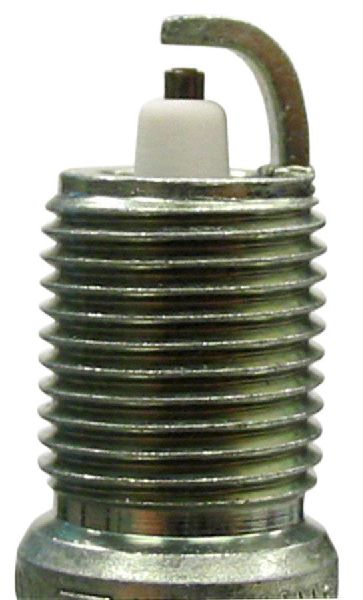
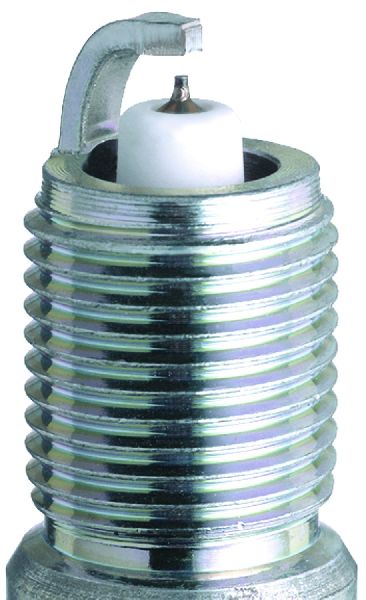
- Worn Spark Plug 🔴 High Probability → Shop Spark Plug Spark plugs are regular maintenance items. The plug for cylinder 8 is notoriously difficult to access, located at the back of the engine on the passenger side, and may be neglected during tune-ups. Owners report it being nearly impossible to reach without the right combination of extensions and swivels.
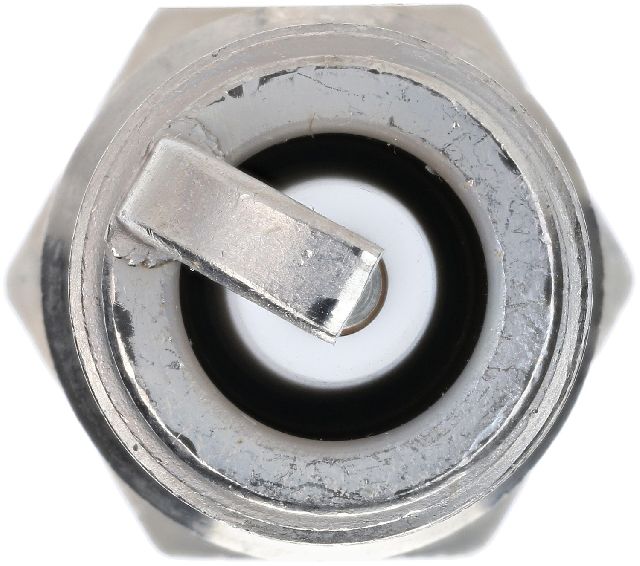
How to confirm: Remove the spark plug from cylinder 8 and inspect it for wear, fouling, or damage. Compare it to a plug from a known good cylinder. A heavily fouled or wet plug indicates a problem.
Typical fix: Replace the spark plug. It is best practice to replace all 8 spark plugs at the same time for balanced performance. Use the correct OEM-spec plug, as incorrect plugs can cause issues.
Est. part cost: $20-$80 for a set of 8 - Faulty Ignition Coil 🔴 High Probability → Shop Ignition Coil The coil-on-plug ignition system is generally reliable, but individual coils can fail with age and heat exposure, especially the rear cylinders which are subject to more heat soak.
How to confirm: Swap the ignition coil from cylinder 8 with another cylinder (e.g., cylinder 6). Clear the codes and drive the vehicle. If the code changes to P0306, the coil is faulty. This is the most common and effective diagnostic step.
Typical fix: Replace the faulty ignition coil. It is held on by two 10mm bolts. A ratcheting wrench can make accessing the rear coil easier.
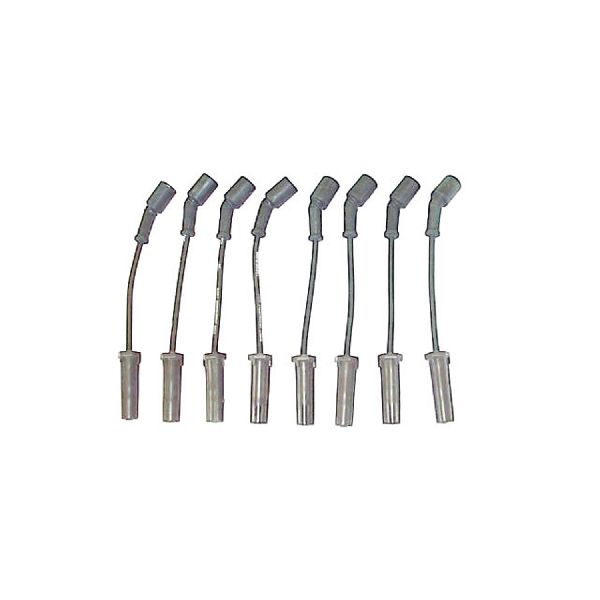
Est. part cost: $30-$70 for a single aftermarket coil - Bad Spark Plug Wire 🟡 Medium Probability → Shop Spark Plug The wire boots on Vortec engines are known to become brittle from heat, often seizing to the spark plug or coil. The wire can easily be damaged during removal, or the connection can become loose over time. A technician noted it is 'extremely likely' to damage these wires during removal, regardless of care.
How to confirm: Inspect the wire for cracks, burns, or corrosion. Check its resistance with a multimeter; a common rule of thumb is that resistance over 30,000 ohms indicates a bad wire. A loose connection at the coil or plug can also cause a misfire.
Typical fix: Replace the spark plug wire. It is recommended to replace the full set.
Est. part cost: $40-$100 for a set of 8 - Clogged or Failed Fuel Injector 🟡 Medium Probability → Shop Fuel Injector
How to confirm: After ruling out ignition issues, listen to the injector with a mechanic's stethoscope; it should have a consistent clicking sound. You can also swap the injector with another cylinder to see if the misfire follows, though this is more labor-intensive. A real-world example showed a failed aftermarket injector causing raw fuel to drip from the muffler.
Typical fix: Replace the faulty fuel injector. Some owners have had success running a high-quality fuel system cleaner like Techron through a couple of tanks of gas to clear a clogged injector. If replacing, using OEM parts is recommended to avoid premature failure.
Est. part cost: $40-$90 for a single aftermarket injector
Rare But Worth Checking
- Intake Manifold Gasket Leak: → Shop Engine Intake Manifold The intake manifold gaskets on GMT800 trucks can fail, creating a vacuum leak that leans out a specific cylinder. One owner on a forum traced a persistent misfire to this issue after replacing all ignition components, noting it was worse in cold weather until they slightly tightened the intake bolts as a temporary fix.
- AFM Lifter Failure (2007 models): → Shop Engine Valve Lifter On 2007 Yukons with Active Fuel Management (AFM/DOD), a collapsed or stuck lifter is a known cause of misfires. This often presents with a ticking noise from the engine and can set codes for cylinders 1, 4, 6, or 7, but can affect any AFM cylinder. This is a significant mechanical repair requiring removal of the cylinder head.
- Cracked 'Castech' Cylinder Head: → Shop Engine Cylinder Head Some 2001-2006 models were built with cylinder heads from a supplier named Castech that could develop porosity cracks, leading to coolant leaking into the combustion chamber or oil passages. This can cause a misfire and unexplained coolant loss. A GM Technical Service Bulletin (06-06-01-019B) addresses this issue. The heads can be identified by a 'Castech' logo with a battery-like symbol visible under the valve cover.
- Low Engine Compression: Internal engine wear, such as worn piston rings or a problem with the valves or head gasket, can cause a loss of compression in cylinder 8, preventing proper combustion. A compression test is needed to confirm this.
- Faulty Injector Harness/Connector: A forum user reported chasing a cylinder 8 misfire after replacing the coil, only to find the injector harness had a poor connection. Tightening the plug connectors or replacing the pigtail can be a cheap fix for a hard-to-diagnose problem.
Diagnosis Steps
- Read the code with an OBD-II scanner and check for any other stored codes. Confirm it's a P0308 and not also a P0300.
- Visually inspect the spark plug wire for cylinder 8 for any visible damage or a loose connection at the coil pack or spark plug.
- Swap the ignition coil from cylinder 8 with an adjacent, easily accessible cylinder (like cylinder 6). Clear the codes, run the engine, and see if the misfire code moves to the new cylinder (e.g., P0306). If it does, the coil is bad.
- If the misfire remains on cylinder 8, swap the spark plug wire with another cylinder and re-test. If the code moves, the wire is bad.
- If the misfire still remains on cylinder 8, remove and inspect the spark plug. Look for heavy carbon buildup, oil/fuel fouling, or a cracked insulator. Replace if necessary.
- If ignition components are good, check the fuel injector. Listen for a steady clicking with a stethoscope. If you suspect the injector, you can perform a resistance test or swap it with another cylinder (more labor intensive).
- On 2007 models, listen carefully for a persistent ticking sound from the valve cover area. If present, investigate potential AFM lifter failure.
- Check for vacuum leaks by spraying carb cleaner around the intake manifold gasket near cylinder 8 with the engine running; a change in idle RPM indicates a leak.
- For 2001-2006 models with unexplained coolant loss, remove the valve cover and look for the 'Castech' casting mark to check for the possibility of a cracked head.
- If the problem persists, perform a compression test on cylinder 8 to check for mechanical engine problems like bad rings, valves, or a head gasket issue.
Parts You'll Likely Need
- Ignition Coil
(OEM #ACDelco D585 (for many 2000-2006 models))— A common failure point that directly causes a misfire on a single cylinder. It's easy to diagnose by swapping with another cylinder.
Trusted brands: ACDelco, Delphi, NGK
OEM price range: $50-$90
Aftermarket price range: $30-$70 - Spark Plug
(OEM #ACDelco 41-962 (Platinum, common for 5.3L) or 41-110 / 41-162 (Iridium))— Spark plugs are a maintenance item and a worn or fouled plug is a primary cause of misfires. The rear passenger cylinder is hard to reach and often neglected.
Trusted brands: ACDelco, NGK
OEM price range: $8-$15 per plug
Aftermarket price range: $4-$10 per plug - Spark Plug Wire Set — The boots can become brittle and wires can be damaged during spark plug changes, especially on the hard-to-reach rear cylinders.
Trusted brands: ACDelco, NGK, MSD
OEM price range: $60-$120
Aftermarket price range: $40-$100
Related Codes That Often Appear With This One
- P0300 — If the misfire is intermittent or starting to affect other cylinders, a P0300 (Random/Multiple Cylinder Misfire Detected) code may appear alongside P0308.
Technical Service Bulletins (TSBs) & Recalls
- 06-06-01-019B: Information on Gradual Coolant Loss Over Time with No Evidence of Leak Found. This TSB details the issue with cracked Castech cylinder heads on 4.8L and 5.3L engines from 2001-2006, which can lead to misfires.
- PIP5628G: This TSB provides diagnostic aid information for technicians dealing with misfire codes (P0300-P0308) on 2007 models, often related to AFM system issues.
Platform-Specific Known Issues
- Castech Cylinder Head Cracks (2001-2006): → Shop Engine Cylinder Head Certain GMT800 models with 4.8L and 5.3L engines were fitted with cylinder heads from 'Castech' which are prone to porosity cracks. This typically causes a slow, unexplained coolant loss, which can foul the spark plug in cylinder 8 and cause a misfire. The issue is documented in GM TSB 06-06-01-019B. To identify, remove the oil fill cap or valve cover and look for the Castech 'battery' logo cast into the head.
- AFM Lifter Failure (2007): → Shop Engine Valve Lifter The 2007 GMT900 Yukon with the 5.3L or 6.0L V8 introduced Active Fuel Management (AFM). The special lifters used for this system are a known weak point and are prone to collapsing or getting stuck. This will typically cause a P0300 and a misfire on one of the AFM cylinders (1, 4, 6, 7), but can isolate to a single cylinder. The most common symptom besides the misfire is a distinct ticking or chirping noise from the upper engine. This is a major repair requiring cylinder head removal.
Mechanic-Grade Diagnostic Values
- Fuel Pressure (under load) — expected: 55-62 PSI, stable during acceleration. Failure: Pressure drops significantly during acceleration or when climbing a grade.
- Ignition Coil Primary Resistance — expected: 0.4 to 2.0 ohms. Failure: A reading outside of this range indicates a faulty primary winding.
- Ignition Coil Secondary Resistance — expected: 6,000 to 10,000 ohms (6k-10k Ω). Failure: A reading outside of this range indicates a faulty secondary winding.
- Fuel Injector Resistance (5.3L) — expected: ~13.5 ohms. Failure: A reading significantly higher or lower (e.g., an open or shorted circuit) indicates a failed injector coil.
- Live Misfire Count (Mode $06) — expected: Zero or near-zero counts on all cylinders.. Failure: A rapidly increasing number of misfire counts on cylinder 8, especially under load, confirms the misfire before a code is set.
Hidden / Shadow Codes Worth Checking
- Mode $06 Misfire Counters: This is not a formal trouble code but a diagnostic function that shows raw data from the PCM's self-tests. It displays the number of misfire events counted per cylinder in the current and/or last 10 driving cycles. This allows a technician to see which cylinder is misfiring, even if the misfire isn't frequent enough to set a P0308 code. (see via Requires an OBD-II scanner with Mode $06 capabilities. The specific Test ID (TID) and Component ID (CID) for misfire counts vary by manufacturer but are often labeled clearly on capable scan tools.)
Scan Tool Commands That Help
- GM Tech2 / GDS2 or equivalent bidirectional scanner: Cylinder Power Balance Test — Use this after confirming a P0308 to verify the cylinder's lack of contribution. The tool disables each cylinder one by one, and you observe the RPM drop. If disabling cylinder 8 causes little or no drop in RPM compared to other cylinders, it confirms it is not contributing power.
- GM Tech2 or equivalent bidirectional scanner: Fuel Injector Balance Test — Use this when a fuel injector is suspected after ignition components have been ruled out. The tool pulses each injector for a set time while a fuel pressure gauge is attached to the rail. The pressure drop for cylinder 8 should be within 1-2 PSI of the other cylinders. A significantly smaller drop indicates a clogged injector.
Wiring & Ground Locations
- G102 — Located at the left rear of the engine.. This is the primary ground point for all 8 ignition coils. Corrosion or a loose connection here can cause weak spark and lead to misfires on one or more cylinders.
- G103 — Located on the cowl in the left rear of the engine compartment, often above the brake booster.. This is a critical ground for the Powertrain Control Module (PCM), Body Control Module (BCM), and the Data Link Connector (DLC). A poor connection here can cause a wide range of erratic engine behavior and diagnostic issues.
- Frame Grounds — On the frame rail, typically under the driver-side door area.. These main chassis grounds are exposed to the elements and are a common point of corrosion. A bad frame ground can cause numerous, seemingly unrelated electrical problems, including issues that could be misdiagnosed as a component failure.
- Cylinder 8 Injector Control Wire — Runs from the main engine harness connector at the PCM to the fuel injector on cylinder 8. On 2003-2007 models with Blue/Green PCM connectors, this will be in the Green connector. On earlier models with Red/Blue connectors, it will be in the Red connector.. This wire carries the signal from the PCM to fire the injector. A break, short to ground, or high resistance in this specific wire will cause a misfire only on cylinder 8.
Real Owner Repair Stories
- Car Talk Community Forum (2007 Silverado Classic 1500, 5.3L, 233k miles) — Intermittent P0307 (Cylinder 7 misfire, same bank as cylinder 8).
❌ Tried (didn't work) Clearing the code, which did not immediately return.
✅ What actually fixed it The advice from a professional mechanic on the forum was that the original spark plug wires, despite their appearance, are almost always damaged during removal on these engines. The final fix was preventative replacement of the spark plug wires, which is a common resolution for intermittent misfires after a tune-up. - Chevy Tahoe Forum (GMT800-platform SUV (Tahoe/Yukon)) — Weird problems with dash lights, messages, bad fuel mileage, and possessed rear wiper.
❌ Tried (didn't work) Not specified, but symptoms suggest chasing individual electrical components.
✅ What actually fixed it The owner found a corroded ground wire on the frame under the driver's side door. After cleaning the frame contact point with a Dremel and re-securing the ground with a new bolt, all the strange electrical issues were resolved. This highlights how a bad ground can manifest as multiple unrelated problems.
"I Checked Everything" — The Actual Cause
- A common scenario on GMT800 trucks is a persistent lean misfire (like P0308 with P0171/P0174) that doesn't show a leak during a smoke test when the engine is warm. The actual cause is often the intake manifold gaskets, which leak when the engine is cold and seal up as the aluminum intake manifold expands with heat. The temporary fix of slightly tightening the intake bolts often points to this issue.
When the Usual Fixes Don't Work
- While the most common diagnostic path for a P0308 is to swap ignition components, there are numerous documented cases where the root cause was unrelated. In one instance, a user with a GMT800 truck resolved multiple strange electrical faults and poor running conditions, which could be mistaken for a misfire, by cleaning a corroded main ground point on the vehicle's frame. This highlights the importance of checking primary power and ground circuits before replacing expensive components, as poor grounding can starve sensors and actuators of correct voltage, causing them to malfunction.
OEM Part Supersession History
10457730, 19005218→ACDelco D585, Delphi GN10119, Standard Motor Products UF262— These are part numbers for the 'round' style ignition coil, often made by Delphi. The D585 is a common replacement part number that covers these older numbers.
Heads up: Crucially, many 2000-2006 GMT800 Yukons used a physically different 'square' style coil (often made by Melco). The round D585 coil will not fit on a vehicle originally equipped with square coils without changing the wiring harness connector and mounting bracket. Always visually confirm the coil style before ordering.Varies by year and Flex Fuel option (e.g., 25317628, 17113553)→Varies (e.g., ACDelco 217-2436 for 2007+)— Part updates and supplier changes.
Heads up: Fuel injectors for standard gasoline engines (e.g., VIN code 'Z') are different from those for Flex Fuel (E85 compatible) engines (e.g., VIN code 'T'). They have different flow rates and are not interchangeable. Installing the wrong type will cause performance issues and fuel trim codes.
Model Year Variations Within This Range
- 2000-2006 (GMT800) vs. 2007 (GMT900): The 2007 model year marked the switch to the GMT900 platform, which introduced Active Fuel Management (AFM) on 5.3L and some 6.0L engines. This system is a primary potential cause of misfires (especially with a ticking noise) on 2007 models that does not exist on 2000-2006 models.
- 2000-~2005 vs. ~2005-2007: There was a transition in ignition coil design. Earlier models predominantly used a 'square' (Melco-style) ignition coil, while later models, especially the 2007 GMT900, used a 'round' (Delphi-style, ACDelco D585) coil. The mounting brackets and electrical connectors are different and not directly interchangeable.
- 2000-2002 vs. 2003-2007: The PCM and its connectors changed. Early GMT800 models (approx. '00-'02) used a PCM with Red and Blue connector blocks. Later GMT800 models (approx. '03-'06) and the GMT900 ('07) used a PCM with Blue and Green connector blocks. This is critical for anyone tracing wiring via a pinout diagram.
Helpful Videos
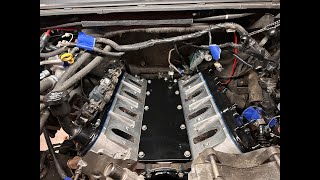
Used OEM Parts in Stock
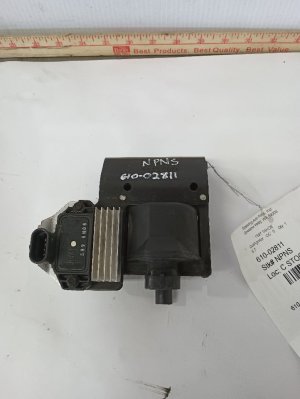
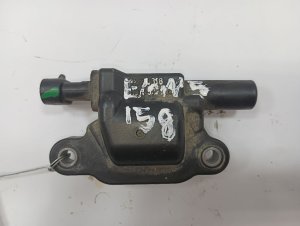
New Aftermarket Parts Available


The information in this article is provided for general reference and educational purposes only. Vehicle specifications, procedures, and part compatibility can vary by production date, trim level, and region. Always consult your vehicle's factory service manual and verify part numbers before purchasing or performing repairs. Safety-critical components such as airbags, seat belts, and braking systems should be installed by a qualified professional.
- Gmc YUKON:
- 🧭 Diagnostic Flowchart
- 🎬 Helpful Videos
- 🛍️ Shop This Part
- What's Unique About the 2000-2007 Gmc YUKON
- Symptoms You May Notice
- Most Likely Causes
- Rare But Worth Checking
- Diagnosis Steps
- Parts You'll Likely Need
- Related Codes That Often Appear With This One
- Technical Service Bulletins (TSBs) & Recalls
- Platform-Specific Known Issues
- Mechanic-Grade Diagnostic Values
- Hidden / Shadow Codes Worth Checking
- Scan Tool Commands That Help
- Wiring & Ground Locations
- Real Owner Repair Stories
- "I Checked Everything" — The Actual Cause
- When the Usual Fixes Don't Work
- OEM Part Supersession History
- Model Year Variations Within This Range
- 🎟️ Get 5% Off