

P0308 on 2000-2004 GMC Yukon Denali: Cylinder 8 Misfire Causes and Fixes
P0308 indicates a misfire in cylinder 8. On these Yukon Denalis, the most common causes are a failed ignition coil, worn spark plug, or faulty spark plug wire. If these basic ignition parts don't solve it, a clogged fuel injector is the next likely culprit. For 2000 models with the 5.7L, this often means the entire 'spider' injector assembly has failed. On 2001-2004 6.0L models, it's an individual injector. In some cases, a more serious mechanical issue like a worn camshaft lobe could be the cau
- P0308 is a misfire on cylinder 8, the rearmost cylinder on the passenger side.
- Start your diagnosis with the most common and cheapest parts: spark plug, spark plug wire, and ignition coil (for 2001-2004) or distributor cap/rotor (for 2000).
- If ignition parts don't fix it, the next step is to investigate the fuel injector for cylinder 8.
- A flashing Check Engine Light is serious. It means unburnt fuel is entering the exhaust, which can destroy the expensive catalytic converter. Limit driving until the issue is fixed.
- Be aware of the engine differences: the 2000 model has a 5.7L with a distributor, while 2001-2004 models have a 6.0L with individual coil packs.
What's Unique About the 2000-2004 Gmc YUKON DENALI
This year range covers two different generations of the Yukon Denali with different engines. The 2000 model (GMT400 platform) uses the 5.7L L31 Vortec V8, which has a distributor and a central 'spider' fuel injection system known for individual poppet valves failing and causing misfires. The 2001-2004 models (GMT800 platform) use the 6.0L LQ4 V8, which has a more modern coil-on-plug ignition system and individual port fuel injectors. A GM Technical Service Bulletin (TSB #19-NA-219, which supersedes #PIP4138R) for 2002-2018 V8 engines notes that persistent misfire codes (P0300-P0308), sometimes accompanied by a ticking or chirping noise, could point to a worn camshaft lobe or failed lifter, a significant mechanical repair.
Diagnostic Flowchart
Tap your situation to follow the diagnostic path that matches what you're seeing on this vehicle.
Generation note: The 2000-2004 range spans two vehicle platforms. The 2000 model is on the GMT400 platform with a 5.7L L31 V8 engine featuring a distributor and spider-style fuel injection. The 2001-2004 models are on the newer GMT800 platform with a 6.0L LQ4 V8 engine that uses a coil-on-plug ignition system and individual port fuel injectors. Diagnostic approaches for fuel and ignition systems will differ significantly between these generations.
Symptoms You May Notice
- Rough or shaking idle
- Hesitation or stumbling during acceleration
- Noticeable loss of engine power
- Flashing or solid Check Engine Light
- Decreased fuel economy
- Smell of raw fuel from the exhaust
- Engine ticking or chirping noise (in case of cam/lifter failure)
- Replacing only the spark plug without checking the coil or wire.
- Replacing the oxygen sensor, which might be triggered by the misfire but is not the root cause.
- Replacing the fuel pump when only a single injector is at fault.
- Assuming a P0300 is present when only P0308 is stored; a single-cylinder misfire requires focusing on components specific to that cylinder.
Most Likely Causes
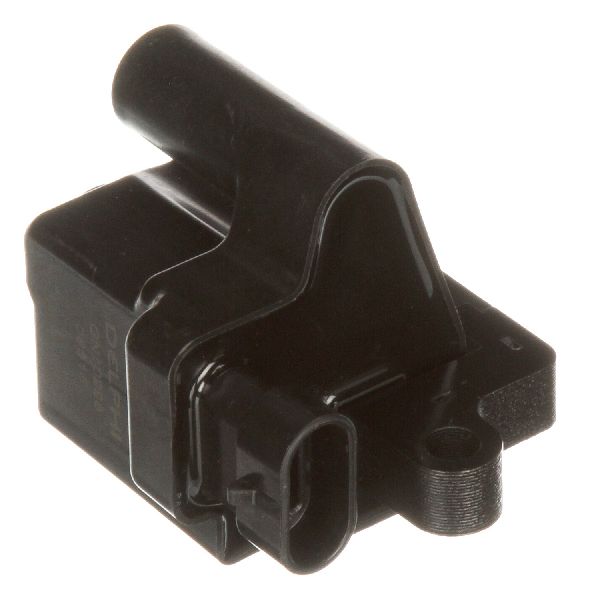
- Failed Ignition Coil or Distributor Component 🔴 High Probability → Shop Ignition Coil On the 6.0L LQ4 engine (2001-2004), individual ignition coils are a very common failure point due to age and heat cycles. On the 5.7L L31 (2000), the distributor cap and rotor are common wear items that can cause misfires.
How to confirm: For 2001-2004 models, swap the cylinder 8 ignition coil with an adjacent one (e.g., cylinder 6). Clear the codes and see if the misfire code moves to P0306. If it does, the coil is bad. For the 2000 model, inspect the inside of the distributor cap for carbon tracking, moisture, or cracks.
Typical fix: Replace the faulty ignition coil on 2001-2004 models. Replace the distributor cap and rotor on the 2000 model.
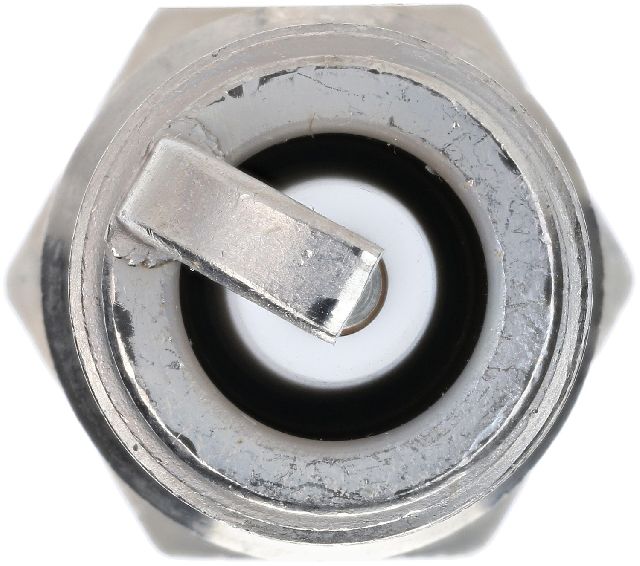
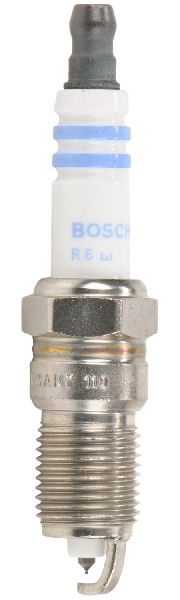
Est. part cost: $30-$70 for a single coil, $40-$80 for a distributor cap and rotor. - Worn Spark Plug or Spark Plug Wire 🔴 High Probability → Shop Spark Plug Spark plugs and wires are regular maintenance items. Worn electrodes on the plug or a cracked wire boot can prevent a strong spark, causing a misfire. Wires can also be damaged by improper routing, causing crossfire.
How to confirm: Remove the spark plug from cylinder 8 and inspect it. Look for heavy carbon fouling, oil contamination, or a worn/damaged electrode. Inspect the spark plug wire for cracks, burns, or corrosion on the terminals. A resistance test on the wire should read below 30,000 ohms.
Typical fix: Replace the spark plug. It is best practice to replace all 8 spark plugs and wires at the same time for consistent performance.
Est. part cost: $5-$15 per spark plug, $50-$120 for a set of wires. - Clogged or Faulty Fuel Injector 🟡 Medium Probability → Shop Fuel Injector On the 2000 5.7L, the central 'spider' injector assembly is a known failure point where individual poppet valves can stick or leak, often just on one cylinder. On the 2001-2004 6.0L, individual injectors can become clogged with deposits over time, restricting fuel flow to cylinder 8. Sitting for long periods can also cause injectors to gum up.
How to confirm: A mechanic can perform a fuel injector balance test. A DIY method is to listen to the injector with a mechanic's stethoscope; it should have a consistent, audible clicking sound. You can also swap the cylinder 8 injector with an adjacent one to see if the misfire code follows. Also check the injector harness connector for a loose fit or corrosion.
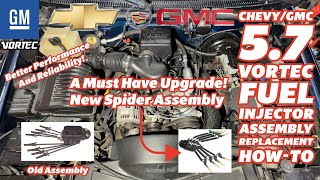
Typical fix: Replace the faulty fuel injector. For the 2000 model, this often involves replacing the entire spider injector assembly with an updated MFI unit. 🎬 Watch: How to upgrade your spider injector assembly to MFI.
Est. part cost: $70-$150 for a single port injector (6.0L), $250-$400 for a spider injector assembly (5.7L).
Rare But Worth Checking
- Worn Camshaft Lobe / Failed Lifter: → Shop Engine Camshaft This is a serious mechanical issue mentioned in GM TSB #19-NA-219 (superseding #PIP4138R). It causes a persistent misfire that won't be resolved by fuel or ignition parts. It is often accompanied by a consistent ticking or chirping noise from the valve cover area. Diagnosis involves measuring valve lift or physically inspecting the camshaft and lifters.
- Intake Manifold Gasket Leak: → Shop Engine Intake Manifold A vacuum leak near the intake runner for cylinder 8 can lean out the air/fuel mixture enough to cause a misfire. On GMT800s (2001-04), the plastic/rubber gaskets are known to degrade, causing leaks that are often worse when the engine is cold. A smoke test is the best way to confirm a leak.
- Low Compression: Internal engine damage such as a burnt valve, damaged piston, broken valve spring, or leaking head gasket can cause a loss of compression in cylinder 8, resulting in a misfire. A compression test is needed to confirm this. Coolant found on the spark plug is a strong indicator of a head gasket leak.
- Clogged Catalytic Converter: While less common for a single cylinder misfire, a partially clogged catalytic converter on the passenger side (Bank 2) can create excessive backpressure, primarily affecting the rear cylinders on that bank, including cylinder 8. This can cause misfires under load.
Diagnosis Steps
- Read the freeze frame data with an OBD-II scanner to understand the engine conditions (speed, load, temperature) when the misfire occurred.
- Identify cylinder 8. On GM V8s, it is the rearmost cylinder on the passenger side.
- Inspect the spark plug wire for cylinder 8 for any visible damage, ensuring it's securely connected at both the coil/distributor and the spark plug.
- For 2001-2004 models, swap the ignition coil from cylinder 8 with the coil from cylinder 6 (the next one forward on the same bank). 🎬 See this step-by-step guide for diagnosing a cylinder 8 misfire. Clear the codes and drive the vehicle. If the code changes to P0306, the ignition coil is faulty.
- If the code remains P0308, remove and inspect the spark plug from cylinder 8. Replace it if it appears fouled, worn, or damaged. Even new plugs can be faulty. Consider replacing all plugs if they are old.
- If the issue persists, check the fuel injector. Listen for a steady clicking with a stethoscope. Check the wiring connector to the injector for a secure fit and any corrosion. If possible, swap the injector with an adjacent cylinder's injector to see if the code follows.
- Perform a compression test on cylinder 8 and compare it to an adjacent cylinder. A significant drop (more than 15-20%) indicates a mechanical problem like a bad valve, piston ring, or head gasket.
- If a ticking noise is present and all other tests pass, investigate for a worn camshaft lobe or lifter, as noted in TSB #19-NA-219. This requires removing the valve cover to inspect valve train movement.
Parts You'll Likely Need
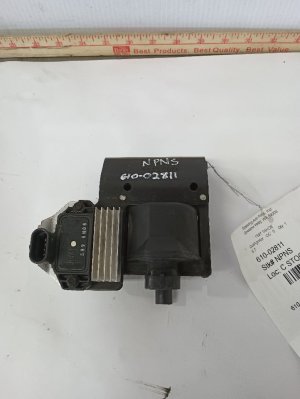
- Ignition Coil (2001-2004 6.0L)
(OEM #10457730)— This is for the 6.0L LQ4 engine. Coils are a primary failure point for isolated cylinder misfires due to heat and age. The ACDelco D585 is a common high-quality replacement.
Trusted brands: ACDelco (D585), Delphi (GN10119), NGK
OEM price range: $60-$90
Aftermarket price range: $30-$60 - Spark Plugs (2001-2004 6.0L)
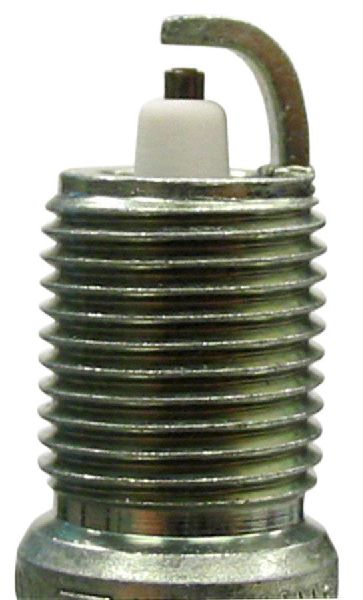
(OEM #41-110)— A worn or fouled spark plug is a simple and common cause of a misfire. They are a standard maintenance item. The original 41-110 may be superseded by 41-962 per a TSB.
Trusted brands: ACDelco (41-110 or 41-962), NGK
OEM price range: $8-$15 per plug
Aftermarket price range: $4-$10 per plug - Spark Plugs (2000 5.7L)
(OEM #41-962)— Correct spark plug for the L31 Vortec engine. A worn or fouled plug is a primary suspect for any misfire code.
Trusted brands: ACDelco, NGK
Related Codes That Often Appear With This One
- P0300 — If the condition causing the cylinder 8 misfire is intermittent or also affecting other cylinders, a P0300 (Random/Multiple Cylinder Misfire Detected) code may also be present.
- P0174 — If the misfire is caused by a vacuum leak on the passenger side (Bank 2), such as a leaking intake manifold gasket, a P0174 (System Too Lean Bank 2) code may accompany the P0308.
Technical Service Bulletins (TSBs) & Recalls
- PIP4138R: Addresses engine misfire DTCs P0300-P0308, suggesting a check for worn camshaft lobes or lifters if common diagnostics do not find the cause.
- PIP5628C: Mentions that specific diagnostic information may be required by the GM Technical Assistance Center (TAC) for misfire codes P0300-P0308, indicating potential diagnostic complexity.
Platform-Specific Known Issues
- Injector Harness Connector Failure: In a forum discussion, an owner of a 2002 Tahoe resolved a persistent cylinder 8 misfire that wasn't fixed by a new coil. The cause was a faulty injector harness connector that wasn't making a consistent connection. The fix was an inexpensive harness from a salvage yard. This is a valuable check before replacing more expensive parts.
- Intake Manifold Gasket Leak Causing Single Misfire: → Shop Engine Intake Manifold On GMT800 trucks, while intake manifold gasket leaks often cause random misfires (P0300) or lean codes, they can manifest as a single cylinder misfire. A user on Tahoe Yukon Forum noted their P0308 issue was worse in cold weather, a classic symptom of a shrinking/leaking intake gasket. A temporary fix was achieved by re-torquing the intake manifold bolts.
- Spider Injector Failure on 2000 Model: For the 2000 Yukon Denali with the 5.7L Vortec, the Central Sequential Fuel Injection (CSFI) 'spider' assembly is a very common failure point. A user on GMTNation with a P0308 on a 5.7L confirmed that replacing the original poppet-valve spider with an updated Multiport Fuel Injection (MFI) style unit solved their misfire. The old plug was fuel-fouled, but the injector was streaming fuel instead of atomizing it.
Mechanic-Grade Diagnostic Values
- Fuel Pressure (2001-2004 6.0L LQ4) — expected: 50-55 PSI with key on, engine running.. Failure: Pressure below 50 PSI indicates a weak fuel pump, clogged filter, or faulty regulator.
- Fuel Pressure (2000 5.7L L31) — expected: 60-66 PSI with key on, engine off. Drops to 55+ PSI at idle.. Failure: Pressure below 60 PSI indicates a weak fuel pump or faulty regulator. A rapid drop after the pump primes suggests a leaking injector or check valve.
- Ignition Coil Primary Resistance (2001-2004 6.0L D585 Coil) — expected: 0.49 - 0.66 ohms.. Failure: A reading outside this range suggests a faulty primary winding in the coil.
- Ignition Coil Secondary Resistance (2001-2004 6.0L D585 Coil) — expected: 6.1k - 11.1k ohms.. Failure: A reading outside this range suggests a faulty secondary winding in the coil.
- Engine Compression — expected: 120-150 PSI per cylinder, with less than 15-20% variation between cylinders.. Failure: Significantly lower pressure in cylinder 8 points to mechanical issues like worn piston rings, a burnt valve, or a bad head gasket.
Hidden / Shadow Codes Worth Checking
- Misfire Current/History Counters (Mode 6): A professional scan tool like the GM Tech 2 can display 'Misfire Current Counters' and 'Misfire History' for each specific cylinder. This data is more sensitive than what triggers a P0308 code and can reveal intermittent misfires or confirm which cylinder is the primary offender, even if a P0300 is also present. (see via GM Tech 2, or high-end OBD-II scanners with Mode 6 and manufacturer-specific live data capabilities.)
Scan Tool Commands That Help
- GM Tech 2: Misfire Graphic — This function provides a real-time bar graph of misfire events per cylinder, making it easy to visually confirm that cylinder 8 is the source of the problem while the engine is running.
- GM Tech 2: Injector Balance Test — This test allows the technician to individually fire each injector while monitoring fuel pressure drop. A smaller pressure drop for cylinder 8 compared to others confirms it is clogged or failing to open properly.
- GM Tech 2: Crankshaft Position (CKP) Variation Learn — This procedure should be performed after replacing a crankshaft sensor, PCM, or making major engine repairs. If not performed, the PCM's sensitivity to crankshaft speed variations can be incorrect, leading to false misfire detection.
Wiring & Ground Locations
- G103 / G104 — On the rear of the passenger side cylinder head (firewall side). These are stud-mounted grounds for the main engine harness and PCM.. These are critical grounds for the PCM and various sensors. Corrosion or a loose connection here is a notorious cause of unexplained electrical issues on GMT800 trucks, including phantom misfire codes. The ignition coils and injectors for Bank 2 (including cylinder 8) rely on a solid ground path through the engine block, which is referenced by these points.
- PCM Ground (Driver Side) — On the rear of the driver's side cylinder head, often difficult to see and access.. While the passenger side ground is more directly related to Bank 2, any poor engine-to-chassis ground can introduce electrical noise and cause the PCM to misinterpret sensor data, leading to misfire detection.
- Coil Pack Harness Ground — A ground wire for the ignition coil harness is typically bolted to the front of the driver's side cylinder head near the power steering pump bracket on LQ4 engines.. A poor ground for the coil harness can result in weak or inconsistent spark across all cylinders, but can sometimes manifest as a misfire on a single, more sensitive cylinder first.
Real Owner Repair Stories
- Tahoe Yukon Forum user '99Vortec' (1999 GMC (similar 5.7L Vortec to the 2000 model)) — Sudden onset of smoke from tailpipe and a P0308 code. Cylinder 8 spark plug was drenched in raw fuel.
❌ Tried (didn't work) Swapping the #8 spark plug with #4, Swapping the #8 spark plug wire with #6
✅ What actually fixed it The #8 fuel injector within the spider assembly had failed and was stuck open. The entire spider assembly, which was a non-OEM part and less than a year old, had to be replaced. The owner noted the importance of using genuine GM/ACDelco parts for this specific component. - Reddit r/GMT800 user (2000 Suburban 2500 6.0L with 294,000 miles) — Flashing check engine light with P0308, occurring only at high RPM (4500+) under full throttle.
❌ Tried (didn't work) Clearing the code (it returned under the same conditions).
✅ What actually fixed it The user was advised by others that the most likely causes for this specific symptom (high RPM misfire) were the spark plug, plug wire, or ignition coil for cylinder 8, and to replace those before suspecting a known intake manifold gasket leak that was also causing lean codes. The final fix was not posted, but the diagnostic advice was specific to the symptom.
OEM Part Supersession History
GM 12533181 (or similar poppet valve assembly)→ACDelco 217-3029 (or FJ504)— The original Central Port Injection (CPI) 'spider' assembly for the 5.7L L31 engine used poppet valves that were prone to sticking and leaking due to fuel deposits. The updated Multi-port Fuel Injection (MFI) assembly replaces the poppet valves with small, conventional electronic injectors at the end of each tube, providing much better reliability and performance.
Heads up: This is a direct, recommended upgrade for the 1996-2000 5.7L Vortec engine. Installing another original-style poppet valve assembly is not recommended as it is likely to fail again.
Model Year Variations Within This Range
- 2001-2004: Within the GMT800 generation, GM used two different physical styles of ignition coil for the V8 engines: a round-body Delphi style (like the D585) and a square-body Melco style. While they function similarly, their mounting brackets and wiring pigtails can differ. It is important to visually inspect the existing coils before purchasing replacements to ensure a correct fit.
Helpful Videos
Used OEM Parts in Stock
New Aftermarket Parts Available


The information in this article is provided for general reference and educational purposes only. Vehicle specifications, procedures, and part compatibility can vary by production date, trim level, and region. Always consult your vehicle's factory service manual and verify part numbers before purchasing or performing repairs. Safety-critical components such as airbags, seat belts, and braking systems should be installed by a qualified professional.
- Gmc YUKON DENALI:
- 🧭 Diagnostic Flowchart
- 🎬 Helpful Videos
- 🛍️ Shop This Part
- What's Unique About the 2000-2004 Gmc YUKON DENALI
- Symptoms You May Notice
- Most Likely Causes
- Rare But Worth Checking
- Diagnosis Steps
- Parts You'll Likely Need
- Related Codes That Often Appear With This One
- Technical Service Bulletins (TSBs) & Recalls
- Platform-Specific Known Issues
- Mechanic-Grade Diagnostic Values
- Hidden / Shadow Codes Worth Checking
- Scan Tool Commands That Help
- Wiring & Ground Locations
- Real Owner Repair Stories
- OEM Part Supersession History
- Model Year Variations Within This Range
- 🎟️ Get 5% Off