

P0308 on 2000-2004 Isuzu Rodeo: An Impossible Misfire Code Explained
The 2000-2004 Isuzu Rodeo was only equipped with 4-cylinder and V6 engines, so it does not have a cylinder #8. A P0308 code is physically impossible for this vehicle and likely indicates a scan tool error, incorrect vehicle configuration in the scanner, or a rare ECU fault.
- P0308 is an impossible code for a 2000-2004 Isuzu Rodeo, as it does not have a V8 engine.
- The most likely cause for seeing this code is a scan tool error or incorrect configuration.
- Before attempting any repairs, verify the code with a second, different scan tool.
- If a misfire is genuinely present, the code is likely P0300 or P0301-P0306.
- Common misfire causes on the Rodeo V6 include bad ignition coils, oil in the spark plug tubes from leaky valve cover gaskets, and a unique, shorter ignition coil on cylinder #6.
- In the rare case the code is not a scanner error, it points to a potentially serious ECU failure.
What's Unique About the 2000-2004 Isuzu RODEO
This platform is unique regarding P0308 because it cannot physically generate the code. The Rodeo's V6 engines only have cylinders 1 through 6. While Isuzu was part of the larger GM family and some related vehicles (like the Isuzu Ascender) did offer V8 engines, the 2000-2004 Rodeo did not. Therefore, any report of P0308 on a Rodeo points to a diagnostic error rather than a standard engine fault. The provided NHTSA TSB (PIP5628) mentions codes P0300-P0308, but this is a general GM technical assistance bulletin for diagnosing misfires across their entire product line, including V8 models, and is not specific to the Rodeo.
Diagnostic Flowchart
Tap your situation to follow the diagnostic path that matches what you're seeing on this vehicle.
Symptoms You May Notice
- A steady or flashing Check Engine Light
- Rough, shaky idle
- Engine hesitates or feels sluggish on acceleration
- Reduced fuel economy
- Smell of raw gasoline from the exhaust
- Engine stalling or cutting out intermittently
- Reduced power mode light may illuminate 🎬 Watch: Case study on diagnosing misfires and low power issues
- Replacing ignition or fuel parts for a 'Cylinder 8' that does not exist.
- Assuming the code is for cylinder 6 and replacing parts without confirming the code with a second scanner.
Most Likely Causes
- Scan Tool Error or Incompatibility 🔴 High Probability Older OBD-II systems, particularly from the early 2000s, can sometimes communicate incorrectly with generic or multi-brand scan tools, leading to 'phantom' or incorrect codes.
How to confirm: Rescan the vehicle with a different, high-quality scan tool to see if the same code appears. A professional-grade scanner is more likely to interpret the data correctly.
Typical fix: Use a scan tool known to be compatible with older Isuzu models or have it scanned at a professional shop.
Est. part cost: $0 - Incorrect Vehicle Profile in Scan Tool 🔴 High Probability If the scan tool is manually configured for a different vehicle with a V8 (e.g., an Isuzu Ascender or a GM truck), it may misinterpret the data from the Rodeo's V6 ECU. The Ascender was a platform mate to the GMC Envoy, which offered a V8.
How to confirm: Verify that the scan tool's vehicle profile is set to the correct year, make, model, and engine (2.2L, 3.2L, or 3.5L).
Typical fix: Correct the vehicle information in the scan tool and re-scan for codes.
Est. part cost: $0 - User Misread The Code 🟡 Medium Probability It's possible the code was actually P0300 (Random Misfire), P0306 (Cylinder 6 Misfire), or another similar-looking code. Misfires on cylinder 6 are common on these engines.
How to confirm: Carefully re-read the code displayed on the scan tool. Take a picture if possible.
Typical fix: Address the actual code that is present. For example, if P0306 is found, investigate the ignition coil, spark plug, and fuel injector for cylinder 6.
Est. part cost: $0 - Engine Control Unit (ECU) Failure ⚪ Low Probability While rare, an internal failure of the ECU can cause it to output illogical or erroneous trouble codes, send false error codes, or lose communication intermittently. This can be caused by age, voltage spikes, or water damage.
How to confirm: This is a diagnosis of exclusion. If multiple professional-grade scan tools all confirm the P0308 code, and all other possibilities are ruled out, the ECU is the likely suspect. A specialist can perform a bench test on the ECU.
Typical fix: The ECU must be tested and likely replaced or repaired by a specialist. Replacement ECUs often require VIN programming to function correctly.
Est. part cost: $200-$800
Diagnosis Steps
- Confirm the code. Re-read the code on the scanner to ensure it was not misread as P0308. Take a photo of the scanner screen.
- Verify with a second scanner. Use a different, preferably higher-quality or professional-grade, scan tool to see if the code repeats. This is the most crucial step.
- Check the scanner's vehicle profile. Ensure the tool is set for a 2000-2004 Isuzu Rodeo with the correct V6 engine (3.2L or 3.5L).
- If the code disappears, diagnose the new code. If the second scanner shows a different code (e.g., P0306), proceed with diagnosing that specific, valid cylinder misfire.
- If P0308 persists across multiple professional scanners, suspect an ECU fault. Check for other seemingly random electrical issues or trouble codes.
- Inspect ECU and wiring. Check the ECU connectors for corrosion or damage. A visual inspection of the wiring harness for obvious damage is also warranted.
- Consult a specialist. If an ECU fault is suspected, the vehicle should be taken to a qualified technician for advanced electronic diagnostics and potential ECU bench testing.
Parts You'll Likely Need
- No parts needed for P0308 — This code is the result of a diagnostic error, not a failed part. If a true misfire code like P0306 is found, common parts would include ignition coils, spark plugs, or fuel injectors.
OEM price range: $0
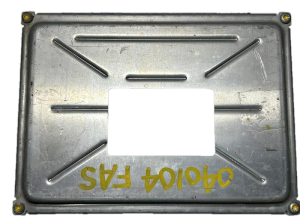
Aftermarket price range: $0 - Engine Control Unit (ECU/PCM)
(OEM #8973155094, 8973155092, 8122063690, 8122050590 (Varies by year/engine))— In the rare event that the ECU has failed and is producing this phantom code, it will need replacement. Part numbers are highly specific to year, engine, and transmission.
Trusted brands: Genuine Isuzu (Hitachi)
OEM price range: $500-$1200
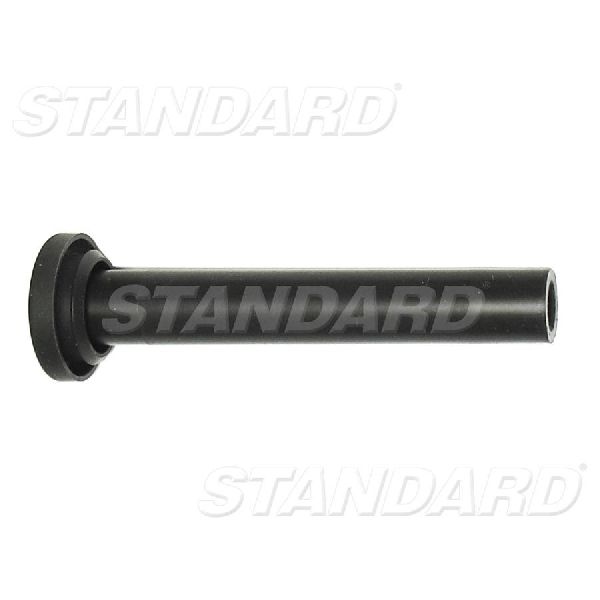
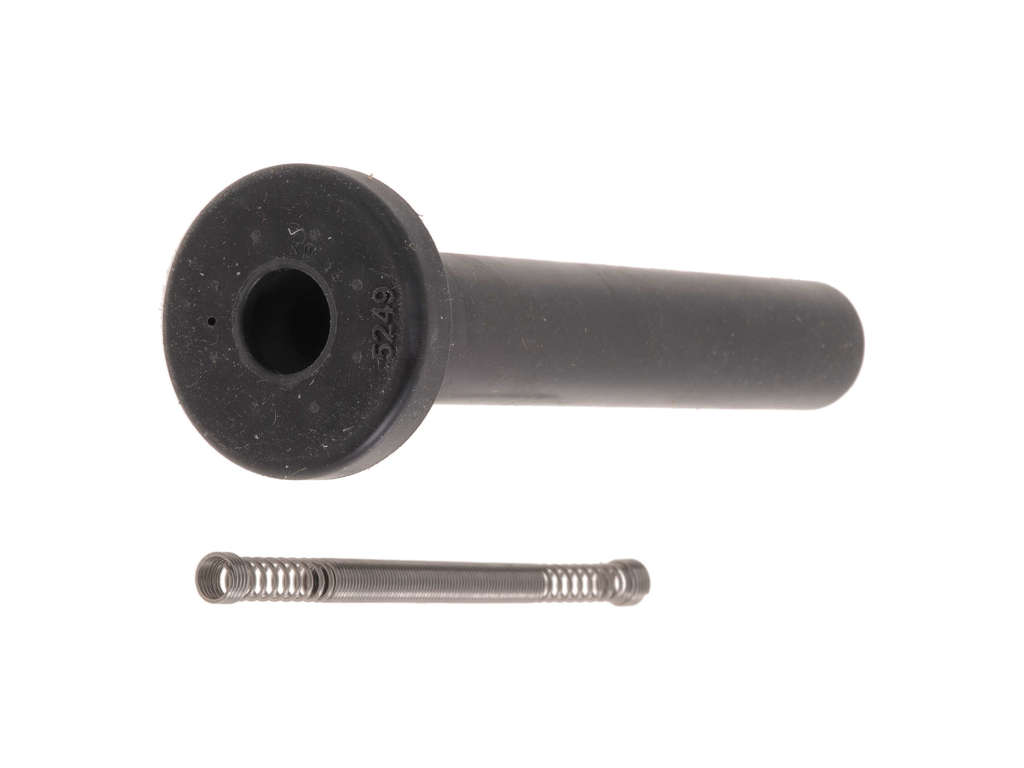
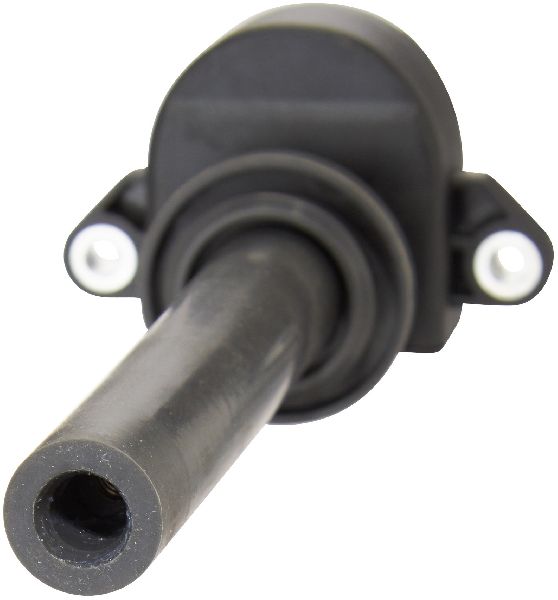
Aftermarket price range: $200-$800 (Remanufactured) - Ignition Coil (for actual misfire)
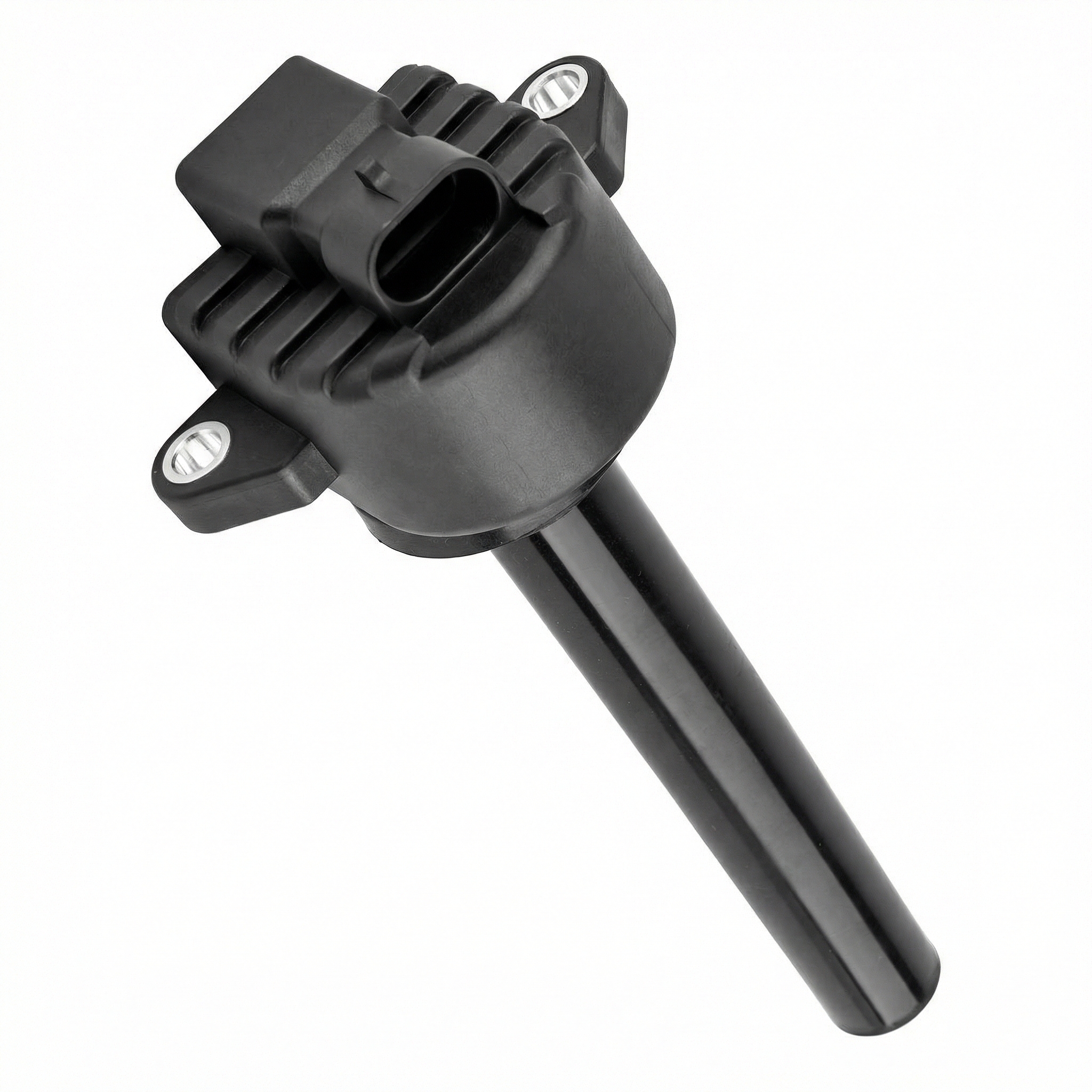
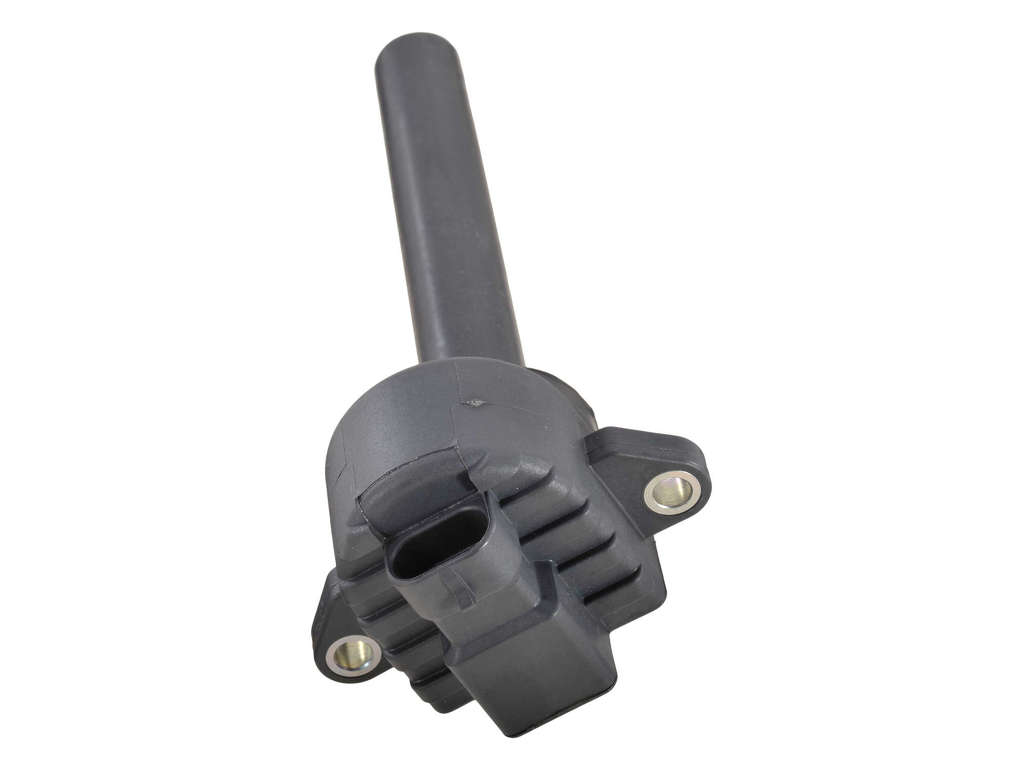
(OEM #8970968040 (Note: Cylinder 6 may use a different coil))— If the true code is P0301-P0306, a failed ignition coil is a very common cause. Some sources indicate cylinder #6 uses a unique, shorter coil.
Trusted brands: Denso, NGK, Duralast
OEM price range: $180
Aftermarket price range: $50-$100
Related Codes That Often Appear With This One
- P0300 — If the actual issue is a random misfire, P0300 is the correct code. 🎬 See how to use repair resources for a P0300 diagnosis A faulty scan tool might incorrectly interpret this as a specific cylinder, or a failing ECU might output both codes erratically.
- P0301, P0302, P0303, P0304, P0305, P0306 — These are the valid cylinder-specific misfire codes for the Isuzu Rodeo V6. The problem you are experiencing is likely related to one of these cylinders, not an eighth cylinder. A scan tool error could easily misreport one of these as P0308.
- U-series codes (e.g., U0100) — If the ECU is failing, you may also see communication error codes, indicating a loss of communication between modules.
Technical Service Bulletins (TSBs) & Recalls
- Bulletin #PIP5628: A general GM bulletin from 2019 that provides a checklist for technicians when diagnosing misfire codes from P0300 to P0308. It is not specific to the Rodeo and confirms this code range is used across GM's V8-equipped lineup.
Platform-Specific Known Issues
- On the 3.2L V6, the ignition coil for cylinder #6 is shorter than the coils for cylinders 1-5. Installing the wrong coil can cause a misfire on that cylinder (P0306) or a random misfire (P0300).
- Oil leaking from the valve cover gaskets can seep into the spark plug tubes, fouling the plugs and causing misfires. This is a very common issue on high-mileage Rodeos.
- A leaking fuel pressure regulator can drip fuel onto the cylinder #6 intake runner, causing a misfire that is often misdiagnosed as a bad coil.
- The 2004 model with the 3.5L GDI (Gasoline Direct Injection) engine has a more complex fuel system and ECU, which may require specialized diagnostic tools.
Mechanic-Grade Diagnostic Values
- Fuel Injector Resistance (3.2L V6) — expected: 11.8 - 12.6 Ω. Failure: A reading outside this range indicates a faulty injector winding (open or shorted).
- ECU Power and Ground Circuit Integrity — expected: Approximately 12V at the ECU's VCC (power) pin with key on. Near 0V voltage drop on the ground circuit (measured between ECU ground pin and battery negative terminal).. Failure: Low or no voltage on the power pin, or significant voltage on the ground pin, indicates a wiring or ground fault that can cause the ECU to malfunction and generate phantom codes.
Hidden / Shadow Codes Worth Checking
- Mode 6 Misfire Counters: The ECU maintains a 'current' and 'history' misfire counter for each individual cylinder (1-6). This data can be viewed with an advanced scan tool to see which cylinder is actually misfiring, even before a P030X code is set. This is the definitive way to check if a real misfire exists when a phantom code like P0308 appears. (see via A professional scan tool with Mode 6 capability, such as the dealer-level GM/Isuzu Tech 2.)
Scan Tool Commands That Help
- GM / Isuzu Tech 2: Bi-Directional Controls / Actuator Tests — If a real misfire code (e.g., P0306) is found after disproving P0308, a Tech 2 can be used to perform a cylinder balance test or individually command injectors and coils to isolate the fault without swapping parts. It is also the most reliable tool for reading the true codes from the ECU.
Wiring & Ground Locations
- ECU / PCM Location (3.2L V6) — Left rear of the engine compartment.. Knowing the physical location is required for inspecting connectors for corrosion or damage and for performing pin-out voltage tests if an ECU fault is suspected.
- ECU / PCM Location (2.2L I4) — Below the center of the dash.. The location differs from the V6 model; correct location is critical for diagnosis.
- G111 (Ground) — On the right side of the engine compartment, behind the battery.. This is a major ground point. A loose or corroded connection here can cause a variety of unpredictable electrical issues, potentially including phantom ECU codes.
- G120 (Ground) — On the right side of the intake manifold (3.2L V6).. This is a critical engine ground. A poor connection can affect sensor readings and ECU operation, leading to misdiagnosis.
- Engine Harness Chafe Points — General areas to inspect include where the harness crosses the camshaft/valve covers and near brackets for components like the generator or idler pulleys.. Though not specific to P0308, a short-to-ground in the engine harness from chafing can cause erratic ECU behavior and the generation of false trouble codes.
Real Owner Repair Stories
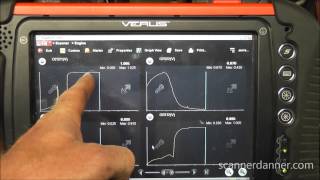
- ScannerDanner YouTube Channel (Professional Case Study) (2002 Isuzu Rodeo 3.2L V6) — Severe intermittent misfire on all three cylinders of one bank (Bank 1) after an engine replacement.
❌ Tried (didn't work) The referring shop had performed cylinder drop tests and was focused on a fuel or spark issue on Bank 1.
✅ What actually fixed it The upstream oxygen sensor electrical connectors for Bank 1 and Bank 2 had been accidentally swapped. This caused the ECU to receive opposite fuel mixture readings, leading it to command Bank 1 to go extremely lean and Bank 2 to go extremely rich, resulting in a severe, but diagnostically confusing, misfire on Bank 1. Correcting the connectors resolved the issue.
OEM Part Supersession History
Varies (e.g., 12240639, 8973673870)→Varies— ECU Replacement
Heads up: The ECU part number MUST be matched exactly to the original unit. Failure to do so will result in a no-start or improper function. Many replacement ECUs, even with a matching part number, require VIN programming to synchronize with the vehicle's security system and other modules.
Model Year Variations Within This Range
- 2004: The 2004 model year introduced a 3.5L V6 (6VE1) with Gasoline Direct Injection (GDI). This engine has a high-pressure fuel system and more complex ECU logic compared to the port-injected 3.2L V6 (6VD1) used in earlier years. Diagnosing any underlying issues on a GDI model requires tools and knowledge specific to high-pressure fuel systems.
- 2000-2004: The physical location of the Engine Control Unit (ECU/PCM) differs by engine. On 3.2L V6 models, it is typically in the left rear of the engine compartment. On 2.2L I4 models, it is located inside the cabin, below the center of the dashboard.
Helpful Videos
Used OEM Parts in Stock
New Aftermarket Parts Available


The information in this article is provided for general reference and educational purposes only. Vehicle specifications, procedures, and part compatibility can vary by production date, trim level, and region. Always consult your vehicle's factory service manual and verify part numbers before purchasing or performing repairs. Safety-critical components such as airbags, seat belts, and braking systems should be installed by a qualified professional.
- Isuzu RODEO:
- 🧭 Diagnostic Flowchart
- 🎬 Helpful Videos
- 🛍️ Shop This Part
- What's Unique About the 2000-2004 Isuzu RODEO
- Symptoms You May Notice
- Most Likely Causes
- Diagnosis Steps
- Parts You'll Likely Need
- Related Codes That Often Appear With This One
- Technical Service Bulletins (TSBs) & Recalls
- Platform-Specific Known Issues
- Mechanic-Grade Diagnostic Values
- Hidden / Shadow Codes Worth Checking
- Scan Tool Commands That Help
- Wiring & Ground Locations
- Real Owner Repair Stories
- OEM Part Supersession History
- Model Year Variations Within This Range
- 🎟️ Get 5% Off