

P0308 on 2010-2014 Land Rover Range Rover: Cylinder 8 Misfire Causes and Fixes
P0308 indicates a misfire in cylinder 8 on your Range Rover's 5.0L V8. Cylinder 8 is the rearmost cylinder on the driver's side (LHD vehicles). The most common fix is replacing a faulty ignition coil and the corresponding spark plug. If these have been replaced, investigate the fuel injector or check for software updates before suspecting more serious timing chain or internal engine issues.
- P0308 on this Range Rover is a misfire on cylinder 8, most often caused by a bad ignition coil or spark plug.
- Always check for oil in the spark plug well; a leaking valve cover gasket must be fixed to prevent repeat coil failure.
- A simple diagnostic is to swap the coil from cylinder 8 with another cylinder to see if the fault code follows.
- Be aware of two key platform issues: a software recall (J038 for 2010-12 models) and a serious timing chain guide problem, especially if you hear a rattle on cold starts.
- Do not ignore a flashing check engine light, as it can lead to rapid and costly damage to the catalytic converter.
What's Unique About the 2010-2014 Land Rover RANGE ROVER
On the 2010-2014 Range Rover with the 5.0L V8, a P0308 code can range from a simple ignition component failure to a symptom of a more serious, known platform issue. While spark plugs and coils are common culprits, these engines are also known for timing chain guide and tensioner failures, which can cause misfires if the timing becomes unstable. Additionally, Land Rover has issued service bulletins for misfire codes caused by poor fuel quality and software calibration issues, adding layers to the diagnosis that go beyond typical mechanical wear. [LTB00409NAS3] The direct injection system also makes clogged injectors a more significant possibility compared to older port-injected engines.
Diagnostic Flowchart
Tap your situation to follow the diagnostic path that matches what you're seeing on this vehicle.
Generation note: This year range covers the late L322 (2010-2012) and early L405 (2013-2014) generations. Both use the 5.0L V8 engine, and the causes for P0308 are largely the same. However, the notorious timing chain guide issues are more pronounced on the earlier 2010-2013 models, and a specific software update recall (J038) only applies to 2010-2012 models.
Symptoms You May Notice
- Rough or vibrating idle.
- Hesitation or stumbling during acceleration.
- Noticeable loss of engine power.
- Flashing or solid Check Engine Light.
- Smell of gasoline from the exhaust.
- "Restricted Performance" message on the dashboard.
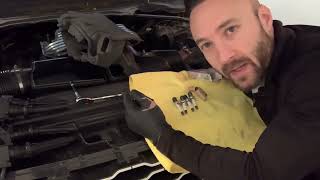
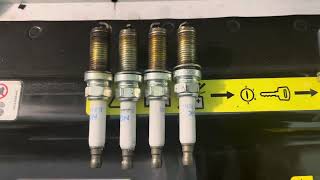
- Replacing only the spark plug when the ignition coil is bad (or vice-versa). It's best practice to replace both at the same time on the affected cylinder. 🎬 Watch: Step-by-step guide for replacing spark plugs, coils, and PCV valves.
- Assuming a major mechanical failure like timing chains before thoroughly checking the entire ignition system (plugs, coils, wiring), fuel system (injector, fuel quality), and for unmetered air leaks.
- Replacing a fuel injector without confirming it's the cause, as it is a labor-intensive job.
Most Likely Causes
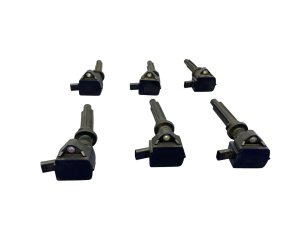
- Faulty Ignition Coil 🔴 High Probability → Shop Ignition Coil Coil-on-plug systems are common failure points due to high heat and vibration. Leaking valve cover gaskets can also allow oil into the spark plug wells, which saturates and destroys the coil boot, causing failure.
How to confirm: Swap the ignition coil from cylinder 8 with another cylinder (e.g., cylinder 6 on the same bank). Clear the codes and drive. If the code changes to P0306, the coil is bad.
Typical fix: Replace the failed ignition coil. It is best practice to also replace the spark plug at the same time. Apply a small amount of dielectric grease to the inside of the new coil boot.
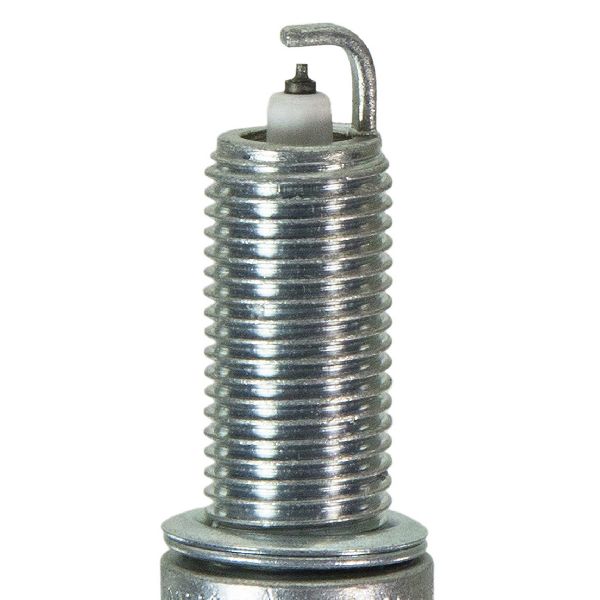
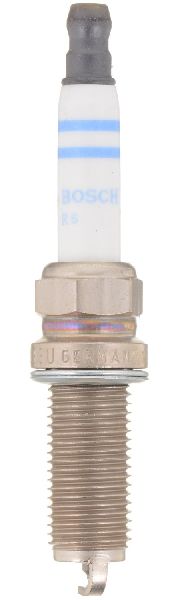
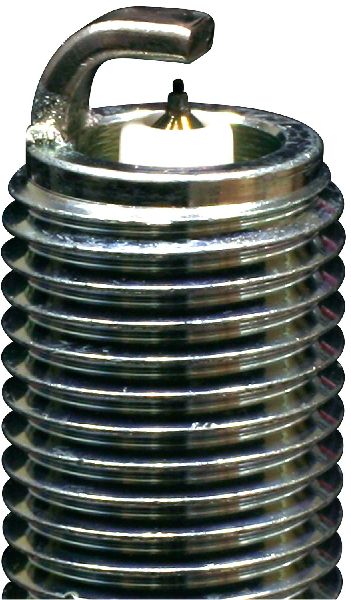
Est. part cost: $50-$120 - Worn or Fouled Spark Plug 🔴 High Probability → Shop Spark Plug
How to confirm: Remove the spark plug from cylinder 8 and inspect it. Look for heavy carbon buildup, oil fouling, a cracked porcelain insulator, or a worn/eroded electrode. Compare it to a plug from a different, healthy cylinder.
Typical fix: Replace the spark plug. It is highly recommended to replace all 8 spark plugs as a set if they are near the end of their service life (typically 60,000-90,000 miles). Use dielectric grease on the new coil boot.
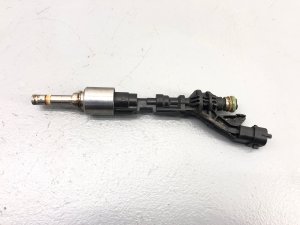
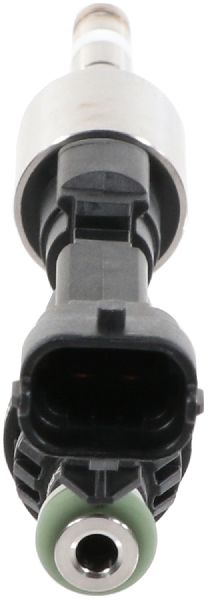
Est. part cost: $15-$30 per plug - Clogged or Faulty Fuel Injector 🟡 Medium Probability → Shop Fuel Injector
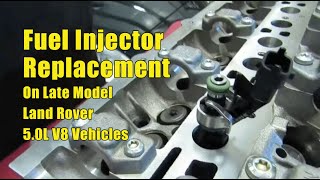
How to confirm: This is more complex. A professional can perform a fuel injector balance test. A DIY method is to swap the injector with another cylinder, similar to the coil swap, but this is a much more labor-intensive job requiring removal of the fuel rail. 🎬 See this walkthrough on how to remove the fuel injectors. A capable OBD-II scanner can monitor fuel trims; a high negative short-term fuel trim on Bank 2 can indicate the ECU is trying to correct for an injector that is stuck open or leaking.
Typical fix: Replace the faulty fuel injector. The fuel system must be depressurized. It's often recommended to replace all injectors on the same bank at the same time. The small metal retaining clips are often sold separately and should be replaced.
Est. part cost: $100-$250 - Poor Fuel Quality ⚪ Low Probability Land Rover issued a Technical Service Bulletin (LTB00409NAS3) stating that rough idle and misfire codes (P0301-P0308) can be caused by poor quality fuel, particularly fuel with high ethanol content. [LTB00409NAS3]
How to confirm: This is a diagnosis of exclusion. If the issue appeared immediately after refueling, consider this a possibility. Try a different, high-quality, top-tier fuel station.
Typical fix: Fill the tank with high-octane fuel from a reputable brand and add a quality fuel system cleaner designed for GDI (Gasoline Direct Injection) engines.
Est. part cost: $15-$30 for cleaner
Rare But Worth Checking
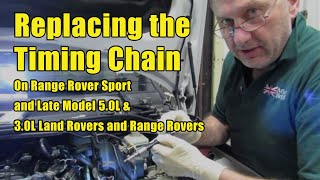
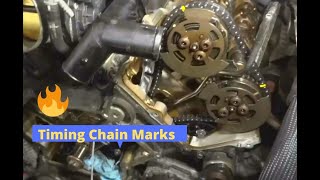
- Worn Timing Chain Guides / Tensioner: → Shop Engine Timing Chain This is a critical and well-documented issue on 2010-2014 5.0L V8s. A rattling noise from the front of the engine on a cold start is the primary warning sign. If the chain slackens, it can cause erratic cam timing, leading to misfires (often on multiple cylinders, but can start with one) and eventually catastrophic engine failure. If you've ruled out ignition and fuel, this should be investigated by a professional. 🎬 Watch: A complete professional guide to timing chain replacement.
- Engine Control Module (ECM) Software Issue: → Shop Engine Control Module (ECM) Emissions Recall J038 was issued for some 2010-2012 models where a software calibration issue could cause misfire codes (P0301-P0308) shortly after a cold start. A dealer can check if this update has been performed on your vehicle by VIN.
- Low Engine Compression: This indicates a mechanical engine problem. A common cause on similar V8 engines is a worn or burnt intake valve, which may not seal properly, especially during a cold start, leading to a misfire that can sometimes improve as the engine warms up. Other causes include a leaking head gasket, a burnt exhaust valve, or worn piston rings. A compression test and a cylinder leak-down test can confirm this. A coolant leak into the cylinder can also cause a misfire, identifiable by a constantly dropping coolant level or white, sweet-smelling smoke from the exhaust.
- Vacuum Leak: A leak in the intake manifold gasket or a cracked vacuum hose near cylinder 8 could lean out the air/fuel mixture and cause a misfire. In one documented case, a loose air intake boot between the MAF sensor and the throttle body was the cause of a P0308, as it allowed unmetered air to enter the engine. Carefully check all intake tract connections.
Diagnosis Steps
- Read the codes with an OBD-II scanner and confirm P0308 is present. Note any other codes like P0300 or P0316 and check freeze frame data to see when the misfire occurs (e.g., cold start, under load).
- Locate cylinder 8. It is the rearmost cylinder on the driver's side (on LHD vehicles).
- Inspect the spark plug well for cylinder 8. If there is oil in the well, the valve cover gasket or spark plug tube seal is leaking and must be replaced.
- Swap the ignition coil from cylinder 8 to a different cylinder on the same bank (e.g., cylinder 6). Clear the codes, run the engine, and see if the misfire code moves to P0306. If it does, the ignition coil is faulty.
- If the misfire does not move, swap the spark plug from cylinder 8 to a different cylinder. If the code then moves, the spark plug was the issue.
- If the misfire remains on cylinder 8, inspect the wiring and connector for the ignition coil and fuel injector for any damage or corrosion. A user on landroverforums.com found a burned wire connector was their ultimate issue.
- If you have an advanced scanner, monitor the fuel trims for Bank 2. A significantly negative number (e.g., -15% or more) suggests the computer is removing fuel to compensate for a rich condition, possibly from a leaking injector.
- Listen for a distinct rattling or ticking noise from the front of the engine on a cold start. If present, suspect a timing chain issue and seek professional diagnosis immediately.
- If no obvious cause is found, have a technician perform a compression test and cylinder leak-down test to check for mechanical engine health, such as a bad valve or head gasket leak.
- Contact a Land Rover dealer with your VIN to check if Emissions Recall J038 (for 2010-2012 models) is open or was completed.
Parts You'll Likely Need
- Ignition Coil
(OEM #LR030637)— This is the most common failure part for a single-cylinder misfire on modern engines. Supersedes part number LR084889. - Spark Plug
(OEM #LR032080)— A routine maintenance item and a frequent cause of misfires. The OEM plug is often an NGK ILKR6C-10. - Fuel Injector
(OEM #LR105439)— Direct injectors on this engine can become clogged or fail, leading to misfires. This part number supersedes LR037088 and LR069897.
Related Codes That Often Appear With This One
- P0300 — If the misfire is intermittent or affects multiple cylinders, a P0300 (Random/Multiple Cylinder Misfire) may be stored alongside P0308. This could point towards a systemic issue like a vacuum leak, fuel delivery problem, or timing issue.
- P0316 — This code means 'Misfire Detected on Start-Up (First 1000 Revolutions)'. It is often seen with specific cylinder misfire codes and was specifically mentioned in recall J038 and TSB LTB00409NAS3. [LTB00409NAS3] It can be a strong indicator of issues that are more pronounced on a cold engine, such as carbon buildup on valves or a leaking fuel injector.
Technical Service Bulletins (TSBs) & Recalls
- LTB00409NAS3: Mentions rough idle and misfire codes P0301-P0308 may be caused by poor fuel quality.
- J038 / LTB00723NAS2: Emissions recall and TSB for an ECM software update to correct false misfire detection on cold starts for 2010-2012 models.
- LTB00474NAS3: Addresses a rattle noise on cold start from 2010-2012 models, caused by timing chain component wear, which can lead to misfires.
Platform-Specific Known Issues
- Persistent Misfire After Swapping Components: In a thread on landroverworld.org, an owner of a 2011 LR4 (same engine) reported a persistent P0308 and P0316 even after swapping coils, installing new plugs, and swapping injectors. Compression and leak-down tests were normal. This highlights that diagnosis can sometimes be complex and may point to wiring or ECU issues if the common components are ruled out.
- Vacuum Leak from Loose Intake Boot: A user on landroverforums.com traced their P0308 code to a simple mechanical issue: the large rubber air intake boot had come loose from the intake housing, creating a significant vacuum leak after the Mass Airflow Sensor. Securing the boot resolved the misfire. This is a crucial and easy check before replacing expensive parts.
- Misfire Solved by Injector Replacement: A detailed YouTube video covering misfires on Bank 2 (including P0308) of a 2011 LR4 demonstrated diagnosis using fuel trims, which showed a rich condition. The owner replaced all four fuel injectors on that bank, which successfully resolved the misfire codes. The video noted that new Bosch injectors did not come with the metal retaining clips, which had to be sourced separately.
Mechanic-Grade Diagnostic Values
- Low-Pressure Fuel System (Key On, Engine Off) — expected: 105 PSI (primes when driver's door is opened). Failure: Significantly lower pressure indicates a weak in-tank fuel pump or module issue.
- Low-Pressure Fuel System (Engine at Idle) — expected: ~79 PSI. Failure: Pressure dropping below this range at idle can indicate a failing low-pressure pump.
- High-Pressure Fuel System (Cold Start / 3,000 RPM) — expected: ~2,000 PSI or higher. Failure: Failure to reach this pressure can indicate a problem with one of the two high-pressure fuel pumps.
- High-Pressure Fuel System (Engine at Idle) — expected: ~500 PSI. Failure: Wildly fluctuating pressure or pressure that doesn't stabilize can point to a faulty rail pressure sensor or high-pressure pump.
- Ignition Coil Secondary Winding Resistance — expected: 6,000 - 10,000 ohms (general specification). Failure: A reading outside this range suggests the coil's internal windings are failing.
Scan Tool Commands That Help
- Land Rover SDD (Symptom Driven Diagnostics): DTC (Diagnostic Trouble Code) Analysis — When P0308 is present, the SDD software can correlate it with other faults in different modules, check the mileage at which the fault occurred, and provide context that a generic scanner cannot. It guides the technician through a structured diagnostic plan based on the specific code and vehicle symptoms.
- Land Rover SDD (Symptom Driven Diagnostics): Live Data / Datalog — Use this to monitor misfire counts per cylinder in real-time, as well as short-term and long-term fuel trims for Bank 2. This helps confirm if the misfire is constant or intermittent and whether the ECM is trying to compensate for a fuel delivery issue on the bank containing cylinder 8.
- Land Rover SDD (Symptom Driven Diagnostics): Power Balance Test (if available) — This function allows the tool to sequentially disable the fuel injector for each cylinder, causing a drop in engine RPM. If disabling cylinder 8 causes little or no change in RPM, it confirms that cylinder is not contributing power, verifying the misfire.
Wiring & Ground Locations
- Main Engine-to-Chassis Ground Strap — On the L322, a primary ground strap is located under the front right (passenger side on LHD) wheel arch, behind the plastic liner, connecting the chassis to the body/frame.. A corroded or loose main ground can cause a host of intermittent electrical issues, including weak spark or erratic sensor readings that could lead to misfire codes. While not specific to cylinder 8, it's a known failure point on the L322 platform that can cause difficult-to-diagnose electrical gremlins.
- Starter Ground — A ground strap runs from the starter motor to the chassis.. While primarily for the high-current starter circuit, a poor connection here can affect the overall engine grounding integrity, potentially impacting sensor and ignition system performance.
- Cylinder Head Grounds — There are ground points on the cylinder heads themselves, which provide a ground path for various sensors and components mounted to the engine.. The ignition coils are grounded through the cylinder head. A compromised ground connection on Bank 2 (driver's side) could theoretically affect the performance of the coils on that bank, including cylinder 8.
Real Owner Repair Stories
- Land Rover Forums user (Land Rover Discovery (with similar ignition system)) — P0308 (Cylinder 8 misfire) returned after replacing spark plugs and wires. Flashing Service Engine Soon light and noticeable engine miss.
❌ Tried (didn't work) Replacing all spark plugs, Replacing all spark plug wires
✅ What actually fixed it The root cause was a coolant leak into cylinder 8. A coolant system pressure test confirmed the leak, and the spark plug from cylinder 8 was noticeably cleaner than others, indicating it was being 'steam cleaned' by the coolant.
OEM Part Supersession History
LR037088, LR069897→LR105439— Updated design or manufacturer change for the 5.0L V8 fuel injector.
Heads up: These part numbers are for the direct fuel injector. The Bosch OEM part number is 0261500105.LR019484, LR011987→LR032080— Updated specification for the spark plug used in the 5.0L V8 engine.
Heads up: The current recommended OEM plug is often an NGK Iridium plug, model ILKR6C-10.
Model Year Variations Within This Range
- 2013-2014: Models built in late 2012 for the 2013 model year and onward received updated timing chain tensioners from the factory, making them less susceptible to the well-known timing chain guide failure that can cause misfires.
- 2010-2012: These earlier models are more prone to the timing chain guide issues. Additionally, a specific emissions recall (J038) for a software update to address cold-start misfires (including P0308 and P0316) applies only to some 2010-2012 models.
Helpful Videos
Used OEM Parts in Stock
New Aftermarket Parts Available


The information in this article is provided for general reference and educational purposes only. Vehicle specifications, procedures, and part compatibility can vary by production date, trim level, and region. Always consult your vehicle's factory service manual and verify part numbers before purchasing or performing repairs. Safety-critical components such as airbags, seat belts, and braking systems should be installed by a qualified professional.
- Land Rover RANGE ROVER:
- 🧭 Diagnostic Flowchart
- 🎬 Helpful Videos
- 🛍️ Shop This Part
- What's Unique About the 2010-2014 Land Rover RANGE ROVER
- Symptoms You May Notice
- Most Likely Causes
- Rare But Worth Checking
- Diagnosis Steps
- Parts You'll Likely Need
- Related Codes That Often Appear With This One
- Technical Service Bulletins (TSBs) & Recalls
- Platform-Specific Known Issues
- Mechanic-Grade Diagnostic Values
- Scan Tool Commands That Help
- Wiring & Ground Locations
- Real Owner Repair Stories
- OEM Part Supersession History
- Model Year Variations Within This Range
- 🎟️ Get 5% Off