

P0308 on 2008-2009 Pontiac G8: Cylinder 8 Misfire Causes and Fixes
P0308 on a Pontiac G8 indicates a misfire in cylinder 8, the rearmost cylinder on the passenger side. The most common causes are a bad spark plug, ignition coil, or plug wire. For the 6.0L L76 engine in the GT model, this code can also be a symptom of a failing Active Fuel Management (AFM) lifter, a more serious and well-documented issue that often requires significant engine work or an 'AFM delete'.
- P0308 on a Pontiac G8 is a misfire on cylinder 8, which is the rearmost cylinder on the passenger side.
- Always start diagnosis by swapping the ignition coil and then the spark plug from cylinder 8 to another cylinder to see if the code follows. This is the cheapest and easiest way to find the problem.
- If you have the 6.0L L76 engine (G8 GT), be highly suspicious of a failed Active Fuel Management (AFM) lifter, especially if ignition parts check out and you hear a ticking noise.
- Do not ignore a flashing Check Engine Light, as this indicates a severe misfire that can quickly destroy your expensive catalytic converters.
What's Unique About the 2008-2009 Pontiac G8
The Pontiac G8 GT's 6.0L L76 V8 is equipped with Active Fuel Management (AFM), also called Displacement on Demand (DOD), which is a known weak point. The specialized lifters for this system, particularly on cylinders 1, 4, 6, and 7 (though failures can occur on any), are prone to failure. They can collapse, get stuck, or have their internal locking pins fail, often due to oil aeration or pressure issues. This prevents the valve from opening correctly, causing a persistent misfire. GM has issued technical service bulletins (TSBs) acknowledging that misfire codes that can't be solved by ignition or fuel system repairs are often due to a collapsed lifter or a worn camshaft lobe. The issue is managed by the Valve Lifter Oil Manifold (VLOM), which directs oil pressure to activate/deactivate the lifters. The 6.2L LS3 V8 in the GXP model does not have AFM, so this specific, common, and serious cause does not apply to it.
Symptoms You May Notice
- Rough or vibrating idle
- Hesitation or stumbling during acceleration
- Noticeable loss of engine power
- Solid or flashing Check Engine Light
- Smell of unburned fuel from the exhaust
- A distinct, rhythmic ticking or chirping sound from the engine, especially on L76 models, pointing to a possible valvetrain/lifter issue
- Replacing all ignition coils and plugs when the root cause is a mechanical issue like an AFM lifter, especially on the 6.0L L76 engine. This leads to the code returning and wasted expense.
- Ignoring a ticking noise, attributing it to a simple 'exhaust leak' when it is often the first sign of impending lifter and camshaft failure on L76 engines.
Most Likely Causes
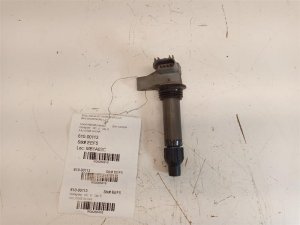
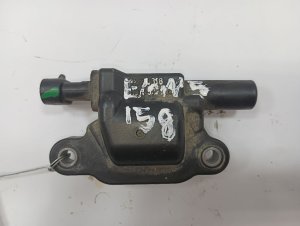
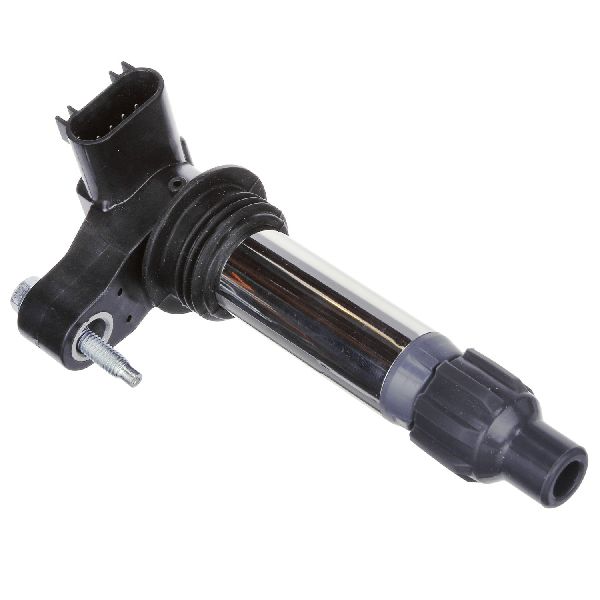
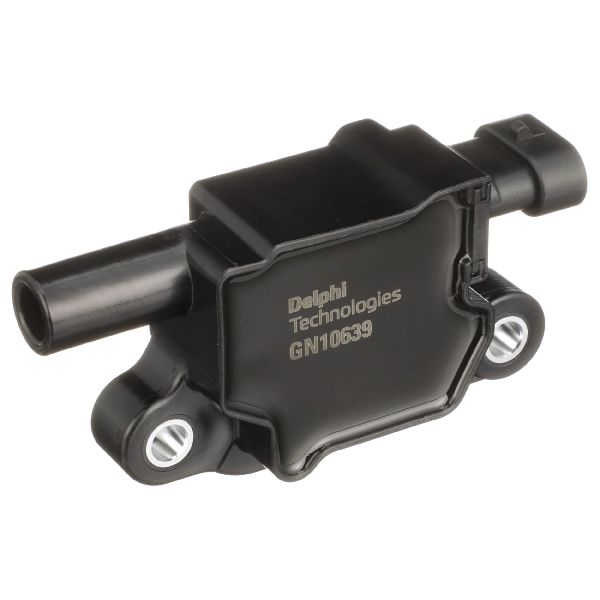
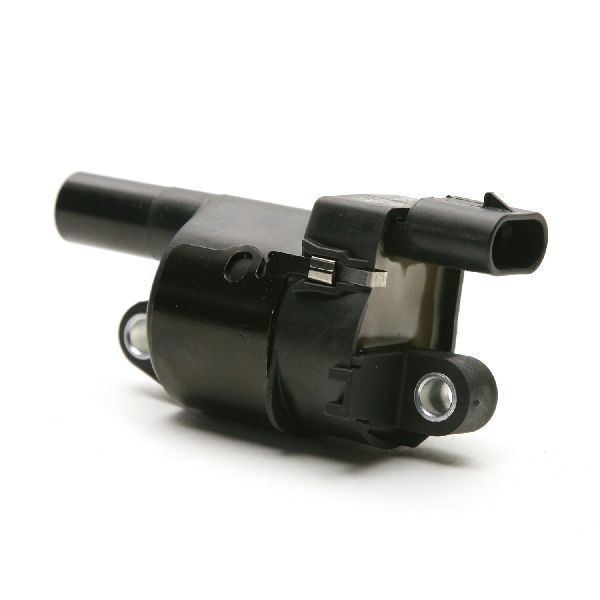
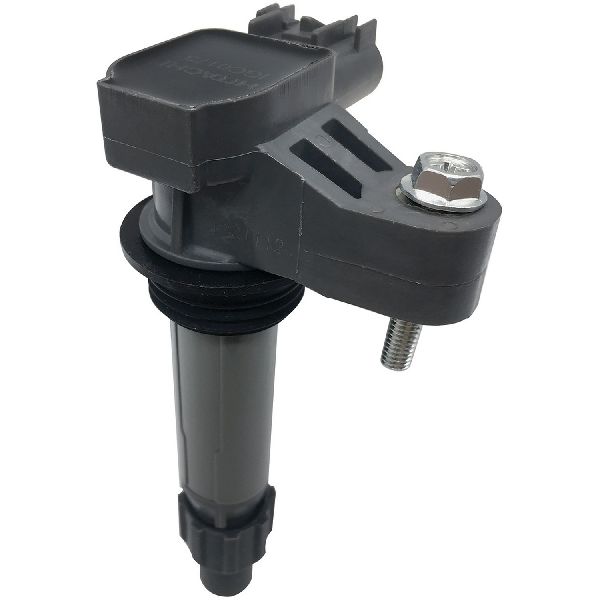
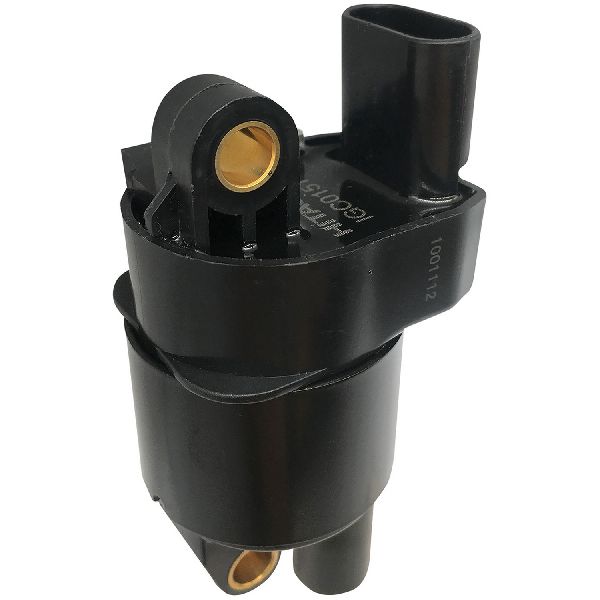
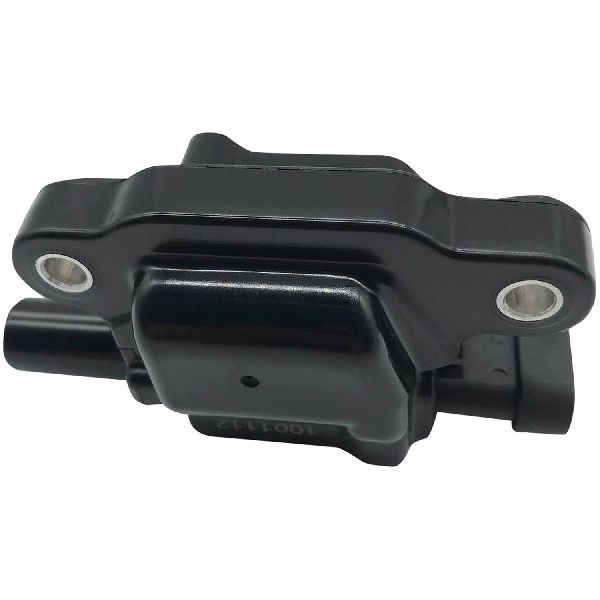
- Faulty Ignition Coil 🔴 High Probability → Shop Ignition Coil Coil-on-plug systems are common failure points due to constant exposure to high engine heat and vibration. The ACDelco D510C is the common OEM replacement.
How to confirm: Swap the ignition coil from cylinder 8 with an adjacent cylinder (e.g., cylinder 6). Clear the codes and drive. If the misfire code changes to P0306, the coil is bad. Cylinder 8 is the rearmost cylinder on the passenger side.
Typical fix: Replace the faulty ignition coil. It is recommended to use a quality OEM brand like ACDelco (Part No. D510C or 12611424).
Est. part cost: $30-$75 - Worn or Fouled Spark Plug 🔴 High Probability → Shop Spark Plug
How to confirm: Remove the spark plug from cylinder 8 and inspect it. Look for a worn electrode, cracks in the porcelain, or heavy deposits of oil or carbon. Compare it to a new plug. You can also swap it with another cylinder's plug to see if the code follows.
Typical fix: Replace the spark plug. The OEM recommended plug is an ACDelco Iridium plug (Part No. 41-162), which comes pre-gapped to 0.040 inches. It is best practice to replace all 8 plugs if they are near the end of their service life.
Est. part cost: $12-$25 per plug - Bad Spark Plug Wire 🟡 Medium Probability → Shop Spark Plug
How to confirm: Inspect the wire for any visible damage, such as cracks, burns, or corrosion on the terminals. Check for looseness at the coil and plug. Test its resistance with a multimeter; a reading outside of the manufacturer's specification (typically under 1,000 ohms per foot) indicates a bad wire.
Typical fix: Replace the spark plug wire. It's often recommended to replace the full set with a quality brand like ACDelco.
Est. part cost: $50-$100 for a set - Failed AFM/DOD Lifter (6.0L L76 Engine Only) 🟡 Medium Probability → Shop Engine Valve Lifter The Active Fuel Management lifters are a well-documented failure point on GM Gen IV V8 engines. They can become stuck or collapse, preventing the valve from opening and causing a misfire. Cylinder 8 is an AFM-managed cylinder. This issue is frequently discussed in owner forums.
How to confirm: This is a more complex diagnosis. It often starts with a compression test. A distinct ticking or squeaking noise from the top of the engine that follows camshaft speed (half of engine RPM) is a strong indicator. Confirmation requires removing the valve cover and potentially the cylinder head to inspect the valvetrain for a lifter that is not moving correctly or a damaged camshaft lobe.
Typical fix: This is a major repair that involves replacing the failed lifter(s) and often the camshaft, which is frequently damaged by the failed lifter. Many owners opt to perform an "AFM delete" at this time, replacing all AFM components (lifters, camshaft, valley cover, etc.) with standard, non-AFM LS parts to prevent future failures.
Est. part cost: $500-$2000 for parts (lifters, camshaft, gaskets, AFM delete kit, etc.) - Clogged or Faulty Fuel Injector ⚪ Low Probability → Shop Fuel Injector
How to confirm: Swap the fuel injector from cylinder 8 with another cylinder. If the misfire code follows the injector, it is faulty. You can also listen to the injector with a mechanic's stethoscope to ensure it is clicking rhythmically. A scan tool can also perform an injector balance test.
Typical fix: Replace the faulty fuel injector. Ensure the correct part number is used as multiple types may exist for the same model year.
Est. part cost: $50-$120
Rare But Worth Checking
- Broken Valve Spring: LS-family engines are known to occasionally suffer from broken valve springs, even on stock engines. This will cause a loss of compression and a consistent misfire on the affected cylinder. A visual inspection after removing the valve cover is required for diagnosis.
- Worn Camshaft Lobe: → Shop Engine Camshaft Often occurs as a direct result of a failed lifter (especially a seized roller on an AFM lifter) on the L76 engine. TSB #19-NA-219 (which supersedes PIP4138R) specifically points to this as a cause for persistent misfires accompanied by a tick or chirp noise. Manufacturer Bulletin #PIP4138R notes that if standard diagnostics do not isolate the cause of a misfire, technicians should specifically check for a worn camshaft lobe.
- Low Cylinder Compression: Can be caused by a bent valve, broken valve spring, worn piston rings, or a damaged cylinder head gasket. A compression test followed by a cylinder leak-down test will identify this issue and help pinpoint the source of the leak.
- Intake Manifold Gasket Leak: → Shop Engine Intake Manifold A vacuum leak near the intake runner for cylinder 8 can lean out the air/fuel mixture enough to cause a misfire isolated to that cylinder. This can be tested for by spraying brake cleaner or starter fluid near the gasket with the engine running and listening for a change in idle speed.
Diagnosis Steps
- Read the code with an OBD-II scanner and note any other codes present. Check freeze frame data to see the conditions under which the misfire occurred.
- Identify Cylinder 8: On the G8's V8, it is the rearmost cylinder on the passenger side (front to back: 2-4-6-8).
- Perform a 'swap test' with the ignition coil. Move the coil from cylinder 8 to cylinder 6. Clear the codes and drive. If the code returns as P0306, the ignition coil is the culprit.
- If the coil is not the issue, inspect and/or swap the spark plug from cylinder 8 with cylinder 6. If the code changes to P0306, the spark plug was the problem.
- Inspect the spark plug wire for cylinder 8 for any signs of damage, wear, or looseness at both ends.
- If ignition components are good, listen to the fuel injector on cylinder 8 with a stethoscope to ensure it's clicking. Consider swapping it with another cylinder's injector if you suspect it's faulty.
- (L76 Engine) Listen carefully for a distinct ticking, squeaking, or chirping sound from the engine. If present, a mechanical valvetrain issue is highly likely.
- Perform a cylinder compression test on cylinder 8. A healthy LS engine should have compression above 150 PSI and be within 15% of the other cylinders. A low reading indicates a mechanical problem.
- If a mechanical issue is suspected, remove the passenger side valve cover to inspect the valve springs, rocker arms, and pushrods for cylinder 8. Check for broken springs or bent pushrods.
- If a lifter/camshaft issue is suspected based on noise and the above steps, professional diagnosis is recommended as it requires further engine disassembly for confirmation. Manufacturer Bulletin #PIP5628C indicates that specific diagnostic information may need to be provided to the Technical Assistance Center (TAC) to aid in diagnosing misfires and codes P0300-P0308.
Parts You'll Likely Need
- Ignition Coil
(OEM #12611424 (ACDelco D510C))— The most common failure point for a single-cylinder misfire due to heat and vibration.
Trusted brands: ACDelco, Delphi
OEM price range: $50-$90
Aftermarket price range: $30-$60
Related Codes That Often Appear With This One
- P0300 — If the condition causing the P0308 is severe or intermittent, it may also trigger a P0300 (Random/Multiple Cylinder Misfire) code as the engine's overall stability is affected.
Technical Service Bulletins (TSBs) & Recalls
- 19-NA-219 (Supersedes PIP4138R): This is a diagnostic tip bulletin for technicians. It advises that for misfire codes (P0300-P0308) accompanied by a chirp, squeak, or tick noise, if standard ignition and fuel system checks don't find a cause, the issue may be a worn camshaft lobe, sticking valve, or broken valve spring.
- PIP4138R: This manufacturer bulletin addresses engine misfire and noise issues where technicians may find codes P0300-P0308. It instructs technicians to check for a worn camshaft lobe if standard diagnostics fail to isolate the cause.
- PIP5628C: This bulletin communicates information required for the Technical Assistance Center (TAC) to assist in diagnosing vehicles presenting with misfires and DTC codes P0300 through P0308.
- PIP4568: Referenced within other TSBs, this document provides further information specifically on diagnosing and handling collapsed AFM lifters.
Platform-Specific Known Issues
- AFM/DOD Lifter Failure (6.0L L76): The most significant vehicle-specific issue for this code on the G8 GT. The specialized lifters used to deactivate cylinders can collapse or become stuck, leading to a misfire and potential camshaft damage. This is a widely discussed issue in owner forums and is addressed by GM TSBs. The failure often presents as a persistent ticking noise.
- Broken Valve Springs: While not exclusive to the G8, the LS family of engines can experience valve spring failure even without modifications, which will cause a dead misfire on one cylinder. A user on GRRRR8.net reported broken intake and exhaust valve springs on cylinder #3 on their 2009 G8 GT.
Mechanic-Grade Diagnostic Values
- Fuel Pressure (Key On, Engine Off) — expected: 380-410 kPa (55-60 psi). Failure: Pressure below 55 psi can cause lean conditions and misfires under load. Pressure should not drop more than 5 psi in one minute after the pump shuts off.
- Ignition Coil Primary Resistance — expected: 0.4 to 2.0 Ohms. Failure: A reading of 0 ohms indicates a short, while an infinite (OL) reading indicates an open circuit. Either requires coil replacement.
- Ignition Coil Secondary Resistance — expected: 6,000 to 11,000 Ohms (Varies by coil design). Failure: A reading significantly outside the typical range for the specific coil type indicates an internal failure.
- Fuel Injector Coil Resistance (L76/LS3) — expected: Approx. 11.0 to 16.0 Ohms (High Impedance). Failure: A reading significantly different from the other injectors, or an open (OL) or shorted (near 0) reading, indicates a faulty injector. All injectors should measure within 0.5 Ohms of each other.
- Mode $06 Misfire Counter (per cylinder) — expected: 0 or very low counts. Failure: A high count for Test ID $A8 (Cylinder 8 Misfire Data) confirms the misfire is being actively tracked by the ECM. This data can be viewed with most advanced scan tools.
Scan Tool Commands That Help
- Tech2 / GDS2: Injector Balance Test — Used to confirm a suspected faulty fuel injector. The tool commands each injector to fire for a set duration and measures the corresponding drop in fuel pressure. A smaller or larger drop for cylinder 8 indicates a clogged or leaking injector.
- Tech2 / GDS2: Cylinder Deactivation / AFM Control — For L76 engines, this allows a technician to manually command the AFM system on and off at idle to check the response of the VLOM solenoids and lifters. This can help diagnose a stuck AFM lifter if the misfire appears or disappears when AFM is activated/deactivated.
- Tech2 / GDS2: Misfire Graphic — This live data display shows current and historical misfire counts for each individual cylinder, which is more intuitive than raw Mode $06 data. It's the primary tool for confirming which cylinder is at fault and under what conditions (idle, load, etc.) the misfires occur.
Wiring & Ground Locations
- G103 / G110 — G103 is on the EBCM bracket; G110 is from the right front cylinder head to the engine harness. Both are on the passenger side.. The ignition coils are grounded through the cylinder heads. A loose or corroded ground strap on the passenger side (Bank 2) can cause erratic spark and intermittent misfires on cylinders 2, 4, 6, and 8.
- G112 — Located on the left rear of the engine block, providing a ground for the main engine harness.. While on the opposite bank, this is a critical ground for the engine harness that communicates with the ECM. A fault here can cause widespread sensor and actuator issues, including misfires.
- ECM Connector X1, Pin 49 (L76) / Pin 5 (LS3) — At the Engine Control Module (ECM) located on the right side of the engine compartment.. This is the specific pin that sends the 'IC 8 Ctrl' (Ignition Control) signal from the ECM to the cylinder 8 ignition coil. A continuity or voltage test at this pin can diagnose a wiring break between the ECM and the coil.
- Ignition Coil Harness Connector — Plugs directly into the ignition coil for cylinder 8.. The plastic connector can become brittle from heat and fail to make a secure connection. The terminals inside can also corrode or spread, leading to a poor connection and a misfire that seems to come and go.
Real Owner Repair Stories
- GRRRR8.net forum user (2009 Pontiac G8 GT (L76)) — Persistent P0306 misfire (Cylinder 6, also an AFM cylinder), rough running.
❌ Tried (didn't work) Replaced all spark plugs and wires., Swapped ignition coils between cylinders., Performed a compression test which showed acceptable (though varied) numbers (110-135 PSI)., Checked for spark signal using an inline tester, which showed an inconsistent pulse on the misfiring cylinder.
✅ What actually fixed it The owner sold the car before finding the final solution, but concluded after extensive troubleshooting that the most likely cause was a failing AFM/DOD lifter, as all other common causes had been eliminated. - Reddit user r/pontiacg8 (Pontiac G8 GT with 86k miles) — Misfire and ticking/knocking sound.
❌ Tried (didn't work) Initial diagnosis was unclear.
✅ What actually fixed it The root cause was a failed AFM lifter that had also damaged the camshaft. The owner performed a full AFM/DOD delete, replacing the cam, lifters, and related components, which resolved the issue.
OEM Part Supersession History
12571595 (and others)→12648846 (itself later superseded by 12698945)— The original AFM/DOD lifters had a high failure rate. GM released updated versions to improve durability and reduce instances of lifters collapsing or getting stuck.
Heads up: When replacing failed AFM lifters, it is critical to also replace the plastic lifter guide trays. Using old trays with new lifters can cause misalignment and repeat failure. The part number 12648846 is for a single standard (non-AFM) lifter, highlighting the confusion in part catalogs; the AFM lifter has a different part number (e.g., 12639516).
Model Year Variations Within This Range
- 2009: In mid-2009, the G8 GXP model was introduced with the 6.2L LS3 V8. This engine does not have Active Fuel Management (AFM), so the common and severe issue of AFM lifter failure is not a possible cause for a P0308 on a GXP. Diagnosis should be strictly limited to ignition, fuel, or other mechanical causes.
- 2009: For the 2009 model year, the center console digital oil pressure and voltage gauges were removed and replaced with a storage bin. This makes it harder for a driver to casually notice fluctuating or low oil pressure, which can be an early symptom of an impending AFM lifter failure on L76 engines.
Diagnostic Flowchart
Real Owner Stories
Aggregated from forums and TSBs cited above. Mileages and costs reflect what owners reported in those sources.
2008-2009 Pontiac G8 GT — 28000 miles
Symptoms: Experienced a lifter failure causing a misfire.
What fixed it: Replaced the lifters (though the user noted they failed again at 63k miles).
Source hint: Reddit r/Pontiac - 'Is g8 lifter failure as common as the forums make it seem?'
2008-2009 Pontiac G8
Symptoms: Started as a rough idle that was not fixed by an ignition coil swap, and eventually progressed to a loud squeal from the engine.
What fixed it: Engine teardown revealed a failed non-AFM lifter and a scarred camshaft, requiring replacement of both.
Source hint: GRRRR8.net - 'Lifter Failure' thread
2008-2009 Pontiac G8 GT
Symptoms: Lifter failure resulting in a pitted camshaft lobe and metal debris in the engine.
What fixed it: Replaced the failed lifter and camshaft, and dropped the oil pan to clean out metal debris.
Source hint: GRRRR8.net - 'Lifter Failure [Archive]' thread
2009 Pontiac G8 GT
Symptoms: Experienced a dead misfire on a single cylinder.
What fixed it: Replaced broken intake and exhaust valve springs.
Source hint: GRRRR8.net user report cited in vehicle_specific_issues
Related OBD-II Codes
Frequently Asked Questions
Where is cylinder 8 located on my Pontiac G8's V8 engine?
I have a P0308 code and hear a ticking noise from my 6.0L L76 engine. What does this mean?
What spark plugs and ignition coils should I use to fix a P0308 on my G8 GT?
How can I test if the ignition coil on cylinder 8 is bad?
Is AFM lifter failure common on the Pontiac G8 GT?
If my lifter failed, do I just replace the lifter?
Used OEM Parts in Stock
New Aftermarket Parts Available

The information in this article is provided for general reference and educational purposes only. Vehicle specifications, procedures, and part compatibility can vary by production date, trim level, and region. Always consult your vehicle's factory service manual and verify part numbers before purchasing or performing repairs. Safety-critical components such as airbags, seat belts, and braking systems should be installed by a qualified professional.
- Pontiac G8:
- 🧭 Diagnostic Flowchart
- 🛍️ Shop This Part
- What's Unique About the 2008-2009 Pontiac G8
- Symptoms You May Notice
- Most Likely Causes
- Rare But Worth Checking
- Diagnosis Steps
- Parts You'll Likely Need
- Related Codes That Often Appear With This One
- Technical Service Bulletins (TSBs) & Recalls
- Platform-Specific Known Issues
- Mechanic-Grade Diagnostic Values
- Scan Tool Commands That Help
- Wiring & Ground Locations
- Real Owner Repair Stories
- OEM Part Supersession History
- Model Year Variations Within This Range
- Real Owner Stories
- 2008-2009 Pontiac G8 GT — 28000 miles
- 2008-2009 Pontiac G8
- 2008-2009 Pontiac G8 GT
- 2009 Pontiac G8 GT
- Related OBD-II Codes
- Frequently Asked Questions
- 🎟️ Get 5% Off