

P0308 on 2005-2009 Saab 9-7X: Cylinder 8 Misfire Causes and Fixes
P0308 on a Saab 9-7X V8 means a misfire in the rearmost cylinder on the passenger side. The most common cause is a failed ignition coil or a worn spark plug. Swap the coil with cylinder 6 to see if the code follows. If basic ignition and fuel checks fail, a collapsed Active Fuel Management (AFM) lifter or worn camshaft lobe is a known, serious issue on the 5.3L GM engine, often requiring significant mechanical repair.
- P0308 specifically points to a misfire on the rearmost cylinder on the passenger side of the engine.
- The most common and easiest-to-fix causes are a bad ignition coil or a worn spark plug.
- For the 5.3L V8 engine, a persistent P0308 code, especially with a ticking noise, is highly likely to be caused by a failed Active Fuel Management (AFM) lifter and/or a worn camshaft, which is a major and expensive repair.
What's Unique About the 2005-2009 Saab 9-7X
The Saab 9-7X is a unique vehicle, as it's essentially a re-badged General Motors SUV built on the GMT360 platform, shared with the Chevrolet Trailblazer. This means it uses GM's Vortec V8 engines (5.3L LH6 or 6.0L LS2). While common misfire causes apply, the 5.3L V8 engine is equipped with Active Fuel Management (AFM), also known as Displacement on Demand (DOD). This system is a known failure point, where the specialized lifters for cylinders 1, 4, 6, and 7 can collapse or get stuck. Although cylinder 8 is not an AFM cylinder, problems within the AFM system (like oil pressure issues or a failing valley cover solenoid) can sometimes manifest as misfires in other cylinders, and the entire valvetrain is susceptible to wear if oiling issues are present. TSBs confirm that a worn camshaft is a notable cause for P030x codes on these engines when basic diagnostics fail. [PIP4138R, PIP5628C]
Diagnostic Flowchart
Tap your situation to follow the diagnostic path that matches what you're seeing on this vehicle.
Symptoms You May Notice
- Rough or vibrating idle
- Hesitation or stumbling during acceleration
- Noticeable loss of engine power
- Check Engine Light is on and may be flashing
- Reduced fuel economy
- A smell of raw fuel from the exhaust
- Audible ticking or tapping noise from the engine bay, which could indicate a lifter issue
- Replacing only the spark plug when the ignition coil is the actual cause.
- Replacing the catalytic converter when it has been damaged by a persistent misfire, without fixing the root cause of the misfire first.
- Assuming a simple ignition or fuel problem when a persistent P0308, especially with a ticking noise on a 5.3L, is highly indicative of a valvetrain/lifter issue.
Most Likely Causes
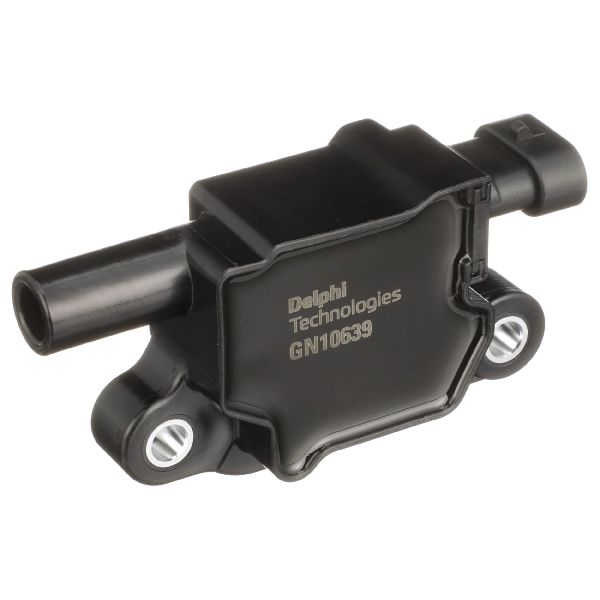
- Faulty Ignition Coil 🔴 High Probability → Shop Ignition Coil The coil-on-plug design is common, but individual coils can fail with age and heat cycles. This is a frequent failure point on many modern engines, including the GM V8s.
How to confirm: Swap the ignition coil from cylinder 8 with another cylinder (e.g., cylinder 6, which is next to it on the same bank). Clear the codes and drive the vehicle. If the code changes to P0306, the coil is bad.
Typical fix: Replace the faulty ignition coil. It is recommended to use a quality OEM brand like ACDelco. The original coils are known for their reliability, but fail with age.
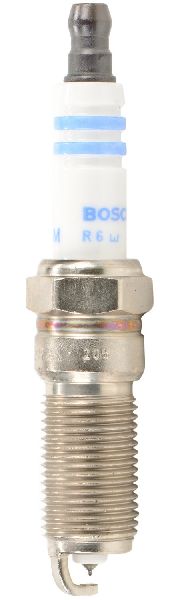
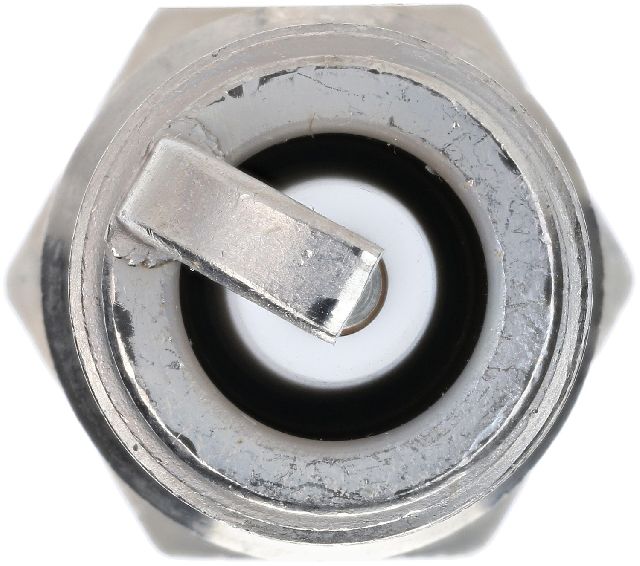
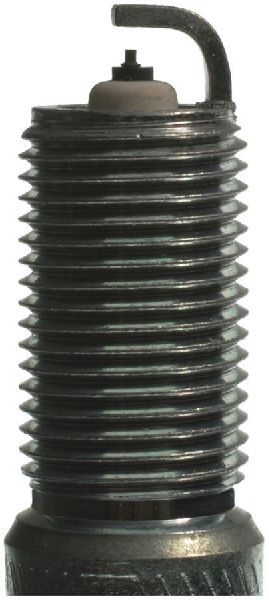
Est. part cost: $30-$70 - Worn or Fouled Spark Plug 🔴 High Probability → Shop Spark Plug Spark plugs are a standard maintenance item with a service life of around 100,000 miles. High-mileage vehicles are likely to have worn plugs if they haven't been changed at the recommended interval.
How to confirm: Remove the spark plug from cylinder 8. Inspect for wear (rounded electrode), oil/carbon fouling, or damage to the porcelain insulator. A wet plug may indicate a fuel injector issue, while a white, ashy plug can indicate a lean condition or oil burning.
Typical fix: Replace the spark plug. It is best practice to replace all 8 spark plugs at the same time 🎬 See how to properly access and replace your spark plugs. to ensure consistent performance. Also, inspect the spark plug wire/boot for damage or corrosion.
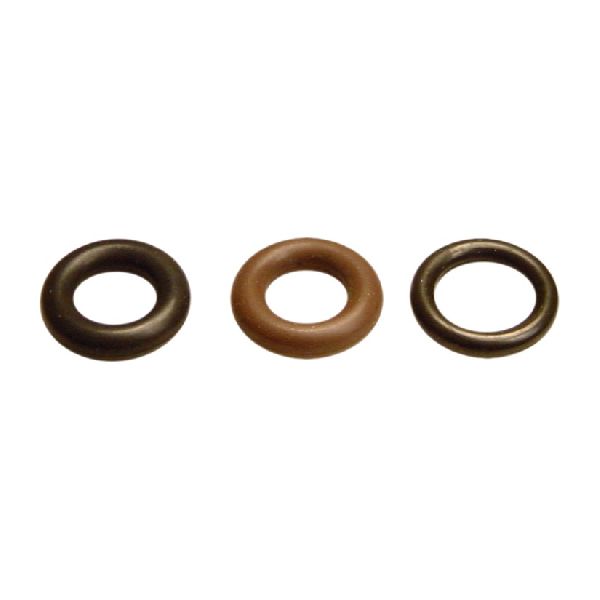
Est. part cost: $5-$15 per plug - Defective Fuel Injector 🟡 Medium Probability → Shop Fuel Injector
How to confirm: A mechanic can perform a fuel injector balance test. A DIY method is to listen to the injector with a mechanic's stethoscope; it should make a consistent clicking sound. You can also swap injectors between cylinders, but this is more labor-intensive than swapping a coil.
Typical fix: Replace the faulty fuel injector. The fuel rail may need to be removed for access.
Est. part cost: $50-$120
Rare But Worth Checking
- Worn Camshaft Lobe / Failed Lifter (Especially on 5.3L V8): → Shop Engine Camshaft This is a widely documented issue for GM engines with Active Fuel Management (AFM), including the 5.3L LH6 in the 9-7X. A lifter can become mechanically stuck or collapse, preventing the valve from opening properly. This leads to a persistent misfire and often a distinct ticking noise. 🎬 Watch: How to diagnose a ticking noise from collapsed lifters. [PIP4138R] TSB #PIP4138R specifically calls out checking for a worn camshaft lobe or lifter if standard diagnostics for P0300-P0308 codes do not resolve the misfire. [PIP4138R] This is a significant mechanical repair that involves removing the cylinder head.
- Intake Manifold Gasket Leak: → Shop Engine Intake Manifold A vacuum leak near the cylinder 8 runner can lean out the air/fuel mixture and cause a misfire. This would likely be accompanied by a lean code (like P0171 or P0174). Spraying brake cleaner or a smoke test around the intake manifold gasket for cylinder 8 can help identify a leak.
- Low Engine Compression: Caused by issues like a worn piston ring, damaged valve, or a leaking head gasket. A compression test is needed to confirm this. If the camshaft/lifter is suspected, checking valve lift may be performed before a compression test.
Diagnosis Steps
- Read the code with an OBD-II scanner to confirm P0308 and check for any other pending codes, especially P0300.
- Check if the Check Engine Light is flashing. If so, avoid driving the vehicle to prevent catalytic converter damage.
- Listen for engine noises. A rhythmic ticking or tapping sound that increases with RPM can be a strong indicator of a lifter or camshaft issue.
- Swap the ignition coil from cylinder 8 with cylinder 6. Clear the codes and run the engine. If the code moves to P0306, the ignition coil is faulty and needs replacement.
- If the code remains P0308, inspect the spark plug for cylinder 8. Look for signs of wear, fouling, or damage. Compare it to a plug from a working cylinder. Replace if questionable.
- Inspect the spark plug wire/boot for cracks or signs of arcing.
- If ignition components are good, check the fuel injector for cylinder 8. Listen for a steady clicking sound with a stethoscope. Check the wiring and connector for damage.
- If the vehicle is a 5.3L model, be highly suspicious of a valvetrain issue. A compression test on cylinder 8 is the next step to check for mechanical engine problems. Compare the reading to other cylinders.
- If compression is low or other steps have not revealed the cause, refer to TSB #PIP4138R. [PIP4138R] The issue is likely a more serious mechanical problem like a worn camshaft lobe or a collapsed AFM lifter, which requires engine disassembly to confirm and repair. [PIP4138R]
Parts You'll Likely Need
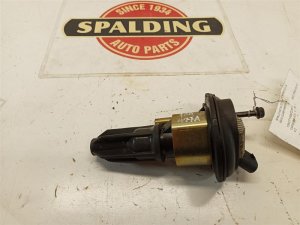
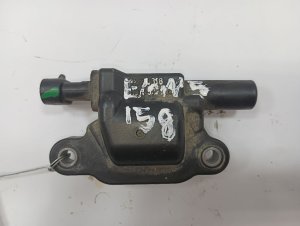
- Ignition Coil
(OEM #ACDelco D585 (GM 10457730))— This is the most common failure point for a single-cylinder misfire on this engine.
Trusted brands: ACDelco, Delphi
OEM price range: $50-$80
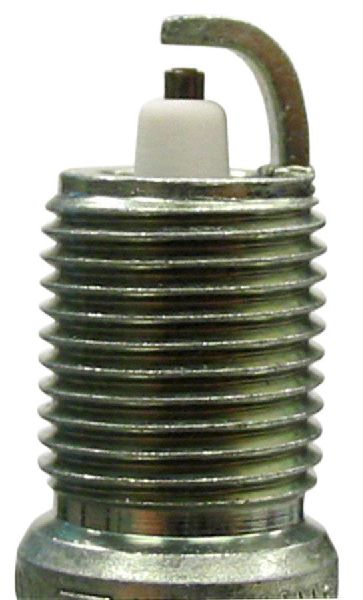
Aftermarket price range: $30-$60 - Spark Plug
(OEM #ACDelco 41-110 (Iridium))— A worn or fouled spark plug is a primary cause of misfires and is a standard maintenance item.
Trusted brands: ACDelco, NGK
OEM price range: $10-$20
Aftermarket price range: $5-$15 - Fuel Injector — A clogged or failed injector will prevent the correct amount of fuel from entering the cylinder, causing a misfire.
Trusted brands: ACDelco, Bosch, Standard Motor Products
OEM price range: $80-$150
Aftermarket price range: $50-$100 - AFM Lifter & Camshaft Kit — For the 5.3L V8, if the cause is a failed lifter, it often damages the camshaft. It's common to replace the camshaft, all lifters (often with an AFM-delete kit), and related gaskets as a complete job.
Trusted brands: ACDelco, Melling, Texas Speed & Performance
OEM price range: $800-$1500
Aftermarket price range: $500-$1000
Related Codes That Often Appear With This One
- P0300 — If the underlying cause, such as low fuel pressure or a large vacuum leak, affects multiple cylinders, a P0300 (Random/Multiple Cylinder Misfire) may be present alongside P0308.
Technical Service Bulletins (TSBs) & Recalls
- PIP5628C: Communicates information needed for diagnosing P0300-P0308 misfire codes.
- PIP4138R: Addresses engine misfires (P0300-P0308) and advises checking for a worn camshaft lobe and/or lifter if common diagnostics fail.
Platform-Specific Known Issues
- Per TSB #PIP4138R, vehicles with P0300-P0308 misfire codes that are not resolved by typical ignition or fuel system diagnostics should be inspected for worn camshaft lobes and/or lifters. This TSB is a strong indicator of how common this mechanical failure is. [PIP4138R]
- The 5.3L V8 (LH6) engine uses Active Fuel Management (AFM), which is designed to improve fuel economy by deactivating cylinders. However, the AFM lifters are a notorious failure point, leading to collapsed lifters, bent pushrods, and damaged camshafts. A P0308 code, especially when accompanied by a ticking noise, is often a symptom of this larger mechanical issue, even though cylinder 8 itself is not an AFM cylinder.
Mechanic-Grade Diagnostic Values
- Ignition Coil Primary Resistance — expected: 0.69 - 1.05 Ohms. Failure: A reading significantly outside this range indicates a faulty coil winding.
- Ignition Coil Secondary Resistance — expected: 5.3k - 7.5k Ohms (5,300 - 7,500 Ohms). Failure: A reading significantly outside this range suggests a break or short in the secondary coil winding.
Hidden / Shadow Codes Worth Checking
- Live Misfire Counters (per cylinder): These are not stored codes but live data parameters showing the number of misfire events detected by the ECM for each specific cylinder in the current and previous drive cycles. A high count on cylinder 8 confirms it is the problem cylinder, even if the misfire is not yet severe enough to keep the CEL on constantly. (see via A GM Tech2 or a professional-grade scan tool with GM-specific software is required. Navigate to the engine data list and look for PIDs like 'Misfire Current Cyl 8' or a misfire graphic display.)
Scan Tool Commands That Help
- GM Tech2 / GDS2: Misfire Graphic Display / Misfire Data — This should be used during a test drive under various load conditions (idle, acceleration, cruise) to see when the misfires on cylinder 8 are occurring. It provides real-time feedback that is more informative than a stored code alone.
- GM Tech2 / GDS2: Crankshaft Position (CKP) System Variation Learn Procedure (CASE Relearn) — This procedure should be performed after replacing a crankshaft position sensor, PCM, or on a high-mileage engine where misfire detection may be inaccurate due to timing chain wear. It re-calibrates the ECM's reference for the crankshaft's rotational speed, making misfire detection more reliable and reducing false counts caused by road vibrations or mechanical wear.
Wiring & Ground Locations
- G102 — Located at the left rear of the engine.. This is the primary ground point for all eight ignition coils. Corrosion or a loose connection at this single point can cause a weak or intermittent spark on any cylinder, including cylinder 8. It's a critical but often overlooked check for persistent or hard-to-diagnose misfires.
- Engine-to-Firewall Ground Strap — Typically runs from the rear of the passenger-side cylinder head to the firewall.. This strap ensures the engine block has a solid ground connection to the vehicle's body, which is essential for the PCM and various sensors to function correctly. A frayed or corroded strap can introduce electrical noise and resistance, potentially leading to erratic sensor readings and phantom misfires.
Real Owner Repair Stories
- Reddit user in r/ChevyTrucks (2011 Chevrolet Suburban (similar GM V8 platform)) — P0308 code.
❌ Tried (didn't work) Initial diagnosis pointed towards common ignition parts.
✅ What actually fixed it The heater core quick-connects were dripping coolant directly onto the #8 spark plug wire and coil area. Fixing the coolant leak and cleaning the components resolved the misfire.
OEM Part Supersession History
ACDelco D585 (Round Style)→GM 12563293, 19005218— Standard part evolution and branding changes.
Heads up: The most critical distinction on GM trucks/SUVs of this era is between the 'round' body ignition coil (like the D585) and the 'square' body (Melco) style coil. They are not interchangeable. The Saab 9-7X V8s use the round style with heat sinks. Always visually confirm which style is on the vehicle before ordering.ACDelco 41-110 (Iridium Spark Plug)→GM 12621258 (often still sold as 41-110)— Part number consolidation and updates.
Heads up: ACDelco Iridium plugs are pre-gapped from the factory (typically to 0.040"). Do not attempt to change the gap, as the fine iridium tip is extremely fragile and can easily be damaged, leading to a new misfire. If the gap is incorrect out of the box, the plug should be replaced.
Model Year Variations Within This Range
- 2005-2009 (5.3L LH6 Engine Only): The 5.3L V8 engine is equipped with Active Fuel Management (AFM). This makes it highly susceptible to lifter failure, which is a primary cause for misfires on these engines, as noted in TSBs. [PIP4138R] The diagnosis must consider a collapsed AFM lifter or worn camshaft lobe as a high-probability cause if basic ignition/fuel checks fail.
- 2008-2009 (6.0L LS2 'Aero' Model Only): The 6.0L V8 engine in the high-performance 'Aero' trim does NOT have Active Fuel Management (AFM). Therefore, an AFM-related lifter failure is not a possible cause for a P0308 on these models. Diagnosis should focus more heavily on standard ignition, fuel, and mechanical issues (like valve springs or compression) without the specific AFM lifter concern.
Helpful Videos
Used OEM Parts in Stock
New Aftermarket Parts Available

The information in this article is provided for general reference and educational purposes only. Vehicle specifications, procedures, and part compatibility can vary by production date, trim level, and region. Always consult your vehicle's factory service manual and verify part numbers before purchasing or performing repairs. Safety-critical components such as airbags, seat belts, and braking systems should be installed by a qualified professional.
- Saab 9-7X:
- 🧭 Diagnostic Flowchart
- 🎬 Helpful Videos
- 🛍️ Shop This Part
- What's Unique About the 2005-2009 Saab 9-7X
- Symptoms You May Notice
- Most Likely Causes
- Rare But Worth Checking
- Diagnosis Steps
- Parts You'll Likely Need
- Related Codes That Often Appear With This One
- Technical Service Bulletins (TSBs) & Recalls
- Platform-Specific Known Issues
- Mechanic-Grade Diagnostic Values
- Hidden / Shadow Codes Worth Checking
- Scan Tool Commands That Help
- Wiring & Ground Locations
- Real Owner Repair Stories
- OEM Part Supersession History
- Model Year Variations Within This Range
- 🎟️ Get 5% Off