

P0308 on 2003-2005 Saturn L300: Why This Code Shouldn't Exist and What to Do
A P0308 code on a 2003-2005 Saturn L300 is an error. The L300 was only equipped with 4-cylinder or V6 engines, so it does not have a cylinder #8. You are likely experiencing a real misfire; re-scan your vehicle with a quality scanner for codes P0300-P0306 to find the actual problem cylinder.
- A P0308 code on a Saturn L300 is always an error from the scan tool, as the car does not have 8 cylinders.
- The car has a real misfire; you must re-scan with a better tool to find the true code (P0300-P0306).
- For the 3.0L V6, a common cause of misfires is a leaking valve cover gasket that fills the spark plug tubes with oil.
- For the 2.2L I4, check if the ignition control module recall has been performed, as a faulty module causes misfire symptoms.
- Once the correct cylinder is identified, the most likely culprits are a bad ignition coil or a worn/fouled spark plug.
What's Unique About the 2003-2005 Saturn L300
The Saturn L-series is based on the GM2900 platform, shared with the European Opel Vectra, and was never designed to accommodate a V8 engine. Seeing a P0308 code is not an issue with the car itself, but a diagnostic error. This can happen due to a glitch in the OBD-II scanner, or if the scanner's software incorrectly interprets the vehicle's data. This phenomenon has been noted on other GM V6 platforms as well. The symptoms of a misfire are real, but the cylinder number is wrong. The key is to ignore the '8' and diagnose a general misfire condition to find the true source, which will be a code between P0301 and P0306.
Diagnostic Flowchart
Tap your situation to follow the diagnostic path that matches what you're seeing on this vehicle.
Symptoms You May Notice
- Rough or shaking idle
- Hesitation or stumbling during acceleration
- Noticeable loss of engine power
- Flashing or solid Check Engine Light
- Reduced fuel economy
- A smell of raw fuel from the exhaust
- Searching for 'Cylinder 8' on the engine. It does not exist on this vehicle.
- Assuming the car has a major, unfixable computer problem because of the impossible code.
- Replacing parts randomly without first confirming the actual misfiring cylinder with a reliable scanner.
- Replacing ignition coils or spark plugs when the root cause is a leaking valve cover gasket filling the spark plug tubes with oil (3.0L V6).
Most Likely Causes
- Diagnostic Scanner Error 🔴 High Probability The vehicle has a maximum of 6 cylinders, making a P0308 code impossible. This points to an issue with the tool used for diagnosis, which may misinterpret the data from the PCM. This has been seen on other non-V8 GM vehicles.
How to confirm: Clear the codes and re-scan the vehicle, preferably with a different, high-quality scanner. Look for the correct misfire code (e.g., P0301, P0302, P0303, P0304, P0305, P0306) or a random misfire code (P0300).
Typical fix: Use a reliable scanner to get the correct DTC. The P0308 code itself is not fixed; it's identified as incorrect information.
Est. part cost: $0 - Faulty Ignition Coil 🟡 Medium Probability → Shop Ignition Coil On the 3.0L V6, each cylinder has its own ignition coil (a 'coil-on-plug' system). The 2.2L I4 uses a cassette-style coil pack. On both, these are common failure items as they age, leading to a lack of spark.
How to confirm: Once you identify the correct misfiring cylinder (e.g., cylinder 3 with a P0303 code), swap its ignition coil with a known good cylinder (e.g., cylinder 1). Clear the codes and run the engine. If the code changes to P0301, the coil is bad.
Typical fix: Replace the faulty ignition coil. On the 2.2L, the entire coil cassette is often replaced. 🎬 Watch this walkthrough for replacing the coil pack and spark plugs.
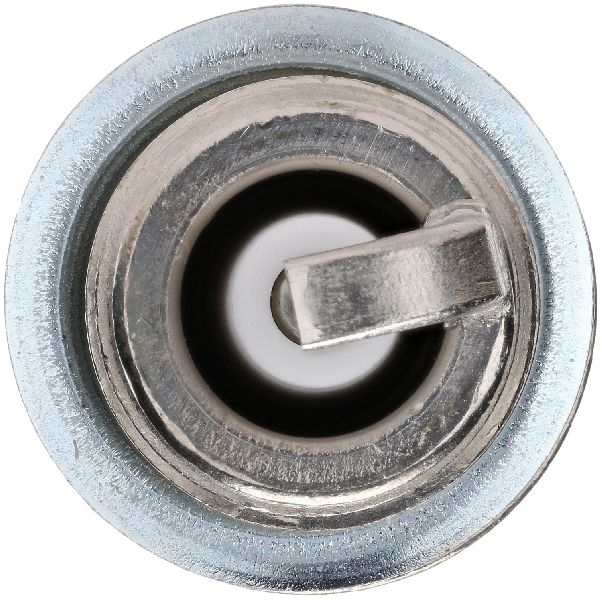
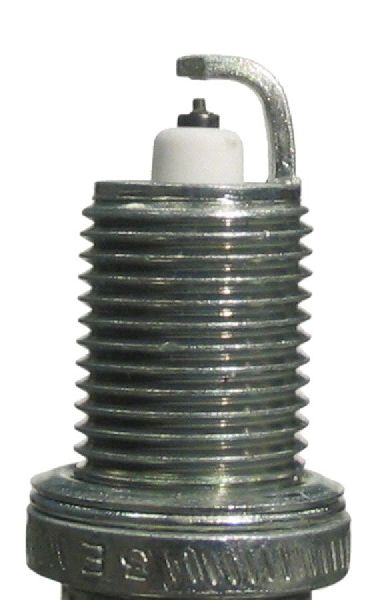
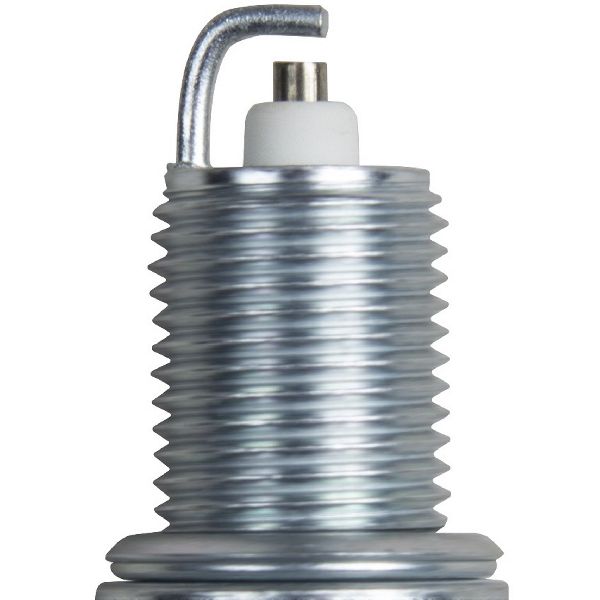
Est. part cost: $40-$80 - Worn Spark Plugs 🟡 Medium Probability → Shop Spark Plug Spark plugs are a routine maintenance item. If they are old, have an incorrect gap, or are fouled by oil or carbon, they can easily cause a misfire.
How to confirm: After identifying the correct cylinder, remove and inspect the spark plug. Look for heavy carbon buildup, oil fouling, or a worn-out electrode. Oil in the spark plug tube on the 3.0L V6 is a strong indicator of a leaking valve cover gasket.
Typical fix: Replace the spark plug. It is best practice to replace all spark plugs at the same time. If oil is present, the valve cover gaskets must also be replaced.
Est. part cost: $5-$15 per plug - Defective Fuel Injector ⚪ Low Probability → Shop Fuel Injector Injectors can become clogged with deposits or fail electrically over time, preventing the correct amount of fuel from reaching the cylinder.
How to confirm: Use a mechanic's stethoscope or a long screwdriver to listen to the injector on the misfiring cylinder; it should make a consistent clicking sound. You can also check its resistance with a multimeter or swap it with another cylinder's injector to see if the misfire code follows.
Typical fix: Replace the faulty fuel injector.
Est. part cost: $70-$150
Rare But Worth Checking
- Vacuum Leak: A vacuum leak from a cracked hose or a bad intake manifold gasket can introduce unmetered air, leaning out the air/fuel mixture and causing misfires. A P0300 random misfire code is common with vacuum leaks.
- Low Engine Compression: A mechanical issue like a burnt valve, worn piston rings, or a failed head gasket can cause a loss of compression in a cylinder, resulting in a persistent misfire that won't be fixed by replacing ignition or fuel parts. A compression test is needed to diagnose this.
- Failed PCV Module (3.0L V6): On the 3.0L V6, a failed internal reed valve in the PCV module can cause excessive crankcase pressure, leading to oil leaks from gaskets, including the valve cover gaskets which can foul spark plugs and cause misfires.
Diagnosis Steps
- Confirm the P0308 code. Acknowledge that this is impossible for a Saturn L300.
- Clear the code using the OBD-II scanner.
- Restart the vehicle and let it run until the Check Engine Light reappears.
- Re-scan the vehicle for codes. If P0308 reappears, try a different, higher-quality scanner.
- Identify the correct misfire code 🎬 See how to fix misfire codes using basic hand tools. (e.g., P0304 for cylinder 4). 🎬 Watch this guide on diagnosing and fixing a cylinder 4 misfire. All subsequent steps apply to that cylinder. For the 3.0L V6, the cylinder layout is: Rear bank (firewall side) is 1-3-5 and Front bank (radiator side) is 2-4-6, from left to right (passenger to driver side).
- Inspect the ignition system for the affected cylinder. Check the wiring and connector to the ignition coil.
- For the 3.0L V6, pull the ignition coil and check the spark plug tube for oil. If oil is present, the valve cover gasket set must be replaced to prevent repeat failures.
- Swap the ignition coil from the misfiring cylinder with one from a cylinder that is operating correctly. Clear codes and run the engine. If the misfire code moves to the new cylinder, the ignition coil is faulty and must be replaced.
- If the code does not move, inspect the spark plug from the misfiring cylinder. Replace it if it appears worn, fouled, or damaged. It's best to replace the full set.
- If the ignition system is good, check the fuel injector. Listen for a steady clicking sound. Test the injector's resistance with a multimeter.
- If fuel and spark are confirmed good, perform a compression test on the cylinder to rule out mechanical engine problems like a burnt valve.
Parts You'll Likely Need
- Ignition Coil
(OEM #ACDelco D585 (or compatible) for 3.0L V6)— This is a very common cause of a single-cylinder misfire on the 3.0L V6 engine.
Trusted brands: ACDelco, Delphi, NGK
OEM price range: $60-$100
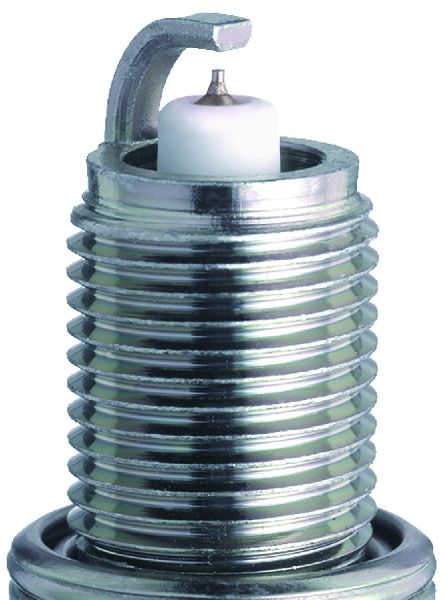
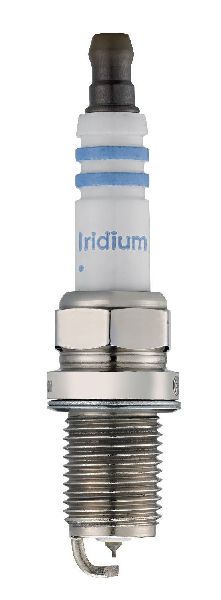
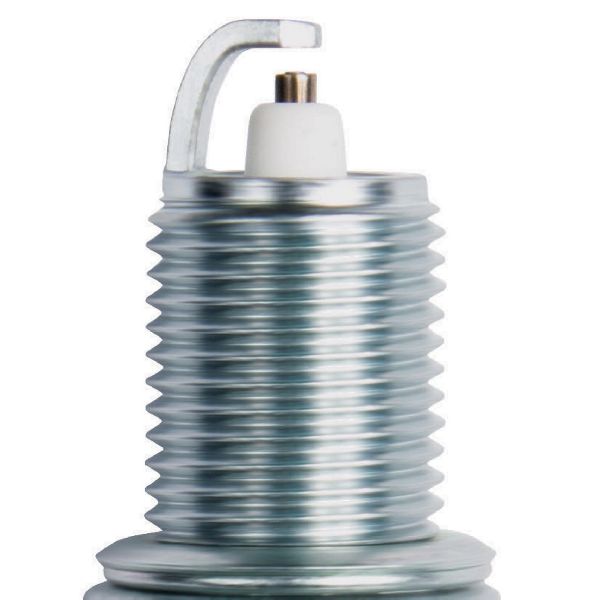
Aftermarket price range: $40-$80 - Spark Plug
(OEM #Refer to owner's manual for specific plug type (e.g., Platinum, Iridium). Gap for 3.0L V6 is 0.040 inches.)— Spark plugs are a standard wear item and a primary cause of misfires.
Trusted brands: NGK, Bosch, ACDelco
OEM price range: $10-$20
Aftermarket price range: $5-$15 - Valve Cover Gasket Set (3.0L V6) — Leaking valve cover gaskets are a known issue on the L81 V6, causing oil to pool in the spark plug wells and foul the ignition coils and plugs, leading to misfires.
Trusted brands: Fel-Pro, ACDelco, Mahle
OEM price range: $50-$90
Aftermarket price range: $30-$60
Related Codes That Often Appear With This One
- P0300 — If the scanner is malfunctioning, it might show P0308 when the real code is P0300 (Random/Multiple Cylinder Misfire). This is especially common if there's a vacuum leak or fuel delivery issue affecting all cylinders.
- P0301-P0306 — This is the range of codes you should be looking for. The P0308 is likely a misinterpretation of one of these codes, indicating the actual cylinder that is misfiring.
Technical Service Bulletins (TSBs) & Recalls
- PIP5628C: A general diagnostic aid for technicians when a vehicle presents with misfire codes in the range of P0300-P0308. It is not specific to a fault on the L300.
- 03V231000
Platform-Specific Known Issues
- The primary issue is the discrepancy of receiving a P0308 code on a vehicle that cannot have more than 6 cylinders. This points to a diagnostic tool error.
- On the 3.0L V6 (L81) engine, leaking valve cover gaskets are a very common problem. The leaks allow engine oil to fill the spark plug tubes, which shorts out the ignition coil and causes a misfire. A video from a user performing a replacement shows significant oil in the plug wells. Simply replacing the coil or plug without fixing the leak will result in a repeat failure.
- For the 2.2L I4 (L61) engine, a recall was issued for the ignition control module (NHTSA Campaign ID: 03V231000). A faulty module can cause misfires, rough idle, and other symptoms identical to bad spark plugs. It is crucial to verify if this recall service has been performed.
- The provided TSB #PIP5628C is a general GM bulletin for diagnosing misfires across a wide range of engines, including V8s. Its association with the L300 in an NHTSA database is a broad categorization and does not imply the L300 has a V8.
Mechanic-Grade Diagnostic Values
- Fuel Pressure (Key ON, Engine OFF) - 3.0L V6 — expected: 39-49 psi (269-338 kPa). Failure: Pressure below 39 psi can indicate a weak fuel pump or faulty regulator, leading to lean misfires.
- Fuel Pressure (Key ON, Engine OFF) - 2.2L I4 — expected: 50-60 psi. Failure: Pressure below 50 psi suggests a fuel delivery problem.
- Ignition Coil Primary/Secondary Resistance — expected: Not specified; not a reliable test.. Failure: Modern coil-on-plug units are difficult to test with a multimeter. The factory-recommended procedure is to swap a suspected bad coil with a known good one and see if the misfire code follows the coil to the new cylinder.
Hidden / Shadow Codes Worth Checking
- Misfire Counters (Live Data): Instead of a specific code, a professional scanner like the GM Tech2 displays a live data list or graph of 'misfire counters' for each individual cylinder (1 through 6). These counters increment with each misfire event detected by the crankshaft position sensor, even if the count isn't high enough to set a formal P030x trouble code. (see via This data is accessible using a GM Tech2 or other high-end professional scan tool with GM-specific software. It is typically found under the 'Engine Data' or 'Misfire Data' menu. This is the correct way to identify the actual misfiring cylinder, bypassing the phantom P0308 from a generic scanner.)
Scan Tool Commands That Help
- GM Tech2 (or equivalent professional scanner): Crankshaft Variation Learn (or Crank/Cam Correlation Relearn) — This procedure should be performed if misfire counts appear inaccurate (e.g., showing misfires when none are felt) or after replacing a crankshaft sensor, camshaft sensor, or reprogramming the PCM. It resets the PCM's baseline profile of the crankshaft's rotational speed, improving the accuracy of misfire detection and preventing false misfire counts caused by normal engine wear or road vibrations.
- GM Tech2 (or equivalent professional scanner): Injector Balance Test — Use this test when a fuel injector is suspected as the cause of a misfire. The tool commands each injector to fire for a set period while the technician monitors the drop in fuel pressure on a connected fuel pressure gauge. A smaller pressure drop for one cylinder indicates a clogged or failing injector.
Wiring & Ground Locations
- G103 — Left front of the engine compartment, near the windshield washer fluid tank.. This is a primary engine compartment ground. Corrosion or a loose connection here can cause erratic behavior from various sensors and modules, including the PCM, potentially leading to incorrect sensor readings or phantom codes.
- G105 / G107 / G114 — Grouped at the left front corner of the engine compartment, near or forward of the battery.. These grounds serve multiple systems. A fault in this area can interrupt the ground path for the PCM or ignition control modules, which is a potential cause for misfire detection errors.
- G110 — On the left front of the engine block, near the lift bracket.. This is a direct engine block ground. It is critical for providing a clean ground reference for sensors mounted on the engine, such as the crankshaft and camshaft position sensors, which are vital for misfire detection.
- Ignition Control Module Grounds (3.0L) — The two ignition control modules (one for each bank) rely on a clean ground path through the engine harness.. A poor ground to either ignition module can cause weak or intermittent spark on one entire bank of cylinders, leading to misfires.
Real Owner Repair Stories
- YouTube video by '2 mostly bald guys' (2005 Saturn L300 3.0L V6 with 205,000 miles) — Rough idle that was getting worse. A fault code indicated a misfire on cylinder 4.
❌ Tried (didn't work) The initial plan was to simply replace the ignition coil for cylinder 4.
✅ What actually fixed it Upon removing the ignition coil, the mechanic discovered the spark plug tube was full of engine oil. The root cause was diagnosed as a leaking valve cover gasket, which allowed oil to short out the ignition coil and foul the spark plug. The temporary fix was cleaning the oil out and reinstalling the old coil, which improved the idle, but the permanent fix required replacing the valve cover gasket. - Reddit user on r/MechanicAdvice (Saturn L300 3.0L V6) — Car would hesitate, fail to shift, and stall upon acceleration. A loud hissing sound was heard from the EGR valve area. Car eventually would not start unless the EGR electrical connector was unplugged, and even then it had extremely low power.
❌ Tried (didn't work) Replacing the EGR valve gasket., Replacing the entire EGR valve.
✅ What actually fixed it The user reported that removing the vacuum hose leading to the EGR valve from the intake manifold allowed the car to start more easily. While the final resolution was not posted, these symptoms (loud hissing, lean condition causing stalling, low power) are classic signs of a massive vacuum leak, most likely from a failed upper or lower intake manifold gasket, a common issue on V6 engines.
"I Checked Everything" — The Actual Cause
- A standard EVAP or vacuum smoke test may come back clean, but the root cause of a misfire on the 3.0L V6 could be excessive crankcase pressure from a failed internal PCV module. This pressure forces oil past the valve cover gaskets, fouling the plugs. Technicians may repeatedly replace the leaking gaskets (the symptom) without diagnosing the internal PCV module (the cause), leading to repeat failures.
Model Year Variations Within This Range
- 2003: A recall for a faulty ignition control module (GM #03033) on the 2.2L L61 engine applied to 2000-2002 models and only *certain* 2003 models. This indicates a potential mid-year change in the part used. A 2003 L300 with misfire symptoms should have its VIN checked to see if it was part of this recall campaign, as later 2003, 2004, and 2005 models would have a different, unaffected module.
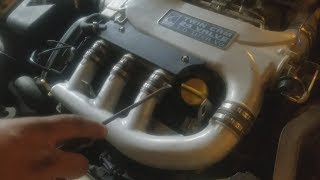
Helpful Videos


We Have This Part in Stock

The information in this article is provided for general reference and educational purposes only. Vehicle specifications, procedures, and part compatibility can vary by production date, trim level, and region. Always consult your vehicle's factory service manual and verify part numbers before purchasing or performing repairs. Safety-critical components such as airbags, seat belts, and braking systems should be installed by a qualified professional.
- Saturn L300:
- 🧭 Diagnostic Flowchart
- 🎬 Helpful Videos
- 🛍️ Shop This Part
- What's Unique About the 2003-2005 Saturn L300
- Symptoms You May Notice
- Most Likely Causes
- Rare But Worth Checking
- Diagnosis Steps
- Parts You'll Likely Need
- Related Codes That Often Appear With This One
- Technical Service Bulletins (TSBs) & Recalls
- Platform-Specific Known Issues
- Mechanic-Grade Diagnostic Values
- Hidden / Shadow Codes Worth Checking
- Scan Tool Commands That Help
- Wiring & Ground Locations
- Real Owner Repair Stories
- "I Checked Everything" — The Actual Cause
- Model Year Variations Within This Range
- 🎟️ Get 5% Off