

P0308 on 2003-2009 Toyota 4Runner 4.7L V8: Cylinder 8 Misfire Causes and Fixes
P0308 indicates a misfire on cylinder #8. On the 4.7L 2UZ-FE engine, this is most often caused by a failed ignition coil. A quick diagnosis is to swap the coil from cylinder 8 with another cylinder (cylinder 6 is convenient) and see if the code follows. A new OEM-quality (Denso) coil costs around $55-$90. Cylinder 8 is the rearmost cylinder on the passenger side.
- P0308 specifically points to a misfire in cylinder 8, which is the last cylinder on the passenger's side.
- The most probable cause is a bad ignition coil, a common failure on high-mileage 2UZ-FE engines.
- Diagnose the coil by swapping it with cylinder 6. If the code moves to P0306, you've found the problem.
- Avoid driving if the Check Engine Light is flashing to prevent costly damage to your catalytic converter.
- If the coil isn't the issue, check the spark plug next, and look for oil in the spark plug tube, which indicates a leaking valve cover gasket seal.
What's Unique About the 2003-2009 Toyota 4Runner
The 4.7L 2UZ-FE V8 is renowned for its durability, often called a 'million-mile motor'. A single-cylinder misfire like P0308 is typically not a sign of a major engine failure but rather a simple, age-related component failure. As these 4th generation 4Runners accumulate high mileage (150,000+ miles), the original coil-on-plug ignition coils are a very common failure item. The good news is that diagnosis is straightforward, and the fix is usually a simple coil replacement.
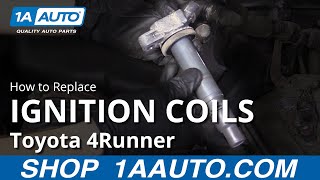
🎬 See this step-by-step walkthrough for replacing ignition coils.Symptoms You May Notice
- Solid or flashing Check Engine Light
- Rough or shaky idle
- Hesitation or stumbling during acceleration
- Noticeable loss of engine power
- Decreased fuel economy
- A possible smell of raw fuel from the exhaust
- Engine shaking.
- Replacing all eight ignition coils and spark plugs when only one has failed. While preventative, the 'coil swap' diagnostic test can save significant money by isolating the single faulty part.
- Assuming the issue is a major mechanical failure. On the 2UZ-FE, electrical and ignition component failure is far more common and should be the first area of investigation.
Most Likely Causes
- Failed Ignition Coil 🔴 High Probability → Shop Ignition Coil The original Denso coil packs are a common failure point after 15+ years and over 150,000 miles of service. The plastic housings can become brittle and the internal electronics can fail from heat cycles.
How to confirm: Swap the ignition coil from cylinder 8 with another cylinder (cylinder 6 is convenient and on the same bank). Clear the codes and drive. If the code changes to P0306, the coil is definitively bad. This is the universally recommended first diagnostic step.
Typical fix: Replace the failed ignition coil. It is strongly recommended by owners on forums to use OEM-supplier brands like Denso for reliability, as cheap aftermarket coils are known to fail prematurely.
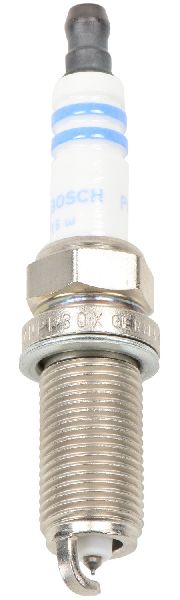
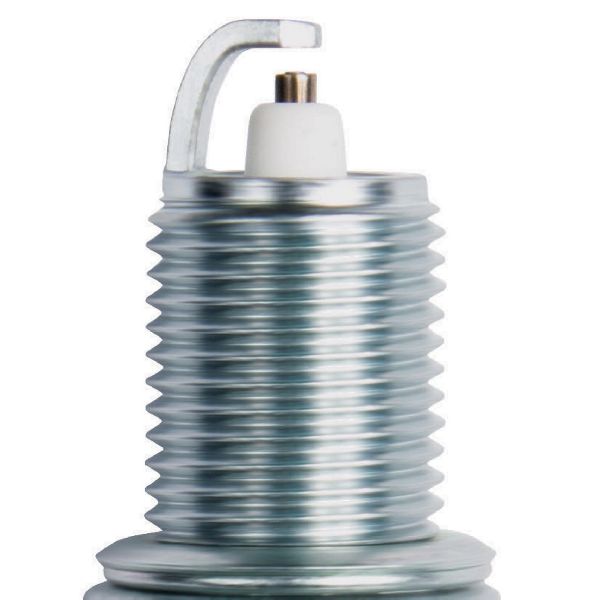
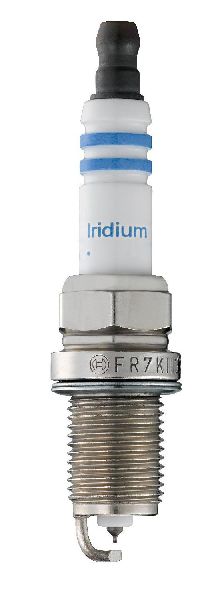
Est. part cost: $55 - $90 - Worn or Fouled Spark Plug 🔴 High Probability → Shop Spark Plug Spark plugs are a regular maintenance item. The 2UZ-FE specifies iridium-tipped plugs with a long service interval (90,000-120,000 miles), but if they are neglected, the electrode can wear down, causing a weak spark.
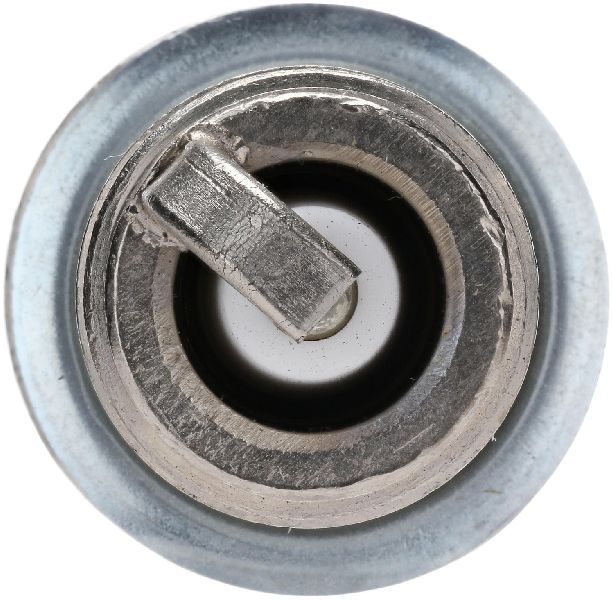
How to confirm: After confirming the coil is good, remove the spark plug from cylinder 8. Inspect it for wear (worn electrode), carbon fouling (black and sooty), or oil fouling. If oil is present in the spark plug tube, the valve cover gasket tube seal has failed.
Typical fix: Replace the spark plug. It is best practice to replace all eight spark plugs at the same time to ensure consistent performance. Use OEM-spec iridium plugs like Denso SK20R11 or NGK IFR6T11.
Est. part cost: $8 - $15 per plug - Oil in Spark Plug Tube 🟡 Medium Probability → Shop Spark Plug With age and high mileage (200k+ miles), the rubber seals on the valve cover that seal the spark plug tubes become hard and brittle. This allows engine oil to leak into the tube, which can short out the ignition coil and foul the spark plug, causing a misfire. Forum users report that the valve cover bolts can also become loose over time, contributing to the leak.
How to confirm: When you remove the ignition coil for cylinder 8, you will see liquid engine oil pooled in the bottom of the tube and coating the coil boot and spark plug.
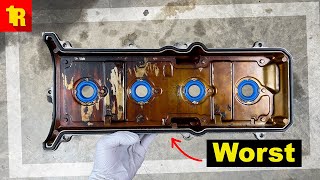
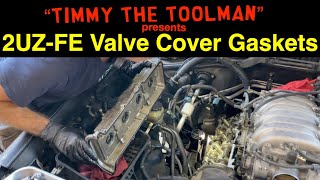
Typical fix: Replace the valve cover gaskets and the spark plug tube seals (they usually come in a kit). This is a more involved DIY job. While the cover is off, it's a good time to inspect for loose valve cover bolts. 🎬 Watch: How to replace leaking valve cover gaskets and seals.
Est. part cost: $40 - $80 for a gasket set - Failed Fuel Injector ⚪ Low Probability → Shop Fuel Injector While Toyota/Denso fuel injectors are very reliable, they can become clogged or fail electrically after many years and miles. This is less common than ignition issues.
How to confirm: Listen to the injector with a mechanic's stethoscope or a long screwdriver; you should hear a consistent clicking sound. You can also test the electrical signal with a 'noid' light or check the injector's resistance with a multimeter. Another diagnostic step is to swap the injector with another cylinder, but this is much more labor-intensive than a coil swap.
Typical fix: Replace the faulty fuel injector. This is more labor-intensive than a coil or plug.
Est. part cost: $70 - $150
Rare But Worth Checking
- Low Engine Compression: This indicates a more serious mechanical issue like a burnt valve, worn piston rings, or a head gasket failure. A compression test is needed to confirm. While rare on the 2UZ-FE, it's a possibility on very high mileage engines.
- Wiring Harness Issue: The plastic connectors for the ignition coils and fuel injectors can become brittle and break, causing a poor connection. Wires can also chafe or break, leading to an intermittent signal to the coil or injector. Rodent damage to wiring is also a possibility.
- Faulty ECM: In very rare cases, the driver circuit within the Engine Control Module (ECM) that controls the ignition coil or fuel injector for cylinder 8 can fail. This should only be considered after all other possibilities have been exhaustively ruled out.
Diagnosis Steps
- Confirm the code P0308 is present using an OBD-II scanner. Note if the Check Engine Light is flashing, which indicates a severe misfire that could damage the catalytic converter.
- Identify cylinder 8. On the 4.7L 2UZ-FE, cylinders are numbered front-to-back. Bank 1 (driver's side) has cylinders 1, 3, 5, 7. Bank 2 (passenger's side) has cylinders 2, 4, 6, 8. Cylinder 8 is the rearmost cylinder on the passenger side, closest to the firewall. 🎬 Watch: Visual guide to cylinder numbering and bank locations.
- Swap the ignition coil from cylinder 8 with the coil from cylinder 6 (the next cylinder forward on the same bank). This only requires a 10mm socket.
- Clear the trouble codes with the scanner and start the engine. Let it idle and/or drive it for a few minutes until the Check Engine Light returns.
- Re-scan for codes. If the code is now P0306, the ignition coil is faulty and must be replaced.
- If the code remains P0308, the problem is not the coil. Proceed to inspect the spark plug in cylinder 8. Check for wear, damage, or fouling. If you find liquid oil in the spark plug tube, the valve cover gasket's tube seal has failed and is the root cause.
- If the plug and coil are good, check the fuel injector. Listen for a steady clicking sound with a stethoscope. Test the wiring connector for a pulse signal using a noid light.
- If ignition and fuel seem correct, perform a compression test on cylinder 8 to rule out mechanical engine problems like a bad valve or worn rings.
- Inspect the wiring harness and connector for cylinder 8's coil and injector for any damage, corrosion, or broken locking tabs.
Parts You'll Likely Need
- Ignition Coil
(OEM #90919-02230 (Superseded by 90919-A2002 or 90919-02247 depending on VVT-i))— This is the most common cause of a single-cylinder misfire on the 2UZ-FE engine.
Trusted brands: Denso (OEM supplier), NGK
OEM price range: $70 - $90
Aftermarket price range: $30 - $60 - Iridium Spark Plug
(OEM #Denso SK20R11 or NGK IFR6T11)— A worn or fouled spark plug is the second most likely cause. They are a standard maintenance item and should be replaced as a set.
Trusted brands: Denso, NGK
OEM price range: $10 - $15
Aftermarket price range: $8 - $12 - Valve Cover Gasket Kit (with Tube Seals)
(OEM #11213-50031 (Gasket), 11193-70010 (Tube Seal))— Required if oil is found leaking into the spark plug tubes, causing the misfire. This is a common issue on high-mileage 2UZ-FE engines.
Trusted brands: Toyota OE, Fel-Pro (VS 50592 R), Mahle
OEM price range: $60 - $90
Aftermarket price range: $30 - $50
Related Codes That Often Appear With This One
- P0300 — If the misfire is intermittent or affects multiple cylinders, a P0300 (Random/Multiple Cylinder Misfire) may be stored alongside P0308.
- P0302, P0304, P0306 — Misfire codes for other cylinders on the same bank (Bank 2, passenger side) could indicate a shared problem like a clogged catalytic converter on that bank or a localized vacuum leak. P0306 is also common to see during diagnosis if a coil swap is performed.
Platform-Specific Known Issues
- The 4th Generation 4Runner was not included in the major fuel pump recall that affected many other Toyota models, but it's always wise to check your VIN on Toyota's recall site.
- The 4.7L 2UZ-FE uses a timing belt, not a chain, which requires replacement at approximately 90,000-mile intervals. While not directly related to a single cylinder misfire, if the belt has jumped time, multiple misfire codes would likely be present.
Mechanic-Grade Diagnostic Values
- Fuel Injector Resistance — expected: 11.6 to 12.4 Ω at 20°C (68°F). Failure: A reading of infinity (open circuit) or near zero (short circuit) indicates a failed injector. A reading slightly outside the range (e.g., 14.5 Ω) may be acceptable if all injectors are similar and the engine is hot.
- Ignition Coil Primary Resistance (Cold) — expected: 0.7 to 0.9 Ω. Failure: A reading outside this range indicates a potential coil failure.
- Ignition Coil Secondary Resistance (Cold) — expected: 9.5 to 13.0 kΩ. Failure: A reading outside this range indicates a potential coil failure.
- Fuel Pressure (Key On, Engine Off) — expected: 38-44 psi (262-304 kPa). Failure: Zero or low pressure indicates a failing fuel pump, clogged filter, or faulty regulator. Pressure should hold and not drop to zero immediately after the pump primes.
- Mode $06 Misfire Count (Cylinder 8) — expected: 0 or a very low number during a drive cycle.. Failure: A continuously increasing count for cylinder 8 (Component ID $A9) confirms the misfire, even before the count is high enough to set a P0308 code.
Hidden / Shadow Codes Worth Checking
- Mode $06, Test ID $A2-$A9: This is not a separate trouble code but a specific test monitor within the OBD-II system. Test IDs $A2 through $A9 correspond to misfire counts for cylinders 1 through 8. Monitoring Test ID $A9 for cylinder 8 can show misfire events happening in real-time before they are frequent enough to trigger the P0308 CEL. (see via A professional scan tool or an advanced OBD-II app (like Torque Pro, OBD Fusion) that can display Mode $06 test results. Toyota's Techstream software provides the most detailed view.)
Scan Tool Commands That Help
- Toyota Techstream: Active Test: Power Balance — This function allows a technician to individually disable the fuel injector for each cylinder one by one. When you disable cylinder 8 and the engine's idle roughness does *not* change, it confirms that cylinder 8 was not contributing power, pinpointing the misfire. If disabling another cylinder makes the idle worse, that cylinder is firing correctly. This is a definitive way to confirm the misfire location without swapping parts.
- Toyota Techstream: Data List -> Misfire RPM / Misfire Load — This allows you to view the freeze frame data to see the exact engine speed and load conditions under which the P0308 code was set. This is extremely useful for diagnosing intermittent misfires that only occur, for example, under heavy acceleration or at a specific highway speed.
Wiring & Ground Locations
- Ignition Coil #8 Connector — On the rearmost ignition coil on the passenger side (Bank 2), near the firewall.. The 4-pin connector provides power, ground, the trigger signal (IGT) from the ECM, and the confirmation signal (IGF) back to the ECM. A broken locking tab, corrosion, or damaged wire at this connector will cause a P0308. Pin 1 is 12V power, Pin 4 is ground.
- Fuel Injector #8 Connector — On the fuel rail, below the intake manifold runner for the rearmost cylinder on the passenger side.. This 2-pin connector provides power and the ground-side trigger signal from the ECM to fire the injector. It is less accessible than the coil connector but can be a point of failure due to heat and vibration.
- ECM Pin: IGT8 — This is the specific pin on the Engine Control Module (ECM) that sends the trigger signal to the ignition coil for cylinder 8.. In the rare case of a suspected ECM or wiring harness issue, a technician can test for the presence of a square wave signal at this pin to verify the ECM is commanding the coil to fire. A missing signal here points to an ECM or wiring fault, not a bad coil.
- ECM Pin: #80 — This is the specific pin on the Engine Control Module (ECM) that controls the fuel injector for cylinder 8.. Similar to the IGT pin, this can be tested to see if the ECM is sending the pulse to open the injector. A lack of signal points to an ECM or wiring problem.
- Engine Ground (Bank 2) — On the rear of the passenger side (Bank 2) cylinder head.. A loose or corroded main ground for the cylinder head can cause intermittent and erratic electrical issues for all components on that bank, including the ignition coil and fuel injector for cylinder 8, leading to a misfire.
Real Owner Repair Stories
- Toyota Tundra Forum User (2006 Toyota Tundra 4.7L V8) — Intermittent rough running, occasional no-start, and eventually a solid P0308 code.
❌ Tried (didn't work) Replaced spark plug on cylinder 8., Swapped ignition coil from cylinder 8 to cylinder 6 (code remained P0308).
✅ What actually fixed it The fuel pump was failing. The user measured fuel pressure and found it was at 25 psi during cranking and would sometimes drop to zero with the key on. The misfire on cylinder 8 was likely because it was the furthest from the fuel inlet on the rail and was the first to be starved of fuel when pressure was low. Replacing the fuel pump assembly resolved the P0308 code and running issues.
OEM Part Supersession History
90919-02230→90919-02247 or 90919-A2002— Part consolidation and minor internal revisions by the manufacturer.
Heads up: The early non-VVT-i engines (2003-2004) use 90919-02230. The later VVT-i engines (2005-2009) use 90919-02247. While they may physically fit, the internal windings and resistance can differ slightly to match ECU programming. It is critical to use the correct part number for the specific engine variant (VVT-i or non-VVT-i).
Model Year Variations Within This Range
- 2003-2004: These models have the non-VVT-i version of the 2UZ-FE engine. They use ignition coil part number 90919-02230. The intake manifold is made of cast aluminum.
- 2005-2009: For the 2005 model year, the 2UZ-FE engine was updated with Variable Valve Timing with intelligence (VVT-i). This increased horsepower from ~235 to ~260-270. These engines use a different ignition coil (part number 90919-02247), have a plastic intake manifold, and different ECU programming.
Diagnostic Flowchart
Other Known Issues on This Vehicle
Issues unrelated to this code that are worth knowing about as an owner of this generation:
- Cracked Exhaust Manifolds 🟠 Medium — Very common, especially on pre-2005 models. Often presents as a ticking noise from the engine bay that may disappear as the engine warms up.
- Seized Brake Calipers 🔴 High — A notorious issue for the 4th Gen 4Runner, particularly the front calipers. Pistons can seize, causing brake drag, pulling, a burning smell, and uneven pad wear.
- Secondary Air Injection System (SAIS) Failure 🟠 Medium — Affects 2005+ models with the updated VVT-i engine. The foam filter in the air pump disintegrates, sending debris through the system and causing valves to stick open or closed. This is an expensive repair. (Ref: There was a warranty extension/TSB for some models, but many are now outside the coverage period.)
- Frame Rust 🔴 High — Significant frame rust is a major concern, especially for vehicles in the salt belt. While Toyota faced lawsuits and recalls for other trucks, the 4Runner was not included in the US frame replacement program, but the issue is well-documented.
- Driveshaft 'Clunk' 🟡 Low — A common complaint where a 'clunk' is felt from the driveline when stopping or starting. This is due to the slip yoke needing lubrication. It is more of an annoyance than a failure. (Ref: A TSB exists outlining the procedure to apply special grease to the slip yoke.)
Used vs. New Parts: Buying Guide for This Vehicle
When a used part is the smart pick: For this repair, using a used part is generally not recommended for wear items like ignition coils, spark plugs, or gaskets. However, if a larger component like a wiring harness connector is broken, sourcing a 'pigtail' connector from a junkyard vehicle is a very cost-effective and common repair.
Donor-vehicle mileage cap: roughly under 100000 miles for the part to have meaningful remaining life.
What to inspect on the donor part:
- For an ignition coil, avoid any with cracks in the plastic housing or signs of corrosion on the electrical pins.
- When sourcing a connector pigtail, ensure the plastic is not brittle and the locking tab is intact. Cut the wires long to give yourself plenty of room to splice.
- Check the donor vehicle for signs of oil leaks around the valve covers, as this could indicate the coils have been subjected to oil contamination.
OEM-only on this vehicle (don't cheap out):
- Ignition Coil
- Fuel Injector
- Valve Cover Gaskets
Aftermarket brands forum-validated for this vehicle:
- Denso (OEM supplier for coils, plugs, and injectors)
- NGK (Excellent alternative for coils and plugs)
- Fel-Pro (Well-regarded for gasket sets)
Brands owners have reported issues with on this vehicle:
- Unbranded, 'no-name' ignition coil sets sold on sites like Amazon or eBay. Forum consensus is that these have a very high failure rate, often within a few months, and are not worth the initial cost savings.
Real Owner Stories
Aggregated from forums and TSBs cited above. Mileages and costs reflect what owners reported in those sources.
2005 Toyota 4Runner 4.7L V8
Symptoms: Oil was found leaking into the spark plug tubes, potentially caused by loose valve cover bolts.
What fixed it: Replacement of the valve cover gaskets and spark plug tube seals.
Source hint: YouTube video 'Valve Cover Gasket Replacement TOYOTA 4.7L V8!! by 'The Zark''
2003-2009 Toyota 4Runner 4.7L V8 — ~165000 miles
Symptoms: Misfire code P030x occurred after the original Denso coil packs reached high mileage and years of service.
What fixed it: Replacing the failed ignition coil with an OEM Denso unit.
Source hint: t4r.org (4Runner Forum) discussion on P030x codes
2000-2006 Toyota Tundra 4.7L 2UZ-FE V8
Symptoms: Cylinder 8 misfire (P0308) consistent with failures seen on the 4Runner platform.
What fixed it: Diagnosis and replacement of failed ignition coils or spark plugs.
Source hint: TundraSolutions.com documentation of 2UZ-FE misfire codes
Related OBD-II Codes
Frequently Asked Questions
Where is cylinder 8 located on the 4.7L 2UZ-FE V8 engine?
Which spark plugs should I use for my 2003-2009 4Runner V8 to fix a P0308?
Is there a specific brand of ignition coil recommended by the 4Runner community?
My 4Runner has a ticking noise and a misfire; could they be related?
Can a leaking valve cover cause a P0308 code on the 4.7L V8?
Was the 4th Gen 4Runner included in the Toyota fuel pump recall?
Helpful Videos
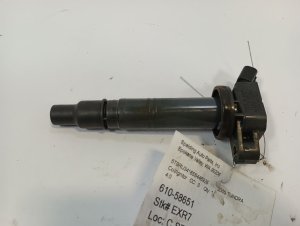
Used OEM Parts in Stock
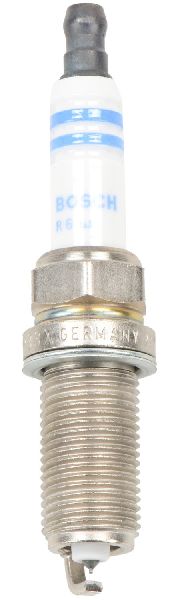
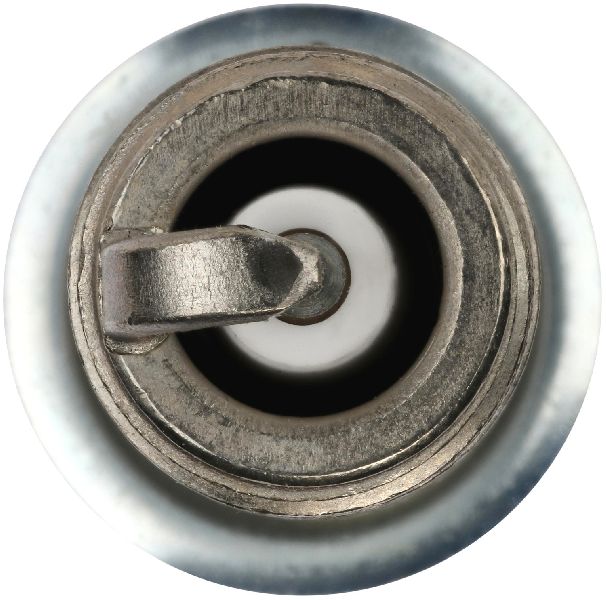
New Aftermarket Parts Available

The information in this article is provided for general reference and educational purposes only. Vehicle specifications, procedures, and part compatibility can vary by production date, trim level, and region. Always consult your vehicle's factory service manual and verify part numbers before purchasing or performing repairs. Safety-critical components such as airbags, seat belts, and braking systems should be installed by a qualified professional.
- Toyota 4Runner:
- 🧭 Diagnostic Flowchart
- 🎬 Helpful Videos
- 🛍️ Shop This Part
- What's Unique About the 2003-2009 Toyota 4Runner
- Symptoms You May Notice
- Most Likely Causes
- Rare But Worth Checking
- Diagnosis Steps
- Parts You'll Likely Need
- Related Codes That Often Appear With This One
- Platform-Specific Known Issues
- Mechanic-Grade Diagnostic Values
- Hidden / Shadow Codes Worth Checking
- Scan Tool Commands That Help
- Wiring & Ground Locations
- Real Owner Repair Stories
- OEM Part Supersession History
- Model Year Variations Within This Range
- Other Known Issues on This Vehicle
- Used vs. New Parts: Buying Guide for This Vehicle
- Real Owner Stories
- 2005 Toyota 4Runner 4.7L V8
- 2003-2009 Toyota 4Runner 4.7L V8 — ~165000 miles
- 2000-2006 Toyota Tundra 4.7L 2UZ-FE V8
- Related OBD-II Codes
- Frequently Asked Questions
- 🎟️ Get 5% Off