

P0314 on 2003-2024 Honda Accord: Single Cylinder Misfire Causes and Fixes
P0314 on a Honda Accord indicates a single-cylinder misfire that the ECU can't pinpoint. The most common causes are worn spark plugs or failing ignition coils. Start by inspecting these components, as replacement is often a simple and affordable fix. On 2018+ models with the 1.5T engine, faulty fuel injectors are a very common cause.
- P0314 means your Accord has a misfire, but the computer can't tell which cylinder is the problem.
- Start your diagnosis with the most common and affordable fixes: inspect and replace spark plugs and ignition coils.
- A scan tool that can read live misfire data (Mode $06) is extremely helpful for pinpointing the problematic cylinder.
- On 2018 and newer models with turbo engines, a faulty fuel injector is a very likely cause if the spark plugs and coils are good.
- Do not ignore a flashing check engine light, as it signals a severe misfire that can quickly destroy your catalytic converter.
What's Unique About the 2003-2024 Honda Accord
Across its generations from 2003 to 2024, the Honda Accord has used highly reliable ignition systems. When a P0314 code appears, it's most frequently due to simple service items like spark plugs and ignition coils reaching the end of their life. On later direct-injection turbocharged models (2018+), particularly those with the 1.5T engine, faulty fuel injectors have become a widely documented cause of misfires. For older V6 models, it's also worth noting that Honda has historically addressed misfire issues related to piston rings (though this is less common for a P0314 code specifically) and tight valve lash, which can cause misfires if not adjusted periodically.
Generation note: This guide covers the 7th (2003-2007), 8th (2008-2012), 9th (2013-2017), 10th (2018-2022), and 11th (2023-2024) generations of the Honda Accord. While the primary causes like ignition components are common across all years, the 10th and 11th generation models with 1.5T and 2.0T direct-injection engines are more prone to fuel injector issues causing misfires. For the 2.0T engine, a software update (TSB A23-026) has been issued to correct misfire detection logic in cold weather.
Symptoms You May Notice
- Rough or vibrating idle
- Hesitation or stumbling during acceleration
- Reduced engine power and performance
- Decreased fuel economy
- A steady or flashing Check Engine Light
- Engine may stall or be difficult to start
- Replacing only one spark plug when the others are also near the end of their service life.
- Replacing oxygen sensors when the issue is actually with the ignition or fuel system.
- On 1.5T engines, replacing coils and plugs when the root cause is a faulty fuel injector.
Most Likely Causes
- Worn or Fouled Spark Plugs 🔴 High Probability → Shop Spark Plug Spark plugs are a regular maintenance item. Accords with direct-injection engines (2018+) can be more susceptible to carbon fouling on spark plugs if fuel injectors are not functioning optimally.
How to confirm: Remove and visually inspect all spark plugs for wear, damage, oil, or heavy carbon buildup. Compare the condition across all cylinders. A worn electrode or excessive carbon tracking are clear signs for replacement.
Typical fix: Replace all spark plugs as a set. Use high-quality NGK or Denso plugs, which are often the original equipment for Honda. For the 1.5T engine, the OEM-spec plug is NGK DILKAR8P8SY.
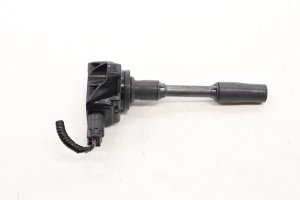
Est. part cost: $40-$100 - Failing Ignition Coil 🔴 High Probability → Shop Ignition Coil Ignition coils wear out over time due to heat and vibration. This is a common failure point on most modern vehicles, including the Accord.
How to confirm: Use a scan tool with live data to view misfire counts per cylinder (Mode $06). If you can identify a cylinder with a higher misfire count, swap its ignition coil with a known good cylinder. If the misfire follows the coil (e.g., changes to P0302 after swapping with cylinder 2), the coil is bad. This is a definitive, no-cost diagnostic step. 🎬 Watch: How to diagnose and swap a bad ignition coil
Typical fix: Replace the faulty ignition coil. It is often recommended to replace all coils if they are original and the vehicle has high mileage.
Est. part cost: $50-$120 per coil - Faulty Fuel Injector 🟡 Medium Probability → Shop Fuel Injector This is a particularly common cause on the 10th generation (2018-2022) Accords with 1.5T engines. These direct injectors are known to fail, causing misfires, rough idle, and sometimes a P0172 (System Too Rich) code. Honda has acknowledged the issue and requested dealers collect failed injectors for analysis. A warranty extension may be available.
How to confirm: Diagnosis can be more complex. A professional may perform a fuel injector balance test. Another method is to swap injectors between cylinders to see if the misfire follows, similar to testing an ignition coil, though this is more labor-intensive. A strong smell of gasoline in the engine oil is a key indicator of a leaking injector on these models.
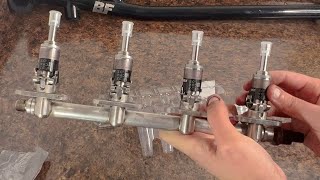
Typical fix: Replace the faulty fuel injector. On 1.5T engines, it is highly recommended to replace all four injectors as a set with the updated OEM kit (part number 06160-5PA-305) to prevent future failures. An oil change is mandatory after replacement due to fuel contamination.
Est. part cost: $150-$300+ per injector - Vacuum Leak ⚪ Low Probability Aging rubber and plastic vacuum hoses or intake manifold gaskets can crack and leak, introducing unmetered air that disrupts the air-fuel mixture, leading to a lean condition and misfires.
How to confirm: Listen for a hissing sound around the engine bay. A smoke test is the most effective way to pinpoint the source of a vacuum leak.
Typical fix: Replace the leaking hose or gasket.
Est. part cost: $10-$150
Rare But Worth Checking
- Tight Valve Lash: Honda engines require periodic valve adjustments. If the valves are too tight (not enough clearance), they may not seal properly, causing a loss of compression and a misfire, especially when the engine is cold. This is a known, though less common, cause on many Honda engines and can often be fixed with a valve adjustment rather than parts replacement. 🎬 Watch: How to perform a Honda valve adjustment
- Low Compression: Internal engine issues like a worn piston ring or a burnt valve can cause a misfire. On some 4-cylinder and V6 models, Honda has issued warranty extensions for high oil consumption due to sticking piston rings (TSB 12-089, 12-087), which can eventually lead to compression loss. A compression test is needed to diagnose this.
- Crankshaft Position (CKP) Sensor Issue: → Shop Engine Crankshaft Position Sensor The PCM relies on the CKP sensor to detect misfires. An intermittent fault with the sensor or its wiring could lead to an inability to correctly identify the misfiring cylinder. This is a known, though not frequent, failure point on 8th generation Accords.
Diagnosis Steps
- Use an OBD-II scanner to check for any other pending or stored trouble codes.
- Use the scanner's live data or Mode $06 to view misfire counts for each cylinder. This is the key to narrowing down the 'unspecified' cylinder. Even if a code isn't set, Mode $06 will show raw misfire data for each cylinder from the current and previous drive cycles.
- Perform a thorough visual inspection of the engine bay. Look for cracked vacuum hoses, loose electrical connectors, or signs of oil leaks around the valve cover.
- If a specific cylinder shows higher misfire counts, start there. Remove the ignition coil and spark plug for inspection.
- Swap the suspected ignition coil with one from a cylinder that is not misfiring. Clear the codes and drive the vehicle. If the misfire code moves to the new cylinder, the ignition coil is faulty.
- If the coil is not the issue, inspect the spark plug. Look for wear, fouling, or damage. Replace all spark plugs if they are due for service.
- If ignition components are good, consider the fuel system. For 2018+ 1.5T models, a faulty injector is a strong possibility. Check the engine oil for a gasoline smell.
- If no specific cylinder can be identified, check for issues affecting all cylinders, such as a vacuum leak (perform a smoke test) or low fuel pressure.
- If the engine has high mileage and a history of oil consumption, consider performing a valve lash adjustment, as tight valves are a known cause of misfires on Hondas.
- If all else fails, perform a compression test to rule out mechanical engine problems like worn piston rings or a bad valve.
Parts You'll Likely Need
- Spark Plugs
(OEM #NGK DILKAR8P8SY (for 1.5T engine))— Spark plugs are a routine maintenance item and the most common cause of misfires. They are relatively inexpensive and easy to replace.
Trusted brands: NGK, Denso
OEM price range: $15-$25 per plug
Aftermarket price range: $8-$15 per plug - Ignition Coil
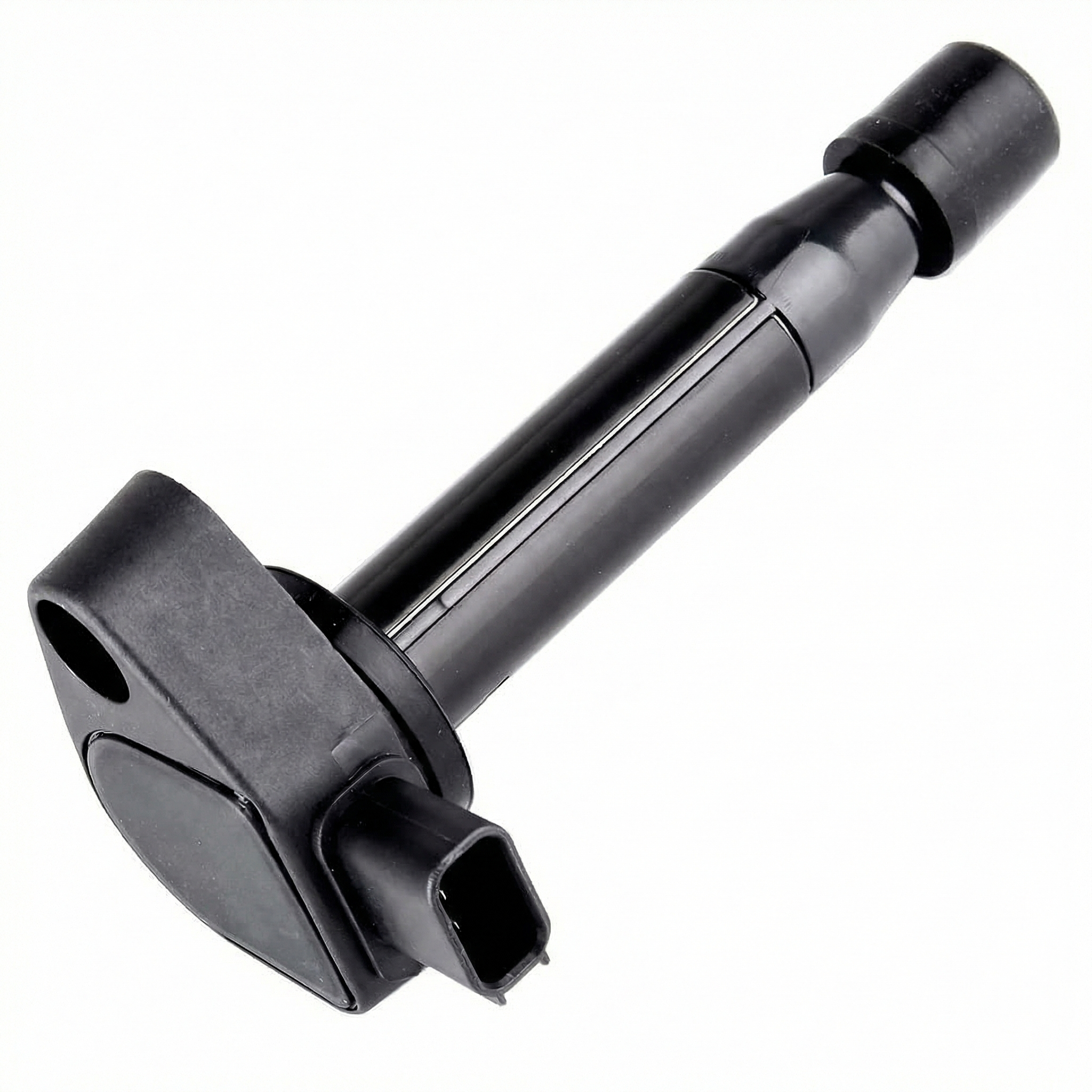
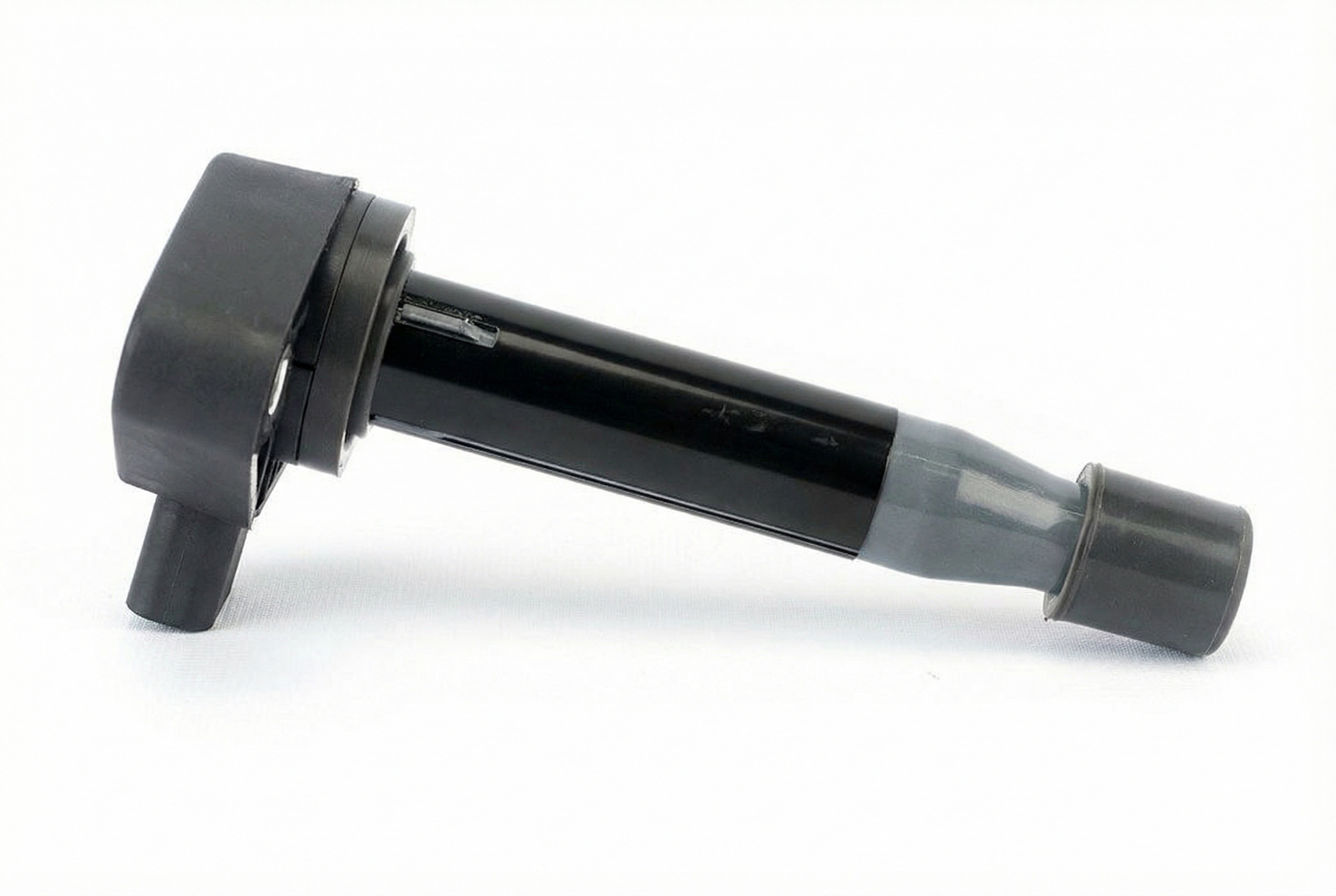
(OEM #30520-RNA-A01 (Common for 8th/9th Gen 4-cyl))— Ignition coils are the second most common cause of misfires on the Accord. They provide the high voltage needed to fire the spark plugs.
Trusted brands: Hitachi, Denso, NGK
OEM price range: $80-$150
Aftermarket price range: $40-$90 - Fuel Injector Set
(OEM #06160-5PA-305 (Set of 4 for 1.5T engine))— A very common failure on 2018+ models with the 1.5T engine, causing misfires and potential fuel-in-oil issues.
Related Codes That Often Appear With This One
- P0300 — P0314 indicates a single, unspecified misfiring cylinder. If the problem worsens or affects other cylinders, it can escalate to a P0300 'Random/Multiple Cylinder Misfire' code.
- P0301-P0306 — A P0314 is often a precursor to a cylinder-specific code. As the faulty component (like a coil or plug) fails completely, the PCM will eventually identify the specific cylinder and set a code like P0301, P0302, etc.
- P0171/P0174 — If these 'System Too Lean' codes appear with P0314, it strongly suggests a vacuum leak is the root cause of the misfire.
- P0172 — On 2018+ 1.5T models, this 'System Too Rich' code is a strong indicator that a leaking fuel injector is the cause of the misfire.
Technical Service Bulletins (TSBs) & Recalls
- TSB A23-026: Addresses misfire detection logic on 2.0T engines.
- TSB 12-089 / 12-087: Warranty extension for high oil consumption due to sticking piston rings on some older models.
- TIS Bulletin APaS07052022901: Acknowledges 1.5T injector issues by requesting dealers collect failed parts for analysis.
Platform-Specific Known Issues
- Fuel Injector Failures on 1.5T Engines: → Shop Fuel Injector The 2018-2022 Accords with the 1.5L Turbo engine are widely known for premature fuel injector failure. This can cause misfires, rough idle, fuel dilution of the engine oil, and trigger codes like P0314, P030x, and P0172. Honda has issued warranty extensions for this problem on some vehicles.
- VCM-Related Misfires on V6 Models: On V6 models equipped with Variable Cylinder Management (VCM), the system deactivates cylinders to save fuel. This can sometimes lead to issues like fouled spark plugs on the deactivated cylinders, oil consumption from stuck piston rings, and subsequent misfires. Many owners report disabling the VCM system with an aftermarket device to prevent these issues.
- Software Update for 2.0T Misfires: For 2018-2022 Accords with the 2.0L Turbo engine, Honda released TSB A23-026 to address a software issue that could cause misfire codes to be set incorrectly, particularly in cold weather. The fix is a simple PCM software update.
Mechanic-Grade Diagnostic Values
- Ignition Coil Primary Resistance (most coil-on-plug models) — expected: 0.46 - 0.8 ohms at 68-70°F. Failure: A reading of 0 ohms (short) or infinite/OL (open circuit). Values significantly outside the range indicate a failing coil.
- Fuel Injector Resistance (Port Injected, pre-2018 4-cyl) — expected: 10 - 13 ohms. Failure: Readings significantly outside this range suggest a faulty injector coil.
- Fuel Injector Resistance (V6 and older 4-cyl models) — expected: 1.5 - 2.5 ohms (low impedance, requires resistor box). Failure: A reading outside this narrow range indicates a bad injector.
- Crankshaft Position (CKP) Sensor Live Data (while cranking) — expected: 100 - 500 RPM on scan tool. Failure: A reading of 0 RPM, or an erratic signal, points to a failed CKP sensor or wiring issue.
Scan Tool Commands That Help
- Honda HDS (or advanced bidirectional scanner like Launch X431, Foxwell NT510): CKP Pattern Clear — This must be performed after replacing a Crankshaft Position (CKP) sensor or the PCM. It erases the stored crankshaft runout data from the old sensor. Failure to clear the old pattern can result in persistent misfire codes even with a new, functioning sensor.
- Honda HDS (or advanced bidirectional scanner like Launch X431, Foxwell NT510): CKP Pattern Learn — This procedure must be performed immediately after a 'CKP Pattern Clear'. The PCM learns the specific pulse pattern of the new sensor. The procedure typically involves warming the engine and then decelerating from a specific RPM (e.g., 2,500 RPM) to allow the PCM to calibrate.
- Honda HDS: PGM-FI Software Update — Specifically for 2018-2022 Accords with the 2.0L engine that are setting misfire codes along with P0172 (System Too Rich), especially in cold weather. TSB A23-026 corrects the PCM's misfire detection logic.
Wiring & Ground Locations
- G101 — On the driver's side of the engine bay. For many 4-cylinder models, it is located on the intake manifold plenum or thermostat housing.. G101 is a critical ground for the PCM and the main engine harness, which includes the fuel injectors. A loose, corroded, or frayed connection at this point can cause erratic PCM behavior, incorrect sensor readings, and injector firing issues, leading to intermittent misfires that are difficult to diagnose.
Real Owner Repair Stories
- DriveAccord.net forum user (2008 Honda Accord EX-L V6, 120,000 miles) — Engine misfire, rough idle, flashing check engine light, codes P0300, P0302, P0304, and P0314.
❌ Tried (didn't work) Replaced all 6 spark plugs, Replaced all 6 ignition coils
✅ What actually fixed it A valve adjustment. The mechanic found the valves were extremely tight, causing a loss of compression and leading to the misfires. After the adjustment, the car ran smoothly and the codes did not return. - YouTube - JM Auto Repair (2018-2021 Honda Accord 1.5T / 2.0T) — Multiple misfire codes, no acceleration, limp mode, multiple warning lights on the dash.
❌ Tried (didn't work) The video focuses directly on the known common failure, implying that basic checks like plugs/coils are often done first without success.
✅ What actually fixed it Replacement of all four fuel injectors. The video highlights this as a very common failure point on this specific generation and engine, causing a host of misfire-related issues.
OEM Part Supersession History
16010-5PA-305→06160-5PA-305— This is the updated OEM kit for the 1.5T engine, which includes all four fuel injectors and the fuel feed pipe. It addresses the high failure rate of the original injectors.
Heads up: The new part number is a kit, replacing the previous single-injector part number. It is recommended to replace all four as a set to ensure reliability.
Model Year Variations Within This Range
- 2018-2022: The introduction of the 1.5T and 2.0T direct-injection engines made faulty fuel injectors a primary cause of misfires, a problem not common on earlier port-injected models.
- 2018-2022 (2.0T Engine Only): These models may have a software issue causing false misfire detection in cold weather. Honda TSB A23-026 provides a PGM-FI software update to correct the logic, which is often the only fix required if P0172 is also present.
- 2003-2007 (and other older models): Older models with higher mileage are more susceptible to misfires caused by mechanical wear items like tight valve lash requiring adjustment, a service that is less frequently needed or discussed on newer models.
Diagnostic Flowchart
Other Known Issues on This Vehicle
Issues unrelated to this code that are worth knowing about as an owner of this generation:
- Automatic Transmission Failure (2003-2004) 🔴 High — Very common on early 7th generation models, especially V6. Often fails before 100,000 miles. (Ref: Numerous complaints, but no widespread recall covered all failures.)
- Excessive Oil Consumption (All Generations) 🟠 Medium — Common across multiple generations, particularly 8th Gen (2008-2012) 4-cylinder and V6 models with VCM. Often caused by sticking piston rings. (Ref: TSB 12-089 and others extended warranty for this issue on some models.)
- Premature Starter Failure (2008-2017) 🟠 Medium — A widely reported issue on 8th and 9th generation Accords, sometimes failing with as little as 30,000-50,000 miles.
- VTC Actuator Rattle on Cold Start (K24 Engines) 🟡 Low — Common on 8th Gen (2008-2012) 4-cylinder models. A brief, loud rattle upon startup. Generally not catastrophic but indicates a failing VTC actuator. (Ref: TSB 09-010)
- Head Gasket Failure (2018+ 1.5T Engine) 🔴 High — An increasing number of reports on 10th generation Accords with the 1.5T engine, sometimes with as few as 45,000 miles.
- Parasitic Battery Drain (9th & 10th Gen) 🟡 Low — Owners report batteries dying prematurely if the car sits for a few days. Attributed to undersized batteries and potential parasitic draws from vehicle electronics. (Ref: A class-action lawsuit was filed regarding this issue.)
Used vs. New Parts: Buying Guide for This Vehicle
When a used part is the smart pick: Used ignition coils from a low-mileage (under 60k miles) donor vehicle can be a cost-effective option, as they are durable components that often last the life of the vehicle. A used engine computer (PCM) is also a viable option if properly matched by part number, but may require programming by a dealer or specialist.
Donor-vehicle mileage cap: roughly under 60000 miles for the part to have meaningful remaining life.
What to inspect on the donor part:
- For ignition coils, check for any cracks in the plastic housing or corrosion on the electrical connector.
- Ensure the rubber boot is pliable and not brittle or torn.
- For a PCM, verify the part number sticker exactly matches your original unit.
- Check for any signs of water damage or corrosion on the case or pins.
OEM-only on this vehicle (don't cheap out):
- Fuel Injectors (for 1.5T/2.0T engines): Due to the high failure rate of the original parts and subsequent updates, it is critical to use the latest OEM part (Kit P/N 06160-5PA-305) to ensure a lasting repair.
- Crankshaft Position Sensor: This sensor is critical for engine timing. Aftermarket sensors have a high rate of being dead-on-arrival or failing prematurely. Sticking with an OEM or a known OE supplier like Denso is strongly advised.
Aftermarket brands forum-validated for this vehicle:
- Ignition Coils: NGK, Denso, Hitachi.
- Spark Plugs: NGK, Denso (These are typically the Original Equipment brands).
Brands owners have reported issues with on this vehicle:
- Unbranded, low-cost ignition coils and sensors from online marketplaces. These often use inferior windings and materials, leading to premature failure and persistent misfire issues.
Real Owner Stories
Aggregated from forums and TSBs cited above. Mileages and costs reflect what owners reported in those sources.
2018-2022 Honda Accord 1.5T
Symptoms: Misfires, rough idle, and a strong smell of gasoline in the engine oil.
What fixed it: Replacement of all four injectors as a set with the updated OEM kit (06160-5PA-305) and a mandatory oil change.
Source hint: vehicle_specific_issues: Fuel Injector Failures on 1.5T Engines
2018-2022 Honda Accord 2.0T
Symptoms: Misfire codes being set incorrectly, particularly during cold weather operation.
What fixed it: A PCM software update as per TSB A23-026.
Source hint: TSB A23-026: Addresses misfire detection logic on 2.0T engines.
2003-2012 Honda Accord V6 — ~120000 miles
Symptoms: Fouled spark plugs on deactivated cylinders and high oil consumption.
What fixed it: Addressing sticking piston rings (covered under warranty extension TSB 12-089 / 12-087) and often disabling the VCM system with an aftermarket device.
Source hint: vehicle_specific_issues: VCM-Related Misfires on V6 Models
2003-2024 Honda Accord
Symptoms: Misfires and rough idle that persisted after replacing spark plugs and coils.
What fixed it: Valve lash adjustment to correct tight valves.
Source hint: https://www.reddit.com/r/AskMechanics/comments/1cp942w/does_valve_adjustment_help_with_honda_misfire/
Related OBD-II Codes
Frequently Asked Questions
I have a 2019 Honda Accord 1.5T with a P0314 code and a gasoline smell in my oil. Is there a specific part I should use for the repair?
Does Honda have a technical service bulletin for misfire codes on the 2.0L Turbo engine?
My V6 Accord is misfiring on specific cylinders. Could this be related to the Variable Cylinder Management (VCM) system?
What spark plugs should I use for my 1.5T Accord to prevent P0314 misfire codes?
Is there a warranty extension for the fuel injector issues causing misfires on the 10th generation Accord?
Could my high-mileage Accord's misfire be caused by something other than plugs or coils?
Helpful Videos

We Have This Part in Stock

The information in this article is provided for general reference and educational purposes only. Vehicle specifications, procedures, and part compatibility can vary by production date, trim level, and region. Always consult your vehicle's factory service manual and verify part numbers before purchasing or performing repairs. Safety-critical components such as airbags, seat belts, and braking systems should be installed by a qualified professional.
- Honda Accord:
- 🧭 Diagnostic Flowchart
- 🎬 Helpful Videos
- 🛍️ Shop This Part
- What's Unique About the 2003-2024 Honda Accord
- Symptoms You May Notice
- Most Likely Causes
- Rare But Worth Checking
- Diagnosis Steps
- Parts You'll Likely Need
- Related Codes That Often Appear With This One
- Technical Service Bulletins (TSBs) & Recalls
- Platform-Specific Known Issues
- Mechanic-Grade Diagnostic Values
- Scan Tool Commands That Help
- Wiring & Ground Locations
- Real Owner Repair Stories
- OEM Part Supersession History
- Model Year Variations Within This Range
- Other Known Issues on This Vehicle
- Used vs. New Parts: Buying Guide for This Vehicle
- Real Owner Stories
- 2018-2022 Honda Accord 1.5T
- 2018-2022 Honda Accord 2.0T
- 2003-2012 Honda Accord V6 — ~120000 miles
- 2003-2024 Honda Accord
- Related OBD-II Codes
- Frequently Asked Questions
- 🎟️ Get 5% Off