

P0314 on 2010-2016 Hyundai Genesis Coupe 3.8L: Single Cylinder Misfire Causes and Fixes
P0314 means the ECU detects a misfire but can't identify which cylinder. For the Genesis Coupe 3.8L, this is most often an early sign of a failing ignition coil or worn spark plug. On 2013+ GDI models, it can also be an early indicator of carbon buildup on the intake valves, which requires manual cleaning.
- P0314 is an 'unspecified' single-cylinder misfire, often an early warning for a failing ignition coil or spark plug.
- For 2013-2016 GDI models, carbon buildup on intake valves is a very common cause of this code and should be investigated if new plugs and coils don't solve the issue.
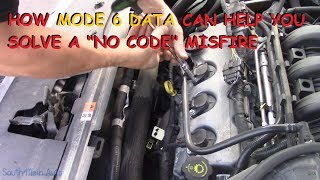
- Use a scan tool with Mode $06 to identify the specific misfiring cylinder, which turns a vague P0314 into a targeted diagnosis.
- Any repair on the driver's side bank of cylinders (2, 4, 6) requires removing the intake manifold, so it's wise to replace all three coils and plugs on that bank at once to save on future labor.
What's Unique About the 2010-2016 Hyundai Genesis Coupe
The 2010-2016 Genesis Coupe 3.8L spans two engine generations: the 2010-2012 (BK1) with a Multi-Port Injection (MPI) V6, and the 2013-2016 (BK2) with a Gasoline Direct Injection (GDI) V6. While both are prone to ignition coil failures which can cause a P0314 code, the BK2 GDI engine is highly susceptible to carbon buildup on the intake valves. This buildup disrupts airflow and can cause intermittent misfires that the ECU struggles to pinpoint, making it a unique and common cause for this code on the later models. Owners on forums report needing manual cleaning (walnut blasting) as early as 60,000-90,000 miles to resolve misfires and restore performance.
Generation note: This range covers two generations of the Genesis Coupe, the BK1 (2010-2012) and BK2 (2013-2016). The BK1 uses a Multi-Port Injection (MPI) 3.8L V6, while the BK2 uses a Gasoline Direct Injection (GDI) 3.8L V6. A primary cause of misfires on the BK2 GDI engine is carbon buildup on the intake valves, an issue that is not common on the BK1 MPI engine.
Symptoms You May Notice
- Rough or vibrating idle
- Hesitation or stumbling during acceleration
- Noticeable loss of engine power
- Reduced fuel economy
- Check Engine Light is on or flashing
- Replacing only one spark plug or coil when others are near the end of their service life.
- Replacing ignition components on a 2013+ GDI model when the root cause is heavy carbon buildup on the intake valves.
- Using fuel injector cleaner additives to try and clean intake valve carbon on a GDI engine; the cleaner never reaches the valves.
Most Likely Causes
- Failing Ignition Coil(s) 🔴 High Probability → Shop Ignition Coil Ignition coil failure is a widely reported issue on the Hyundai Lambda V6 engine family due to heat and vibration over time. The coils for the rear bank of cylinders are located under the upper intake manifold, making them more difficult to replace.
How to confirm: Use a scan tool with Mode $06 data to view misfire counts per cylinder, which can pinpoint the failing cylinder even without a specific P030x code. If a cylinder is identified, swap its ignition coil with a known good cylinder. If the misfire moves to the new cylinder (e.g., a P0301 becomes a P0302), the coil is bad.
Typical fix: Replace the faulty ignition coil. It is highly recommended to replace all spark plugs at the same time. Due to the labor required to access the rear bank of cylinders (requires intake manifold removal), many owners and shops replace all three coils on that bank simultaneously to avoid future labor costs.
Est. part cost: $40 - $90 per coil - Worn or Fouled Spark Plugs 🔴 High Probability → Shop Spark Plug Spark plugs are a standard wear item. While the replacement interval is long (around 100,000 miles), issues like oil consumption, frequent short trips, or carbon buildup (on GDI) can cause them to foul prematurely, leading to a weak spark and intermittent misfires.
How to confirm: Remove the spark plugs and inspect them. Look for a worn electrode, heavy carbon deposits, oil fouling, or a cracked insulator. Compare all six plugs to identify an outlier.
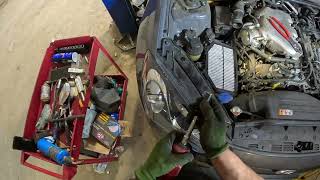
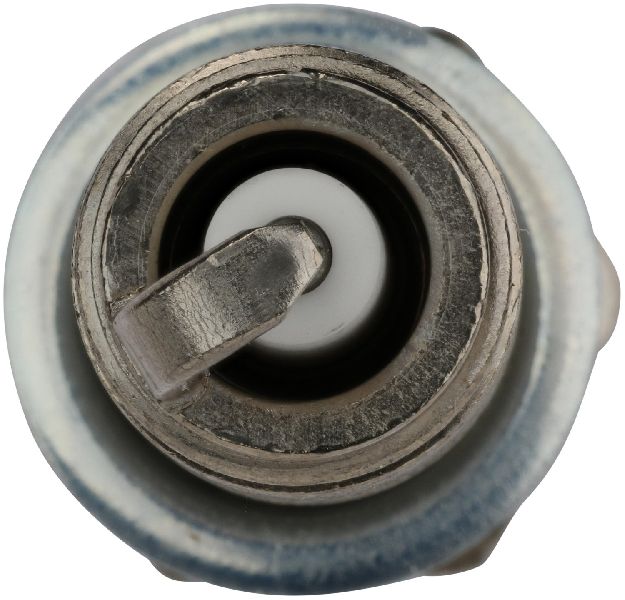
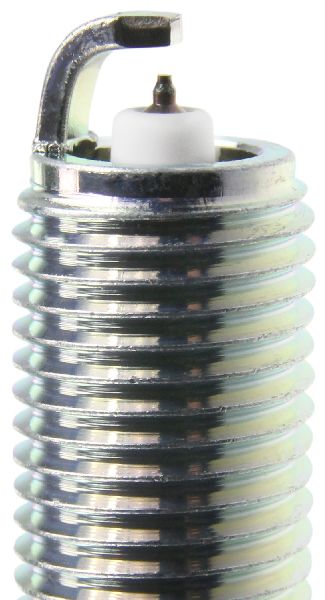
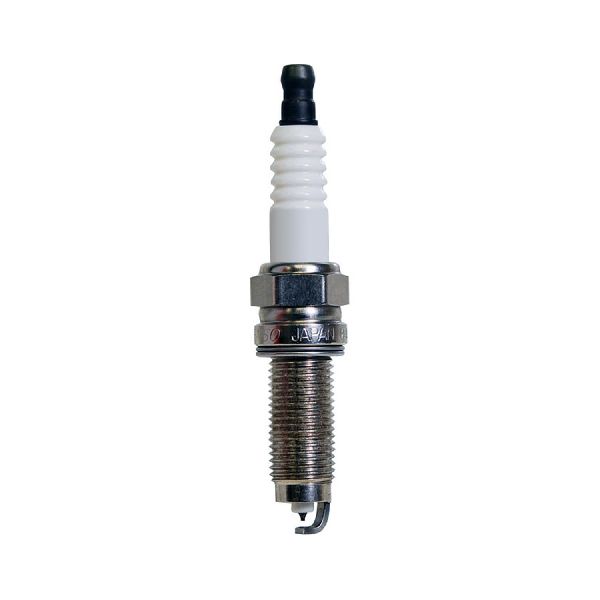
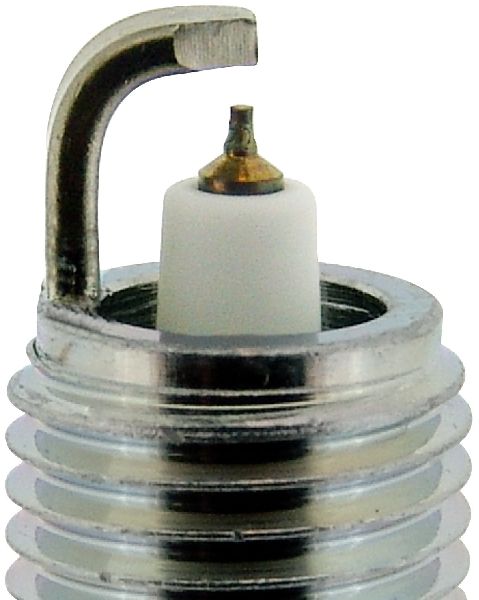
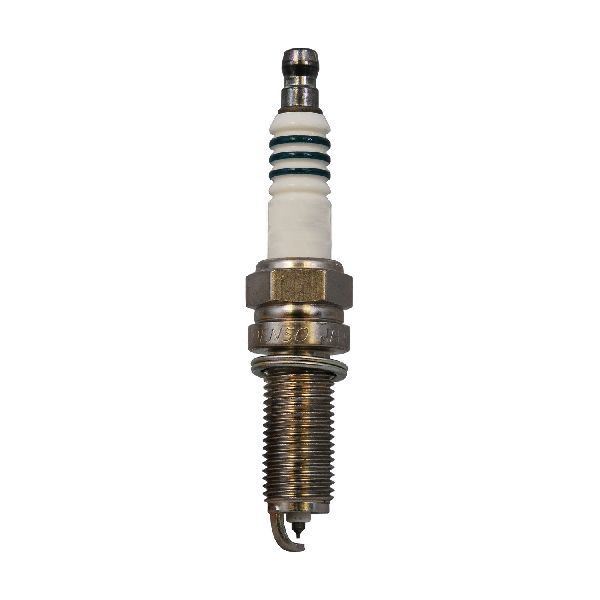
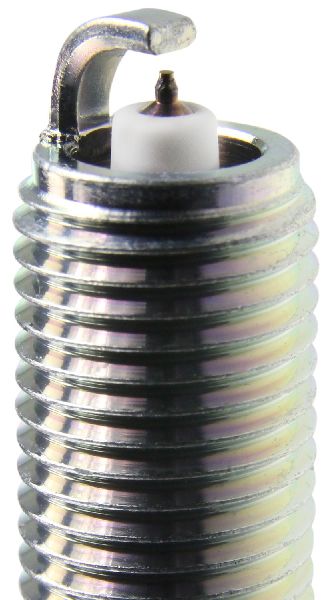
Typical fix: Replace all six spark plugs. Use the correct OEM-specification Iridium plugs (e.g., NGK SILZKR7B11 for BK2 🎬 Watch: Step-by-step spark plug replacement for 2013-2016 models) to ensure proper performance and longevity. Ensure plugs are gapped correctly, typically around 0.043 inches.
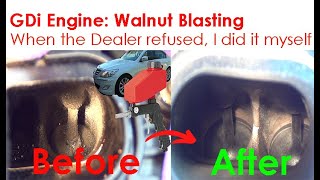
Est. part cost: $60 - $120 for a set of six - Carbon Buildup on Intake Valves (2013-2016 GDI Only) 🟡 Medium Probability The BK2's GDI engine injects fuel directly into the cylinder, so gasoline detergents never wash over the intake valves. Oil vapor from the PCV system bakes onto the hot valves, restricting airflow and causing misfires, typically after 60,000 miles. Forum posts show significant, uneven buildup by 80-100k miles.
How to confirm: This requires a visual inspection of the intake ports and valves using a borescope. The upper and lower intake manifolds must be removed for this inspection.
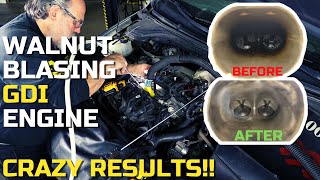
Typical fix: The intake valves must be manually cleaned. The most effective method is walnut shell blasting, which removes the carbon without damaging the metal. 🎬 See how walnut blasting removes heavy carbon buildup Some owners perform a manual scraping, which is labor-intensive. Chemical 'induction services' are generally considered ineffective for heavy buildup.
Est. part cost: $0 (service, not a part) - Vacuum Leak ⚪ Low Probability Rubber hoses and intake gaskets can crack and degrade over time, allowing unmetered air to enter the engine. A cracked PCV hose is a common source on these vehicles.
How to confirm: Perform a smoke test. This involves feeding pressurized smoke into the intake system and watching for where it escapes. You can also listen for hissing sounds around the engine bay at idle.
Typical fix: Replace the cracked hose or faulty gasket that is causing the leak.
Est. part cost: $15 - $150 depending on the part
Rare But Worth Checking
- Clogged or Failing Fuel Injector: → Shop Fuel Injector Less common than ignition issues, but a dirty or failing injector can cause an intermittent misfire that triggers P0314.
- Failing Crankshaft Position Sensor: → Shop Engine Crankshaft Position Sensor The ECM relies on this sensor to detect misfires. An erratic signal can cause the ECM to incorrectly log a misfire code or other codes like P0335.
- ECU (Engine Control Unit) Failure: Extremely rare, but can be the cause of persistent, difficult-to-diagnose misfires. One owner on a forum traced a multi-cylinder misfire to a faulty ECU after replacing all other common components.
Diagnosis Steps
- Connect an OBD-II scanner and check for any other pending or stored codes.
- Use a scanner with live data capabilities (specifically Mode $06) to check for misfire counts on each individual cylinder. This is the fastest way to isolate the problem cylinder for a P0314 code. 🎬 Watch: How to use Mode $06 to pinpoint misfires
- If a cylinder is identified, swap the ignition coil with an adjacent cylinder. Clear the codes and drive the car. If the misfire code follows the coil (e.g., P0301 becomes P0302), you have found the faulty part.
- If the misfire does not move with the coil, inspect the spark plug for the identified cylinder. Look for wear, damage, or fouling. It is best practice to replace all six plugs if they are due.
- If no specific cylinder can be identified, perform a general inspection. Check for cracked vacuum hoses (especially the PCV hose), and listen for hissing sounds. A smoke test is the most effective way to find a vacuum leak.
- For 2013-2016 GDI models with over 60,000 miles, if ignition and vacuum checks are inconclusive, suspect carbon buildup. This requires removing the intake manifold for a borescope inspection of the intake valves.
Parts You'll Likely Need
- Ignition Coil
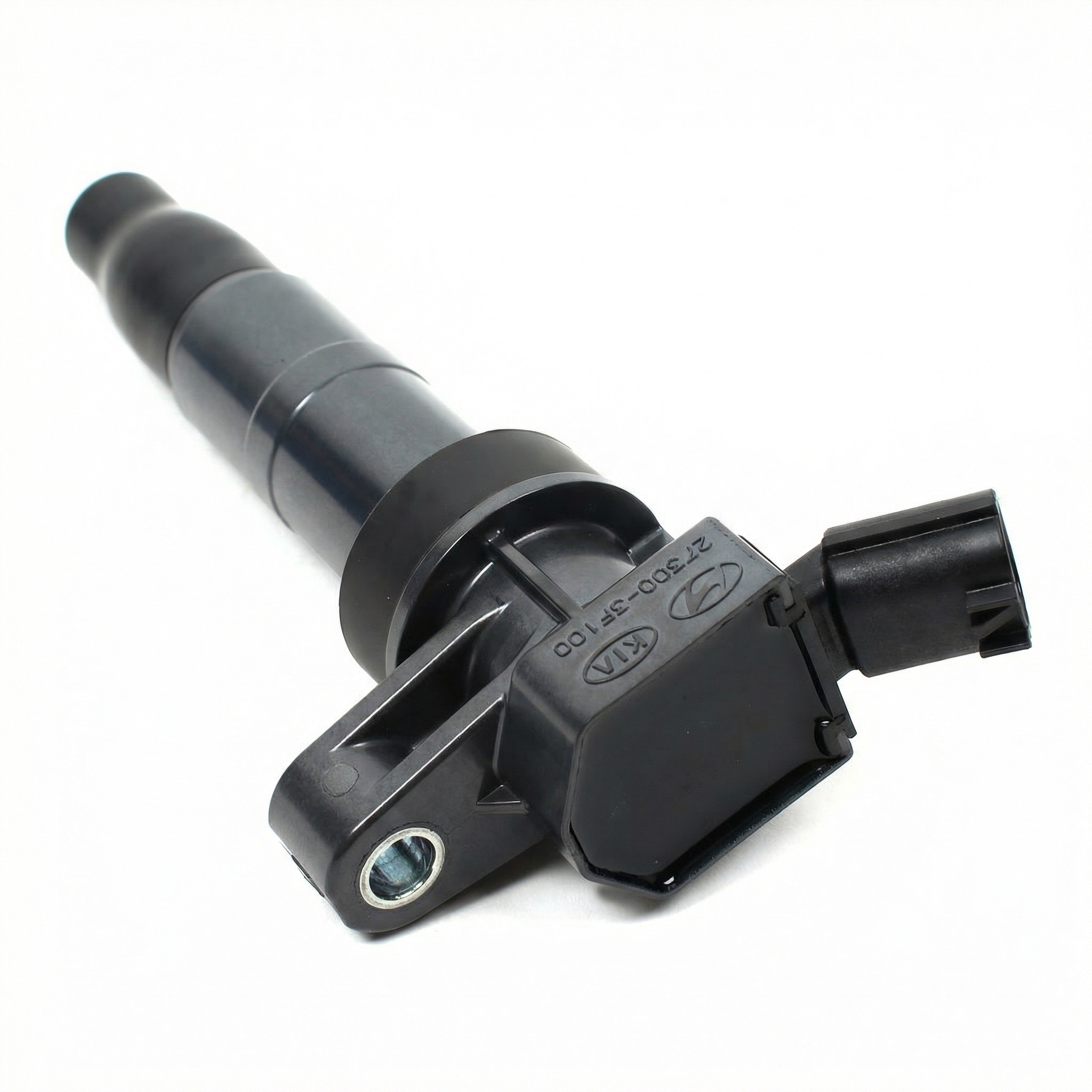
(OEM #BK1 (2010-12): 27301-3C000 | BK2 (2013-16): 27301-3CFA0)— This is the most common electrical component to fail and cause a misfire on the Lambda V6 engine. Part numbers differ between MPI and GDI generations.
Trusted brands: Hyundai OE, Delphi, Denso, NGK
OEM price range: $70-$100
Aftermarket price range: $45-$80 - Iridium Spark Plugs (Set of 6)
(OEM #BK1 (2010-12): 18846-11070 (NGK) | BK2 (2013-16): 18847-11160 (NGK SILZKR7B11))— Worn or fouled spark plugs are a primary cause of weak spark and misfires. They are a critical maintenance item. Use of the correct plug is important.
Trusted brands: NGK, Denso
OEM price range: $100-$150
Aftermarket price range: $60-$120 - Intake Manifold Gasket Set
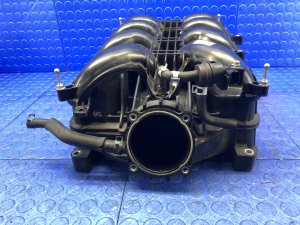
(OEM #BK2 (2013-16): Upper: 29215-3CFA0, Lower: 28411-3CFA0)— Required when removing the intake manifold to access the rear bank of coils/plugs or to inspect for carbon buildup. Reusing old gaskets can cause vacuum leaks.
Trusted brands: Hyundai OE, Fel-Pro
OEM price range: $40-$70
Aftermarket price range: $25-$50
Related Codes That Often Appear With This One
- P0300 — P0300 is 'Random/Multiple Cylinder Misfire'. A P0314 can escalate to a P0300 if the underlying issue worsens and begins to affect more than one cylinder.
- P0301-P0306 — These codes indicate a misfire on a specific cylinder (e.g., P0301 for Cylinder 1). A P0314 is often set first when the misfire is intermittent, and will typically change to a specific cylinder code as the part fails completely.
Technical Service Bulletins (TSBs) & Recalls
- TSB #19-EM-001H: This bulletin provides information regarding changes in the timing chain and crankshaft sprocket
Platform-Specific Known Issues
- The 2013-2016 models with the GDI engine are known to develop significant carbon deposits on the intake valves, which is a leading cause of misfire codes that are not fixed by replacing ignition parts.
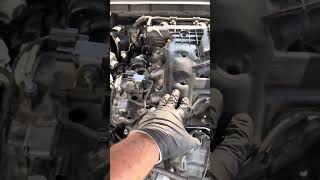
- Accessing the ignition coils and spark plugs for the rear bank of cylinders (2, 4, 6 on the driver's side for the 3.8L) requires removing the upper intake manifold, which significantly increases labor time and cost for the repair.
Mechanic-Grade Diagnostic Values
- Ignition Coil Primary Winding Resistance — expected: 0.68 Ohms (per Delphi spec) or 0.49 - 0.57 Ohms (general spec). Failure: A reading significantly outside this range, or an open circuit (infinite resistance), indicates a bad coil.
- Ignition Coil Secondary Winding Resistance — expected: 7,800 Ohms (7.8 kOhms) (per Delphi spec) or 9.5 - 11.1 kOhms (general spec). Failure: A reading significantly outside this range or an open circuit. Note that a coil can still fail under load (e.g., hairline crack) even if it passes this test.
- Crankshaft Position Sensor (2-wire type) Resistance — expected: ~800 - 950 Ohms at room temperature. One user reported ~575 Ohms cold and ~750 Ohms hot, which was still in a questionable range.. Failure: An open circuit (infinite resistance) or a value far outside the expected range (e.g., under 200 or over 1200 Ohms) indicates a likely failure.
- Low-Pressure Fuel System (2010-2012 MPI) — expected: ~55 psi at idle. Failure: Pressure significantly below specification suggests a failing fuel pump or clogged filter.
- Low-Pressure Fuel System (2013-2016 GDI) — expected: 69.6 - 75.3 psi (480 - 519 kPa) at idle. Failure: Pressure outside this range points to an issue with the in-tank low-pressure fuel pump, not the high-pressure pump.
- Oil Control Valve (OCV) Coil Resistance — expected: 6.7 - 7.7 Ohms at 68°F (20°C) for Delphi-made units. Failure: An open or shorted reading. A faulty OCV can cause incorrect cam timing, which may contribute to misfire detection.
Hidden / Shadow Codes Worth Checking
- Mode $06 Misfire Data: This is not a hidden code, but a function of advanced OBD-II scanners. It allows viewing the raw misfire counts for each cylinder over the current and previous drive cycles. For a P0314, this is the most effective way to see which cylinder is accumulating misfires, even if it's not enough to trigger a specific P030x code. (see via An advanced OBD-II scan tool or dealer-level software like Hyundai GDS.)
Scan Tool Commands That Help
- Hyundai GDS (or equivalent advanced scanner): Crankshaft Position Variation Learn — This procedure is critical after replacing the crankshaft position sensor, timing chain, or the ECU. The ECU learns the minor rotational variations of the specific engine's crankshaft. Without this relearn, the new sensor's slightly different readings or the engine's new mechanical signature can be misinterpreted as a misfire, causing a persistent P0314 or P0300 code even though no true misfire is occurring.
- Hyundai GDS (or equivalent advanced scanner): Actuation Test (Ignition Coils / Fuel Injectors) — Allows the technician to command a specific coil to fire or an injector to pulse without the engine running. This can help verify the electrical circuit to the component is intact. For example, you can command the cylinder 5 injector to click and listen for it with a stethoscope.
- Hyundai GDS (or equivalent advanced scanner): Reset Adaptive Values — After replacing components like fuel injectors or cleaning significant carbon buildup, resetting the engine's learned fuel trim and idle adaptations can help the ECU adjust to the new conditions more quickly and resolve performance issues.
Wiring & Ground Locations
- Bank 2 Ground Point — On the intake manifold itself.. Bank 2 (driver's side, cylinders 2, 4, 6) components like injectors and coils are grounded here. Since the intake manifold must be removed to service this bank, this ground is frequently disturbed. A loose or corroded connection after reassembly can cause intermittent, hard-to-diagnose misfires on this bank.
- Main Chassis/Engine Grounds — Key points include a ground on the chassis near the battery, one on the timing chain cover, and a ground strap to the starter bolt.. A poor main engine ground can cause widespread electrical issues, including weak spark across all cylinders, which could manifest as an intermittent, non-specific misfire like P0314. Aftermarket grounding kits are popular for this car, indicating the stock grounds can be a weak point.
- ECM Terminals (BK2 GDI) — At the main Engine Control Module connector.. For advanced diagnostics, specific pins can be tested. For example, on the G6DN engine, the control signal for Ignition Coil #4 is on pin 1, and the ground for the ECU is on pins 2, 4, and 37.
Real Owner Repair Stories
- Forum User Report (2013+ Genesis Coupe 3.8L) — Persistent P0305 misfire code.
❌ Tried (didn't work) A standard multimeter resistance test on the ignition coil, which showed it was within specification.
✅ What actually fixed it The misfire moved from cylinder 5 to cylinder 3 after swapping the coil packs. A subsequent close visual inspection of the 'bad' coil revealed a hairline crack in the housing that was causing it to arc to the cylinder head under load—a fault not detectable by a simple resistance test. Replacing the cracked coil resolved the code. - Reddit user BadBunnyPR (2015 Hyundai Genesis Sedan 5.0L V8 (similar Lambda engine family diagnostics)) — Rough idle on cold start only, with no Check Engine Light or stored codes.
❌ Tried (didn't work) Switching from 87 to 93 octane fuel.
✅ What actually fixed it The user checked Mode $06 data with a BlueDriver scanner and found 10 misfire counts logged for cylinder 6, despite no code being set. Upon pulling the cylinder 6 ignition coil, it was visibly brown with buildup compared to a new-looking coil from another cylinder. Swapping the coils was the next diagnostic step to confirm the failure. - Reddit user Feared87 (Genesis Coupe 3.8L) — P0014 engine code, power loss, and misfiring.
❌ Tried (didn't work) Replacing the Crankshaft Position Sensor.
✅ What actually fixed it The issue was resolved by replacing both Oil Control Valve (OCV) solenoids, located under the valve covers. Debris on the OCV screens or a faulty solenoid can cause incorrect cam timing, leading to misfires and related codes.
OEM Part Supersession History
27301-3C010→27301-3C000— Standard part revision and consolidation for the MPI Lambda V6 engine family.
Heads up: These parts are interchangeable for the BK1 (2010-2012) 3.8L MPI engine.
Model Year Variations Within This Range
- 2013-2016: The BK2 generation's switch to a Gasoline Direct Injection (GDI) fuel system is the single most important variation. This makes the intake valves highly susceptible to performance-robbing carbon buildup, a problem not seen on the 2010-2012 MPI engines. Any P0314 diagnosis on a BK2 must consider carbon buildup as a probable cause if ignition components are healthy.
Diagnostic Flowchart
Other Known Issues on This Vehicle
Issues unrelated to this code that are worth knowing about as an owner of this generation:
- Manual Transmission Grind / Lockout 🟠 Medium — Very common, especially on earlier BK1 (2010-2012) models. Often presents as grinding or difficulty shifting into 2nd, 3rd, or 5th gear.
- Timing Chain Tensioner Wear / Startup Rattle 🔴 High — Commonly develops after 70,000-100,000 miles. Presents as a brief but audible chain rattle for 1-2 seconds on cold startup as oil pressure builds. If ignored, can lead to chain slack, skipped timing, and catastrophic engine failure. (Ref: TSB #19-EM-001H)
- Interior Chrome Finish Flaking 🟡 Low — Extremely common cosmetic issue across all years. The matte clear coat on the chrome-plated plastic on door handles, steering wheel, and cupholders peels and flakes off over time.
- Water Leaks into Trunk 🟡 Low — A frequently reported issue where water can leak into the trunk, typically due to failed taillight gaskets. Can lead to mold and pooled water in the spare tire well.
Used vs. New Parts: Buying Guide for This Vehicle
When a used part is the smart pick: For this repair, using used parts is generally not recommended for the primary failure items. Ignition coils and spark plugs are wear items with a finite lifespan, and a used part may fail shortly after installation. A used ECU could be an option if a rare failure is confirmed, but it will require programming/relearning procedures.
Donor-vehicle mileage cap: roughly under 40000 miles for the part to have meaningful remaining life.
What to inspect on the donor part:
- For an ignition coil, check for any cracks in the plastic housing or corrosion on the electrical connector.
- Ask for the mileage of the donor vehicle; a low-mileage part is always preferable.
- Avoid parts from vehicles that show signs of sitting for long periods (heavy corrosion, water damage).
OEM-only on this vehicle (don't cheap out):
- Crankshaft Position Sensor: While aftermarket sensors are available, the sensor's accuracy is critical for timing and misfire detection. Forum consensus often leans toward using an OEM sensor to avoid persistent, hard-to-diagnose issues.
- Intake Manifold Gaskets: Always use new, high-quality gaskets (OEM or Fel-Pro) when the intake is removed. Reusing old gaskets or using cheap, no-name gaskets is a primary cause of post-repair vacuum leaks.
Aftermarket brands forum-validated for this vehicle:
- Ignition Coils: NGK, Delphi, Denso
- Spark Plugs: NGK, Denso (use the specific Iridium plug required for your engine)
Brands owners have reported issues with on this vehicle:
- Unbranded, 'white box' ignition coils from online marketplaces. While cheap, they have a very high failure rate and can cause more diagnostic frustration than they are worth.
Real Owner Stories
Aggregated from forums and TSBs cited above. Mileages and costs reflect what owners reported in those sources.
2014 Hyundai Genesis Coupe 3.8 GDI — 87000 miles
Symptoms: Noticeably uneven buildup in intake ports, with the rear driver-side port being most affected.
What fixed it: Manual cleaning of the intake valves to remove carbon deposits.
Source hint: Gencoupe.com: Noticeably uneven buildup in intake ports - 3.8 GDI
2013 Hyundai Genesis Coupe 3.8 Track
Symptoms: Persistent misfire on cylinders 2 and 5 that would not go away after replacing plugs and coils.
What fixed it: Replacing the ECU after ruling out standard ignition components.
Source hint: Reddit r/genesiscoupe: 2013 3.8 track misfire not going away
2013-2016 Hyundai Genesis Coupe 3.8 GDI (BK2) — 99000 miles
Symptoms: Significant carbon buildup on intake valves; fuel additives were found to be insufficient.
What fixed it: Walnut blasting service to clean the intake valves.
Source hint: Reddit r/genesiscoupe: Carbon deposit cleaning
2010 Hyundai Genesis Coupe 3.8 (BK1) — ~100000 miles
Symptoms: Rattling noise on a cold start that subsides as oil pressure builds.
What fixed it: Addressing timing chain and tensioner wear.
Source hint: Reddit r/genesiscoupe: How do I know if I'm having timing chain/tensioner problems?
Related OBD-II Codes
Frequently Asked Questions
Does TSB #19-EM-001H apply to my 3.8L V6 Genesis Coupe?
Why is the labor cost higher for replacing ignition coils on the driver's side of my 3.8L V6?
Can I use fuel additives to fix the P0314 code on my 2013-2016 GDI model?
What specific spark plugs should I use for my BK2 Genesis Coupe?
How can I identify which cylinder is misfiring if I only have a P0314 code?
Is carbon buildup a common issue for the 2010-2012 models?
Helpful Videos
Used OEM Parts in Stock
New Aftermarket Parts Available

The information in this article is provided for general reference and educational purposes only. Vehicle specifications, procedures, and part compatibility can vary by production date, trim level, and region. Always consult your vehicle's factory service manual and verify part numbers before purchasing or performing repairs. Safety-critical components such as airbags, seat belts, and braking systems should be installed by a qualified professional.
- Hyundai Genesis Coupe:
- 🧭 Diagnostic Flowchart
- 🎬 Helpful Videos
- 🛍️ Shop This Part
- What's Unique About the 2010-2016 Hyundai Genesis Coupe
- Symptoms You May Notice
- Most Likely Causes
- Rare But Worth Checking
- Diagnosis Steps
- Parts You'll Likely Need
- Related Codes That Often Appear With This One
- Technical Service Bulletins (TSBs) & Recalls
- Platform-Specific Known Issues
- Mechanic-Grade Diagnostic Values
- Hidden / Shadow Codes Worth Checking
- Scan Tool Commands That Help
- Wiring & Ground Locations
- Real Owner Repair Stories
- OEM Part Supersession History
- Model Year Variations Within This Range
- Other Known Issues on This Vehicle
- Used vs. New Parts: Buying Guide for This Vehicle
- Real Owner Stories
- 2014 Hyundai Genesis Coupe 3.8 GDI — 87000 miles
- 2013 Hyundai Genesis Coupe 3.8 Track
- 2013-2016 Hyundai Genesis Coupe 3.8 GDI (BK2) — 99000 miles
- 2010 Hyundai Genesis Coupe 3.8 (BK1) — ~100000 miles
- Related OBD-II Codes
- Frequently Asked Questions
- 🎟️ Get 5% Off