

P0314 on 2007-2024 Toyota Camry: Unspecified Misfire Causes and Fixes
On a Toyota Camry, code P0314 almost always points to a failing ignition coil or worn-out spark plugs. It's a simple fix, typically costing $150-$450 for a single coil replacement at a shop, or less than $100 for a DIY spark plug change.
- P0314 on a Camry is most likely a bad spark plug or ignition coil.
- Start your diagnosis by checking when the spark plugs were last replaced.
- A simple and free diagnostic test is to swap the suspected ignition coil with another one to see if the misfire follows the coil.
- Do not ignore a flashing check engine light, as it signals a severe misfire that can cause expensive catalytic converter damage.
- If you have a 2018 or newer Camry and the misfire only happens on cold mornings, investigate TSB T-SB-0010-24.
What's Unique About the 2007-2024 Toyota Camry
Across its generations, the Toyota Camry has a well-earned reputation for reliability, and its ignition systems are no exception. When a P0314 code appears, it's rarely a sign of a deep, complex engine problem. More often than not, it's a straightforward maintenance issue. The most common culprits are basic wear-and-tear items like spark plugs hitting the end of their service life or an ignition coil failing after many years of service. For newer models (2018+), be aware of a potential cold-start misfire issue addressed by a TSB, but for most Camrys, this code points to a simple tune-up.
Generation note: The 2007-2024 range covers three Camry generations: XV40 (2007-2011), XV50 (2012-2017), and XV70 (2018-2024). While the primary causes (coils, plugs) are common to all, the XV70 generation's A25A-FKS engine has a known issue with misfires on cold startups (14°F - 41°F), addressed by Technical Service Bulletin T-SB-0010-24. 🎬 Watch: Understanding Toyota cold-start misfires and TSBs This TSB also applies to the same engine in the 2021-2022 Avalon and 2019-2024 RAV4.
Symptoms You May Notice
- Rough or vibrating idle
- Hesitation or stumbling during acceleration
- Noticeable loss of engine power
- Reduced fuel economy
- Check Engine Light is on and may flash under load
- Replacing oxygen sensors or the catalytic converter. These parts can be affected by a misfire, but they are almost never the root cause of a P0314 code. A misfire can cause a rich condition that fouls an O2 sensor or a lean condition that sets other codes, but fixing the misfire is the correct first step.
Most Likely Causes
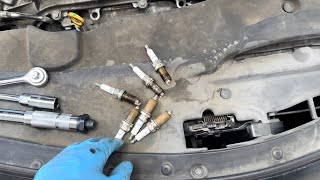
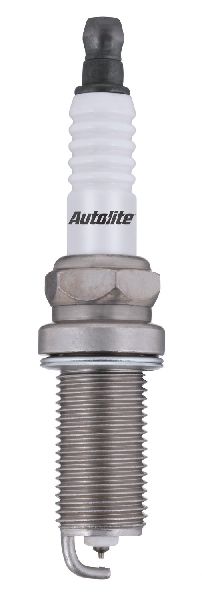
- Worn-Out Spark Plugs 🔴 High Probability → Shop Spark Plug Spark plugs are a regular maintenance item. The V6 engine requires replacement every 60,000 miles, 🎬 Watch: How to replace V6 Camry spark plugs while the 4-cylinder uses long-life iridium plugs that last up to 120,000 miles. Exceeding these intervals is a primary cause of misfires, as a worn electrode creates a wider gap that the ignition coil struggles to fire across.
How to confirm: Remove the spark plugs and inspect them for wear (rounded electrode), fouling (black, sooty, or oily deposits), or a wide gap. A worn electrode or heavy carbon deposits confirm the need for replacement.
Typical fix: Replace all spark plugs as a set. Using OEM-spec plugs from brands like Denso or NGK is highly recommended to ensure proper performance and longevity.
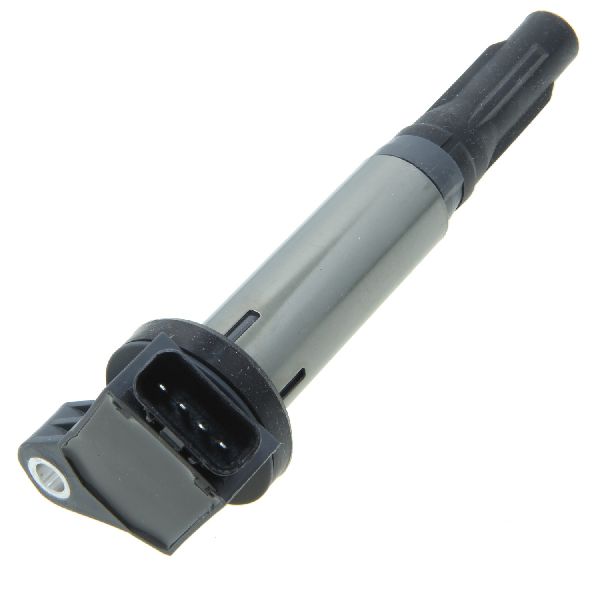
Est. part cost: $40-$100 - Faulty Ignition Coil 🔴 High Probability → Shop Ignition Coil Ignition coils fail from age and repeated heat cycles. Worn spark plugs can also put extra strain on the coils, causing them to fail prematurely. This is one of the most common reasons for a P0314 code on a Camry.
How to confirm: Use a scan tool with live data to monitor misfire counts per cylinder (Mode $06). 🎬 See how to diagnose misfires using Mode $06 This can often identify the misfiring cylinder. Swap the suspected faulty coil with a coil from a known good cylinder. If the misfire follows the coil to the new cylinder (e.g., misfire counts now appear on cylinder 4 after moving the coil from cylinder 2), the coil is bad.
Typical fix: Replace the single failed ignition coil. While some shops recommend replacing all coils at once, it is generally cost-effective to replace only the one that has failed. OEM brands like Denso are recommended.
Est. part cost: $50-$150 - Clogged or Failing Fuel Injector 🟡 Medium Probability → Shop Fuel Injector More common on higher-mileage vehicles, fuel injectors can become clogged with carbon deposits over time, preventing the correct amount of fuel from being delivered to the cylinder. This disrupts the air/fuel mixture and causes a lean misfire.
How to confirm: This is more difficult to diagnose. A professional can perform a fuel injector balance test. You can also try swapping injectors between cylinders, similar to an ignition coil test, but this is more labor-intensive and requires replacing seals.
Typical fix: Replace the faulty fuel injector. It's also wise to have the other injectors professionally cleaned and serviced at the same time. Using a quality fuel system cleaner periodically can help prevent this issue.
Est. part cost: $100-$250 - Vacuum Leak ⚪ Low Probability Aging rubber vacuum hoses, a faulty PCV valve, or intake manifold gaskets can crack and leak, allowing unmetered air into the engine. This disrupts the air-fuel ratio and can cause a lean misfire that the ECM has trouble pinpointing.
How to confirm: A smoke test is the most effective way to find a vacuum leak. A mechanic pumps low-pressure smoke into the intake system and looks for where it escapes. You can also sometimes hear a hissing sound at idle near the leak.
Typical fix: Replace the leaking hose or gasket.
Est. part cost: $10-$150
Rare But Worth Checking
- Low Cylinder Compression: If ignition and fuel components are confirmed to be good, a mechanical issue like a worn piston ring, a poorly sealing valve, or a damaged head gasket could be the cause. This is rare on a well-maintained Camry but worth considering on very high-mileage engines or those with a poor maintenance history.
- Faulty Engine Control Module (ECM): → Shop Engine Control Module (ECM) In very rare cases, the ECM itself can fail, causing it to not send the correct signal to a coil or injector. This should only be considered after all other possibilities have been exhausted and wiring has been checked.
Diagnosis Steps
- Check for other stored trouble codes with an OBD-II scanner.
- Use the scanner's live data function to view misfire counts for each cylinder (Mode $06). This can often reveal the problematic cylinder even if a specific P030x code isn't set. Note which cylinder has the highest count.
- Inspect the spark plugs. If they are due for replacement based on mileage, replace them first as this is a common, inexpensive fix.
- If plugs are okay, identify the likely misfiring cylinder from the live data. Swap the ignition coil from that cylinder with one from a different cylinder.
- Clear the codes and drive the vehicle to replicate the misfire condition. Re-check the Mode $06 misfire data.
- If the misfire count has moved to the new cylinder, the ignition coil is faulty and needs to be replaced.
- If the misfire does not move, the issue may be with the fuel injector, wiring, or a mechanical problem with that specific cylinder. Further diagnosis of the fuel system is needed.
- If no specific cylinder can be identified and misfire counts are random, check for vacuum leaks using a smoke test.
Parts You'll Likely Need
- Ignition Coil
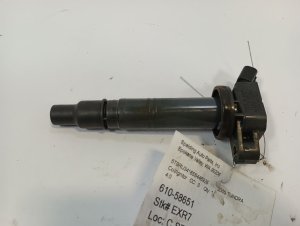
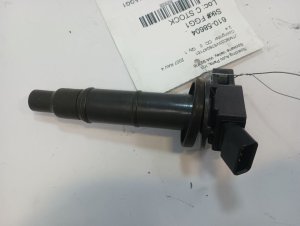
(OEM #90919-A2007 (for A25A-FKS), 90919-A2005 (for 2AR-FE), 90919-02246 (for 2GR-FE V6))— This is one of the most common failure points for a misfire code on a modern engine.
Trusted brands: Denso (OEM), NGK, Delphi
OEM price range: $90-$135
Aftermarket price range: $40-$80 - Iridium Spark Plugs (Set)
(OEM #90919-01289 (Denso FC20HR-Q8 for A25A-FKS), 90919-01247 (Denso SK16HR11 for 2AR-FE))— Spark plugs are a routine maintenance item and are often the direct cause of an intermittent misfire when they reach the end of their service life.
Trusted brands: Denso (OEM), NGK
OEM price range: $15-$22 per plug
Aftermarket price range: $8-$15 per plug
Related Codes That Often Appear With This One
- P0300 — If the misfire becomes more frequent or affects multiple cylinders, a P0300 (Random/Multiple Cylinder Misfire) may appear alongside P0314.
- P0301-P0306 — As the failing component (like a coil or plug) degrades further, the ECM will eventually be able to pinpoint the specific cylinder, and P0314 will be replaced by a specific code like P0301, P0302, etc.
- P0171 — If the misfire is caused by a vacuum leak or a clogged fuel injector, a P0171 (System Too Lean) code may also be present because the unmetered air or lack of fuel is affecting the overall air-fuel ratio.
Technical Service Bulletins (TSBs) & Recalls
- T-SB-0010-24: Addresses a misfire on cold startup for 2018-2024 models with the A25A engine family, pointing to faulty exhaust valve lash adjusters.
Platform-Specific Known Issues
- For 2018-2024 models with the A25A-FKS or A25A-FXS engine, a misfire that occurs only on a cold start (between 14°F and 41°F) may be caused by faulty exhaust valve lash adjusters, as noted in Toyota TSB T-SB-0010-24. This TSB involves replacing the eight exhaust-side lash adjusters with an updated part.
- Some 2019-2020 models were subject to a recall (20TA02 / 20V-012) for a faulty low-pressure fuel pump which could fail and cause the engine to stall, with symptoms similar to a misfire.
- A small number of 2020 models were recalled for engine blocks with casting porosity that could lead to coolant leaks and engine failure.
Mechanic-Grade Diagnostic Values
- Fuel Pressure (2AR-FE Engine) — expected: 304 to 343 kPa (44 to 50 psi) with engine running.. Failure: Pressure below 44 psi may indicate a weak fuel pump or clogged filter. Pressure should hold above 147 kPa (21 psi) for 5 minutes after the engine is stopped; a rapid drop suggests a leaking injector or faulty check valve.
- Fuel Injector Resistance (2AR-FE Engine) — expected: 11.6 to 12.4 Ω at 20°C (68°F).. Failure: Resistance outside this range indicates a faulty injector coil.
- Ignition Coil Primary Resistance (General) — expected: Typically between 0.4 and 2.0 ohms.. Failure: A reading outside the vehicle's specific range points to a bad coil.
- Ignition Coil Secondary Resistance (General) — expected: Typically between 6,000 and 10,000 ohms (6k-10k Ω).. Failure: A reading significantly outside this range indicates a failure in the secondary windings of the coil.
Hidden / Shadow Codes Worth Checking
- Mode $06 Misfire Data: This is not a hidden code, but a diagnostic mode that provides raw data from the ECM's self-tests. For misfires, it shows counts for each cylinder before they are high enough to trigger a specific P030x code. This is the primary tool for identifying the culprit cylinder when only a P0314 is present. (see via A professional scan tool or an advanced consumer OBD-II scanner with Mode $06 capability.)
Scan Tool Commands That Help
- Toyota Techstream: Misfire Monitor (under Engine and ECT -> Monitor) — Use this instead of the standard Datalist for a more accurate misfire count, especially for misfires that occur under load and not at idle. The Datalist may not count misfires accurately when the 'Ignition Trigger Count' is not active, whereas the Monitor screen provides a more reliable snapshot.
- Toyota Techstream: Active Test: Control the Injection Mode / Fuel Cut — To confirm a misfiring cylinder. By individually cutting fuel to each cylinder with the engine idling, you can observe the RPM drop. If cutting fuel to a specific cylinder causes little or no change in RPM, that is the misfiring cylinder.
- Toyota Techstream: Active Test: Check the Cylinder Compression — As a quick, non-invasive way to check for mechanical issues. This test cranks the engine and measures the relative speed of each cylinder. A cylinder with significantly lower speed may have a compression problem. Note: On some 2015-2018 models, there is a known bug where the test requires cranking within 1 second of pressing 'Start' to record properly.
Wiring & Ground Locations
- Engine Harness Grounds (2GR-FE V6) — Two primary ground points are located on top of the valve covers, with wires running from the cover to the frame near the strut tower. An additional crucial harness ground attaches to a boss on the side of the front cylinder head, underneath the throttle body area.. Poor engine grounding can cause erratic sensor readings and weak spark, leading to misfires that the ECU cannot easily trace to a single cylinder. Ensuring these grounds are clean and tight is a critical step if ignition components test good.
Real Owner Repair Stories
- YouTube Channel 'Local Car Tech' (2011 Toyota Camry with 2AR-FE engine) — Engine kept stalling, similar to a severe misfire.
❌ Tried (didn't work) The owner likely replaced spark plugs and coils before seeking help, as the technician immediately moved to check fuel pressure.
✅ What actually fixed it The fuel pressure was found to be good. The root cause was a very dirty throttle body, which was cleaned to resolve the stalling issue. This highlights that airflow issues can sometimes mimic misfire symptoms. - Quora User Response (2009 Toyota Camry) — Persistent misfire and check engine light after replacing spark plugs and coil packs.
❌ Tried (didn't work) Replacing all spark plugs, Replacing all ignition coils
✅ What actually fixed it The suggested and likely fix was carbon buildup on the intake valves and in the intake manifold. A professional upper engine/intake cleaning service was recommended to burn off the deposits that were preventing the valves from closing properly, causing the misfire.
OEM Part Supersession History
90919-02256, 90919-A2003, 90919-02255→90919-A2005— Standard part consolidation and minor design updates by the manufacturer.
Model Year Variations Within This Range
- 2007-2017 (XV40, XV50 Generations): These generations primarily used the 2AZ-FE and later the 2AR-FE (4-cyl) and 2GR-FE (V6) engines. Diagnostics for P0314 on these are very traditional, focusing on coils, plugs, injectors, and vacuum leaks.
- 2018-2024 (XV70 Generation): The introduction of the A25A-FKS 'Dynamic Force' engine brought direct and port injection. This generation has a specific known issue where cold-start misfires can be caused by faulty exhaust valve lash adjusters, as documented in TSB T-SB-0010-24. This should be a primary diagnostic path if the misfire is only present on cold starts in cool weather.
Diagnostic Flowchart
Other Known Issues on This Vehicle
Issues unrelated to this code that are worth knowing about as an owner of this generation:
- Excessive Oil Consumption (2.4L 2AZ-FE Engine) 🔴 High — Common in 2007-2009 models with the 2.4L engine, often becoming noticeable after 60,000-100,000 miles due to defective piston rings. (Ref: A warranty enhancement program was issued but has since expired.)
- Melting/Sticky Dashboard 🟡 Low — Widespread on 2007-2011 models, especially in hot, humid climates. The dashboard surface degrades, becomes shiny, and feels sticky. (Ref: Toyota issued a Warranty Enhancement Program (ZE6) to replace affected dashboards, but the program has expired.)
- Torque Converter Shudder (U760E Transmission) 🟠 Medium — Affects some 2012-2014 models, causing a brief shudder under light acceleration between 25-50 mph. (Ref: TSB T-SB-0034-14 (and later revisions) and a Warranty Enhancement (ZE5) were issued to reprogram the ECM and/or replace the torque converter.)
- Transmission Hesitation or Slippage 🟠 Medium — Reported in some 2007-2011 models with the 6-speed automatic, presenting as a jerk or hesitation when shifting.
- Water Pump Failure (V6 2GR-FE Engine) 🟠 Medium — The water pump on the V6 engine is a known failure point, often starting as a slow coolant seep.
Used vs. New Parts: Buying Guide for This Vehicle
When a used part is the smart pick: For this repair, used parts are generally not recommended for ignition components like coils and spark plugs, as their remaining lifespan is unknown. A used fuel injector from a reputable, low-mileage donor vehicle could be a cost-effective option if tested and cleaned before installation.
Donor-vehicle mileage cap: roughly under 75000 miles for the part to have meaningful remaining life.
What to inspect on the donor part:
- For a fuel injector, check for any physical damage, cracks in the plastic, or corrosion on the electrical connector.
- Ensure the O-rings and seals are intact, though they should always be replaced before installation.
- Ask for the VIN of the donor car to verify mileage and check for any reported accident history that could have damaged engine components.
OEM-only on this vehicle (don't cheap out):
- Engine Control Module (ECM) - Used ECMs often have VIN-locking issues and are best purchased new or from a specialized remanufacturer.
Aftermarket brands forum-validated for this vehicle:
- Denso (This is the Original Equipment Manufacturer for Toyota, so Denso-branded aftermarket parts are typically identical to the dealer part without the Toyota box).
- NGK (A highly respected OEM supplier for spark plugs and ignition coils).
Brands owners have reported issues with on this vehicle:
- Unnamed, no-brand 'white box' ignition coils from online marketplaces. Forum discussions frequently contain stories of these parts failing within weeks or months, causing the original problem to return.
Real Owner Stories
Aggregated from forums and TSBs cited above. Mileages and costs reflect what owners reported in those sources.
2019 Toyota Camry 2.5L A25A-FKS
Symptoms: The engine would misfire specifically during cold starts when the temperature was between 14°F and 41°F.
What fixed it: Replacement of the eight exhaust-side lash adjusters with updated parts as specified in the technical service bulletin.
Source hint: T-SB-0010-24
2010 Toyota Camry 2.5L 2AR-FE — ~100000 miles
Symptoms: General engine health concerns and maintenance discussions regarding misfire conditions and oil consumption.
What fixed it: Adhering to strict maintenance intervals and using OEM Denso or NGK spark plugs.
Source hint: BobIsTheOilGuy.com - Thread titled '2010 Camry 2.5L oil consumption'
2020 Toyota Camry
Symptoms: Engine stalling and symptoms identical to a misfire while driving.
What fixed it: Replacement of the low-pressure fuel pump under the safety recall.
Source hint: Recall 20TA02 / 20V-012
Related OBD-II Codes
Frequently Asked Questions
My 2020 Camry is misfiring and stalling; is there a recall for this?
I have a 2022 Camry with the A25A engine that misfires only when it's cold outside. What is the cause?
What spark plugs should I use for my Camry to avoid P0314 codes?
How often should I change the spark plugs on my Camry V6 to prevent misfires?
Can I just replace one ignition coil on my Camry, or do I need to do all of them?
My 2008 Camry 2.4L is using a lot of oil; could this be related to my misfire?
Helpful Videos
Used OEM Parts in Stock
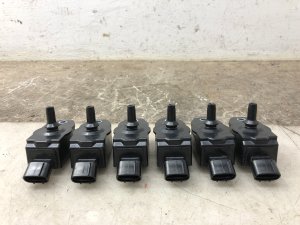
New Aftermarket Parts Available

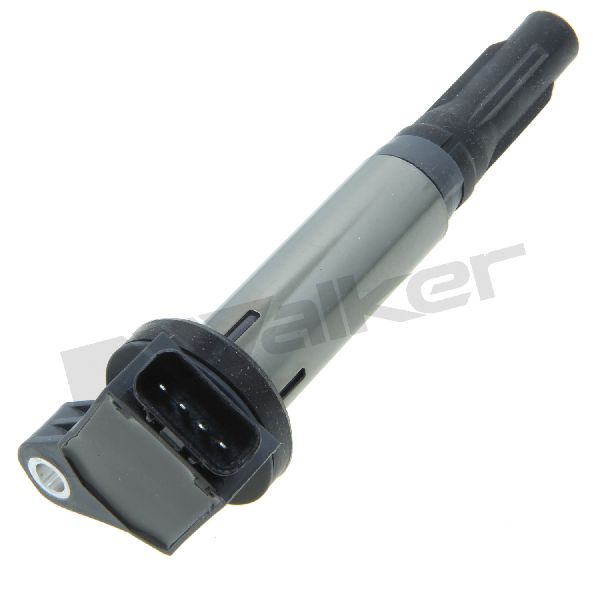
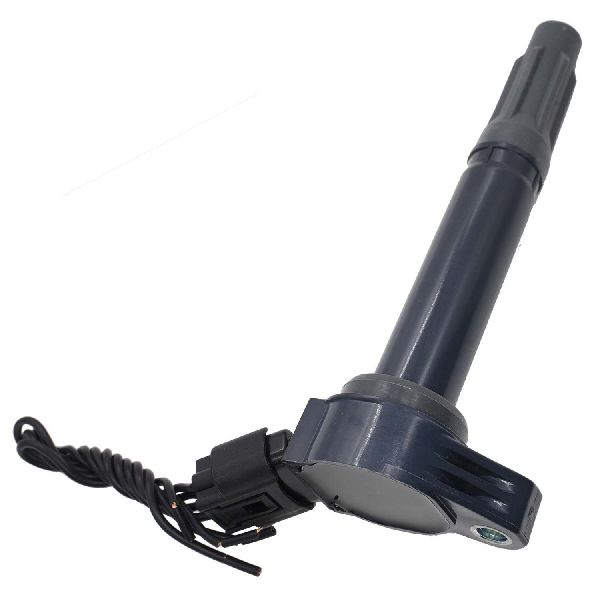

The information in this article is provided for general reference and educational purposes only. Vehicle specifications, procedures, and part compatibility can vary by production date, trim level, and region. Always consult your vehicle's factory service manual and verify part numbers before purchasing or performing repairs. Safety-critical components such as airbags, seat belts, and braking systems should be installed by a qualified professional.
- Toyota Camry:
- 🧭 Diagnostic Flowchart
- 🎬 Helpful Videos
- 🛍️ Shop This Part
- What's Unique About the 2007-2024 Toyota Camry
- Symptoms You May Notice
- Most Likely Causes
- Rare But Worth Checking
- Diagnosis Steps
- Parts You'll Likely Need
- Related Codes That Often Appear With This One
- Technical Service Bulletins (TSBs) & Recalls
- Platform-Specific Known Issues
- Mechanic-Grade Diagnostic Values
- Hidden / Shadow Codes Worth Checking
- Scan Tool Commands That Help
- Wiring & Ground Locations
- Real Owner Repair Stories
- OEM Part Supersession History
- Model Year Variations Within This Range
- Other Known Issues on This Vehicle
- Used vs. New Parts: Buying Guide for This Vehicle
- Real Owner Stories
- 2019 Toyota Camry 2.5L A25A-FKS
- 2010 Toyota Camry 2.5L 2AR-FE — ~100000 miles
- 2020 Toyota Camry
- Related OBD-II Codes
- Frequently Asked Questions
- 🎟️ Get 5% Off