

P0314 on 2010-2015 Toyota Prius: Single Cylinder Misfire Causes and Fixes
On a 2010-2015 Prius, P0314 is a non-specific misfire code often caused by a clogged EGR system or failing head gasket. If basic spark plugs and coils are fine, suspect a clogged EGR cooler and intake manifold passages. A cold start rattle strongly suggests a head gasket leak. This issue is also common in the Lexus CT200h which shares the same engine.
- P0314 on a Gen 3 Prius is a generic misfire code, but the causes are often very specific to this car.
- Do not ignore a rattling or shaking noise on a cold start; it is a classic sign of a failing head gasket, a very common issue.
- A clogged EGR system is a highly probable cause of misfires, especially during light acceleration. Proactive cleaning of the EGR cooler and intake manifold is recommended.
- If basic tune-up parts (spark plugs, ignition coils) do not fix the misfire, the EGR system and head gasket integrity must be investigated.
- Accessing spark plugs and coils is more involved than on many cars, requiring the removal of the wiper cowl assembly.
What's Unique About the 2010-2015 Toyota Prius
For the third-generation Prius, P0314 is often a symptom of two very well-known platform weaknesses. The Exhaust Gas Recirculation (EGR) system is prone to severe carbon clogging, which starves some cylinders of cooled exhaust gas, causing them to run hot and misfire. This EGR issue is widely believed to be a major contributor to the engine's other infamous problem: premature head gasket failure. A misfire on this engine, especially one that occurs on a cold start with a rattling sound, should be taken very seriously as a potential head gasket symptom. The rattling sound is the result of the engine shaking violently from the misfire, causing the planetary gearset in the transaxle to make a distinct noise.
Symptoms You May Notice
- Rough or shaky engine idle
- Engine knocking, rattling, or shaking violently on a cold start, which may lessen as the engine warms up. This is often called the 'death rattle'.
- Hesitation or stumbling during slow acceleration
- Noticeable loss of power
- Flashing or solid Check Engine Light
- Decreased fuel economy
- Unexplained coolant loss (a strong indicator of head gasket failure)
- Replacing only the spark plugs and ignition coils without investigating the EGR system. If the EGR passages are clogged, the misfire will likely return.
- Ignoring a cold start rattle as a simple 'noise'. On this vehicle, it is a primary warning sign of a developing head gasket failure 🎬 Watch: How to test if your cold start rattle is a head gasket. and should be diagnosed immediately.
- Replacing a head gasket without also thoroughly cleaning the entire EGR circuit (cooler, valve, pipe, and intake manifold). The clogged EGR was likely the root cause of the failure and will cause the new gasket to fail prematurely as well.
Most Likely Causes
- Clogged EGR System (Cooler, Valve, and Intake Manifold Passages) 🔴 High Probability The 2ZR-FXE engine's EGR circuit design is highly susceptible to carbon buildup, especially when combined with oil consumption. The small passages in the intake manifold for each cylinder clog unevenly, leading to improper gas distribution, with some cylinders running too hot.
How to confirm: Visually inspect the EGR valve, EGR cooler, and especially the small ports inside the intake manifold. 🎬 See this walkthrough on how to clean your intake manifold passages. They will be visibly restricted or completely blocked with hard carbon deposits. The passages farthest from the EGR inlet tend to clog first.
Typical fix: Remove and thoroughly clean the EGR valve, EGR cooler, and intake manifold. This is a labor-intensive but common repair. Soaking the components in solutions like Oxi-Clean, Simple Green, or other degreasers is a popular DIY method, often followed by pressure washing. Toyota also released an updated intake manifold (part # 17120-37091) to help mitigate this.
Est. part cost: $10-$30 for gaskets and cleaning supplies - Failing Head Gasket 🔴 High Probability This is a widespread, documented failure on the 2010-2015 Prius. It's often caused by chronic overheating of cylinders due to the EGR clogging issue, combined with frequent engine on/off cycles that fatigue the gasket.
How to confirm: The classic symptom is a loud rattling or shaking on cold starts. Perform a chemical block test to check for combustion gases in the coolant reservoir. Check for unexplained coolant loss. A cylinder leak-down test can provide proof. For definitive visual confirmation, a borescope inspection of the cylinders (with pistons down) may reveal coolant pooling or 'steam cleaned' piston tops.
Typical fix: Replace the head gasket, which is a major engine repair. While doing the job, it is critical to also clean the entire EGR system and inspect the cylinder head for warping. Due to the high labor cost, some owners with high-mileage vehicles may opt for a used engine replacement.
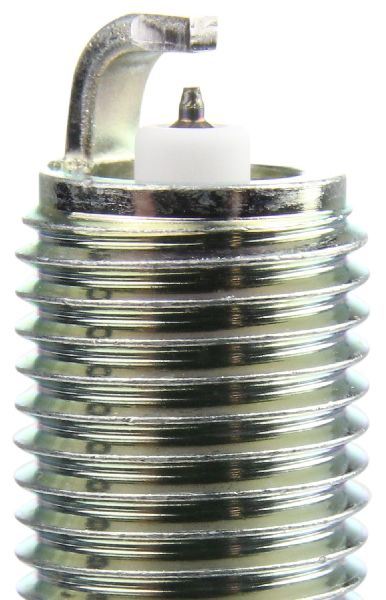
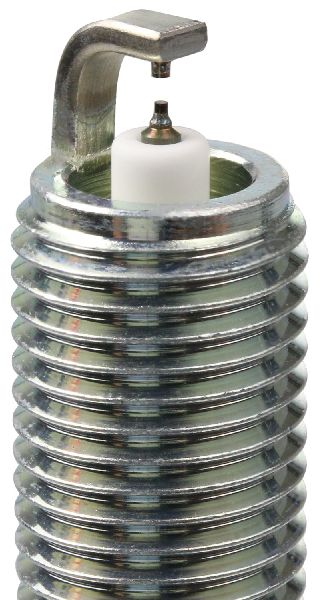
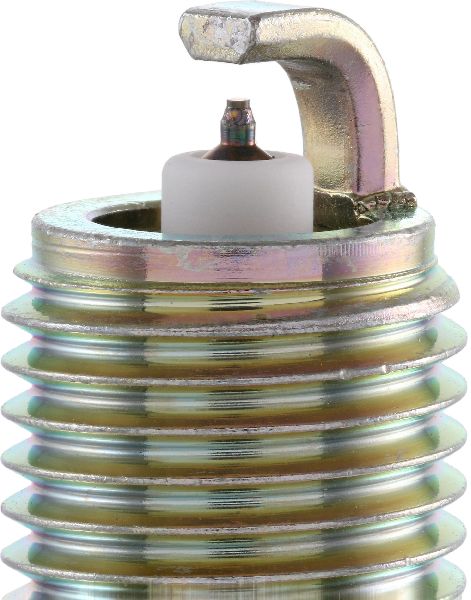
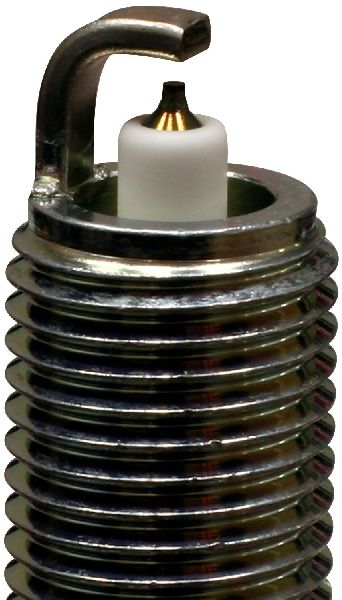
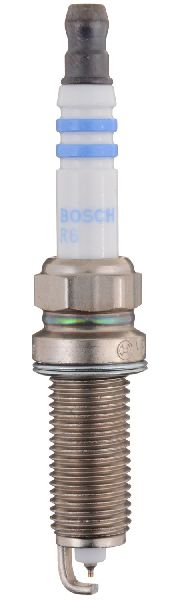
Est. part cost: $150-$300 for a head gasket kit and new head bolts - Worn/Fouled Spark Plugs 🟡 Medium Probability → Shop Spark Plug
How to confirm: Remove and inspect the spark plugs. Look for worn electrodes, heavy carbon fouling, or a 'steam-cleaned' appearance which indicates coolant is entering the cylinder (a sign of head gasket failure). Oil fouling from the known oil consumption issue is also common.
Typical fix: Replace all four spark plugs. The service interval is 120,000 miles. Access requires removing the windshield wiper and cowl assembly. 🎬 Watch: Step-by-step guide to replacing your spark plugs and ignition coils. Use of OEM-spec Denso or NGK plugs is highly recommended.
Est. part cost: $30-$60 - Failing Ignition Coil 🟡 Medium Probability → Shop Ignition Coil
How to confirm: Use a scan tool with live data to identify the misfiring cylinder. Swap the ignition coil from the misfiring cylinder to a known good cylinder. Clear the codes and see if the misfire code follows the coil (e.g., P0301 moves to P0302).
Typical fix: Replace the single faulty ignition coil. It is often recommended to replace all four with a quality brand like Denso if they are original and at high mileage.
Est. part cost: $40-$90 per coil
Rare But Worth Checking
- Clogged Fuel Injector: → Shop Fuel Injector Less common than ignition or EGR issues, but can cause a persistent misfire in a single cylinder that doesn't resolve with plug or coil replacement.
- Faulty Engine Control Module (ECM): → Shop Engine Control Module (ECM) Extremely rare, but an internal ECM fault, such as a failed driver for a specific coil or injector, can cause a misfire that appears to be a component failure.
Diagnosis Steps
- Check for any other stored trouble codes to get more context.
- Using a scan tool with live data (Mode $06), monitor the misfire counters for each cylinder to try and identify the specific cylinder at fault.
- If a cold start rattle is present, prioritize testing for a blown head gasket. Check for combustion gases in the coolant using a block tester. Check for unexplained coolant loss.
- Inspect the spark plugs and ignition coils. A 'steam-cleaned' plug is a strong sign of coolant intrusion. Swap the suspected coil with another cylinder to see if the misfire follows.
- If ignition components are good and the head gasket test is negative, the next step is to inspect the EGR system. This requires removing the intake manifold to check for carbon buildup in the EGR valve, cooler, and intake passages.
- If a head gasket is suspected, a definitive diagnosis can be made by using a borescope to look for coolant inside the cylinder.
- If all else fails, test fuel pressure and consider having the fuel injectors tested or cleaned.
Parts You'll Likely Need
- Intake Manifold Gasket
(OEM #17171-37020)— Required when removing the intake manifold to clean the EGR passages, a very common cause of this code.
Trusted brands: Toyota OE, Fel-Pro
OEM price range: $15-$25
Aftermarket price range: $5-$15 - Spark Plugs
(OEM #90919-01275 (Denso SC16HR11))— A standard maintenance item and a common cause of misfires. Should be replaced every 120,000 miles.
Trusted brands: Denso (SC16HR11), NGK (ILKAR7B11)
OEM price range: $12-$18 per plug
Aftermarket price range: $8-$15 per plug - Ignition Coil
(OEM #90919-02258)— A common failure item that directly causes misfires.
Trusted brands: Denso, NGK
OEM price range: $95-$145
Aftermarket price range: $40-$90 - Head Gasket Set
(OEM #04111-37315)— Required for the most serious and common major repair on this engine. A blown head gasket is a frequent cause of persistent misfires.
Trusted brands: Toyota OE, Fel-Pro
OEM price range: $200-$300
Aftermarket price range: $150-$250 - Updated Intake Manifold
(OEM #17120-37091)— An updated part from Toyota with revised EGR passages. Some owners opt to replace rather than clean the original manifold. Supersedes 17120-37090.
Trusted brands: Toyota OE
OEM price range: $220-$330
Related Codes That Often Appear With This One
- P0300 — P0300 is 'Random/Multiple Cylinder Misfire'. If the misfire becomes more frequent or affects more than one cylinder, P0300 may appear alongside or instead of P0314.
- P0301, P0302, P0303, P0304 — These are cylinder-specific misfire codes. P0314 may be set initially, and as the ECM gathers more data, it may pinpoint the fault and set a more specific code. Head gasket and EGR issues on the Prius often affect cylinder 1 first.
- P0401 — 'EGR Flow Insufficient'. This code can appear if the EGR system is severely clogged, directly pointing to one of the primary root causes of misfires on this engine.
Technical Service Bulletins (TSBs) & Recalls
- T-SB-0168-16: '2ZR-FXE Engine Oil Consumption Inspection Procedure' - Outlines the official dealer process for diagnosing excessive oil consumption.
- T-SB-0169-16: '2ZR-FXE Engine Oil Consumption Repair Procedure' - Details the repair, which involves replacing pistons and piston rings with updated parts (P/N 13011-37260 for the ring set).
- Warranty Enhancement ZJB / ZG1: Extended warranty coverage for failures of the brake booster and actuator assembly, a common and expensive problem on this platform.
- Customer Support Program ZE3 / Recalls: Multiple recalls and a 15-year unlimited mileage warranty extension were issued for the hybrid inverter (IPM) which was prone to failure, causing stalling.
Platform-Specific Known Issues
- A known issue with the 2010-2015 Prius is excessive oil consumption due to piston ring design, which was addressed in later model years. This oil burning contributes significantly to the carbon buildup in the EGR system.
Mechanic-Grade Diagnostic Values
- Fuel Pressure at Idle — expected: 304 to 343 kPa (44 to 50 psi). Failure: Pressure below this range can indicate a weak fuel pump or clogged filter.
- Fuel Pressure Hold Test — expected: 147 kPa (21 psi) or more for 5 minutes after engine stop. Failure: A rapid drop in pressure indicates a leaking fuel injector or faulty fuel pump check valve.
- Ignition Coil Primary Resistance — expected: No official spec from Toyota; the igniter is integrated. The best practice is to measure all four coils and look for an outlier.. Failure: One coil having a significantly different resistance value from the other three.
- ECM Power Supply — expected: 13.5 - 14.5 V at the ECM connector with engine running. Failure: Voltage outside this range indicates a charging system or wiring issue.
Hidden / Shadow Codes Worth Checking
- Mode $06 Data: This is not a code but a data stream showing raw misfire counts for each individual cylinder before they are high enough to trigger a specific P0301-P0304 code. It allows a technician to see which cylinder is starting to fail. (see via A professional scan tool (like Toyota Techstream) with Mode $06 capability is required.)
Scan Tool Commands That Help
- Toyota Techstream: Active Test: Control the Fuel Pump / Speed — This command allows you to manually run the fuel pump to test for fuel pressure without the engine running, which is essential for diagnosing fuel delivery issues.
- Toyota Techstream: Data List: Misfire Count (Cyl 1-4) — Used to monitor the live and historical misfire counts for each cylinder to pinpoint the source of the P0314, even if it hasn't set a cylinder-specific code yet.
Wiring & Ground Locations
- Engine Room J/B (Junction Block) — Located in the engine compartment, typically on the right (passenger) side.. This junction block contains fuses and relays critical for the ignition system and ECM. A poor connection or corrosion here can cause intermittent misfires.
- Instrument Panel Fuse Box — Located under the driver's side instrument panel.. Contains the OBD-II port fuse and other circuits related to the ECM and vehicle electronics. A fault here could prevent proper diagnosis.
- Engine Ground Straps — Multiple locations, with a key ground point typically from the engine block or cylinder head to the chassis near the passenger side motor mount.. A corroded or loose engine ground can cause a weak spark and create erratic sensor readings, leading to misfires that are difficult to diagnose.
Real Owner Repair Stories
- Reddit user in r/prius (Toyota Hybrid (similar 2.5L engine, but symptom is identical to Prius)) — Cold start misfire/shake, symptoms of head gasket failure.
❌ Tried (didn't work) Combustion leak test (chemical block test) was negative., Visual inspection of oil and coolant showed no cross-contamination.
✅ What actually fixed it The head gasket was indeed blown. The leak was small enough that it only manifested as a misfire from coolant seeping into the cylinder overnight and did not show up on a standard chemical test. - PriusChat Forum consensus (2010-2015 Toyota Prius, various mileages) — P0314, sometimes with P0300 or P0301/P0304, rough idle, especially on cold start.
❌ Tried (didn't work) Replacing spark plugs., Swapping or replacing ignition coils.
✅ What actually fixed it The issue was resolved only after a complete cleaning of the EGR circuit: the EGR valve, EGR cooler, and intake manifold passages. The misfire returned if only plugs/coils were replaced because the root cause (uneven air/fuel distribution from clogged EGR ports) was not addressed.
"I Checked Everything" — The Actual Cause
- A common scenario for this vehicle is not a failed smoke test, but a failed chemical block test. Owners and mechanics report that a chemical combustion leak test (the 'blue fluid' test) can come back negative, even when the head gasket has a small leak. This often happens when the leak is minor and only allows a small amount of coolant into the cylinder after the engine has been sitting overnight, causing the classic cold-start rattle and misfire. A definitive diagnosis in these cases often requires a borescope to visually inspect for coolant in the cylinders.
OEM Part Supersession History
17120-37090→17120-37091— The updated intake manifold has revised EGR passages to help reduce the speed and severity of carbon buildup that causes misfires.Original pistons and rings (various PNs)→Updated piston and ring set (per TSB 0169-16)— The original piston rings had low tension and were prone to getting clogged with carbon, leading to excessive oil consumption. The updated parts are designed to improve oil control.
Model Year Variations Within This Range
- 2010-2014 (early production): Engines produced before the mid-2014 model year have piston rings that are highly prone to causing excessive oil consumption. Toyota issued TSB T-SB-0169-16 with updated parts. This oil burning accelerates the carbon clogging of the EGR system, which is a primary cause of P0314. 2015 models and late-2014 models are less susceptible but not entirely immune.
Diagnostic Flowchart
Other Known Issues on This Vehicle
Issues unrelated to this code that are worth knowing about as an owner of this generation:
- Brake Booster / Actuator Assembly Failure 🔴 High — A very common failure, especially on higher mileage vehicles. Symptoms include a loud, repetitive buzzing/groaning noise from the driver's side of the engine bay, various brake-related warning lights, and fault codes like C1391. (Ref: Toyota issued Warranty Enhancement Program ZJB (ZG1 for earlier models) extending coverage for this specific failure. Coverage was typically for 10 years or 150,000 miles, though primary coverage periods have expired.)
- Inverter (IPM) Failure 🔴 High — A critical failure that can cause the vehicle to stall while driving. This was the subject of multiple recalls and a warranty extension. (Ref: Recalls (e.g., 14V-053, 20TA10) were issued to update software, and a Customer Support Program (CSP ZE3) extended the warranty on the inverter to 15 years with unlimited mileage for certain failure modes.)
- Excessive Oil Consumption 🟠 Medium — Widespread issue due to low-tension piston rings getting clogged with carbon. Many owners report needing to add a quart of oil every 1,000-2,000 miles. This can foul spark plugs and contribute to carbon buildup in the EGR system. (Ref: Toyota issued TSBs T-SB-0168-16 (for diagnosis) and T-SB-0169-16 (for repair), which involved replacing the pistons and piston rings with an updated design.)
- HV (Hybrid Vehicle) Battery Degradation 🟠 Medium — As a wear item, the NiMH battery pack's capacity degrades over time, typically becoming noticeable after 10 years or 150,000+ miles. Symptoms include the engine running more often and decreased fuel economy. Individual cell failures are common.
Used vs. New Parts: Buying Guide for This Vehicle
When a used part is the smart pick: A complete used engine, particularly a low-mileage JDM (Japanese Domestic Market) import, can be a cost-effective alternative to a head gasket job or full rebuild. Individual components like the EGR cooler and intake manifold are also good candidates for used purchase, provided they are thoroughly cleaned before installation.
Donor-vehicle mileage cap: roughly under 70000 miles for the part to have meaningful remaining life.
What to inspect on the donor part:
- For JDM engines, look for sellers guaranteeing mileage between 50,000-65,000 miles and providing compression test results.
- For any used engine, request the VIN of the donor car to check its service history and reported mileage.
- Visually inspect for external oil leaks, heavy corrosion, or signs of overheating (discolored metal) before purchase.
OEM-only on this vehicle (don't cheap out):
- Head Gasket Set: Due to the high labor cost of the job, using a high-quality OEM or top-tier aftermarket (Fel-Pro) gasket is critical to avoid a repeat failure.
- PCV Valve: This is an inexpensive but critical part for controlling crankcase pressure and oil consumption; an OEM part is recommended.
Aftermarket brands forum-validated for this vehicle:
- Denso (for ignition coils, spark plugs - often the OEM supplier)
- NGK (for ignition coils, spark plugs - often the OEM supplier)
- Fel-Pro (for gaskets)
Brands owners have reported issues with on this vehicle:
- Unnamed, 'white-box' ignition coils and sensors from online marketplaces. These often have high failure rates and can cause diagnostic confusion.
Real Owner Stories
Aggregated from forums and TSBs cited above. Mileages and costs reflect what owners reported in those sources.
2010-2015 Toyota Prius 1.8L
Symptoms: Multiple misfire codes (P0300, P0301, P0303) and rough running.
What fixed it: Thoroughly cleaning the EGR cooler and the small passages inside the intake manifold.
Source hint: PriusChat: Cleaning egr fixed misfire
2011-2017 Lexus CT200h (2ZR-FXE)
Symptoms: Cylinder #1 misfire that persisted after replacing spark plugs and ignition coils.
What fixed it: Head gasket replacement after a borescope inspection revealed a stream of coolant entering the cylinder.
Source hint: YouTube: What's wrong with it? Lexus ct200h cylinder #1 misfire
2010-2015 Toyota Prius 1.8L
Symptoms: Car would not run properly and experienced a rough running condition immediately after a DIY cleaning of the EGR and intake manifold.
What fixed it: Investigation into potential vacuum leaks or sensor issues following the reassembly of the EGR system.
Source hint: Reddit r/prius: Car won't run after EGR cleaning
Related OBD-II Codes
Frequently Asked Questions
Is there a TSB for the oil consumption issue on my 2010-2015 Prius that might be causing this misfire?
My Prius has a 'death rattle' on cold starts; does this mean I need a new head gasket?
Can I just clean the EGR components instead of replacing them to fix the P0314 code?
Is the hybrid inverter covered if it causes my engine to stall or misfire?
Why does the intake manifold cause uneven misfires on the 2ZR-FXE engine?
Helpful Videos
Used OEM Parts in Stock
New Aftermarket Parts Available

The information in this article is provided for general reference and educational purposes only. Vehicle specifications, procedures, and part compatibility can vary by production date, trim level, and region. Always consult your vehicle's factory service manual and verify part numbers before purchasing or performing repairs. Safety-critical components such as airbags, seat belts, and braking systems should be installed by a qualified professional.
- Toyota Prius:
- 🧭 Diagnostic Flowchart
- 🎬 Helpful Videos
- 🛍️ Shop This Part
- What's Unique About the 2010-2015 Toyota Prius
- Symptoms You May Notice
- Most Likely Causes
- Rare But Worth Checking
- Diagnosis Steps
- Parts You'll Likely Need
- Related Codes That Often Appear With This One
- Technical Service Bulletins (TSBs) & Recalls
- Platform-Specific Known Issues
- Mechanic-Grade Diagnostic Values
- Hidden / Shadow Codes Worth Checking
- Scan Tool Commands That Help
- Wiring & Ground Locations
- Real Owner Repair Stories
- "I Checked Everything" — The Actual Cause
- OEM Part Supersession History
- Model Year Variations Within This Range
- Other Known Issues on This Vehicle
- Used vs. New Parts: Buying Guide for This Vehicle
- Real Owner Stories
- 2010-2015 Toyota Prius 1.8L
- 2011-2017 Lexus CT200h (2ZR-FXE)
- 2010-2015 Toyota Prius 1.8L
- Related OBD-II Codes
- Frequently Asked Questions
- 🎟️ Get 5% Off