

P0316 on 2003-2012 Honda Accord: Startup Misfire Causes and Fixes
P0316 means your Accord's engine misfired within the first 1,000 revolutions of starting. This is most often caused by worn spark plugs or failing ignition coils. A valve adjustment, a common Honda maintenance item, is also a frequent fix if ignition parts are good. On V6 models, oil-fouled plugs due to the VCM system are a primary suspect.
- P0316 indicates a misfire occurred right after you started your Accord.
- Start your diagnosis with the basics: check for other codes and inspect the spark plugs.
- Do not overlook the need for a valve adjustment. On a high-mileage Honda, tight valves are a very common cause of cold-start misfires.
- If you have a 2008-2012 V6, the misfire is likely related to the VCM system fouling your spark plugs with oil.
- If the Check Engine Light is flashing, limit driving to prevent damage to the catalytic converter.
What's Unique About the 2003-2012 Honda Accord
For the 2003-2012 Honda Accord, this code frequently points toward two very common Honda issues: ignition components and valve clearance. Over time, the valves on Honda engines, particularly the exhaust valves, can tighten, leading to a loss of compression and cold-start misfires. This is a routine maintenance item that is often overlooked. Additionally, V6 models from 2008-2012 with Variable Cylinder Management (VCM) can experience oil-fouled spark plugs in the cylinders that are frequently deactivated (cylinders 1-4), leading to misfires. This VCM issue was widespread enough to result in a class-action lawsuit and a warranty extension from Honda.
Generation note: This range covers two Honda Accord generations: the 7th (2003-2007) and 8th (2008-2012). While the fundamental causes are similar, the 8th generation V6 models (J35Z2/J35Z3 engine) introduced the Variable Cylinder Management (VCM) system, which is a known cause of oil consumption and spark plug fouling that can trigger misfires. The 4-cylinder K24 engines in the 8th generation are also known for a VTC actuator rattle on startup, which is a separate issue but can sometimes be confused with startup problems.
Symptoms You May Notice
- Rough idle or stumbling immediately after starting the engine
- Check Engine Light is on or flashing
- Hesitation or lack of power during initial acceleration
- Engine may shake during the first few seconds of operation
- Audible rattling or grinding noise for 1-2 seconds on cold start (if related to VTC actuator on K24 engines)
- Replacing only one spark plug when the whole set is due.
- Replacing ignition coils when the actual problem is tight valves or VCM-fouled spark plugs.
- Assuming a major engine problem before performing a routine valve adjustment.
- Confusing a VTC actuator rattle on a 4-cylinder with a more serious startup issue.
Most Likely Causes
- Worn or Fouled Spark Plugs 🔴 High Probability → Shop Spark Plug Spark plugs are a standard wear item. On V6 models with VCM (2008-2012), oil consumption can foul the plugs on deactivated cylinders (1-4), causing misfires. This is a well-documented issue that led to a warranty extension (TSB 13-082) and a class-action lawsuit.
How to confirm: Remove the spark plugs and inspect them. Look for worn electrodes, heavy carbon buildup, or oil contamination, particularly on cylinders 1-4 if you have a V6 with VCM.
Typical fix: Replace all spark plugs. Use high-quality Iridium plugs from brands like NGK or Denso, which are the Original Equipment Manufacturers (OEM).
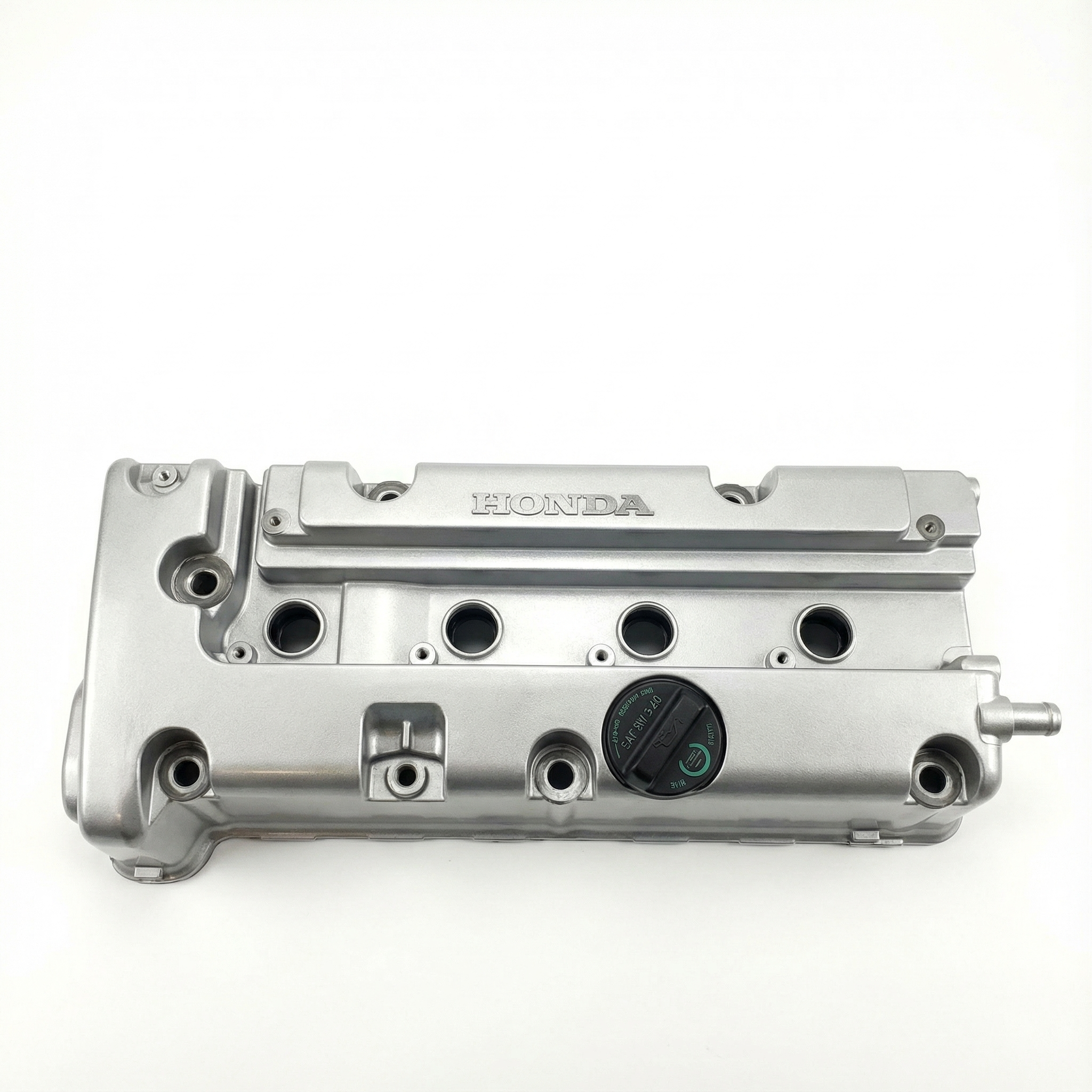
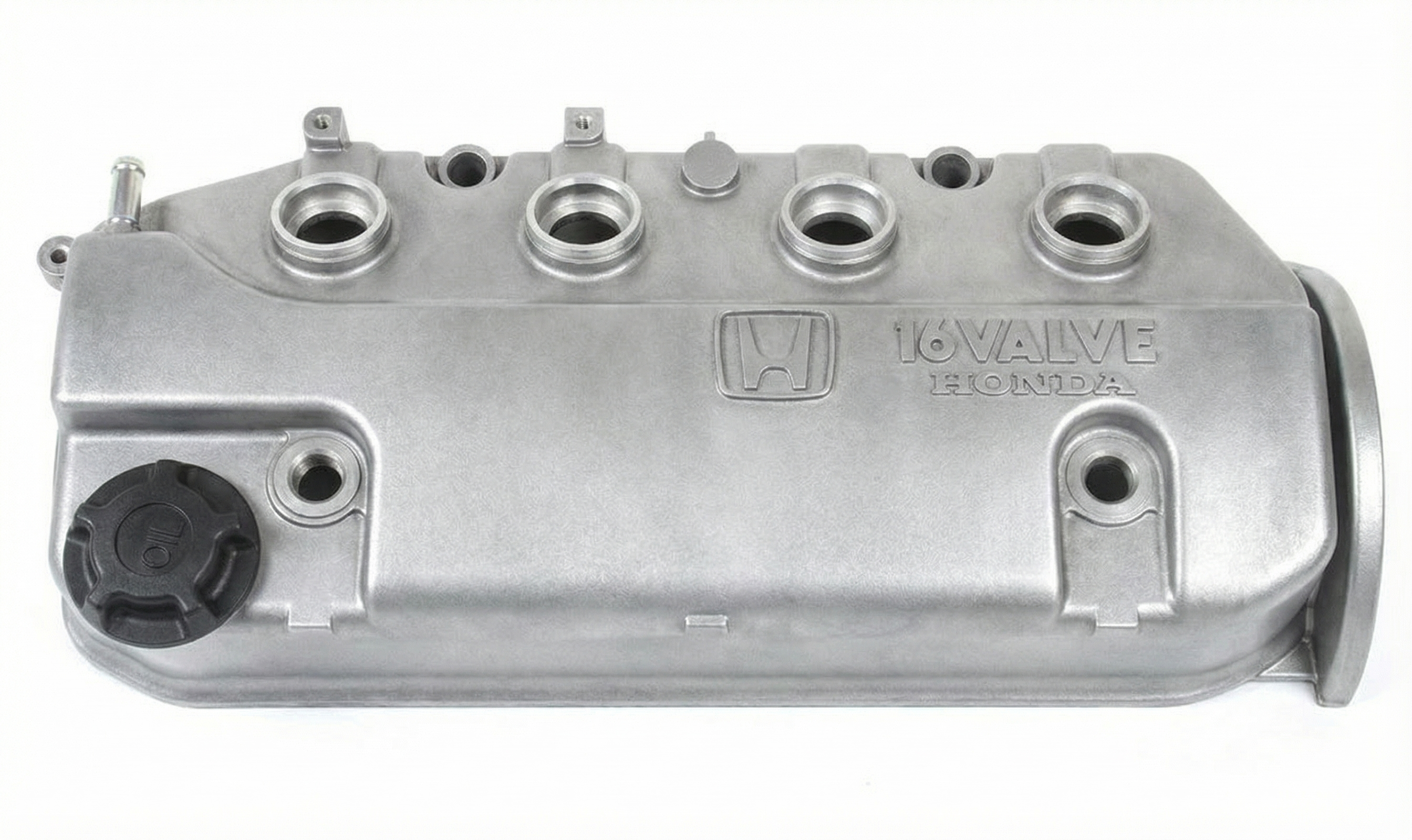
Est. part cost: $40-$120 - Incorrect Valve Clearance 🔴 High Probability Honda engines use a mechanical valve lifter design that requires periodic adjustment. Over time, valve clearances (especially exhaust) tighten, leading to low compression on a cold engine and causing startup misfires. This is a very common, often-missed maintenance item on both K-series and J-series engines.
How to confirm: Perform a valve clearance check with the engine cold using a feeler gauge. This involves removing the valve cover. Specs for the K24 engine are typically around 0.21-0.25 mm (intake) and 0.28-0.32 mm (exhaust). For the J30/J35, they are around 0.20-0.24 mm (intake) and 0.28-0.32 mm (exhaust). Always verify the spec for your specific year and engine.
Typical fix: Adjust the valve clearances to manufacturer specifications. This is a precise job but can be done by a skilled DIYer.
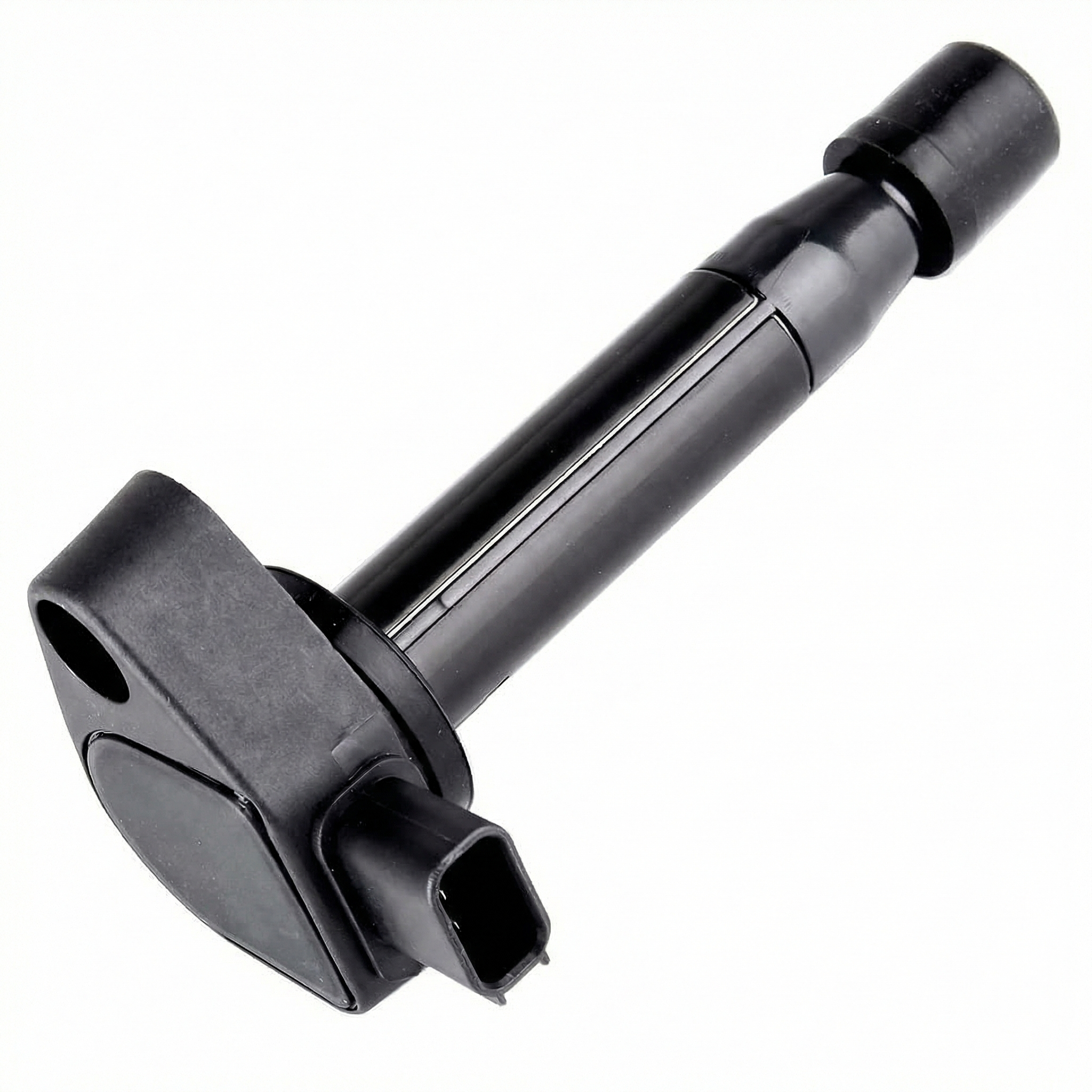
Est. part cost: $20-$50 (for valve cover gasket set) - Failing Ignition Coil(s) 🟡 Medium Probability → Shop Ignition Coil Coils are subjected to high heat and vibration and fail over time. Honda uses a reliable coil-on-plug system, but failures are common on higher-mileage vehicles. Using cheap aftermarket coils often leads to repeat failures.
How to confirm: If you have a cylinder-specific code (e.g., P0302), swap the ignition coil from the misfiring cylinder to a known good cylinder. Clear the codes and see if the misfire code follows the coil (e.g., changes to P0304).
Typical fix: Replace the faulty ignition coil. It's highly recommended to use a quality OEM brand like Hitachi or Denso to ensure longevity.
Est. part cost: $50-$100 per coil - Dirty or Clogged Fuel Injectors ⚪ Low Probability → Shop Fuel Injector
How to confirm: After ruling out spark and compression, you can test injector resistance or have them professionally cleaned and flow-tested. Sometimes accompanied by fuel trim codes.
Typical fix: Replace the faulty fuel injector or have the set professionally cleaned.
Est. part cost: $70-$200 per injector
Rare But Worth Checking
- Low Fuel Pressure: A weak fuel pump can cause a lean condition and misfires on startup. Check fuel pressure with a gauge if other causes are ruled out.
- Crankshaft Position (CKP) Sensor Issue: The PCM uses the CKP sensor to detect misfires. An intermittent fault in the sensor or its wiring could theoretically cause a false P0316, though it's less common than actual misfire causes.
- Faulty VTC Actuator (4-Cylinder K24 Engine): On 2008-2012 Accords with the 2.4L engine, a faulty VTC actuator can cause a loud rattle for a couple of seconds at cold startup. While this doesn't always set a misfire code, severe cases could affect initial timing enough to contribute to a P0316.
- VCM Oil Pressure Switch (V6 J35 Engine): The VCM system uses oil pressure switches to operate. A faulty switch can trigger VCM-related codes (P3400, P3497) and may contribute to the system malfunctioning, leading to fouled plugs and misfires. Often, the fix is simply cleaning the switch and its filter screen or replacing the switch.
Diagnosis Steps
- Scan for Codes: Use an OBD-II scanner to confirm P0316 and check for any other codes, especially P0301-P0306, to identify the specific misfiring cylinder(s). Also note any VCM-related codes like P3400/P3497.
- Inspect Spark Plugs: Remove and inspect the spark plugs from the affected cylinder(s). Look for wear, damage, or oil/fuel fouling. On 2008-2012 V6 models, pay close attention to plugs in cylinders 1-4, as they are prone to oil fouling from the VCM system. If they are old or fouled, replace the entire set.
- Test Ignition Coils: If a specific cylinder is misfiring, swap its ignition coil with one from a cylinder that is firing correctly. Clear the codes and run the engine. If the misfire code moves to the new cylinder, the coil is bad.
- Check Valve Clearance: If spark plugs and coils are good, the next most likely cause on a Honda is tight valves. With the engine cold (left for at least 6 hours), remove the valve cover and check the intake and exhaust valve clearances with a feeler gauge, adjusting as necessary.
- Check VCM System (V6 Only): If codes P3400 or P3497 are present, inspect the corresponding VCM oil pressure switch and its filter screen. Often, cleaning the screen and checking for proper oil level/pressure can resolve the issue.
- Check Fuel System: Listen to the fuel injectors with a mechanic's stethoscope for a consistent clicking sound. If an injector is silent or sounds different, it may be faulty. You can also check fuel pressure to rule out a weak fuel pump.
- Perform a Compression Test: If the above steps don't reveal the cause, a compression test can identify mechanical engine problems like worn piston rings (another known VCM side effect) or a bad head gasket.
Parts You'll Likely Need
- Spark Plugs
(OEM #NGK: IZFR6K11 (V6), Denso: SKJ20DR-M11 (V6))— This is the most common fix. Plugs are a routine maintenance item and can become fouled, especially on V6 models with VCM.
Trusted brands: NGK, Denso
OEM price range: $15-$25 per plug
Aftermarket price range: $10-$20 per plug - Ignition Coil
(OEM #30520-RRA-007 (K24), 30520-R70-A01 (J35))— The second most common cause after spark plugs. Coils fail over time and cause misfires in a specific cylinder.
Trusted brands: Hitachi, Denso, NGK
OEM price range: $80-$120
Aftermarket price range: $40-$80 - Valve Cover Gasket Set
(OEM #12030-RTA-000 (K24), 12030-R70-A00 (J35))— Required when performing a valve adjustment, which is a very common fix for this code on Honda Accords.
Trusted brands: Honda (OEM), Fel-Pro, Mahle
OEM price range: $40-$60
Aftermarket price range: $25-$45
Related Codes That Often Appear With This One
- P0300 — This code for 'Random/Multiple Cylinder Misfire' often accompanies P0316 if more than one cylinder is misfiring.
- P0301-P0306 — These codes specify which cylinder is misfiring (e.g., P0301 for Cylinder 1). They are extremely helpful for diagnosis and will almost always appear with P0316.
- P3400 / P3497 — On 2008-2012 V6 models, these codes relate to the VCM system (Bank 1 / Bank 2 Valve Pause System Stuck Off). If seen with misfire codes, it strongly suggests the VCM is causing oil fouling on the spark plugs. The cause can be a faulty oil pressure switch or low oil level.
Technical Service Bulletins (TSBs) & Recalls
- TSB 13-082: 'Warranty Extension: MIL Comes On With DTCs P0301 thru P0304' - Extends the warranty to 8 years/unlimited miles for VCM-related misfires on 2009-2013 Pilots (and similar J35 engines like the Accord's) due to piston ring alignment and spark plug fouling.
- TSB 09-010: 'Engine Rattles at Cold Start-Up' - Addresses a defective VTC actuator on 2008-2012 Accords with the L4 engine. The fix is to replace the VTC actuator.
- TSB 13-055: Related to VCM codes P3400 and P3497, sometimes recommends a software update or oil pan/filter cleaning.
Platform-Specific Known Issues
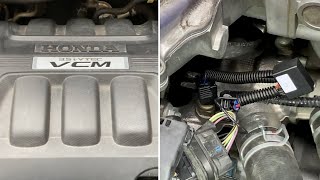
- On 2008-2012 V6 models, the Variable Cylinder Management (VCM) system is known to cause excessive oil consumption, which fouls spark plugs (especially in cylinders 1-4) and leads to misfires. This was the subject of a class-action lawsuit, and Honda issued a warranty extension (TSB 13-082) to address piston ring cleaning and replacement. Some owners install a 'VCM Muzzler' or 'VCM Tuner' to disable the system and prevent this issue.
- On 2008-2012 4-cylinder models (K24 engine), a defective VTC actuator is common, causing a loud 1-2 second rattle on cold starts. Honda released TSB 09-010 for this issue. While it doesn't typically set a P0316 code, it's a very common startup problem for this specific vehicle.
Mechanic-Grade Diagnostic Values
- Fuel Injector Resistance (J-series V6 & K-series L4) — expected: 10-13 Ohms. Failure: A reading significantly higher or lower than the others, or an open circuit (infinite resistance).
- Ignition Coil Primary Resistance (K24) — expected: ~0.5 - 0.8 Ohms. Failure: A reading outside of this range indicates a faulty primary winding.
- Ignition Coil Secondary Resistance (K24) — expected: 14k - 22k Ohms. Failure: A reading outside of this range, or an open circuit, points to a failed secondary winding.
- Fuel Pressure (All Engines) — expected: 47-54 psi (320-370 kPa) with key on, engine off.. Failure: Pressure below this range indicates a weak fuel pump or clogged filter, which can cause lean misfires on startup.
- Live Misfire Count Data (via Scan Tool) — expected: Zero or very few counts on all cylinders after startup.. Failure: A specific cylinder rapidly accumulating counts (e.g., cylinder 3 is at 50 while others are at 0) pinpoints the location of the misfire without waiting for a P030X code.
Hidden / Shadow Codes Worth Checking
- Mode $06, Test ID $A2-$AD: Mode $06 data contains misfire counts for each cylinder for the last 10 driving cycles. For example, Test ID $A2 corresponds to Cylinder 1, $A3 to Cylinder 2, and so on. This can reveal intermittent misfires that haven't yet triggered a P030X code. (see via A professional scan tool with Mode $06 capability is required. The raw data needs to be interpreted to see the misfire counts.)
Scan Tool Commands That Help
- Honda HDS (Honda Diagnostic System): Misfire Data Stream — This is the most effective way to diagnose the location of the misfire in real-time. While driving or during startup, a technician can watch the live counts for each cylinder to see which one is failing, even if the Check Engine Light isn't flashing.
- Honda HDS (Honda Diagnostic System): CKP Pattern Clear / CKP Pattern Learn — After replacing a crankshaft position (CKP) sensor or addressing a mechanical issue that could affect crankshaft speed (like a timing belt job), the PCM may need to relearn the subtle variations of the crankshaft reluctor wheel. A failure to do this can sometimes result in 'ghost' misfire codes where no actual misfire is occurring.
Wiring & Ground Locations
- G101 — On the 7th Gen (2003-2007), G101 is a critical engine ground located on the top middle of the engine (2.4L) or the rear of the engine (3.0L). On the 8th Gen (2008-2012), it's typically found on the driver's side of the cylinder head.. G101 is the main ground for the engine harness, which includes the ignition coils and fuel injectors. A loose or corroded G101 can cause a weak spark or erratic injector function, leading to misfires that are difficult to trace to a single component.
- Ignition Coil Connector (K24 Engine) — On top of the valve cover, one for each cylinder.. When testing, Pin 3 (Black/Yellow wire) should have 12V+ with the key on. Pin 2 (Black wire) is the ground. Pin 1 is the trigger signal from the PCM. Verifying power and ground here is a key step before replacing a coil.
- PCM/ECM Location — For the 8th Gen (2008-2012), the PCM is located in the engine compartment on the left (driver's) side, near the front.. In rare cases of water intrusion or damage, the PCM itself can be the source of the problem. Knowing its location is necessary for inspecting connectors for corrosion or damage.
Real Owner Repair Stories
- DriveAccord.net forum user (2008 Honda Accord EX-L V6, ~150,000 miles) — P0316 and P0303 (misfire cylinder 3) on cold starts. Rough idle for the first 30-60 seconds then smoothed out.
❌ Tried (didn't work) Replaced all 6 spark plugs with new NGK Iridium plugs., Swapped ignition coil from cylinder 3 to cylinder 1 (misfire code did not follow the coil).
✅ What actually fixed it A valve adjustment. The owner reported the exhaust valves on cylinder 3 were extremely tight with almost zero clearance. After adjusting all valves back to spec, the cold start misfire was completely resolved. - Honda-Tech forum user (2010 Honda Accord V6) — Check engine light with P0316 and multiple cylinder misfire codes (P0301, P0302, P0304). Noticeable oil consumption between changes.
❌ Tried (didn't work) Replacing spark plugs (they were oil-fouled again within a few thousand miles)., Using a fuel injector cleaner.
✅ What actually fixed it The owner installed an aftermarket VCM disabling device (like VCMTuner or S-VCM Controller). This prevented the VCM system from activating, which stopped the oil from being pushed past the piston rings on the deactivated cylinders, thus preventing the spark plugs from fouling.
OEM Part Supersession History
14310-R40-A01, 14310-R44-A01→14310-5R1-013 (latest example)— The original VTC actuators for the K24 engine (2008-2012) were prone to failure, causing a loud rattle at cold startup. The internal locking pin mechanism would wear or fail to engage properly.
Model Year Variations Within This Range
- 2003-2007 (7th Gen): V6 models (J30A4/J30A5) did not have the VCM system, so oil-fouled plugs from cylinder deactivation is not a cause. Misfires are almost always due to standard causes like plugs, coils, or tight valves.
- 2008-2012 (8th Gen V6): These models use the J35Z2/J35Z3 engine with VCM-2, which can deactivate cylinders to run in 6, 4, or 3-cylinder mode. This more complex system is the primary cause of the oil consumption and spark plug fouling issue that was subject to a class-action lawsuit.
- 2008-2012 (8th Gen L4): These models with the K24Z2/K24Z3 engine are known for the VTC actuator rattle on cold starts, covered by Honda TSB 09-010. While this is primarily a noise issue, a severely degraded actuator could potentially affect startup timing and contribute to a P0316 code.
Diagnostic Flowchart
Other Known Issues on This Vehicle
Issues unrelated to this code that are worth knowing about as an owner of this generation:
- Automatic Transmission Failure (7th Gen) 🔴 High — Very common on 2003-2004 models, especially V6. Less common but still present on later 7th gen cars. Can occur before 100,000 miles. (Ref: Recalls were issued for early models to add an oil jet kit, but failures can still occur.)
- VTC Actuator Rattle on Cold Start (8th Gen K24) 🟠 Medium — Extremely common on 2008-2012 4-cylinder Accords. Causes a 1-2 second grinding/rattling noise on cold starts. (Ref: Honda TSB 09-010)
- Excessive Oil Consumption (Both Gens) 🟠 Medium — Common in both K24 4-cylinder engines and J35 V6 engines with VCM. The VCM issue is particularly pronounced and was the subject of a class-action lawsuit. (Ref: TSB 11-033 (Piston Rings) for some K24s, TSB 13-082 (Warranty Extension) for V6 VCM issues.)
- Premature Rear Brake Wear (8th Gen) 🟡 Low — Common complaint on 2008-2012 models. The rear brakes tend to wear out much faster than expected, sometimes in as little as 15,000-25,000 miles.
- Power Steering Hose Leak (7th Gen) 🟡 Low — A common issue where the high-pressure power steering hose leaks fluid onto the alternator, potentially causing alternator failure.
Used vs. New Parts: Buying Guide for This Vehicle
When a used part is the smart pick: For this repair, used parts are generally not recommended for the core components. However, if you need to replace a connector, a mounting bracket, or a wiring harness section that was damaged, a used part from a reputable auto recycler is a cost-effective choice.
Donor-vehicle mileage cap: roughly under 80000 miles for the part to have meaningful remaining life.
What to inspect on the donor part:
- For wiring, ensure there is no corrosion on the pins and the plastic isn't brittle.
- Check the vehicle history of the donor car if possible to avoid parts from a flood or fire-damaged vehicle.
- Inspect rubber components like boots or seals for cracks and signs of dry rot.
OEM-only on this vehicle (don't cheap out):
- Ignition Coils: Aftermarket coils for Hondas are notoriously unreliable and a common source of repeat failures. Stick with OEM (Hitachi, Denso) or OEM-supplier brands.
- VTC Actuator: Given the history of failures and subsequent part revisions, only the latest OEM part number should be used to ensure a permanent fix.
- Spark Plugs: Use the specific NGK or Denso iridium plugs recommended by Honda. Incorrect heat range or plug type can cause performance issues.
Aftermarket brands forum-validated for this vehicle:
- Fel-Pro (Valve Cover Gasket)
- Mahle (Gaskets)
- VCMTuner / S-VCM Controller (For VCM disabling on V6 models)
Brands owners have reported issues with on this vehicle:
- Unbranded or 'white-box' ignition coils and sensors from online marketplaces.
Real Owner Stories
Aggregated from forums and TSBs cited above. Mileages and costs reflect what owners reported in those sources.
2008 Honda Accord L4
Symptoms: Loud, brief rattle on cold starts.
What fixed it: Replacement of the VTC actuator as per TSB 09-010.
Source hint: honda-tech.com thread titled 'VTC Actuator Rattle - 2008 Accord L4'
2010 Honda Accord V6 — ~120000 miles
Symptoms: Persistent misfires and Check Engine Light.
What fixed it: Piston ring replacement under the VCM warranty extension.
Source hint: driveaccord.net forum discussion
2009 Honda Accord V6
Symptoms: Spark plug fouling and high oil consumption linked to the VCM system.
What fixed it: Installation of a VCM Tuner to disable the cylinder deactivation system.
Source hint: vcmtuner.com
Related OBD-II Codes
Frequently Asked Questions
Does TSB 13-082 apply to my 2012 Honda Accord V6 regarding the P0316 code?
I have a 2010 Accord with the K24 engine and hear a rattle on cold starts; is this related to P0316?
Can I use any brand of ignition coil to fix the misfire on my Honda?
Why are the spark plugs in cylinders 1-4 specifically mentioned for the V6 Accord?
Is there a way to prevent the VCM-related spark plug fouling on my 2011 Accord V6?
How often do the valves need adjustment on the 2003-2012 Accord engines?
Helpful Videos
Used OEM Parts in Stock
New Aftermarket Parts Available


The information in this article is provided for general reference and educational purposes only. Vehicle specifications, procedures, and part compatibility can vary by production date, trim level, and region. Always consult your vehicle's factory service manual and verify part numbers before purchasing or performing repairs. Safety-critical components such as airbags, seat belts, and braking systems should be installed by a qualified professional.
- Honda Accord:
- 🧭 Diagnostic Flowchart
- 🎬 Helpful Videos
- 🛍️ Shop This Part
- What's Unique About the 2003-2012 Honda Accord
- Symptoms You May Notice
- Most Likely Causes
- Rare But Worth Checking
- Diagnosis Steps
- Parts You'll Likely Need
- Related Codes That Often Appear With This One
- Technical Service Bulletins (TSBs) & Recalls
- Platform-Specific Known Issues
- Mechanic-Grade Diagnostic Values
- Hidden / Shadow Codes Worth Checking
- Scan Tool Commands That Help
- Wiring & Ground Locations
- Real Owner Repair Stories
- OEM Part Supersession History
- Model Year Variations Within This Range
- Other Known Issues on This Vehicle
- Used vs. New Parts: Buying Guide for This Vehicle
- Real Owner Stories
- 2008 Honda Accord L4
- 2010 Honda Accord V6 — ~120000 miles
- 2009 Honda Accord V6
- Related OBD-II Codes
- Frequently Asked Questions
- 🎟️ Get 5% Off