

P0316 on 2010-2014 Jaguar XJ: Misfire on Startup Causes and Fixes
P0316 on a 2010-2014 Jaguar XJ indicates a misfire within the first 1,000 engine revolutions. A Jaguar Technical Service Bulletin (SSM-63697) points to poor fuel quality causing restricted fuel injectors as a primary cause. Another TSB (JTB00533NAS1) notes this can be a fuel injection calibration issue on 2013-2014 models, potentially requiring a PCM software update. Start by using a quality fuel system cleaner and checking for other misfire codes (P0300-P0308) to identify the faulty cylinder.
- P0316 means a misfire was detected right after you started the car.
- For this specific Jaguar, the most likely cause is a clogged fuel injector due to fuel quality, as per a manufacturer TSB.
- Always check for other codes (P0301-P0308) to know which cylinder is failing.
- Start your diagnosis by trying a quality fuel system cleaner and swapping the ignition coil from the bad cylinder to a good one.
- Driving with a misfire can lead to very expensive catalytic converter damage, so get it fixed promptly.
What's Unique About the 2010-2014 Jaguar XJ
For the Jaguar XJ (X351) with the AJ133 V8 and AJ126 V6 engines, this code has a well-documented link to fuel system issues. Jaguar issued a Technical Service Bulletin (SSM-63697) stating that P0316, along with cylinder-specific misfire codes, can be caused by poor fuel quality or contaminants restricting fuel injector flow. A separate TSB, JTB00533NAS1, applies to 2013-2014 models and suggests the cause may be a 'fuel injection calibration issue' that can be resolved with a PCM software update performed by a dealer. These bulletins suggest these direct-injection engines are particularly sensitive to both fuel quality and software calibration, making these top diagnostic priorities.
Diagnostic Flowchart
Tap your situation to follow the diagnostic path that matches what you're seeing on this vehicle.
Symptoms You May Notice
- Check Engine Light (MIL) illuminated or flashing
- Engine running rough, especially at idle and on cold start
- Engine vibration at idle
- Poor or hesitant acceleration
- Reduced fuel economy
- Stalling immediately after startup
- Strong smell of raw fuel from the exhaust
- Replacing oxygen sensors. O2 sensors report on the state of combustion; they do not cause a misfire on a specific cylinder. A misfire will cause bad O2 sensor readings, but the sensor is not the root cause.
- Replacing the catalytic converter. A misfire can destroy a catalytic converter, but a bad converter does not cause a P0316 misfire code.
Most Likely Causes
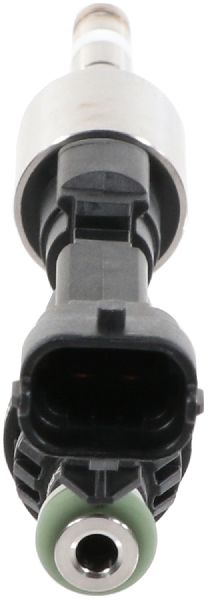
- Restricted or Clogged Fuel Injectors 🔴 High Probability → Shop Fuel Injector A manufacturer TSB (SSM-63697) directly identifies 'POOR FUEL QUALITY OR FUEL CONTAMINANTS RESTRICTING THE FUEL INJECTOR FLOW' as a primary cause for this code on this platform. The direct-injection system on these engines operates at very high pressures, making the injectors more susceptible to clogging from contaminants.
How to confirm: After identifying the misfiring cylinder with a P030x code, you can swap the suspect injector with one from a known good cylinder. If the misfire code follows the injector (e.g., P0301 becomes P0302 after swapping injectors from cylinders 1 and 2), the injector is faulty. A professional can also perform a flow test. In some forum discussions, owners report that replacing a single injector resolved the issue.
Typical fix: First, try a high-quality fuel system cleaner (one that contains Polyetheramine, or PEA, is best). If that fails, the affected fuel injector(s) will need to be professionally cleaned or replaced. 🎬 See this pro hack for removing injectors without special tools. TSB JTB00533NAS1 also suggests an ECM software update for 2013-2014 models may resolve fuel calibration issues.
Est. part cost: $50-$200 per injector - Worn or Fouled Spark Plugs 🟡 Medium Probability → Shop Spark Plug Spark plugs are regular wear items. The high-compression, direct-injection nature of these engines can be demanding on plugs, leading to misfires as they age. Oil leaks from valve cover gaskets can also foul the plugs, a common issue reported by owners.
How to confirm: Remove the spark plug from the misfiring cylinder (identified by a P030x code). Inspect it for wear (rounded electrode), carbon tracking (a black line down the ceramic), oil fouling, or damage. Compare it to a plug from a good cylinder.
Typical fix: Replace the spark plugs. It is recommended to replace them as a complete set. In many owner forum threads, replacing all spark plugs and ignition coils is a common and successful first step. 🎬 Watch: Step-by-step guide for replacing Jaguar spark plugs and coils.
Est. part cost: $80-$200 for a set - Faulty Ignition Coil 🟡 Medium Probability → Shop Ignition Coil
How to confirm: Identify the misfiring cylinder via the P030x code. Swap the ignition coil from the misfiring cylinder with one from a known good cylinder. Clear the codes and run the engine. If the misfire code moves to the new cylinder, the ignition coil is bad.
Typical fix: Replace the faulty ignition coil. It's wise to use a reputable OEM or OE-equivalent brand (e.g., Bosch, Denso), as owners on forums report that cheap aftermarket coils can fail quickly.
Est. part cost: $60-$150 per coil - Poor Fuel Quality ⚪ Low Probability As noted in TSB SSM-63697, the system is sensitive to fuel. A bad tank of gas, high ethanol content, or a recent switch between winter and summer fuel blends can sometimes trigger this code.
How to confirm: This is a diagnosis of exclusion. If the code appeared immediately after refueling, this is a likely cause. If no other faults are found, this may be the issue.
Typical fix: Add a quality fuel stabilizer/water remover and fill the tank with high-octane fuel from a top-tier gas station. The code may clear on its own after driving through a tank of good fuel.
Est. part cost: $10-$20 for fuel additive
Rare But Worth Checking
- Vacuum Leak: A leak in the intake manifold gasket or a vacuum hose can introduce unmetered air, leaning out the mixture and causing a misfire. This would typically affect one bank of cylinders or cause a random misfire (P0300). A loose brake booster hose has been mentioned in forums as a potential, simple-to-check cause.
- Low Fuel Pressure: A failing low-pressure fuel pump in the tank or one of the two high-pressure fuel pumps (HPFP) on the engine can cause a lean condition and misfires. This would usually affect multiple cylinders and present with other symptoms like difficulty starting or stalling under load.
- Faulty Crankshaft Position Sensor: While a failing crankshaft sensor can cause misfire detection issues, it often presents with more severe symptoms like stalling or a no-start condition, and may have its own specific trouble codes. However, a weak or erratic signal on startup could theoretically trigger P0316.
- Engine Mechanical Issues: In rare cases, low compression from a worn piston ring or a faulty valve could cause a persistent misfire on one cylinder. A cylinder leak-down test can confirm this. Timing chain issues, while known on the 5.0L V8, typically present with rattling noises and other specific timing-related codes. 🎬 Watch: A master technician diagnoses complex misfires on this engine.
Diagnosis Steps
- Read the codes: Use an OBD-II scanner to confirm P0316 and, more importantly, to identify any accompanying P030x codes. Note the specific cylinder(s) that are misfiring.
- Address Fuel Quality & Calibration: As per TSBs, the first step should be to rule out fuel issues. Add a bottle of high-quality PEA-based fuel injector cleaner to the tank and fill with premium, top-tier gasoline. If the vehicle is a 2013-2014 model, be aware that a dealer-installed PCM software update might be the specified fix per TSB JTB00533NAS1.
- Isolate the Misfiring Cylinder: If a specific cylinder is identified (e.g., P0302), focus your diagnosis there.
- Swap Ignition Coil: Swap the ignition coil from the misfiring cylinder with an adjacent one. Clear codes and drive. If the code changes (e.g., to P0303), the coil is bad. This is a very common diagnostic step mentioned in owner forums.
- Inspect Spark Plug: If the coil is good, remove the spark plug from the misfiring cylinder. Check for wear, damage, or fouling (especially oil from a leaky valve cover gasket). If it looks questionable, replace it (or the full set for best results).
- Check Fuel Injector: If the coil and plug are good, the fuel injector is the next likely culprit, especially on this platform. You can perform a swap with another cylinder (more advanced) or listen to it with a mechanic's stethoscope to ensure it's clicking.
- Check for Vacuum Leaks: Visually inspect all vacuum hoses for cracks. You can also (carefully) spray brake cleaner or starter fluid around the intake manifold gasket with the engine running; a change in engine RPM indicates a leak. Pay special attention to the brake booster vacuum line.
Parts You'll Likely Need
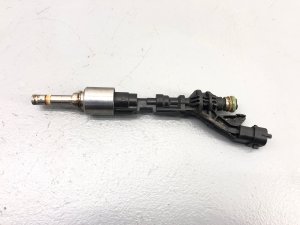
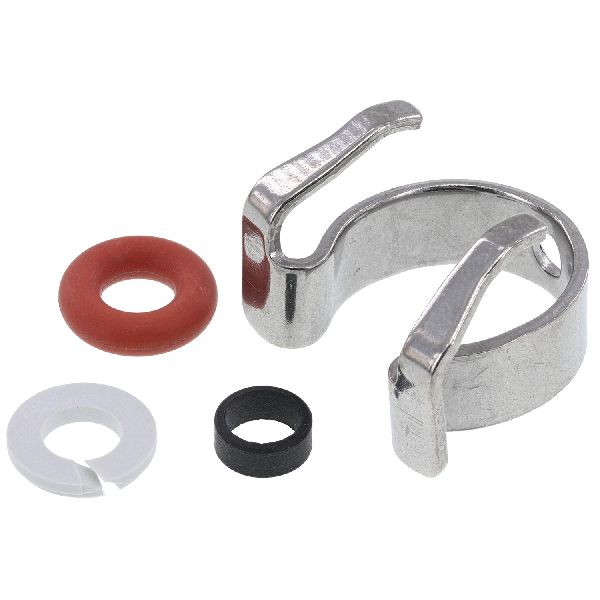
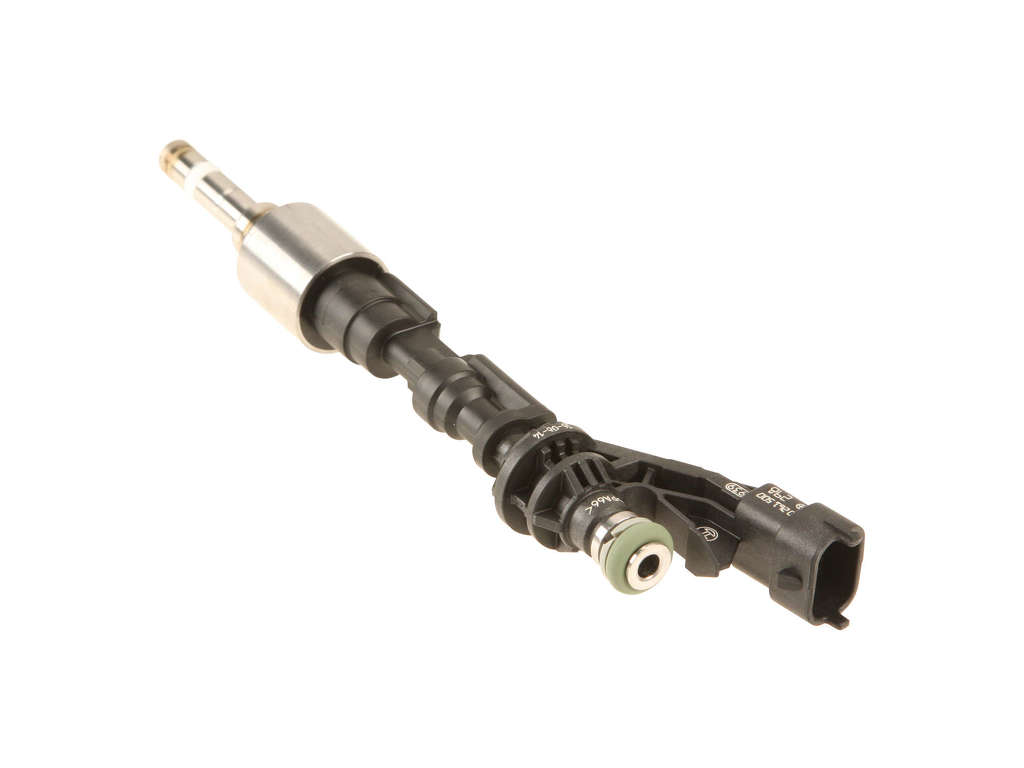
- Fuel Injector
(OEM #C2D24386)— A Jaguar TSB (SSM-63697) directly points to restricted fuel injectors as a common cause for this code on this vehicle. TSB JTB00533NAS1 also lists this part number in its procedure.
Trusted brands: Bosch, Jaguar (OEM)
OEM price range: $150-$250
Aftermarket price range: $50-$150
Related Codes That Often Appear With This One
- P0300 — This code for 'Random/Multiple Cylinder Misfire' often appears with P0316 when the misfire is not isolated to a single, consistent cylinder, or is affecting multiple cylinders.
- P0301, P0302, P0303, P0304, P0305, P0306, P0307, P0308 — These codes are critical for diagnosis. They pinpoint the exact cylinder that is misfiring (e.g., P0305 is Cylinder 5), telling you where to start your inspection. TSB JTB00533NAS1 explicitly states these codes will be stored alongside P0316.
Technical Service Bulletins (TSBs) & Recalls
- JTB00533NAS1: Notes that rough idle, poor running, and engine misfire are associated with P0316 and other P030x codes.
- SSM-63697: Directly attributes P0316 and associated misfire codes to poor fuel quality or contaminants restricting fuel injector flow.
Platform-Specific Known Issues
- Per TSB SSM-63697, these vehicles can be sensitive to fuel quality, leading to restricted fuel injectors and triggering P0316 along with cylinder-specific misfire codes.
- TSB JTB00533NAS1 documents that for 2013-2014 models, a 'fuel injection calibration issue' can cause this code on a cold start, and the prescribed fix is a PCM software update.
- Owners on JaguarForums.com frequently discuss P0316 in conjunction with specific cylinder misfires (e.g., P0304), with successful repairs often involving a combination of new spark plugs, ignition coils, and sometimes a single fuel injector on the problematic cylinder.
Mechanic-Grade Diagnostic Values
- High-Pressure Fuel Rail Pressure (Direct Injection) — expected: Up to 150 bar (2176 PSI) under load. Forum members report seeing ~2100 PSI on startup and 500-600 PSI at idle.. Failure: Significantly lower pressure. One user with failing pumps reported only 55-60 PSI at idle. May trigger code P0087.
- Low-Pressure Fuel Pump Pressure (In-Tank) — expected: Approximately 40-50 PSI with key on, engine off.. Failure: Pressure below this range indicates a weak in-tank pump.
- VVT Solenoid Resistance (5.0L V8) — expected: Approximately 7 ohms on a known-good solenoid.. Failure: A significantly higher reading (e.g., 26 ohms) indicates a faulty solenoid.
Scan Tool Commands That Help
- Jaguar SDD (Symptom Driven Diagnostics): Gasoline Fuel System Diagnostic Application — To diagnose fuel pressure issues on AJ126/AJ133 engines. This function allows a technician to perform controlled tests and, crucially, switch off each of the two high-pressure fuel pumps individually to isolate a faulty unit.
- Jaguar SDD (Symptom Driven Diagnostics): Configure new module - Fuel injector — After replacing fuel injectors. New injectors must be coded to the ECM to ensure correct fuel delivery. This function is found under the 'Service Functions' tab.
- Jaguar SDD (Symptom Driven Diagnostics): Reset fuel trim adaptations — After performing repairs for a fuel mixture fault (like replacing injectors or fixing a vacuum leak). This clears the long-term learned adjustments so the ECM can relearn based on the new, correct conditions.
Wiring & Ground Locations
- G1D124AL / G1D125BR — Located on the right side of the engine compartment.. These are primary ground points for the engine management system. A poor ground here can cause erratic sensor readings and intermittent misfires, which are difficult to diagnose.
- Fuel Injector and Vacuum Line Connectors — Near the throttle body on the AJ133 5.0L engine.. The fuel supply line and a vacuum line in this area have identical and interchangeable connectors. Accidentally swapping them will starve the high-pressure fuel pumps of fuel, causing severe misfires and low fuel pressure codes, while sending raw fuel into the vacuum system.
Real Owner Repair Stories
- JaguarForums user (Jaguar with AJ133 5.0L engine) — Engine would not start or run correctly, low fuel pressure reading of only 55-60 PSI at the high-pressure rail.
❌ Tried (didn't work) Using SDD diagnostic tool to shut off individual high-pressure fuel pumps (showed no change in symptoms)., Testing fuel rail pressure sensor voltage, continuity, and replacing the sensor.
✅ What actually fixed it The user discovered they had accidentally swapped the main fuel supply line with a nearby vacuum line. The connectors were identical and interchangeable. Correcting the line connections resolved the issue completely. - JaguarForums user (Jaguar with 5.0L engine) — Check Engine Light with VVT-related codes.
❌ Tried (didn't work) Initial diagnosis pointed towards complex timing issues.
✅ What actually fixed it The user tested the VVT solenoid on the affected bank and found its resistance was 26 ohms, compared to ~7 ohms on a good solenoid. Applying a 9V battery to the good solenoid produced an audible 'clack', while the faulty one was silent. Replacing the single faulty VVT solenoid fixed the problem.
"I Checked Everything" — The Actual Cause
- A user reported a no-start/misfire condition with extremely low fuel pressure that was ultimately caused by swapping the fuel supply line and a vacuum line near the throttle body. The connectors were identical, making this an easy mistake. A smoke test for vacuum leaks would not have identified this issue, as the root cause was fuel starvation to the high-pressure pumps.
OEM Part Supersession History
C2Z22287, C2D43874→C2Z31828— Standard part revision/update by Jaguar.
Heads up: This part number is for the high-pressure fuel pump on the 3.0L V6 engine.C2P13996 (Jaguar VVT Solenoid)→Range Rover VVT Solenoid (e.g., from Standard Motor Products) + S2034 Connector Pigtail— The original Jaguar part was reported by a user as being discontinued or difficult to source.
Heads up: The Range Rover VVT solenoid has a different electrical connector. To use it, the original harness connector must be cut off and the new pigtail (Standard Motor Products S2034) must be spliced in. The solenoid itself is not polarity sensitive.
Model Year Variations Within This Range
- 2013-2014: A 'fuel injection calibration issue' may be the cause, which requires a PCM software update by a Jaguar dealer, as specified in TSB JTB00533NAS1. This is not applicable to earlier models.
Helpful Videos
Used OEM Parts in Stock
New Aftermarket Parts Available

The information in this article is provided for general reference and educational purposes only. Vehicle specifications, procedures, and part compatibility can vary by production date, trim level, and region. Always consult your vehicle's factory service manual and verify part numbers before purchasing or performing repairs. Safety-critical components such as airbags, seat belts, and braking systems should be installed by a qualified professional.
- Jaguar XJ:
- 🧭 Diagnostic Flowchart
- 🎬 Helpful Videos
- 🛍️ Shop This Part
- What's Unique About the 2010-2014 Jaguar XJ
- Symptoms You May Notice
- Most Likely Causes
- Rare But Worth Checking
- Diagnosis Steps
- Parts You'll Likely Need
- Related Codes That Often Appear With This One
- Technical Service Bulletins (TSBs) & Recalls
- Platform-Specific Known Issues
- Mechanic-Grade Diagnostic Values
- Scan Tool Commands That Help
- Wiring & Ground Locations
- Real Owner Repair Stories
- "I Checked Everything" — The Actual Cause
- OEM Part Supersession History
- Model Year Variations Within This Range
- 🎟️ Get 5% Off