

P0316 on 2016-2017 Lincoln MKX: Startup Misfire Causes and Fixes
On a 2016-2017 Lincoln MKX, P0316 indicates a misfire on startup. For the 3.7L V6, this is typically caused by bad spark plugs or ignition coils. For the 2.7L EcoBoost V6, especially if paired with oil consumption, this code is a strong indicator of a serious cylinder head problem covered by a Technical Service Bulletin (TSB), requiring professional diagnosis and repair.
- P0316 means a misfire is happening right at startup.
- For the 3.7L V6 engine, the cause is likely simple: spark plugs or ignition coils.
- For the 2.7L EcoBoost V6, this code is a serious warning. Check for high oil consumption.
- If you have a 2.7L V6, check for accompanying codes P0524 or P06DD, which strongly point to a known cylinder head issue.
- Do not ignore a flashing Check Engine Light, as this indicates a severe misfire that can quickly damage expensive components like the catalytic converter.
What's Unique About the 2016-2017 Lincoln MKX
For the 2016-2017 Lincoln MKX, the significance of P0316 heavily depends on the engine. While on the 3.7L V6 it points to common tune-up items, on the 2.7L EcoBoost V6 it is a major red flag. Ford/Lincoln issued technical service bulletins for the 2.7L engine, warning that P0316, especially with oil consumption (1 quart in less than 3,000 miles) and codes like P0524 or P06DD, is often caused by faulty cylinder head valve guides. This elevates the issue from a simple misfire to a potential major internal engine repair requiring cylinder head replacement.
Diagnostic Flowchart
Tap your situation to follow the diagnostic path that matches what you're seeing on this vehicle.
Symptoms You May Notice
- Check Engine Light (CEL) is on or flashing
- Rough, unstable idle, especially immediately after starting, which may smooth out after 30-60 seconds.
- Engine hesitation or stumbling on acceleration
- Noticeable loss of engine power
- For 2.7L EcoBoost: Excessive oil consumption, defined in TSBs as 1 quart in less than 3,000 miles.
- For 2.7L EcoBoost: White or blue smoke from the exhaust, particularly after a hot restart.
- Replacing only spark plugs or coils on a 2.7L EcoBoost when the underlying cause is the cylinder head issue, leading to the problem returning quickly.
- Assuming any startup misfire on a 2.7L EcoBoost is a simple tune-up without first investigating the possibility of the TSB-related cylinder head failure, especially if oil consumption is present.
Most Likely Causes
- Cylinder Head Failure (2.7L EcoBoost Only) 🔴 High Probability → Shop Engine Cylinder Head A known issue with valve guides on 2.7L EcoBoost engines built from April 1, 2016, to January 1, 2017, can lead to oil seeping into the cylinders. This causes oil consumption, fouling spark plugs and leading to misfires on startup, as documented in TSB SSM 46363.
How to confirm: Confirm if the vehicle's build date falls within the TSB range. A professional diagnosis involving a compression test and cylinder leak-down test is required. The presence of codes P0524 (Engine Oil Pressure Too Low) or P06DD (Engine Oil Pressure Control Circuit Stuck Off) alongside P0316 is a strong indicator of this specific failure, per TSB SSM 46363.
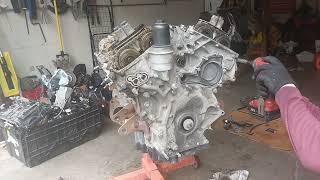
Typical fix: Replacement of both left and right cylinder heads and associated gaskets per TSB SSM 46363. This is a major repair. 🎬 Watch: Mechanic's review of common 2.7L EcoBoost engine issues.
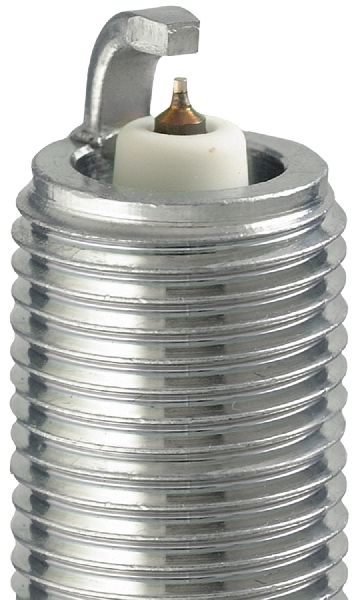
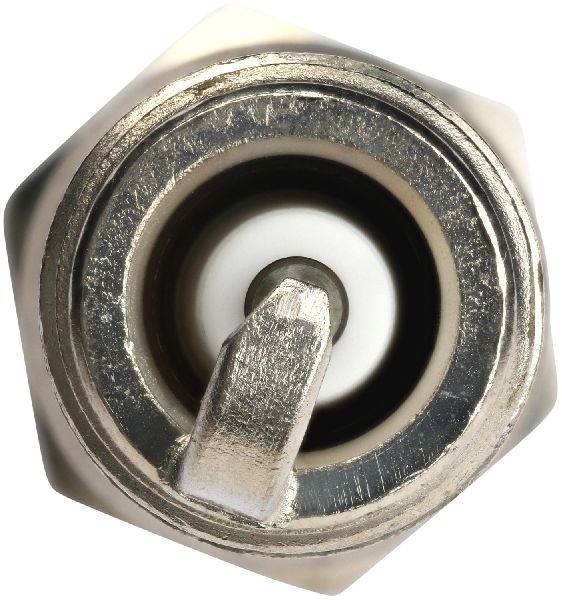
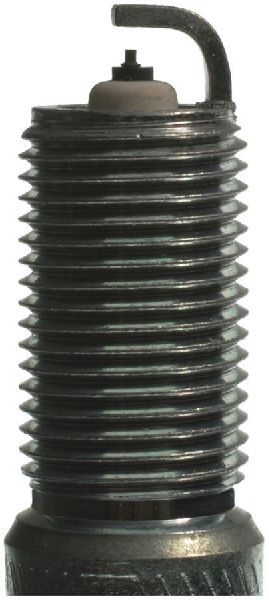
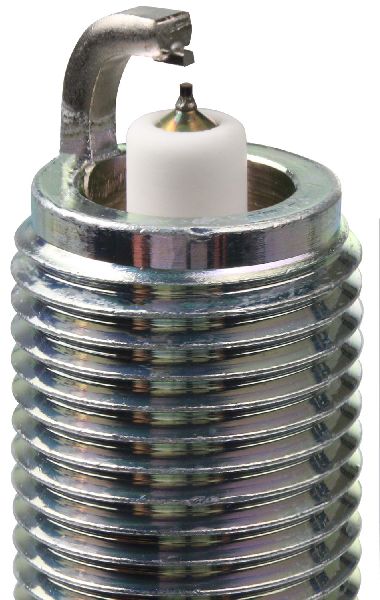
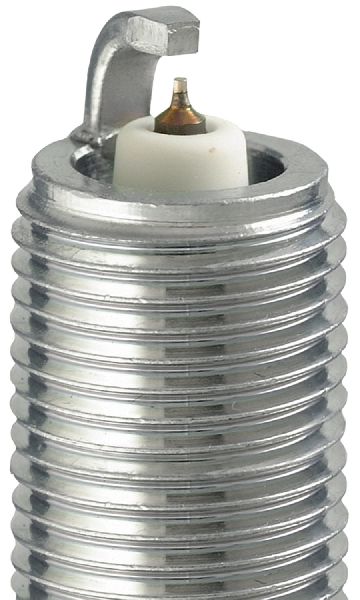
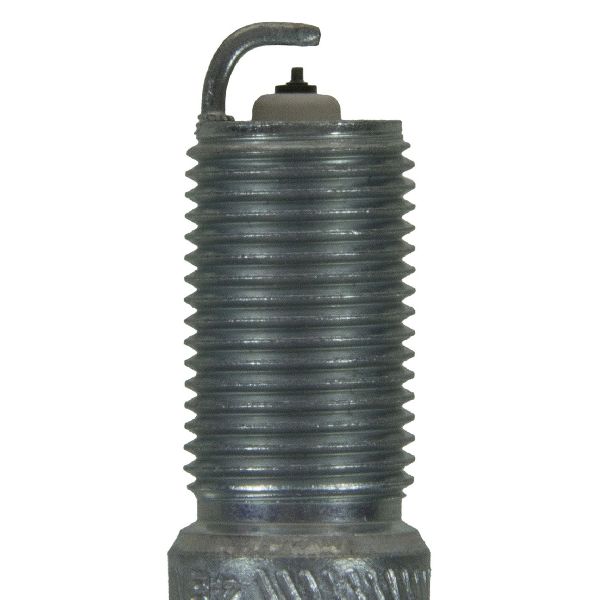
Est. part cost: $2000-$3000 - Worn or Fouled Spark Plugs 🔴 High Probability → Shop Spark Plug Spark plugs are a standard wear item. On direct-injection engines like the 2.7L EcoBoost, they can be more susceptible to carbon fouling over time. Oil fouling is also a key symptom if the cylinder head issue is present.
How to confirm: Remove and visually inspect the spark plugs for wear, carbon buildup, oil, or coolant fouling. The service interval for spark plugs on these engines is typically 60,000-100,000 miles. A plug that appears 'steam-cleaned' can indicate a coolant leak.
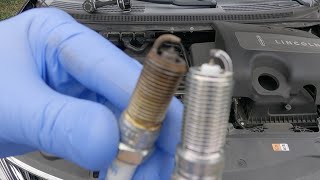
Typical fix: Replace all six spark plugs. It is recommended to use OEM-spec Motorcraft plugs (SP-594 for the 2.7L EcoBoost). Ensure they are gapped correctly (typically 0.030&qu 🎬 See this walkthrough for replacing spark plugs and coils.ot;).
Est. part cost: $60-$120 - Faulty Ignition Coil(s) 🟡 Medium Probability → Shop Ignition Coil
How to confirm: If a specific cylinder misfire code (e.g., P0304) is present, swap the ignition coil from that cylinder to another (e.g., cylinder 1). Clear the codes and run the engine. If the code changes to the new cylinder (e.g., P0301), the coil is bad. This is a common failure point on many Ford engines as they age.
Typical fix: Replace the faulty ignition coil. It is often recommended to replace all coils at the same time, especially on higher-mileage vehicles. The OEM part number for the 2.7L is FT4Z-12029-A.
Est. part cost: $40-$80 per coil - Leaking Fuel Injector ⚪ Low Probability → Shop Fuel Injector
How to confirm: A leaking injector can cause a rich misfire on startup as fuel pools in the cylinder after shutdown. This requires professional diagnosis, which may involve monitoring fuel rail pressure after shutdown or removing the injectors for testing. A rapid pressure drop can indicate a leak. A borescope may reveal a 'wet' piston top.
Typical fix: Replace the faulty fuel injector and its seals. This is more common on higher mileage vehicles.
Est. part cost: $70-$150 per injector
Rare But Worth Checking
- Crankshaft Position Sensor (CKP) Fault: While not common, an erratic CKP sensor can have trouble reading the engine's position at low RPMs during startup, leading to an erroneous P0316 code.
- Low Fuel Pressure: A weak fuel pump or failing check valve can cause a delay in building proper fuel pressure on startup, leading to a lean misfire across multiple cylinders. The 2.7L EcoBoost uses both a low-pressure in-tank pump and a high-pressure mechanical pump on the engine.
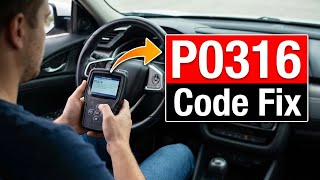
- Seasonal Fuel Blend Change: In some regions, the switch between summer and winter fuel blends can cause a temporary, isolated P0316 code without other misfire codes. 🎬 Watch: Understanding the P0316 code and its common causes. If the code appears alone and then disappears after a few tanks of fuel, this may be the cause.
Diagnosis Steps
- Use an OBD-II scanner to confirm P0316 and check for any other codes (P030x, P0524, P06DD). Note the freeze frame data.
- If driving a 2.7L EcoBoost, check the vehicle's build date (on the driver's door jamb sticker) and review TSB SSM 46363. Check engine oil level and condition. If low, suspect oil consumption.
- Visually inspect the engine bay for obvious issues like disconnected vacuum hoses, damaged wiring, or oil leaks around the valve covers.
- If a specific cylinder misfire is identified (e.g., P0304), swap the ignition coil with a known good cylinder (e.g., cylinder 1). Clear codes and see if the misfire moves (e.g., to P0301). If it does, the coil is bad.
- If the misfire does not move, inspect the spark plug from the misfiring cylinder. Look for excessive wear, damage, or fouling (oil/carbon). Replace if necessary. An oil-fouled plug on a 2.7L is a major clue for the cylinder head issue.
- If basic ignition components are good, the next steps depend on the engine. For the 3.7L, investigate the fuel system (injector, fuel pressure).
- For the 2.7L, especially with oil consumption or related codes, advanced diagnosis is needed. A professional should perform a compression test and a cylinder leak-down test to check for internal engine sealing issues, pointing to the TSB-related cylinder head problem.
Parts You'll Likely Need
- Spark Plugs
(OEM #SP-594 (for 2.7L EcoBoost))— Standard maintenance item and a primary cause of misfires. Often fouled by oil in the case of the 2.7L TSB issue.
Trusted brands: Motorcraft, NGK
OEM price range: $15-$20 per plug
Aftermarket price range: $8-$15 per plug - Ignition Coil
(OEM #FT4Z-12029-A (for 2.7L EcoBoost))— A common failure point that directly causes misfires in a specific cylinder.
Trusted brands: Motorcraft, Denso, Delphi
OEM price range: $60-$90
Aftermarket price range: $40-$70 - Cylinder Head Assembly (2.7L EcoBoost)
(OEM #FT4Z-6049-E (Left), FT4Z-6049-F (Right))— The official fix for the known valve guide issue on affected 2.7L engines as per TSB SSM 46363.
Trusted brands: Motorcraft (OEM)
OEM price range: $1000-$1300 per head - Cylinder Head Gasket Kit (2.7L EcoBoost)
(OEM #FL3Z-6079-D)— Required when replacing the cylinder heads.
Trusted brands: Motorcraft (OEM), Fel-Pro
OEM price range: $200-$300
Aftermarket price range: $150-$250
Related Codes That Often Appear With This One
- P0300 — Indicates a random, non-specific cylinder misfire, often logged with P0316.
- P0301-P0306 — These codes identify the specific cylinder(s) that are misfiring (e.g., P0301 for Cylinder 1), which is crucial for diagnosis.
- P0524, P06DD — On the 2.7L EcoBoost, these oil pressure-related codes are specifically mentioned in TSBs SSM 54504 and SSM 46363 alongside P0316 as strong indicators of the cylinder head/engine block problem.
Technical Service Bulletins (TSBs) & Recalls
- TSB 19-2243: Supersedes previous bulletins (like 17-2235). Details the issue of oil consumption (1L in <3000 miles) and misfires (P0316, P0300-P0306) on 2016-2017 MKX with 2.7L engines due to valve guides, prescribing cylinder head replacement. Affects vehicles built from April 1, 2016, through January 1, 2017.
- TSB 19-2384: A parallel bulletin for the 2016-2017 F-150 with the same 2.7L engine and the exact same valve guide issue, build dates, symptoms, and codes, confirming the problem is with the engine, not the specific vehicle model.
- SSM 46363: An early Special Service Message from 2017 that first alerted technicians to suspect the cylinder heads on 2.7L engines when P0316 and other misfire codes were present. [NHTSA Citation]
- SSM 54504: A later Special Service Message reiterating the link between P0316, other misfire codes, oil pressure codes (P0524, P06DD), and excessive oil consumption. [NHTSA Citation]
Platform-Specific Known Issues
- On 2.7L EcoBoost engines built between April 1, 2016, and January 1, 2017, there is a known issue with valve guides that causes excessive oil consumption and can trigger P0316, as noted in TSB SSM 46363.
Mechanic-Grade Diagnostic Values
- Ignition Coil Primary Resistance (2.7L EcoBoost) — expected: Approximately 0.49 - 0.55 ohms. Failure: A reading of OL (open loop) or significantly outside the expected range.
- Ignition Coil Secondary Resistance (2.7L EcoBoost) — expected: Approximately 5,500 - 7,300 ohms (5.5k - 7.3k ohms). Failure: A reading of OL (open loop) or significantly outside the expected range.
- Low-Pressure Fuel Pump (In-tank, 3.7L V6) — expected: 60-63 PSI. Failure: Pressure below the minimum specification can indicate a weak pump.
- High-Pressure Fuel Pump (Engine-mounted, 2.7L EcoBoost) — expected: Up to 2,000+ PSI under load. Failure: Significantly lower pressure, especially under acceleration, often logged with code P0087.
- Mode $06 Misfire Count (TID $53) — expected: A low count. The threshold varies, but a high number of misfires on a specific cylinder (e.g., CID $01 for cylinder 1) before a code is set indicates a pending problem.. Failure: A high value for a specific cylinder's Component ID (CID) points to the source of the misfire.
Scan Tool Commands That Help
- Ford IDS (or high-end aftermarket scanner): Power Balance Test — This test graphically displays the RPM contribution of each cylinder, allowing a technician to visually identify a misfiring or weak cylinder in real-time. It is more advanced than a simple cylinder contribution test as it shows a running history, making it easier to spot intermittent misfires that occur at startup.
- Ford IDS (or high-end aftermarket scanner): Misfire Monitor Neutral Profile Correction (Profile Relearn) — After clearing the Keep Alive Memory (KAM) or disconnecting the battery, the PCM must relearn the profile of the crankshaft reluctor wheel to accurately detect misfires. If this profile is not learned, the misfire monitor may not run correctly. The procedure typically involves performing 3 coast-down decelerations from 60 to 40 MPH with no braking.
Wiring & Ground Locations
- Engine Compartment Fuse Box / Power Distribution Box — Located in the front left area of the engine bay, near the battery.. This box contains fuses and relays for critical components like the Engine Control Module (ECM), fuel pump, and ignition system. A poor connection or blown fuse (e.g., fuse for the fuel pump) could cause startup issues and misfires.
- Passenger Compartment Fuse Box — Under the dashboard to the left of the steering column, behind a trim panel.. This fuse box powers various modules. While less likely to be the primary cause, a fault here could affect systems that communicate with the PCM, potentially leading to erroneous codes.
OEM Part Supersession History
FT4Z-6049-B, FT4Z-6049-D→FT4Z-6049-E (Left Cylinder Head for 2.7L)— Part revision to address the valve guide and oil consumption issues outlined in service bulletins.
Heads up: Using an older part number for replacement would likely lead to a recurrence of the original oil consumption and misfire problem.
Model Year Variations Within This Range
- 2017: The 2017 MKX received the SYNC 3 infotainment system, replacing the older MyLincoln Touch system from the 2016 model. This has no impact on the P0316 code but is a notable change between the two model years.
Helpful Videos

Used OEM Parts in Stock
New Aftermarket Parts Available

The information in this article is provided for general reference and educational purposes only. Vehicle specifications, procedures, and part compatibility can vary by production date, trim level, and region. Always consult your vehicle's factory service manual and verify part numbers before purchasing or performing repairs. Safety-critical components such as airbags, seat belts, and braking systems should be installed by a qualified professional.
- Lincoln MKX:
- 🧭 Diagnostic Flowchart
- 🎬 Helpful Videos
- 🛍️ Shop This Part
- What's Unique About the 2016-2017 Lincoln MKX
- Symptoms You May Notice
- Most Likely Causes
- Rare But Worth Checking
- Diagnosis Steps
- Parts You'll Likely Need
- Related Codes That Often Appear With This One
- Technical Service Bulletins (TSBs) & Recalls
- Platform-Specific Known Issues
- Mechanic-Grade Diagnostic Values
- Scan Tool Commands That Help
- Wiring & Ground Locations
- OEM Part Supersession History
- Model Year Variations Within This Range
- 🎟️ Get 5% Off