

OBD-II Code P0317: Rough Road Hardware Not Present
What P0317 means, why it triggers, and how to fix it
- P0317 indicates the Powertrain Control Module (PCM) cannot detect rough road conditions, disabling misfire detection to prevent false P0300 codes.
- Over 80% of P0317 codes stem from damaged ABS wheel speed sensor wiring or a failed sensor, especially in states using heavy winter road salt.
- You can drive with a P0317, but your ABS and Traction Control systems are disabled, increasing stopping distances by up to 20% on slick roads.
- Scan for ABS 'C-codes' (like C0035) before buying parts; fixing the specific wheel speed sensor fault almost always clears the P0317.
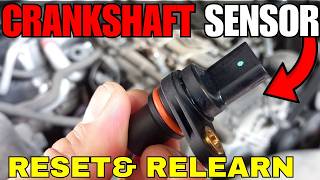
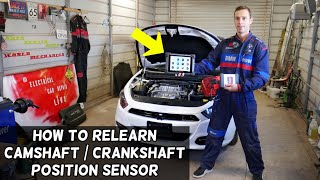
- On 1999-2018 GM vehicles, replacing the crankshaft sensor requires a 15-minute 'Crankshaft Position Variation Relearn' using a bidirectional scan tool to permanently clear the code.
What Does P0317 Mean?
The Powertrain Control Module (PCM) uses sensors to distinguish between engine misfire vibrations and bumpy road jolts. This prevents false misfire codes (like P0300) on uneven surfaces. P0317 means the PCM lost the signal from this 'rough road' hardware, cannot identify vibration sources, and has disabled the misfire detection logic.
🎬 Watch this quick overview of the P0317 code and its meaning.Technical definition: SAE/OBD-II defines P0317 as "Rough Road Hardware Not Present." The PCM cannot detect input from the sensor system used to identify uneven road surfaces. Most modern vehicles use ABS wheel speed sensors for this data, while older models use a dedicated accelerometer.
Can I Drive With P0317?
Yes, But With Caution. Yes, but drive with caution. This code signifies your Anti-lock Brake System (ABS) and Traction/Stability Control are disabled, increasing stopping distances in emergency or slippery conditions. If the underlying cause is a severe engine misfire the PCM can no longer identify, continuing to drive allows unburnt fuel to enter the exhaust, destroying the catalytic converter. This adds an $800-$2,500 repair to your bill. Get the vehicle diagnosed within a few days.
Common Causes
- Damaged, Corroded, or Loose Wiring/Connectors (Very Common) — The wiring for ABS wheel speed sensors is exposed to harsh conditions. Damage from road debris, moisture, corrosion, or chafing against suspension components is the primary cause of the signal loss triggering P0317.
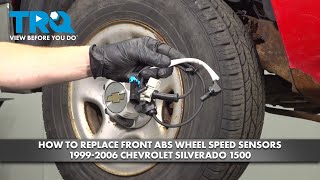
- Failed ABS Wheel Speed Sensor (Common) — Most cars use ABS wheel speed sensors to detect rough roads. If a sensor fails, becomes coated in metallic brake dust, or reads a damaged tone ring, it stops sending a reliable signal. 🎬 Watch: How to properly diagnose wheel speed sensor faults.
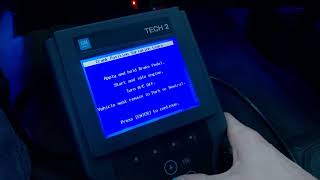
- Crankshaft Position Variation Relearn Needed (Common) — After replacing a crankshaft sensor, timing components, or the PCM, the computer must recalibrate its understanding of the crankshaft's position. Skipping this mandatory 'relearn' procedure immediately sets a P0317 code, especially on GM vehicles. 🎬 See how to perform a crankshaft position sensor relearn.
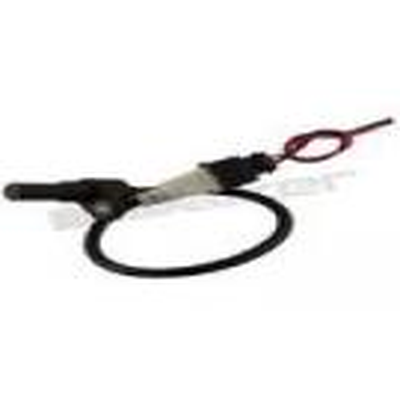
- Failed Crankshaft Position Sensor (CKP) (Common) — The CKP sensor is the primary input for detecting engine misfires. A fault in the CKP sensor or its circuit creates signal variations the PCM misinterprets as a rough road detection system failure.
- Bad Wheel Bearing (Less Common) — A failing wheel bearing creates excessive play in the wheel hub. This wobble alters the critical air gap between the ABS wheel speed sensor and its tone ring, causing an erratic signal the system flags as a fault.
- Excessive Mechanical Vibration (Mounts or Suspension) (Rare) — Broken engine mounts or severely blown suspension struts cause extreme vehicle vibration. These violent movements create signals falling outside the expected range for the rough road detection system, confusing the PCM.
- Software Configuration Error (Rare) — A failed software update, PCM glitch, or incorrect factory programming causes the module to search for rough road hardware that isn't physically installed on the vehicle.
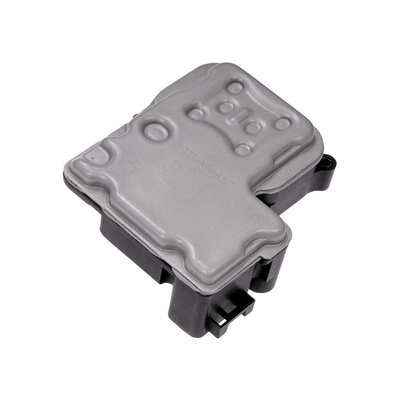
- Faulty Control Module (PCM or EBCM) (Rare) — The problem occasionally lies internally within the Powertrain Control Module (PCM) or Electronic Brake Control Module (EBCM). This is a last-resort diagnosis after verifying all sensors, software, and wiring.
Symptoms
- Check Engine Light is On — The primary and most universal indicator of this fault.
- ABS and/or Traction Control Light is On — Because the rough road system relies on ABS sensors, a fault illuminates these warning lights simultaneously.
- ABS or Traction Control Disabled — The ABS fails to pulse during hard braking, and traction control does not engage on slick surfaces.
- Ride-Comfort Features Disabled — Vehicles with adaptive suspensions or dedicated off-road modes disable these features, as they rely on the same missing sensor inputs.
- Engine Misfire, Stalling, or Hesitation (also visible on scanner) — The engine runs rough or stalls if the root cause is a faulty crankshaft position sensor or a legitimate misfire the PCM can no longer filter.
- Reduced Engine Power / Limp Mode (also visible on scanner) — The PCM enters a protective 'limp mode,' severely restricting acceleration and top speed to prevent drivetrain damage.
Diagnostic Flowchart
Tap your situation to follow the diagnostic path that matches what you're seeing on this code.
Common Fixes & Costs
- Repairing Damaged Wiring or Connectors — Parts: $10-$50, Labor: $100-$200, ~1.5 hr book time (Intermediate)
- Replacing an ABS Wheel Speed Sensor
— Parts: $50-$150, Labor: $100-$200, ~1.2 hr book time
(DIY)
Chevrolet Silverado 1500 (2014, Front): OEM ACDelco 22899757 (Alt: Bosch 0986594578, Duralast SU15309)
Ford F-150 (2015, Front): OEM Motorcraft BRAB-514 (Alt: Standard Motor Products ALS3790, TRQ BSA12636)
Dodge Ram 1500 (2016, Front): OEM Mopar 68140494AA (Alt: Standard Motor Products ALS2571, Delphi SS20405) - Performing a Crankshaft Variation Relearn Procedure — Parts: $0, Labor: $100-$250, ~0.5 hr book time (Professional)
- Replacing the Crankshaft Position Sensor
— Parts: $40-$150, Labor: $130-$830, ~2.0 hr book time
(Intermediate)
Chevrolet Silverado 1500 (2014): OEM ACDelco 12674702 (Alt: Delphi SS11415, NGK/NTK EH0373)
Ford F-150 (2015, 2.7L): OEM Ford FT4Z-6C315-C (Alt: Walker 235-1725, Denso 196-4008)
Dodge Ram 1500 (2016, 5.7L): OEM Mopar 68477925AB (Alt: Carquest CSA1847, NTK EH0403) - Replacing the Electronic Brake Control Module (EBCM) — Parts: $400-$800, Labor: $150-$300, ~1.5 hr book time (Professional)
- Control Module (PCM) Reprogramming or Replacement — Parts: $600-$1000, Labor: $150-$300, ~2.0 hr book time (Professional)
Used vs. New Parts: Buying Guide
When a used part is worth it: For electronic parts like ABS or crankshaft sensors, always buy new. A used part only makes sense for high-cost modules like an EBCM or PCM, sourced from a low-mileage vehicle scrapped for non-electrical reasons.
Donor-vehicle mileage cap: roughly under 50000 miles for the part to have meaningful remaining life.
Donor quality checklist:
- Verify the donor vehicle was not scrapped due to electrical or engine failure.
- Avoid parts from vehicles in the Rust Belt or flood-damaged areas.
- Match the OEM part number exactly; seemingly identical parts have different internal programming.
Decision logic:
- If Part is an electronic sensor (ABS, Crankshaft) and costs < $150 new → Always buy new. The small savings on a used part are not worth the risk of paying for labor twice.
- If Part is a high-cost control module (EBCM, PCM) and vehicle is > 10 years old → A used part from a reputable recycler with a warranty is a reasonable, budget-conscious choice.
- If Part has a known wear-out failure mode → Favor new OEM or high-quality aftermarket parts with a strong warranty.
Warranty tradeoff: Used parts typically offer a 30-90 day functional warranty. New aftermarket parts range from 1-year to a lifetime warranty. New OEM parts usually carry a 1-2 year warranty.
Worst-case if a used part fails: $200-$500 if a used sensor fails after installation, covering repeat labor and a second replacement part.
What Happens If You Wait — Timeline
- 0-1 Month: Check Engine, ABS, and Traction Control lights are on. Safety systems are disabled, increasing risk in panic stops or on slick roads. No other drivability symptoms are perceived. (MPG impact: 0%% · Added cost: $0)
- 1-4 Months: If a real, intermittent engine misfire is occurring but being ignored by the PCM, unburnt fuel begins to enter the exhaust, slightly increasing catalytic converter temperatures. (MPG impact: 1-5% (if a real misfire is present)% · Added cost: $50-$150 in wasted fuel)
- 4-8 Months: A sustained, undetected misfire causes the catalytic converter to consistently overheat. The internal ceramic substrate begins to crack or melt, creating an exhaust restriction. (MPG impact: 5-15%% · Added cost: $1,500-$3,000 (Catalytic converter replacement is now likely required))
- 8+ Months: The catalytic converter becomes completely clogged. Severe exhaust backpressure causes significant power loss, engine overheating, and potential damage to internal engine components. (MPG impact: 20-50%% · Added cost: $2,000-$4,500+ (Includes catalytic converter, O2 sensors, and potential engine repairs).)
Cost of Not Fixing It
- 0-1 Month: Disabled ABS and Traction Control systems create a significant safety risk in emergency maneuvers or slippery conditions. (Added cost: Negligible, but high safety risk.)
- 1-6 Months: If an actual engine misfire occurs, the disabled monitor won't detect it. Unburnt fuel enters the exhaust and overheats the catalytic converter, causing permanent damage. (Added cost: $1200-$2800)
- 6+ Months: Continued driving with an underlying misfire leads to fouled spark plugs, damaged oxygen sensors, and poor fuel economy. (Added cost: $300-$800)
Diagnosis Steps
- Scan for All Codes in All Modules
Use a professional OBD-II scanner to read codes from all modules. Confirm P0317 is present and look for ABS codes (starting with 'C'). ABS codes like C0035 point directly to a specific wheel speed sensor circuit, revealing the exact location of the fault.
Tools: Professional OBD-II Scanner (Beginner) - Thorough Visual Inspection
Visually inspect the wiring harnesses and connectors for all ABS wheel speed sensors at the wheels. Look for broken wires, green corrosion, melting, or loose connections. Focus heavily on areas where the harness flexes with the suspension or rubs against the frame.
Tools: Flashlight, Inspection Mirror, Safety Glasses (Beginner) - Analyze Live Sensor Data
View the live data stream for the wheel speed sensors (WSS) while driving slowly. All four sensors must read identically and increase smoothly with speed. A sensor reading 0 MPH, lagging, or dropping out is the culprit.
Tools: Advanced Scan Tool (Intermediate) - Inspect and Clean Wheel Speed Sensors
Remove the wheel at the suspect corner and extract the ABS sensor. Clean metallic debris and brake dust off the magnetic tip. Inspect the toothed reluctor ring inside the hub for missing teeth or heavy rust.
Tools: Jack and Jack Stands, Lug Wrench, Socket Set, Brake Cleaner, Rag (Intermediate) - Perform Crankshaft Position Variation Relearn
If a crankshaft sensor, timing belt/chain, or PCM was recently replaced (especially on GM vehicles), you must perform a relearn procedure. Command the PCM to recalibrate using a bidirectional scan tool.
Tools: Advanced Bi-Directional Scan Tool (Professional) - Test Sensor Circuits with a Multimeter
Disconnect the suspect sensor and set a multimeter to Ohms (Ω). A typical 2-wire passive ABS sensor reads 800-2,500 Ω. Infinite resistance means an open circuit; near zero means a short. Test continuity on the signal wire back to the PCM connector to locate hidden breaks inside the insulation.
Tools: Multimeter, Vehicle-Specific Wiring Diagram (Advanced) - Pro Tip: Test Sensor with an Oscilloscope
For intermittent issues, use a lab scope to view the sensor's waveform. A digital wheel speed sensor produces a clean square wave increasing in frequency with speed. Dropouts or malformed patterns confirm a failing sensor or damaged tone ring.
Tools: Automotive Oscilloscope (Lab Scope), Wiring Diagram (Professional) - Pro Tip: Perform CAN Bus Network Test
If sensors and wiring test perfectly, perform a network test with a high-end scan tool. This verifies all modules on the CAN bus are communicating. A 'no response' from the EBCM indicates a module failure or severed network line.
Tools: Advanced Scan Tool with Network Test capabilities (Professional)
When This Code Triggers (Freeze-Frame Conditions)
- Engine Coolant Temp: 180-200°F (The engine is fully warmed up, as most diagnostic monitors only run at operating temperature.)
- RPM: 1500-2500 (The code sets during steady-state cruise or light acceleration, where the PCM actively monitors for misfires.)
- Engine Load: 30-60% (Moderate engine load, consistent with highway cruising, provides the stable conditions needed for the monitor to run.)
- Vehicle Speed: 35-55 mph (The fault is detected at city or highway speeds, not at idle or during heavy acceleration.)
Related Codes
- P0300 — The rough road detection system exists solely to prevent false P0300 (Random Misfire) codes. Always resolve P0317 before diagnosing a P0300, as the misfire code is likely a symptom of the disabled rough road logic.
- C0035 - C0050 — These ABS codes pinpoint specific wheel speed sensor circuits (e.g., C0035 for Left Front). Treat the C-code as the primary fault; fixing the specific wheel sensor clears the P0317.
- P0318 — P0318 ('Rough Road Sensor A Signal Circuit') points directly to a dedicated, standalone accelerometer mounted to the chassis, whereas P0317 usually implies a fault in the ABS-based detection system.
- P1336 — This GM-specific code ('Crankshaft Position System Variation Not Learned') proves the mandatory relearn procedure was skipped. Perform the relearn to clear both codes.
- U-Codes (e.g., U0121) — U-codes indicate a loss of communication on the CAN bus. If P0317 pairs with U0121, the PCM cannot talk to the ABS module, pointing to a network failure rather than a bad sensor.
Climate & Environmental Factors
- Cold Climates / Rust Belt: Winter road salt accelerates corrosion on ABS wheel speed sensor wiring, connectors, and the sensor body. This corrosion creates high resistance or open circuits, causing immediate signal failure.
- High Humidity / Heavy Rain: Moisture penetrates poorly sealed connectors or chafed wiring insulation, causing intermittent shorts that trigger P0317 during wet driving conditions.
- Extreme Cold: Sub-zero temperatures cause wiring harnesses to become brittle. Constant suspension flexing cracks these hardened wires, severing the wheel speed sensor signal.
How to Talk to a Mechanic About This Code
Say this: "I have a P0317 code, and my ABS and traction control lights are on. I'd like to schedule a diagnostic. Can you please check for any related ABS codes and inspect the wheel speed sensor wiring before recommending any part replacements?"
This signals that you understand the code is often a wiring or ABS sensor issue. It directs the mechanic to perform a logical diagnosis instead of blindly replacing expensive parts.
Avoid saying:
- 'My check engine light is on, can you look at it?'
- 'Just fix whatever is wrong.'
- 'I think I need a new computer.'
Questions to ask before authorizing the repair:
- Did you find any ABS codes (C-codes) along with the P0317?
- Can you show me the damaged wiring or explain the test results that show the sensor has failed?
- If you are recommending a crankshaft sensor replacement, does my vehicle require a 'relearn' procedure, and is the cost included in the quote?
- What is the warranty on this repair and the parts you are using?
Where to Take It: Dealer vs Independent vs Chain
- Dealer:
Recommended for software-specific fixes or if the vehicle is under warranty. Otherwise, it is an expensive option for what is often a simple sensor or wiring fault.
Best for: Vehicles under warranty., Complex software issues, such as PCM/EBCM programming or manufacturer-specific TSBs., When an independent shop has failed to diagnose the issue correctly.
Downsides: Highest labor rates, typically 1.5-2x more than independent shops., May default to replacing an entire module when a simpler wiring repair would suffice. (Typical cost: +50% vs. baseline) - Independent Shop:
Best fit for most P0317 scenarios. A good independent shop has the tools and experience to handle the vast majority of causes efficiently and cost-effectively.
Best for: Out-of-warranty vehicles where cost is a factor., Diagnosing and repairing common causes like bad wheel speed sensors, damaged wiring, or performing a crankshaft relearn., Building a relationship with a trusted mechanic.
Downsides: Quality and equipment vary greatly. Ensure the shop has modern diagnostic tools., May lack access to the very latest manufacturer software updates. (Typical cost: +0% vs. baseline) - Chain Shop:
AVOID for initial diagnosis. The complexity of P0317 (wiring, modules, software) is often beyond their scope, leading to incorrect repairs and wasted money.
Best for: Simple, clear-cut repairs like replacing a single, easily accessible ABS sensor that has already been diagnosed.
Downsides: Technician skill and diagnostic equipment are highly variable., Often lack the advanced scan tools needed for relearn procedures or deep electrical diagnostics., Business model pressures technicians to replace parts rather than perform detailed diagnosis. (Typical cost: -10% vs. baseline)
When to Walk Away From the Repair
If the estimated repair cost exceeds 40-50% of your car's private-party value, seriously consider selling or trading it in.
- Car worth $4000, fix is $250: Fix it. This is a minor repair cost relative to the car's value.
- Car worth $4000, fix is $1800: Borderline. This repair is nearly half the car's value. Get a second opinion before proceeding.
- Car worth $2500, fix is $1500: Walk away. The repair cost is over 50% of the car's value and other age-related failures are likely.
What Scan Tool You Need for This Code
Minimum: A scanner that reads and clears ABS codes (C-codes) and displays live data for wheel speed sensors.
A basic $20 code reader only shows the P0317 code. Because the root cause is often in the ABS system, you need a scanner that communicates with the ABS module to see the underlying fault (like a C0035 code) and watch live wheel speed sensor data.
Budget: BlueDriver Pro (~$100) — Connects to your smartphone to read/clear engine and ABS codes. It allows you to graph live data from all four wheel speed sensors to see which one is dropping out.
Mid-range: Foxwell NT510 Elite (~$200) — Reads ABS codes and live data, and has limited bidirectional capabilities. Crucially, it performs the crankshaft position variation relearn procedure required for many GM vehicles.
Professional: Autel MaxiCOM MK808 / ANCEL DS300 (~$400-600) — Offers full-system diagnostics, advanced bidirectional controls, and special functions like crankshaft relearn. These tools perform network tests to diagnose communication (U-code) faults.
How to Clear the Code After You Fix It
- Use an OBD-II scan tool to clear the P0317 and any related codes from all modules (ABS, EBCM, etc.).
- Perform a Crankshaft Variation Relearn procedure if a crank sensor or PCM was replaced.
- Perform a complete drive cycle to allow the readiness monitors to run and confirm the fix.
Drive cycle (~30 minutes): From a cold start, let the vehicle idle for 2-3 minutes. Drive in stop-and-go traffic for 15 minutes. Drive at a steady highway speed (50-60 mph) for 5-10 minutes. Allow the vehicle to cool down completely.
Readiness monitors affected: Misfire Monitor, Catalyst Monitor, O2 Sensor Monitor
Before emissions retest: drive at least 100 miles to fully set monitors.
Watch out for:
- Clearing the code with a scanner does not fix the problem; the code returns until the root cause is repaired.
- Forgetting the mandatory crankshaft variation relearn procedure on GM vehicles causes the code to persist permanently.
- Disconnecting the battery resets all readiness monitors, guaranteeing an automatic failure at the emissions testing station.
Will This Fail Emissions / State Inspection?
Yes — this code typically fails an OBD-II emissions inspection.
- California: An active Check Engine Light results in an automatic failure. The Misfire readiness monitor must be 'Ready' to pass, which is blocked by an active P0317 fault.
- New York: The NYS DMV emissions inspection includes an OBD-II scan. The presence of code P0317 is an automatic test failure.
- Texas: In the 17 counties requiring emissions testing, an active P0317 code causes the vehicle to fail the OBD portion of the state inspection.
Most Commonly Affected Vehicles
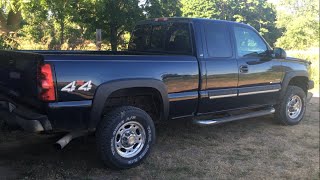
- Chevrolet Silverado 1500 (1999-2018) — Extremely common to see P0317 if the mandatory crankshaft variation relearn procedure (GM code P1336) is skipped after replacing the crankshaft sensor or performing engine work.
- GMC Sierra 1500 (1999-2018) — Identical to the Silverado, this truck requires the crankshaft variation relearn procedure. Skipping it guarantees a persistent P0317 code.
- Ford F-150 (2004-2020) — ABS wheel speed sensor wiring is a frequent failure point in the Rust Belt. TSB 21-2168 (2018-2020 2.7L models) addresses chafed wiring harnesses causing multiple DTCs.
- Jeep Wrangler (JK & JL) (2007-2024) — ABS sensor wiring is highly susceptible to stretching or snagging during off-road use or when installing aftermarket suspension lift kits.
- Dodge Ram 1500 (2009-2018) — Wheel speed sensor harnesses frequently fail due to exposure to road debris, moisture, and constant suspension flexing.
- Chevrolet Aveo / Sonic (2009-2017) — P0317 is frequently associated with corroded or broken wiring near the wheel hub, rather than a failed sensor itself.
- Mitsubishi Outlander (2017-2018) — Subject to TSB-17-23-001. The code is set incorrectly by the Transmission Control Module (TCM) due to a software glitch. The fix is a dealer software update.
- Honda / Acura Various (Accord, MDX) (2003-2012) — These models use a dedicated G-sensor or 'Rough Road Sensor' under the dashboard. A failure of this specific accelerometer triggers P0317.
Manufacturer-Specific Notes
- General Motors (GM): It is mandatory to perform a 'Crankshaft Position Variation Relearn' using a scan tool after replacing the crankshaft sensor or PCM. Skipping this step guarantees a P0317 or P1336 code.
- Ford: F-150 ABS wheel speed sensor wiring is routed in highly exposed areas. Technicians check harness continuity from the sensor to the frame first. TSB 21-2168 notes chafed harnesses cause multiple unrelated DTCs.
- Mitsubishi: TSB-17-23-001 addresses a P0317 code set incorrectly by the Transmission Control Module (TCM) on 2017 Outlanders. The official fix is a TCM software update performed by a dealer.
- Various: While P0317 itself is not recalled, the root cause (like a defective ABS module or wiring harness) is often covered under broader vehicle recalls. Check your VIN on the NHTSA website.
Real Owner Stories
2011 Chevy Silverado 1500 at 125K miles
Check Engine, ABS, and Traction Control lights came on. Code P0317 and P1336 present. Owner had recently replaced the crankshaft position sensor himself.
What they tried:
- Cleared codes, but they returned immediately.
- Re-checked the new sensor installation and connector.
- Took the truck to a shop with a high-end scan tool.
Outcome: A shop performed the mandatory 'Crankshaft Position Variation Relearn' procedure. This took 15 minutes and cost $120. All codes cleared permanently.
Lesson: On GM vehicles, replacing the crankshaft sensor is only half the job. The PCM must be recalibrated to the new sensor via a 'relearn' procedure requiring a professional scan tool.
2015 Ford F-150 at 88K miles
P0317 code appeared intermittently, especially after driving in rain. ABS and Traction Control lights flashed on and off.
What they tried:
- Visually inspected all four wheel speed sensor harnesses.
- Found the wiring harness for the left rear sensor had rubbed against the suspension, wearing through the insulation.
Outcome: Owner cut out the damaged section of wire, soldered in a new piece, and sealed the repair with heat-shrink tubing. Total cost was under $10. The code did not return.
Lesson: Intermittent electrical issues are often caused by wiring problems. A thorough visual inspection of harnesses saves hundreds of dollars in diagnostic fees and unnecessary parts.
2012 Jeep Wrangler JK with 3-inch lift kit
P0317 and ABS light appeared immediately after installing a suspension lift kit and larger tires.
What they tried:
- Checked for obvious damage to the ABS sensor wires.
- Discovered the rear ABS sensor wires were stretched tight due to the increased suspension height.
Outcome: Purchased ABS sensor wire extension brackets designed for lifted Jeeps. Installing the brackets provided the necessary slack. The codes cleared and the problem resolved.
Lesson: Aftermarket modifications, especially suspension lifts, cause P0317 by stretching ABS sensor wiring. Always check that harnesses have adequate slack after altering suspension geometry.
How to Prevent This Code From Triggering
- Apply dielectric grease to sensor connectors (Whenever a sensor is replaced or disconnected) — Dielectric grease seals electrical connectors from moisture and oxygen, preventing the corrosion that causes high resistance and signal loss.
- Inspect and secure wiring harnesses (During every tire rotation or brake service) — ABS sensor wires run near moving suspension parts. Checking that they are properly secured in their clips prevents chafing and damage.
- Clean wheel speed sensor tips (During brake replacement) — The magnetic tip of an ABS sensor accumulates metallic brake dust, weakening the magnetic field. Cleaning the tip restores signal strength.
- Protect under-vehicle wiring (As needed, especially for off-road or work vehicles) — Adding protective wire loom over exposed harnesses provides an extra layer of defense against abrasion, impacts, and heat.
Frequently Asked Questions
What exactly is 'rough road hardware'?
In most modern cars, it is not a single part, but rather the existing ABS wheel speed sensors used to detect tires bouncing on uneven surfaces. Older vehicles or certain Honda/Acura models use a dedicated accelerometer (G-force sensor) mounted to the chassis.
What are the most common mistakes when diagnosing P0317?
The biggest mistake is replacing crankshaft or wheel speed sensors without testing them first. Technicians frequently overlook simple wiring damage, ignore related ABS codes, or forget the mandatory Crankshaft Position Variation Relearn procedure on GM vehicles.
Can a bad wheel bearing cause a P0317 code?
Yes. A worn wheel bearing allows the hub to wobble. This alters the critical distance between the ABS sensor and its tone ring, creating an erratic signal the computer flags as a sensor fault.
Where is the rough road sensor located?
Most cars use the four ABS wheel speed sensors located behind each brake rotor. If your vehicle has a dedicated rough road sensor, it is an accelerometer mounted securely to the chassis, firewall, or under the center console.
Can a suspension lift or larger tires cause a P0317 code?
Absolutely. Installing a lift kit often stretches or pinches the ABS wheel speed sensor wiring. Additionally, drastically altering suspension geometry and tire weight changes vibration characteristics, potentially confusing the PCM.
Will replacing my crankshaft sensor fix the P0317 code?
Only if the sensor is the confirmed failure point. On many vehicles, particularly GM, you must also perform a 'crankshaft variation relearn' with a bidirectional scan tool, or the code persists.
My mechanic wants to charge $150 for a 'diagnostic fee'. Is that normal?
Yes, a diagnostic fee between $120 and $180 is standard. Properly diagnosing P0317 requires inspecting wiring, testing sensors with specialized tools, and checking for software updates. This fee covers the labor and equipment needed to pinpoint the exact failure.
Can I just ignore this code if my car drives fine?
No. The code indicates your ABS and traction control systems are disabled, compromising your safety in an emergency. Ignoring it also prevents the computer from detecting real engine misfires, which destroys the catalytic converter.
Will clearing the code with a scanner fix the problem?
No. Clearing the code only temporarily erases the dashboard light. Because P0317 indicates a hard physical or communication fault, the code returns as soon as you drive the vehicle.
Can hitting a big pothole cause the P0317 code?
Yes. A hard impact instantly damages the delicate wiring going to an ABS wheel speed sensor, breaks the plastic sensor body, or damages the wheel bearing, triggering the code.
Key Takeaways
- P0317 indicates the Powertrain Control Module (PCM) cannot detect rough road conditions, disabling misfire detection to prevent false P0300 codes.
- Over 80% of P0317 codes stem from damaged ABS wheel speed sensor wiring or a failed sensor, especially in states using heavy winter road salt.
- You can drive with a P0317, but your ABS and Traction Control systems are disabled, increasing stopping distances by up to 20% on slick roads.
- Scan for ABS 'C-codes' (like C0035) before buying parts; fixing the specific wheel speed sensor fault almost always clears the P0317.
- On 1999-2018 GM vehicles, replacing the crankshaft sensor requires a 15-minute 'Crankshaft Position Variation Relearn' using a bidirectional scan tool to permanently clear the code.
Helpful Videos
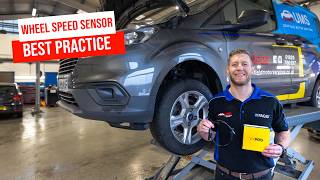
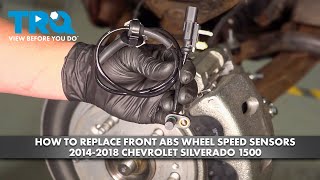
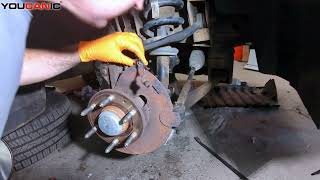
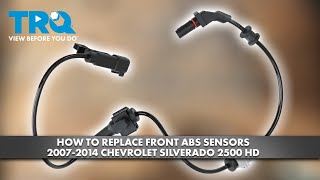

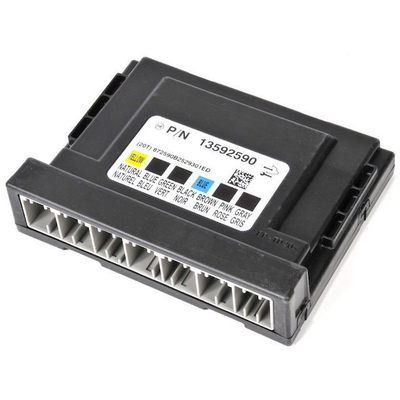
Shop the Parts Behind P0317
Below are the parts most often responsible for code P0317, ranked by how frequently each one is the actual culprit (per the diagnosis above). Tap any to see what we have for your vehicle.



The information in this article is provided for general reference and educational purposes only. Vehicle specifications, procedures, and part compatibility can vary by production date, trim level, and region. Always consult your vehicle's factory service manual and verify part numbers before purchasing or performing repairs. Safety-critical components such as airbags, seat belts, and braking systems should be installed by a qualified professional.
- 🧭 Diagnostic Flowchart
- 🎬 Helpful Videos
- 🛍️ Shop This Part
- What Does P0317 Mean?
- Can I Drive With P0317?
- Common Causes
- Symptoms
- Common Fixes & Costs
- Used vs. New Parts: Buying Guide
- What Happens If You Wait — Timeline
- Cost of Not Fixing It
- Diagnosis Steps
- When This Code Triggers (Freeze-Frame Conditions)
- Related Codes
- Climate & Environmental Factors
- How to Talk to a Mechanic About This Code
- Where to Take It: Dealer vs Independent vs Chain
- When to Walk Away From the Repair
- What Scan Tool You Need for This Code
- How to Clear the Code After You Fix It
- Will This Fail Emissions / State Inspection?
- Most Commonly Affected Vehicles
- Manufacturer-Specific Notes
- Real Owner Stories
- 2011 Chevy Silverado 1500 at 125K miles
- 2015 Ford F-150 at 88K miles
- 2012 Jeep Wrangler JK with 3-inch lift kit
- How to Prevent This Code From Triggering
- Frequently Asked Questions
- What exactly is 'rough road hardware'?
- What are the most common mistakes when diagnosing P0317?
- Can a bad wheel bearing cause a P0317 code?
- Where is the rough road sensor located?
- Can a suspension lift or larger tires cause a P0317 code?
- Will replacing my crankshaft sensor fix the P0317 code?
- My mechanic wants to charge $150 for a 'diagnostic fee'. Is that normal?
- Can I just ignore this code if my car drives fine?
- Will clearing the code with a scanner fix the problem?
- Can hitting a big pothole cause the P0317 code?
- Key Takeaways
- 🎟️ Get 5% Off