

P0318 on 2004-2007 Cadillac CTS: No-Start Causes and Electrical Fixes
On a 2004-2007 CTS, P0318 almost always indicates an electrical problem causing a no-start condition, not a bad sensor. The most likely cause is a wiring fault in the power or data line to the engine computer, often a pink/black or purple wire. This is frequently a simple fix if you can find the bad connection, which is commonly found under the underhood fuse box or where the harness passes through the firewall.
- For a 2004-2007 CTS, P0318 means there is a critical electrical or communication problem, not a 'Rough Road Sensor' fault.
- The most common symptoms are the engine not cranking and the key potentially getting stuck in the ignition.
- Before replacing any expensive parts, thoroughly inspect the ECM wiring, fuses, and relays, and check that the main fuse box is tight.
- This code will almost always appear with a list of 'U' codes (e.g., U1000, U1040, U1064), confirming a network-wide communication failure.
- Do not buy or replace any ABS, traction control, or suspension sensors to fix this code on this car.
What's Unique About the 2004-2007 Cadillac CTS
General Motors uses code P0318 on this platform in a non-standard way that confuses many technicians. Instead of pointing to a suspension or ABS sensor, it serves as a flag for a fundamental electrical problem. The code is almost always accompanied by a host of communication (U-series) codes, indicating a breakdown on the GM Class 2 serial data bus. 🎬 See this guide on diagnosing GM Class 2 data lines. This network connects all the major computers, and when it goes down due to a wiring short or a faulty module, it can prevent the engine from starting and even trap the key in the ignition.
🎬 Watch: How to fix a stuck key and no-communication issue.Diagnostic Flowchart
Tap your situation to follow the diagnostic path that matches what you're seeing on this vehicle.
Symptoms You May Notice
- Engine fails to crank or start (no-crank, no-start). 🎬 Watch: A mechanic explains no-crank symptoms and ECM failure.
- Key is stuck in the ignition lock cylinder.
- Multiple warning lights may be illuminated on the instrument cluster.
- A scan tool may fail to communicate with the ECM or other modules.
- Check Engine Light is on.
- Fuel gauge does not sweep or read when the key is turned to the 'ON' position.
- "Service Theft System" message may appear on the Driver Information Center (DIC).
- Replacing the Rough Road Sensor. This vehicle may not even be equipped with one, and it is not the cause of the P0318 code in this context.
- Replacing ABS or Wheel Speed Sensors. While these sensors are related to the generic definition of P0318, they are not the cause of the no-start condition on the CTS.
- Replacing the starter motor without confirming the crank signal and power at the starter solenoid.
Most Likely Causes
- Intermittent Wiring Connection to ECM 🔴 High Probability As documented in TSB PIC5460B, the wiring for the ECM's power feed or data line can develop intermittent opens or shorts. Forum users frequently report this harness chafing under the underhood fuse box or near the firewall pass-through, causing corrosion and connection failure.
How to confirm: Using a multimeter and wiring diagram, check for consistent battery voltage on the Ignition 1 power feed (Circuit 5290, often a Pink/Black wire) at the ECM C1 connector. Also, check the Class 2 data line (Circuit 1807, a Purple wire) for shorts to ground or power at the same ECM connector.
Typical fix: Locate and repair the damaged section of the wiring harness. This often involves repairing a corroded pin, a chafed wire, or a loose connector. Some owners have had to lift the fuse box to find the damaged wires underneath.
Est. part cost: $0-$20 - Faulty Powertrain or Ignition Relay 🟡 Medium Probability → Shop Wiring Relay Relays are electromechanical switches that wear out over time. The main relay that powers the ECM is a common failure point for no-start conditions across many GM vehicles.
How to confirm: Swap the main/ignition relay (often labeled 'PCM' or 'CRNK') in the underhood fuse box with an identical relay from a non-essential system (like the horn). If the car starts, the relay is bad.
Typical fix: Replace the faulty relay. A common replacement is ACDelco D1786C.
Est. part cost: $15-$40 - Loose or Corroded Underhood Fuse Box 🟡 Medium Probability
How to confirm: Check the main power and ground bolts that secure the underhood fuse box. On some GM models, these connections can become loose or corroded, causing intermittent power to multiple systems, including the ECM. Wiggle the fuse box while an assistant tries to start the car.
Typical fix: Disconnect the battery, remove the fuse box, clean all connection points and terminals, and tighten the mounting bolts to the proper torque.
Est. part cost: $0-$10
Rare But Worth Checking
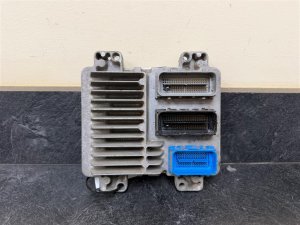
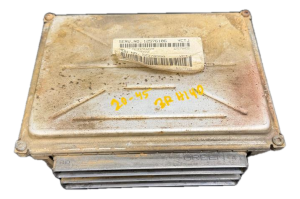
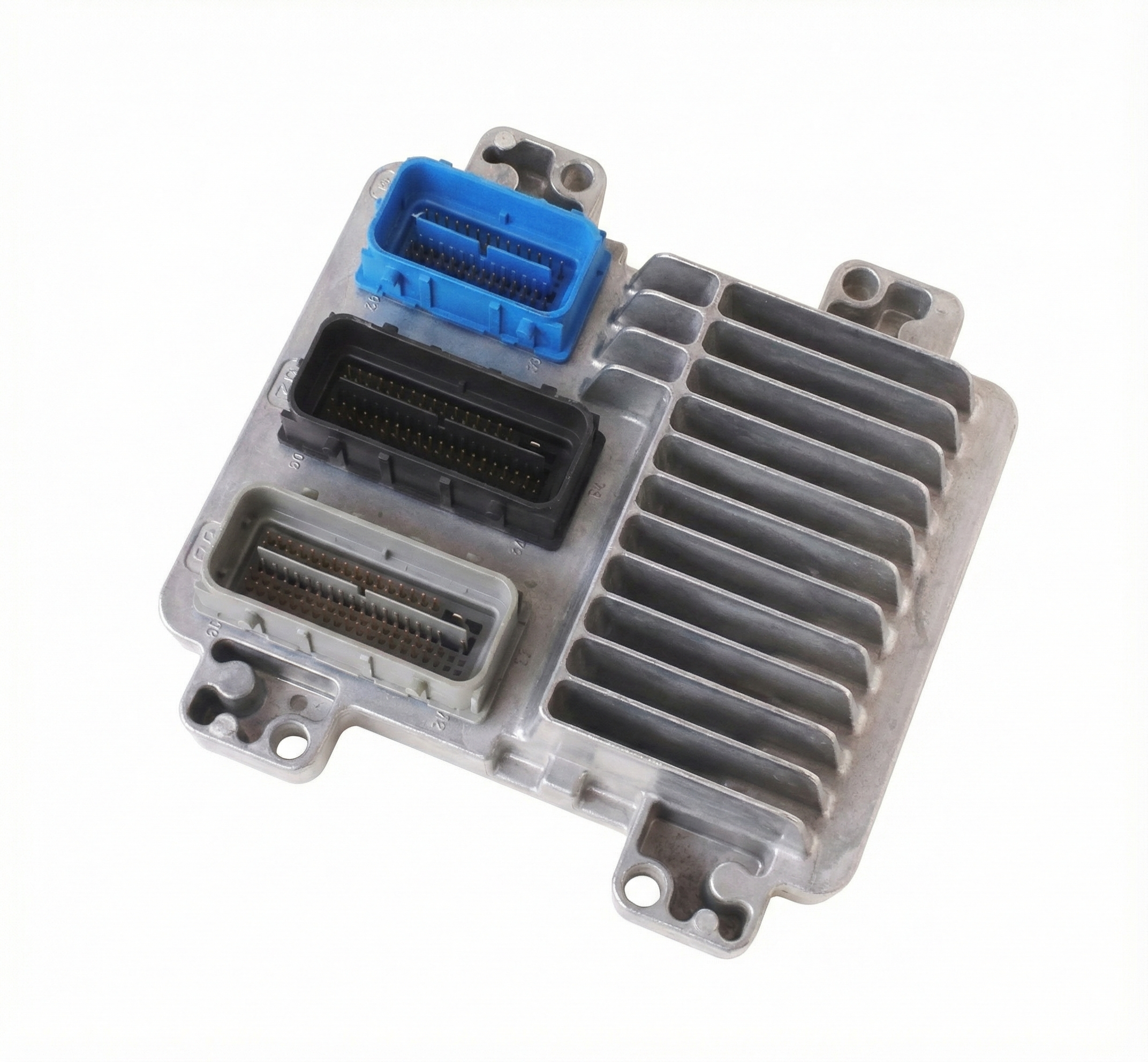
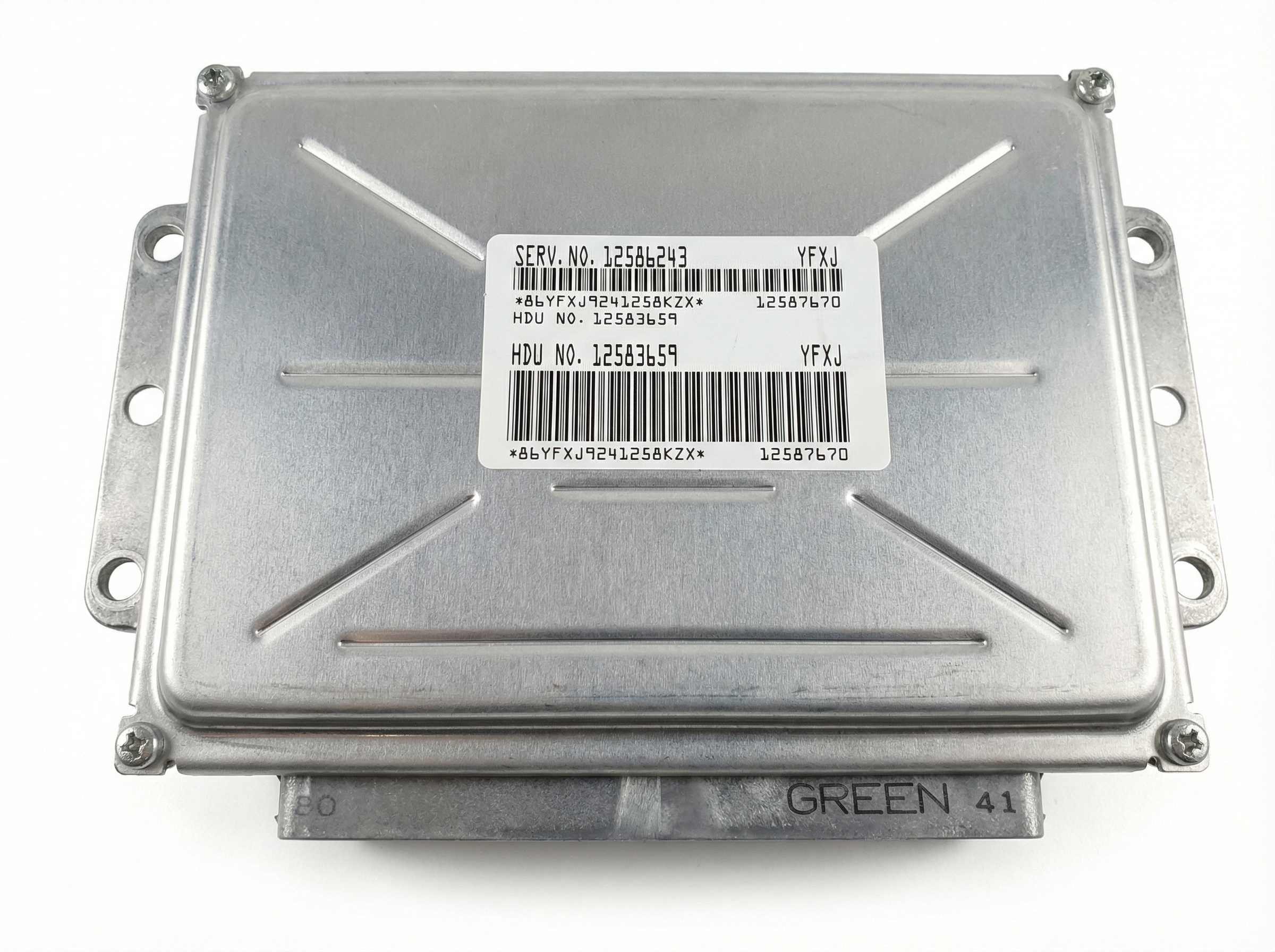
- Failed Engine Control Module (ECM): → Shop Engine Control Module (ECM) While possible, the ECM itself is rarely the cause. It should only be considered after all power, ground, and data line wiring have been thoroughly tested and confirmed to be good.
- Failed Ignition Switch: A faulty ignition switch can cause a no-crank condition and may be related to the 'key stuck' symptom. It provides the crank signal, but the associated communication codes make this less likely to be the primary cause compared to the wiring issues.
Diagnosis Steps
- Attempt to start the vehicle and confirm the no-crank symptom. Note if the key is stuck.
- Connect a high-quality scan tool and attempt to read codes from all available modules. Document P0318 and all accompanying U-codes. Note if the scan tool cannot communicate with the ECM.
- Check the battery state of charge and ensure battery terminals are clean and tight.
- Inspect the underhood fuse box. Check all fuses related to the ECM, ignition, and starting system ('ECM', 'IGN', etc.). Verify the main bolts securing the fuse box are tight.
- Swap the 'CRNK' or 'PCM/MAIN' relay with a known-good relay of the same type from a non-critical circuit.
- Using a wiring diagram, identify the ECM connectors. For the 3.6L, this is often a 64-pin connector (C1).
- With the key on, use a multimeter to verify a steady 12V+ on the Ignition 1 power feed (Circuit 5290, Pink/Black wire) at the ECM connector.
- Probe the Class 2 data line (Circuit 1807, Purple wire, often at pin 15 or 16 on the C1 connector). A healthy line will show a fluctuating voltage between 0 and 7 volts. If it's stuck at 0V, it's shorted to ground. If it's stuck high (near 12V), it's shorted to power.
- Carefully inspect the wiring harness leading to the ECM for any signs of physical damage, chafing, or corrosion, especially where it passes through the firewall or under the underhood fuse box.
- If all wiring, powers, and grounds to the ECM are confirmed good, the ECM itself may be the issue, but this is rare.
Parts You'll Likely Need
- Powertrain/Ignition Relay
(OEM #ACDelco D1786C (cross-references to GM 19116057, 13500114))— This is a common failure point for no-start conditions and is an inexpensive and easy part to replace for diagnosis.
Trusted brands: ACDelco, Bosch
OEM price range: $25-$50
Aftermarket price range: $15-$30 - Engine Control Module (ECM) — This is the last resort replacement if all wiring and power/ground inputs to the module are verified to be correct. A replacement ECM will require programming to the vehicle's VIN.
Trusted brands: ACDelco
OEM price range: $400-$700
Aftermarket price range: $250-$500
Related Codes That Often Appear With This One
- P1629 — Indicates a Theft Deterrent System communication issue, often triggered by the same ECM power/data loss.
- U1000 — A generic code for loss of Class 2 communication. It means modules on the network are not communicating.
- U1040 — Specifically indicates loss of communication with the Electronic Brake Control Module (EBCM).
- U1064 — Specifically indicates loss of communication with the Body Control Module (BCM).
Technical Service Bulletins (TSBs) & Recalls
- PIC5460B: Addresses a no-crank concern with DTC P0318 and other communication codes stored. Explicitly names the cause as a wiring concern on the Ignition 1 Power Feed (CKT 5290) or Class 2 data line (CKT 1807) to the ECM.
Platform-Specific Known Issues
- A GM Technical Service Bulletin (PIC5460B) specifically addresses this code in conjunction with a no-crank condition on the 2004-2007 CTS and 2004-2009 SRX. It points directly to an intermittent connection in the Ignition 1 power feed (circuit 5290) or the Class 2 data line (circuit 1807) as the root cause.
- Owners on forums report the wiring harness is prone to chafing on the metal bracket under the underhood fuse block, leading to shorts or open circuits in these critical wires.
- Another common point of failure is the large wiring harness connector at the firewall, where pins can corrode or become dislodged.
Mechanic-Grade Diagnostic Values
- GM Class 2 Serial Data Bus Voltage — expected: Fluctuating voltage between 0V (inactive) and approximately 7V (active). A healthy bus shows constant activity (fluctuation) with the key on.. Failure: A line stuck at 0V indicates a short to ground. A line stuck at a constant high voltage (e.g., 12V) indicates a short to power. No fluctuation indicates a dead bus or isolated module.
- ECM Ignition 1 Voltage (Circuit 5290) — expected: Battery Voltage (approx. 12.6V) with Key On, Engine Off.. Failure: Voltage below 12V or intermittent/no voltage indicates a fault in the power supply wire, fuse, or relay.
Scan Tool Commands That Help
- GM Tech 2 / High-Level Scan Tool: Security System Key Relearn Procedure — This is not a diagnostic command, but a mandatory procedure required after replacing the Engine Control Module (ECM) to allow the new module to communicate with the vehicle's anti-theft system. The procedure typically takes 30 minutes.
Wiring & Ground Locations
- ECM — In the engine compartment on the right-hand (passenger) side, near the firewall.. This is the module setting the code and losing power/communication. All wiring tests for power (CKT 5290) and data (CKT 1807) are performed at its connectors.
- G101 — In the engine compartment, near the left front strut tower, at the bottom of the inner fender well.. This is a primary ground point for the Engine Control Module (ECM) and Transmission Control Module (TCM). A poor connection here can directly cause ECM power issues.
- G103 — On the cowl at the left rear of the engine compartment, often above the brake booster.. This grounds the Body Control Module (BCM), Instrument Panel Cluster (IPC), and the Data Link Connector (DLC). A fault here can cause widespread communication failures and prevent a scan tool from connecting.
- G110 — On the right frame rail in the engine compartment, near the ABS module.. This is the ground for the Electronic Brake Control Module (EBCM). Since loss of communication with the EBCM (U1040) is a common companion code, checking this ground is critical.
Real Owner Repair Stories
- YouTube channel 'Jabo The Mechanic' (Cadillac CTS, year not specified but first generation) — No-crank, no-start, no communication with the computer.
❌ Tried (didn't work) The video focuses on the correct diagnostic path rather than failed attempts.
✅ What actually fixed it The video serves as a diagnostic guide. The mechanic confirms that a key symptom of no ECM communication is the fuel gauge not sweeping up when the key is turned to 'ON'. He advises checking the main and ignition relays and verifying power at the ECM. In his specific case, a previous misfire and customer action may have shorted the ECM, requiring replacement.
OEM Part Supersession History
GM 19116057→GM 13500114— Standard part revision/replacement.
Heads up: These parts are interchangeable. This is the common 35-amp, 12V multi-use relay (ACDelco D1786C) used for the powertrain/ignition system.GM 12581144, 12592124→GM 19260507, 12602703 (and others)— Multiple revisions and updates to the ECM hardware and software over the production run.
Heads up: For 2.8L/3.6L V6 engines, service numbers 12581144, 12592124, and 19260507 are generally interchangeable when programmed correctly. A replacement ECM must be programmed with the vehicle's VIN and requires a 30-minute security key relearn procedure to function.
Model Year Variations Within This Range
- 2004-2007: While the P0318 fault is common across the generation, the CTS-V models (5.7L LS6, 6.0L LS2) use a different ECM and have some unique wiring and ground locations compared to the V6 (2.8L, 3.6L) models. The diagnosis remains focused on ECM power, ground, and Class 2 data, but the specific pin numbers and wire locations on a CTS-V may not match the V6.
Helpful Videos

We Have This Part in Stock

The information in this article is provided for general reference and educational purposes only. Vehicle specifications, procedures, and part compatibility can vary by production date, trim level, and region. Always consult your vehicle's factory service manual and verify part numbers before purchasing or performing repairs. Safety-critical components such as airbags, seat belts, and braking systems should be installed by a qualified professional.
- Cadillac CTS:
- 🧭 Diagnostic Flowchart
- 🎬 Helpful Videos
- 🛍️ Shop This Part
- What's Unique About the 2004-2007 Cadillac CTS
- Symptoms You May Notice
- Most Likely Causes
- Rare But Worth Checking
- Diagnosis Steps
- Parts You'll Likely Need
- Related Codes That Often Appear With This One
- Technical Service Bulletins (TSBs) & Recalls
- Platform-Specific Known Issues
- Mechanic-Grade Diagnostic Values
- Scan Tool Commands That Help
- Wiring & Ground Locations
- Real Owner Repair Stories
- OEM Part Supersession History
- Model Year Variations Within This Range
- 🎟️ Get 5% Off