

P0322 on 2013-2019 Ford Escape: Crank/No-Start Causes and Fixes
P0322 on a 2013-2019 Ford Escape almost always means the crankshaft position sensor has failed, causing a 'crank but no start' condition or sudden stalling. Replacing the sensor is the most common fix, with a DIY cost of around $30-$70 for the part. The sensor itself is the primary suspect before wiring or other issues.
- P0322 means your Escape's engine computer has lost the signal from the crankshaft position sensor, which is critical for engine operation.
- The most common symptoms are the engine cranking but not starting, or stalling suddenly while driving.
- The most probable cause is a failed crankshaft position sensor. This is a common failure
What's Unique About the 2013-2019 Ford Escape
For the third-generation Ford Escape (2013-2019), the P0322 code is a very common indicator of a complete and often sudden failure of the crankshaft position sensor. While wiring or PCM issues are possible, the sensor itself is the most frequent point of failure across all engine options (2.5L, 1.6L, and 2.0L). Owners typically experience an abrupt 'crank-no-start' or a dangerous engine stall while driving with little to no prior warning. The fix is usually straightforward, involving the replacement of this single sensor.
Symptoms You May Notice
- Engine cranks but will not start
- Engine stalls suddenly and unexpectedly while driving
- Check Engine Light is on
- Tachometer (RPM gauge) reads zero while cranking or running
- Hesitation or stumbling under acceleration before stalling
- Intermittent starting issues (may start when cold, but not when hot)
- Replacing the camshaft position sensor. While related, a 'no signal' code like P0322 points specifically to the crankshaft sensor circuit.
- Replacing the starter motor. The engine will crank with a P0322 code, but it won't start because there is no spark or fuel timing. A bad starter would typically result in a 'no crank' condition.
Most Likely Causes
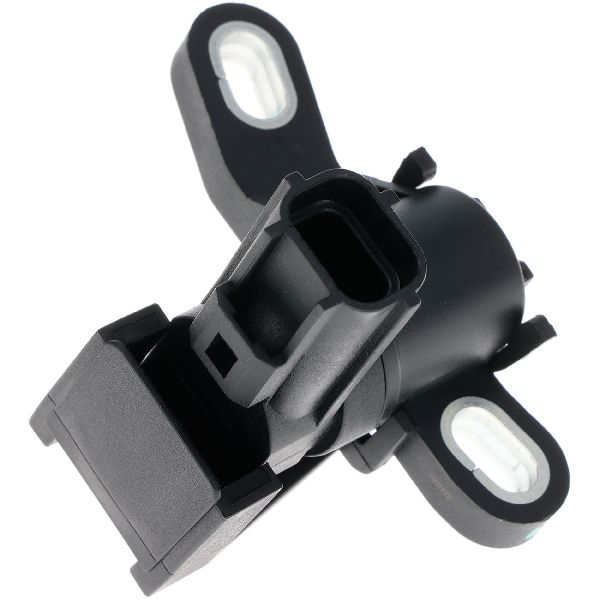
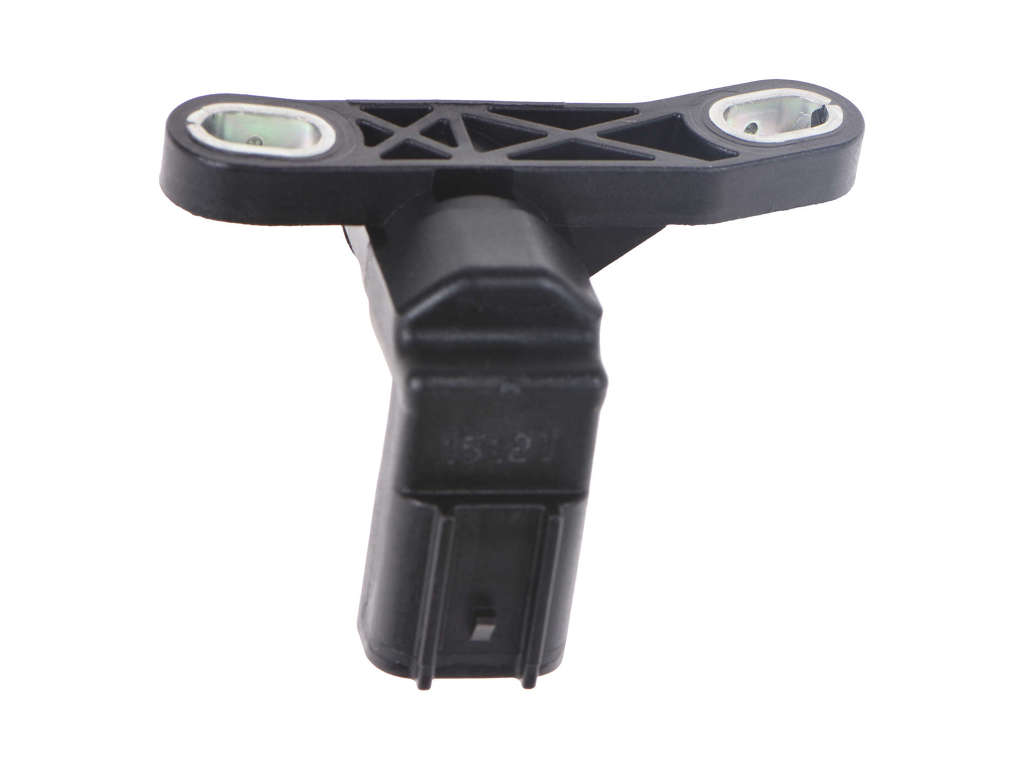
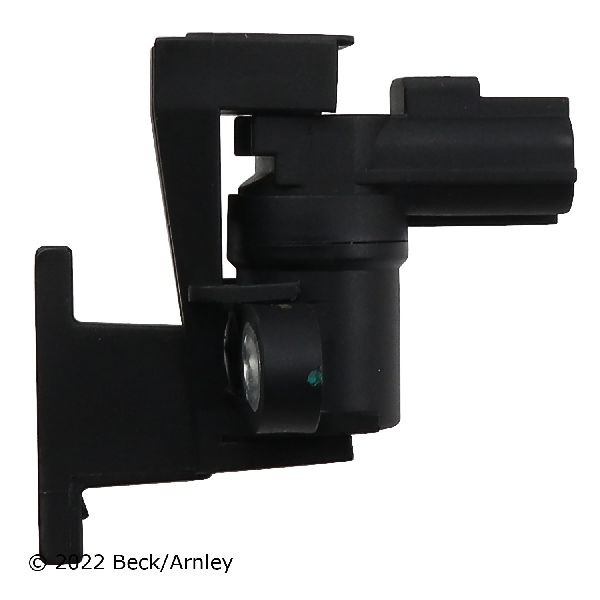
- Failed Crankshaft Position (CKP) Sensor 🔴 High Probability → Shop Engine Crankshaft Position Sensor The sensor is a common failure point on this platform, often failing suddenly due to internal electronic faults. Heat cycles and location in the lower engine bay contribute to its relatively short lifespan.
How to confirm: Use a scan tool to monitor engine RPM (CKP signal) while cranking. If the reading remains at 0, and the wiring is confirmed to be good, the sensor has failed. The sensor itself can also be tested for resistance with a multimeter against factory specifications, though sudden failure is more common than out-of-spec readings.
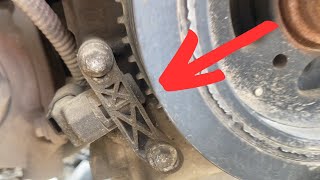
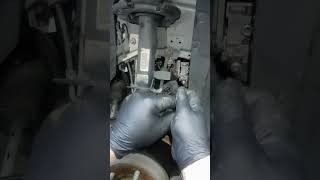
Typical fix: Replace the crankshaft position sensor. On the 2.0L and 1.6L EcoBoost, the sensor is located on the back of the engine block, near the transmission bell housing, accessible from underneath. 🎬 Watch: 2.0L EcoBoost crankshaft sensor replacement walkthrough On the 2.5L i-VCT, it is on the front of the engine behind the crankshaft pulley.
Est. part cost: $30-$70 - Damaged Wiring or Connector 🟡 Medium Probability The sensor's location in the lower engine bay exposes its wiring to heat, oil, and road debris. The harness can become brittle and crack, or chafe against other components like the A/C compressor or engine block, causing a short or open circuit.
How to confirm: Visually inspect the wiring harness leading to the CKP sensor for any signs of melting, chafing, or breaks. Check the electrical connector for corrosion, bent pins, or a loose fit. Test for 5V reference, ground, and signal continuity between the PCM and the sensor connector. A common chafing point is where the harness routes near the A/C compressor.
Typical fix: Repair the damaged section of the wiring harness or replace the connector pigtail.
Est. part cost: $15-$40 - Weak or Failing Battery ⚪ Low Probability → Shop Vehicle Battery Low system voltage during cranking can prevent the CKP sensor from generating a strong enough signal for the PCM to read, triggering a P0322 code. This is more likely if the battery is old or the vehicle has been sitting.
How to confirm: Test the battery with a multimeter; it should read above 12.4 volts. Perform a load test on the battery to check its health under load. A reading below 9.6 volts during cranking indicates a weak battery.
Typical fix: Recharge or replace the vehicle's battery.
Est. part cost: $150-$250
Rare But Worth Checking
- Damaged Reluctor Ring: The reluctor ring (or tone wheel) is a toothed wheel on the crankshaft that the sensor reads. If it's damaged, cracked, or has debris on it, the sensor can't get a proper reading. This is rare and usually only happens after major engine work or a catastrophic failure.
- Failed Powertrain Control Module (PCM): → Shop Engine Control Module (ECM) While extremely rare, the internal circuitry of the PCM that processes the CKP signal can fail. This should only be considered after all other possibilities (sensor, wiring, reluctor ring) have been definitively ruled out.
Diagnosis Steps
- Connect an OBD-II scanner and confirm P0322 is the primary code. Check for any other codes.
- Use the scanner's live data function to monitor 'Engine RPM' while cranking the engine. If it stays at 0, the PCM is not seeing a signal. This is a strong confirmation of a fault in the CKP circuit.
- Perform a thorough visual inspection of the crankshaft position sensor and its wiring harness. On EcoBoost engines, this requires raising the vehicle. Look for obvious damage, such as melted plastic, frayed wires, or oil contamination. Pay close attention to where the harness may contact the engine block or A/C lines.
- Inspect the electrical connector at the sensor. Ensure it is securely plugged in and check for any corrosion or bent pins.
- If the wiring appears intact, use a multimeter to test the circuit with the key on, engine off. At the sensor connector, you should find approximately 5 volts for the reference signal, a good ground (near 0 ohms to chassis ground), and a signal wire.
- If power and ground are good, the sensor itself is the most likely culprit. Replace the crankshaft position sensor.
- After replacement, clear the codes with the scan tool and start the vehicle to confirm the fix.
- If the problem persists, the issue may be a damaged reluctor ring or, in very rare cases, a faulty PCM.
Parts You'll Likely Need
- Crankshaft Position Sensor
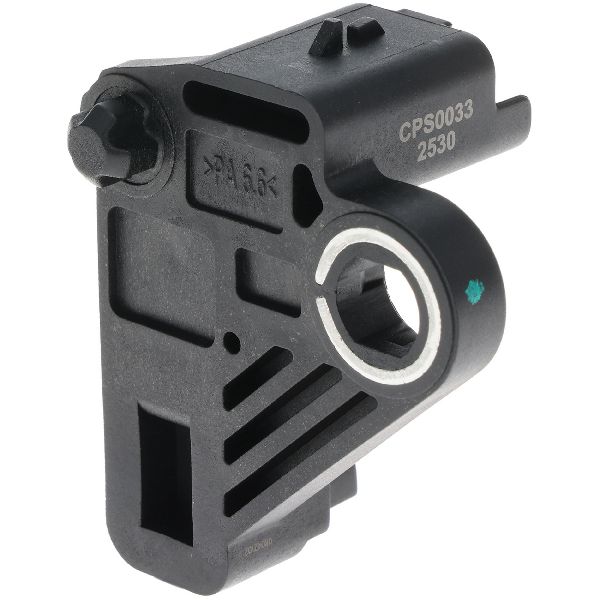
(OEM #CJ5Z-6C315-A (Motorcraft DY1351))— This sensor is the most common failure point for a P0322 code on this vehicle, often failing without warning and causing a no-start or stalling condition. Using an OEM Motorcraft part is highly recommended for reliability.
Trusted brands: Motorcraft, Bosch, Delphi, Dorman
OEM price range: $50-$80
Aftermarket price range: $30-$60
Related Codes That Often Appear With This One
- P0335 — P0335 indicates a 'Crankshaft Position Sensor 'A' Circuit Malfunction,' which is a more general fault. P0322 is more specific, indicating a complete loss of signal, 🎬 Watch: P0322 code causes, symptoms, and fixes explained but they can appear together if the signal is intermittent before failing completely.
Technical Service Bulletins (TSBs) & Recalls
- TSB 19-2346: While not for P0322, this TSB is critical for owners of EcoBoost engines as it details the coolant intrusion issue that is a major known problem for this platform.
Mechanic-Grade Diagnostic Values
- Crankshaft Position Sensor (CKP) Resistance — expected: 985 to 1,600 Ω (cold, 14-122°F) or 1,265 to 1,890 Ω (hot, 122-212°F). Failure: An open circuit (infinite resistance) or a reading significantly outside the specified range indicates a failed sensor.
- CKP Sensor Connector Reference Voltage (VREF) — expected: Approximately 5 volts DC with key on, engine off.. Failure: A reading of 0 volts or significantly below 5V points to a wiring issue or a problem with the PCM's 5V reference circuit.
- CKP Sensor Connector Ground — expected: Near 0 ohms resistance to chassis ground, or near 0 volts on a voltage drop test.. Failure: High resistance or any significant voltage reading indicates a bad ground circuit, which can cause an incorrect signal.
- CKP Sensor Signal (Oscilloscope) — expected: A clean digital square wave pattern that switches between approximately 0V and 5V while the engine is cranking.. Failure: No waveform, a flat line at 0V or 5V, or a distorted/noisy pattern confirms a failed sensor or a circuit integrity problem.
- Scan Tool Live Data 'RPM' — expected: Should show between 100 and 500 RPM while cranking the engine.. Failure: A reading of 0 RPM while the engine is audibly cranking is a definitive sign the PCM is not receiving a signal from the CKP sensor.
Scan Tool Commands That Help
- Ford IDS, FORScan: Misfire Monitor Neutral Profile Correction — This procedure is required after replacing the crankshaft position sensor or PCM. It allows the PCM to learn the mechanical profile of the crankshaft reluctor wheel for accurate misfire detection. Failure to perform this can lead to other running issues or prevent the misfire monitor from operating correctly.
- Ford IDS, FORScan: KAM (Keep Alive Memory) Reset — Recommended after replacing major powertrain components like the CKP sensor. This clears the PCM's adaptive learning tables, forcing it to relearn values based on the new sensor's input, which can resolve subtle performance issues after the repair.
Wiring & Ground Locations
- G120 — On the engine block, left side of the engine compartment.. This is a primary power ground for the engine control system. A loose or corroded G120 can cause erratic sensor readings and trigger various codes, including P0322, even if the sensor and its immediate wiring are good.
- CKP Sensor Harness — Routes from the lower engine block (near A/C compressor on EcoBoost models) up towards the main engine harness.. This harness is a known chafe point. It can rub against the A/C compressor, engine block, or other brackets, wearing through the insulation and causing a short or open circuit on the signal, reference, or ground wires, directly causing a P0322 code.
Real Owner Repair Stories
- fordescape.org Forum User (2013 Ford Escape 2.0L) — Classic crank-no-start condition, P0322 code present.
✅ What actually fixed it DIY replacement of the crankshaft position sensor (Motorcraft DY1351). The car started immediately after the replacement and clearing the code. - YouTube - 'FORD NO START PROBLEM DTC P0322 EASY FAST FIX' (2012 Ford Focus (platform mate with similar engine architecture)) — Engine cranks but will not start, P0322 code stored.
✅ What actually fixed it The original sensor was found to have a physical crack in its housing. Replacing the crankshaft position sensor resolved the no-start condition. - NHTSA ODI #11021038 — An owner reported hearing a "loud torquing sound" before the vehicle broke down. A dealership scan confirmed the P0322 code, indicating the PCM detected an error in the crankshaft position sensor circuit.
OEM Part Supersession History
BL3Z-6C315-A, BL3Z-6C315-B→CJ5Z-6C315-A (Motorcraft DY1351)— Part consolidation and potential design updates for reliability across multiple Ford platforms.
Heads up: While older part numbers may have been used from the factory, DY1351 is the correct and most current replacement part recommended by Ford for service.
Model Year Variations Within This Range
- 2017-2019: The 2017 model year received a facelift which included updates to the 1.5L EcoBoost (replacing the 1.6L) and 2.0L twin-scroll EcoBoost engines. While the P0322 code's cause (CKP sensor) remains the same, the exact sensor location and access procedure may have minor differences on the updated engines compared to the 2013-2016 models. The fundamental diagnostic process is identical.
Diagnostic Flowchart
Other Known Issues on This Vehicle
Issues unrelated to this code that are worth knowing about as an owner of this generation:
- EcoBoost Engine Coolant Intrusion 🔴 High — Common on 1.5L, 1.6L, and 2.0L EcoBoost engines. A design flaw in the engine block can allow coolant to leak into the cylinders, causing misfires, white smoke, and eventual engine failure. Can occur at mileages as low as 30,000 miles. (Ref: TSB 19-2346 outlines the issue and recommends a long block replacement with a redesigned engine.)
- 6F35 Transmission Failure 🔴 High — Widespread across the 2013-2019 generation. Symptoms include shuddering, slipping, harsh shifts, and complete failure, sometimes before 100,000 miles. The 2013-2014 models are noted as particularly problematic. (Ref: Multiple class-action lawsuits have been filed regarding the 6F35 transmission's reliability.)
- Faulty Door Latches 🟠 Medium — Common on 2013-2015 models. A component within the door latch can break, preventing the door from latching securely or causing it to open while the vehicle is in motion. (Ref: Ford Safety Recall 16S30 was issued to replace the faulty door latches free of charge.)
- Power Steering Failure 🔴 High — Primarily reported on 2013-2014 models. The electric power steering system can fail suddenly, resulting in a complete loss of steering assist, making the vehicle very difficult to control. (Ref: Ford issued a recall for this issue, but some owners reported failures on vehicles outside the specific VIN range covered.)
Used vs. New Parts: Buying Guide for This Vehicle
When a used part is the smart pick: A used part is NOT recommended for this repair. The crankshaft position sensor is a relatively low-cost electronic component known for a finite lifespan and sudden failure. The labor to install it outweighs the small savings from a used part which may have significant wear and could fail shortly after installation.
What to inspect on the donor part:
- Not applicable as a used sensor is not advised.
OEM-only on this vehicle (don't cheap out):
- Crankshaft Position Sensor
Aftermarket brands forum-validated for this vehicle:
- Motorcraft (OEM)
- Bosch
- Delphi
- NTK/NGK
Brands owners have reported issues with on this vehicle:
- Unnamed 'white-box' or no-name brands from online marketplaces are a significant risk and often have high failure rates.
Real Owner Stories
Aggregated from forums and TSBs cited above. Mileages and costs reflect what owners reported in those sources.
2013 Ford Escape 1.6L SE
Symptoms: The engine completely cut off while driving down the highway with no prior signs of trouble. Afterward, the engine would crank but not start.
What fixed it: The owner suspected the crankshaft sensor went dead instantly, though the report concludes at the diagnostic stage with P0322 and P0420 codes present.
Source hint: reddit.com/r/fordescape
2013 Ford Escape 2.0L
Symptoms: Classic 'crank no start' symptom.
What fixed it: DIY replacement of the crankshaft position sensor using Motorcraft part DY1351.
Source hint: fordescape.org - 'Crank but no start'
NHTSA Reported Breakdown
Symptoms: An owner reported a "loud torquing sound" before the vehicle broke down in front of a dealership.
What fixed it: A dealer scan identified the P0322 code, which indicates the PCM detected an error in the crankshaft position sensor circuit (NHTSA ODI #11021038).
Source hint: NHTSA ODI #11021038
Related OBD-II Codes
Frequently Asked Questions
Where is the crankshaft position sensor located on my 2013-2019 Ford Escape?
My 2013 Escape 1.6L stalled on the highway and won't restart. Could this be the P0322 code?
Does TSB 19-2346 address my P0322 fault code?
Can a bad battery trigger a P0322 code on my Ford Escape?
Is there a specific wiring area I should check for damage on my Escape?
My RPM gauge stays at zero while I'm trying to start the car. Is this related to P0322?
Helpful Videos

We Have This Part in Stock


The information in this article is provided for general reference and educational purposes only. Vehicle specifications, procedures, and part compatibility can vary by production date, trim level, and region. Always consult your vehicle's factory service manual and verify part numbers before purchasing or performing repairs. Safety-critical components such as airbags, seat belts, and braking systems should be installed by a qualified professional.
- Ford Escape:
- 🧭 Diagnostic Flowchart
- 🎬 Helpful Videos
- 🛍️ Shop This Part
- What's Unique About the 2013-2019 Ford Escape
- Symptoms You May Notice
- Most Likely Causes
- Rare But Worth Checking
- Diagnosis Steps
- Parts You'll Likely Need
- Related Codes That Often Appear With This One
- Technical Service Bulletins (TSBs) & Recalls
- Mechanic-Grade Diagnostic Values
- Scan Tool Commands That Help
- Wiring & Ground Locations
- Real Owner Repair Stories
- OEM Part Supersession History
- Model Year Variations Within This Range
- Other Known Issues on This Vehicle
- Used vs. New Parts: Buying Guide for This Vehicle
- Real Owner Stories
- 2013 Ford Escape 1.6L SE
- 2013 Ford Escape 2.0L
- NHTSA Reported Breakdown
- Related OBD-II Codes
- Frequently Asked Questions
- 🎟️ Get 5% Off