

P0322 on 2011-2019 Ford Explorer 3.5L: Causes and Fixes for Crank/No-Start
On a 2011-2019 Ford Explorer with the 3.5L V6, code P0322 almost always means the Crankshaft Position Sensor (CKP) has failed, causing a crank-no-start or sudden stalling. A new Motorcraft sensor costs around $45-$75, and replacement is a common DIY fix located on the lower passenger side of the engine.
- P0322 on this Explorer means the engine computer sees no signal from the crankshaft position sensor, which is a critical failure.
- The most common symptoms are severe: the engine will crank but not start, or it will stall suddenly and unexpectedly.
- The fix is almost always to replace the crankshaft position sensor (OEM part # AA5Z-6C315-A).
- This is a DIY-friendly repair for those with basic tools and the ability to safely work under the vehicle.
- Do not drive the vehicle with this code, as the sudden stalling is a significant safety hazard.
What's Unique About the 2011-2019 Ford Explorer
The 3.5L Cyclone V6 is a widely used and generally reliable engine, but like many modern engines, it is highly dependent on its electronic sensors. For the fifth-generation Explorer (2011-2019), a P0322 code is a straightforward diagnostic case that almost always points directly to the Crankshaft Position Sensor. While wiring issues are possible, the sensor itself is the most frequent point of failure, often failing without much warning and causing a sudden no-start or stalling condition that can leave a driver stranded. The sensor is located on the lower passenger side of the engine, making it accessible from underneath the vehicle for replacement.
Symptoms You May Notice
- Engine cranks but will not start
- Engine stalls unexpectedly while driving, sometimes after warming up
- Check Engine Light is on
- No signal from the tachometer (RPM gauge) during cranking
- Rough running or misfiring before stalling
- Sudden engine shutoff while driving
- Replacing the camshaft position sensors (there are four on this engine) when the code specifically points to a crankshaft signal issue.
- Replacing the starter or battery when the engine cranks strongly but does not fire.
- Replacing the fuel pump without first confirming a lack of fuel pressure.
Most Likely Causes
- Failed Crankshaft Position Sensor (CKP) 🔴 High Probability → Shop Engine Crankshaft Position Sensor The sensor is located at the bottom of the engine, where it is exposed to heat cycles, vibration, and potential oil or fluid contamination, which can lead to internal failure over time. Forum and video evidence for this platform overwhelmingly points to the sensor itself being the primary failure point.
How to confirm: After checking the wiring, the most definitive test is to use a scan tool to monitor the engine RPM PID while cranking. If the RPM reads '0' while the engine is turning over, the PCM is not receiving a signal. If the wiring is confirmed to be good, the sensor has failed. The sensor's internal resistance can also be tested; it should be between 985-1,600 Ω when cold.
Typical fix: Replace the crankshaft position sensor. This is a common DIY repair that involves accessing the sensor from under the vehicle on the passenger side.
Est. part cost: $45-$75 - Wiring Harness or Connector Issue 🟡 Medium Probability The wiring runs near hot exhaust components and moving parts. Over time, the protective loom can degrade, leading to chafed, melted, or broken wires. The connector itself can also become corroded or filled with oil, interrupting the signal.
How to confirm: Visually inspect the wiring harness from the sensor back as far as possible for any signs of melting, chafing, or breaks, paying close attention to points of contact with the engine block or brackets. Unplug the connector and check for corroded pins, moisture, or oil contamination. Use a multimeter to check for continuity, power (reference voltage), and ground at the connector according to the service manual.
Typical fix: Repair the damaged section of wire or clean/replace the electrical connector.
Est. part cost: $5-$50
Rare But Worth Checking
- Failed Powertrain Control Module (PCM): → Shop Engine Control Module (ECM) This is extremely rare. The PCM should only be considered after all other possibilities, including the sensor and its entire circuit, have been exhaustively tested and ruled out. Other codes, like P068A, might accompany a PCM failure.
- Damaged Reluctor Ring: The CKP sensor reads teeth on a tone ring (reluctor ring) on the crankshaft. While very uncommon, damage to this ring from debris or internal engine issues can cause a loss of signal. This would typically be accompanied by other serious symptoms and noises.
Diagnosis Steps
- Connect an OBD-II scanner and confirm P0322 is the primary code. Note any other codes present.
- Using the live data function on the scanner, monitor the Engine RPM (RPM PID) while cranking the engine. If it stays at 0, the PCM is not getting a signal.
- Safely raise and support the vehicle to access the crankshaft position sensor. On the 3.5L Explorer, it is located on the lower passenger side of the engine, near the transmission bell housing. A small heat shield held by a 10mm bolt and nut may need to be removed first.
- Visually inspect the sensor's electrical connector and nearby wiring for obvious damage, such as melting, corrosion, or loose pins. Check for chafing where the harness may rub against the engine or frame.
- If the wiring looks good, unplug the connector. The sensor itself is typically held in by a single 7mm bolt.
- Test the connector for reference voltage (typically 5V) and ground using a multimeter. A reading below 4.5V suggests a power supply problem. Test the signal wire for continuity back to the PCM if possible, using a wiring diagram for pinout locations.
- If the wiring and connector test good, the crankshaft position sensor itself is faulty and should be replaced.
- After replacement, clear the codes and start the vehicle. A specific crankshaft position sensor relearn procedure is generally not required and the system will self-calibrate. However, some Ford procedures mention a 'Misfire Monitor Neutral Profile Correction' which may be beneficial to perform with a capable scan tool.
Parts You'll Likely Need
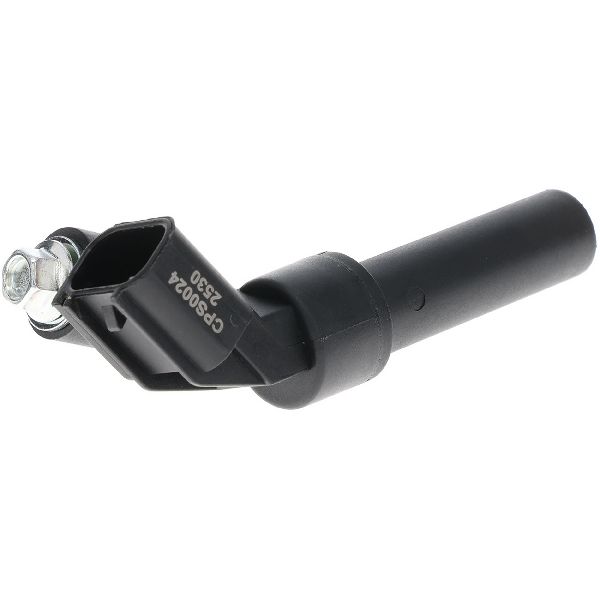
- Crankshaft Position Sensor
(OEM #AA5Z-6C315-A)— This sensor is the most common failure point for code P0322, causing a complete loss of the engine speed signal required by the PCM. The OEM part number AA5Z-6C315-A supersedes older versions like 7T4Z-6C315-A and AT4Z-6C315-A. The corresponding Motorcraft service part number is often listed as DY-1351 (Ford engineering number BL3Z-6C315-B), though verifying fitment by VIN is always best practice.
Trusted brands: Motorcraft, Hitachi, Delphi, Standard Motor Products (SMP), NTK/NGK
OEM price range: $45-$75
Aftermarket price range: $25-$60
Related Codes That Often Appear With This One
- P0320 — P0320 indicates a general malfunction in the engine speed input circuit, while P0322 indicates a complete loss of signal. P0320 can sometimes appear as an intermittent fault before the sensor fails completely and triggers P0322.
- P0335 — P0335 is a generic code for 'Crankshaft Position Sensor A Circuit Malfunction'. It is very similar to P0322 and has the same diagnostic path and common fixes.
Platform-Specific Known Issues
- Easy Sensor Access: Unlike some other vehicles where the CKP sensor is in a very difficult-to-reach spot, on the 5th generation Explorer with the 3.5L V6, it is relatively accessible from underneath the vehicle on the passenger side. A small heat shield may need to be removed, but the job does not require removing major components.
Technical Service Bulletins (TSBs) & Recalls
- TSB Bulletin #TSB18-2062: While issued for a different Ford model, this manufacturer bulletin notes that P0322 can be associated with symptoms such as the engine running rough, a crank no-start condition, loss of power, and loss of engine RPM. It highlights that this code often appears alongside other electrical or sensor-related DTCs.
Mechanic-Grade Diagnostic Values
- Crankshaft Position Sensor (CKP) Resistance — expected: 985 to 1,600 Ω (cold, 14-122°F) or 1,265 to 1,890 Ω (hot, 122-212°F). Failure: An open circuit (infinite resistance) or a reading significantly outside the specified range.
- CKP Sensor Connector Reference Voltage (VREF) — expected: Approximately 5 volts with key on, engine off.. Failure: A reading of 0 volts or below 4.5 volts points to a wiring or PCM issue.
- CKP Sensor Connector Ground — expected: Near 0 volts (good continuity to ground).. Failure: Significant voltage reading indicates a bad ground circuit.
- CKP Sensor Signal (Oscilloscope) — expected: A clean square wave pattern that switches between approximately 0V and 5V while cranking.. Failure: No waveform, a flat line at 0V or 5V, or a distorted/weak waveform.
Scan Tool Commands That Help
- Ford IDS, FORScan: Misfire Monitor Neutral Profile Correction — After replacing the crankshaft position sensor or PCM. This procedure allows the PCM to learn the mechanical variations of the new sensor and reluctor wheel to ensure accurate misfire detection. While not always mandatory to get the engine running, performing it can prevent future driveability issues or other codes from appearing.
Wiring & Ground Locations
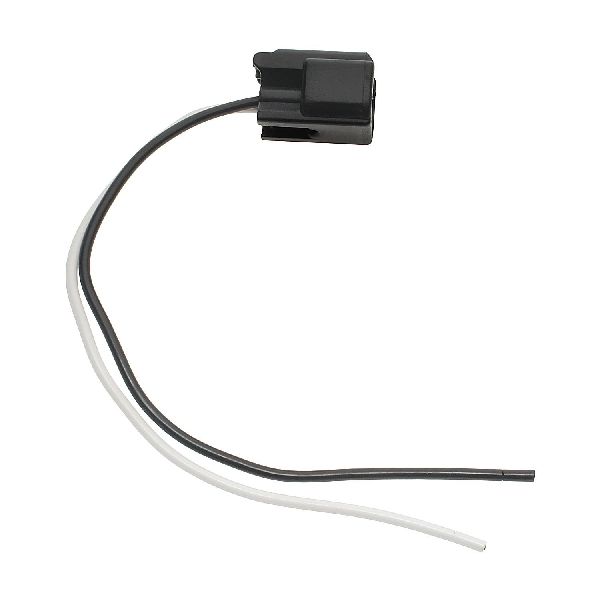
- CKP Sensor Connector (C139) — On the lower passenger side of the engine block, connecting to the crankshaft position sensor.. This is the primary connection point to test for power, ground, and signal. A wiring diagram for a 2016 model shows Pin 7 (BN-YE) and Pin 8 (YE-VT) are the main signal carriers to the PCM.
- PCM Connector (C175B) — The main engine computer, typically located in the engine bay near the firewall or battery.. This is the destination for the CKP signal. Checking for signal continuity between the CKP connector (C139) and the PCM connector (C175B) can isolate a wiring break.
Real Owner Repair Stories
- NHTSA ODI #11021038: An owner of a similar Ford model reported a breakdown where the vehicle made a loud torquing sound before failing; a dealership scan confirmed code P0322 was stored in the PCM.
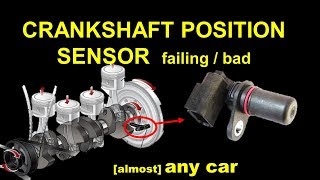
- YouTube video on a Skoda with P0322 (2005 Skoda Octavia 2.0 TDI (Note: Different vehicle, but demonstrates a universal failure mode for this code)) — Cranked but would not start. After extended cranking, it would start but run poorly. Code P0322 was present.
❌ Tried (didn't work) The owner noted that many others online had replaced the sensor without fixing the issue.
✅ What actually fixed it The owner found a broken wire in the harness leading to the sensor. After splicing in a new wire to bypass the break, the engine started and ran normally. This confirms that a wiring fault, not just a sensor failure, is a valid cause. - YouTube video on a Ford Focus with P0322 (2012 Ford Focus (Note: Different model, but demonstrates a common Ford failure)) — Engine cranks but does not start. Code P0322 was the only code stored.
✅ What actually fixed it Visual inspection revealed the crankshaft position sensor housing was physically cracked and broken. Replacing the sensor, even with a used one, immediately resolved the no-start condition.
OEM Part Supersession History
7T4Z-6C315-B→AT4Z-6C315-A— Part revision by manufacturer, likely for improved durability or material changes.AT4Z-6C315-A→AA5Z-6C315-A— Further part revision by manufacturer. This is the most current OEM part number.
Heads up: AA5Z-6C315-A is the correct replacement for the entire 2011-2019 model range.
Model Year Variations Within This Range
- 2016-2019: The Ford Explorer received a significant refresh for the 2016 model year, including revised front-end styling and some interior updates. However, the base 3.5L Cyclone V6 engine and the location/function of the crankshaft position sensor remained consistent with the 2011-2015 models. Therefore, the diagnostic and repair procedure for P0322 is the same across the entire 2011-2019 generation.
Diagnostic Flowchart
Other Known Issues on This Vehicle
Issues unrelated to this code that are worth knowing about as an owner of this generation:
- Internal Water Pump Failure 🔴 High — Commonly occurs between 80,000-120,000 miles. Failure can be catastrophic to the engine if not addressed. (Ref: No recall, but subject of class-action lawsuits. A known issue across the 3.5L/3.7L Cyclone engine family.)
- Power Transfer Unit (PTU) Failure (AWD Models) 🔴 High — The PTU fluid can overheat and break down, leading to gear and bearing failure. Ford claimed the fluid was 'lifetime,' but regular changes (every 30k miles) are recommended by independent shops to prevent failure. (Ref: No recall, but a widely documented chronic problem.)
- Exhaust Odor in Cabin 🟠 Medium — Many owners report an exhaust or sulfur smell inside the cabin, especially during heavy acceleration or with the A/C on recirculate. (Ref: Ford issued multiple TSBs (e.g., TSB 16-0166) to address the issue by sealing body gaps and reprogramming the HVAC, but no recall was issued after a lengthy NHTSA investigation.)
- Throttle Body Malfunction 🟠 Medium — Failure of the electronic throttle body can cause the vehicle to enter 'limp mode' with sudden loss of power. (Ref: Subject of a Customer Satisfaction Program in earlier models, but can still be a failure point.)
- Cracked Exhaust Manifolds 🟡 Low — The exhaust manifolds can develop cracks, leading to an audible ticking noise and potentially contributing to exhaust smells in the cabin.
Used vs. New Parts: Buying Guide for This Vehicle
When a used part is the smart pick: For a critical, low-cost electronic sensor like the CKP, buying a used part is generally not recommended. The risk of receiving a part that is near the end of its service life or is already faulty is high. A used part should only be considered for a temporary, emergency repair while waiting for a new part to arrive.
Donor-vehicle mileage cap: roughly under 50000 miles for the part to have meaningful remaining life.
What to inspect on the donor part:
- Visually inspect for any cracks, melting, or physical damage to the sensor body and connector.
- Ensure the connector pins are straight and free of corrosion.
- If possible, test the resistance of the used sensor with a multimeter to see if it falls within the specified range.
OEM-only on this vehicle (don't cheap out):
- Crankshaft Position Sensor: While some aftermarket brands are reliable, using an OEM Motorcraft sensor is highly recommended for this critical component to ensure proper signaling and longevity.
Aftermarket brands forum-validated for this vehicle:
- NTK/NGK
- Delphi
- Hitachi
Brands owners have reported issues with on this vehicle:
- No-name, unbranded sensors from online marketplaces should be avoided due to a high likelihood of premature failure or incorrect signal output.
Real Owner Stories
Aggregated from forums and TSBs cited above. Mileages and costs reflect what owners reported in those sources.
2011-2019 Ford Explorer 3.5L V6
Symptoms: The engine would crank but would not start. A visual inspection revealed the crankshaft position sensor was physically cracked.
What fixed it: Replacement of the crankshaft position sensor.
Source hint: YouTube - 'FORD NO START PROBLEM DTC P0322 EASY FAST FIX'
2011-2017 Ford F-150 3.5L/3.7L V6
Symptoms: Experienced a P0322 code with detailed electrical concerns including potential open circuits or shorts to ground within the sensor circuit.
What fixed it: Diagnostic steps focused on the sensor's circuit and wiring harness integrity.
Source hint: Ford F150 Forum - 'Please Help with p0322'
Related OBD-II Codes
Frequently Asked Questions
Where is the crankshaft position sensor located on my 2011-2019 Ford Explorer 3.5L?
My Explorer stalls when it warms up; could this be the P0322 code?
Is there a TSB for the exhaust smell in my Explorer cabin while I'm diagnosing this?
Do I need to perform a special relearn procedure after replacing the sensor on my 3.5L Cyclone V6?
What should the resistance be for a new CKP sensor on this Ford engine?
Can a failing water pump cause issues related to these sensors on the 3.5L Explorer?
Helpful Videos


We Have This Part in Stock


The information in this article is provided for general reference and educational purposes only. Vehicle specifications, procedures, and part compatibility can vary by production date, trim level, and region. Always consult your vehicle's factory service manual and verify part numbers before purchasing or performing repairs. Safety-critical components such as airbags, seat belts, and braking systems should be installed by a qualified professional.
- Ford Explorer:
- 🧭 Diagnostic Flowchart
- 🎬 Helpful Videos
- 🛍️ Shop This Part
- What's Unique About the 2011-2019 Ford Explorer
- Symptoms You May Notice
- Most Likely Causes
- Rare But Worth Checking
- Diagnosis Steps
- Parts You'll Likely Need
- Related Codes That Often Appear With This One
- Platform-Specific Known Issues
- Technical Service Bulletins (TSBs) & Recalls
- Mechanic-Grade Diagnostic Values
- Scan Tool Commands That Help
- Wiring & Ground Locations
- Real Owner Repair Stories
- OEM Part Supersession History
- Model Year Variations Within This Range
- Other Known Issues on This Vehicle
- Used vs. New Parts: Buying Guide for This Vehicle
- Real Owner Stories
- 2011-2019 Ford Explorer 3.5L V6
- 2011-2017 Ford F-150 3.5L/3.7L V6
- Related OBD-II Codes
- Frequently Asked Questions
- 🎟️ Get 5% Off