

P0322 on 2017-2020 Genesis G80 3.8L: Crank Sensor Failure, No Start Causes, and Fixes
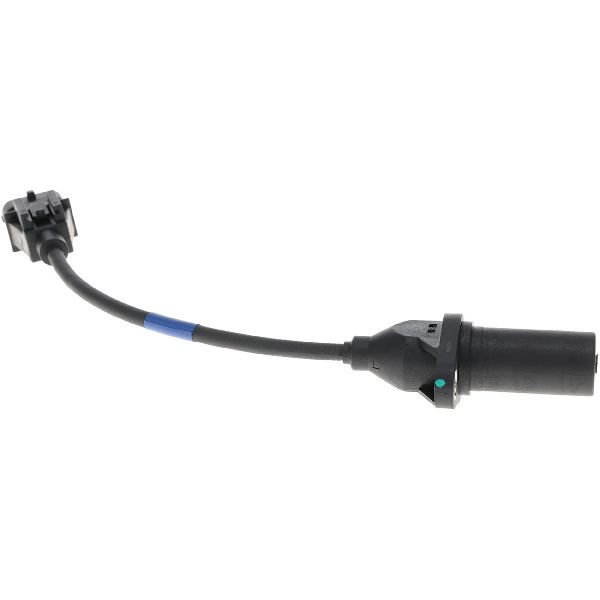
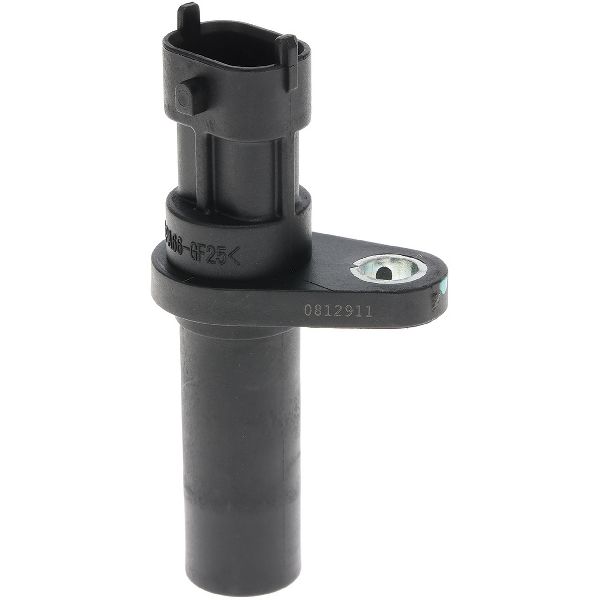
P0322 on a Genesis G80 3.8L almost always means the crankshaft position sensor has failed, causing a crank-no-start or sudden stalling. The engine's computer is not receiving a signal indicating the engine is turning. Expect to pay ~$85-$120 for a genuine OEM sensor (Part # 39310-3C410); replacement is the most common fix.
- P0322 on this Genesis G80 means the engine's computer has lost the crankshaft speed signal, which is a critical failure.
- The most common symptom is the engine cranking but not starting, or stalling unexpectedly while driving.
- Do not drive the vehicle. A sudden stall is a major safety risk.
- The most likely fix is replacing the crankshaft position sensor (OEM Part # 39310-3C410).
- Before replacing the sensor, always inspect its wiring and connector for obvious damage, as this is a possible and cheaper fix.
What's Unique About the 2017-2020 Genesis G80
On the Genesis G80 with the 3.8L Lambda II V6, the P0322 code is a very direct pointer to a problem with the crankshaft position sensor system. While the code is generic, Hyundai/Genesis issued a Technical Service Bulletin (TSB 15-AT-006) for the same engine in the previous model year that addresses issues with the crank sensor and its reluctor wheel, indicating this is a known area for potential faults. The failure is often a faulty sensor itself, which can become heat-sensitive and fail intermittently before failing completely. On this direct-injection engine, the loss of the crank signal is catastrophic for engine operation, as the PCM will immediately cut fuel and spark as a precaution.
Symptoms You May Notice
- Engine cranks but will not start
- Engine stalls suddenly while driving, especially when warm
- Intermittent starting problems
- Tachometer (RPM gauge) drops to zero or behaves erratically while the engine is cranking or running
- Check Engine Light is illuminated
- Reduced engine power or hesitation before stalling
- Replacing the Camshaft Position Sensor(s). The 3.8L V6 has four camshaft sensors. A fault with one of them would set a different code (e.g., P0340, P0345). P0322 is specific to the crankshaft speed input.
- Replacing fuel system components like the fuel pump, assuming the no-start is a fuel issue without checking for an RPM signal first.
Most Likely Causes
- Failed Crankshaft Position Sensor (CKP) 🔴 High Probability → Shop Engine Crankshaft Position Sensor Heat and vibration are common causes of failure for these sensors. A TSB for the platform points to potential issues with the crank sensing system, suggesting it's a known weak point. The sensor is a common failure item across the Hyundai/Kia/Genesis lineup using the Lambda V6.
How to confirm: With a scan tool, check for engine RPM data while cranking. If the RPM reads '0' while the engine is turning over, the PCM is not receiving a signal. The sensor is located on the transmission bellhousing near the engine.
Typical fix: Replace the crankshaft position sensor. It is highly recommended to use a genuine Hyundai/Genesis part to ensure compatibility and longevity.
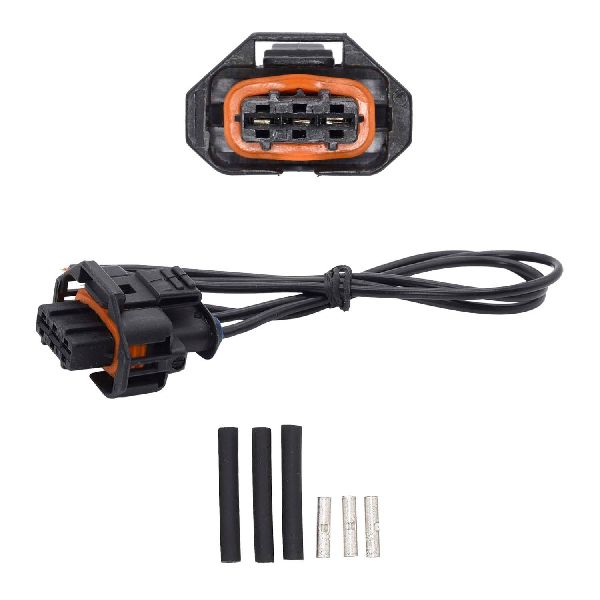
Est. part cost: $85-$120 - Wiring Harness or Connector Issue 🟡 Medium Probability The sensor wiring is located in a high-heat area near the engine and transmission, making it susceptible to damage over time. Wires can become brittle, and connectors can be contaminated by oil or debris.
How to confirm: Visually inspect the wiring harness leading to the crankshaft position sensor for any signs of melting, chafing, or breaks. Check the connector for corrosion, bent pins, or a loose connection. A poor ground connection at the starter/bell housing can also introduce electrical noise and cause this code.
Typical fix: Repair the damaged section of the wiring harness or clean/replace the connector. Ensure all ground points are clean and tight.
Est. part cost: $10-$50
Rare But Worth Checking
- Damaged Reluctor Wheel (Drive Plate): A TSB for the 2015 model with the same engine mentions that the reluctor wheel (called a drive plate) can be out of specification, causing misfires and crank sensor-related codes. This is a major repair requiring transmission removal.
- Faulty Powertrain Control Module (PCM): → Shop Engine Control Module (ECM) This is extremely rare. The PCM should only be considered after all other possibilities, including the sensor and its entire circuit, have been exhaustively tested and ruled out.
Diagnosis Steps
- Connect an OBD-II scanner and confirm the P0322 code is present. Check for any other codes.
- Monitor the 'Engine RPM' data PID on the scanner while cranking the engine. If it remains at 0, the PCM is not getting a signal. This is the most crucial diagnostic step.
- Perform a visual inspection of the crankshaft position sensor and its connector, located on the transmission bellhousing. Look for loose connections, damaged wires, or corrosion.
- Inspect the wiring harness for any signs of heat damage, chafing against other components, or breaks.
- If the wiring looks good, the most probable cause is a failed sensor.
- For advanced testing: Use a multimeter to check for 5V reference power, ground, and a fluctuating signal voltage at the sensor connector with the key on. This requires a vehicle-specific wiring diagram.
- If the sensor and wiring are confirmed to be good, the issue could be a damaged reluctor ring or, in very rare cases, the PCM itself.
Parts You'll Likely Need
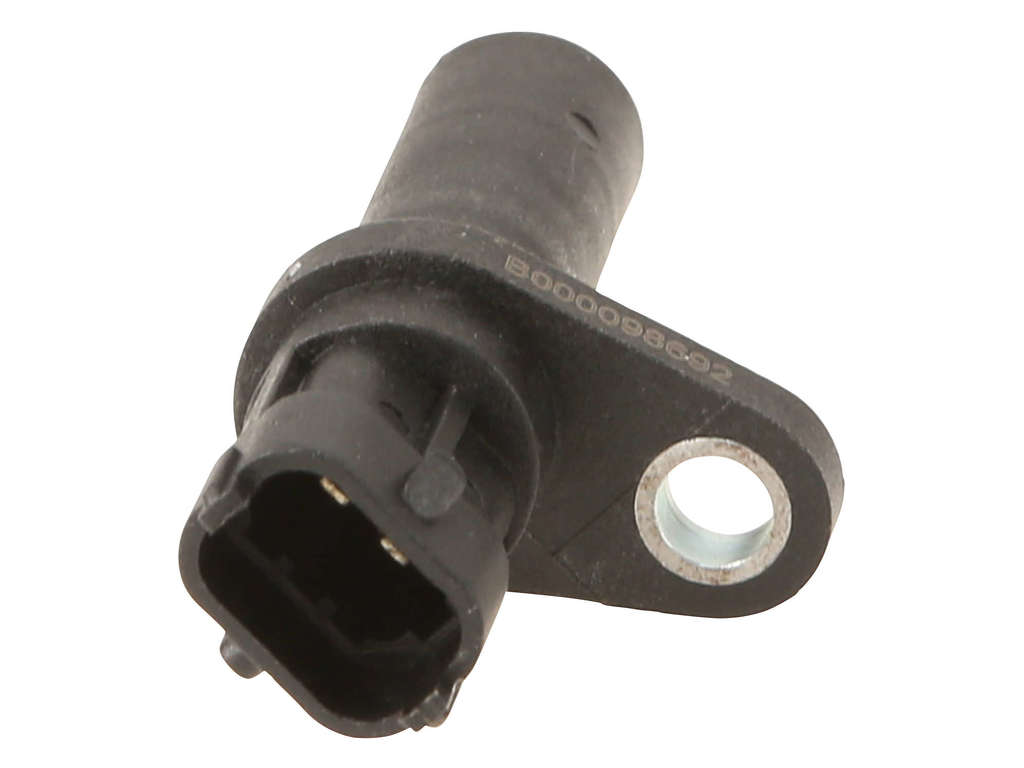
- Crankshaft Position Sensor
(OEM #39310-3C410)— This is the most common failure component for code P0322 on this engine, often failing due to heat and age. It is the primary source for the engine speed signal.
Trusted brands: Hyundai (Genuine OEM), Hitachi, Walker Products, Duralast
OEM price range: $85-$120
Aftermarket price range: $40-$80
Technical Service Bulletins (TSBs) & Recalls
- 15-AT-006: While for the 2015 model, this TSB addresses crank sensor and reluctor wheel issues on the same DH platform and 3.8L engine, confirming the part number and pointing to the system as a known area of concern.
Mechanic-Grade Diagnostic Values
- Crankshaft Position Sensor (CKP) Internal Resistance — expected: Approximately 850 - 920 Ohms. Failure: A reading of 'OL' (Open Loop) or extremely high resistance indicates an internal failure of the sensor coil. A very low reading suggests a short.
- Crankshaft Position Sensor (CKP) AC Voltage Output — expected: 0.3 - 1.5+ VAC while cranking. Failure: A reading of 0 VAC while the engine is cranking confirms the sensor is not generating a signal. The voltage should increase with engine speed.
- Sensor Connector Reference Voltage (for 3-wire Hall Effect type, if applicable) — expected: ~5.0 V DC with Key On, Engine Off. Failure: Voltage below 4.5V or 0V indicates a problem with the PCM's reference circuit or the wiring, not necessarily the sensor itself.
Scan Tool Commands That Help
- Hyundai GDS (or equivalent professional scanner): Live Data PID: 'Engine RPM' — This is the primary diagnostic function for P0322. While cranking the engine, this PID should show a value (typically >150 RPM). If it remains at '0', it confirms the PCM is not receiving a signal from the CKP sensor.
Wiring & Ground Locations
- 91885-D2010 — Engine Bay. This is the OEM part number for the 'Wiring Assy-Engine Ground' on the 3.8L G80. A compromised engine ground can cause a host of electrical issues, including erratic or missing sensor signals. Verifying the integrity of this harness and its connection points is a critical step if wiring is suspected.
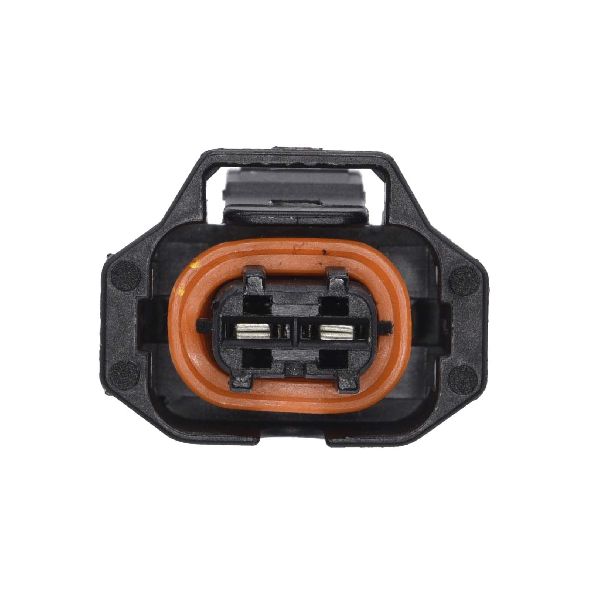
- CKP Sensor Connector — On the transmission bellhousing, where the engine and transmission meet.. This is the most common point of failure besides the sensor itself. It is exposed to high heat and vibration, which can cause the connector to become brittle, loose, or contaminated with oil, disrupting the signal path.
Real Owner Repair Stories
- Commonly reported scenario on Hyundai/Genesis forums (Hyundai/Genesis with Lambda V6, typically over 80,000 miles) — Car runs perfectly for short trips. After a longer drive (30+ minutes), if the car is shut off and sits for 10-20 minutes (heat soak), it will crank but refuse to start. After cooling down completely for an hour or more, it starts normally. P0322 is stored.
❌ Tried (didn't work) Checking battery and alternator (both test good)., Assuming it's a fuel vapor lock issue.
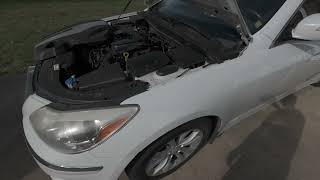
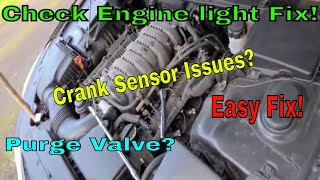
✅ What actually fixed it Replacing the crankshaft position sensor with a new OEM part. 🎬 See this step-by-step crankshaft sensor replacement walkthrough The internal coil windings of the original sensor had become heat-sensitive; they would expand when hot, creating an open circuit, and then work again once cooled. This is a classic thermal failure mode for these sensors.
Model Year Variations Within This Range
- 2017-2020: The Genesis G80 received a facelift for the 2018 model year, which included cosmetic updates and the introduction of a 3.3T engine option. However, for the 3.8L V6 powertrain, the engine and its critical sensors, including the crankshaft position sensor (PN 39310-3C410), remained consistent throughout this period.
Diagnostic Flowchart
Other Known Issues on This Vehicle
Issues unrelated to this code that are worth knowing about as an owner of this generation:
- ABS Module Fire Risk 🔴 High — Affects a large number of 2017-2020 models, subject to a major safety recall. Can occur while parked or driving. (Ref: NHTSA Recall 21V-161.)
- Failing Oil Pressure Switch/Sensor 🟠 Medium — Common around 80k-130k miles. Causes the oil pressure light to flicker at low RPMs, even with correct oil level. Repair is labor-intensive and costly.
- GDI Carbon Buildup on Intake Valves 🟠 Medium — A universal issue for all direct-injection engines, including the Lambda II. Typically becomes noticeable after 60,000-100,000 miles, causing rough idle, misfires, and reduced performance.
- Electronic Parking Brake (EPB) Malfunctions 🟡 Low — Owners report intermittent failure of the EPB to auto-release, or warning lights staying on. Often resolved by a vehicle restart or checking brake fluid levels.
- Infotainment/Instrument Cluster Screen Rebooting/Flickering 🟠 Medium — Affects some 2017-2020 models, though more prevalent in later model years. Can be caused by software glitches. (Ref: Multiple software-related recalls on newer Genesis models address similar issues.)
Used vs. New Parts: Buying Guide for This Vehicle
When a used part is the smart pick: For this specific repair, using a used part is NOT recommended. The primary failure mode of the crankshaft position sensor is degradation from heat cycles over time. A used sensor from a junkyard has unknown heat cycle history and is likely to fail soon, if it works at all. A used wiring pigtail could be considered if the original connector is physically broken and a new one is unavailable.
What to inspect on the donor part:
- Not applicable as used sensors are not recommended.
OEM-only on this vehicle (don't cheap out):
- Crankshaft Position Sensor: Due to its critical role in engine timing, using a non-OEM sensor is a significant risk. Aftermarket sensors may have slightly different resistance values or signal patterns that can cause subtle drivability issues or fail prematurely. Given the relatively low cost of the OEM part, it is the strongly recommended choice.
Aftermarket brands forum-validated for this vehicle:
- Hitachi: Hitachi is a known OEM supplier for many Japanese and Korean automakers. If an OEM part is unavailable, a Hitachi-branded sensor is often considered a reliable alternative.
Brands owners have reported issues with on this vehicle:
- Generic, unbranded 'white-box' parts from online marketplaces. These often have poor quality control and a high failure rate, leading to repeated repairs.
Real Owner Stories
Aggregated from forums and TSBs cited above. Mileages and costs reflect what owners reported in those sources.
2018 Genesis G80 3.8L V6
Symptoms: The owner experienced an electronic parking brake issue and sought community advice on diagnosing electrical faults, emphasizing starting with simple checks before dealer intervention.
What fixed it: Community members recommended performing simple electrical checks and visual inspections of connectors for corrosion or loose pins.
Source hint: reddit.com/r/GenesisMotors thread regarding a 2018 G80
2017-2020 Genesis G80 3.8L V6
Symptoms: Owners reported a 'crank-no-start' condition where the engine would turn over but fail to fire, specifically noting that the tachometer (RPM gauge) remained at zero during the attempt.
What fixed it: Replacement of the crankshaft position sensor with a genuine part.
Source hint: genesisforums.org threads discussing 'crank-no-start' on Lambda V6 engines
Related OBD-II Codes
Frequently Asked Questions
Does TSB 15-AT-006 apply to my 2017-2020 Genesis G80 3.8L?
My G80's tachometer stays at zero while I'm trying to start the car. Is this related to P0322?
Can I use a used crankshaft position sensor from a salvage yard to save money?
Is there a specific brand I should look for if I can't find a genuine Genesis sensor?
Could my G80's stalling issue be related to the major ABS recall?
Where is the crankshaft position sensor located on the 3.8L Lambda II engine?
Helpful Videos
We Have This Part in Stock


The information in this article is provided for general reference and educational purposes only. Vehicle specifications, procedures, and part compatibility can vary by production date, trim level, and region. Always consult your vehicle's factory service manual and verify part numbers before purchasing or performing repairs. Safety-critical components such as airbags, seat belts, and braking systems should be installed by a qualified professional.
- Genesis G80:
- 🧭 Diagnostic Flowchart
- 🎬 Helpful Videos
- 🛍️ Shop This Part
- What's Unique About the 2017-2020 Genesis G80
- Symptoms You May Notice
- Most Likely Causes
- Rare But Worth Checking
- Diagnosis Steps
- Parts You'll Likely Need
- Technical Service Bulletins (TSBs) & Recalls
- Mechanic-Grade Diagnostic Values
- Scan Tool Commands That Help
- Wiring & Ground Locations
- Real Owner Repair Stories
- Model Year Variations Within This Range
- Other Known Issues on This Vehicle
- Used vs. New Parts: Buying Guide for This Vehicle
- Real Owner Stories
- 2018 Genesis G80 3.8L V6
- 2017-2020 Genesis G80 3.8L V6
- Related OBD-II Codes
- Frequently Asked Questions
- 🎟️ Get 5% Off