

P0324 on 2014-2015 Chevrolet Spark: Knock Control System Error Causes and Fixes
On a 2014-2015 Chevy Spark, code P0324 is often caused by noisy hydraulic lifters after the car has sat for a long time, which the computer mistakes for engine knock. The fix, per a GM Technical Service Bulletin, is often to simply run the engine for an hour to re-pressurize the lifters. If that doesn't work, the knock sensor itself may be faulty.
- Before buying any parts for a P0324 on a 2014-2015 Spark, try the fix in TSB #PIP5251B: run the engine for up to an hour using the specified procedure to quiet noisy lifters.
- The most common symptoms are a Check Engine Light and an audible ticking or rattling noise from the engine, especially after it has been sitting.
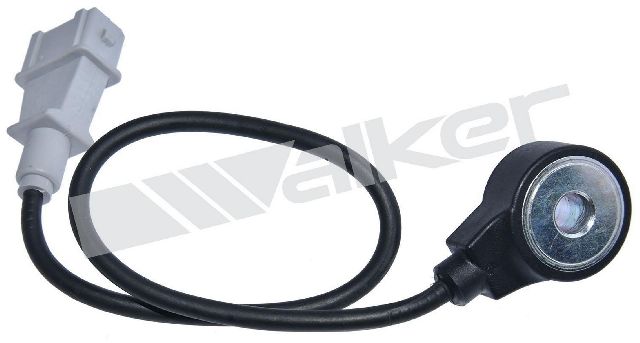
- If the engine running procedure doesn't work, the next most likely cause is a failed knock sensor (GM Part #96985767).
- Driving is possible, but you'll experience reduced power and could risk engine damage if a true knock condition exists.
What's Unique About the 2014-2015 Chevrolet SPARK
For the 2014-2015 Spark with the 1.2L LLO engine, this code has a very specific and unusual cause documented by General Motors in TSB #PIP5251B. If the vehicle has been sitting for an extended period (common for new cars on dealer lots or cars stored for a season), the hydraulic lash adjusters (lifters) can lose oil pressure and become 'spongy'. This creates a ticking or rattling noise that the highly sensitive knock sensor system incorrectly interprets as engine knock, triggering the P0324 code. 🎬 Watch: A breakdown of P0324 causes and common fixes. This issue is so common that GM issued a special procedure to address it before replacing any parts, as a new sensor will simply detect the same noise and trigger the code again.
Diagnostic Flowchart
Tap your situation to follow the diagnostic path that matches what you're seeing on this vehicle.
Symptoms You May Notice
- Check Engine Light is on.
- Audible rattling, ticking, or 'spark knock' type noise from the engine, especially on a cold start.
- Reduced engine power and performance.
- Hesitation or sluggishness during acceleration, especially from a stop.
- Decreased fuel economy.
- Replacing the knock sensor immediately without first performing the TSB procedure for spongy lifters. This can lead to unnecessary expense as the new sensor will still detect the lifter noise and re-trigger the code, as experienced by at least one owner on Reddit.
Most Likely Causes
- Spongy Hydraulic Lifters Due to Oil Bleed-Down 🔴 High Probability This is a well-documented issue in GM Technical Service Bulletin #PIP5251B for this specific vehicle and engine. It occurs when the car sits for an extended period, allowing oil to drain from the hydraulic lash adjusters (lifters). The ECM then misinterprets the resulting valvetrain noise 🎬 See how GM lifter issues can cause engine ticking. as detonation.
How to confirm: The noise is most prominent on a cold start after the vehicle has been parked for a while. Follow the procedure in TSB #PIP5251B: check the oil level, then let the engine idle for one hour. Every 15 minutes, increase the RPM to 2000 for 5 minutes. If the noise disappears, this was the cause. The TSB provides slightly different procedures for automatic and manual transmissions.
Typical fix: No parts needed initially. Run the engine as described in the TSB to allow the lifters to fill with oil and quiet down. Clear the code and road test the vehicle to confirm the fix.
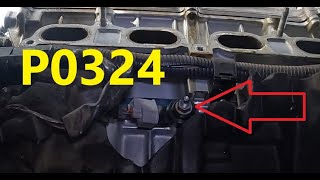
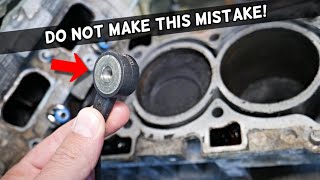
Est. part cost: $0 - Faulty Knock Sensor 🟡 Medium Probability → Shop Ignition Knock (Detonation) Sensor Like any sensor, it can fail over time due to heat and vibration. It is located on the engine block, under the intake manifold, making it susceptible to harsh conditions.
How to confirm: If the engine running procedure does not resolve the code and noise, the sensor itself is the next likely culprit. A mechanic can test the sensor's output signal with an oscilloscope or test its internal resistance with a multimeter. A Reddit user reported replacing the sensor only to have the code return, highlighting the importance of ruling out the lifter noise first.
Typical fix: Replace the knock sensor. This requires accessing the back of the engine block, typically from underneath the car. 🎬 Learn more about knock sensor location and function.
Est. part cost: $20-$75 - Damaged Wiring or Loose Connector ⚪ Low Probability
How to confirm: Visually inspect the wiring harness leading to the knock sensor for any signs of fraying, melting (especially near the exhaust), or corrosion. Check that the electrical connector is clean and securely fastened to the sensor.
Typical fix: Repair the damaged section of the wiring harness or clean/replace the connector.
Est. part cost: $5-$50
Rare But Worth Checking
- Internal Engine Problem: If the noise persists after trying the TSB procedure and replacing the knock sensor, it could indicate a more serious mechanical issue inside the engine that is causing a true knock, such as a worn camshaft lobe as one owner discovered. This requires professional diagnosis.
- Faulty Engine Control Module (ECM): → Shop Engine Control Module (ECM) This is very rare, but the ECM can fail internally and cause this code. All other possibilities should be exhausted before considering ECM replacement.
Diagnosis Steps
- Check the engine oil level and top off if necessary. Ensure the correct oil viscosity is being used.
- Scan the vehicle for any other stored trouble codes. Address other codes first if present.
- Listen for an audible rattle or ticking noise from the engine, especially on a cold start.
- Follow the specific procedure outlined in TSB #PIP5251B. For automatic transmissions: idle for 10 seconds, then with the brake held and in 'Drive', raise RPM to 1800-2000 for 10 seconds, then idle for 5 seconds. Repeat this cycle 7 times. For manual transmissions, a similar procedure involving driving the car is specified. A more general version involves idling for an hour and raising RPM to 2000 for 5 minutes every 15 minutes.
- If the noise is gone, clear the DTC and test drive to confirm the fix.
- If the noise or code persists, perform a visual inspection of the knock sensor and its wiring harness for damage, corrosion, or loose connections. The sensor is located on the back of the engine block, under the intake manifold.
- If the wiring is intact, test the knock sensor's signal with a multimeter or oscilloscope to confirm it is functioning correctly.
- If the sensor tests bad, replace the knock sensor. The OEM GM part number is 96985767.
- If the sensor and wiring are good but the code remains, the issue may be a more complex mechanical problem (like valvetrain wear) or a rare ECM fault, which may require professional diagnosis.
Parts You'll Likely Need
- Knock Sensor
(OEM #96985767)— If the TSB procedure for noisy lifters does not resolve the issue, the sensor itself may have failed.
Trusted brands: GM Genuine, ACDelco, Standard Motor Products, TRQ
OEM price range: $20-$35
Aftermarket price range: $18-$30
Related Codes That Often Appear With This One
- P0325 — P0325 indicates a 'Knock Sensor 1 Circuit Malfunction'. It can appear alongside P0324 if the ECM detects both a general system error and a specific electrical fault in the sensor's circuit.
Technical Service Bulletins (TSBs) & Recalls
- PIP5251B: Malfunction Indicator Lamp Illuminated With DTC P0324 And / Or Spark Knock (Detonation) Type Noise. This bulletin details the cause (spongy hydraulic lifters) and the specific engine-running procedure to fix it without replacing parts. It supersedes PIP5251A.
- 14076: Service Update for Inventory Vehicles Only - Engine Noise - DTC P0324. This bulletin, which expired in 2015, provided a test procedure for dealership inventory vehicles that could result in piston replacement if knock retard readings were too high.
Platform-Specific Known Issues
- A primary cause for P0324 on this vehicle is noisy hydraulic lifters after the car has sat for an extended period, which is misinterpreted by the ECM as detonation. This is documented in TSB #PIP5251B.
- Another TSB, #14076, was released for inventory vehicles, also referencing engine noise and P0324, indicating this was a known issue from the factory. In some cases, this bulletin could lead to piston assembly replacement if a specific diagnostic test failed.
Mechanic-Grade Diagnostic Values
- Knock Sensor Internal Resistance — expected: 93 kOhms to 107 kOhms. Failure: A reading of open (OL) or significantly outside this range indicates a faulty sensor.
- Knock Sensor AC Voltage (Tapping Test) — expected: A small AC voltage signal (e.g., 50mV to 1V) should be generated.. Failure: No voltage signal when tapping the engine block near the sensor indicates a dead sensor or wiring issue.
- Live Data: Total Knock Retard Parameter — expected: Should be minimal or zero on a healthy, non-knocking engine.. Failure: High or erratic values, especially when correlated with audible engine noise, point towards either real or false knock detection.
Scan Tool Commands That Help
- GDS2 (GM Dealer Tool): Data Display > Ignition Data > Total Knock Retard Parameter — This is the specific live data parameter GM directs technicians to monitor when diagnosing P0324 on this vehicle, especially when investigating the lifter noise issue described in TSBs.
Wiring & Ground Locations
- ECM Pin 12 (Connector X1) — On the K20 Engine Control Module (ECM), which is located near the battery.. This is the specific pin that receives the signal from the knock sensor. Testing for continuity and voltage at this pin can confirm if the signal is reaching the ECM. The wire is typically White with a Gray stripe (WH/GY).
- G104 — An engine ground point located near the starter motor.. A poor engine ground can introduce electrical noise into sensor circuits, potentially causing the ECM to misinterpret the knock sensor signal and set a false P0324 code. Ensuring this ground is clean and tight is a critical step in diagnosing electrical issues.
Helpful Videos
We Have This Part in Stock


The information in this article is provided for general reference and educational purposes only. Vehicle specifications, procedures, and part compatibility can vary by production date, trim level, and region. Always consult your vehicle's factory service manual and verify part numbers before purchasing or performing repairs. Safety-critical components such as airbags, seat belts, and braking systems should be installed by a qualified professional.
- Chevrolet SPARK:
- 🧭 Diagnostic Flowchart
- 🎬 Helpful Videos
- 🛍️ Shop This Part
- What's Unique About the 2014-2015 Chevrolet SPARK
- Symptoms You May Notice
- Most Likely Causes
- Rare But Worth Checking
- Diagnosis Steps
- Parts You'll Likely Need
- Related Codes That Often Appear With This One
- Technical Service Bulletins (TSBs) & Recalls
- Platform-Specific Known Issues
- Mechanic-Grade Diagnostic Values
- Scan Tool Commands That Help
- Wiring & Ground Locations
- 🎟️ Get 5% Off