

P0325 on 2012-2016 Chevrolet Impala 3.6L V6: Knock Sensor Circuit Malfunction Causes and Fixes
P0325 means the Bank 1 knock sensor circuit has failed. On the 3.6L V6, this is the sensor on the rear of the engine block (firewall side). The most likely cause is a failed sensor or damaged wiring. A replacement sensor costs about $30-$70 for a quality aftermarket part. Unlike many other GM V6s, the sensors on the Impala LFX are on the outside of the block, making for a much easier repair.
- P0325 points to an electrical fault with the rear knock sensor (Bank 1) or its wiring.
- On this specific Impala, the sensor is on the outside of the engine block, making it a feasible DIY replacement without removing the intake manifold.
- Before replacing the sensor, always inspect the wiring and connector for damage, as this is a common point of failure.
- Use a quality replacement part (like ACDelco or Delphi) and torque it to exactly 18 lb-ft to ensure it functions correctly.
- The OEM part number for the sensor is 12729597, which fits both Bank 1 and Bank 2.
What's Unique About the 2012-2016 Chevrolet Impala
The 2012-2016 Impala range covers two generations (9th and 10th) that both used the 3.6L LFX V6. Unlike many other GM vehicles with this engine family that bury the knock sensors under the intake manifold, the Impala has them mounted externally on the engine block. This makes replacement significantly easier and cheaper, turning a 4+ hour job into one that can be done in under 2. 🎬 Watch this walkthrough for replacing the Impala's external knock sensor. While P0325 is a circuit code, it's worth noting that GM issued a TSB (PIP5529B) for these vehicles regarding loose intake manifold bolts, which can cause various performance issues and trigger other knock-related codes like P0324 and P0326.
Generation note: This range includes the end of the ninth generation (2012-2013, and the 'Limited' fleet model 2014-2016) and the beginning of the tenth generation (2014-2016). Both generations use the 3.6L LFX V6 with a similar transverse layout. The knock sensors are located on the exterior of the engine block on both, though access may vary slightly between body styles.
Symptoms You May Notice
- Check Engine Light is on
- Reduced engine power and sluggish acceleration
- Noticeably worse fuel economy
- Engine may make an audible pinging or knocking noise, especially under load
- Vehicle may feel jerky or hesitate during acceleration
- Rough or uneven idle
- Replacing the wrong sensor. P0325 is for Bank 1, which is the sensor on the rear (firewall side) of the engine. Bank 2 is on the front (radiator side) and is much easier to see and access.
- Ignoring TSB for loose intake manifold bolts. While TSB PIP5529B doesn't list P0325 directly, it does list other knock codes (P0324, P0326, P0331). A vacuum leak from a loose intake can cause lean conditions and audible knocking, leading to confusion. Checking the intake bolt torque is a quick and easy preventative step.
Most Likely Causes
- Failed Bank 1 Knock Sensor 🔴 High Probability → Shop Ignition Knock (Detonation) Sensor The sensor is located in a high-heat area on the back of the engine block, and constant heat cycles and vibration can cause the internal piezoelectric element to fail over time. Corrosion from moisture is also a common failure mode.
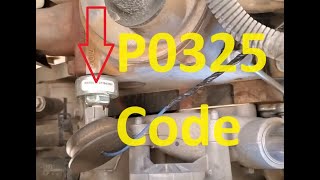
How to confirm: After checking wiring, test the sensor's resistance with a multimeter. A good GM knock sensor should typically read between 93-110 kOhms. An open circuit (infinite resistance) or a reading far outside this range indicates a failed sensor. 🎬 See how to diagnose and fix common P0325 circuit causes. A more advanced test involves using an oscilloscope to watch the sensor's output while tapping lightly on the engine block near the sensor; a good sensor will generate a clear AC voltage spike.
Typical fix: Replace the Bank 1 knock sensor. It is located on the rear of the engine block, facing the firewall. Access is from underneath the vehicle, and may be easier by removing the passenger side front wheel. It is critical to torque the new sensor to the correct specification, typically 18 lb-ft (25 Nm), as over or under-tightening can cause incorrect readings.
Est. part cost: $30-$70 - Damaged Wiring or Connector 🟡 Medium Probability The wiring harness runs in a hot, tight environment. It can become brittle, chafe against other components, or the connector can be damaged by heat, oil, and moisture. The plastic connector itself can become brittle and fail, or the pins can corrode.
How to confirm: Visually inspect the wiring harness leading to the Bank 1 knock sensor for any signs of melting, chafing, or breaks. Check the connector for corrosion, bent pins, or a broken locking tab. Use a multimeter to check for continuity between the sensor connector and the ECM connector. Check for a 2.5V to 5V reference voltage on the signal wire with the key on, engine off.
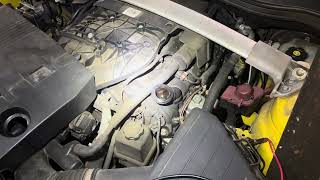
Typical fix: If the connector is damaged, replace it with a new pigtail connector. If the wire is broken, repair the damaged section using solder and heat-shrink tubing. 🎬 Watch this guide on replacing a bad knock sensor. In severe cases, the engine harness may need to be replaced.
Est. part cost: $15-$40 for a pigtail
Rare But Worth Checking
- Loose Knock Sensor: → Shop Ignition Knock (Detonation) Sensor The sensor must be torqued to a specific value (18 lb-ft) to function correctly. If it has been replaced before or worked loose, it can cause a circuit fault or poor performance. Check that the bolt is tight before replacing the sensor.
- Faulty Engine Control Module (ECM): → Shop Engine Control Module (ECM) This is very rare. The ECM's internal driver for the knock sensor circuit can fail. This should only be considered after all other possibilities, including the sensor and wiring, have been exhaustively tested. In one documented case on a 2014 Impala, a shop replaced sensors and the ECM to no avail, suggesting deep-seated wiring issues are more likely than a bad computer.
Diagnosis Steps
- Scan for any other trouble codes to get a complete picture of the issue.
- Visually inspect the Bank 1 knock sensor on the rear of the engine block. Access is from below, potentially requiring removal of the passenger-side wheel. Check its connector for security and look for any obvious damage to the wiring harness leading to it.
- Check the torque on the knock sensor mounting bolt. It should be 18 lb-ft (25 Nm).
- Disconnect the sensor and test its resistance using a multimeter. The reading should be between 93-110 kOhms. If it's an open circuit or far out of spec, the sensor is bad.
- If the sensor tests good, check the wiring. Test for continuity on both wires from the sensor connector back to the ECM connector. Check for any shorts to ground or shorts to power. Verify you have a 2.5V to 5V reference signal at the connector with the key on.
- A definitive test is to use an oscilloscope to monitor the sensor's AC voltage signal while tapping on the engine block near the sensor. A good sensor will produce a clear spike on the scope.
- If both the sensor and wiring are confirmed to be good, the issue may lie within the ECM, but this is extremely unlikely.
- As a precautionary step, it is wise to check the torque on the intake manifold bolts per TSB PIP5529B, as this is a known issue on the LFX engine that can cause performance problems.
Parts You'll Likely Need
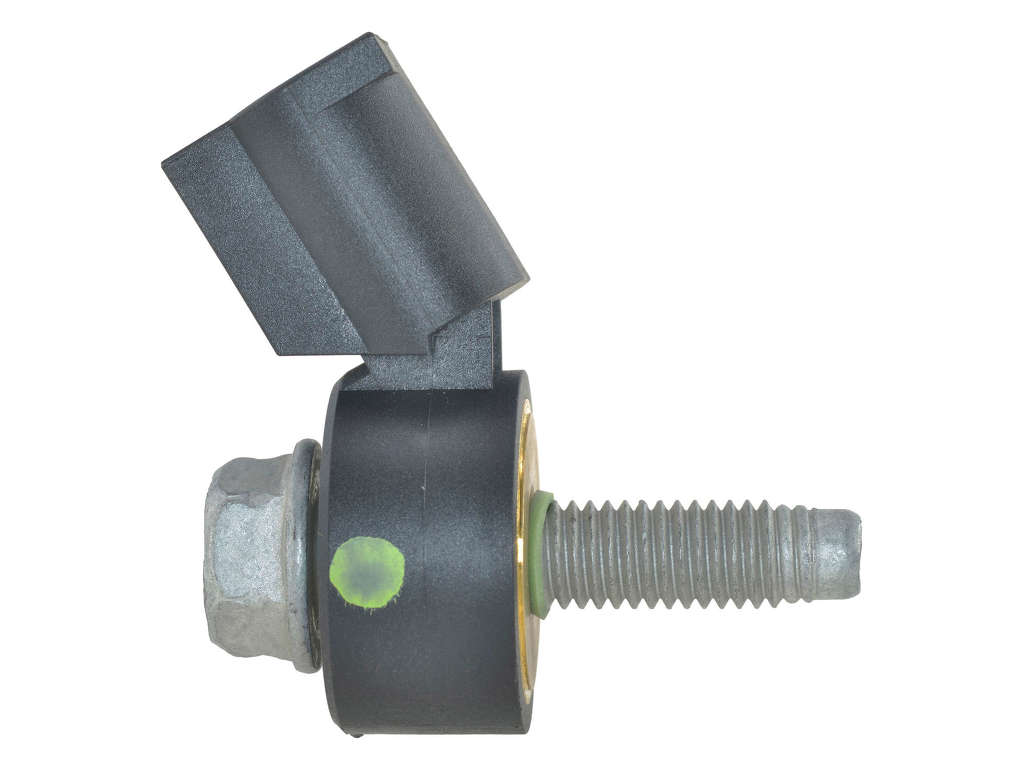
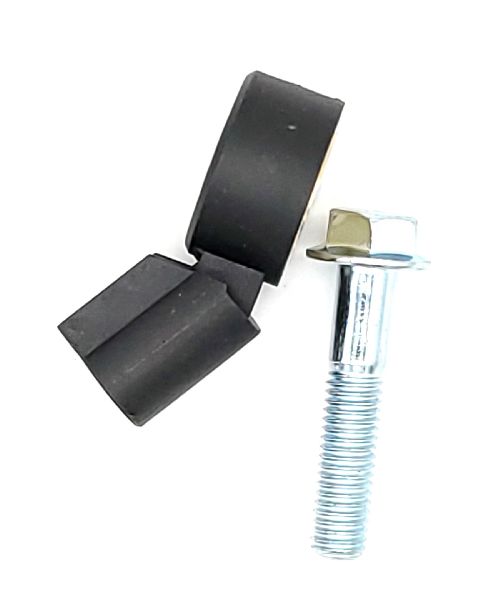
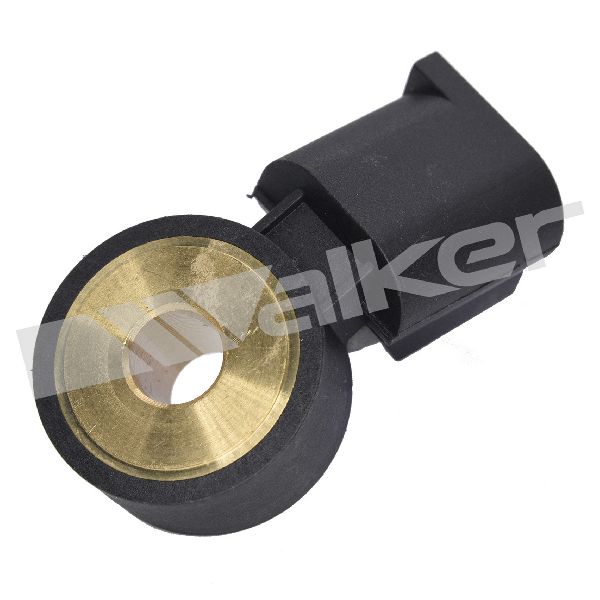
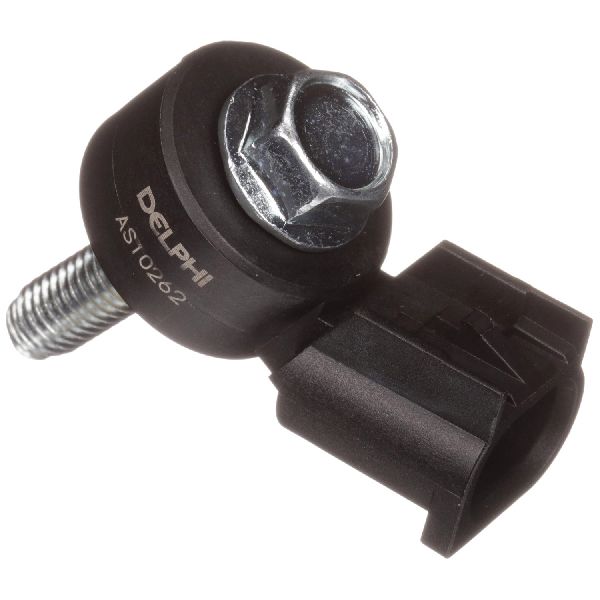
- Ignition Knock Sensor
(OEM #12729597 (Supersedes 12623733))— This is the most common failure point for a P0325 circuit code, caused by failure of the sensor's internal components due to heat and vibration.
Trusted brands: ACDelco (GM OE), Delphi, NGK/NTK, Dorman
OEM price range: $50-$90
Aftermarket price range: $27-$67
Related Codes That Often Appear With This One
- P0324 — P0324 is a general 'Knock Control System Error'. It can appear if the system detects a general fault, which could be triggered by the specific circuit issue in P0325. It is also listed as a possible code related to loose intake manifold bolts under TSB PIP5529B.
- P0326 — This is a 'Knock Sensor 1 Circuit Range/Performance' code. While P0325 indicates a hard electrical fault (like an open or short), P0326 indicates the signal is erratic or irrational. They can sometimes appear together if the sensor is failing intermittently. This code is also listed in TSB PIP5529B.
- P0330 — This is the 'Knock Sensor 2 Circuit Malfunction' code for Bank 2 (front sensor). Sometimes, if there is a wiring harness issue or if a shop has been working on the vehicle, both sensors can be affected, leading to codes for both banks.
Technical Service Bulletins (TSBs) & Recalls
- PIP5529B: Addresses hesitation, stalling, and multiple DTCs (including knock performance codes P0324, P0326, P0331) caused by loose intake manifold bolts on 2014-2017 Impalas (among other GM models).
Platform-Specific Known Issues
- TSB PIP5529B: While not directly for P0325, this bulletin notes that loose intake manifold bolts are a known issue on the 3.6L LFX engine and can cause a wide range of performance-related trouble codes, including knock performance codes P0324, P0326, and P0331. Checking bolt torque is recommended during diagnosis. The fix involves applying medium-strength threadlocker and re-torquing.
Mechanic-Grade Diagnostic Values
- Knock Sensor Resistance — expected: 93 kOhms to 110 kOhms. Failure: Open circuit (infinite resistance) or a reading significantly outside the expected range.
- Knock Sensor Signal (Oscilloscope) — expected: A clear AC voltage spike when tapping the engine block near the sensor.. Failure: A flatline signal or very low amplitude that doesn't correspond to tapping.
- Knock Sensor Circuit Bias Voltage (Key On, Engine Off) — expected: Approximately 2.5V to 5V at the sensor connector signal wire.. Failure: 0V or full battery voltage may indicate a short or open in the wiring or an ECM fault.
- Knock Sensor Mounting Bolt Torque — expected: 18 lb-ft (25 Nm). Failure: An over-torqued sensor can be overly sensitive, while an under-torqued one may not detect knock at all. Both can cause circuit or performance codes.
Scan Tool Commands That Help
- GDS2 / Tech2: Knock Retard Live Data — While this is a live data PID, not a command, it's critical for diagnosis. A technician can monitor the 'Total Knock Retard' value. If the value is high (e.g., above 6 degrees) without any audible knock, it could point to a hypersensitive sensor or false knock from another component. If P0325 is present, this PID will likely be zeroed out as the ECM defaults to a safe map.
Wiring & Ground Locations
- Knock Sensor 1 (Bank 1) Signal Wire — Pin 25 on the ECM connector (wire color may be Dark Blue/Light Green).. This is the primary wire that carries the knock signal from the sensor to the ECM. Technicians can back-probe this pin to check for voltage or use an oscilloscope to view the signal directly at the computer, confirming the integrity of the entire circuit.
- Knock Sensor Low Reference (Ground) — This is typically a shared sensor ground returning to the ECM. For the LFX, a key engine ground is G120, located on the left side of the engine below the starter.. A poor ground connection at G120 or other engine grounds can introduce noise into the knock sensor circuit or cause a floating ground, leading to incorrect readings and triggering a P0325 code even if the sensor and signal wire are good.
- Bank 1 Knock Sensor Connector — On the rear of the engine block (firewall side), near the starter motor. It's a two-pin oval connector.. This is the most common point for physical inspection. The connector can become brittle from heat cycles and break, or the pins can corrode, causing an open or high-resistance fault in the circuit.
Real Owner Repair Stories
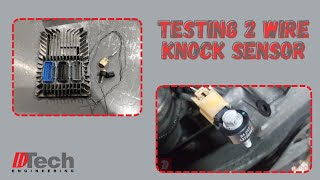
- DTech-Engineering on YouTube (2014 Chevrolet Impala 3.6L V6) — Persistent P0325 Check Engine Light.
❌ Tried (didn't work) Replacing the Bank 1 knock sensor., Replacing the Engine Control Module (ECM).
✅ What actually fixed it The technician found that the pigtail connector to the knock sensor was not fully seated and latched, causing an intermittent connection. After properly seating the connector until it clicked, the signal on the oscilloscope returned to normal and matched the good sensor on Bank 2, resolving the code.
Documented NHTSA Reports
While the following reports originate from other Chevrolet models, they describe identical P0325 behaviors observed across the manufacturer's platform. NHTSA ODI #11384952 describes a situation where the engine retards itself and throws a P0325 code; in this instance, the knock sensor was replaced twice and the wiring was verified as good, yet the issue persisted. Another report, NHTSA ODI #11669525, notes that multiple occurrences of P0325 led to sluggish performance, creating a safety risk when entering traffic. Furthermore, NHTSA ODI #11680315 mentions that the P0325 fault was accompanied by a slight metallic rattle sound and an illuminated MIL that would intermittently clear after restarting. In a more severe case, NHTSA ODI #11469699 reports a loss of speed followed by a P0325 code, which the owner noted as dangerous due to improper detonation regulation. Finally, NHTSA ODI #11721239 lists P0325 alongside several transmission and idle codes, where the vehicle experienced delayed gear engagement and eventually stopped moving forward on an incline.
OEM Part Supersession History
12623733→12729597— Standard part number consolidation and potential minor design/material updates by GM.12636736→12729597— Part number consolidation across multiple GM platforms.
Diagnostic Flowchart
Other Known Issues on This Vehicle
Issues unrelated to this code that are worth knowing about as an owner of this generation:
- Premature Timing Chain Stretch 🔴 High — Common, especially on earlier LFX models (2012-2013) or vehicles with poor oil change history. Often appears between 70,000 and 120,000 miles. Triggers codes like P0008, P0016, P0017. (Ref: TSB 12-06-01-009F (updated parts), Special Coverage Adjustment 11340C (on earlier related engines, confirming history).)
- Intake Valve Carbon Buildup 🟠 Medium — Inevitable on all Direct Injection (DI) engines. Causes misfires, hesitation, and reduced power, typically becoming noticeable after 60,000-80,000 miles. Requires manual cleaning (e.g., walnut blasting).
- Faulty Camshaft Position Actuator Solenoids 🟠 Medium — Very common failure item. Sensitive to oil quality and level. Can cause rough idle, stalling, and reduced power. Triggers codes like P0011, P0012, P0014, P0015. (Ref: TSB PIP5096C, Special Coverage 16115 (for 2014 models).)
- Loose Intake Manifold Bolts 🟡 Low → Shop Engine Intake Manifold — A known issue where intake manifold bolts can loosen over time, causing a vacuum leak. Can lead to hesitation, stalling, and a variety of lean or sensor-related codes. (Ref: TSB PIP5529B)
- Water Pump Failure 🟠 Medium — The water pump can fail, leading to coolant leaks and potential overheating. The weep hole is often located in a difficult-to-see spot, making leaks hard to trace initially.
- Leaking Coolant Outlet Housing Gasket 🟡 Low — The gasket for the thermostat/coolant outlet housing can degrade and cause a slow coolant leak. It's a common and relatively minor repair.
Used vs. New Parts: Buying Guide for This Vehicle
When a used part is the smart pick: Never. A knock sensor is a relatively inexpensive electronic component that lives in a high-heat, high-vibration environment. The risk of getting a used part that is already near the end of its service life is very high, and the labor to replace it outweighs any potential savings.
What to inspect on the donor part:
- Not applicable, as buying used is not recommended.
OEM-only on this vehicle (don't cheap out):
- While not strictly 'OEM-only', using a reputable OE-supplier brand is critical for knock sensors. Cheap, unbranded sensors are notorious for failing quickly or having incorrect sensitivity, causing the code to return.
Aftermarket brands forum-validated for this vehicle:
- ACDelco (GM Original Equipment)
- Delphi
- NTK
Brands owners have reported issues with on this vehicle:
- Unbranded, 'no-name' parts from online marketplaces. Forum discussions frequently mention Dorman knock sensors as having a high failure rate for some GM applications, though experiences vary.
Real Owner Stories
Aggregated from forums and TSBs cited above. Mileages and costs reflect what owners reported in those sources.
2014 Chevrolet Impala 3.6L LFX
Symptoms: Persistent P0325 code. The vehicle had already undergone replacement of the knock sensor and the ECM, but the circuit issue remained.
What fixed it: Advanced diagnostic using an oscilloscope to compare signals between Bank 1 and Bank 2 to identify complex circuit issues.
Source hint: DTech-Engineering on YouTube: A detailed diagnostic video on a 2014 Impala with a persistent P0325
2014-2017 Chevrolet Impala 3.6L LFX
Symptoms: Hesitation, stalling, and multiple DTCs including knock performance codes.
What fixed it: Applying medium-strength threadlocker to the intake manifold bolts and re-torquing them.
Source hint: TSB PIP5529B
Related OBD-II Codes
Frequently Asked Questions
Does TSB PIP5529B apply to my 2014-2016 Chevrolet Impala regarding knock sensor codes?
Where is the Bank 1 knock sensor located on the 3.6L LFX engine?
What is the correct torque specification for a new knock sensor on this engine?
What resistance should I see when testing the knock sensor on my Impala with a multimeter?
Can loose intake manifold bolts cause performance issues on my LFX V6?
What reference voltage should I find at the knock sensor connector?
Helpful Videos
We Have This Part in Stock


The information in this article is provided for general reference and educational purposes only. Vehicle specifications, procedures, and part compatibility can vary by production date, trim level, and region. Always consult your vehicle's factory service manual and verify part numbers before purchasing or performing repairs. Safety-critical components such as airbags, seat belts, and braking systems should be installed by a qualified professional.
- Chevrolet Impala:
- 🧭 Diagnostic Flowchart
- 🎬 Helpful Videos
- 🛍️ Shop This Part
- What's Unique About the 2012-2016 Chevrolet Impala
- Symptoms You May Notice
- Most Likely Causes
- Rare But Worth Checking
- Diagnosis Steps
- Parts You'll Likely Need
- Related Codes That Often Appear With This One
- Technical Service Bulletins (TSBs) & Recalls
- Platform-Specific Known Issues
- Mechanic-Grade Diagnostic Values
- Scan Tool Commands That Help
- Wiring & Ground Locations
- Real Owner Repair Stories
- Documented NHTSA Reports
- OEM Part Supersession History
- Other Known Issues on This Vehicle
- Used vs. New Parts: Buying Guide for This Vehicle
- Real Owner Stories
- 2014 Chevrolet Impala 3.6L LFX
- 2014-2017 Chevrolet Impala 3.6L LFX
- Related OBD-II Codes
- Frequently Asked Questions
- 🎟️ Get 5% Off