

P0325 on 2015-2023 Ford Mustang: Knock Sensor Circuit Malfunction Causes and Fixes
P0325 indicates a fault in the knock sensor circuit for Bank 1. On both the 5.0L V8 and 2.3L EcoBoost, this is often caused by a failed sensor or damaged wiring. The sensor is located under the intake manifold, making replacement a labor-intensive job. Rodent damage to the wiring in the engine valley is a frequently cited cause for the 5.0L V8.
- P0325 means there is an electrical fault in the Bank 1 knock sensor circuit; it does not automatically mean your engine is knocking.
- The most likely causes are a failed knock sensor or damaged wiring.
- The repair is labor-intensive (DIY difficulty 4/5) because the intake manifold must be removed to access the sensor(s) on both the 5.0L and 2.3L engines.
- Due to the difficult access, it is highly recommended to replace the intake manifold gaskets and consider replacing both knock sensors (on the V8) at the same time.
- Before starting this major repair, it's worth checking for the rare possibility of a failing alternator causing electrical noise that triggers the code.
What's Unique About the 2015-2023 Ford Mustang
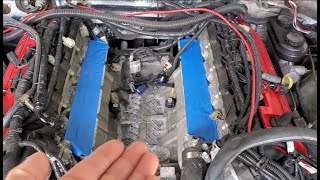
On the S550 Mustang platform, both the 5.0L V8 and 2.3L EcoBoost engines have the knock sensors located in difficult-to-access areas. For the 5.0L V8, they are in the engine valley, under the intake manifold. The 2.3L EcoBoost also has its two knock sensors on the side of the engine block, under the intake manifold, with one located directly above the starter. This placement makes what would be a simple sensor swap on some vehicles a much more involved repair requiring the removal of the intake manifold. Rodent damage to the wiring harness in the engine valley is a widely-known issue on V8 engines across Ford platforms, including the Mustang and F-150, as the valley provides a sheltered nesting area.
Generation note: The 2015-2023 range covers the entire S550 generation. A significant engine update occurred in 2018 for the 5.0L V8 (Gen 3 Coyote), which added direct injection, but the general location and function of the knock sensors remain the same, located under the intake manifold.
🎬 Watch: Coyote Mustang knock sensor location and operationSymptoms You May Notice
- Check Engine Light is on
- Reduced engine performance and acceleration
- Decreased fuel economy
- Audible engine pinging or knocking noise (in some cases)
- Hesitation during acceleration
- Replacing spark plugs or ignition coils. While these can cause performance issues, they will not directly cause a P0325 circuit code. A misfire code (e.g., P030X) would typically be present alongside P0325 if a plug or coil were the root cause of an actual knock condition.
Most Likely Causes
- Failed Knock Sensor 🔴 High Probability → Shop Ignition Knock (Detonation) Sensor The sensor is located in the engine valley (5.0L) or on the side of the block (2.3L), where it is exposed to extreme heat cycles which can cause the internal piezoelectric element to crack and fail over time.
How to confirm: After removing the intake manifold to access the sensor, test its internal resistance with a multimeter. A definitive resistance specification for these specific sensors is not reliably published; however, an open circuit (infinite resistance) confirms failure. Given the high labor cost, it is common practice to replace the sensor(s) if access is gained, rather than relying solely on a resistance test.
Typical fix: Replace the knock sensor. The correct torque for the new sensor is critical; for the 5.0L Coyote, the spec is 20 Nm (177 lb-in). Over-tightening can damage the sensor or cause inaccurate readings. Since accessing it is labor-intensive, it's wise to replace the wiring pigtail at the same time. On the 5.0L V8, both knock sensors are often replaced as a pair since they share a harness.
Est. part cost: $30-$60 per sensor - Damaged Wiring or Connector 🟡 Medium Probability On V8 models, the wiring is located in the engine valley under the intake manifold, a common nesting spot for rodents who may chew the soy-based wire insulation. On both engines, the wiring can also become brittle from heat or damaged during other engine repairs.
How to confirm: Visually inspect the knock sensor wiring harness for signs of chewing, chafing, or breaks. Check the connector for corrosion or loose pins. Perform a continuity test on the wires from the sensor connector to the PCM; resistance should be less than 5.0 ohms. Several forum users on F150Forum.com and Lexus forums have shared images of rodent nests and chewed wires in this exact location.
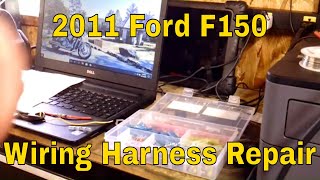
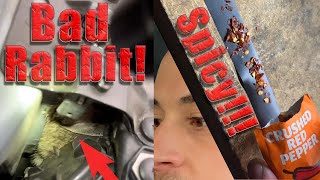
Typical fix: Repair the damaged section of the wire or replace the knock sensor wiring pigtail. The knock sensor circuit uses a shielded wire to prevent electrical interference; repairs must properly restore this shielding. 🎬 See: How to repair chewed Ford harness wiring Some owners place mothballs or peppermint-soaked cotton balls in the engine bay as a deterrent. 🎬 Watch: How to repair and prevent rodent wire damage
Est. part cost: $20-$50 for a pigtail connector
Rare But Worth Checking
- Failing Alternator: A failing diode in the alternator can introduce AC voltage 'ripple' into the vehicle's electrical system. This electrical noise can interfere with the sensitive knock sensor signal, causing the PCM to incorrectly flag a circuit fault. This is a known, though uncommon, issue on some Ford platforms that can also trigger other circuit codes like P0330 and O2 sensor faults simultaneously.
- Loose Knock Sensor: → Shop Ignition Knock (Detonation) Sensor The sensor must be torqued to the engine block to the correct specification, which is 20 Nm (177 lb-in) for the 5.0L V8. If it is loose, it cannot properly detect engine vibrations, which the PCM can interpret as a circuit fault.
- Powertrain Control Module (PCM) Fault: → Shop Engine Control Module (ECM) This is extremely rare. The PCM should only be considered as the cause after all other possibilities (sensor, wiring, connections, alternator ripple) have been exhaustively ruled out.
Diagnosis Steps
- Scan for Codes: Use an OBD-II scanner to confirm P0325 is present and check for any other codes (like P0330). Monitor live data PIDs for KNOCK_1 and KNOCK_2 (if available). Normal values are typically 20-60 'counts' at idle. A stuck or zero value suggests a circuit issue.
- Check Alternator Ripple (Optional but Recommended): Before major disassembly, set a digital multimeter to AC volts and check for voltage at the battery terminals with the engine running. More than 0.5V AC (500mV) can indicate a faulty alternator causing electrical interference that disrupts the knock sensor signal.
- Visual Inspection: Inspect the visible portions of the engine wiring harness for any obvious damage, especially for signs of rodents.
- Access the Sensor: This is the most labor-intensive step. The intake manifold must be removed to access the knock sensor(s) on both the 5.0L V8 and 2.3L EcoBoost engines.
- Inspect Sensor and Harness: Once accessible, thoroughly inspect the knock sensor and its wiring harness for physical damage, corrosion, or signs of rodent activity (chewed wires, nesting material).
- Test the Sensor: Disconnect the sensor and measure its resistance with a multimeter. While a specific spec is elusive, an open circuit (infinite resistance) confirms failure. Given the labor involved, replacement is recommended regardless.
- Test the Circuit: If the sensor is not the obvious cause, check for continuity and shorts on the wiring harness running from the sensor connector back to the PCM. Consult a wiring diagram for your specific year and model to identify the correct pins at the PCM connector. For example, on some models, the PCM connector C175E uses Pin 11 (VT-OG) for KS1+ and Pin 12 (WH-BN) for KS1-. Continuity should be under 5.0 ohms. Check for shorts between the two wires and from each wire to ground.
- Repair and Reassemble: Replace the faulty component (sensor, pigtail, or harness repair). It is highly recommended to replace the intake manifold gaskets during reassembly. Torque the new knock sensor to the manufacturer's specification of 20 Nm (177 lb-in) for the 5.0L.
- Clear Codes and Test Drive: Clear the DTCs and perform a test drive to ensure the code does not return.
Parts You'll Likely Need
- Knock Sensor
(OEM #BR3Z-12A699-A (replaces AL3Z-12A699-A for 5.0L))— This is the most common failure point for the P0325 code, typically due to heat and age.
Trusted brands: Motorcraft, Bosch, NTK
OEM price range: $35-$55
Aftermarket price range: $20-$40 - Intake Manifold Gaskets
(OEM #FR3Z-9H486-A (2015-17 5.0L), JR3Z-9H486-A (2018+ 5.0L))— These are single-use gaskets that must be replaced anytime the intake manifold is removed to access the knock sensors. Reusing old gaskets will cause vacuum leaks.
Trusted brands: Motorcraft, Fel-Pro
OEM price range: $60-$90
Aftermarket price range: $30-$50 - Knock Sensor Harness / Pigtail
(OEM #WPT-1116 (Motorcraft Connector))— Often damaged by rodents or becomes brittle from heat. Since the intake manifold is already off, replacing the pigtail is cheap insurance against a repeat failure.
Trusted brands: Motorcraft, Dorman
OEM price range: $30-$60
Aftermarket price range: $15-$30
Related Codes That Often Appear With This One
- P0330 — On the 5.0L V8, P0330 is the code for the Bank 2 knock sensor. Since both sensors are located under the intake manifold and share a wiring harness, a problem like rodent damage or heat degradation often affects both simultaneously, causing both codes to appear.
Technical Service Bulletins (TSBs) & Recalls
- 19-2273: While not for P0325, this TSB notes potential for wiring harness damage in the trunk area on 2015-2017 models, highlighting the possibility of wiring issues on the platform.
Platform-Specific Known Issues
- Real-World Repair: P0325 & P0330 on S197 Mustang: A user on S197Forum.com with an older Mustang reported getting P0325, P0330, and other circuit-related codes simultaneously. The community diagnosed the issue as likely being a failing alternator producing AC ripple voltage. The user was advised to test for AC voltage at the battery with the engine running. This real-world example confirms that before tearing down the intake manifold, the alternator should be checked, as it can mimic a knock sensor circuit failure.
- Rodent Damage Confirmed on F-150 (Platform Mate): Multiple threads on F150forum.com detail owners finding chewed wires in the engine valley when diagnosing P0325/P0330. One user in Georgia found their truck would crank but not start, and upon inspection, discovered a rodent nest and damaged fuel injector and knock sensor wires. This directly corroborates the high likelihood of this cause on the 5.0L engine.
Mechanic-Grade Diagnostic Values
- Knock Sensor Torque (5.0L V8) — expected: 20 Nm (177 lb-in). Failure: An under-torqued sensor may not detect knock correctly; an over-torqued sensor can be damaged or provide false signals.
- Knock Sensor Live Data PID (KNOCK_1) — expected: Fluctuating value, typically 20-60 'counts' at idle.. Failure: A value of 0, or a value that is stuck and does not change with RPM, indicates a circuit fault.
- Knock Sensor Circuit Continuity — expected: < 5.0 Ohms. Failure: Resistance greater than 5.0 ohms indicates an open or high resistance in the wiring harness.
- Alternator AC Ripple Voltage — expected: < 0.5 Volts AC (500mV). Failure: AC voltage greater than 0.5V at the battery terminals with the engine running indicates a failing alternator, which can create electrical noise that interferes with the knock sensor signal.
Hidden / Shadow Codes Worth Checking
- Mode 6, TID $80-$84: On CAN-bus Ford vehicles, these Test IDs (TID) are often used for non-continuous monitors, including misfire detection and other component checks. While not a traditional 'shadow code', observing the raw values and test results in Mode 6 can reveal issues before a full Diagnostic Trouble Code is set. For example, misfire counts per cylinder are stored here and can be checked even without a P030x code. (see via A professional scan tool or an advanced consumer tool (like FORScan) that can display Mode $06 data.)
Wiring & Ground Locations
- PCM Connector C175E, Pin 11 & 12 — The main engine-side PCM connector, typically located in the engine bay near the firewall or battery.. For Bank 1 (P0325), these are the specific terminals where the knock sensor circuit terminates. Pin 11 (Violet/Orange wire) is often the signal (KS1+) and Pin 12 (White/Brown wire) is the signal return (KS1-). Testing for continuity, shorts, and voltage should be done at these pins to validate the entire circuit.
- Engine Block Ground Strap — A braided strap connecting the engine block (often near the alternator or starter) to the vehicle chassis/frame.. While the knock sensor has a dedicated return wire to the PCM, a poor main engine ground can create electrical potential differences and noise throughout the system. This can interfere with sensitive signals like the knock sensor, potentially causing a circuit code. Ensuring this ground is clean and tight is a fundamental step in diagnosing any electrical issue.
- G104 - Chassis Ground — On the S550 Mustang, this ground point is located in the engine bay on the core support, near the battery.. This ground serves multiple components, including the Data Link Connector (OBD-II port). A problem here can cause communication issues or erratic behavior from various modules. While not a direct cause for P0325, checking major grounds like this is good practice for any electrical gremlin.
Real Owner Repair Stories
- Lexus Forum (ClubLexus) thread (Lexus with V8 (similar engine valley design)) — P0325 and P0330 appeared simultaneously after the car had been sitting.
❌ Tried (didn't work) Adding fuel treatment (BG44k) and fresh premium fuel., Clearing the codes (they returned immediately).
✅ What actually fixed it The strong consensus from other users was that simultaneous codes on both banks after sitting points directly to rodent damage of the shared wiring harness located in the engine valley under the intake manifold. The final fix is to replace the harness and sensors. - Tacoma World forum thread (Toyota Tacoma 3.4L V6) — Persistent P0325 / P0330 codes.
❌ Tried (didn't work) Replacing both knock sensors and the wiring harness with non-OEM (aftermarket) parts. The codes returned after 4 months.
✅ What actually fixed it The user was strongly advised by the community that aftermarket knock sensors are a common cause of repeat failures for this code. The recommended fix, though not explicitly confirmed by the original poster as completed, is to use only genuine OEM knock sensors to avoid issues with incorrect sensitivity or premature failure.
OEM Part Supersession History
JR3A-12A699-AA→JR3Z-12A699-A— Standard part revision by Ford.
Heads up: This part number is specific to the 2018+ Gen 3 5.0L Coyote engine.AL3Z-12A699-A→BR3Z-12A699-A— Standard part revision by Ford.
Heads up: This part number is for the 2011-2017 5.0L V8 and is also listed as compatible with the 2.3L EcoBoost. While there may be physical similarities, use the part number specified for the engine generation.
Model Year Variations Within This Range
- 2018-2023 (5.0L V8): The Gen 3 Coyote engine introduced in 2018 uses a different knock sensor (P/N JR3Z-12A699-A) and different intake manifold gaskets (P/N JR3Z-9H486-A) compared to the 2015-2017 models. Diagnostic principles are the same, but the parts are not interchangeable.
Diagnostic Flowchart
Other Known Issues on This Vehicle
Issues unrelated to this code that are worth knowing about as an owner of this generation:
- 5.0L Coyote "BBQ Tick" / "Typewriter Tick" 🟡 Low — Common on 2018+ Gen 3 Coyote engines, but also reported on earlier models. It's an intermittent, light ticking noise often heard after the first oil change. The cause is debated but often linked to direct injection noise, piston slap, or oil viscosity. (Ref: No official TSB for the tick itself, though Ford has acknowledged the noise and generally considers it benign.)
- 10R80 Automatic Transmission Harsh/Delayed Shifting 🟠 Medium — Affects many 2018+ Mustangs with the 10-speed automatic. Symptoms include harsh shifts, clunking, and delayed engagement. Often caused by software issues or internal components like the CDF clutch drum. (Ref: Multiple TSBs have been issued, including 22-2428 and 24-2254, which involve software updates and potential replacement of the main valve body or CDF clutch cylinder.)
- MT-82 Manual Transmission Issues 🟠 Medium — Common across all S550 years with the manual transmission. Complaints include high-RPM lockout (especially 2-3 shift), grinding, and premature wear of shift forks and synchronizers. A class-action lawsuit was filed regarding these issues. (Ref: TSB 22-2372 was issued for 2018 models for a broken 3-4 shift fork. Other TSBs address loss of movement after wheel hop.)
- 2.3L EcoBoost Head Gasket Failure 🔴 High — More common on the related Focus RS, but can affect early EcoBoost Mustangs. Incorrect head gasket installation at the factory could lead to coolant leaking into the cylinders, causing white smoke and eventual engine failure. (Ref: Ford issued a recall and service program for affected Focus RS models, but not officially for the Mustang, though the root cause is similar.)
Used vs. New Parts: Buying Guide for This Vehicle
When a used part is the smart pick: For this repair, using a used part is almost never a smart choice. The only exception might be sourcing a complete, undamaged engine wiring harness from a low-mileage donor vehicle if the original is severely damaged by rodents or heat.
Donor-vehicle mileage cap: roughly under 50000 miles for the part to have meaningful remaining life.
What to inspect on the donor part:
- For a harness, inspect for any signs of rodent activity (chewing, droppings).
- Check for brittle or cracked connector housings and wire insulation.
- Ensure all connector locking tabs are intact.
- Avoid any harness that shows signs of being exposed to excessive heat or oil saturation.
OEM-only on this vehicle (don't cheap out):
- Knock Sensor
Aftermarket brands forum-validated for this vehicle:
- NTK
- Bosch
- Denso
Brands owners have reported issues with on this vehicle:
- Unbranded, 'white-box' sensors from online marketplaces. The high labor cost of this job makes it financially risky to use a part with questionable quality control and longevity, as a premature failure would require repeating the entire intake manifold removal process.
Real Owner Stories
Aggregated from forums and TSBs cited above. Mileages and costs reflect what owners reported in those sources.
S197 Ford Mustang
Symptoms: The car was throwing P0325, P0330, and other circuit-related codes simultaneously.
What fixed it: The issue was diagnosed as a failing alternator producing AC ripple voltage; testing for AC voltage at the battery was the key diagnostic step.
Source hint: S197Forum.com
2015-2023 Ford F-150 (5.0L V8)
Symptoms: The vehicle would crank but not start; inspection revealed a rodent nest in the engine valley.
What fixed it: Repairing damaged fuel injector and knock sensor wires that had been chewed by rodents.
Source hint: F150forum.com
Related OBD-II Codes
Frequently Asked Questions
Where are the knock sensors located on my 5.0L Coyote V8 Mustang?
Is there a specific torque spec I should use when installing a new knock sensor on my 5.0L Mustang?
Could my Mustang's alternator be causing the P0325 code?
Why is the P0325 repair so expensive on the 2.3L EcoBoost and 5.0L V8?
Does TSB 19-2273 relate to my knock sensor issue?
Should I replace both sensors at the same time on my 5.0L V8?
Helpful Videos
Used OEM Parts in Stock
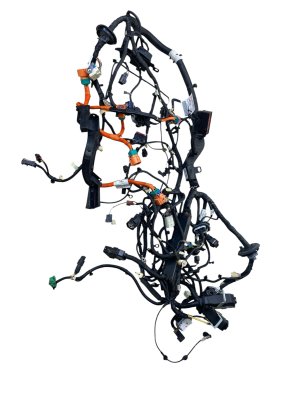
New Aftermarket Parts Available

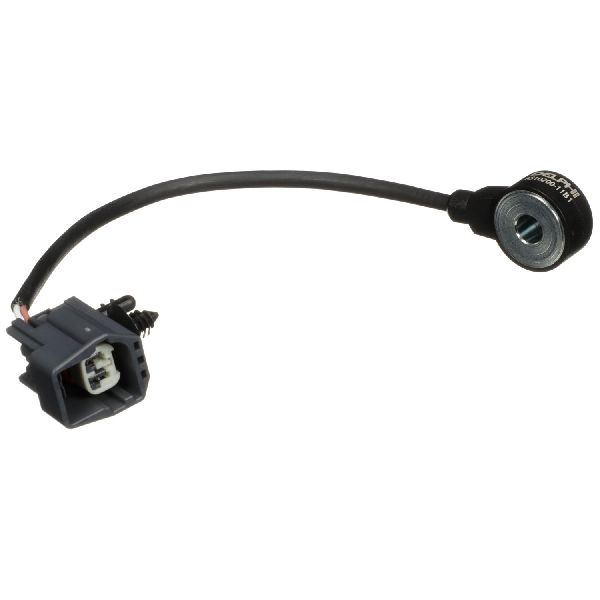
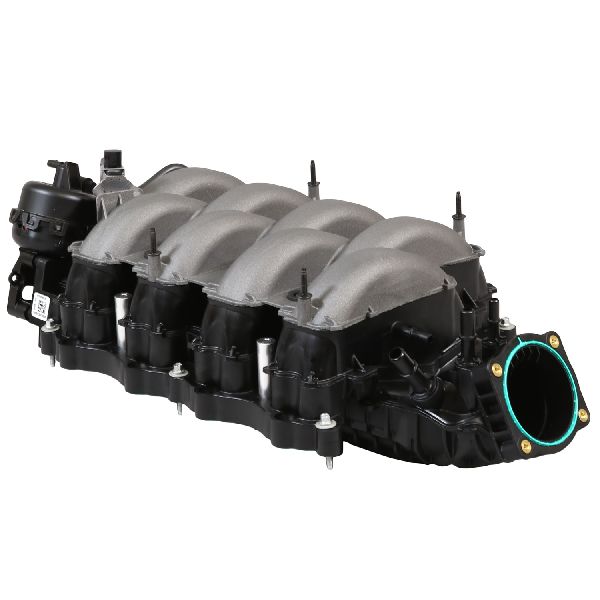

The information in this article is provided for general reference and educational purposes only. Vehicle specifications, procedures, and part compatibility can vary by production date, trim level, and region. Always consult your vehicle's factory service manual and verify part numbers before purchasing or performing repairs. Safety-critical components such as airbags, seat belts, and braking systems should be installed by a qualified professional.
- Ford Mustang:
- 🧭 Diagnostic Flowchart
- 🎬 Helpful Videos
- 🛍️ Shop This Part
- What's Unique About the 2015-2023 Ford Mustang
- Symptoms You May Notice
- Most Likely Causes
- Rare But Worth Checking
- Diagnosis Steps
- Parts You'll Likely Need
- Related Codes That Often Appear With This One
- Technical Service Bulletins (TSBs) & Recalls
- Platform-Specific Known Issues
- Mechanic-Grade Diagnostic Values
- Hidden / Shadow Codes Worth Checking
- Wiring & Ground Locations
- Real Owner Repair Stories
- OEM Part Supersession History
- Model Year Variations Within This Range
- Other Known Issues on This Vehicle
- Used vs. New Parts: Buying Guide for This Vehicle
- Real Owner Stories
- S197 Ford Mustang
- 2015-2023 Ford F-150 (5.0L V8)
- Related OBD-II Codes
- Frequently Asked Questions
- 🎟️ Get 5% Off