

P0325 on 2010-2011 Saab 9-5 2.8T V6: Knock Sensor Circuit Malfunction Causes and Fixes
This code indicates a fault in the Bank 1 knock sensor circuit. The most common cause is a failed knock sensor. The 2.8T V6 has two sensors located in the engine valley, making replacement labor-intensive. It is highly recommended to replace both simultaneously. A faulty sensor or circuit will cause the ECM to significantly reduce engine power and turbo boost to prevent damage. Expect to pay around $40-$80 for the sensors and 2-4 hours of labor.
- P0325 on this car means the Bank 1 knock sensor circuit is open or shorted.
- The most likely cause is a failed knock sensor, followed by damaged wiring in the engine valley.
- When the code is active, engine power will be noticeably reduced as a protective measure.
- Accessing the sensors is very difficult, requiring removal of the intake manifold. It is critical to replace both sensors and their wiring pigtails at the same time to save on future labor.
- Always torque the new sensor to the correct specification (18 lb-ft / 25 Nm) to ensure it works properly.
What's Unique About the 2010-2011 Saab 9-5
The 2010-2011 Saab 9-5 (NG) is based on the GM Epsilon II platform, and its 2.8T V6 engine (a GM LP9 variant) uses a conventional two-knock-sensor setup. This is different from older 4-cylinder Saabs that used the Trionic 'ion sensing' system via the ignition module to detect knock. For this V6, P0325 specifically points to the sensor on Bank 1 (the cylinder bank containing cylinder #1). The sensors are located deep in the 'V' of the engine on the block, underneath the intake manifold and other components, making access very difficult. This shared GM architecture means parts like the Bosch or ACDelco sensors are readily available and shared with platform mates like the Cadillac SRX, Cadillac CTS, and Opel/Vauxhall Insignia OPC.
Symptoms You May Notice
- Check Engine Light is on
- Reduced engine power and performance; feels sluggish
- Slower turbocharger response or limited/no boost (turbo gauge will not go past halfway)
- Hesitation during acceleration
- Increased fuel consumption
- Uneven or rough idling
- Audible engine pinging or knocking (in rare cases where a mechanical issue is also present)
- Engine may stop operating or stall shortly after the code is cleared (as noted in some owner reports)
- Replacing spark plugs or ignition coils without diagnosing the knock sensor circuit first. While ignition issues can cause knocking, P0325 specifically points to a circuit fault, not necessarily actual engine knock.
- Confusing the issue with the older Saab Trionic 'ion-sensing' system. This V6 engine uses conventional knock sensors.
Most Likely Causes
- Failed Knock Sensor (Bank 1) 🔴 High Probability → Shop Ignition Knock (Detonation) Sensor Sensors are piezoelectric crystals that fail from prolonged exposure to extreme heat cycles and engine vibrations. Their location in the hot engine valley contributes to failure over time.
How to confirm: After checking wiring, the most definitive test is to swap the Bank 1 and Bank 2 sensors. If the code changes to P0330 (Knock Sensor 2 Circuit), the sensor is bad. Alternatively, test the sensor's resistance (typically 3.3-4.5 kOhms for single-sensor systems, but may vary) and compare to specifications. A scan tool showing no voltage activity from the Bank 1 sensor is also a strong indicator.
Typical fix: Replace the faulty knock sensor. Due to the high labor cost of accessing the sensors under the intake manifold, it is highly recommended to replace both sensors (Bank 1 and Bank 2) and their wiring pigtails at the same time.
Est. part cost: $35-$50 per sensor - Wiring Harness or Connector Issue 🟡 Medium Probability The wiring harness sits in the engine valley, where it is exposed to intense heat, making it brittle and prone to cracking. Rodents are also known to chew on this wiring. Corrosion can also form in the connector.
How to confirm: Visually inspect the wiring leading to the knock sensor for any signs of fraying, melting, corrosion, or rodent damage. Check the connector for a secure fit and clean pins. Use a multimeter to test for continuity between the sensor connector and the ECM, and check for shorts to ground or power.
Typical fix: Repair the damaged section of the wire or replace the connector pigtail. In some cases, a new engine harness section is required.
Est. part cost: $15-$30 for a pigtail - Improperly Installed Sensor ⚪ Low Probability This is only likely if the sensor has been recently replaced.
How to confirm: Check that the sensor is torqued to the correct specification (typically 18 lb-ft or 25 Nm). An over-torqued or loose sensor will not function correctly. Ensure the mounting surface on the engine block is clean and free of debris or rust.
Typical fix: Clean the mounting surface and torque the sensor to the manufacturer's specification.
Est. part cost: $0
Rare But Worth Checking
- Faulty Engine Control Module (ECM): → Shop Engine Control Module (ECM) This is extremely rare. The ECM should only be considered after all other possibilities, including the sensor and the entire circuit, have been thoroughly tested and ruled out.
Diagnosis Steps
- Scan for Codes: Confirm P0325 is the primary code. If other codes exist, address them first, as a severe misfire could potentially trigger knock sensor codes.
- Visual Inspection: Inspect the knock sensor wiring and connector for obvious damage, corrosion, or loose connections. This is difficult as the harness is located under the intake manifold in the engine valley.
- Check Live Data: Use a capable scan tool (like a Tech 2 for Saabs) to monitor the knock sensor data. A complete lack of voltage signal from Bank 1 while the engine is running points towards a circuit or sensor issue. The voltage should fluctuate during acceleration.
- Test the Circuit: Disconnect the sensor and the ECM. Use a multimeter to check for continuity and ensure there are no shorts to ground or power in the wiring between the two points. Wiggle the harness during testing to find intermittent breaks.
- Test the Sensor: If the wiring is good, test the sensor itself. The most reliable method is to swap the Bank 1 and Bank 2 sensors. Clear the codes and run the engine. If the fault code changes to P0330 (Bank 2), the sensor is confirmed faulty.
- Replace the Part(s): If the sensor or wiring is confirmed to be faulty, replace it. It is best practice to replace both sensors and their pigtails at the same time to avoid repeating the difficult labor.
- Final Check: After replacement, ensure the new sensor is torqued correctly to 18 lb-ft (25 Nm). Clear the DTC and perform a test drive to confirm the fix.
Parts You'll Likely Need
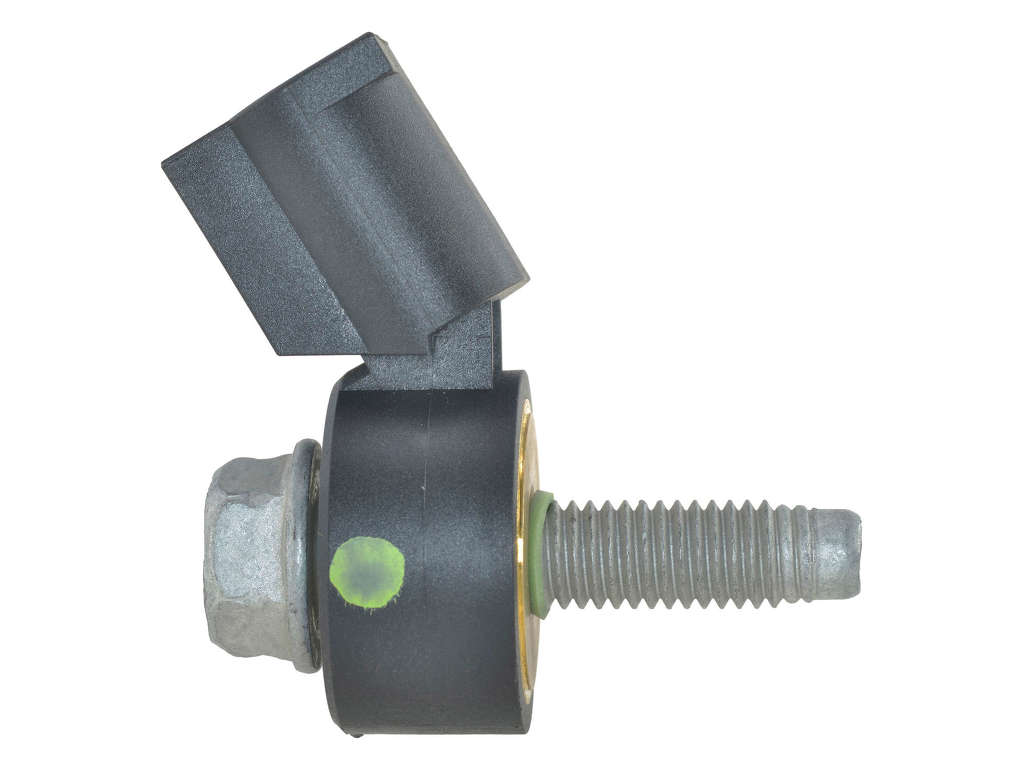
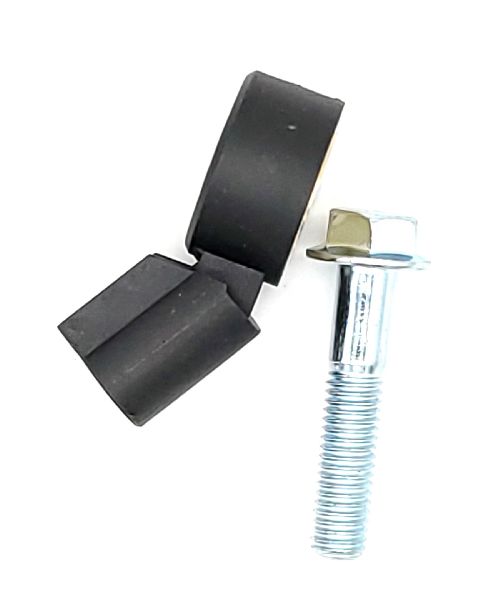
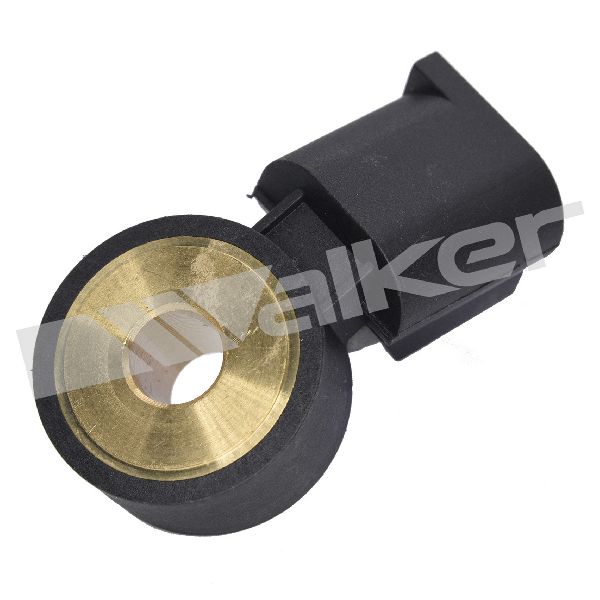
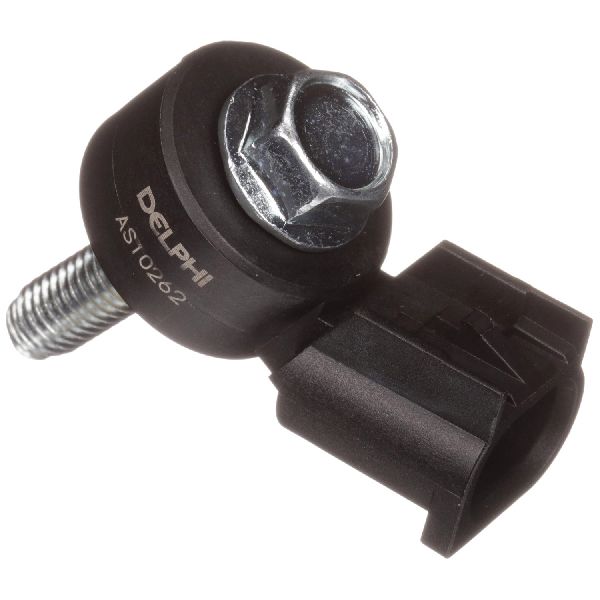
- Knock Sensor
(OEM #12605738)— This is the most common failure point for a P0325 circuit code. Two are required for the V6 engine.
Trusted brands: ACDelco (Genuine GM), Bosch, Delphi, NGK/NTK
OEM price range: $35-$50
Aftermarket price range: $25-$45 - Knock Sensor Connector Pigtail — The connector and wiring are prone to heat damage and brittleness. It is wise to replace them when replacing the sensors.
Trusted brands: Dorman, ACDelco
OEM price range: $20-$35
Aftermarket price range: $15-$25
Technical Service Bulletins (TSBs) & Recalls
- While not a direct TSB for P0325, GM issued a service campaign for the related 2010 Cadillac SRX with the 2.8T engine to recalibrate the ECM. This was to prevent catastrophic engine damage if low-octane (87) fuel was used, as the original calibration could allow for severe detonation before the knock control system could react. This highlights the critical nature of the knock sensing system on this engine.
Platform-Specific Known Issues
- Difficult Sensor Location: The two knock sensors are located on the engine block, in the valley between the cylinder heads. Access requires removing the intake manifold, which makes the repair labor-intensive and significantly increases the cost if done at a shop. This is why replacing both sensors and their wiring pigtails at once is the standard recommended procedure.
Mechanic-Grade Diagnostic Values
- Knock Sensor Mounting Bolt Torque — expected: 15-18 lb-ft (approx. 20-25 Nm). Failure: An over-torqued sensor can become hypersensitive, while an under-torqued sensor may not detect knock events correctly. Both can lead to improper engine timing adjustments or fault codes.
Wiring & Ground Locations
- G7 — On a bracket at the front of the left-hand side of the engine.. This is a primary engine sensor ground point. A poor connection here can cause erratic signals from various sensors, including the knock sensor, leading to a P0325 code even if the sensor and its direct wiring are good.
- Engine Harness Grounds — General ground points on the intake manifold and thermostat housing.. On aging vehicles, these ground points can become weak or corroded, causing intermittent and hard-to-diagnose electrical issues, including strange ignition timing behavior that could be related to the knock sensor circuit.
Real Owner Repair Stories
- Saab Club of North America Forum (Saab 9-3 Aero (with same 2.8T V6 engine)) — Data logging showed 5-6 degrees of knock retard under acceleration.
❌ Tried (didn't work) Initial diagnosis pointed towards potential fuel or sensor issues.
✅ What actually fixed it The owner had recently replaced the spark plugs and only installed them hand-tight. The fix was to properly torque the spark plugs to specification, which eliminated the false knock reading. While this did not trigger a P0325, it shows how mechanical issues can create knock-like symptoms on this engine. - NHTSA ODI #10398271 — An owner reported receiving a misfire code (P0325) after having the car tested on a machine. The report noted that once the check engine light was cleared, the vehicle would work again for a few minutes before the engine would stop operating.
OEM Part Supersession History
12605738→12636736— GM often updates part numbers for minor revisions or to consolidate inventory.
Heads up: Parts sellers list 12636736 as a direct replacement for 12605738. Both are compatible with the 2.8T V6 engine.
Diagnostic Flowchart
Used vs. New Parts: Buying Guide for This Vehicle
When a used part is the smart pick: For this specific repair, a used part is almost never a smart choice. The knock sensor is a sensitive piezoelectric crystal that degrades with heat cycles. Given the extremely high labor cost to access the sensors under the intake manifold, the risk of a used part failing prematurely far outweighs the small cost savings.
What to inspect on the donor part:
- Not applicable. Do not use a salvaged knock sensor for this repair.
OEM-only on this vehicle (don't cheap out):
- Knock Sensor
Aftermarket brands forum-validated for this vehicle:
- ACDelco (Genuine GM)
- Bosch
- Delphi
- NGK/NTK
Brands owners have reported issues with on this vehicle:
- Unbranded, no-name sensors from online marketplaces. The ECM is sensitive to the signal quality, and an out-of-spec sensor may not work correctly or could fail quickly, forcing a repeat of the expensive labor.
Real Owner Stories
Aggregated from forums and TSBs cited above. Mileages and costs reflect what owners reported in those sources.
2010 Vauxhall Insignia 2.8T V6
Symptoms: Higher fuel consumption and uneven idle.
What fixed it: A repair to the knock sensor cable, not the sensor itself.
Cost: $100-$115
Source hint: Carly.com (Vauxhall Insignia Forum)
NHTSA ODI #10398271
Symptoms: Misfire code (P0325) and engine stalling.
What fixed it: An owner reported that after clearing the check engine light, the car would only operate for a few minutes before the engine would stop operating entirely.
Source: NHTSA ODI #10398271
Related OBD-II Codes
Frequently Asked Questions
My mechanic says I only have a code for one knock sensor (P0325), but they want to replace both. Is this necessary on the 2.8T V6?
I'm replacing the knock sensor myself. Is there a specific torque setting I need to use?
Is there a recall or TSB for the P0325 code on my 2010 Saab 9-5?
How can I be 100% sure the knock sensor is bad before starting this expensive repair?
Can I use a cheap knock sensor from an online marketplace for my Saab?
Could something other than the sensor itself be causing the P0325 code?
We Have This Part in Stock


The information in this article is provided for general reference and educational purposes only. Vehicle specifications, procedures, and part compatibility can vary by production date, trim level, and region. Always consult your vehicle's factory service manual and verify part numbers before purchasing or performing repairs. Safety-critical components such as airbags, seat belts, and braking systems should be installed by a qualified professional.
- Saab 9-5:
- 🧭 Diagnostic Flowchart
- 🛍️ Shop This Part
- What's Unique About the 2010-2011 Saab 9-5
- Symptoms You May Notice
- Most Likely Causes
- Rare But Worth Checking
- Diagnosis Steps
- Parts You'll Likely Need
- Technical Service Bulletins (TSBs) & Recalls
- Platform-Specific Known Issues
- Mechanic-Grade Diagnostic Values
- Wiring & Ground Locations
- Real Owner Repair Stories
- OEM Part Supersession History
- Used vs. New Parts: Buying Guide for This Vehicle
- Real Owner Stories
- 2010 Vauxhall Insignia 2.8T V6
- NHTSA ODI #10398271
- Related OBD-II Codes
- Frequently Asked Questions
- 🎟️ Get 5% Off