

P0325 on 2011-2018 Subaru Forester 2.5L: Knock Sensor Circuit Malfunction Causes and Fixes
On a 2011-2018 Forester with the FB25B engine, code P0325 is most often caused by a failed knock sensor or its wiring harness. The sensor is located under the intake manifold, making replacement a labor-intensive job. Expect to pay a professional $400-$600 for the repair due to the labor involved. Always confirm the diagnosis before starting this repair, as rodent damage to the harness is also a frequent culprit.
- P0325 on a 2011-2018 Forester points to a problem in the knock sensor's electrical circuit, not necessarily active engine knock.
- The most likely causes are a failed knock sensor or damaged wiring.
- The repair is difficult and labor-intensive because the sensor is located under the intake manifold.
- Due to the high labor cost, it is critical to diagnose the issue correctly and strongly recommended to replace both the sensor and its wiring harness at the same time.
- Always use a torque wrench to tighten the new sensor to exactly 17.7 ft-lbs (24 Nm) to ensure proper operation.
What's Unique About the 2011-2018 Subaru Forester
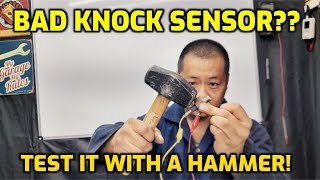
On the Subaru FB25B engine, the knock sensor is unfortunately located on the engine block, underneath the entire intake manifold. This placement protects the sensor but makes replacement much more difficult and costly compared to older Subaru EJ engines where it was more accessible on top of the block. Because of the high labor involved in accessing the sensor, it's crucial to correctly diagnose the problem and not just assume the sensor is bad. 🎬 Watch: How to test for a bad knock sensor and symptoms. The wiring harness leading to the sensor is also a common point of failure and is often replaced at the same time. Many owners discover rodent damage to the harness upon disassembly.
Generation note: This range covers the late SH generation (2011-2013) and the entire SJ generation (2014-2018). Both generations use the FB25B 2.5L engine and share the same fundamental design for the knock sensor system, including its location under the intake manifold. There are no significant differences in diagnosing or repairing this code between these generations.
Symptoms You May Notice
- Check Engine Light is on
- Reduced engine performance and sluggish acceleration
- Decreased fuel economy
- Engine hesitation or stumbling
- Audible engine pinging or knocking (in rare cases, if a mechanical issue is also present)
- Replacing spark plugs or ignition coils. While these can cause performance issues, they do not directly cause a P0325 circuit code.
- Assuming the engine has a severe internal knock. P0325 is an electrical circuit code, not a code indicating that knock is actively being detected.
- Relocating the knock sensor to a more accessible location on the intake manifold. Some forums mention this as a 'shortcut', but it is highly discouraged as the sensor will not be able to properly detect engine knock, defeating its purpose.
Most Likely Causes
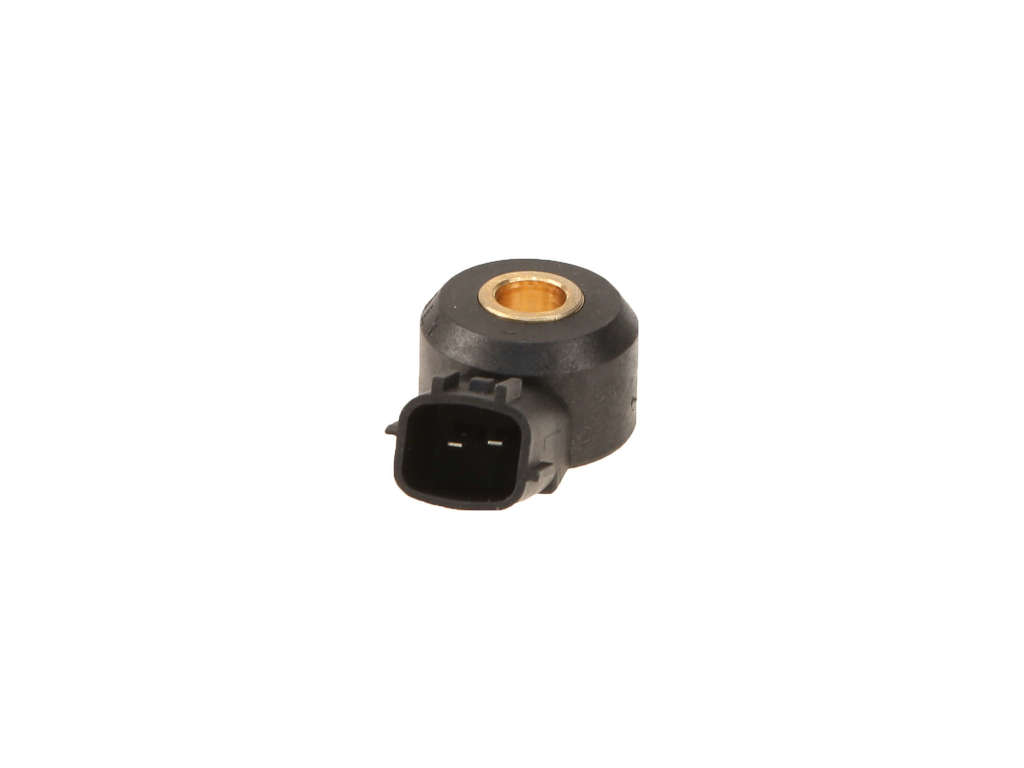
- Failed Knock Sensor 🔴 High Probability → Shop Ignition Knock (Detonation) Sensor The sensor is exposed to constant heat cycles and vibration, leading to internal failure of the piezoelectric element or cracking of the plastic housing over time. This is a very common failure item on Subaru engines.
How to confirm: After accessing the sensor, test its internal resistance with a multimeter. On many Subarus, a good sensor will read around 530k-580k ohms. A reading of zero (short) or infinity (open) indicates a failed sensor. Visually inspect for cracks in the sensor's housing.
Typical fix: Replace the knock sensor. It is critical to use a torque wrench and tighten the new sensor to the manufacturer's specification of 17.7 ft-lbs (24 Nm). Over-tightening or under-tightening can cause the sensor to function incorrectly.
Est. part cost: $45-$130 - Damaged Wiring or Connector 🟡 Medium Probability The wiring harness can become brittle from heat, and rodents are known to chew on the soy-based wire insulation in the engine bay, especially on the sub-harness located under the manifold. Corrosion can also form in the connector, disrupting the signal.
How to confirm: Visually inspect the entire harness leading to the knock sensor for any signs of chewing, melting, or breaks. Pay close attention to the area where the harness runs along the back of the engine. Use a multimeter to check for continuity from the ECM connector to the sensor connector. Check for shorts to power or ground.
Typical fix: Repair the damaged section of wire or, more reliably, replace the knock sensor sub-harness (OEM P/N 24038AA01A). It is often recommended to replace the harness when replacing the sensor due to the difficult access.
Est. part cost: $25-$60 - Loose or Improperly Torqued Knock Sensor ⚪ Low Probability → Shop Ignition Knock (Detonation) Sensor This is usually only a factor if the sensor has been replaced before and was not torqued correctly. An incorrect torque value prevents the sensor from accurately detecting engine block vibrations.
How to confirm: Attempt to wiggle the sensor by hand. Use a torque wrench to verify it is tightened to the correct specification (17.7 ft-lbs / 24 Nm).
Typical fix: Clean the mounting surface on the engine block and the sensor, then reinstall and torque to the proper specification. Do not use anti-seize on the bolt threads.
Est. part cost: $0
Rare But Worth Checking
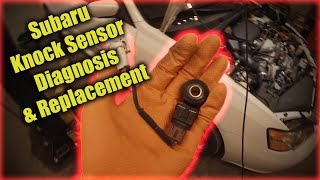
- Faulty Engine Control Module (ECM): → Shop Engine Control Module (ECM) This is extremely rare. The ECM should only be considered after all other possibilities, including the sensor and all wiring, have been definitively ruled out through rigorous testing. 🎬 See this professional Subaru knock sensor diagnosis and replacement guide.
Diagnosis Steps
- Confirm the presence of the P0325 code with an OBD-II scanner.
- Check for any Technical Service Bulletins (TSBs) related to this code for your vehicle. TSB 07-133-18R discusses an updated sensor design for durability.
- Carefully inspect the visible portions of the engine wiring harness for signs of damage, particularly from rodents. Look for droppings or chewed material near the firewall and intake manifold.
- Because the sensor is under the intake manifold, the next step involves significant disassembly. If you are not comfortable with this, professional service is recommended.
- Remove the intake manifold assembly to gain access to the knock sensor on the engine block.
- Once exposed, visually inspect the knock sensor and its sub-harness for cracks, corrosion, or obvious damage like chew marks.
- Disconnect the sensor and test its resistance with a multimeter. Compare the reading to the manufacturer's specification (typically ~530k-580k ohms for this type).
- Test the wiring harness for continuity from the sensor connector back to the ECM and check for any shorts to ground or power.
- If the sensor is faulty, replace it. It is highly recommended to replace the sub-harness (P/N 24038AA01A) at the same time.
- Ensure the mounting surface on the engine block is clean before installing the new sensor.
- Install the new sensor and tighten the bolt to the specified torque of 17.7 ft-lbs (24 Nm). Do not over-tighten or use anti-seize compound.
- Reassemble the intake manifold using new gaskets, clear the code with the scanner, and test drive the vehicle to ensure the code does not return.
Parts You'll Likely Need
- Knock Sensor
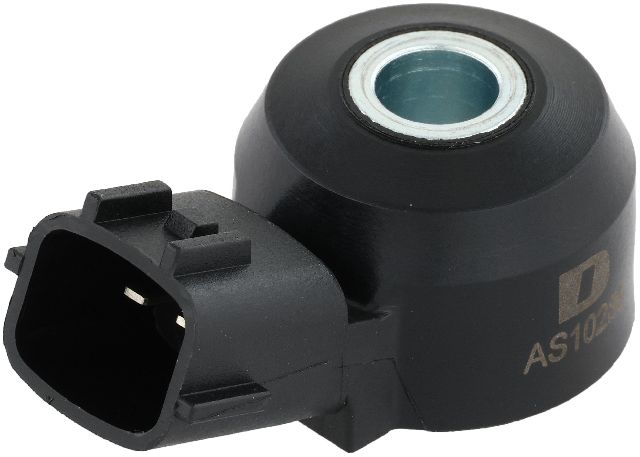
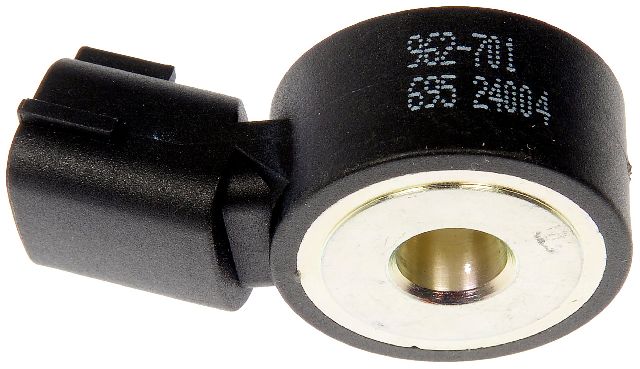
(OEM #22060AA140)— This is the most common component to fail, either internally or by cracking, triggering the P0325 circuit code. Forum users strongly recommend using an OEM or Denso branded sensor for reliability.
Trusted brands: Subaru (Genuine), Denso (OEM supplier), NGK/NTK, Standard Motor Products
OEM price range: $90-$135
Aftermarket price range: $45-$80 - Knock Sensor Wiring Harness (Sub-harness)
(OEM #24038AA01A)— The wiring harness is a frequent point of failure due to heat embrittlement and rodent damage. It is often replaced as a preventative measure during a knock sensor replacement because of the difficult access.
Trusted brands: Subaru (Genuine), Dorman
OEM price range: $30-$50
Aftermarket price range: $20-$40 - Intake Manifold Gaskets
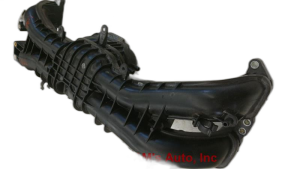
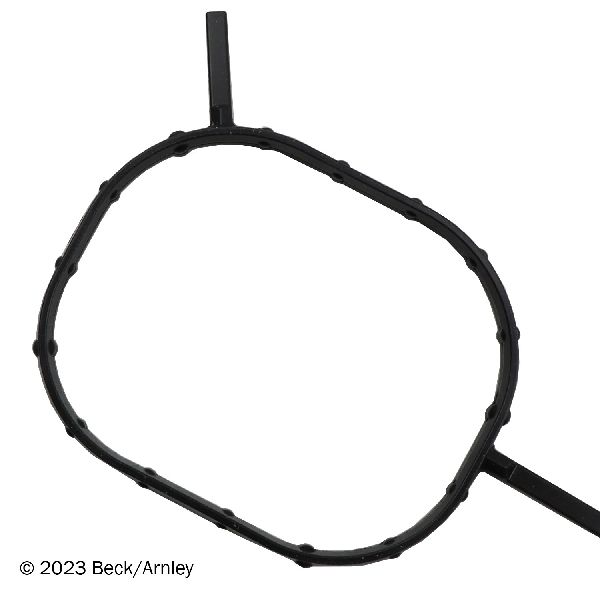
(OEM #14035AA541 (Quantity 2))— These are single-use gaskets that must be replaced anytime the intake manifold is removed 🎬 Watch this step-by-step walkthrough of the intake manifold removal process. to prevent vacuum leaks.
Trusted brands: Subaru (Genuine), Fel-Pro
OEM price range: $15-$25 each
Aftermarket price range: $8-$15 each
Related Codes That Often Appear With This One
- P0327 — Indicates 'Knock Sensor 1 Circuit Low Input', which points to similar failures like a short in the wiring or an internal sensor fault.
- P0328 — Indicates 'Knock Sensor 1 Circuit High Input', which often points to an open circuit from a broken wire, loose connector, or internal sensor failure.
Technical Service Bulletins (TSBs) & Recalls
- 07-133-18R: Announces a design change for the knock sensor on some Subaru models for improved durability. While it primarily references other DTCs (P0327, P0328), it confirms the torque spec of 17.7 ft-lbs (24 Nm) and advises against using anti-seize.
Platform-Specific Known Issues
- Rodent Damage Hotspot: The location of the knock sensor harness under the intake manifold creates a sheltered, warm area that is attractive to rodents seeking nesting space. Many owners who have undertaken this repair report finding evidence of nests and chewed wires directly on the sub-harness connector.
Mechanic-Grade Diagnostic Values
- Knock Sensor Internal Resistance — expected: 530kΩ - 580kΩ. Failure: A reading of zero (short), infinity (open), or significantly outside the expected range indicates a failed sensor.
- Harness Bias Voltage (Key On, Engine Off) — expected: ~5.0V DC. Failure: With the sensor unplugged, the voltage on the harness-side connector pin should be approximately 5.0V. If it is 0V or significantly lower, there is a wiring or ECM issue.
- Connected Circuit Voltage (Back-probed) — expected: ~2.5V DC. Failure: When the sensor is connected, the bias voltage from the ECM is pulled down by the sensor's internal resistance. A reading around 2.5V is normal. A reading near 5V indicates an open circuit (bad sensor or wire), and a reading near 0V indicates a short to ground.
Scan Tool Commands That Help
- Subaru Select Monitor (SSM) or equivalent: Current Data Display / Engine Data — While P0325 is a circuit code, a professional scan tool can be used to monitor ignition timing advance. With a P0325 active, the ECM will lock timing in a conservative map, and you will not see the typical dynamic timing adjustments as RPM and load change. This can help confirm the ECM is in its fail-safe mode due to the fault.
Wiring & Ground Locations
- GE-1 and GE-2 — Bolted to the top center rear of the engine block, near the bellhousing area.. These are the main engine wiring harness ground points. A loose or corroded ground at these locations can cause a variety of sensor circuit faults, including for the knock sensor. One of these grounds, GE-1, is specifically tied to the ECM's sensor ground reference.
- Knock Sensor Signal Wire at ECM — The specific pin will vary by exact model year and ECM, requiring a wiring diagram for confirmation. For example, on some models, it is pin 1 at connector E6.. This is the terminal at the ECM where the signal from the knock sensor arrives. Testing for continuity between this pin and the pin at the sensor connector is the definitive way to rule out a broken wire in the main harness.
Real Owner Repair Stories
- ScoobyNet.com forum user (Subaru (model not specified, but common issue)) — Intermittent Check Engine Light for knock sensor (code 22 on older models, equivalent to P0325). After replacing the sensor, the CEL became constant.
❌ Tried (didn't work) Installing a new knock sensor and torquing it to 15 Nm., Re-torquing the new sensor to the correct 24 Nm.
✅ What actually fixed it The brand new, aftermarket knock sensor was defective out of the box. It had infinite resistance (open circuit), while the old, intermittently-failing sensor correctly read ~560k ohms. Replacing the faulty new sensor with a good one resolved the problem.
OEM Part Supersession History
22060AA140→22060AA180, 22060AA18A— Design change to improve durability and heat resistance. The sensor for DIT (Direct Injection Turbo) engines was adapted for use in NA (Naturally Aspirated) engines.
Heads up: The new part numbers are direct replacements for the old one. 22060AA180 is for Japan-built vehicles and 22060AA18A is for US-built vehicles.
Diagnostic Flowchart
Other Known Issues on This Vehicle
Issues unrelated to this code that are worth knowing about as an owner of this generation:
- Excessive Oil Consumption 🔴 High — Most common in 2011-2014 models. Caused by low-tension oil control piston rings. Subaru acknowledged consumption of up to 1 quart per 1,200 miles as 'acceptable'. A class-action lawsuit was settled, and Subaru issued TSB 02-157-14R to address the issue, sometimes involving piston ring replacement or a new short block for vehicles under warranty. (Ref: TSB 02-157-14R)
- CVT Transmission Failure/Hesitation 🔴 High — Widespread enough that Subaru extended the powertrain warranty on the CVT for many models, including the Forester, to 10 years/100,000 miles. Issues range from hesitation and stumbling to complete failure. The warranty extension was a proactive measure to address customer satisfaction. (Ref: Subaru CVT Warranty Extension Program (e.g., TSB 16-102-16))
- Premature Rear Wheel Bearing Failure 🟠 Medium — A humming or grinding noise from the rear of the vehicle that increases with speed is a common complaint. Caused by inadequate sealing, allowing moisture intrusion and corrosion. TSB 05-70-19 addresses this for the 2013-2016 Forester, noting that a defective backing plate design can lead to hub damage. (Ref: TSB 05-70-19)
- Cracked Windshields 🟡 Low — Numerous owner complaints exist across multiple model years about windshields cracking easily, sometimes without a clear impact point. This is often attributed to the design and stress on the glass, particularly on models with the EyeSight system.
Used vs. New Parts: Buying Guide for This Vehicle
When a used part is the smart pick: For this repair, using a used part is generally not recommended. The knock sensor is a sensitive electronic component prone to failure from heat and vibration, and it is located in a highly inaccessible area requiring hours of labor to replace. The risk of a used part failing shortly after installation outweighs the small cost savings.
Donor-vehicle mileage cap: roughly under 40000 miles for the part to have meaningful remaining life.
What to inspect on the donor part:
- If considering a used part, only pull from a very low-mileage, front-end collision vehicle where the engine was not impacted.
- Test the resistance of the used sensor with a multimeter before purchase; it must be within the 530k-580k ohm specification.
- Visually inspect the plastic housing for any hairline cracks or signs of heat stress.
- Ensure the connector pins are clean and not spread apart.
OEM-only on this vehicle (don't cheap out):
- Knock Sensor
Aftermarket brands forum-validated for this vehicle:
- Denso (often the OEM supplier)
- NGK/NTK
Brands owners have reported issues with on this vehicle:
- Unnamed or 'white-box' sensors from online marketplaces. Forum posts frequently report these parts being dead-on-arrival or failing within a short period, leading to a repeat of the labor-intensive repair.
Real Owner Stories
Aggregated from forums and TSBs cited above. Mileages and costs reflect what owners reported in those sources.
2011 Subaru Forester FB25
Symptoms: Check Engine Light with code P0325. The owner noted the sensor is difficult to reach under the intake manifold.
What fixed it: DIY replacement of the knock sensor; the owner emphasized the necessity of replacing the intake gaskets during the process.
Cost: $600-$800
Source hint: subaruforester.org - P0325 Knock Sensor - 2011 Forester
2011-2018 Subaru Forester 2.5L
Symptoms: Evidence of nests and chewed wires found directly on the sub-harness connector.
What fixed it: Repairing the damaged section of wire or replacing the knock sensor sub-harness (OEM P/N 24038AA01A).
Source hint: Vehicle Specific Issues: Rodent Damage Hotspot
Subaru Outback 2.5L (FB25)
Symptoms: P0325 code triggered by the common failure of the sensor or its sub-harness located under the manifold.
What fixed it: Replacement of the knock sensor and sub-harness while replacing intake gaskets.
Source hint: subaruoutback.org - P0325 Knock Sensor on FB25
Related OBD-II Codes
Frequently Asked Questions
Does TSB 07-133-18R apply to my P0325 code on the FB25 engine?
Why is the labor cost so high for a simple sensor replacement on my 2011 Forester?
Should I replace the wiring harness (P/N 24038AA01A) when I replace the sensor?
Can I use anti-seize on the knock sensor bolt to prevent future corrosion?
Is there a specific resistance value I should look for when testing my Subaru knock sensor?
Are there any other parts I need to buy if I'm doing this repair myself?
Helpful Videos
Used OEM Parts in Stock
New Aftermarket Parts Available


The information in this article is provided for general reference and educational purposes only. Vehicle specifications, procedures, and part compatibility can vary by production date, trim level, and region. Always consult your vehicle's factory service manual and verify part numbers before purchasing or performing repairs. Safety-critical components such as airbags, seat belts, and braking systems should be installed by a qualified professional.
- Subaru Forester:
- 🧭 Diagnostic Flowchart
- 🎬 Helpful Videos
- 🛍️ Shop This Part
- What's Unique About the 2011-2018 Subaru Forester
- Symptoms You May Notice
- Most Likely Causes
- Rare But Worth Checking
- Diagnosis Steps
- Parts You'll Likely Need
- Related Codes That Often Appear With This One
- Technical Service Bulletins (TSBs) & Recalls
- Platform-Specific Known Issues
- Mechanic-Grade Diagnostic Values
- Scan Tool Commands That Help
- Wiring & Ground Locations
- Real Owner Repair Stories
- OEM Part Supersession History
- Other Known Issues on This Vehicle
- Used vs. New Parts: Buying Guide for This Vehicle
- Real Owner Stories
- 2011 Subaru Forester FB25
- 2011-2018 Subaru Forester 2.5L
- Subaru Outback 2.5L (FB25)
- Related OBD-II Codes
- Frequently Asked Questions
- 🎟️ Get 5% Off