

P0331 on 2015-2022 Chevrolet Colorado: Knock Sensor Circuit Range/Performance Issues
This code on a 2015-2022 Chevrolet Colorado points to a problem with the knock sensor circuit. While it could be a faulty sensor, a common cause on this specific truck is an outdated software calibration in the engine or transmission control module, which requires a dealer update to fix. This is confirmed by multiple GM Technical Service Bulletins.
- For a 2015-2022 Colorado, P0331 is very often caused by a software issue, not a bad part. This is confirmed by multiple GM TSBs.
- Before replacing any parts, check with a GM dealer for available software updates for the Engine Control Module (ECM) and Transmission Control Module (TCM). This is the most likely and often cheapest fix.
- Symptoms can include rough idle, reduced power, and a harsh feeling when cruise control engages, particularly on grades.
- If a software update doesn't fix it, the next likely culprit is the sensor itself, but be aware that on V6 models, this is a labor-intensive and costly repair.
What's Unique About the 2015-2022 Chevrolet COLORADO
For the 2015-2022 Chevrolet Colorado and its twin, the GMC Canyon, code P0331 is frequently not a hardware problem. Multiple Technical Service Bulletins (TSBs) issued by GM indicate that software glitches are a common cause. TSB #PIP5303A specifically mentions symptoms like 'low speed chuggle, or a cruise engagement bump has too much feel' when descending a mountain grade, which can be resolved by reprogramming. Technicians have found that reprogramming the Engine Control Module (ECM) and Transmission Control Module (TCM) with the latest software calibration often resolves this code. This is a crucial distinction, as many owners might needlessly replace the knock sensor when a software update is the real fix.
🎬 Watch: Understanding P0331 causes and common fixesDiagnostic Flowchart
Tap your situation to follow the diagnostic path that matches what you're seeing on this vehicle.
Symptoms You May Notice
- Check Engine Light is on
- Audible engine knocking or pinging
- Reduced engine power and acceleration
- Rough or unstable idle
- Hesitation during acceleration
- Cruise control engagement feels harsh or bumpy
- Low-speed chuggle, especially when descending grades (as noted in TSB #PIP5303A)
- Replacing the knock sensor when the actual problem is the ECM/TCM software needing an update. This is a common mistake given the specific TSBs for this vehicle and the high labor cost involved in the replacement.
Most Likely Causes
- Outdated Engine or Transmission Control Module Software 🔴 High Probability Multiple GM Technical Service Bulletins (#PIP5303B, #PIP5303A) specifically call out this issue for the Colorado/Canyon, linking P0331 to software calibration problems that can cause false readings.
How to confirm: A GM dealer or a qualified shop with a J2534 pass-through device can check the current software calibration version against the latest available from GM. Owners on forums like ColoradoFans report dealers charging a diagnostic fee (e.g., ~$150) to confirm and then apply the update.
Typical fix: Reprogram the Engine Control Module (ECM) and Transmission Control Module (TCM) with the latest software. A ColoradoFans user with a 2016 Colorado confirmed this fixed their P0326/P0331 codes after the dealer performed the update.
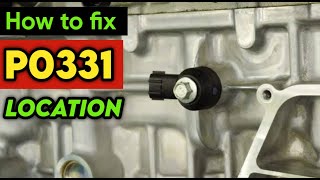
Est. part cost: $0 - Faulty Knock Sensor 🟡 Medium Probability → Shop Ignition Knock (Detonation) Sensor Sensors can fail over time due to heat and vibration. On the V6 models, they are located in the valley of the engine block under the intake manifold, a high-heat area. A Reddit user with a new Colorado reported their P0331 was fixed by replacing a faulty sensor under warranty.
How to confirm: After confirming the wiring is good, the sensor's resistance can be tested with a multimeter. If the sensor is inaccessible (like on the V6), this step is often skipped in favor of replacement due to the high labor cost to access it.
Typical fix: Replace the knock sensor. Due to the difficult location on the V6, it is highly recommended to replace both sensors (Bank 1 and Bank 2) and the wiring harness at the same time.
Est. part cost: $20-$50 - Wiring or Connector Issue ⚪ Low Probability Wiring harnesses can become damaged from heat, vibration, or improper servicing. An early TSB for the 2015 models (PIP5273) specifically advised technicians to check for loose connections at the sensor and ECM before replacing any parts. A TSB for the next-generation 2023-2024 Colorado (PIP5985) points to a specific connector, X160, as a source of poor terminal connection for this code, indicating connector issues are a recurring theme for GM.
How to confirm: Visually inspect the wiring harness leading to the knock sensor for any signs of damage, melting, or chafing. Check the main ECM connectors for corrosion or loose pins.
Typical fix: Repair the damaged section of the wiring harness or clean/replace the connector.
Est. part cost: $5-$25
Rare But Worth Checking
- Powertrain Control Module (PCM) Failure: → Shop Engine Control Module (ECM) This is very rare. The PCM should only be considered after all other possibilities, including software updates, sensors, and wiring, have been exhaustively checked and ruled out.
- Internal Engine Problems: Actual, severe engine knock from issues like bad rod bearings or excessive carbon buildup can cause the sensor to report valid but out-of-range data. This is unlikely unless other severe symptoms are present.
Diagnosis Steps
- Check for Technical Service Bulletins (TSBs): This is the most critical first step. Contact a GM dealer with your VIN or search online for TSBs like PIP5303B, PIP5836A, and PIP5273. The fix is very likely a software update.
- Scan for Other Codes: Use an OBD-II scanner to check for other codes, especially P0326, which strongly points towards the common software issue.
- Check for Software Updates: Contact a GM dealership or a qualified repair shop to determine if an ECM/TCM software update is available for your vehicle. This should be done before any parts are replaced.
- Inspect Wiring and Connectors: If software updates don't apply or fail to fix the issue, perform a visual inspection of the engine harness and ECM connectors for damage, corrosion, or loose pins as suggested in TSB PIP5273.
- Test/Replace the Sensor: If wiring is confirmed good, the next step is the sensor itself. On the 3.6L V6, the sensors are under the intake manifold, making testing impractical. Replacement is the common repair. On 2.5L 4-cylinder models, access is easier. If replacing, it's wise to do both sensors and the harness at the same time.
- Consider PCM: If all other steps fail to resolve the issue, the PCM may be faulty, but this is extremely unlikely.
Parts You'll Likely Need
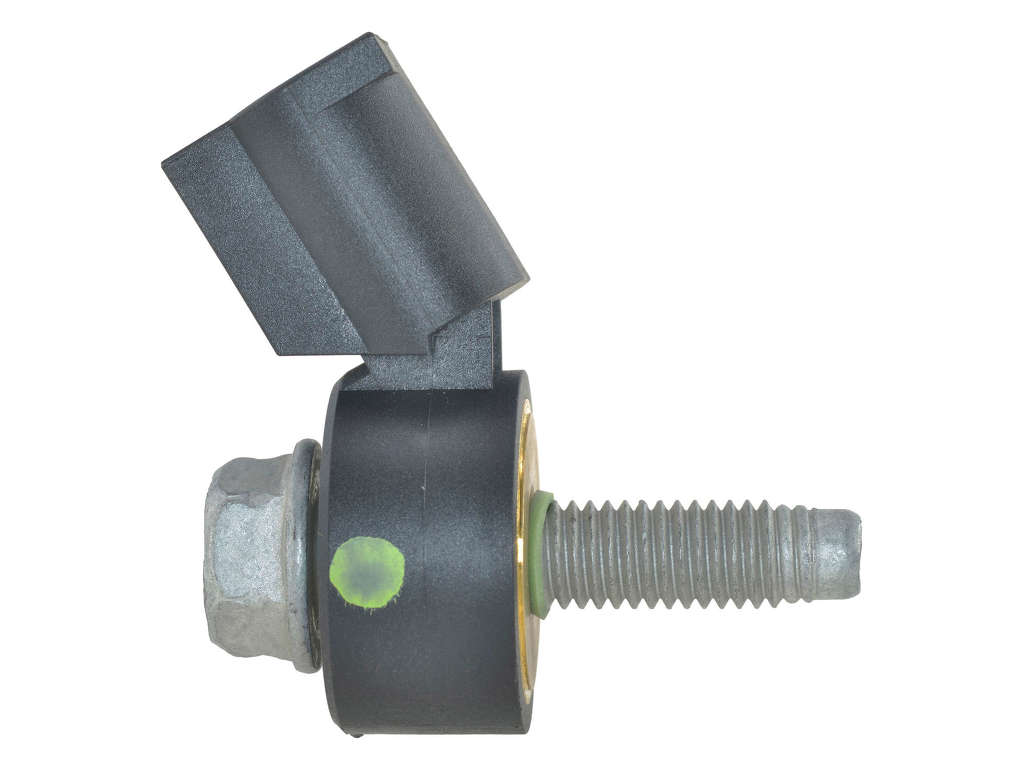
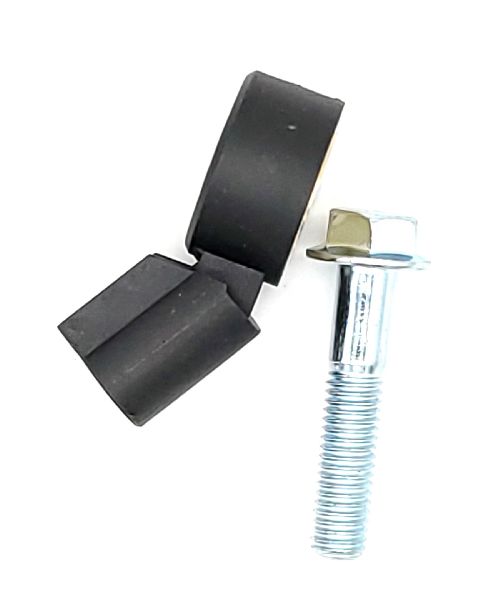
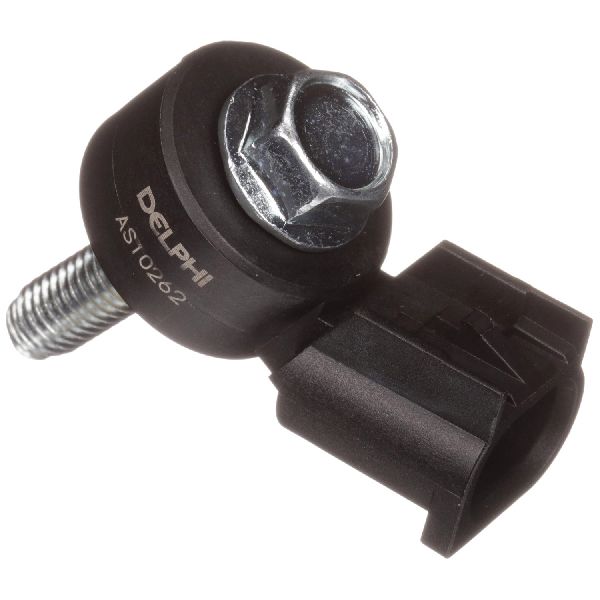
- Knock Sensor
(OEM #12729597)— If the issue is not software-related, the sensor itself is the next most likely component to have failed. This part number is the current GM Original Equipment part and supersedes older numbers like 12636736 and 12692505.
Trusted brands: ACDelco (GM Original Equipment), Delphi, NTK
OEM price range: $25-$45
Aftermarket price range: $15-$35 - Knock Sensor Wiring Harness
(OEM #N/A (often sold with sensors))— When replacing sensors located under the intake manifold, it is standard practice to also replace the short harness that connects them, as it is subjected to the same heat and can become brittle.
Trusted brands: ACDelco, Dorman
OEM price range: $20-$40
Aftermarket price range: $15-$30
Related Codes That Often Appear With This One
- P0326 — This code for 'Knock Sensor 1 Circuit Range/Performance' is for the other engine bank. It is often cited alongside P0331 in the same GM Technical Service Bulletins (e.g., #PIP5303B, #PIP5273), indicating they share a common root cause, which is frequently the software calibration issue.
- P0068, P0101, P0106, P0171, P0131, P0137, P0324, P0506 — TSB #PIP5529B lists P0331 as part of a larger group of codes that can be set together due to a single underlying issue, which the bulletin aims to resolve.
Technical Service Bulletins (TSBs) & Recalls
- PIP5836A: Communicates a possible emerging issue and recommendations to correct for a DTC P0331.
- PIP5529B: Resolving a malfunction indicator lamp illumination due to any combination of diagnostic trouble codes including P0331.
- PIP5303B: Recommends reprogramming the engine control module and the transmission control module for P0331.
- PIP5273: Advises checking connections and not replacing parts for history codes P0326/P0331 on 2015 models, pending a final repair from engineering.
- PIP5303A: An earlier version of PIP5303B, also recommending ECM/TCM reprogramming for P0331.
Platform-Specific Known Issues
- TSB #PIP5303B and #PIP5303A note that a rough idle, misfire, or harsh cruise control engagement can be accompanied by code P0331 and recommends reprogramming the ECM and TCM as the fix.
- TSB #PIP5273 (March 2015) was an early bulletin for the 2015 model year that told technicians NOT to replace the knock sensor or ECM for history codes P0326/P0331, and to instead check connections while engineering worked on a permanent (software) repair.
- TSB #PIP5836A from May 2022 mentions an emerging issue related to P0331 and provides updated recommendations, highlighting that this is an ongoing area of concern for GM.
- TSB #PIP5529B groups P0331 with several other codes that can illuminate the check engine light, suggesting a common, potentially complex, diagnostic path.
Helpful Videos

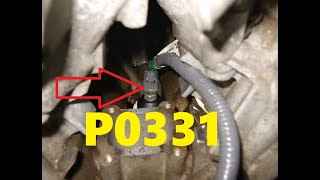
![How to Fix P0331 Engine Code in 2 Minutes [1 DIY Method / Only $10.58]](https://img.youtube.com/vi/Sy2Zyg1B1E4/mqdefault.jpg)
We Have This Part in Stock


The information in this article is provided for general reference and educational purposes only. Vehicle specifications, procedures, and part compatibility can vary by production date, trim level, and region. Always consult your vehicle's factory service manual and verify part numbers before purchasing or performing repairs. Safety-critical components such as airbags, seat belts, and braking systems should be installed by a qualified professional.
- Chevrolet COLORADO:
- 🧭 Diagnostic Flowchart
- 🎬 Helpful Videos
- 🛍️ Shop This Part
- What's Unique About the 2015-2022 Chevrolet COLORADO
- Symptoms You May Notice
- Most Likely Causes
- Rare But Worth Checking
- Diagnosis Steps
- Parts You'll Likely Need
- Related Codes That Often Appear With This One
- Technical Service Bulletins (TSBs) & Recalls
- Platform-Specific Known Issues
- 🎟️ Get 5% Off