

P0333 on 2016-2019 Cadillac CTS: Knock Sensor Circuit High Causes and Fixes
On a 2016-2019 Cadillac CTS, code P0333 is most often caused by a wiring issue, not a faulty knock sensor. Specifically, check for problems at the ECM X2 connector or voltage bleeding from the transmission's park/neutral signal wire, as outlined in GM Technical Service Bulletins.
- For a 2016-2019 CTS, P0333 is most likely a wiring problem, not a bad sensor.
- Always check for the code setting when shifting out of Park, as this strongly points to a known TSB issue.
- Inspect the ECM X2 connector for debris or damage before inspecting the rest of the harness.
- Do not replace the knock sensor until all documented wiring issues have been completely ruled out to avoid wasting money on an unnecessary part.
What's Unique About the 2016-2019 Cadillac CTS
For this generation of Cadillac CTS, P0333 is frequently not a simple case of a bad sensor. General Motors has identified specific platform-wide wiring problems that cause this code. TSBs point to issues like voltage from the transmission's park/neutral signal wire bleeding into the knock sensor circuit, or poor connections at the main ECM connector. This makes a thorough wiring inspection the mandatory first step before considering sensor replacement.
🎬 Watch: A helpful tutorial on replacing Cadillac knock sensors.Diagnostic Flowchart
Tap your situation to follow the diagnostic path that matches what you're seeing on this vehicle.
Symptoms You May Notice
- Check Engine Light (MIL) is on
- MIL illuminates specifically when shifting out of Park.
- Reduced engine power and acceleration
- Audible engine pinging or knocking
- Rough or uneven idle.
- Replacing the knock sensor without first thoroughly inspecting the wiring harness and ECM connector per GM service bulletins. This often leads to the code returning.
Most Likely Causes
- Voltage Bleed from Park/Neutral Signal Wire 🔴 High Probability This is a documented issue in GM TSB #PIP5576 and its replacement, #20-NA-207. The wiring for the knock sensor and the transmission signal are routed in a way that can lead to interference.
How to confirm: The most telling symptom is the Check Engine Light for P0333 appearing immediately after shifting the transmission from Park to Drive or Reverse.
Typical fix: Inspect and repair the wiring harness where the transmission and knock sensor circuits may be cross-talking. This may involve separating wires or repairing chafed insulation.
Est. part cost: $0-$50 - Electrical Issue at ECM X2 Connector 🔴 High Probability GM TSB #20-NA-207 specifically calls out this connector as a point of failure. Debris, moisture, or poor terminal contact can create high resistance or short circuits.
How to confirm: Visually inspect the K20 ECM's X2 electrical connector for any debris, corrosion, bent pins, or signs of water intrusion. Check for proper terminal tension.
Typical fix: Clean the connector and terminals with an appropriate electrical contact cleaner. If terminals are damaged, they may need to be replaced, which could require a special tool or a new connector pigtail.
Est. part cost: $10-$75 - Damaged or Shorted Knock Sensor Wiring 🟡 Medium Probability → Shop Ignition Knock (Detonation) Sensor Wiring can become brittle from heat cycles or get damaged during other repairs, such as a starter replacement. A user on a forum found the two wires leading to the sensor were bare and twisted together, causing the code.
How to confirm: Perform a visual inspection of the knock sensor harness from the sensor to the ECM. Check for chafing, melting, or corrosion. Use a multimeter to check for a short to voltage in the signal wire.
Typical fix: Repair the damaged section of the wire. In some cases, replacing the knock sensor pigtail connector is the best solution.
Est. part cost: $15-$40 - Faulty Knock Sensor ⚪ Low Probability → Shop Ignition Knock (Detonation) Sensor While the sensor can fail, it is less common than the wiring issues on this specific platform. It is often replaced unnecessarily.
How to confirm: After ruling out all wiring issues, test the sensor itself. This can be done by checking its internal resistance or by using a scan tool to monitor its voltage 🎬 Watch: How to diagnose and fix knock sensor circuit codes. while lightly tapping on the engine block near the sensor.
Typical fix: Replace the Bank 2 knock sensor. Ensure it is torqued to the correct specification (often around 15-17 ft-lbs), as over-tightening or under-tightening can affect its reading.
Est. part cost: $25-$70
Rare But Worth Checking
- Faulty Engine Control Module (ECM): → Shop Engine Control Module (ECM) This is the least likely cause. The ECM should only be considered after all wiring and sensor-related possibilities have been exhaustively tested and ruled out.
Diagnosis Steps
- Read the code with an OBD-II scanner and note if it appears after shifting out of Park.
- Crucial First Step: Consult GM TSBs #20-NA-207 and #PIP5576.
- Inspect the K20 ECM's X2 electrical connector for debris, corrosion, or damaged pins as recommended by TSB #20-NA-207.
- If the code sets when shifting, investigate the wiring harness for voltage bleeding from the transmission park/neutral signal circuit.
- Visually inspect the entire wiring harness for the Bank 2 knock sensor for any signs of damage, melting, or chafing, especially near the starter motor or hot engine components.
- Using a multimeter, check the knock sensor circuit for a short to voltage.
- If all wiring checks out, test the knock sensor itself. Check its resistance and ensure it produces an AC voltage signal when the engine block is tapped near it.
- If the sensor is replaced, ensure it is torqued to the manufacturer's specification.
- If all other steps fail to resolve the issue, the ECM may be at fault, though this is rare.
Parts You'll Likely Need
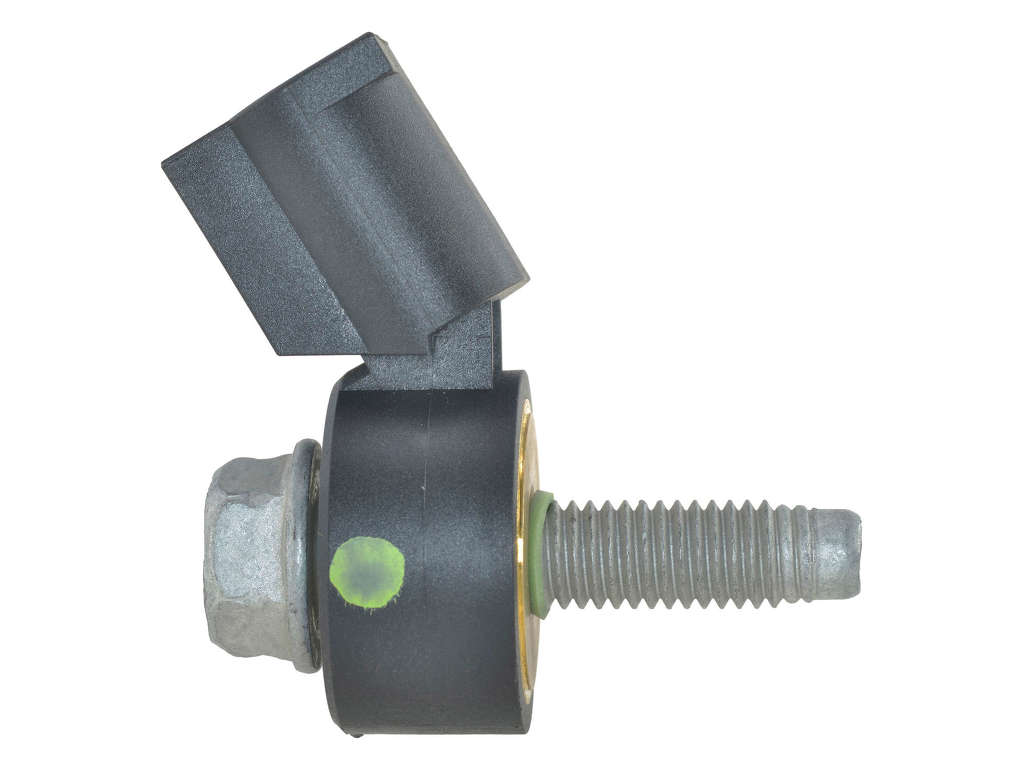
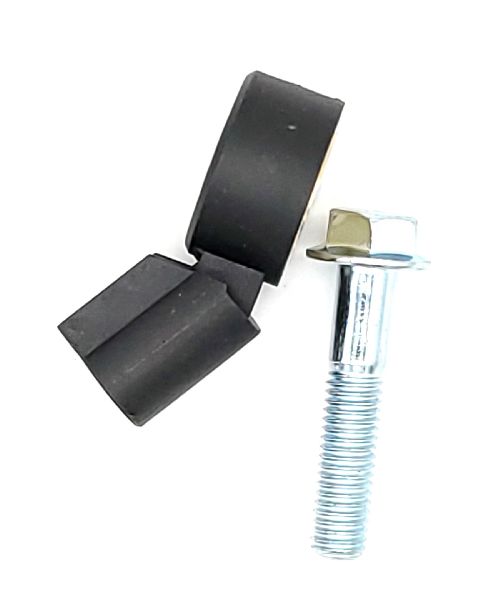
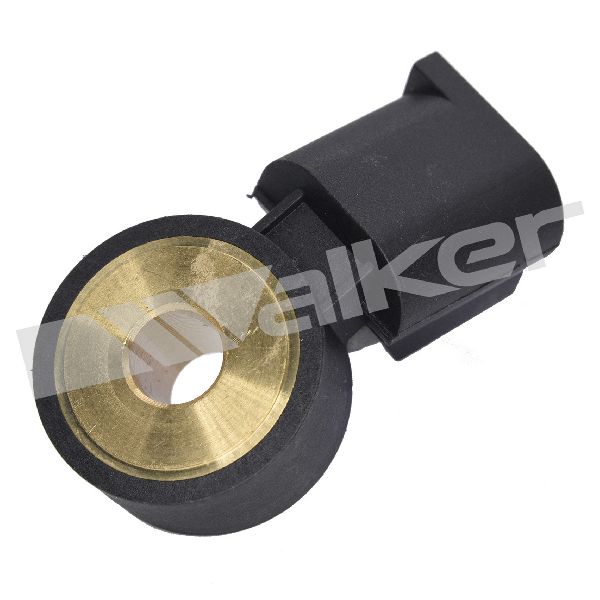
- Knock Sensor (Bank 2) — This is the component that is replaced if it is confirmed to be faulty after all wiring issues are ruled out.
Trusted brands: ACDelco, Bosch, Delphi
OEM price range: $45-$70
Aftermarket price range: $25-$50 - Wiring Harness Pigtail or Terminals — Often the fix is repairing a damaged connector or wire, not replacing a major component. This may be needed for the knock sensor connector or the ECM connector.
Trusted brands: ACDelco, Dorman
OEM price range: $30-$60
Aftermarket price range: $15-$40
Technical Service Bulletins (TSBs) & Recalls
- 20-NA-207: Information on Malfunction Indicator Lamp (MIL) Illuminated - DTC P0333 Set. This bulletin supersedes PIP5576 and points to either voltage bleed from the transmission circuit or a poor connection at the ECM X2 connector.
- PIP5576: Preliminary information identifying that P0333 can set when shifting from park due to voltage bleed from the transmission park/neutral signal circuit. This TSB is now superseded by 20-NA-207.
Platform-Specific Known Issues
- TSB #20-NA-207 / #PIP5576: Documents that P0333 can be set when shifting from Park due to voltage from the transmission park/neutral signal circuit bleeding into the knock sensor circuit.
- TSB #20-NA-207: Points to potential electrical concerns (debris, poor terminal contact) at the ECM's X2 electrical connector as a direct cause for P0333.
Mechanic-Grade Diagnostic Values
- Knock Sensor Internal Resistance — expected: 93kΩ - 107kΩ (93,000 to 107,000 Ohms). Failure: A reading outside this range indicates a faulty internal resistor in the sensor.
- Knock Sensor AC Voltage Output (Tapping Test) — expected: A small AC voltage should be generated, visible on a multimeter or oscilloscope.. Failure: No AC voltage produced when tapping the engine block near the sensor suggests the sensor's piezoelectric crystal has failed.
- Knock Sensor Torque Specification — expected: 15-17 lb-ft. Failure: Incorrect torque (too loose or too tight) can cause the sensor to read improperly, leading to false codes or failure to detect real knock.
Wiring & Ground Locations
- K20 ECM Connector X2 — The Engine Control Module (ECM) is located in the engine bay. X2 is one of the large, multi-pin connectors that plug into it.. TSB #20-NA-207 specifically identifies this connector as a primary location for faults causing P0333, due to debris, moisture, or poor terminal pin contact.
- ECM X2 Pins 50 & 51 (Likely) — At the K20 ECM X2 connector.. Based on wiring diagrams for similar GM engines, the Knock Sensor 2 (Bank 2) circuit likely uses these two pins for its signal and low reference. Pin 51 is often the Signal, and Pin 50 is the Low Reference. These are the specific pins to test for continuity and voltage.
- Bank 2 Knock Sensor — On the driver's side of the engine block (for the 3.6L V6), located just behind the starter motor.. This is the physical location of the sensor itself. Access is difficult and may require removing the starter. 🎬 See this walkthrough for locating and replacing the sensor.
- G103 Ground — Located at the left rear of the engine compartment on the cowl, often above the brake booster.. This is a major ground point for the BCM, IPC, and other modules. While not directly for the knock sensor (which grounds through the block), a poor G103 can cause widespread electrical issues that could mimic sensor faults.
Real Owner Repair Stories
- Tacoma World forum user (Toyota Tacoma (different vehicle, but same code and a relevant cause)) — Check Engine Light with code P0333.
✅ What actually fixed it The wiring to the knock sensor had been chewed by rodents. The user was able to repair the wiring by replacing the plug without major disassembly.
Helpful Videos

We Have This Part in Stock


The information in this article is provided for general reference and educational purposes only. Vehicle specifications, procedures, and part compatibility can vary by production date, trim level, and region. Always consult your vehicle's factory service manual and verify part numbers before purchasing or performing repairs. Safety-critical components such as airbags, seat belts, and braking systems should be installed by a qualified professional.
- Cadillac CTS:
- 🧭 Diagnostic Flowchart
- 🎬 Helpful Videos
- 🛍️ Shop This Part
- What's Unique About the 2016-2019 Cadillac CTS
- Symptoms You May Notice
- Most Likely Causes
- Rare But Worth Checking
- Diagnosis Steps
- Parts You'll Likely Need
- Technical Service Bulletins (TSBs) & Recalls
- Platform-Specific Known Issues
- Mechanic-Grade Diagnostic Values
- Wiring & Ground Locations
- Real Owner Repair Stories
- 🎟️ Get 5% Off